Choosing the right color temperature for recessed lighting is crucial. It impacts mood, ambiance, and functionality in a space. Different color temperatures can create unique atmospheres. Warm tones can make a room feel cozy. Cooler tones may provide a more energizing feel.
When considering how to choose the right color temperature for recessed lighting, think about the room's purpose. A living room or bedroom often benefits from softer, warmer light. In contrast, kitchens or workspaces might require cooler, brighter lighting for better visibility.
Selecting color temperature isn't merely technical; it's an art. You need to visualize how light interacts with colors in your room. Consider experimenting with various bulbs before making a final choice. It can be difficult to balance aesthetics and functionality. Sometimes, what seems perfect in theory may feel off in practice. Reflecting on these aspects can lead to better lighting choices.
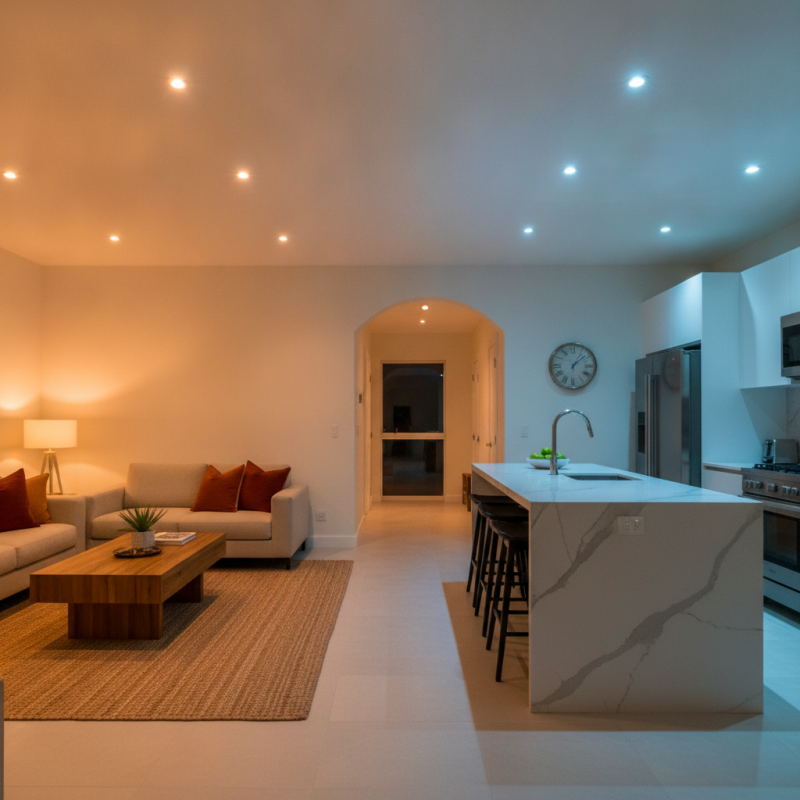
Understanding Color Temperature: Definitions and Basics
Choosing the right color temperature for recessed lighting can greatly affect the atmosphere of a space. Color temperature is measured in Kelvin (K) and ranges from warm (2700K) to cool (6500K). Warm light creates a cozy feel, perfect for living areas. Cooler light can enhance focus, making it suitable for workspaces.
Understanding the basics of color temperature is key. Warm white light emits a yellow hue, while cool white light gives off a bluish tone. It may surprise you how the color temperatures interact with wall colors and furnishings. For instance, a cool light can make your room appear stark or clinical if not balanced correctly.
Experimentation can lead to unexpected results. What works in one room may not feel right in another. Lighting can change how we perceive color and space. It’s worth taking the time to test different temperatures before making a decision. Always consider the mood you want to create and the specific tasks you'll perform in the space. Adjusting levels to suit your unique environment encourages thoughtful design choices.
The Impact of Color Temperature on Mood and Ambiance
Color temperature plays a crucial role in shaping mood and ambiance in any space.
Warmer tones, around 2700K to 3000K, create a cozy and inviting atmosphere.
These tones are ideal for living rooms and bedrooms, fostering relaxation. In contrast, cooler temperatures of 4000K and above are often associated with alertness.
They are suitable for kitchens and workspace environments, promoting focus and productivity. According to a study by the Lighting Research Center, lighting color can significantly alter emotional responses, influencing creativity and task performance.
When selecting recessed lighting, consider how you want the space to feel.
A dynamic office might benefit from 3500K lighting, striking a balance between warmth and clarity.
Meanwhile, a dining area could thrive with a warm glow, enhancing the dining experience.
However, be mindful of over-illuminating spaces, as excessively bright light can lead to discomfort and headaches.
Tip: Test different bulbs before committing to a choice. Experiment with various color temperatures under your specific fixtures.
This approach allows you to see how the lighting interacts with existing decor and natural light. The right color temperature can elevate a room, making it not just functional,
but also a space where you feel good.
Choosing the Right Color Temperature for Different Spaces
Choosing the right color temperature for recessed lighting is crucial for creating the right atmosphere in different spaces.
Living rooms often benefit from a warm white light, around 2700K to 3000K. This range enhances coziness. Family gatherings feel more inviting under this lighting. However, it may not be ideal for all areas.
Kitchens and workspaces deserve brighter, cooler tones. A color temperature of 3500K to 4100K promotes focus and alertness. This kind of light mimics daylight, helping you see details clearly. But be cautious—too cool a light can feel harsh. Striking a balance is key.
In bedrooms, a softer touch is often needed. A warmer light around 2700K can create a relaxing environment. Yet, some may find it too dim for reading. Adjusting the brightness can help. Lighting should be adaptable to suit various activities within a space. The right choice involves trial and error, reflecting your personal needs and preferences.
Tips for Selecting Recessed Lighting Fixtures Based on Color
Choosing recessed lighting fixtures based on color temperature can transform a space. The color temperature is measured in Kelvin (K). Warmer temperatures (2700K-3000K) create a cozy atmosphere. Cooler temperatures (4000K-5000K) provide a more energetic, vibrant feel. According to the American Lighting Association, preferences in color temperature vary by function and mood.
For living rooms and bedrooms, opt for warmer tones. They enhance comfort and relaxation. A study by the Lighting Research Center found that warm lighting can improve mood. For workspaces and kitchens, cooler tones can enhance focus and task performance. Softer light can cause eye strain, especially in well-lit environments. The color rendering index (CRI) is another vital factor. Higher CRI values (90 and above) reveal colors accurately, influencing how a space feels.
Selecting the right color temperature often involves trial and error. Personal preference plays a role in the final decision. Experiment with different bulbs before committing. Remember, factors like wall color and natural light also influence the perception of color temperature. The goal is to achieve a balance that suits your lifestyle and enhances your space.
How to Choose the Right Color Temperature for Recessed Lighting?
| Color Temperature (Kelvin) |
Description |
Best Use Cases |
| 2700K |
Warm white light, similar to incandescent bulbs |
Living rooms, bedrooms, dining areas for a cozy atmosphere |
| 3000K |
Soft white light, a bit cooler than 2700K |
Kitchens, bathrooms, and work areas for a fresh feel |
| 3500K |
Neutral white light, balanced tone |
Offices, retail spaces, and salons for versatile lighting |
| 4000K |
Cool white light with a slight bluish tint |
Basements, laundry rooms, and workspaces for alertness |
| 5000K |
Daylight white light, very bright and crisp |
Outdoor areas, garages, and task-oriented spaces |
| 6500K |
Cool daylight, very bright with a bluish hue |
Art studios, commercial spaces needing bright light |
Testing and Adjusting Color Temperature in Your Lighting Design
Testing and adjusting color temperature is crucial for achieving the desired ambiance in your space. Start by understanding the different temperature ranges. Warm white light (2700K-3000K) creates a cozy atmosphere. Cool white light (3500K-4100K) is energizing and suitable for task-oriented areas. The choice can significantly influence mood and functionality.
To test color temperature, use a lighting gel or color filter. Position it in front of your light source and observe the effect. Adjusting the placement of fixtures can also change the perceived color temperature. Pay attention to how light interacts with wall colors and furniture. You may find that different angles yield varying results.
Consider that what looks appealing in one room might feel off in another. It’s essential to experiment in the actual environment. Natural light will change throughout the day, influencing your indoor lighting's effectiveness. Be open to refining your choices based on the room's changes in light. Collect feedback from family or coworkers about the mood created by the lighting. This collaborative approach can bring valuable insights and improve your lighting design.
Conclusion
When considering how to choose the right color temperature for recessed lighting, it's essential to understand the fundamental concepts of color temperature and its impact on the atmosphere of a space. Color temperature, measured in Kelvin, influences the mood—warmer tones (around 2700K-3000K) create a cozy ambiance, while cooler tones (4000K and above) promote focus and energy.
Different spaces benefit from varying color temperatures; for instance, soft warm light is ideal for living rooms, while neutral or cooler temperatures work well in kitchens and workspaces. When selecting recessed lighting fixtures, consider factors such as the intended use of the room, ceiling height, and the overall design. Testing and adjusting color temperature can further refine the lighting design to achieve the desired effect, ensuring that your selections enhance both functionality and aesthetic appeal.

 Jable Light