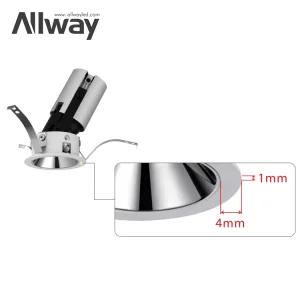
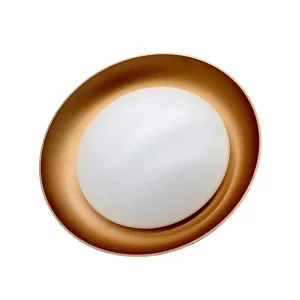
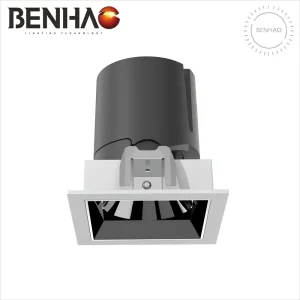
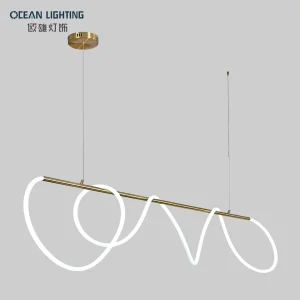
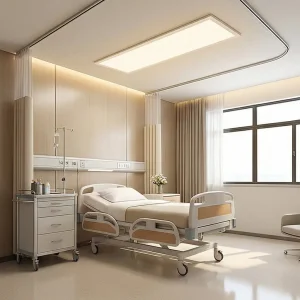
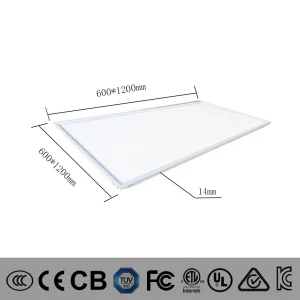
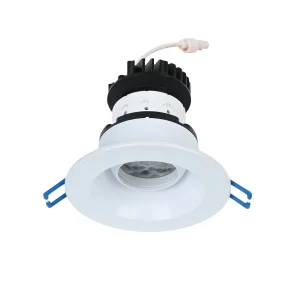
Explore our premium architectural fixtures engineered for custom hospitality projects, modern retail environments, and eco-friendly housing builds. Each series supports configurable options including 3CCT switching, variable beam angles, and anti-glare control.
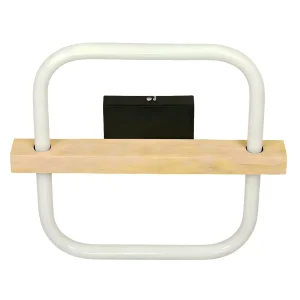
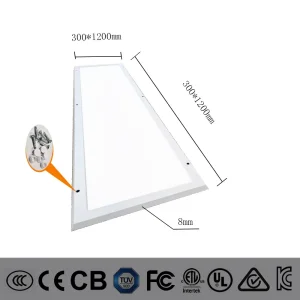
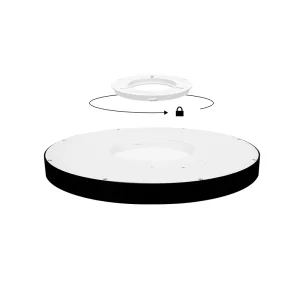
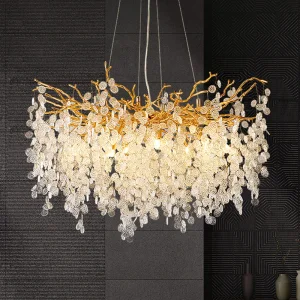
The landscape of international lighting technology is experiencing a fundamental transition toward smart, integrated solid-state lighting (SSL). As global enterprises focus heavily on energy optimization, Net-Zero carbon targets, and wellness-oriented interior layouts, the design constraints of structural ceiling luminaires are growing intensely complex. This is no longer an industry defined purely by residential illumination; rather, it is a high-tech sector integrating optoelectronics, smart control nodes (DALI-2, ZigBee, and Casambi Bluetooth Mesh), and micro-optics.
Across key B2B verticals, architectural projects require ceiling panels, downlights, and recessed fixtures that offer structural longevity alongside outstanding energy efficiency metrics (often exceeding 120 lm/W to 150 lm/W system efficacy). The growing complexity of structural certifications (such as UL 1598, EN 60598, CE-LVD, and RoHS compliance) means that international buyers must partner exclusively with manufacturers whose capabilities span beyond mere assembly into advanced thermal engineering, customized driver designs, and high-precision optical simulation.
Traditional modular lighting replacement cycles are being phased out in favor of structural luminaire integration. High-performance ceiling lights require optimized thermal pathways—specifically utilizing die-cast aluminum heat-dissipation plates rather than cheap plastic modules—to ensure a functional life span exceeding 50,000 operational hours (L70B50 rating). For engineering projects, this drastically cuts downstream maintenance expenses and protects system uptime.
Established in 2006, Foshan Jable Light Co., Ltd. is a leading professional lighting manufacturer specializing in the research, development, production, and marketing of high-quality architectural, commercial, and medical lighting systems. Over the course of 18+ years, Jable Light has grown into an international manufacturing hub operating a modern factory covering over 20,000 square meters in Foshan, China.
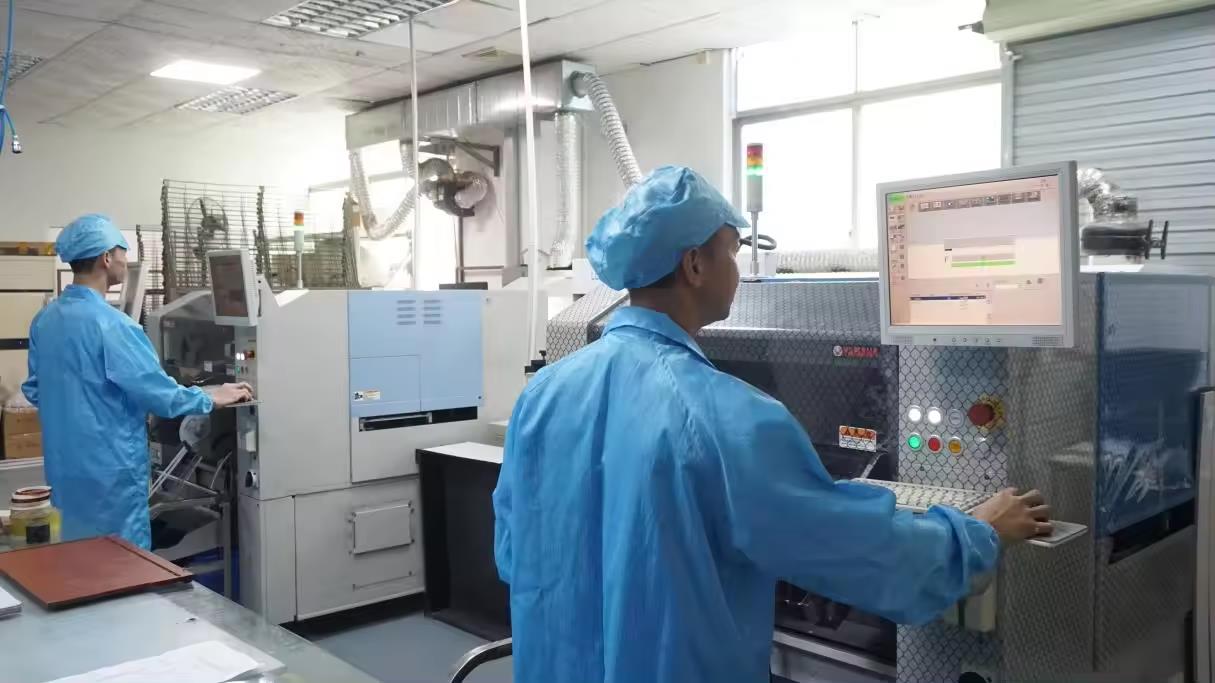
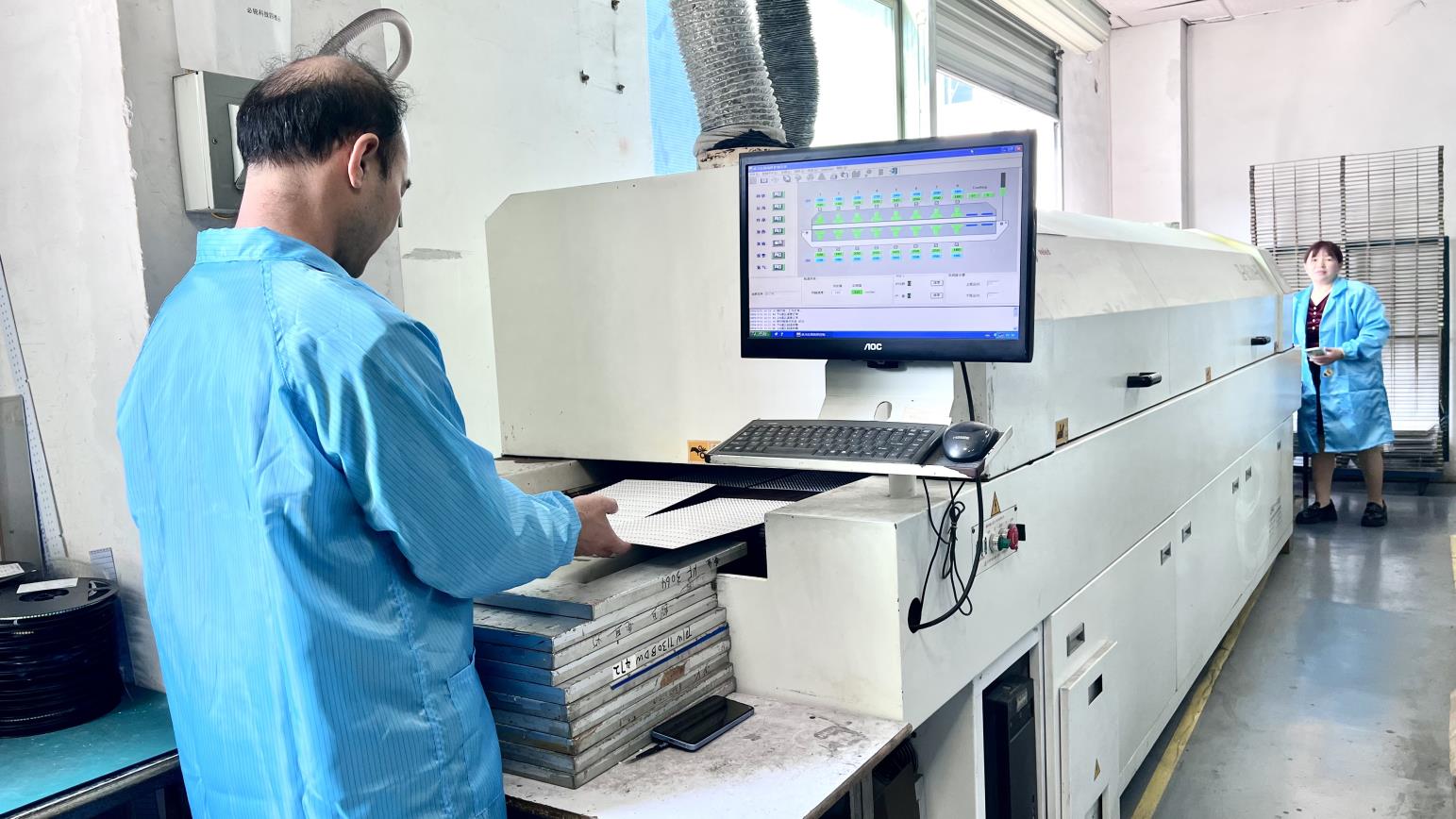
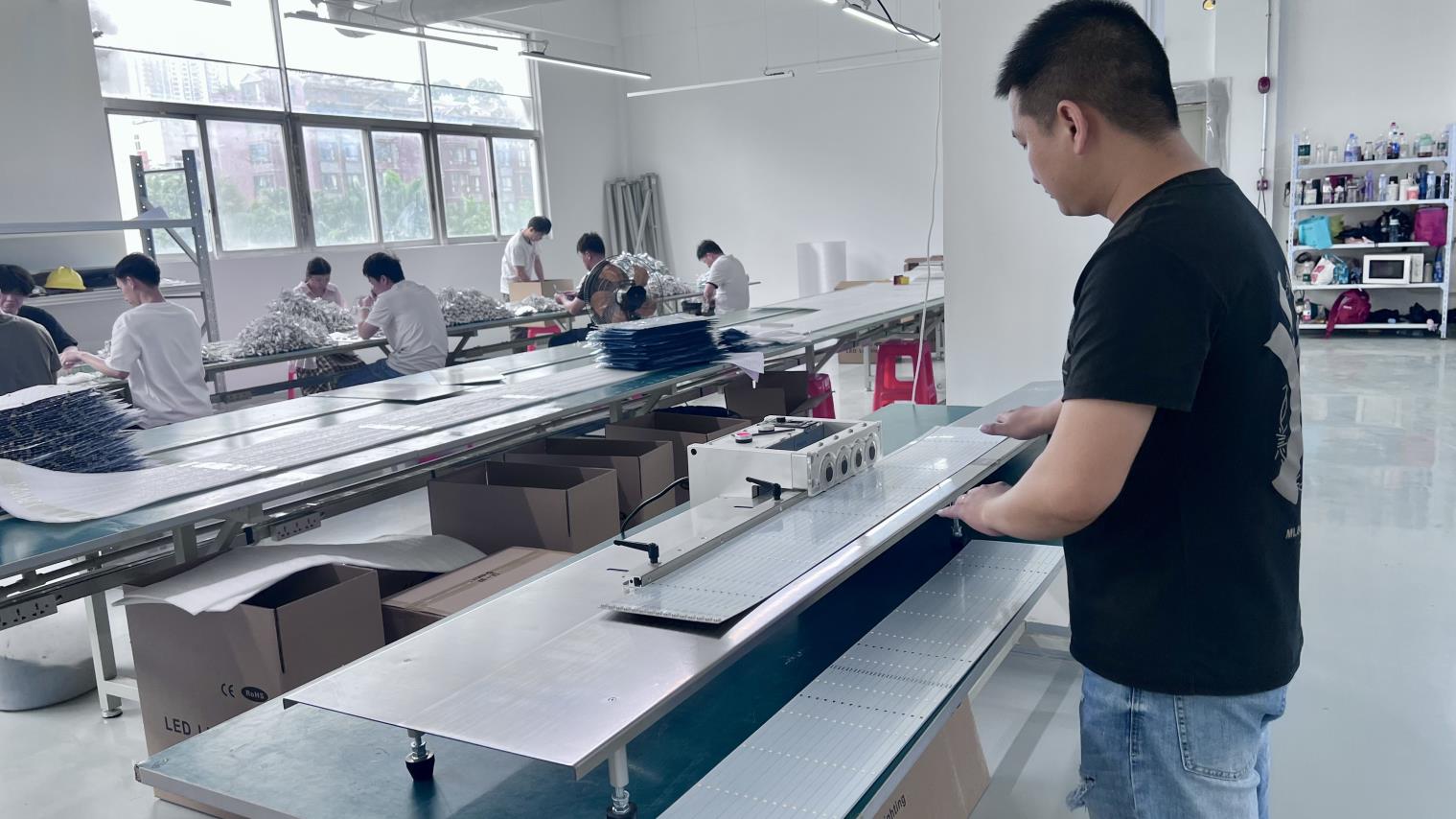
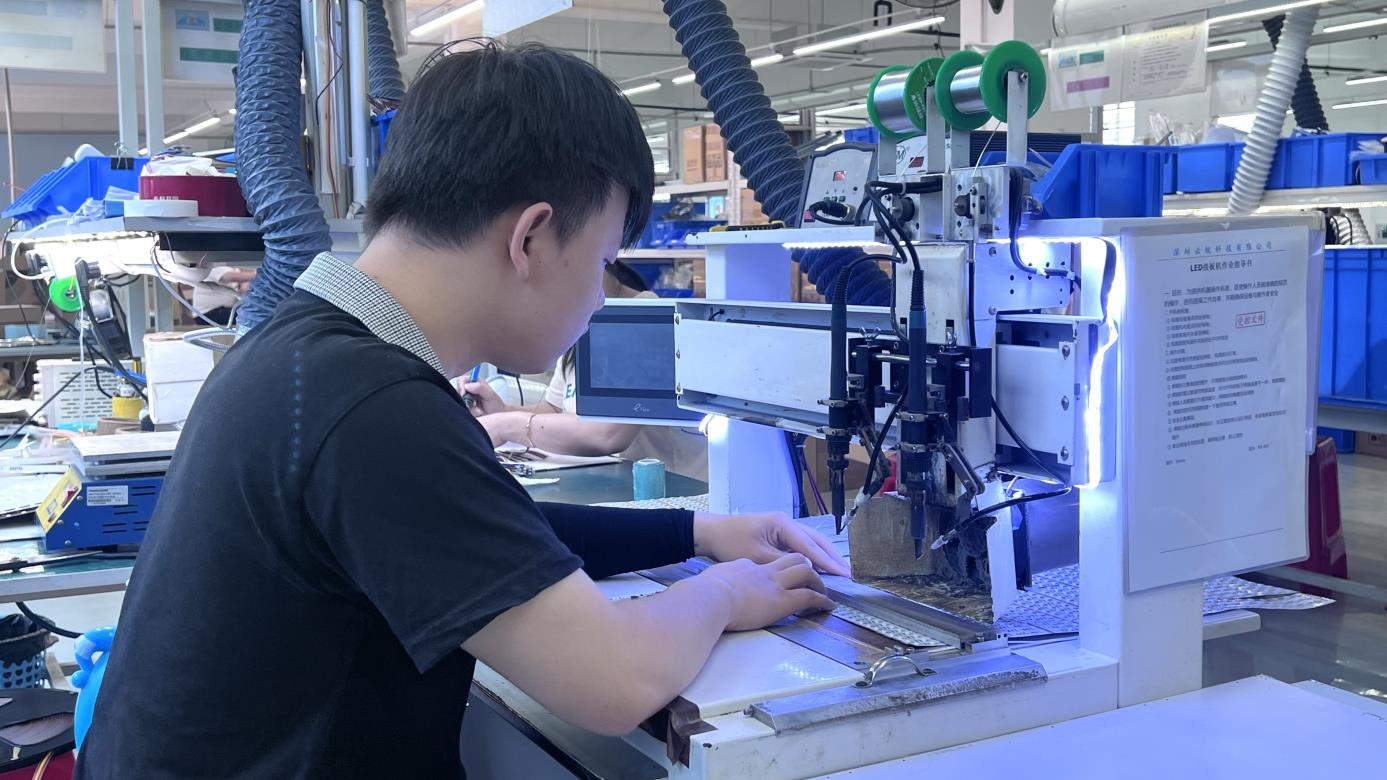
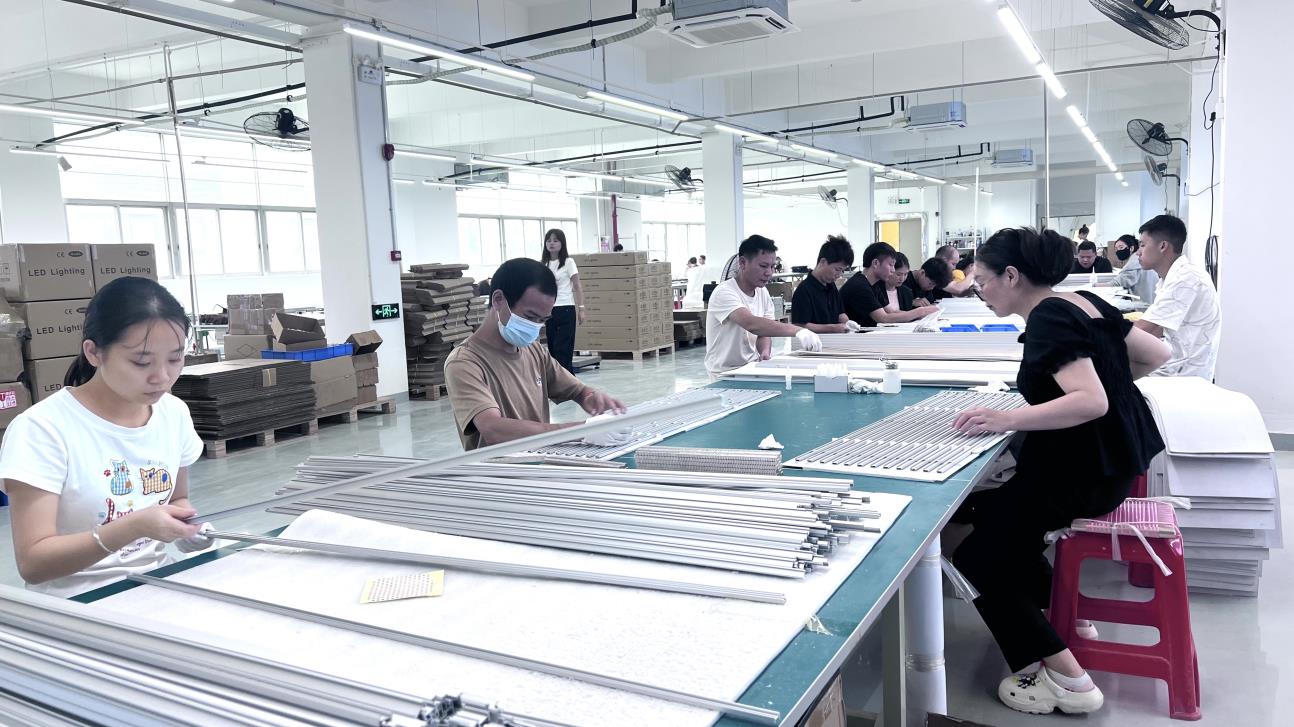
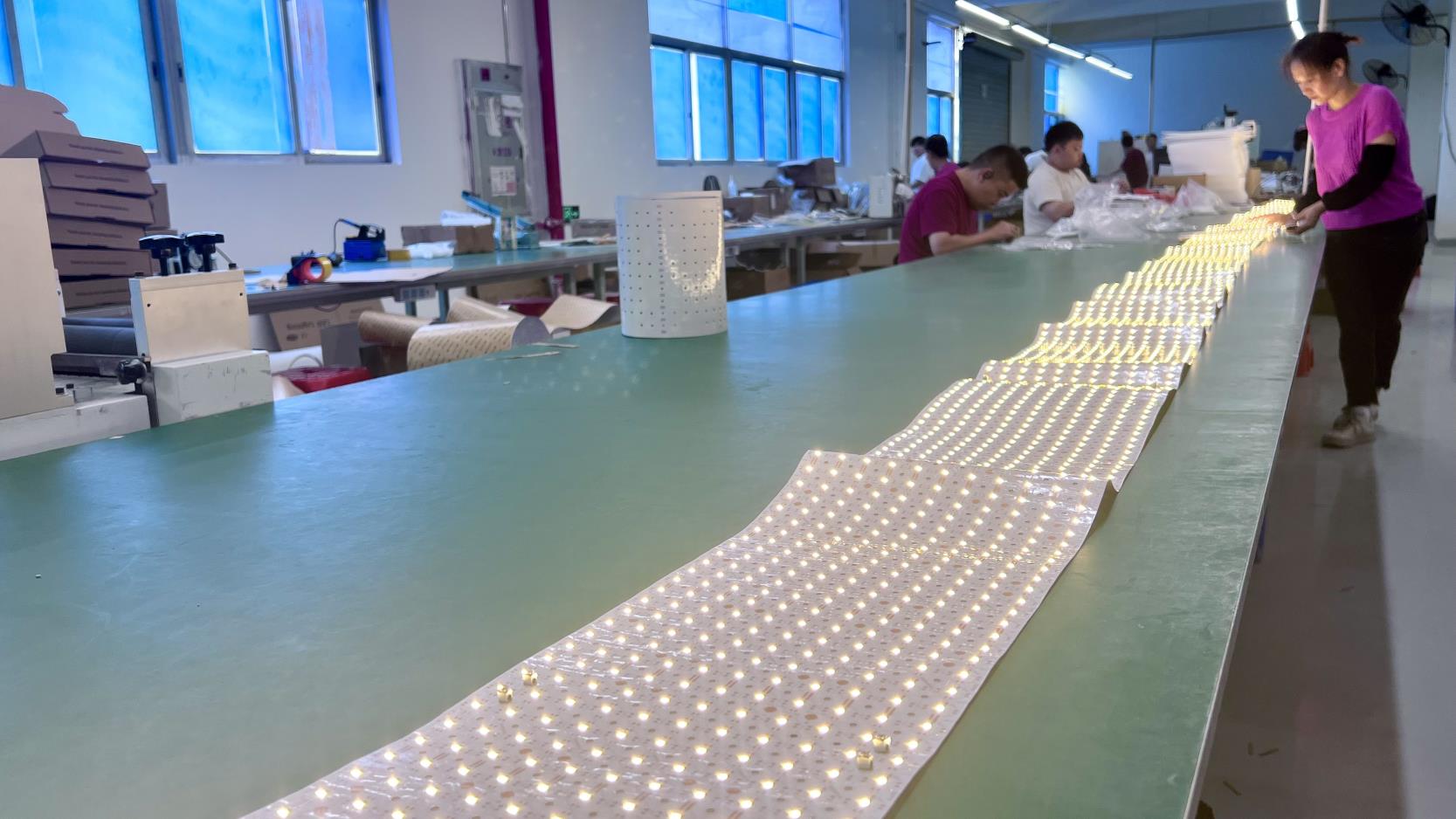
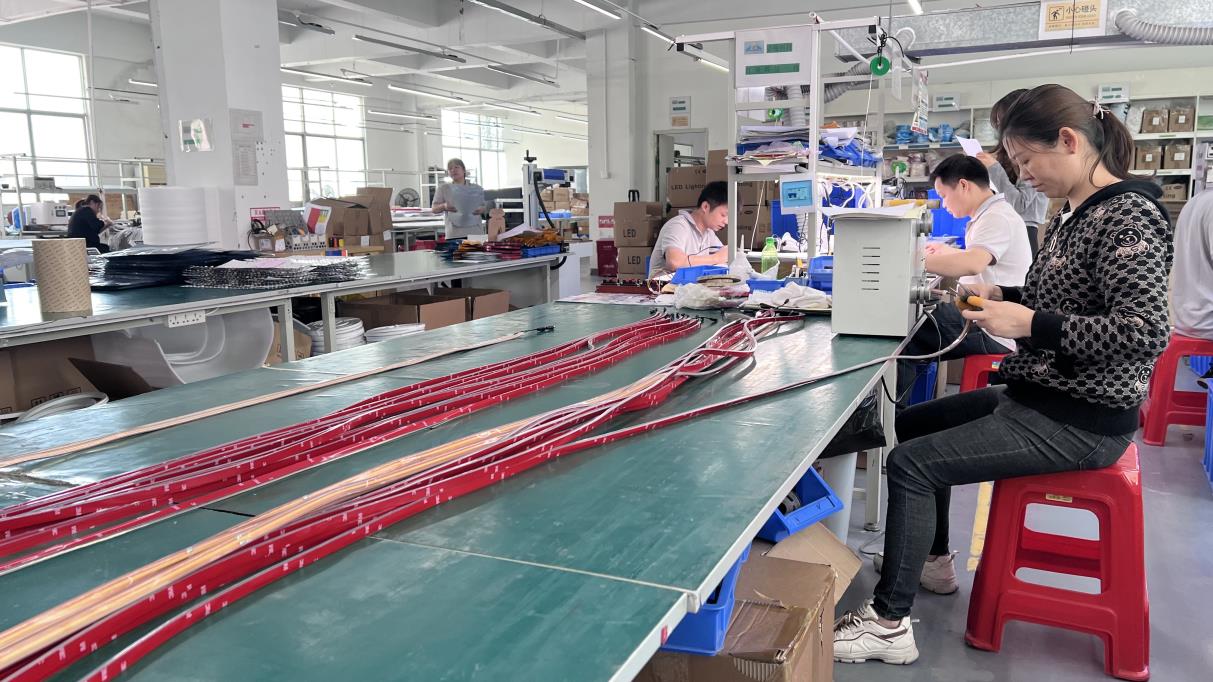
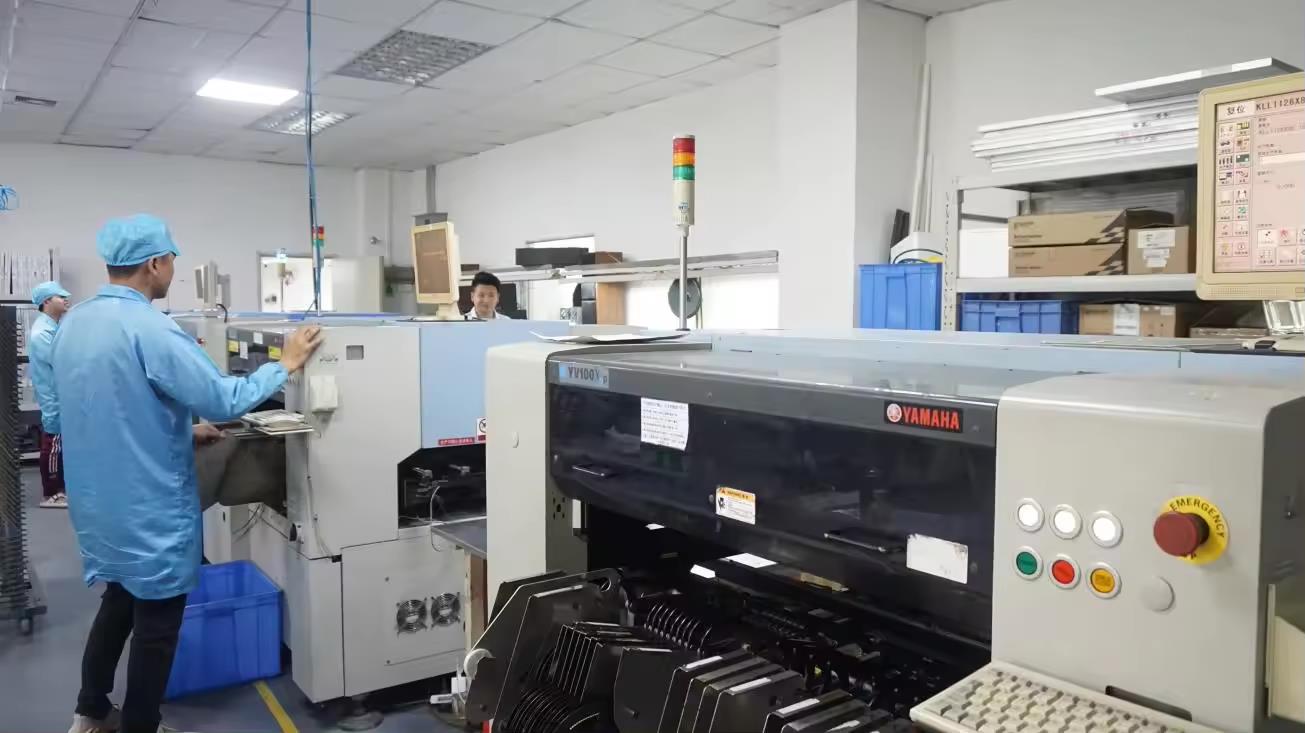
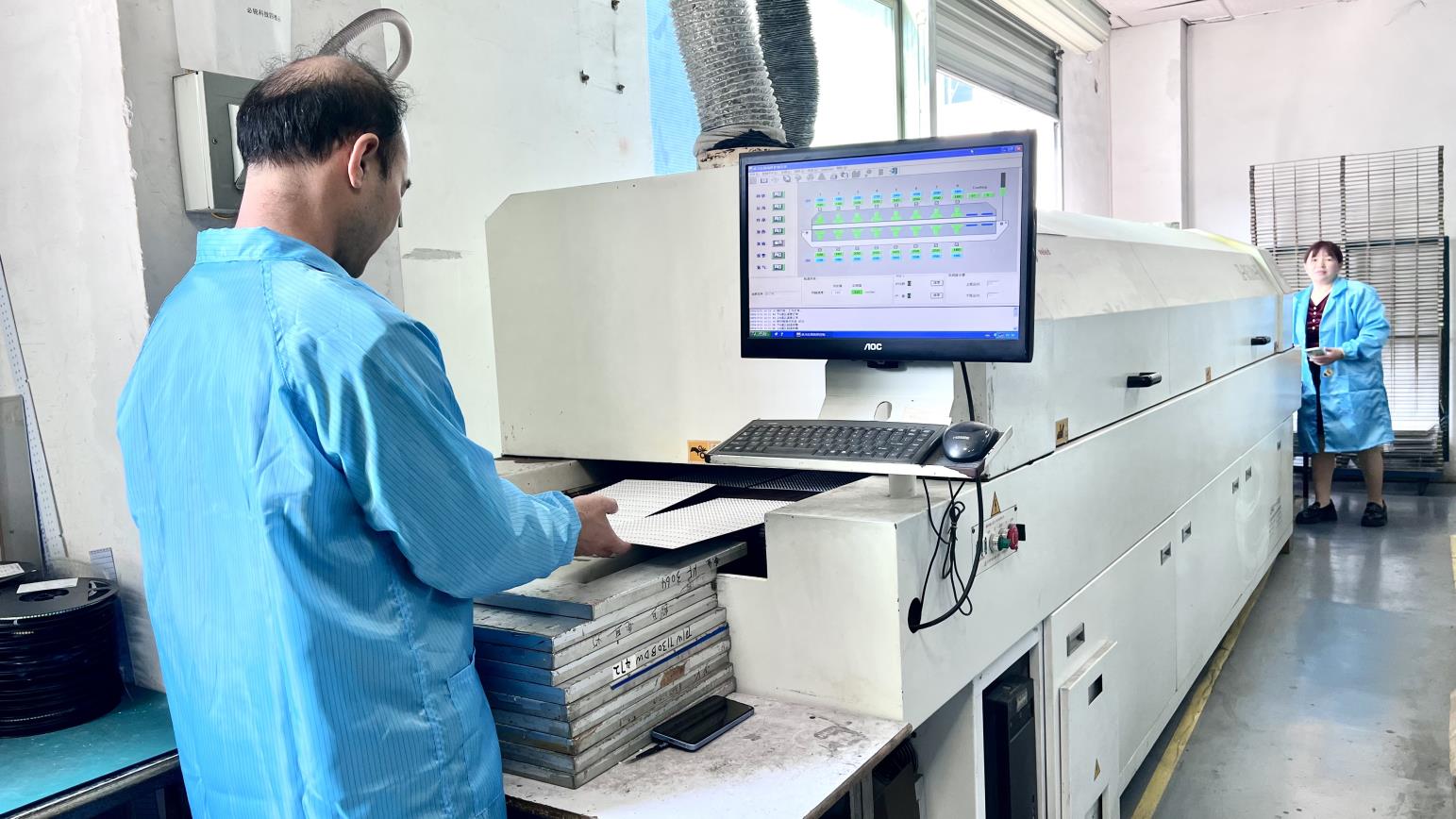
Our facility runs 8 advanced vertical production lines—including raw material stamping, precision spinning, high-speed plastic injection molding, automated powder coating, and final general assembly. This rigorous setup guarantees control over the entire supply chain, keeping defects below 0.1%. With over 300 highly trained operators and an in-house QC laboratory, Jable Light achieves an annual turnover exceeding USD 30,000,000, growing its capacity by 30% year-on-year to support expanding global infrastructure demands.
We execute strict 7S industrial workplace methodologies on all production floors, eliminating assembly bottlenecks, securing raw materials, and guaranteeing strict worker safety protocols.
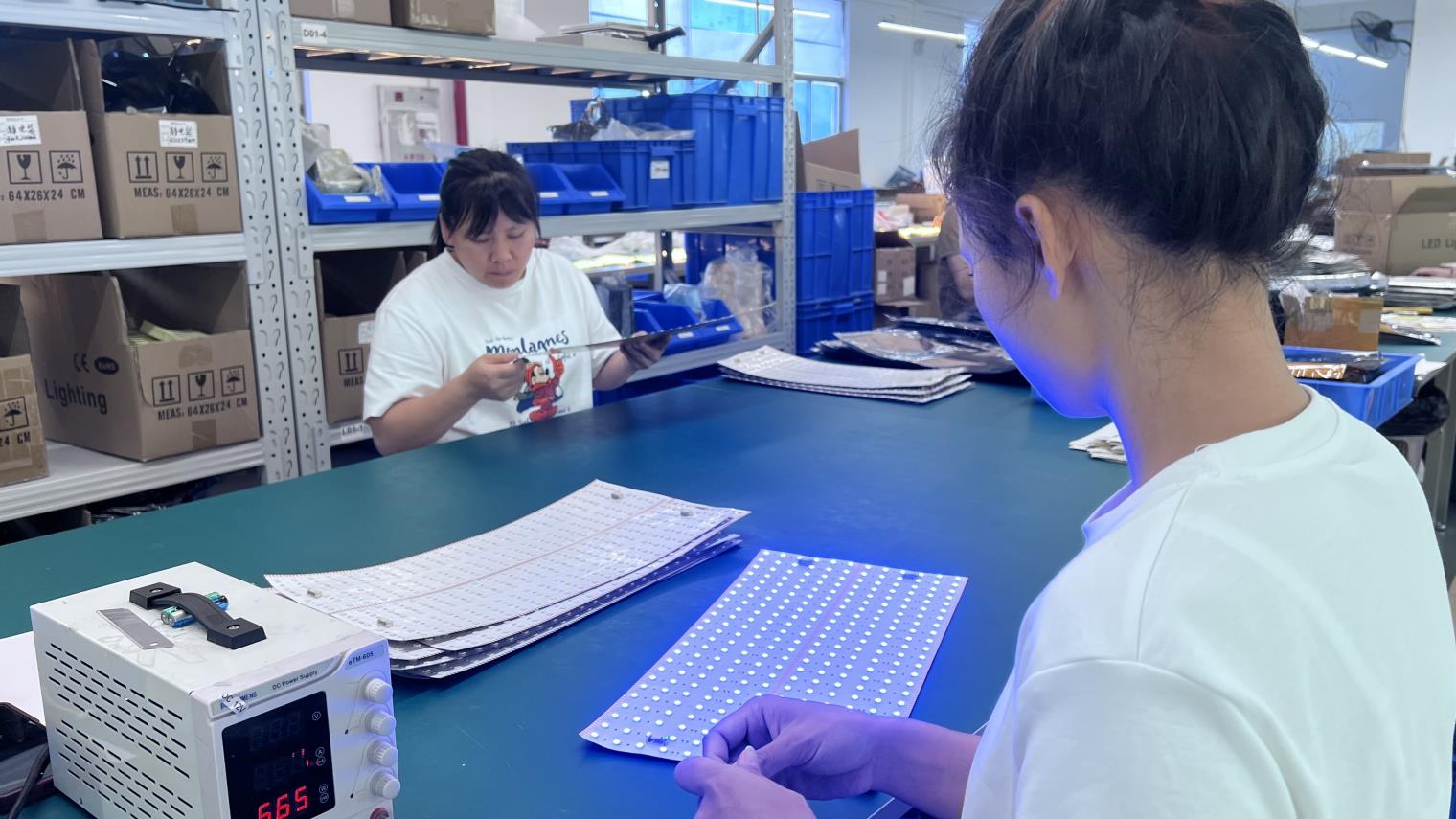
Our quality verification systems conform to the TÜV ISO9001 standard, applying thorough optoelectronic testing to every production batch before departure.
All catalog products feature certification configurations matching target import markets, including ETL, cETL, UL, CE, CB, RoHS, and IP44 ingress options.
For international procurement agencies and wholesale distributors, sourcing ceiling light systems from China offers distinct technological and logistical advantages. The key to this value lies in the specialized lighting cluster of Foshan, Guangdong. This region functions as a highly integrated industrial ecosystem, combining advanced metallurgy, specialized packaging, driver design, and international shipping channels within a 50-kilometer radius.
This level of geographic concentration provides significant advantages:
By eliminating secondary component freight delays and optimizing production workflows, Foshan Jable Light Co., Ltd. consistently matches the dynamic lead times of fast-moving modern commercial construction projects.
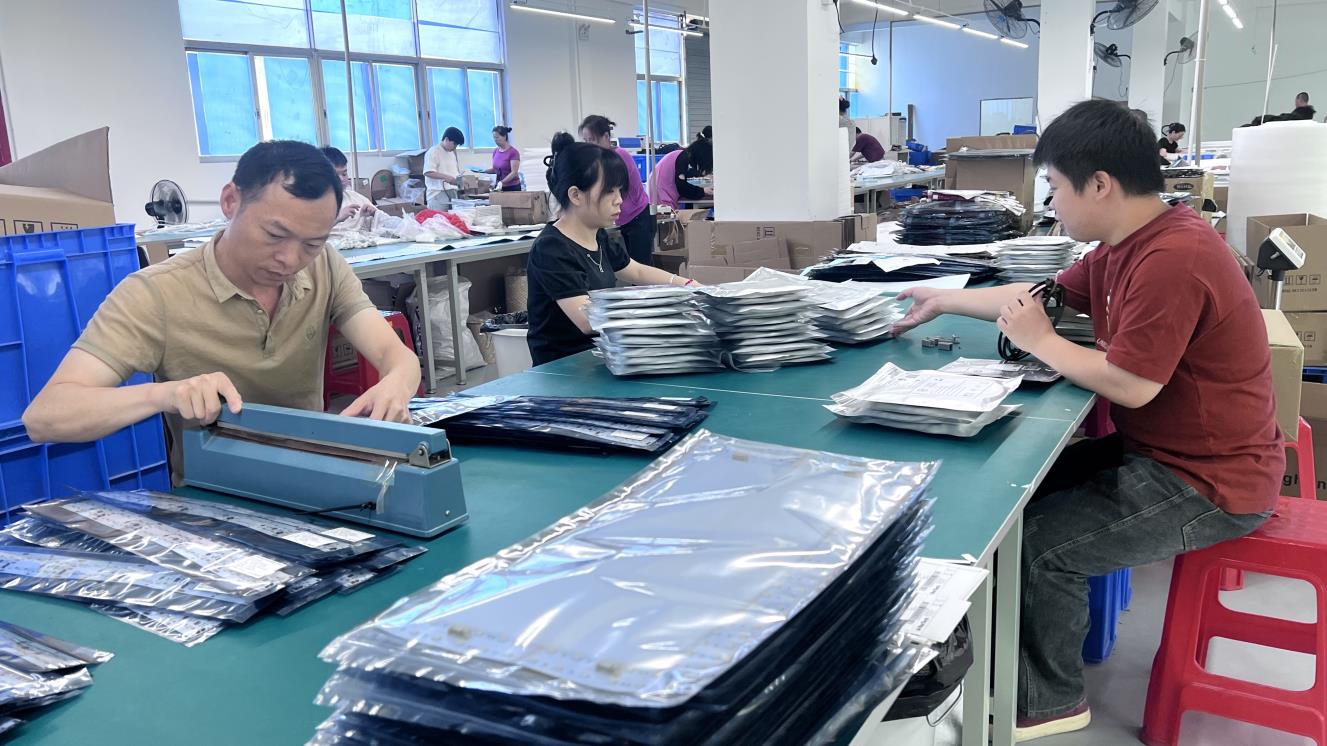
Quality control at Jable Light is integrated into every step of production. Our 20,000-square-meter facility is split into dedicated, organized departments to manage every step from incoming materials to final packaging.
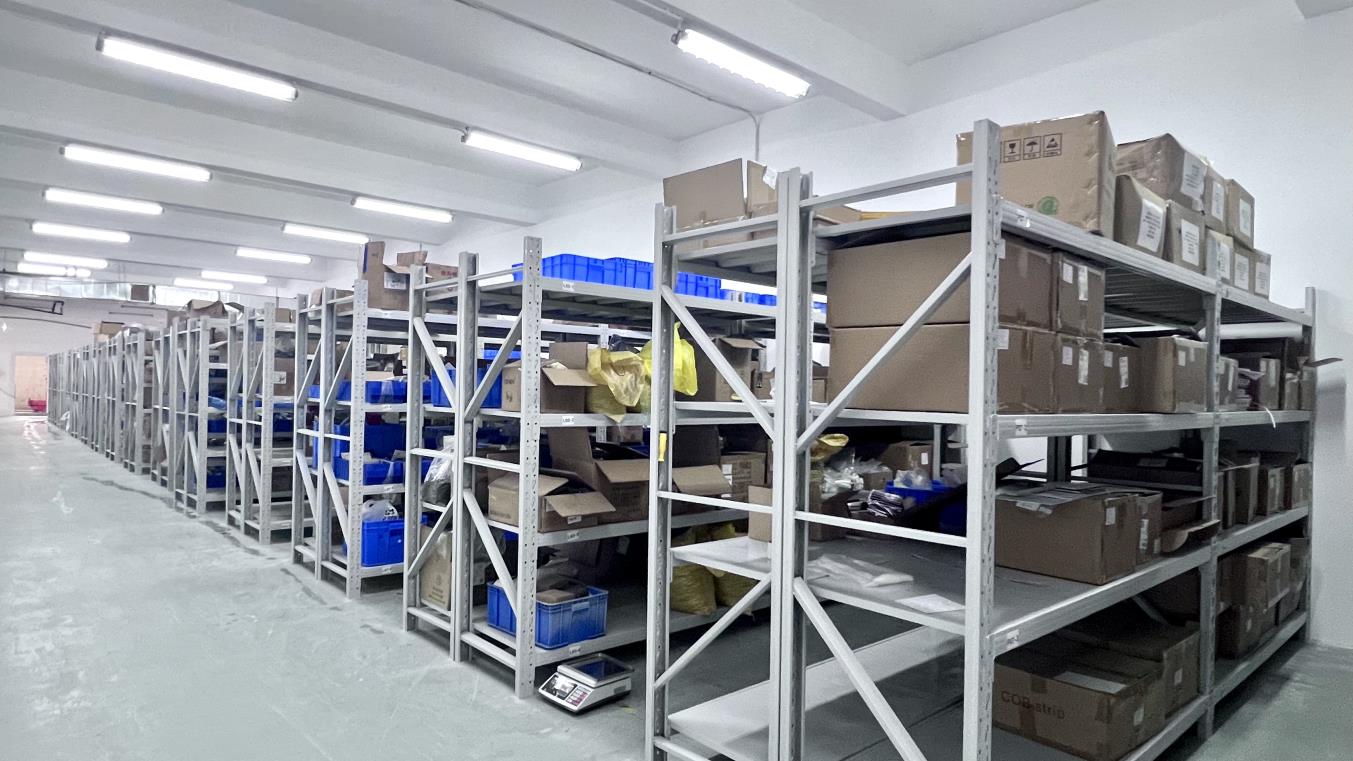
The performance of ceiling lights depends directly on how well they are adapted to specific architectural spaces. Different projects require unique configurations for heat dissipation, light diffusion, and moisture resistance:
Environments like luxury hotels, dining spaces, and villas require fixtures with an exceptionally high Color Rendering Index (CRI > 90, R9 > 50) to reveal rich textures and colors. Combining these with dim-to-warm drivers lets operators shift smoothly from bright daytime settings to warmer evening lighting.
Workspaces prioritize worker focus and eye comfort, which requires maintaining a Unified Glare Rating (UGR < 19). Using backlit LED ceiling panels and micro-prismatic optical diffusers helps distribute light evenly, preventing glare on computer screens and reducing fatigue.
Healthcare settings require strict hygiene and precision. Our specialized medical ceiling systems feature cleanroom-rated IP65 housings to prevent dust buildup, alongside surgery-grade luminous output that ensures excellent visibility for doctors and technicians.
To keep a competitive edge over the next decade, developers and buyers must plan for the key technological shifts reshaping the global lighting market:
HCL designs adjust light levels and color temperatures throughout the day to support the human body's natural circadian rhythms. This is done by combining dynamic dual-channel LED engines with smart control systems to shift from energizing cool white (6500K) in the morning to relaxing warm white (2700K) by evening.
Next-generation ceiling fixtures are designed with recycling in mind, prioritizing modular, easy-to-disassemble designs over sealed plastic housings. Using eco-friendly materials like premium ABS, PMMA diffusers that resist yellowing, and recyclable aluminum backplates ensures compliance with strict environmental regulations.
Modern commercial buildings are moving away from traditional wire-heavy setups. Lighting installations are increasingly built with integrated wireless modules (like Bluetooth mesh, ZigBee, and Casambi) to support automated scheduling, occupancy sensing, and group controls.
When vetting potential suppliers in China, look beyond standard price sheets and focus on these critical manufacturing indicators:
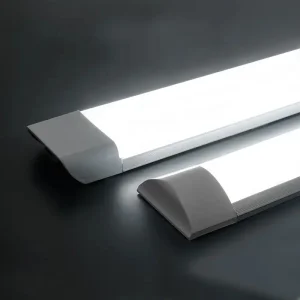
Choose from our specialized commercial portfolio, designed for heavy industrial use, medical cleanrooms, and retail layouts requiring flexible tracking or suspension options.
 Jable Light