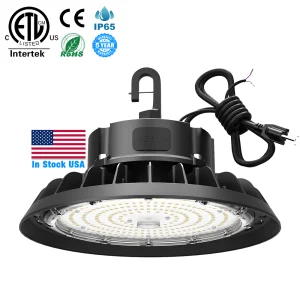
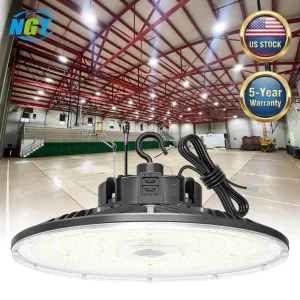
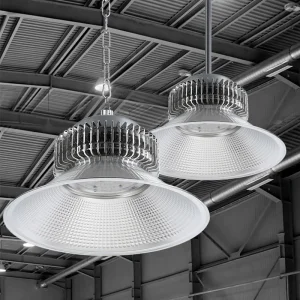
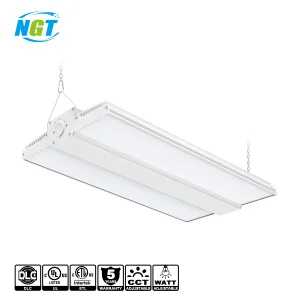
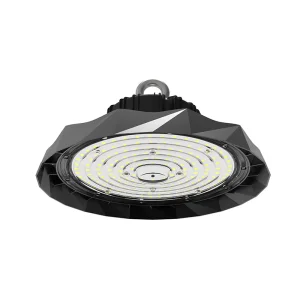
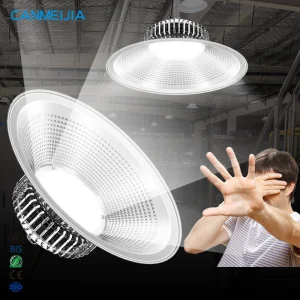
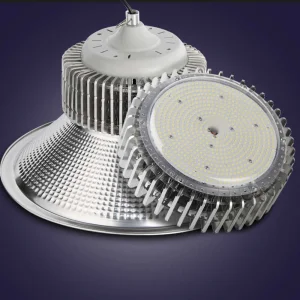
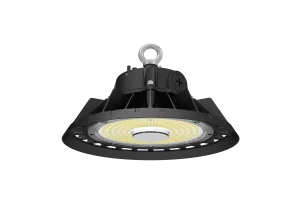
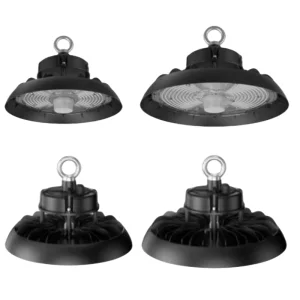
Pre-positioned inventory in US, EU, and CA warehouses. Optimized for quick turnaround, project timelines, and maximum luminous efficacy.
The global transition toward high-efficiency solid-state lighting (SSL) has reshaped how industrial spaces, logistics centers, and large-scale manufacturing facilities operate. Modern industrial environments require lighting solutions that do not simply illuminate, but also actively lower operating expenditures (OPEX) and align with global carbon neutrality frameworks.
Historically dominated by Metal Halide (MH) and High-Pressure Sodium (HPS) sources, the warehouse and heavy manufacturing sector now demands advanced LED fixtures capable of delivering upwards of 150 lm/W to 200 lm/W. This paradigm shift is driven by stringent regional updates like the European Union’s Eco-Design regulations and Title 24 Building Energy Standards in California. To remain competitive, supply chain managers and electrical contractors must look beyond superficial specs and scrutinize systemic thermal performance, luminous flux stability, and integration with intelligent building management systems (BMS).
Information Gain Insight: Today's industrial decision-makers do not buy "lumens"; they invest in thermal dissipation lifecycles. A high bay running 5°C cooler can extend driver and chip lifetimes by up to 20,000 hours, significantly altering the true Total Cost of Ownership (TCO).
Geographical demand profiles illustrate a robust focus on pre-certified fixtures. In North America, the DesignLights Consortium (DLC) Premium listing serves as the absolute baseline for energy efficiency utility rebates. Meanwhile, European markets focus heavily on Unified Glare Rating (UGR) thresholds and Photobiological Safety certifications to ensure worker wellness and compliance with EN 12464-1 standards.
A trusted, professional industrial lighting manufacturer with a global footprint, engineering reliability into every component since 2006.
Foshan Jable Light Co., Ltd. is a leading professional lighting manufacturer established in 2006, specializing in the research, development, production, and marketing of a wide range of high-quality lighting fixtures. Our company is headquartered in Foshan and operates a modern factory covering over 20,000 square meters, employing more than 300 skilled workers.
Our factory is equipped with 8 advanced production lines, including stamping, spinning, injection molding, powder coating, and general assembly, ensuring high efficiency and consistent product quality. With an annual turnover exceeding USD 30,000,000, our production capacity continues to grow by approximately 30% each year to meet the increasing demands of both domestic and international markets.
At Jable Light, we are committed to winning the market through exceptional service, superior product quality, and competitive pricing. We implement strict 7S management and maintain compliance with the TÜV ISO9001 quality management system. Our products have obtained multiple certifications, including ETL & cETL, UL, CE, and IP44, ensuring safety, reliability, and environmental compliance.
We continuously innovate to develop energy-efficient, stylish, and durable lighting solutions that cater to residential, commercial, and industrial applications. With a strong emphasis on customer satisfaction, we aim to become the preferred lighting partner for clients worldwide. Foshan Jable Light Co., Ltd. is dedicated to expanding our global presence, collaborating with partners who share our vision of excellence. Choose Jable Light as your trusted lighting supplier, and experience professional service, high-quality products, and unmatched reliability.
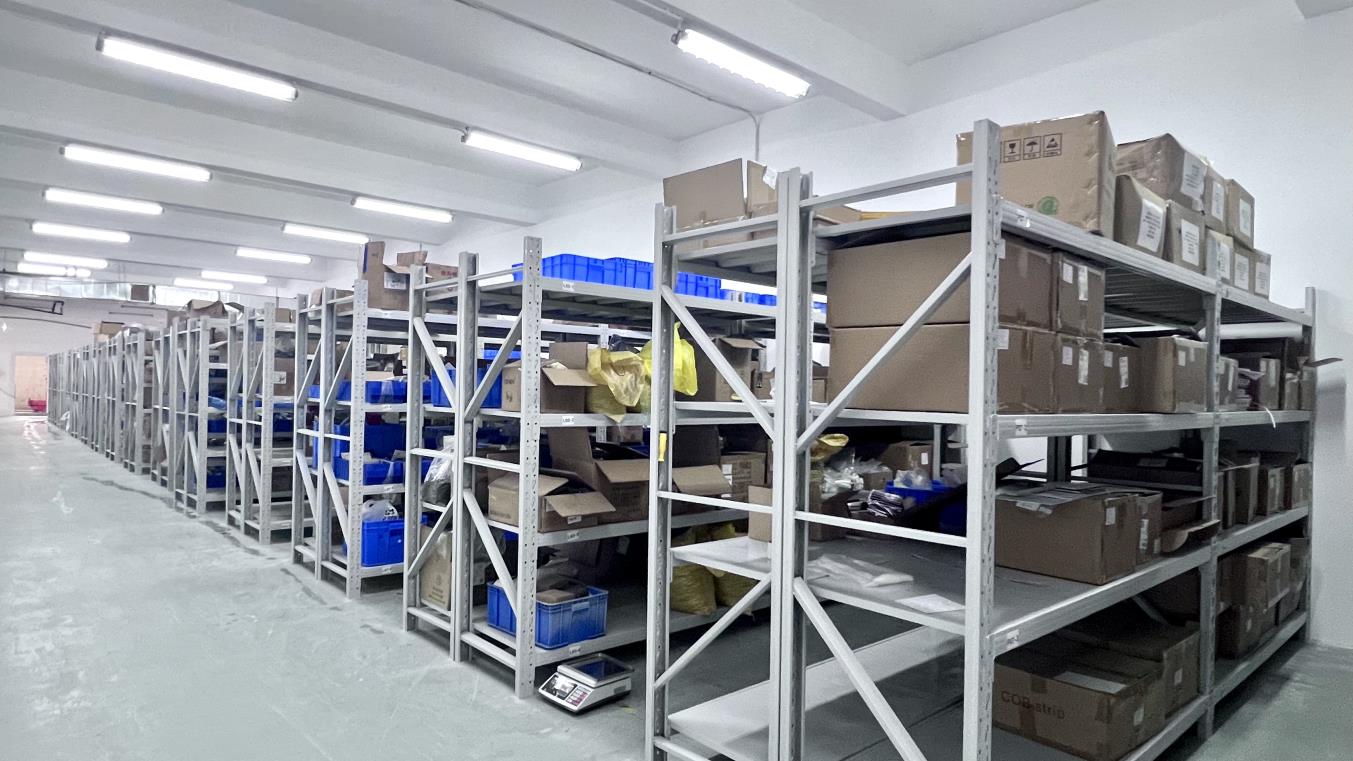
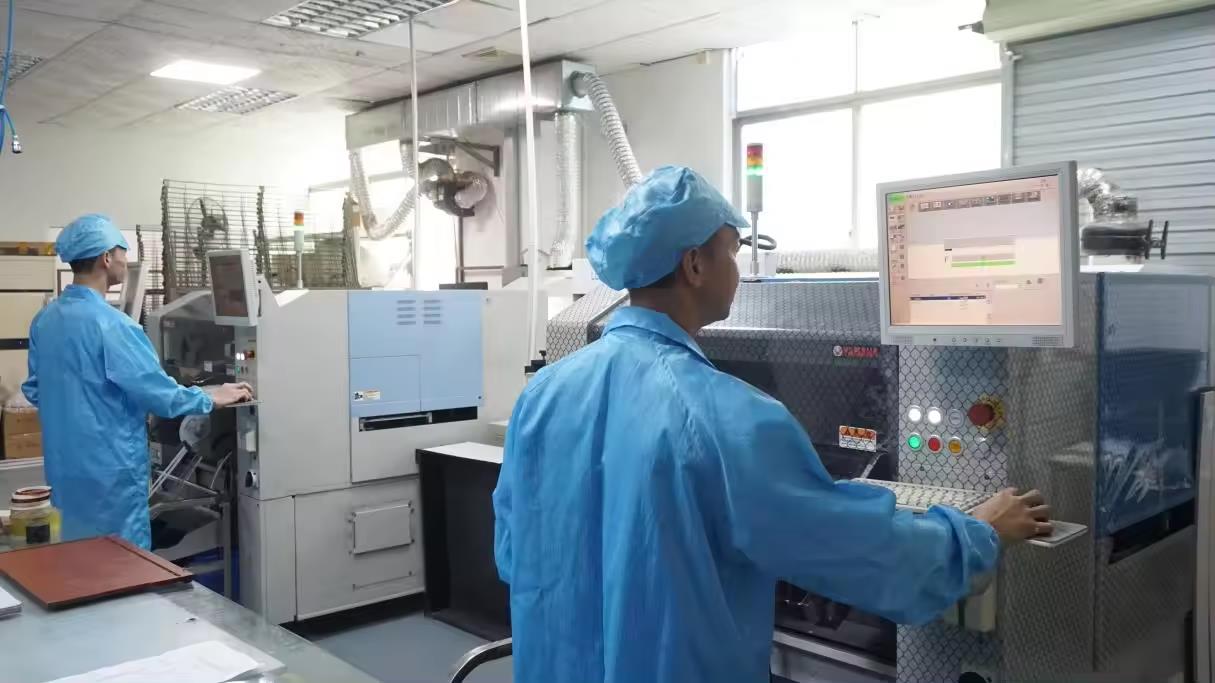
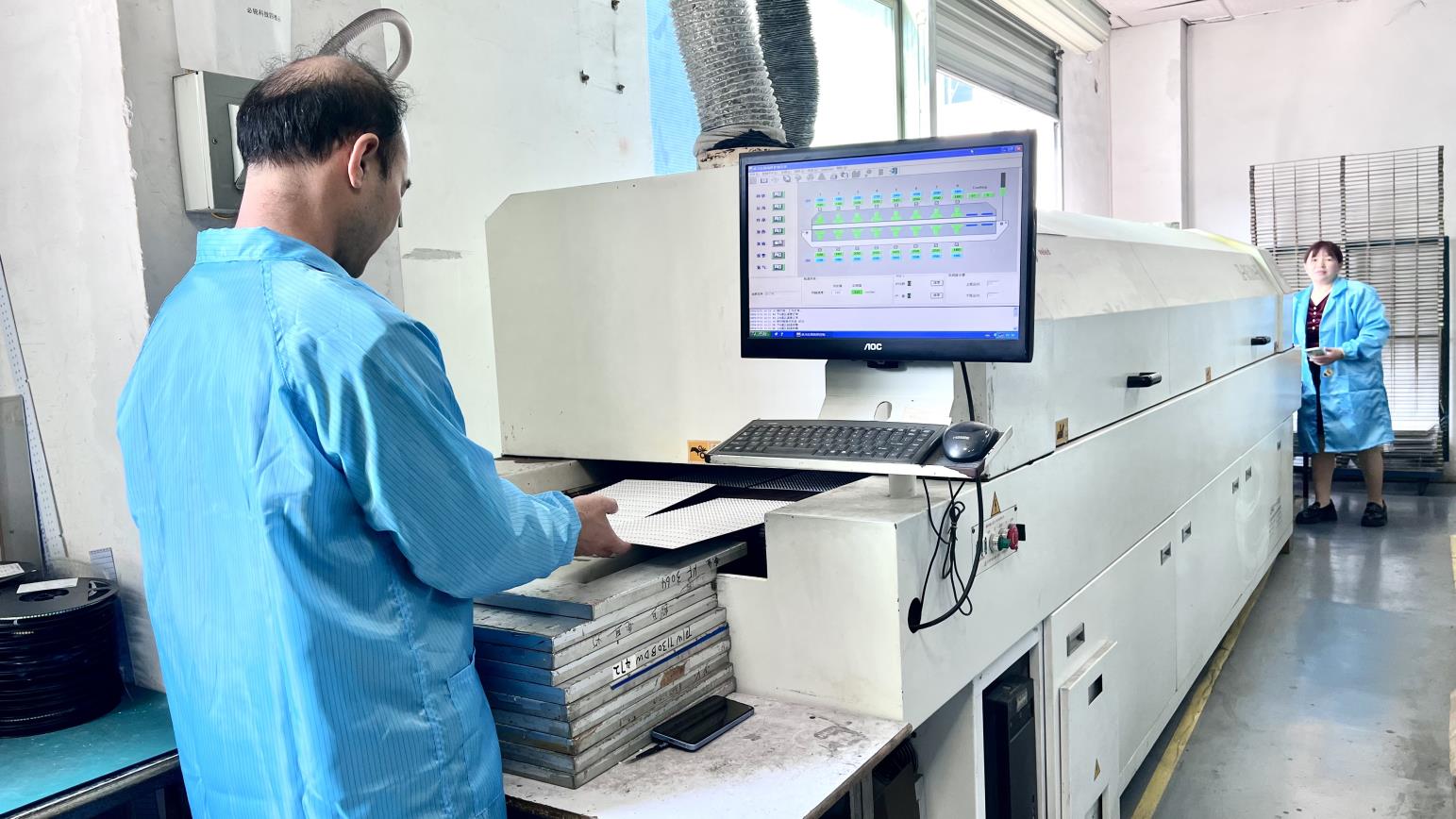
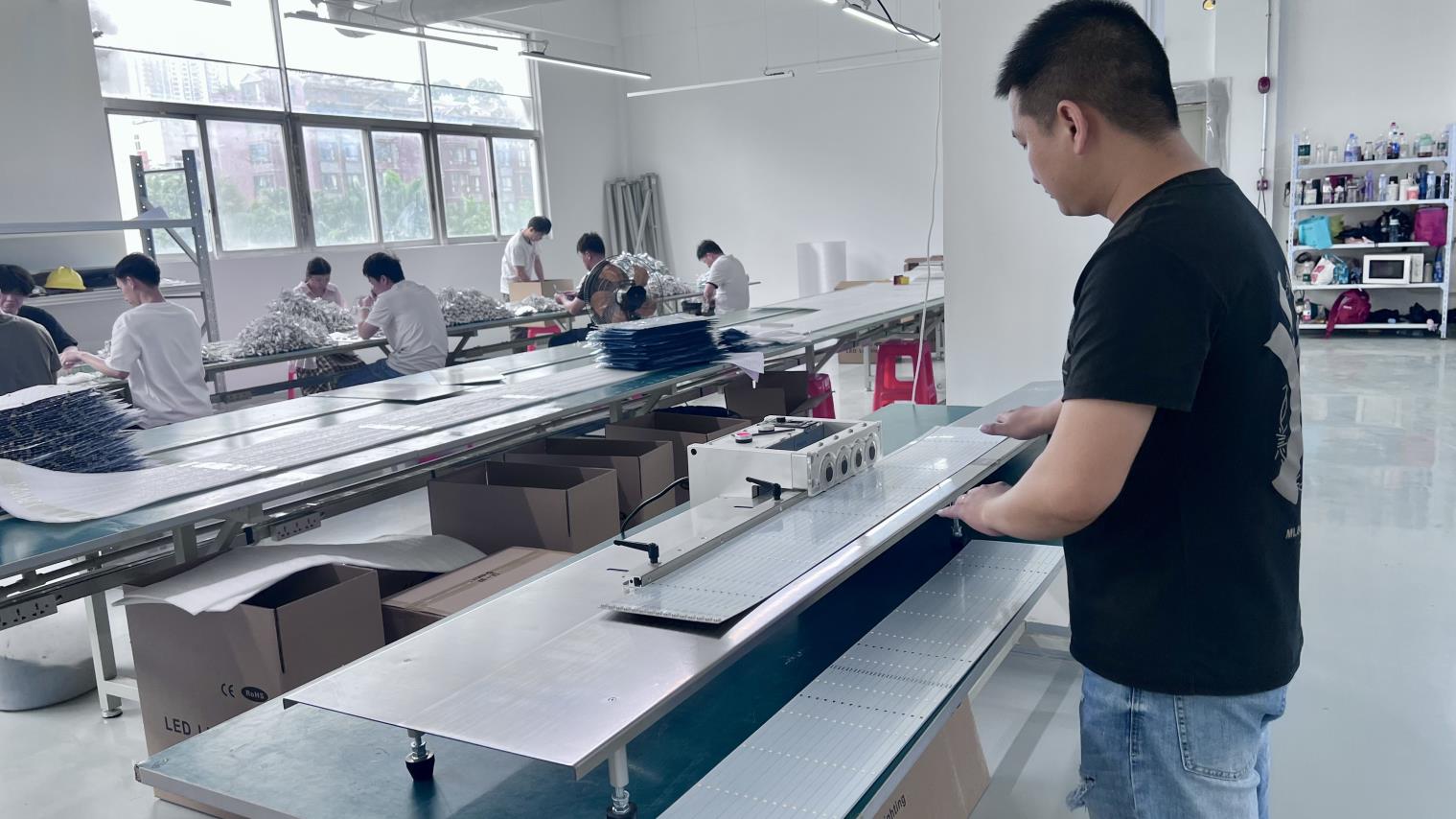
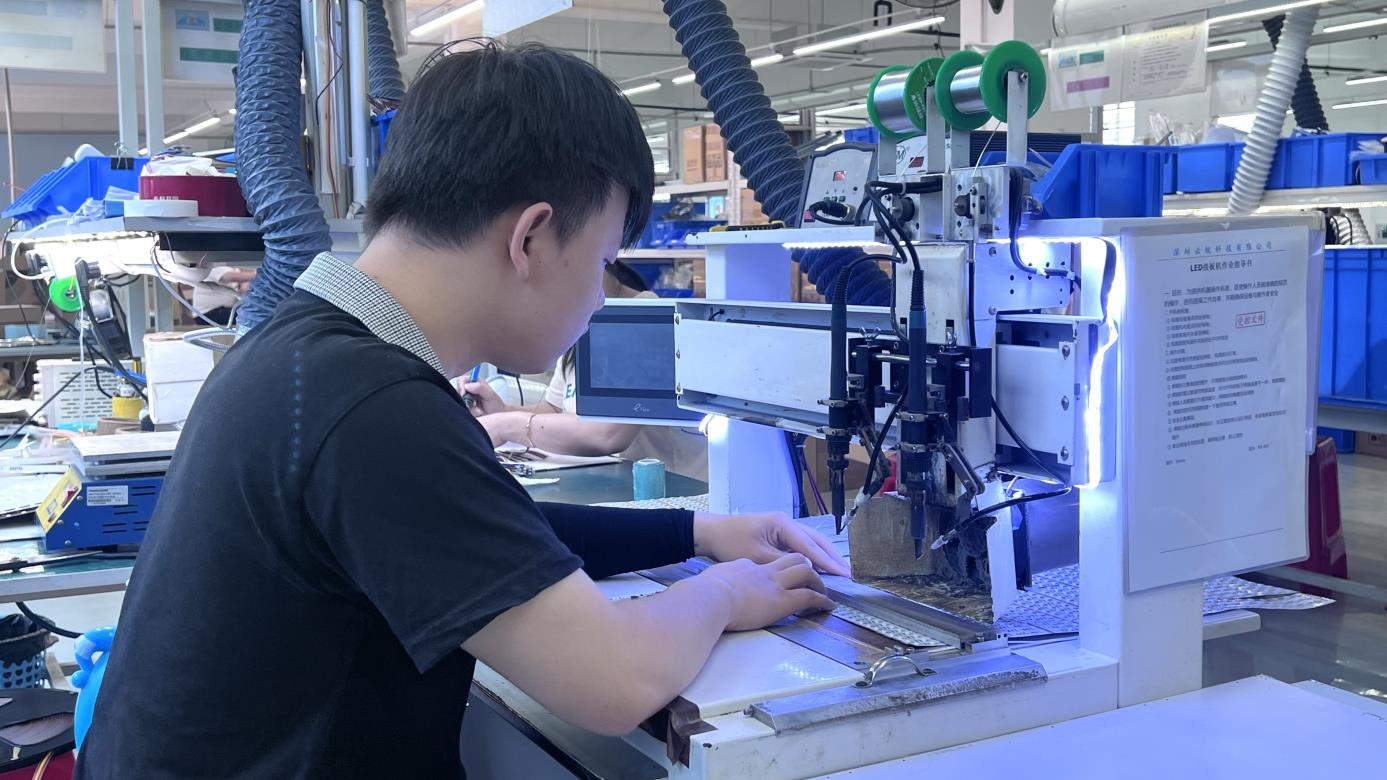
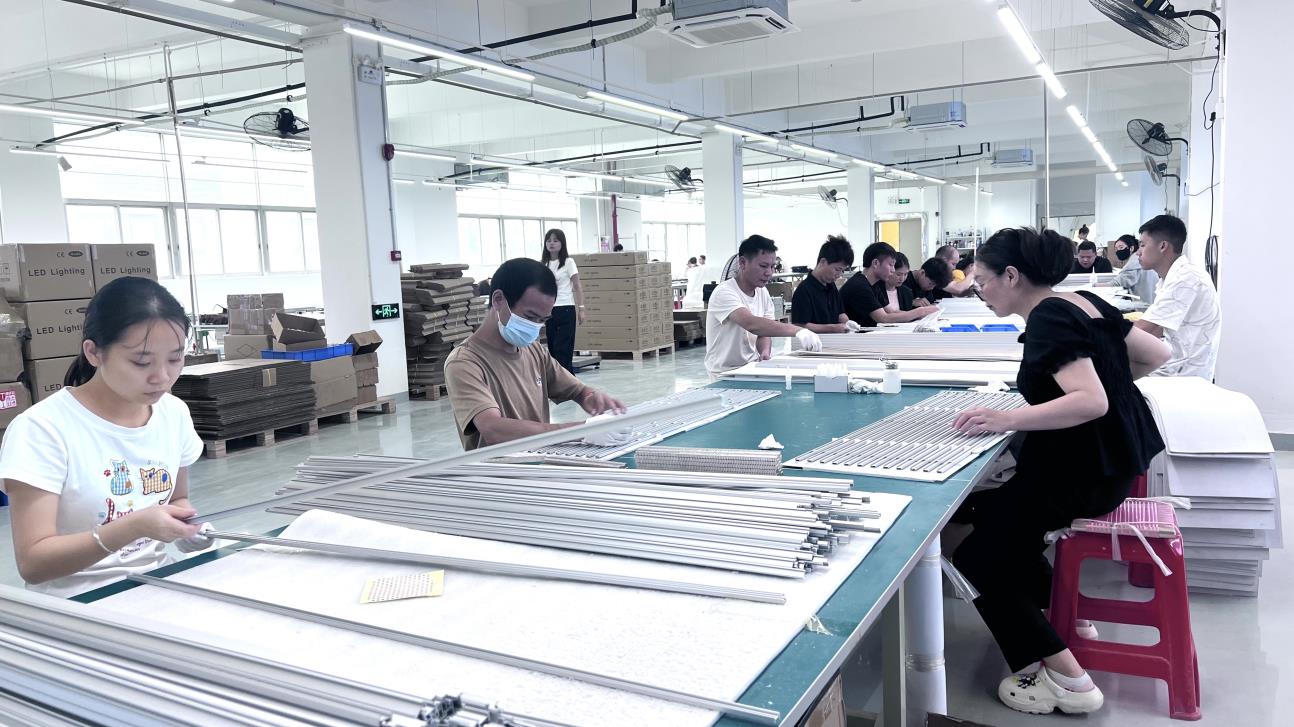
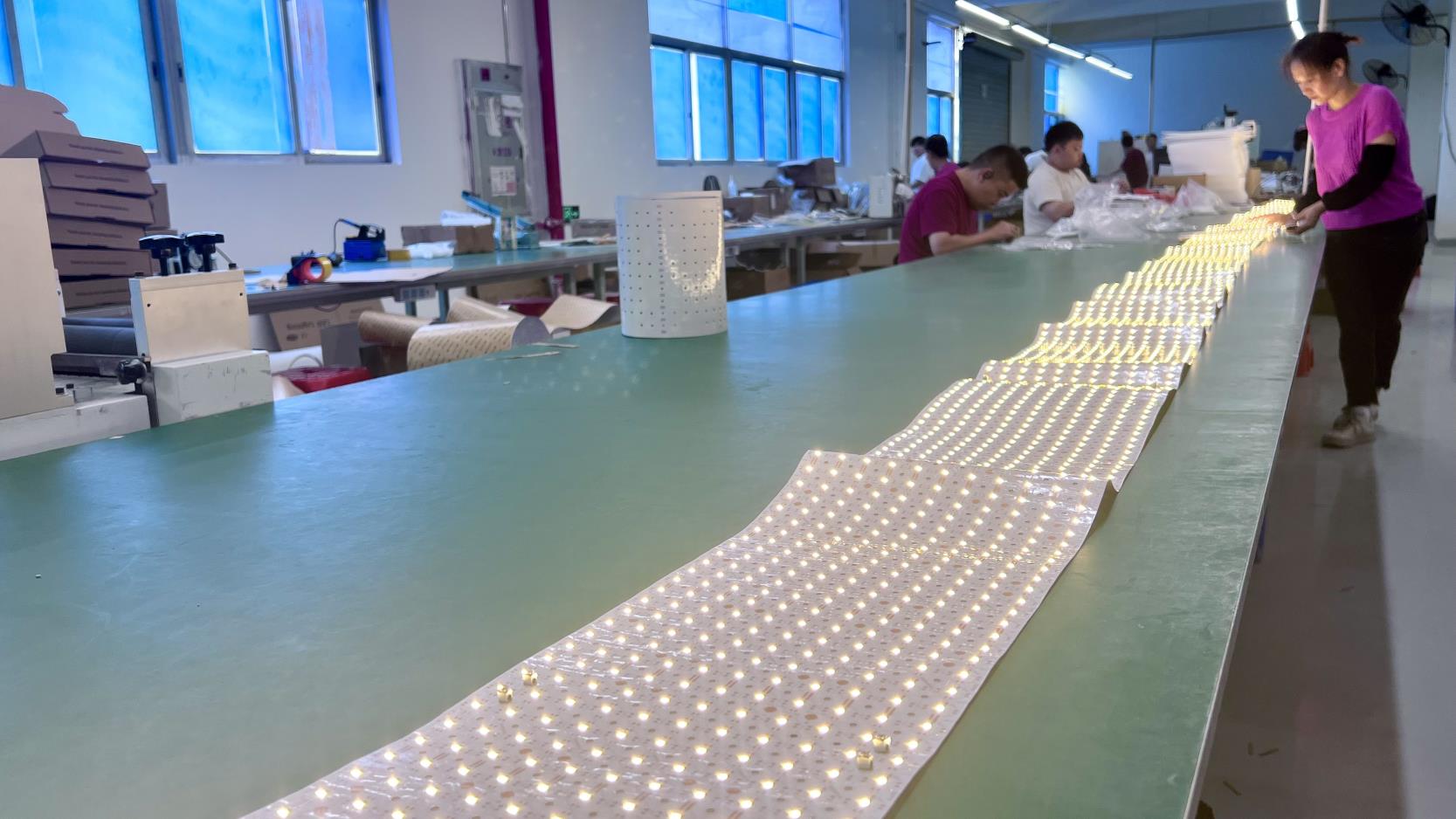
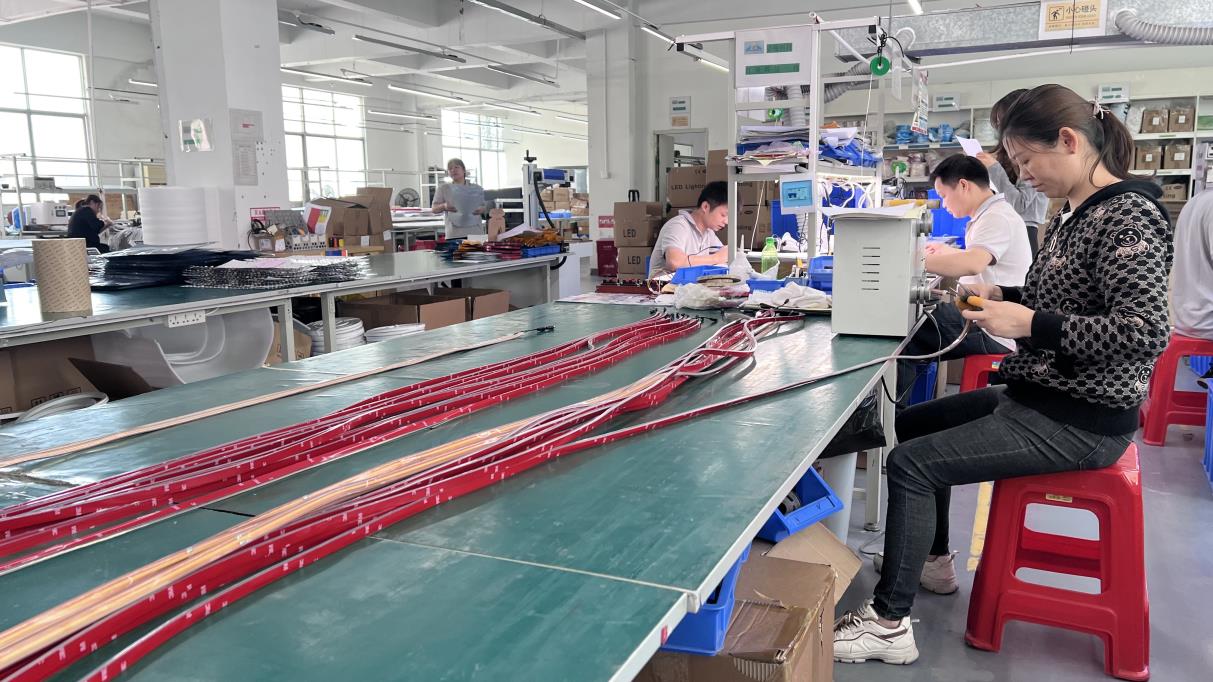
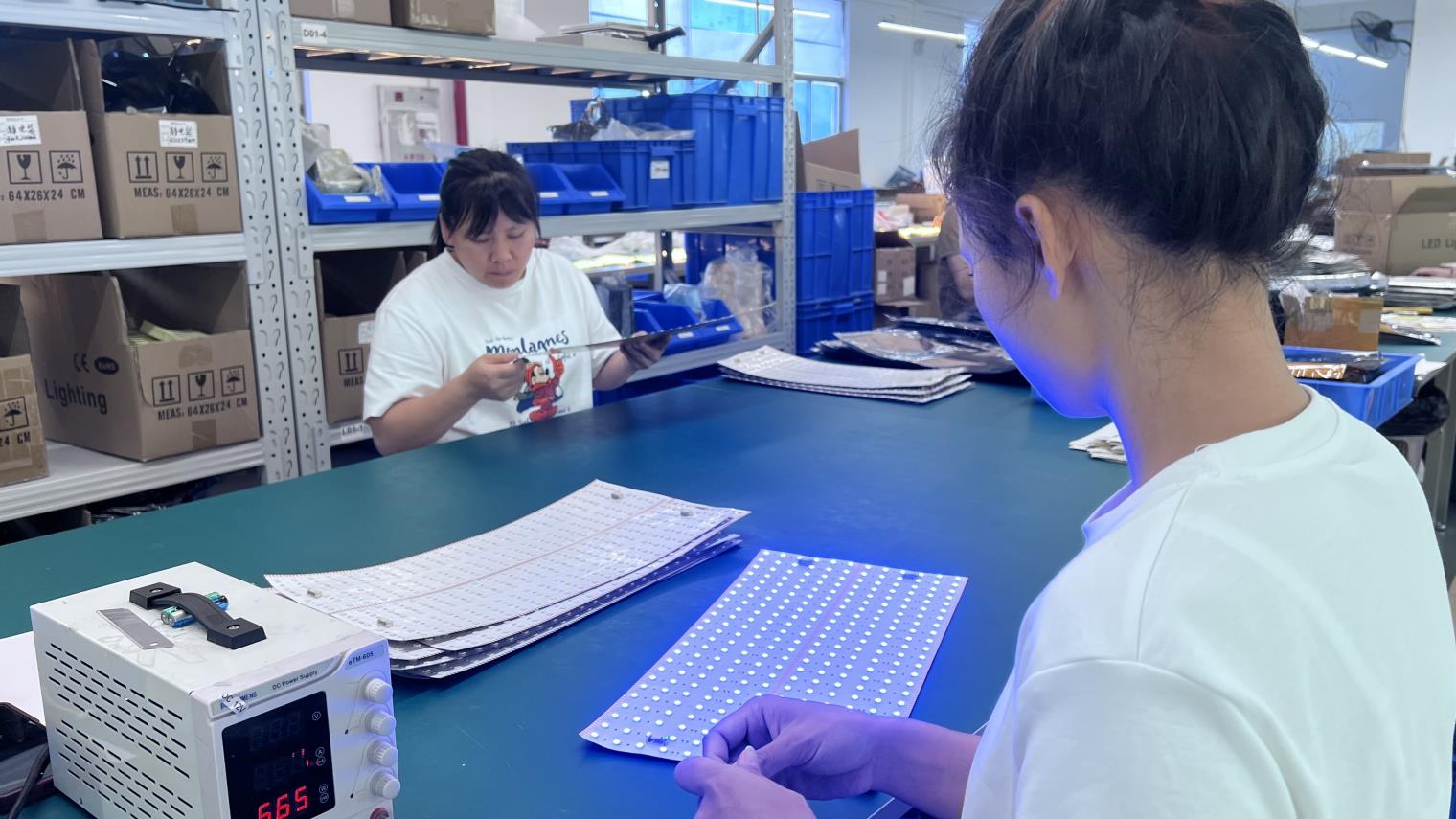
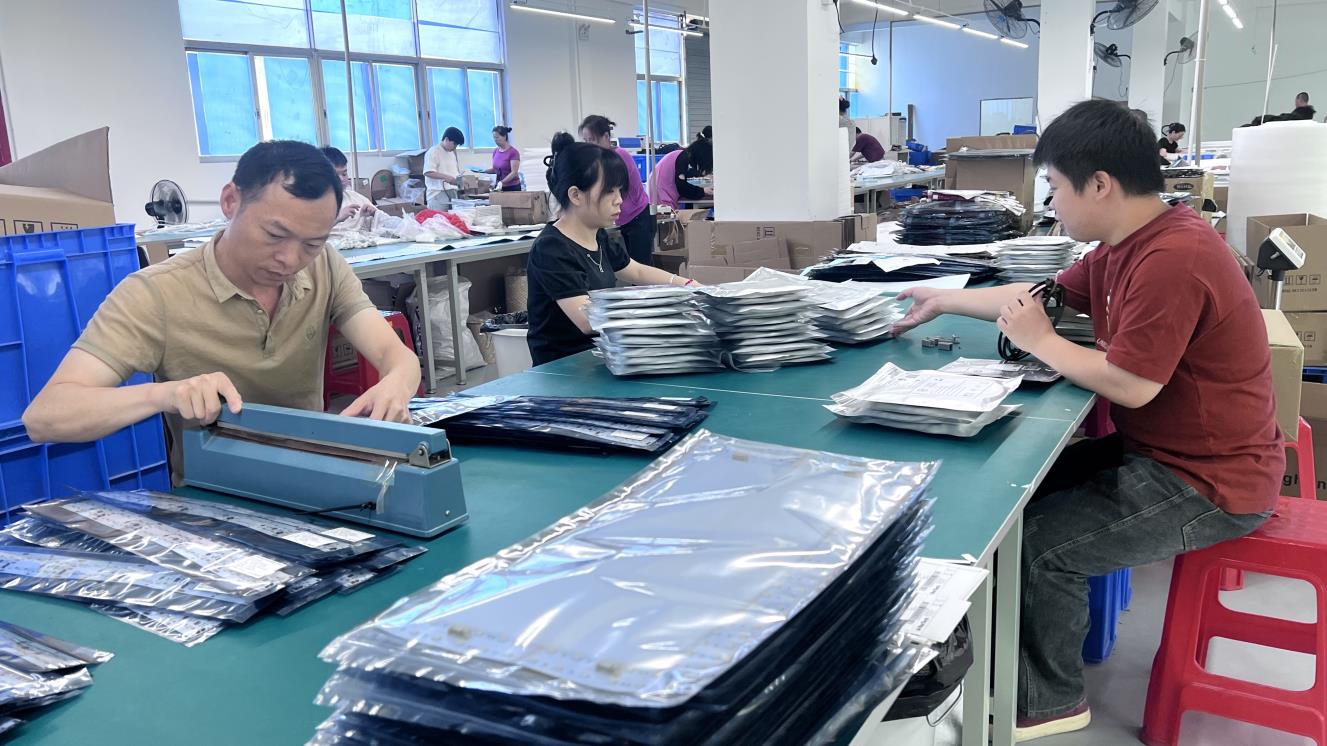
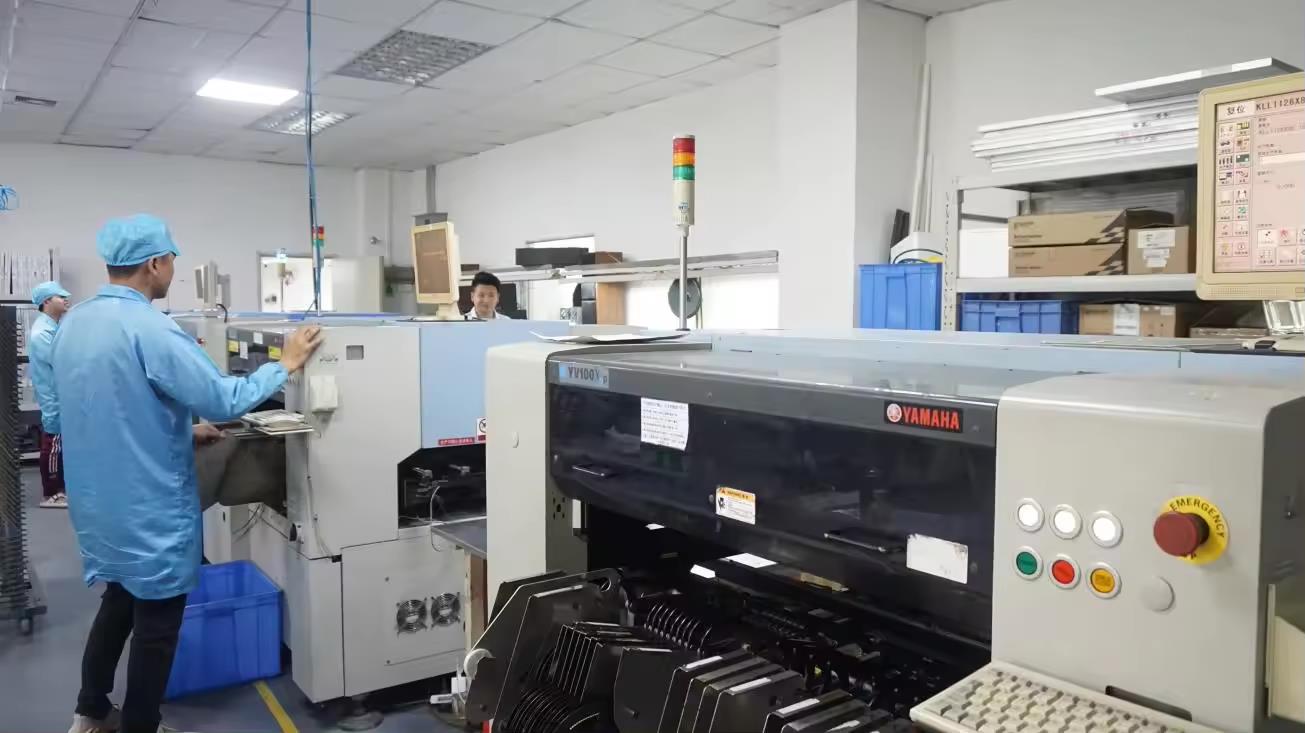
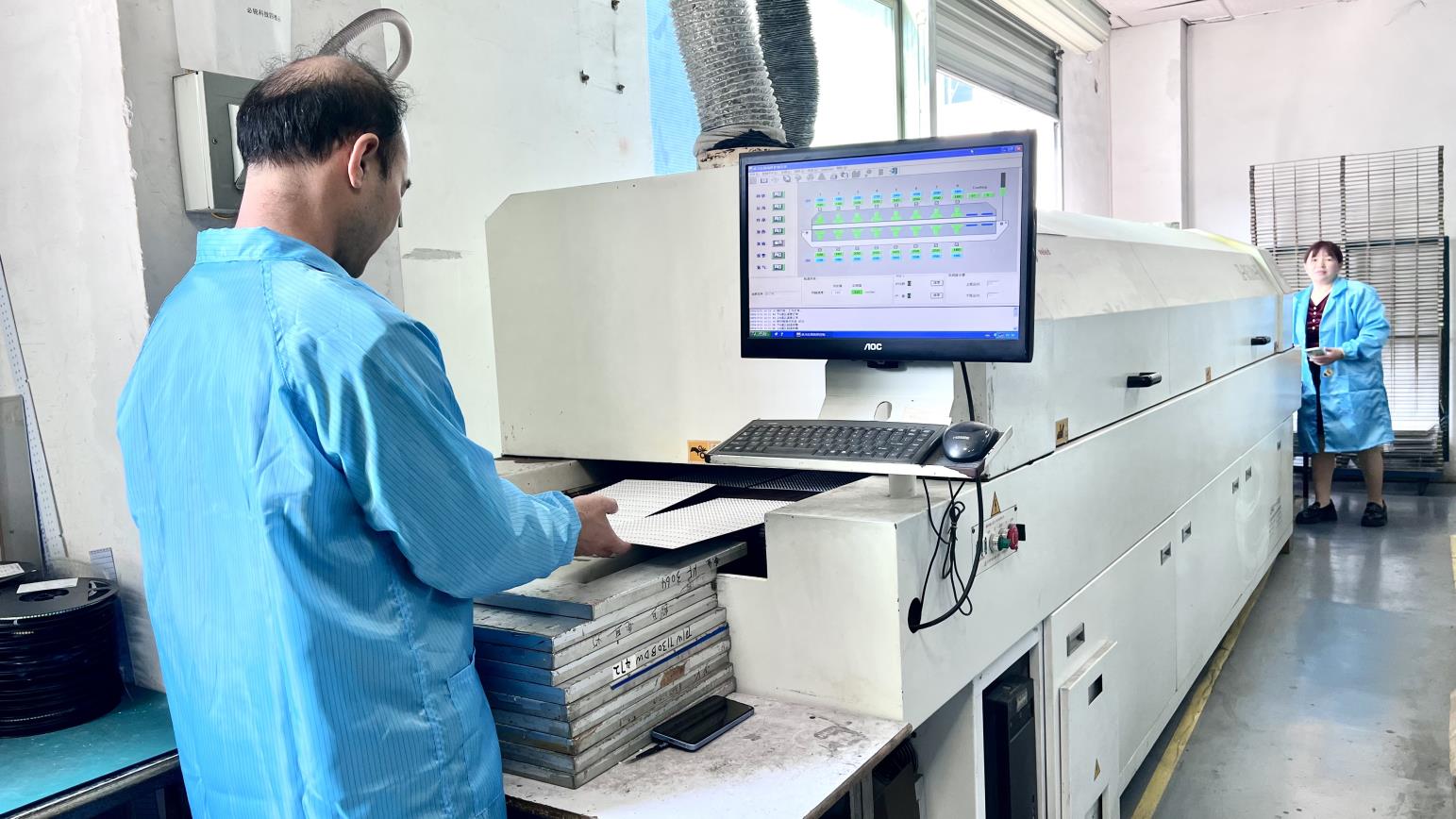
The concentrated manufacturing cluster in Guangdong, China—specifically the Pearl River Delta industrial belt encompassing Foshan—provides a structural competitive advantage that cannot easily be replicated elsewhere in the world.
First, the integration of upstream material sourcing is highly optimized. From high-grade ADC12 aluminum extrusion profiles used for heat sinks to advanced optical polycarbonate (PC) lenses and local SMT packaging, every sub-component is sourced within a 50-kilometer radius. This close proximity slashes Lead-in Logistics Times (LLT) down to hours instead of weeks, insulating downstream buyers from international supply chain shocks.
Second, advanced automated assembly and capital depth allow factories like Jable Light to scale up production while minimizing labor-related defects. The inclusion of high-precision Yamaha SMT machines, automated reflow soldering equipment, and 24-hour computerized thermal aging test booths ensures a fail-safe product loop. Under TÜV ISO9001 quality audits, these automated checkpoints ensure that defective components are flagged and purged long before they arrive at international ports.
High bay lighting demands vary considerably depending on the specific application environment. A cookie-cutter approach to lighting layout can result in severe issues like hot spotting, high glare index, or early luminaire failure. Here is how specialized designs resolve these field-level challenges:
Sub-zero temperature profiles require drivers capable of reliable cold-starting (down to -30°C). Condensation during temperature fluctuations also demands IP65 rating with an integrated vent membrane to equalize pressure inside the housing.
These high-ceiling environments are prone to heavy vibration, oil mist, and high ambient temperatures. Here, heavy-duty die-cast housings, high impact IK08 ratings, and chemical-resistant powder coat finishes are required.
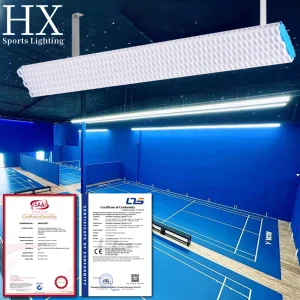
Flicker-free high bays are essential here to accommodate high-definition slow-motion video recording. Low glare index (UGR < 19) is achieved through custom micro-prismatic optics to prevent visual fatigue.
As we head toward 2030, several technological trends are fundamentally redefining the industrial lighting landscape:
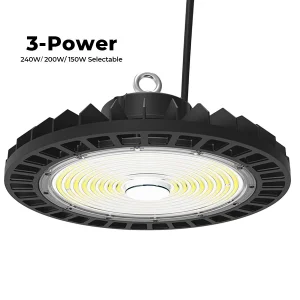
1. Field-Adjustable Wattage & CCT: High bay fixtures now commonly come equipped with physical dip switches or wireless programming to change wattage (e.g., 100W/150W/200W) and color temperature (e.g., 4000K/5000K/6000K) on-site. This significantly reduces inventory complexity for wholesale distributors and lets electrical contractors fine-tune lighting layouts on the fly.
2. Wireless Control Mesh Networks: Bluetooth SIG Mesh and Zigbee protocols are replacing traditional wired 0-10V control systems. Sensor integration allows luminaires to form autonomous nodes that report active power consumption, ambient temperatures, and occupy patterns directly to dashboard software, paving the way for predictive maintenance programs.
3. Cradle-to-Cradle Design & Recyclability: Sustainable procurement policies in multi-national corporations are driving demand for easily repairable high bays. Instead of discarding the entire light fixture upon driver failure, next-generation modular high bays feature tool-free driver replacements, thereby minimizing e-waste.
Explore our high-lumen, dimmable, and waterproof series tailored for workshops, commercial centers, and rugged environments.
When vetting high bay manufacturers for major infrastructure or large logistics projects, procurement managers must evaluate several technical metrics to avoid early system degradation. Use the following criteria:
Selecting high bays backed by certified testing processes not only keeps electrical inspections trouble-free but also guarantees you receive the rebates offered by local energy authorities (such as the Database of State Incentives for Renewables & Efficiency in the US).
Authoritative technical advice addressing key engineering and supply chain queries from professional lighting distributors and engineering contractors.
 Jable Light