Engineered for architectural integration, featuring high-efficiency LED modules, advanced thermal profiles, and responsive sensor systems.
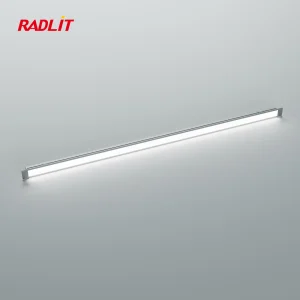
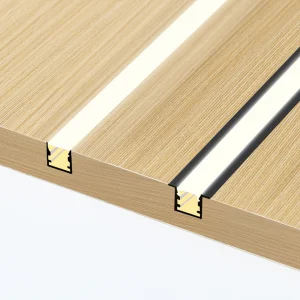
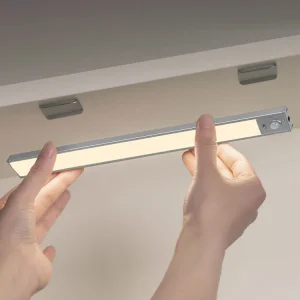
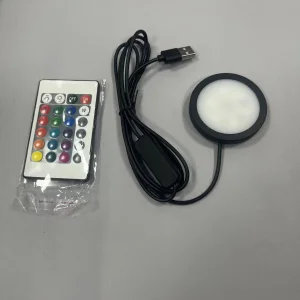
The global architectural lighting market is experiencing a profound paradigm shift. Modern spaces demand the integration of Human-Centric Lighting (HCL), where fixtures become invisible while performing advanced roles. Cabinets, showcases, wardrobes, and credenzas are no longer treated as passive storage units. Rather, they are focal points of interactive residential and commercial interior environments.
Furthermore, regulatory bodies worldwide are pushing for strict compliance in energy management. The transition from standard AC-driven fluorescent lamps to intelligent low-voltage DC-driven LED under-cabinet fixtures has accelerated. Today, buyers look beyond simple illumination. They demand advanced thermal management, high color fidelity, zero flicker index, and smart sensing technologies.
Did you know? Incorporating LEDs with high Color Rendering Index (CRI Ra > 90) combined with localized dimming in kitchens and retail environments has been clinically shown to improve spatial awareness and enhance product perception by up to 34%.
Key drivers shaping the industry's expansion over the next decade include:
Understanding regional import standards is critical for distributors, project contractors, and lighting wholesalers. Non-compliance leads to customs delays and safety liabilities.
Imports to the US and Canada must hold valid ETL/cETL or UL/cUL listings. The local National Electrical Code (NEC) mandates class 2 power supply integration for low-voltage lighting to mitigate shock and fire hazards. Furthermore, products installed in California must comply with CEC Title 24 Joint Appendix 8 (JA8) guidelines for high efficacy.
Importers require comprehensive CE (including LVD and EMC directives) and RoHS certifications. For under-cabinet environments, the newer Eco-Design directive (ERP) dictates strict requirements for luminous efficacy and color consistency. Products designed for damp kitchen environments or sink-side installations must achieve at least IP44 protection metrics.
Countries like Japan (PSE mark), Australia (SAA, RCM compliance), and the Middle East require strict adherence to international IEC standards. Thermal performance, harmonic distortion metrics (THD), and surge protection are heavily monitored to avoid electrical degradation in regions experiencing high humidity or volatile grid voltages.
Foshan Jable Light Co., Ltd. (established in 2006) represents the vanguard of modern industrial lighting factories in Southern China. Operating under a modern 20,000 square meter footprint.
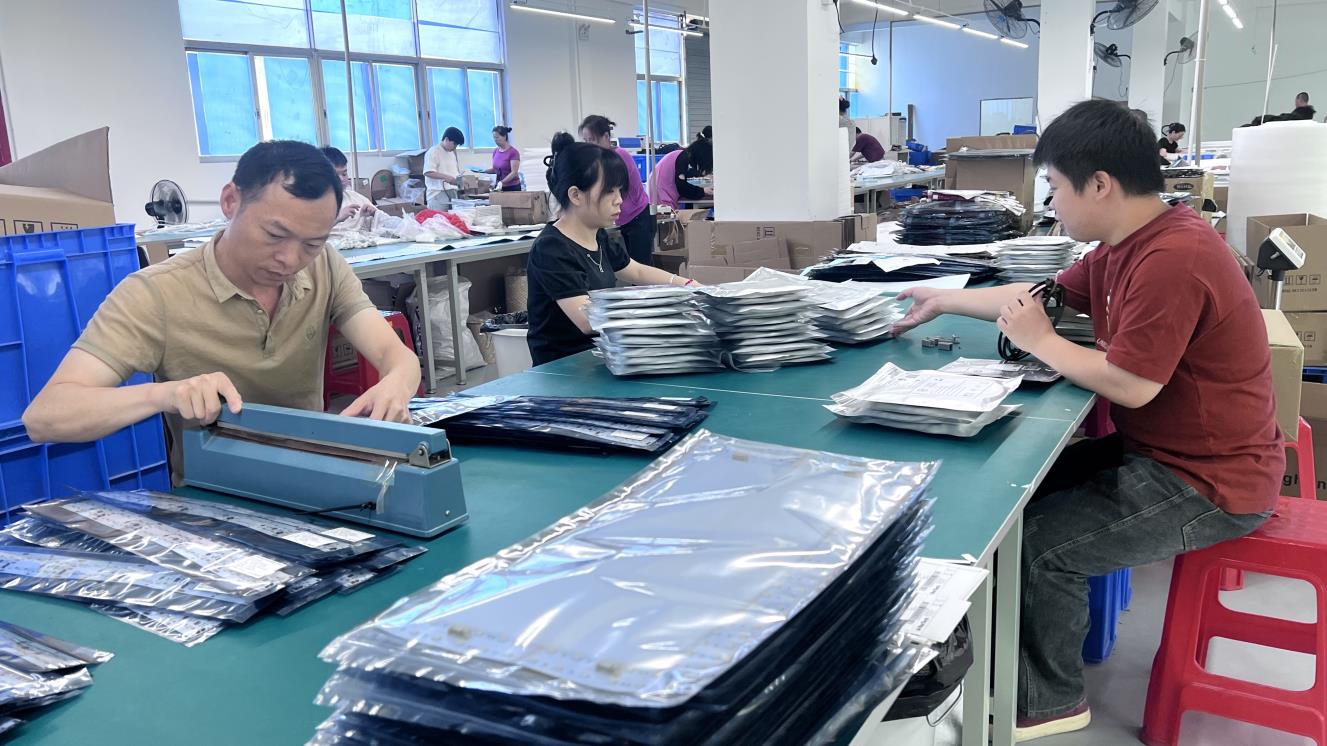
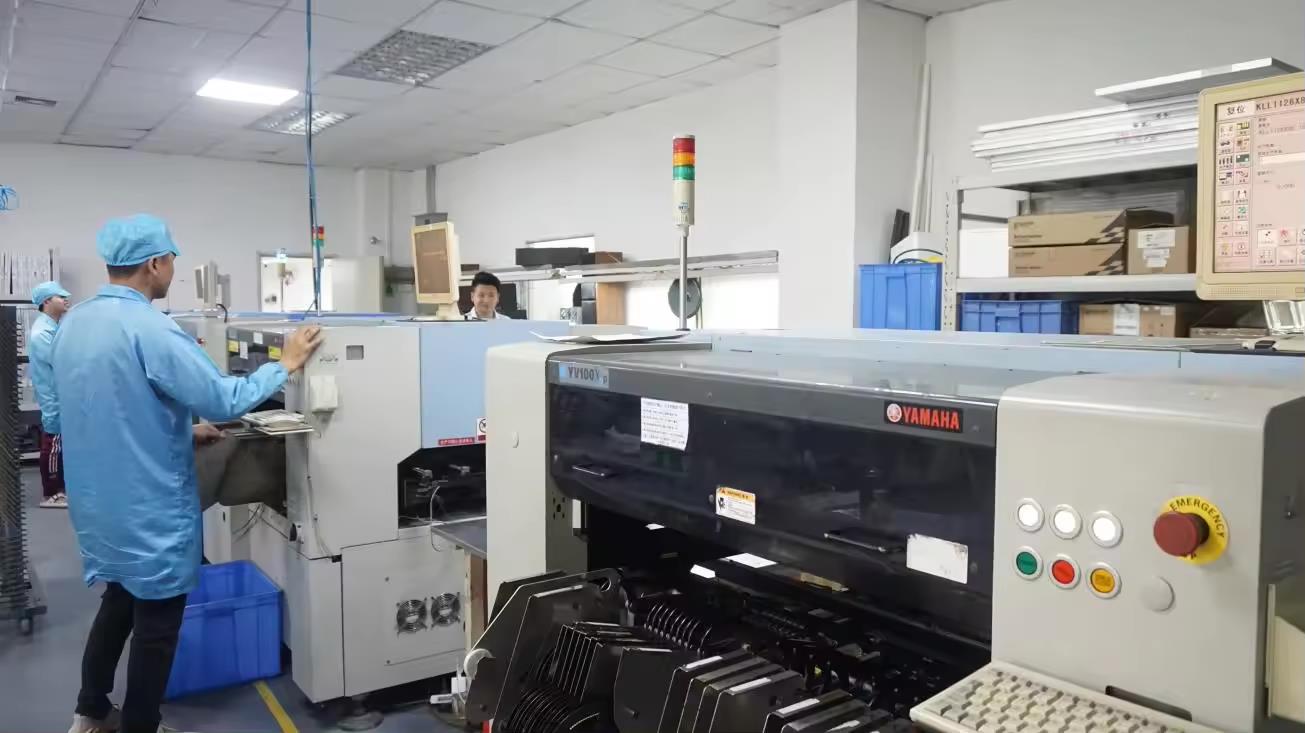
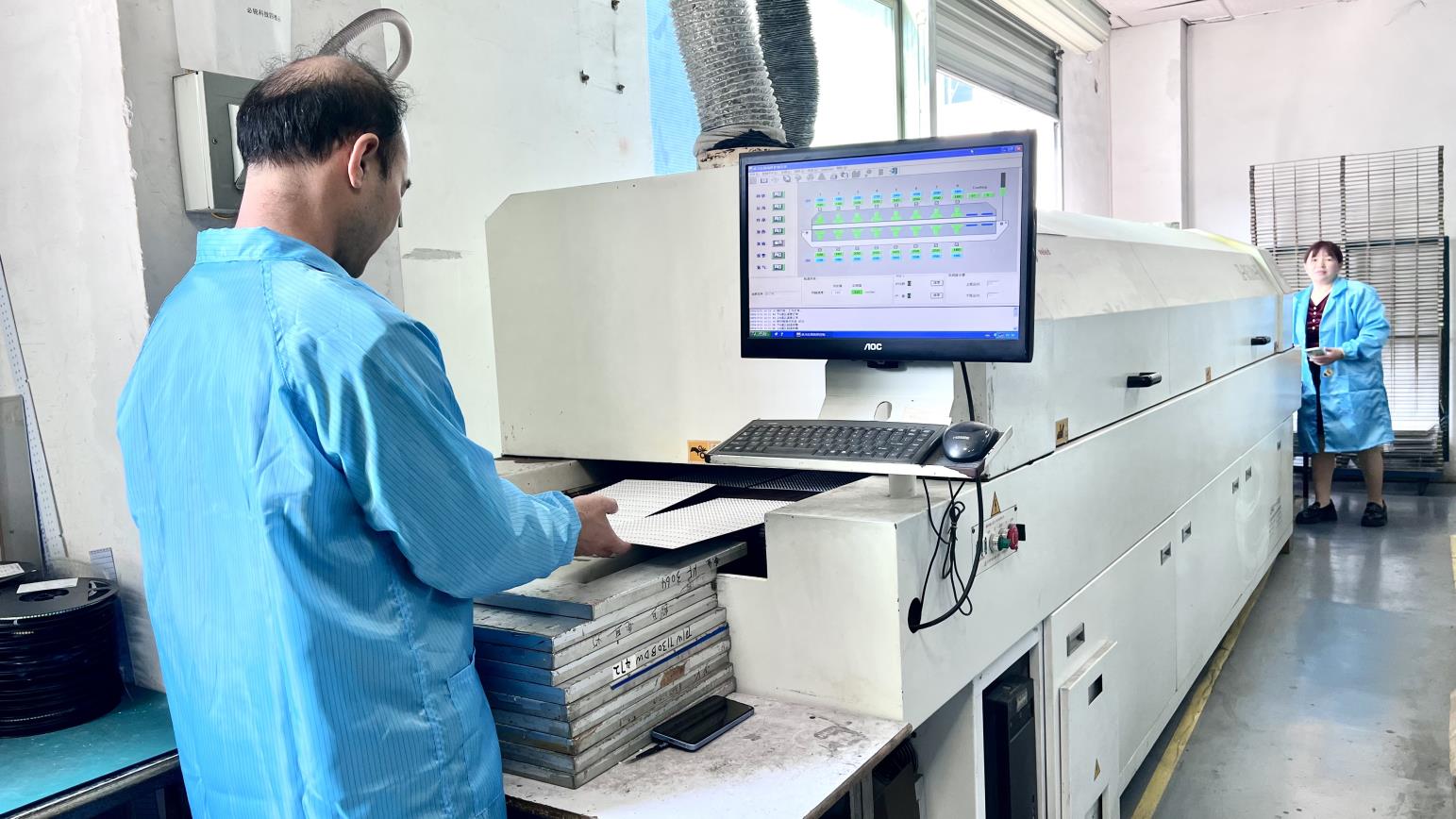
At the core of our competitive advantage is Foshan Jable Light Co., Ltd.’s vertical integration capacity. While typical assembly shops rely on third-party outsourcing, our facility handles everything from initial raw materials processing to automated quality assurance. Our modern factory is fully equipped with 8 advanced production lines that encompass:
Operating under the strict TÜV ISO9001 quality management framework and practicing daily 7S management, we prevent raw material contamination, improve production yields, and maintain an annual turnover exceeding USD 30,000,000. Our scale allows us to scale production up to 30% annually, addressing emergency high-volume orders for regional mega-distributors.
Strict Aging Test Protocols: Every single batch of cabinet lights undergoes a mandatory 4-to-24 hour thermal and electrical aging stress-test. This helps eliminate early stage LED semiconductor dropouts, ensuring a field-failure rate of less than 0.05% for global projects.
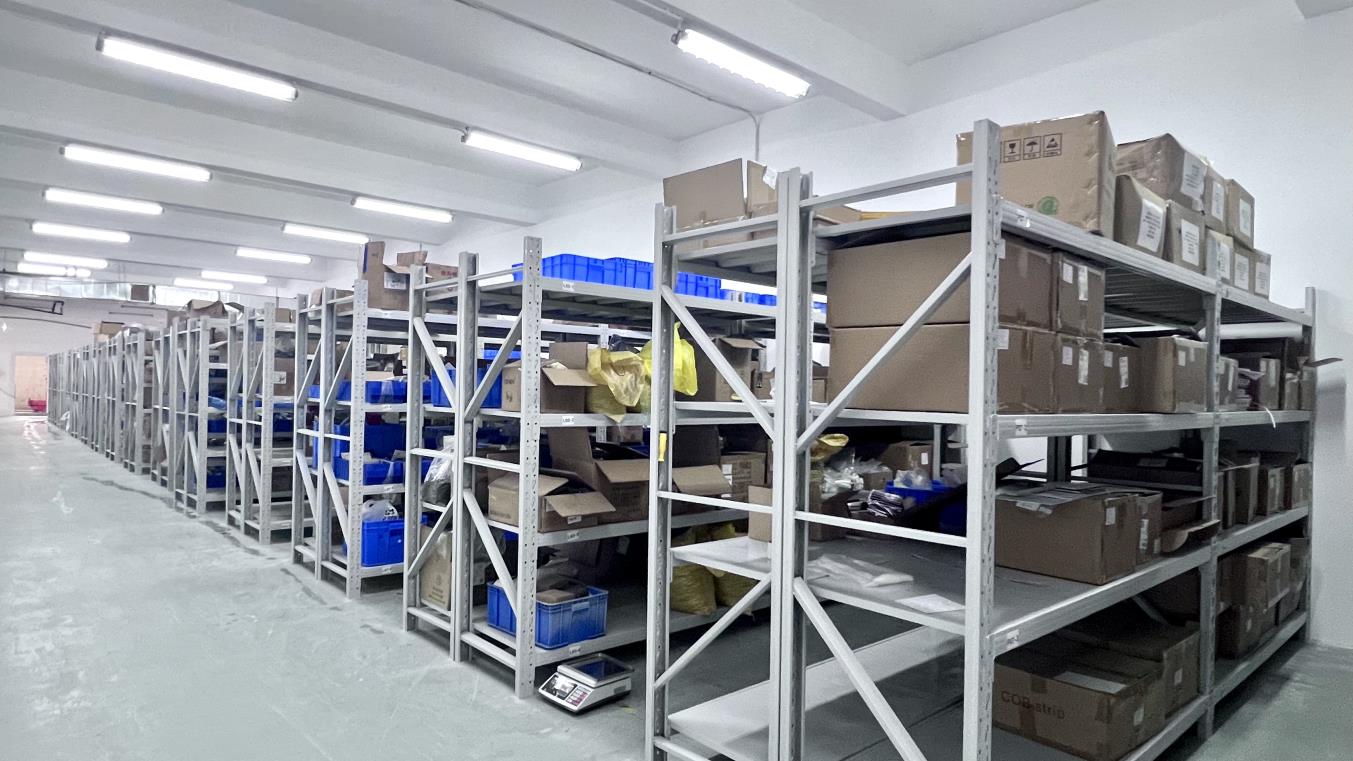
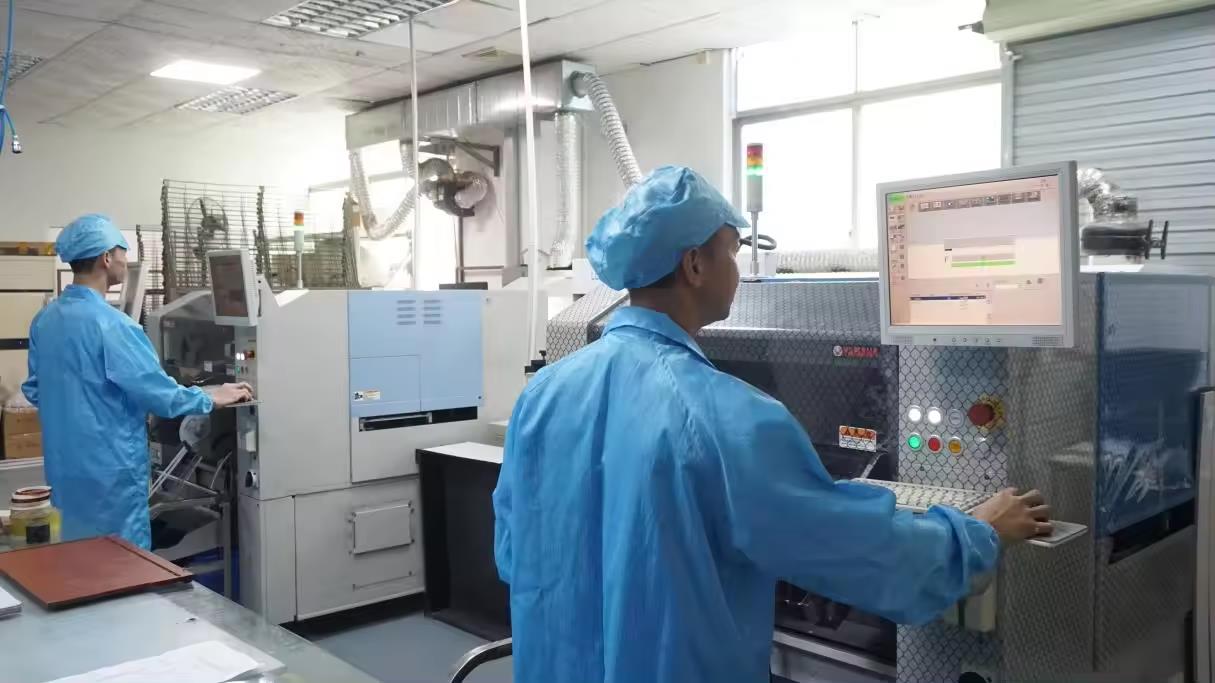
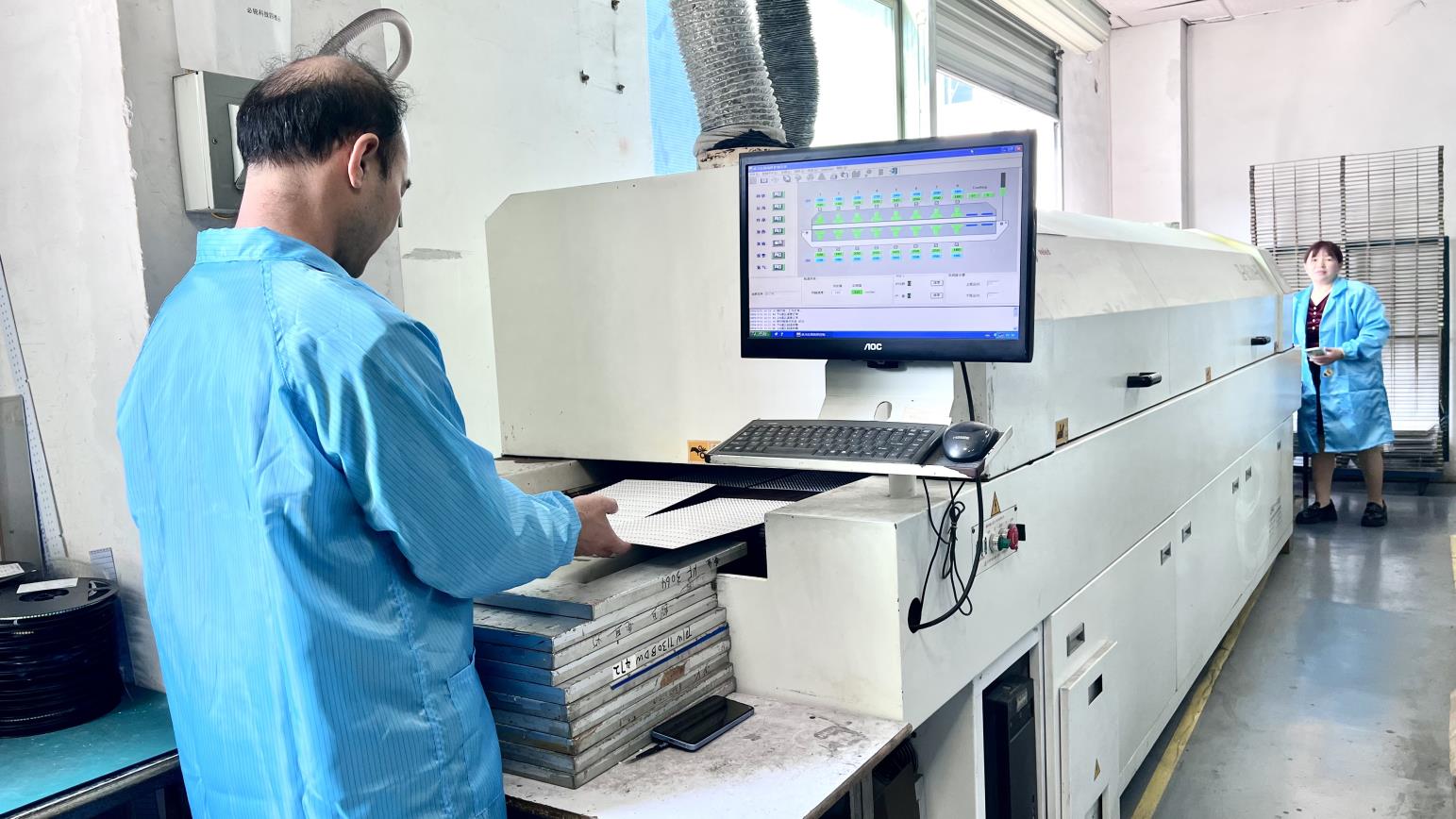
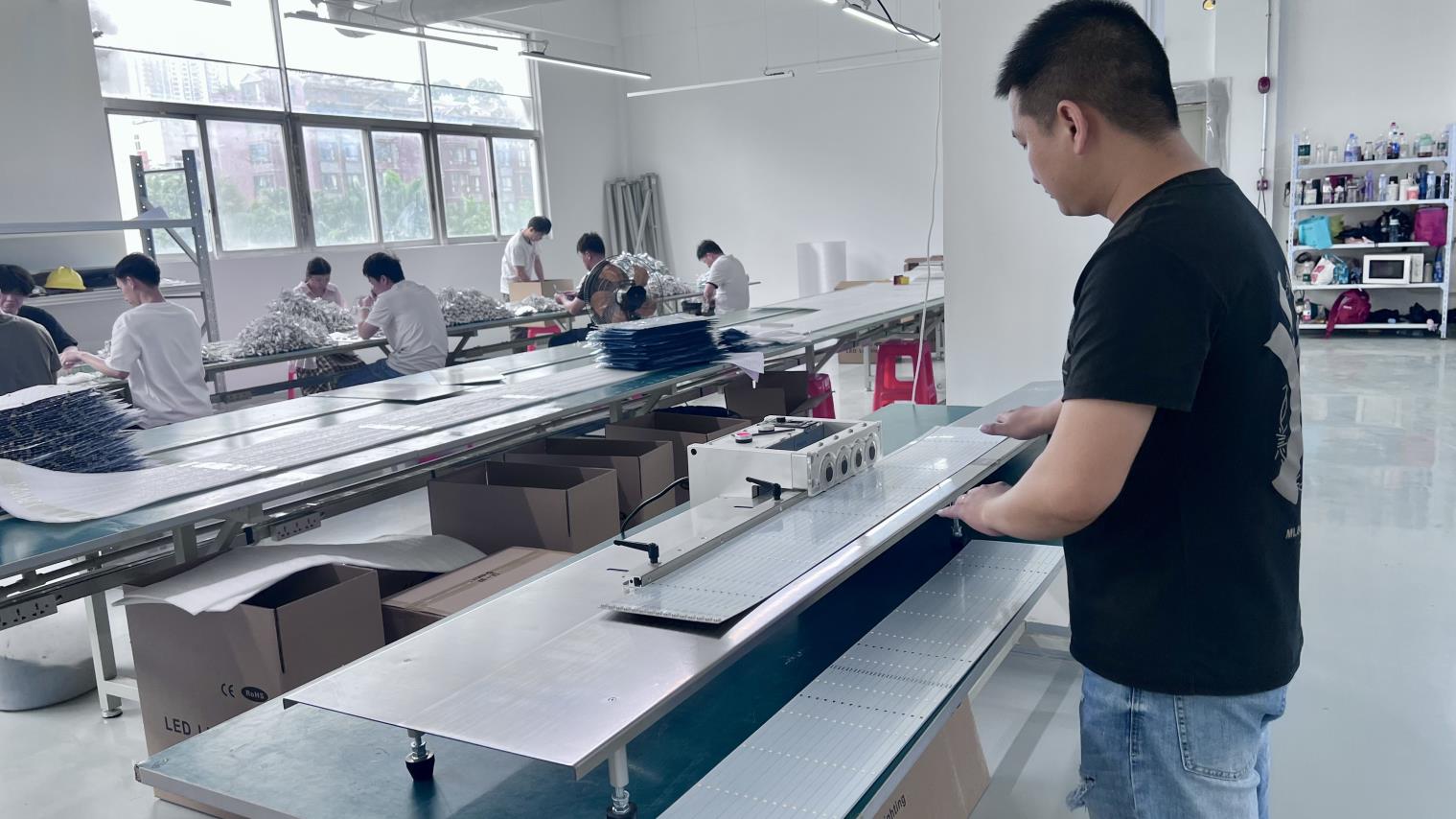

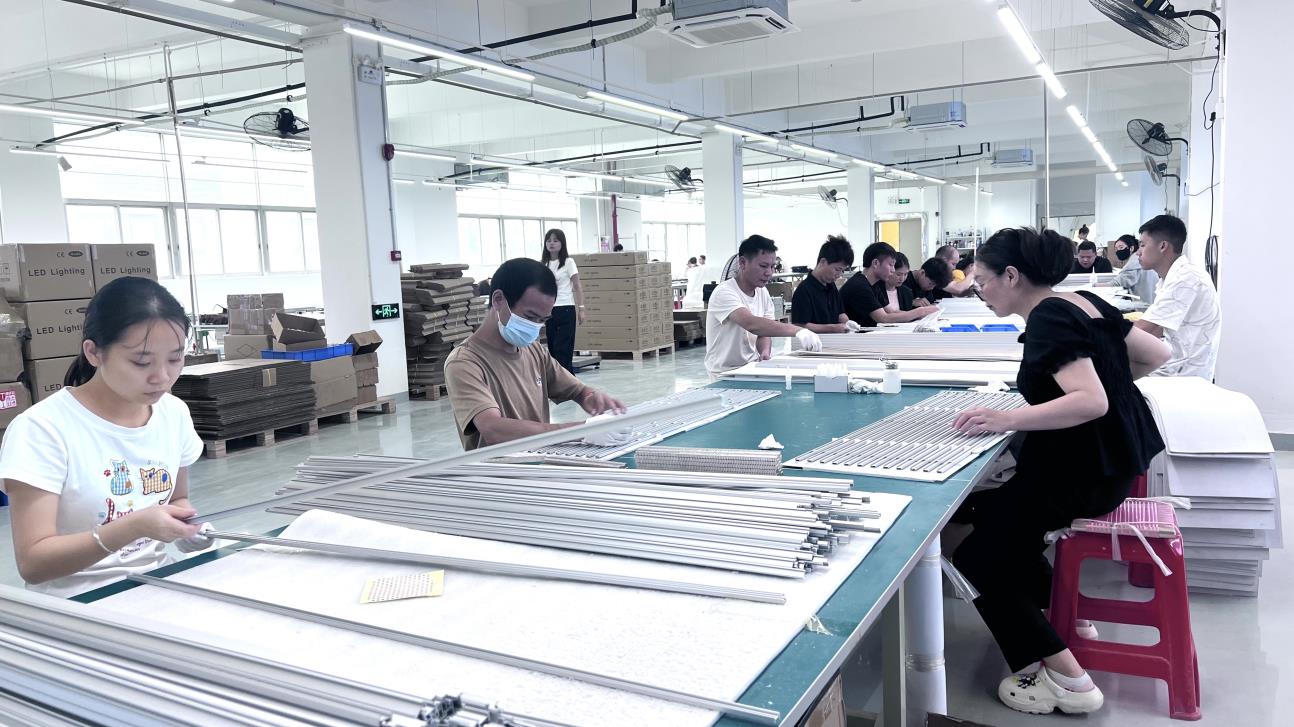
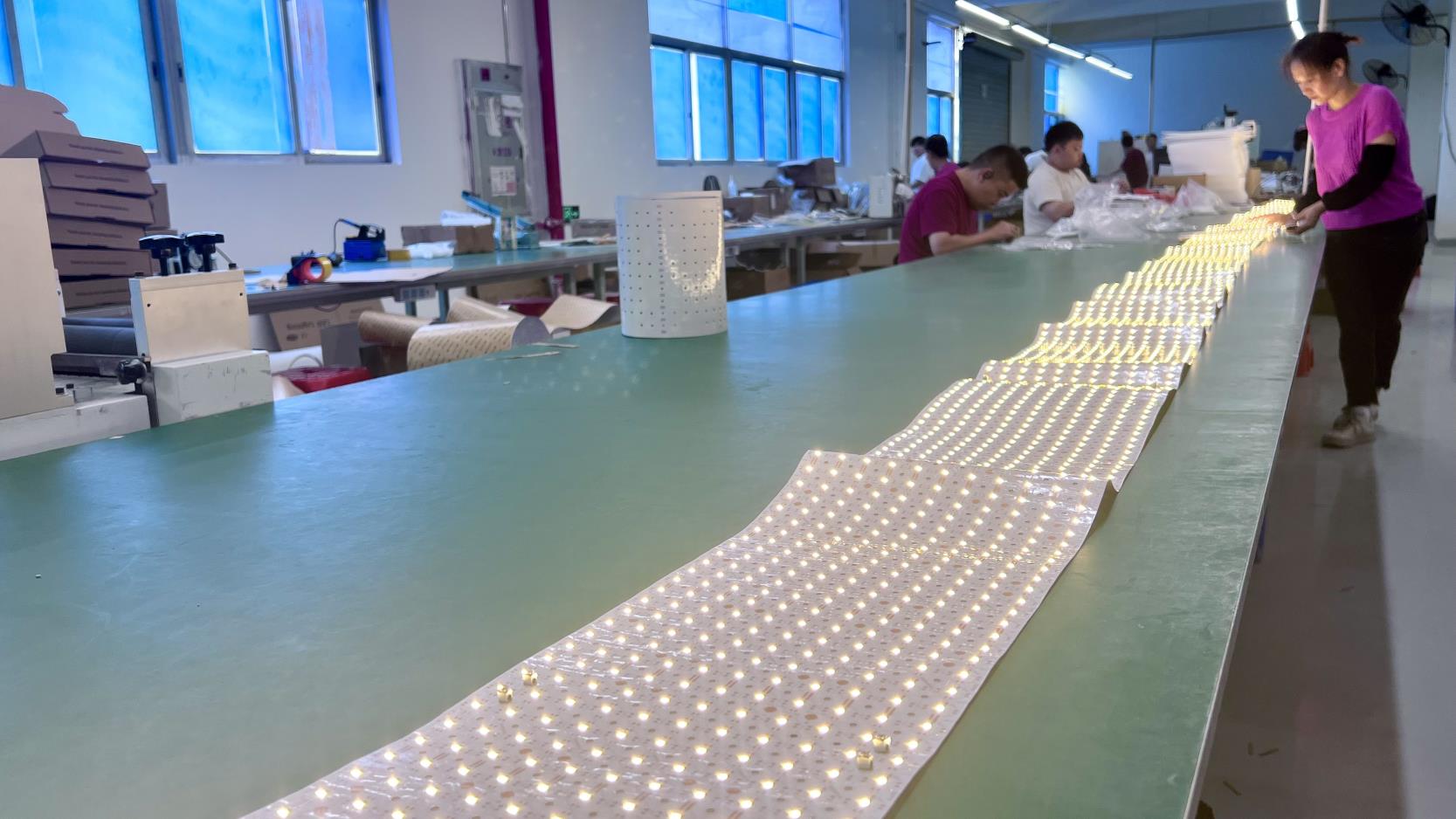
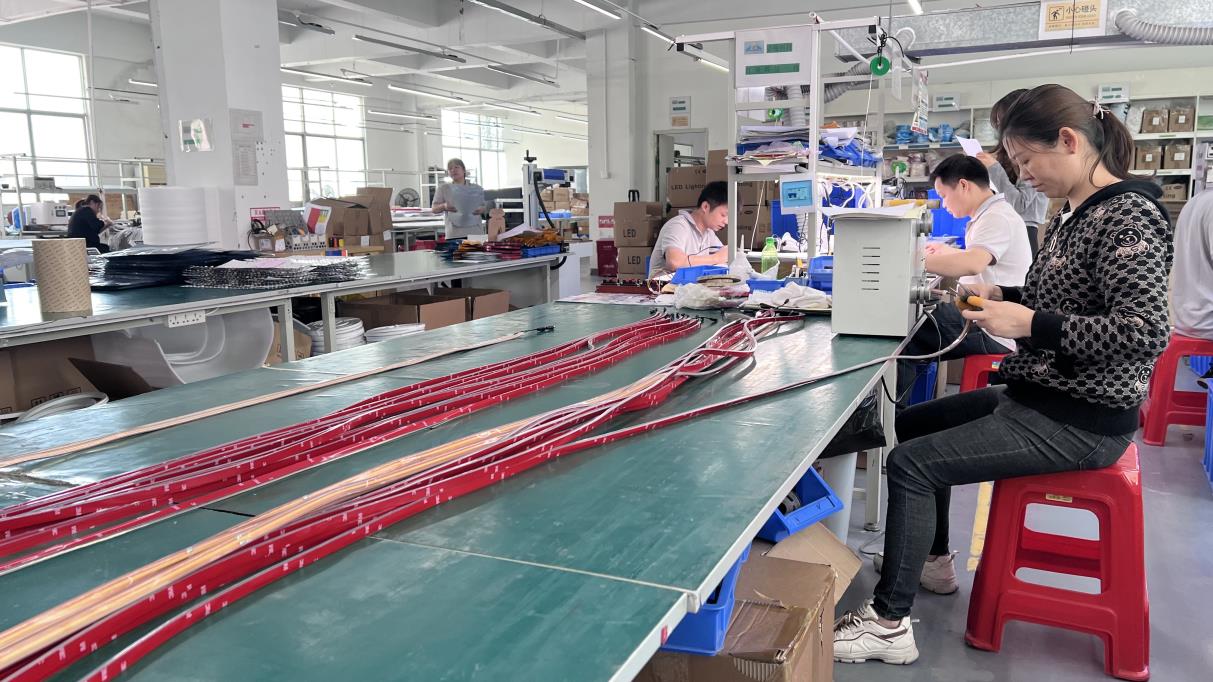
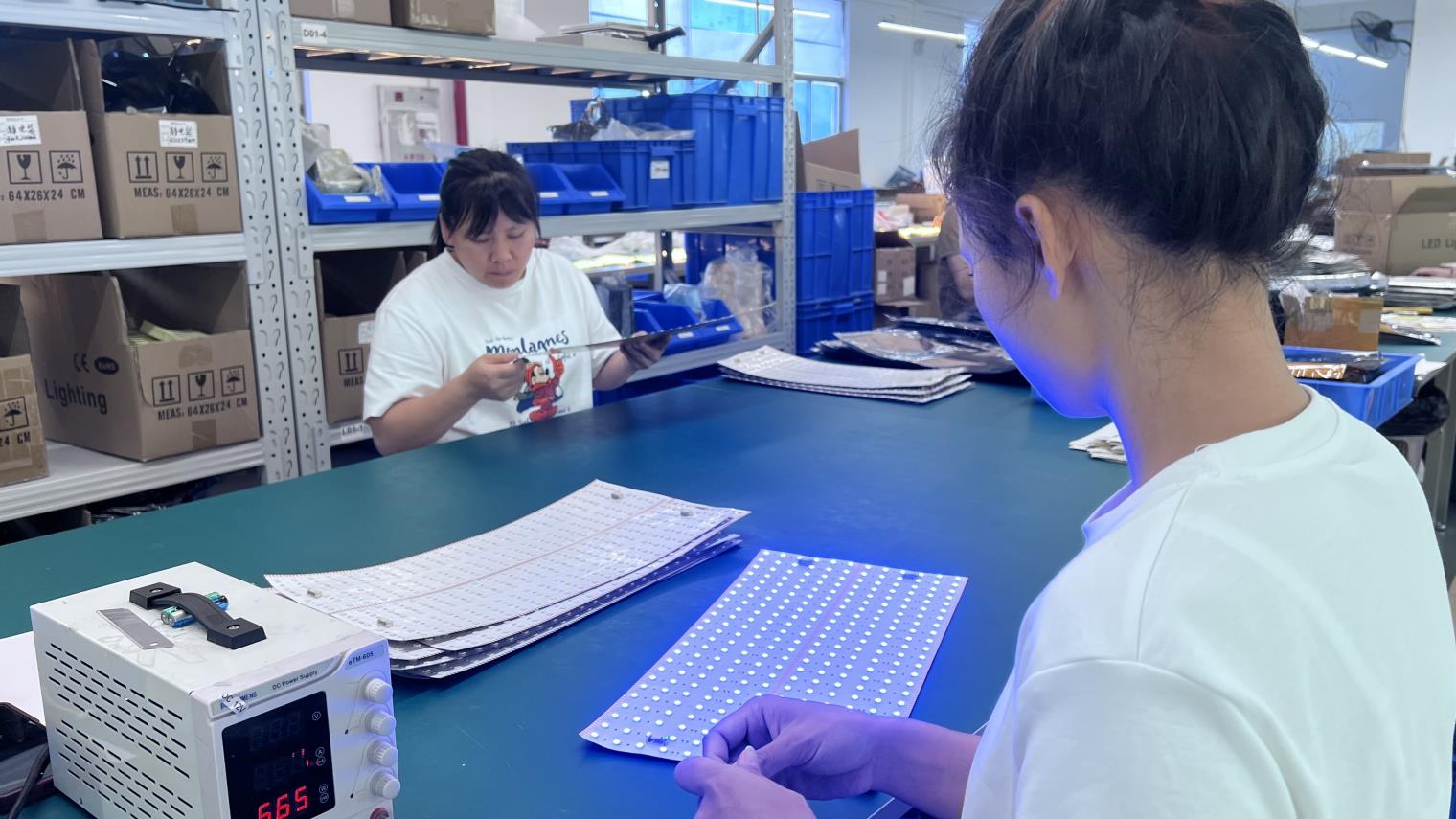
Why Jable Light outperforms typical generic imports under scrutiny. Explaining the optical, mechanical, and electrical components.
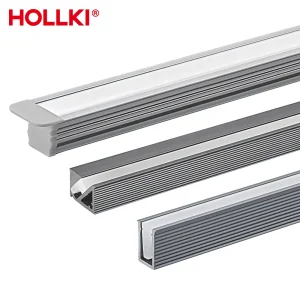
Our profiles utilize high-grade 6063-T5 anodized aluminum. The thermal conductivity of 200 W/mK ensures that heat generated by high-density SMD matrices is dissipated quickly. Keeping the junction temperature of the LED chips below 65°C helps extend the lifespan of the fixture beyond 50,000 operational hours.
To achieve high visual comfort without compromising efficiency, we use PMMA and polycarbonate diffusers with anti-UV properties. This eliminates light-dot imaging, distributing soft light over a 120° beam angle. It helps maintain color consistency within 3-step MacAdam Ellipses (SDCM < 3).
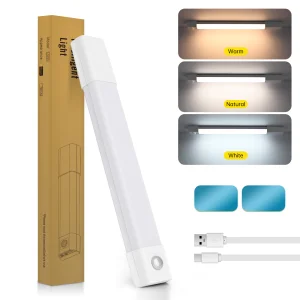
Our wireless line features rechargeable lithium batteries equipped with dedicated Battery Management Systems (BMS). The circuit guards against overcharging, deep discharge, and short-circuit faults. Integrated PIR sensors detect human presence within 3 to 5 meters, helping to optimize overall energy use.
Professional lighting planning varies by application. Below are standard design paradigms for different segments.
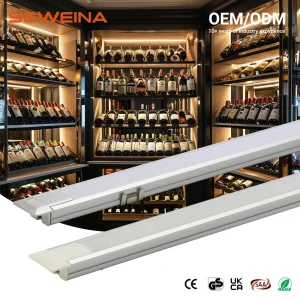
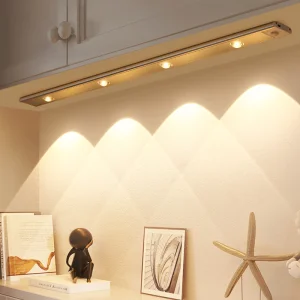
Modern kitchens present challenging lighting environments with high heat and moisture levels. Our recessed profile lights utilize IP44 dust and waterproof properties to seal components against grease, moisture, and cleaning materials, providing durable and safe functional lighting.
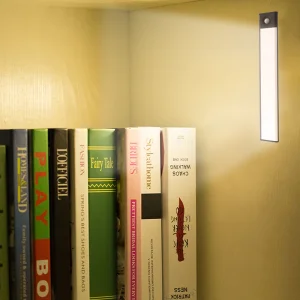
Wardrobes require gentle, wide-angle illumination that accurately renders clothing colors. Using high-CRI (Ra > 90) chipsets, Jable's cabinet lights prevent color distortion. Combined with integrated door-activation sensors, the system lights up instantly when doors open and turns off automatically when they close.
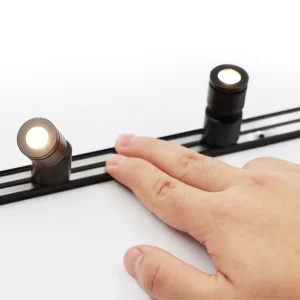
Exquisite jewelry, watches, and museum artifacts require high illumination without high heat load. The directional, low-UV output of our mini magnetic track lighting systems highlights textures and details. Adjustable positioning ensures key displays stay in focus.
Answers to common operational, regulatory, and engineering questions for importers and distributors.
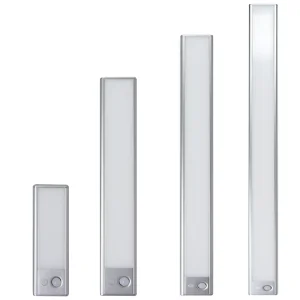
Designed for smart closets, compact workspaces, and high-efficiency display applications. Durable construction meets modern controls.
 Jable Light