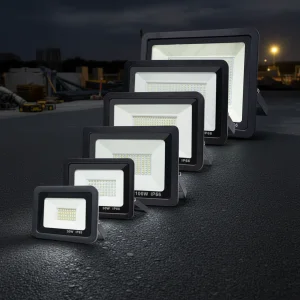
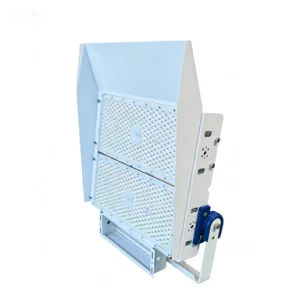
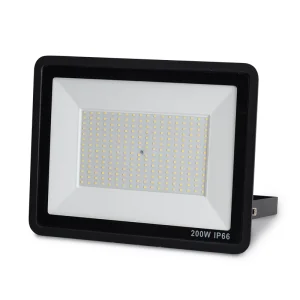
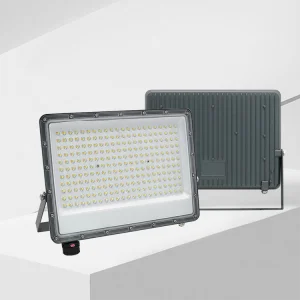
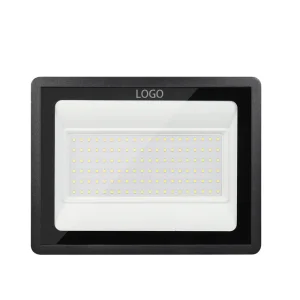
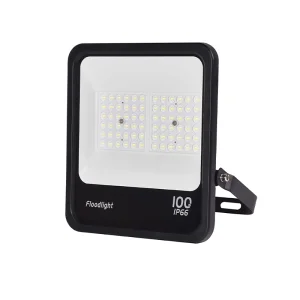
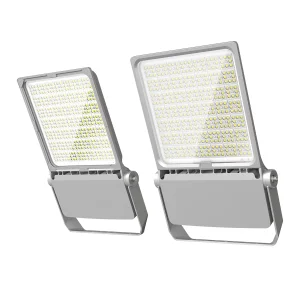
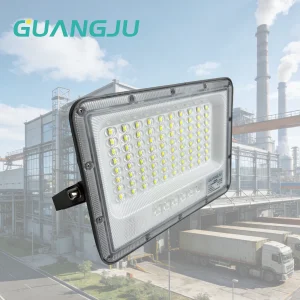
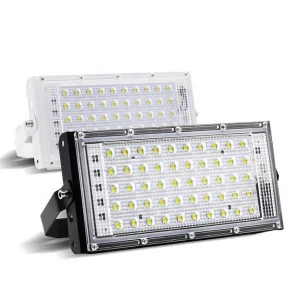
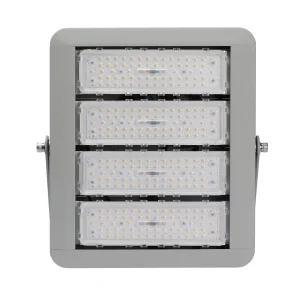
Engineered for Durability, Efficiency, and Maximum Luminous Flux.
The global flood light market has undergone a seismic shift from traditional metal-halide and high-pressure sodium (HPS) systems to advanced Solid-State Lighting (SSL). As of 2024, the demand for industrial-grade LED flood lights is projected to grow at a CAGR of 12.5%, driven by the global mandate for carbon neutrality and the radical reduction in operational costs. Industrial flood lights are no longer just "outdoor lamps"; they are complex optical instruments designed to deliver precise light distribution while surviving the harshest environmental conditions.
Across Europe, North America, and Southeast Asia, flood light exporters are seeing a surge in "Smart City" projects. Municipalities are replacing aging infrastructure with IoT-enabled flood lights that allow for remote dimming and motion sensing. In the industrial sector, mining operations, shipping ports, and large-scale logistics centers are prioritizing lights with high IK ratings (impact protection) and salt-spray resistance to ensure 24/7 operational continuity without the maintenance overhead of traditional lighting.
Foshan Jable Light Co., Ltd. stands at the forefront of the global lighting industry. Established in 2006, the company has dedicated nearly two decades to the research, development, and high-volume production of professional-grade lighting fixtures. Headquartered in the industrial heart of Foshan, our modern facility spans over 20,000 square meters, housing a workforce of 300+ technical experts and skilled operators.
Our commitment to quality is backed by an annual turnover exceeding USD 30,000,000, with a consistent 30% year-on-year production growth. This scale allows us to serve massive infrastructure projects while maintaining the agility required for custom OEM/ODM orders.
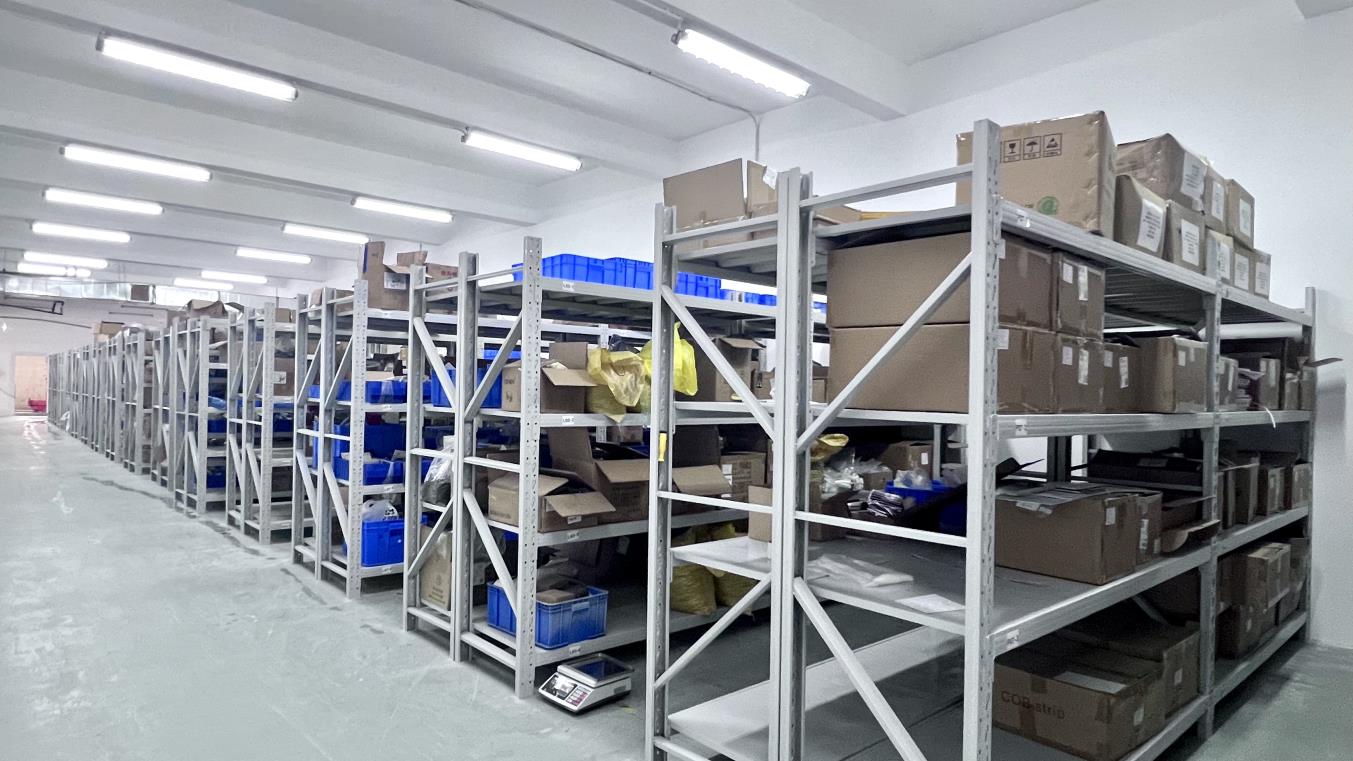
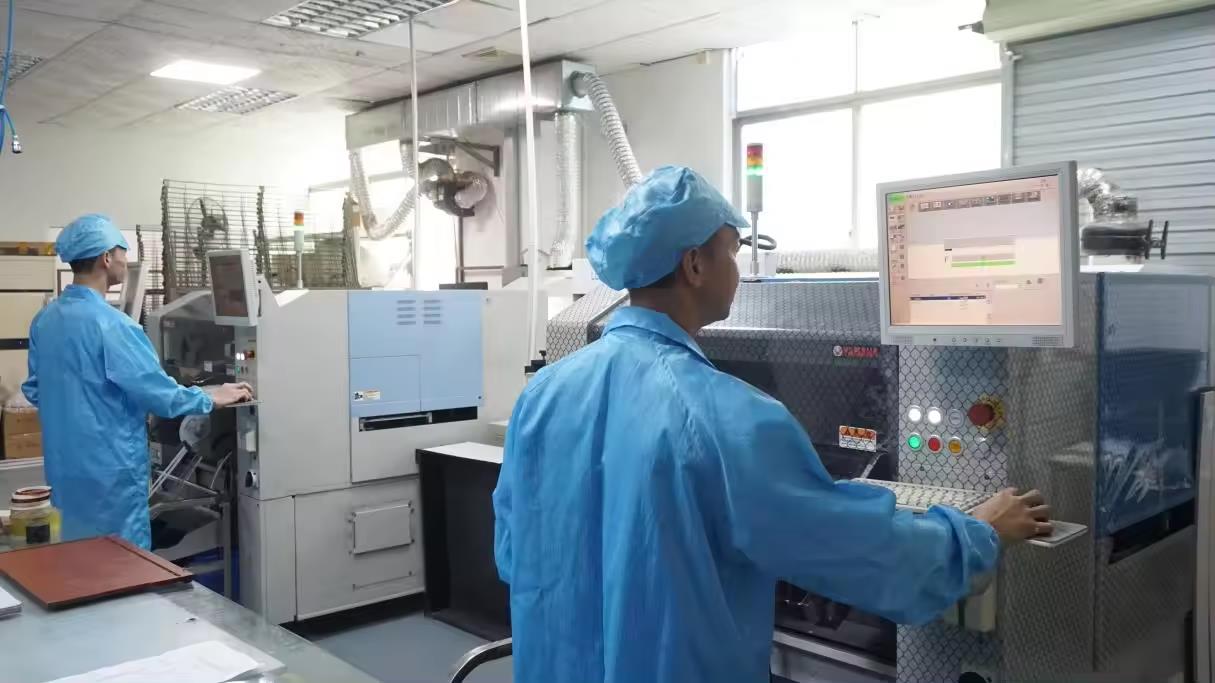
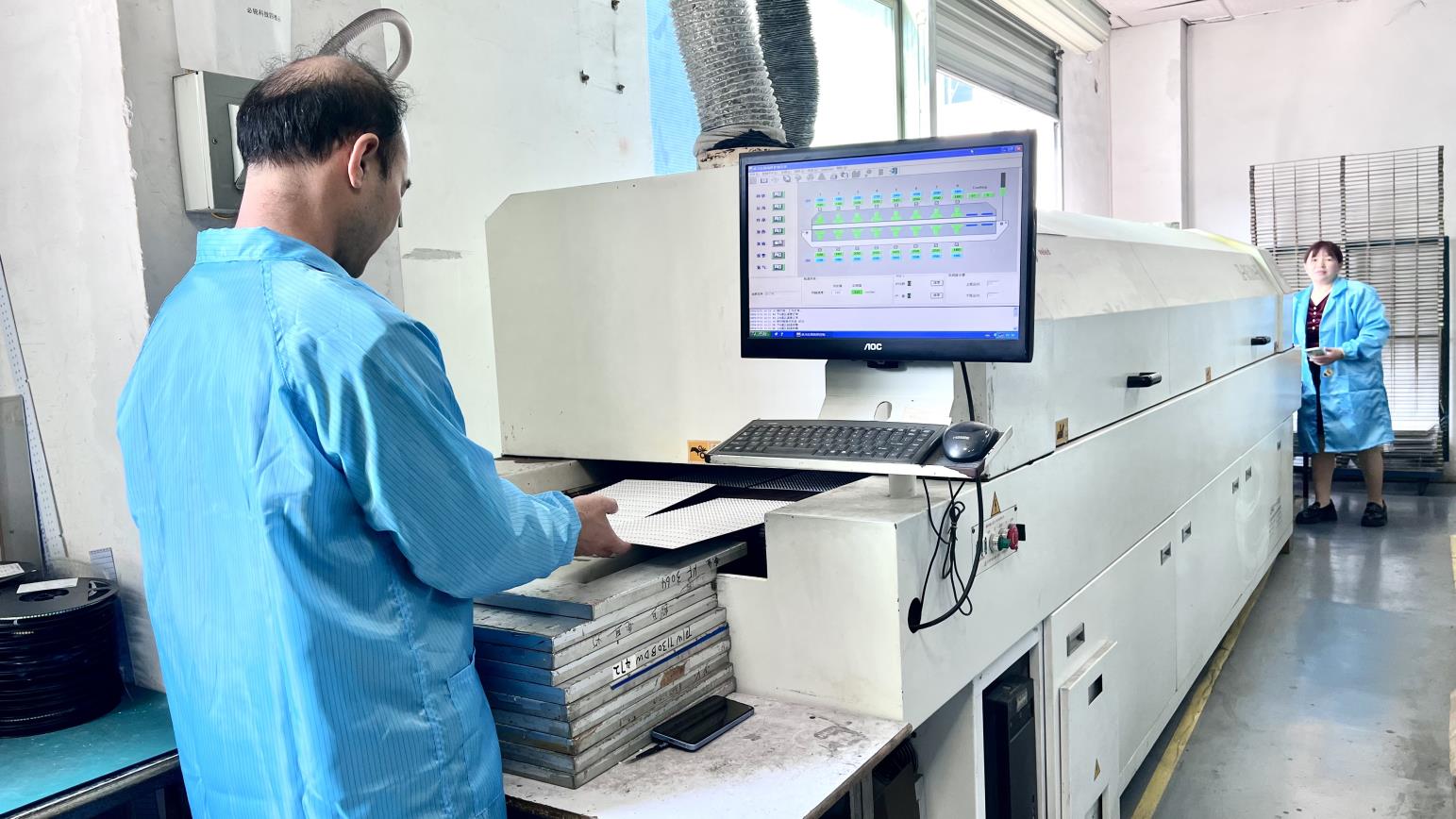
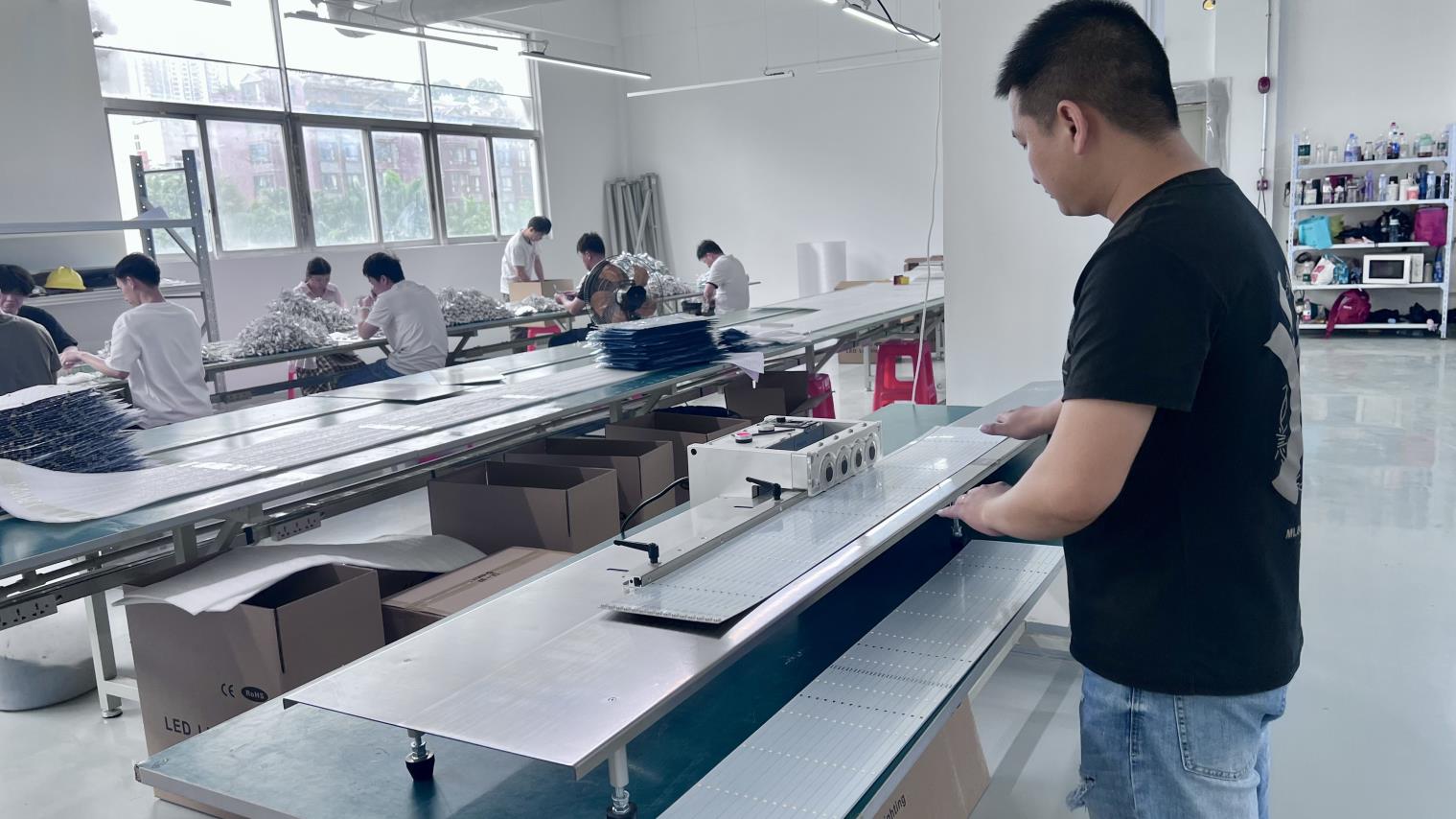

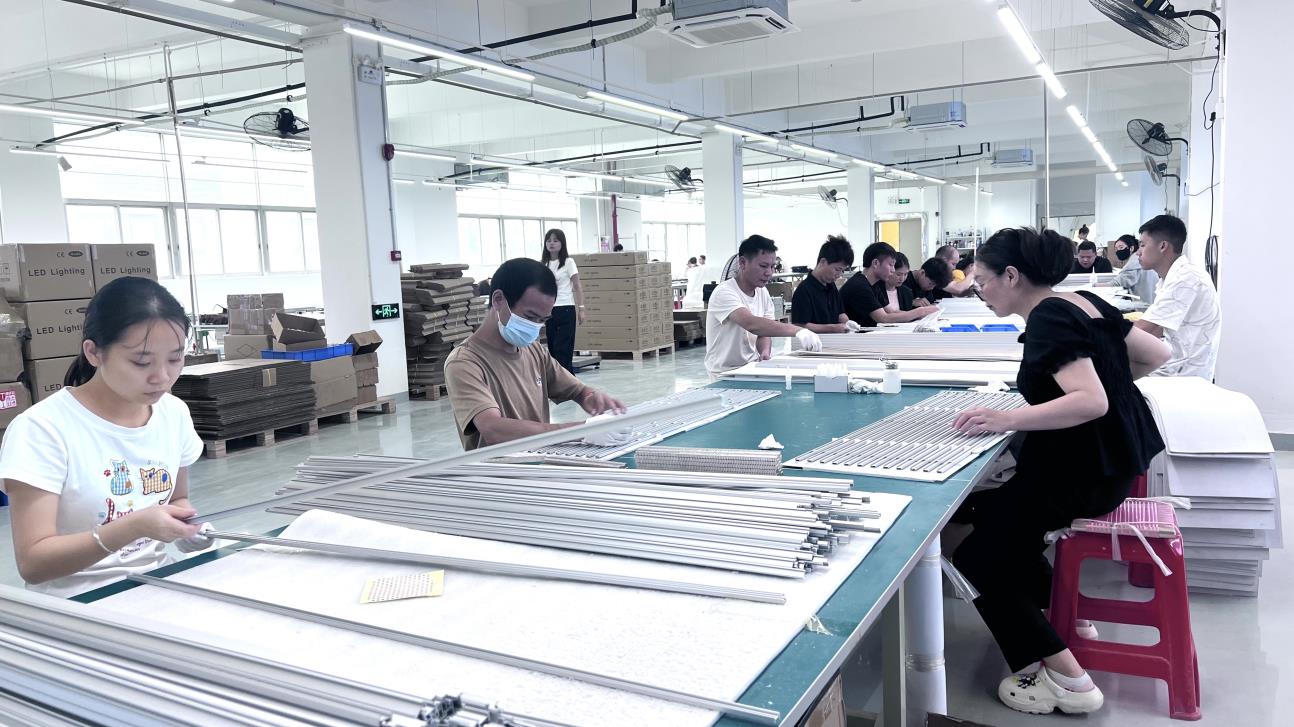
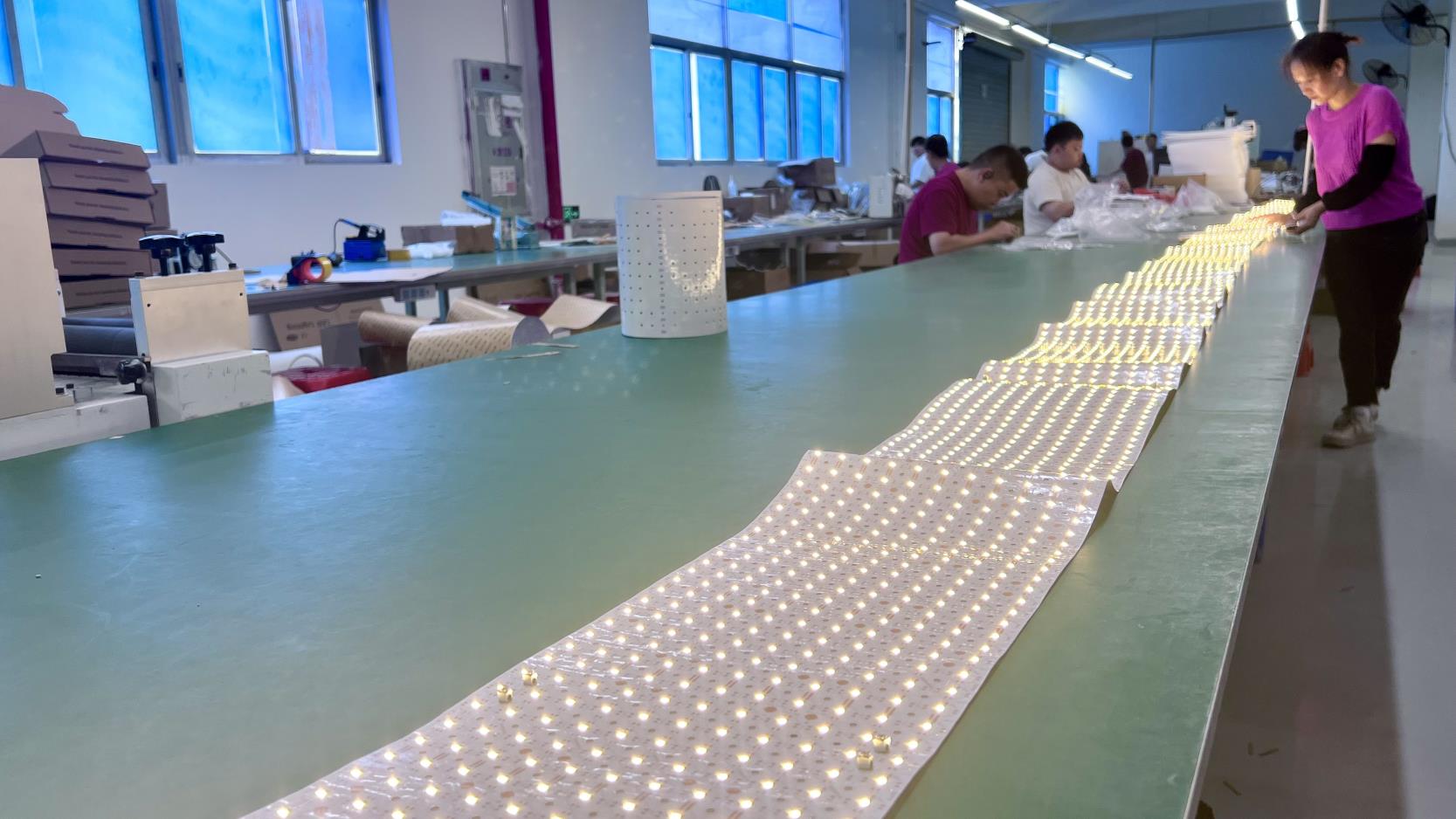
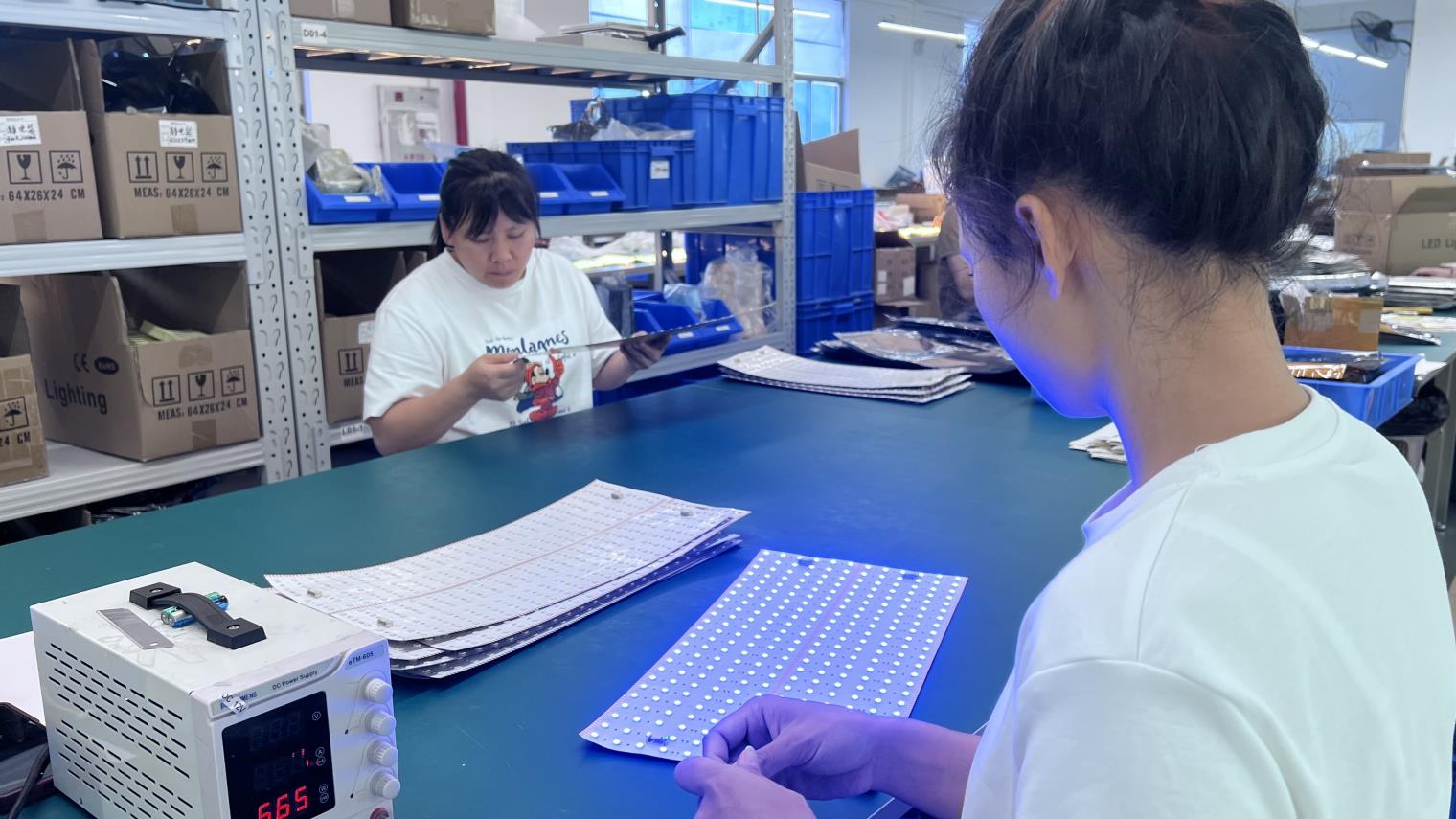
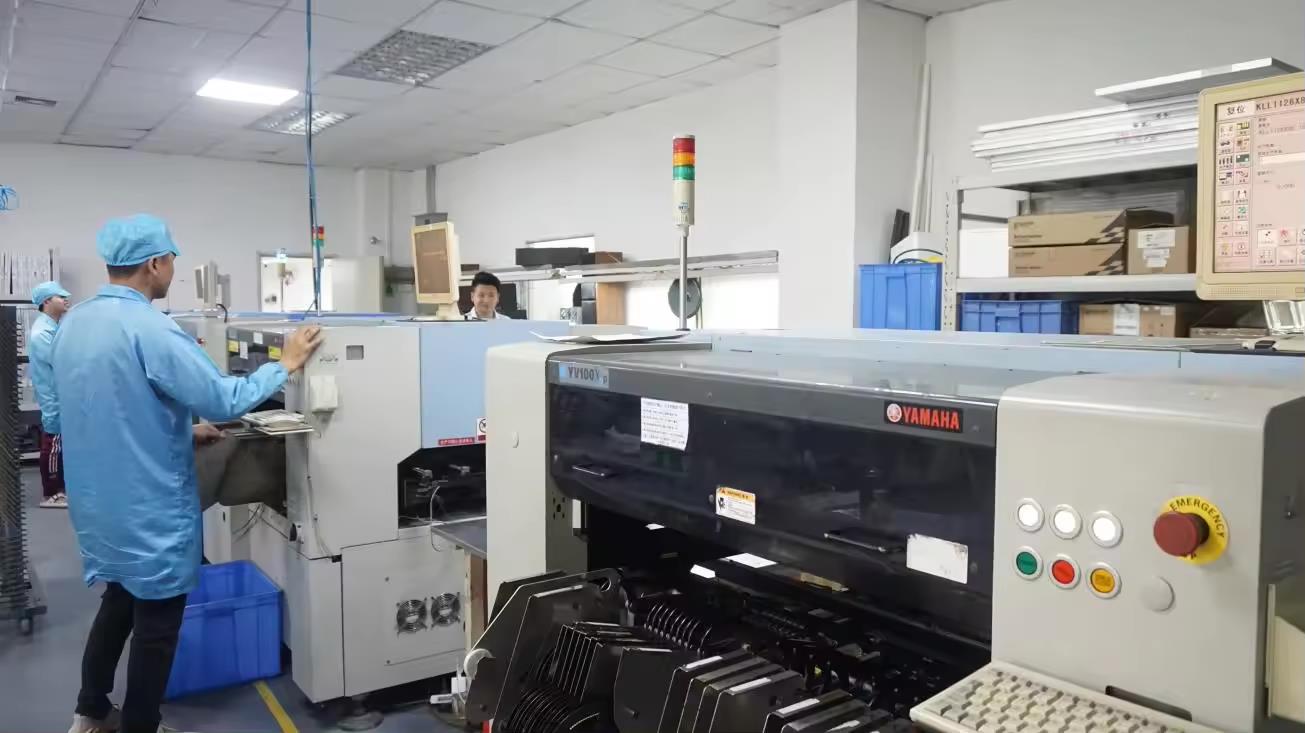
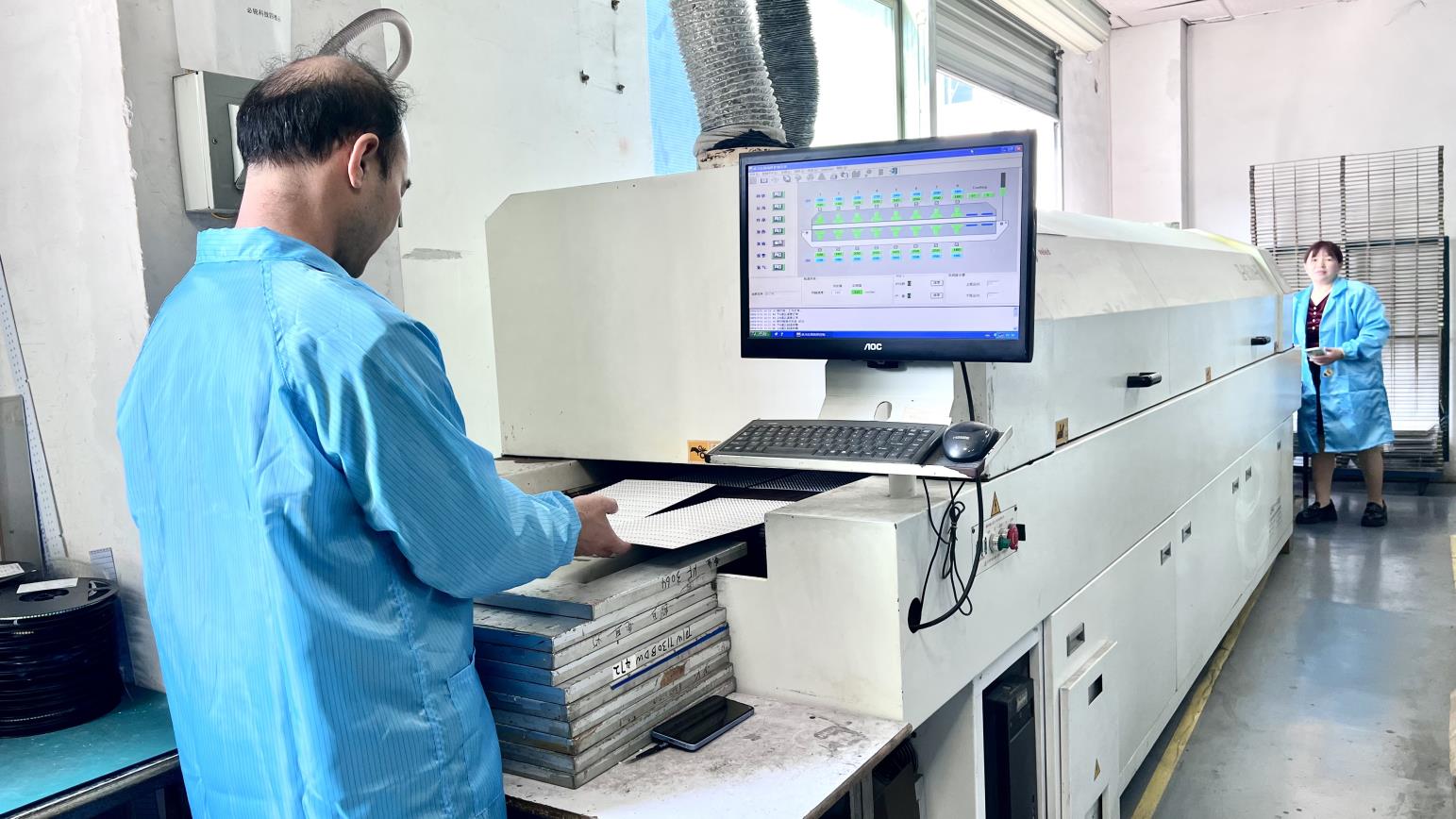
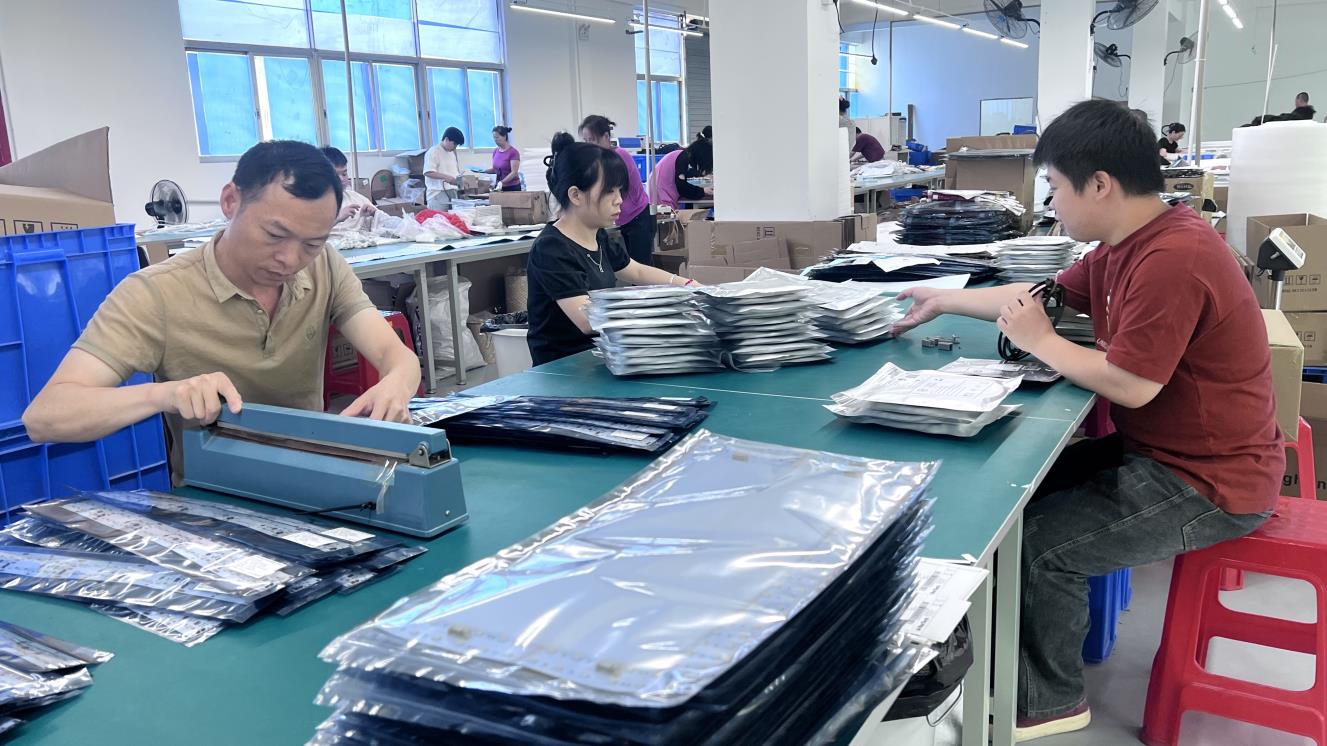
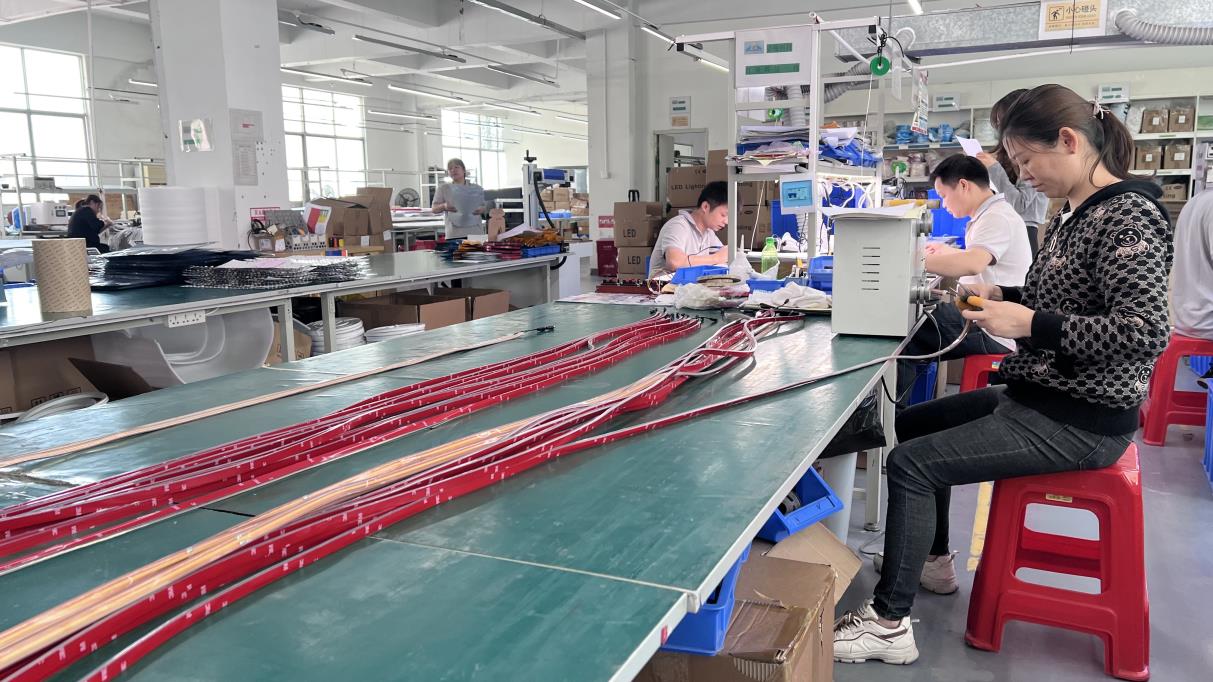
Our facility operates under strict 7S management and is compliant with the TÜV ISO9001 quality management system. To meet international trade requirements, our flood light series have earned certifications including ETL, cETL, UL, CE, and IP44/IP66, ensuring that our exporters can deliver products to any global market with complete regulatory confidence.
Moving beyond basic heat sinks, the next generation utilizes phase-change materials and advanced graphene coatings to dissipate heat 30% faster, extending LED chip life to 100,000 hours.
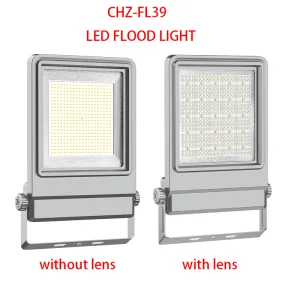
Total Internal Reflection (TIR) lenses and multi-faceted reflectors allow for zero-glare and zero-spill lighting, crucial for wildlife-friendly areas and dark-sky compliance.
Integration with DALI-2, Zigbee 3.0, and 5G-enabled controllers allows flood lights to act as nodes in a city-wide intelligence network.
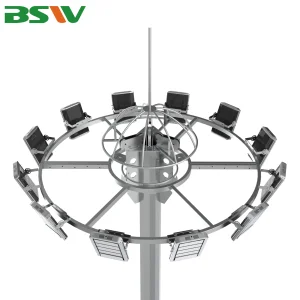
Warehouses and distribution centers require 150W-300W high-mast lighting with a wide beam angle (120°) to ensure worker safety and prevent accidents in loading bays. Our IP66 rated solutions resist vibration from heavy machinery and forklifts.
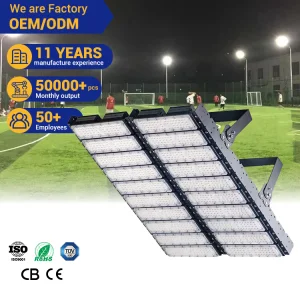
Stadium lighting requires flicker-free technology for 4K slow-motion broadcasting. High CRI (90+) is essential for accurate color rendering of team jerseys and turf, providing an immersive experience for both live and television audiences.
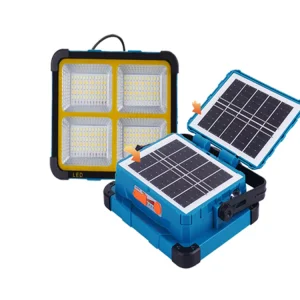
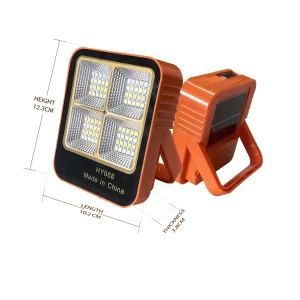
In regions with unstable power grids or for off-grid applications like camping and emergency response, integrated solar flood lights with high-capacity LiFePO4 batteries offer reliable, 0-cost operation for 12+ hours per night.
We provide more than just hardware; we provide Luminous ROI. Our engineering team assists exporters and project managers in conducting Dialux simulations to determine the exact number of fixtures needed, optimizing the balance between lux levels and energy consumption. For coastal areas, we provide specialized anti-corrosion powder coatings (C5-M rating), while for high-temperature desert climates, we employ high-efficiency drivers that operate reliably at 50°C ambient temperatures.
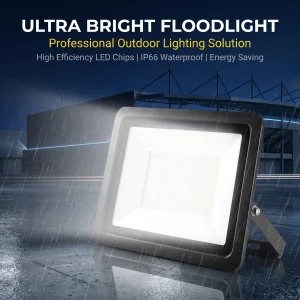
IP65 is protected against low-pressure water jets from any angle, while IP66 is protected against high-pressure heavy seas or powerful water jets. For most industrial outdoor applications, IP66 is recommended to handle severe storm conditions.
High CRI (Ra > 80 or 90) allows workers to distinguish colors more accurately, which is vital for reading color-coded wiring, safety signs, and identifying potential hazards. Low CRI can lead to eye fatigue and reduced workplace safety.
Wattage measures power consumed, while Lumens measure light produced. A 100W light with 170lm/W produces 17,000 lumens, whereas an older 100W light might only produce 8,000 lumens. Efficiency saves money on electricity bills without sacrificing brightness.
Yes, but they must be specifically engineered with reinforced brackets and vibration-resistant solder joints. Our industrial series are designed to withstand the harmonic frequencies found on bridges, cranes, and manufacturing plants.
Explore our specialized range for commercial, emergency, and decorative projects.
 Jable Light