Explore our engineering-grade flexible linear lighting solutions designed for architectural, commercial, and extreme environmental installations.
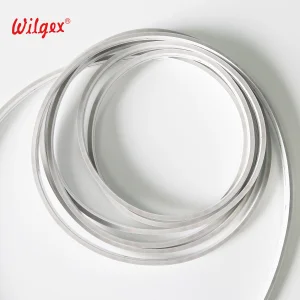
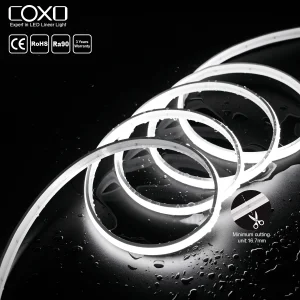
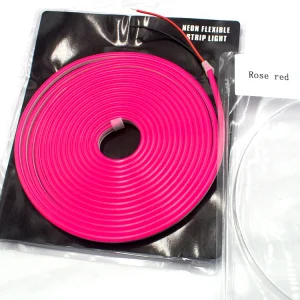
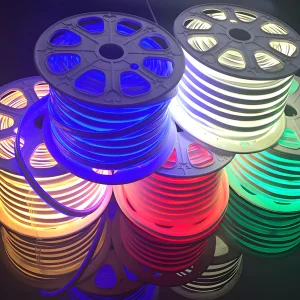
Analyzing global demand, material science evolutions, and key structural parameters in B2B supply lines.
In the contemporary architectural, industrial, and commercial illumination fields, the selection of an elite Neon Flex Light Manufacturer represents a critical operational pivot for procurement executives, lighting designers, and global distributors. Historically confined to low-end signage applications, LED neon flex technology has undergone a profound material science and electro-optical evolution. Today, it serves as a core component in structural accentuation, façade delineation, extreme environment wet-area integration, and programmable dynamic media displays.
Choosing a manufacturing partner requires looking beyond simple per-meter price points. Technical buyers must evaluate key factors such as silicone formulation chemistry, thermal dissipation dynamics, voltage drop mitigation, and binning tolerances. As global supply chains face scrutiny, partnering with an agile, certified manufacturer ensures project execution without costly site failures. This whitepaper details the engineering benchmarks, production methodologies, and supply chains of Foshan Jable Light Co., Ltd. to help sourcing teams select the right technologies.
We use strict TÜV ISO9001 systems and 100% aging tests to prevent field outages in high-value installations.
Our custom silicone extrusion profiles resist UV degradation, chlorine weathering, and thermal stress.
From DMX512 programming protocols to customized system layouts, we provide end-to-end B2B technical backup.
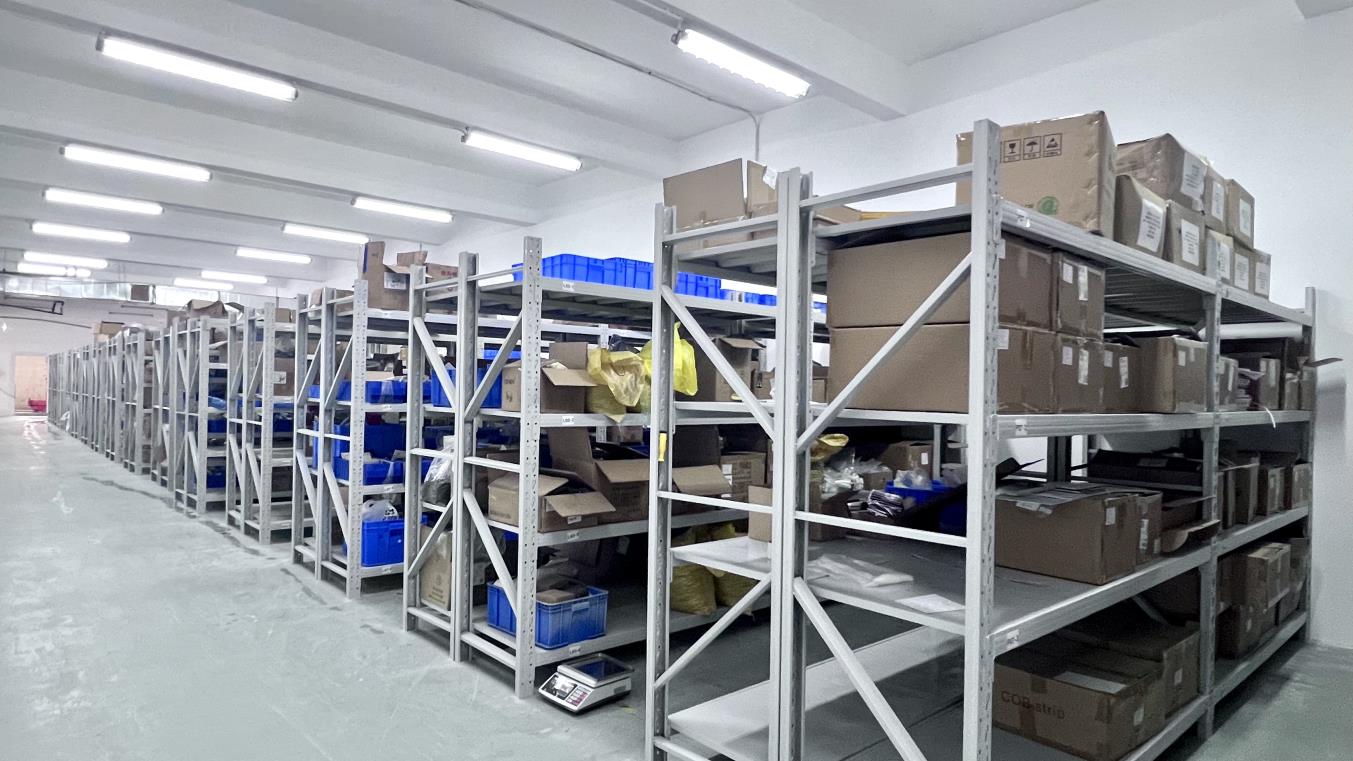
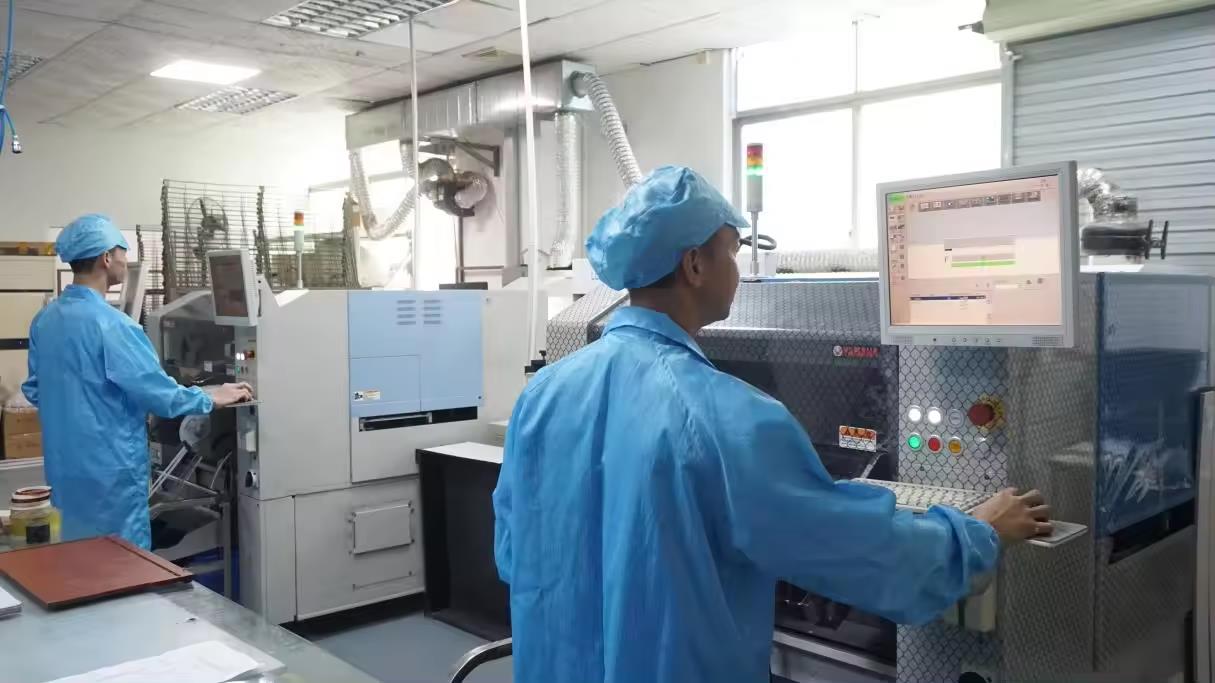
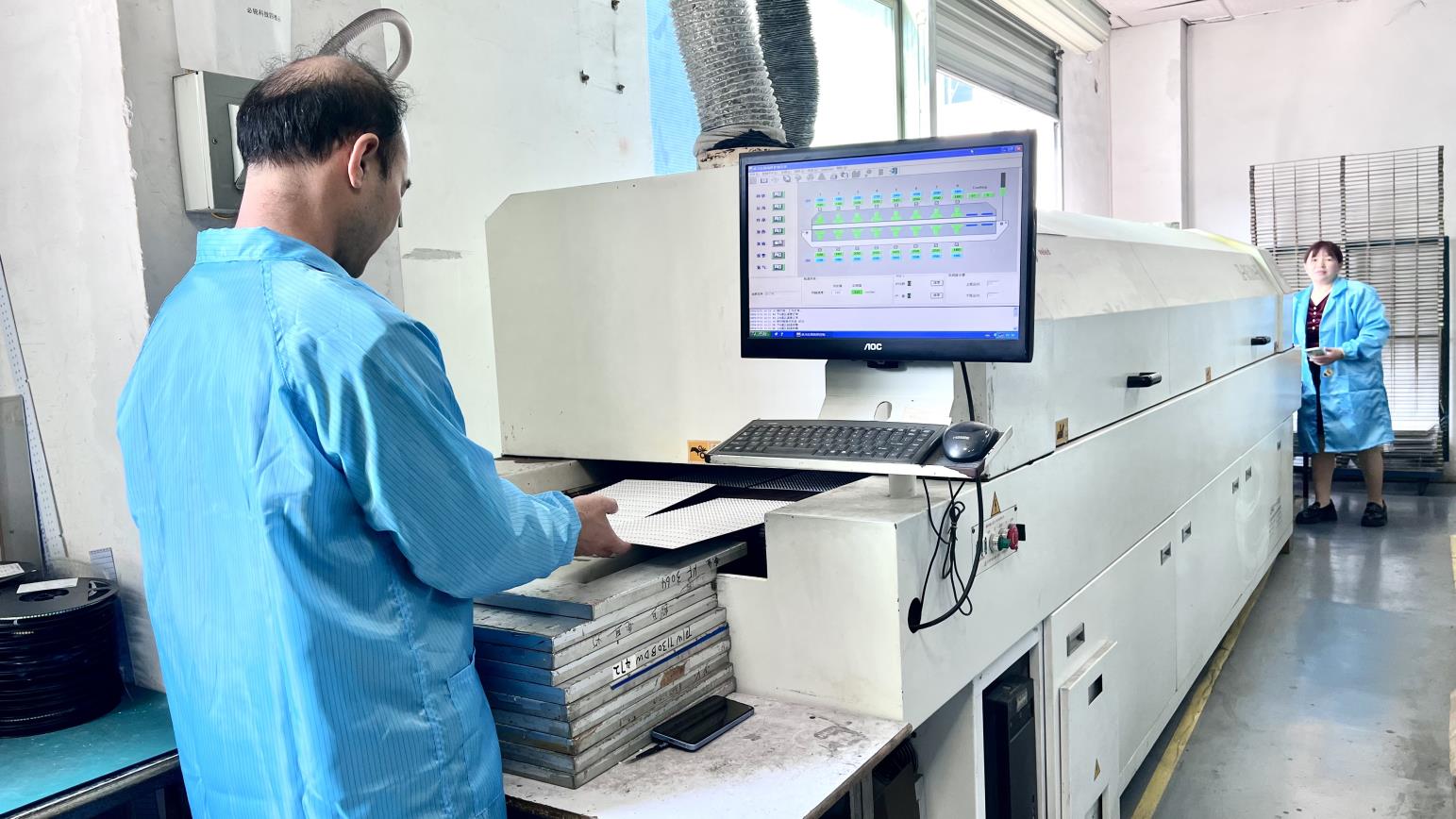
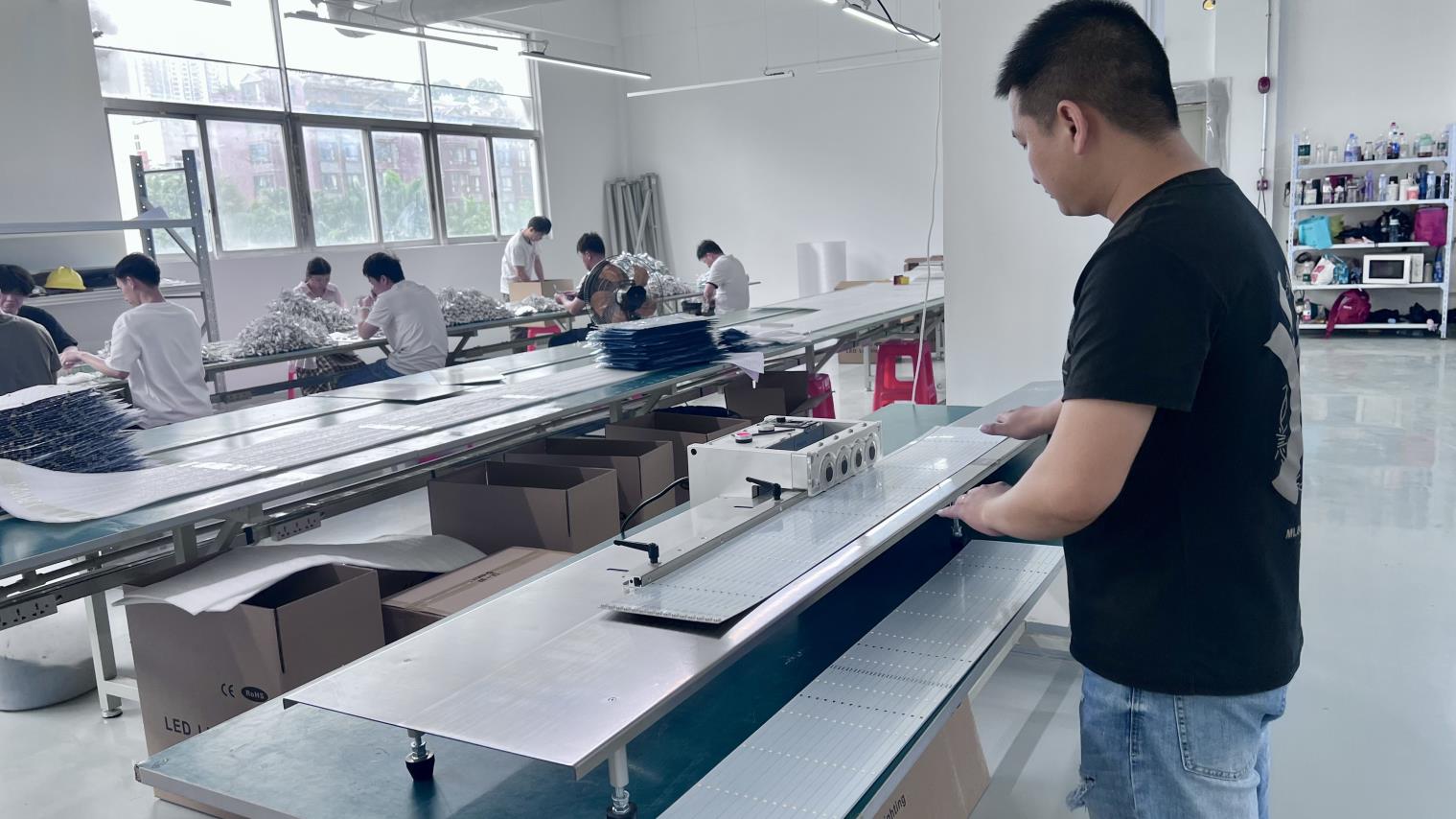
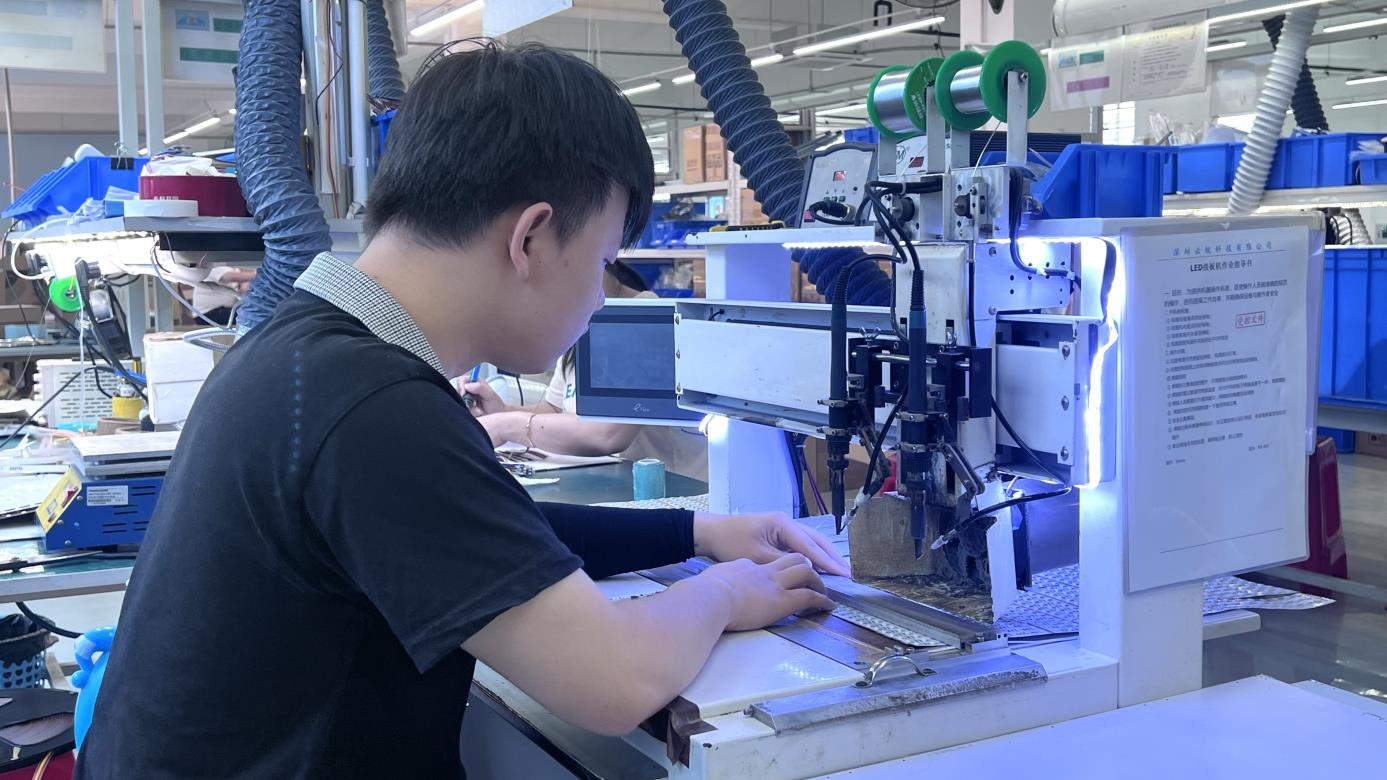
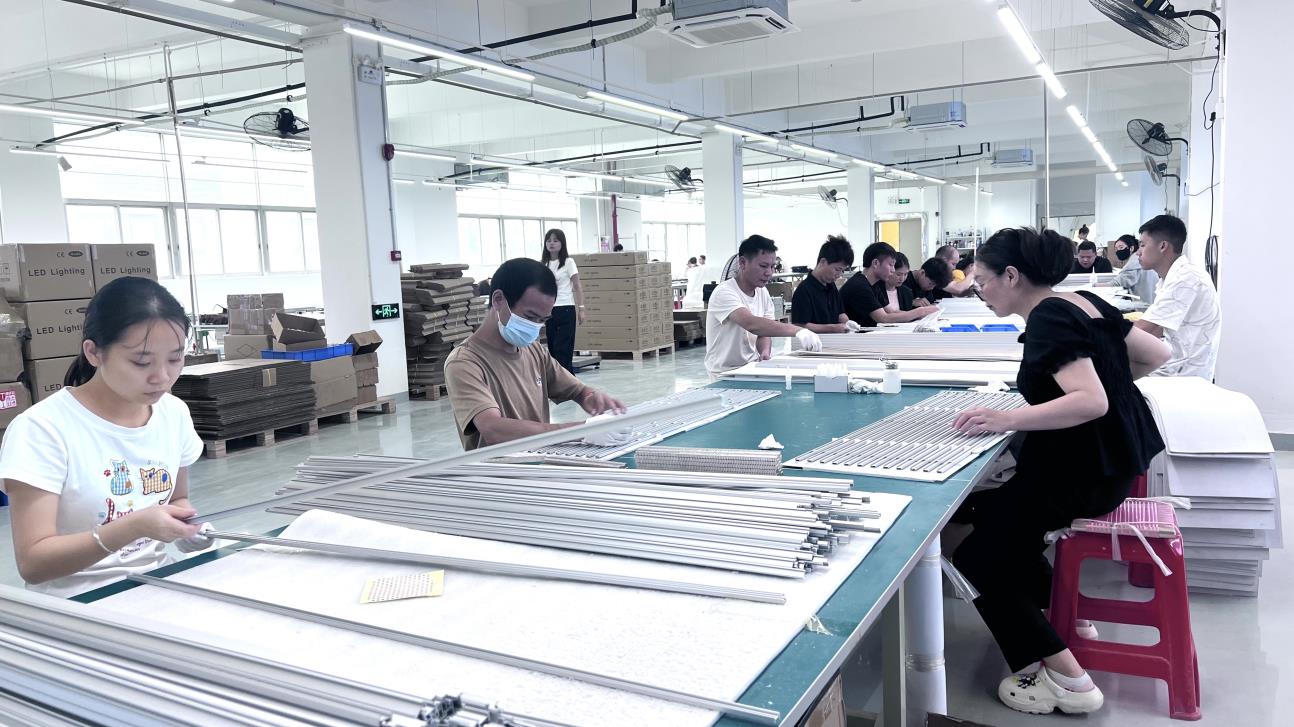
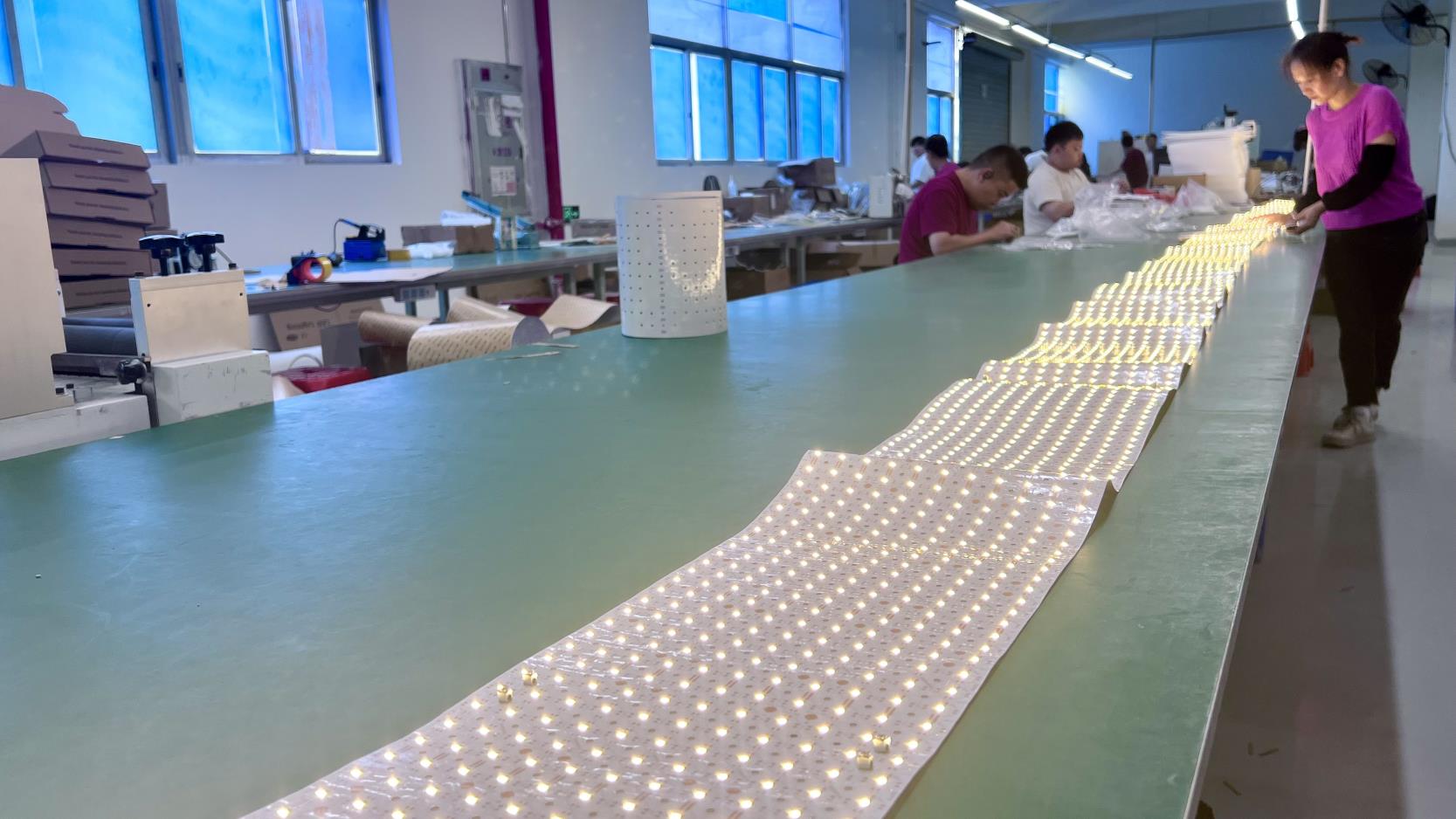
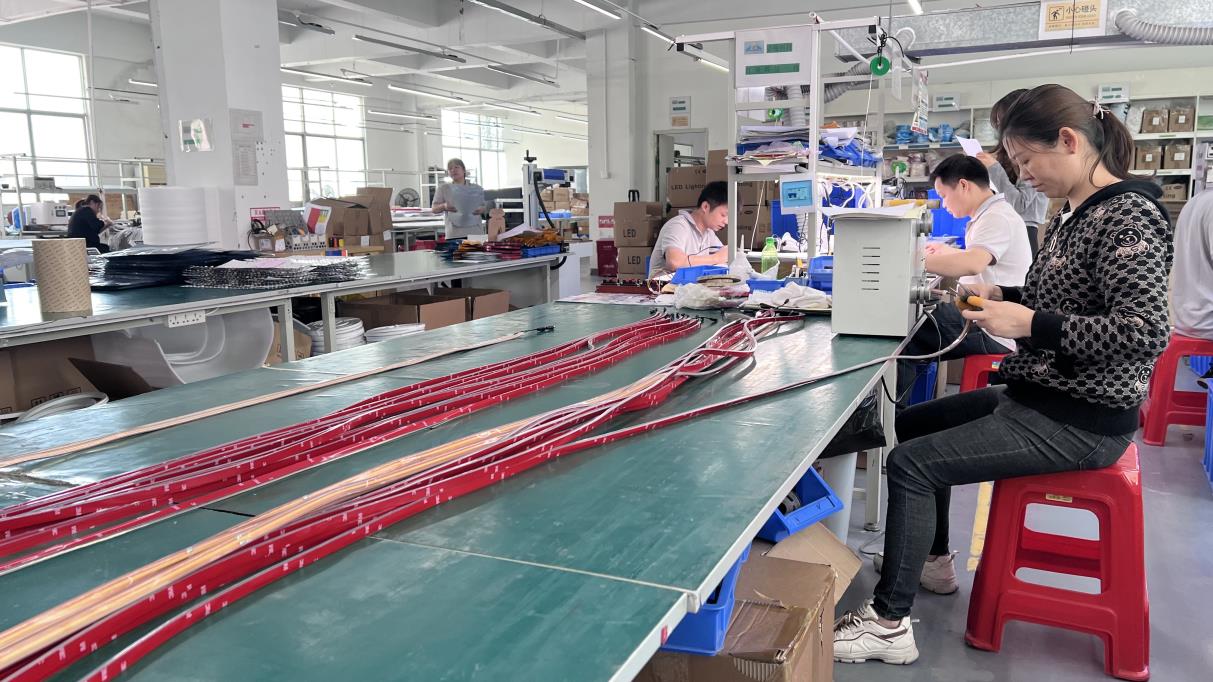
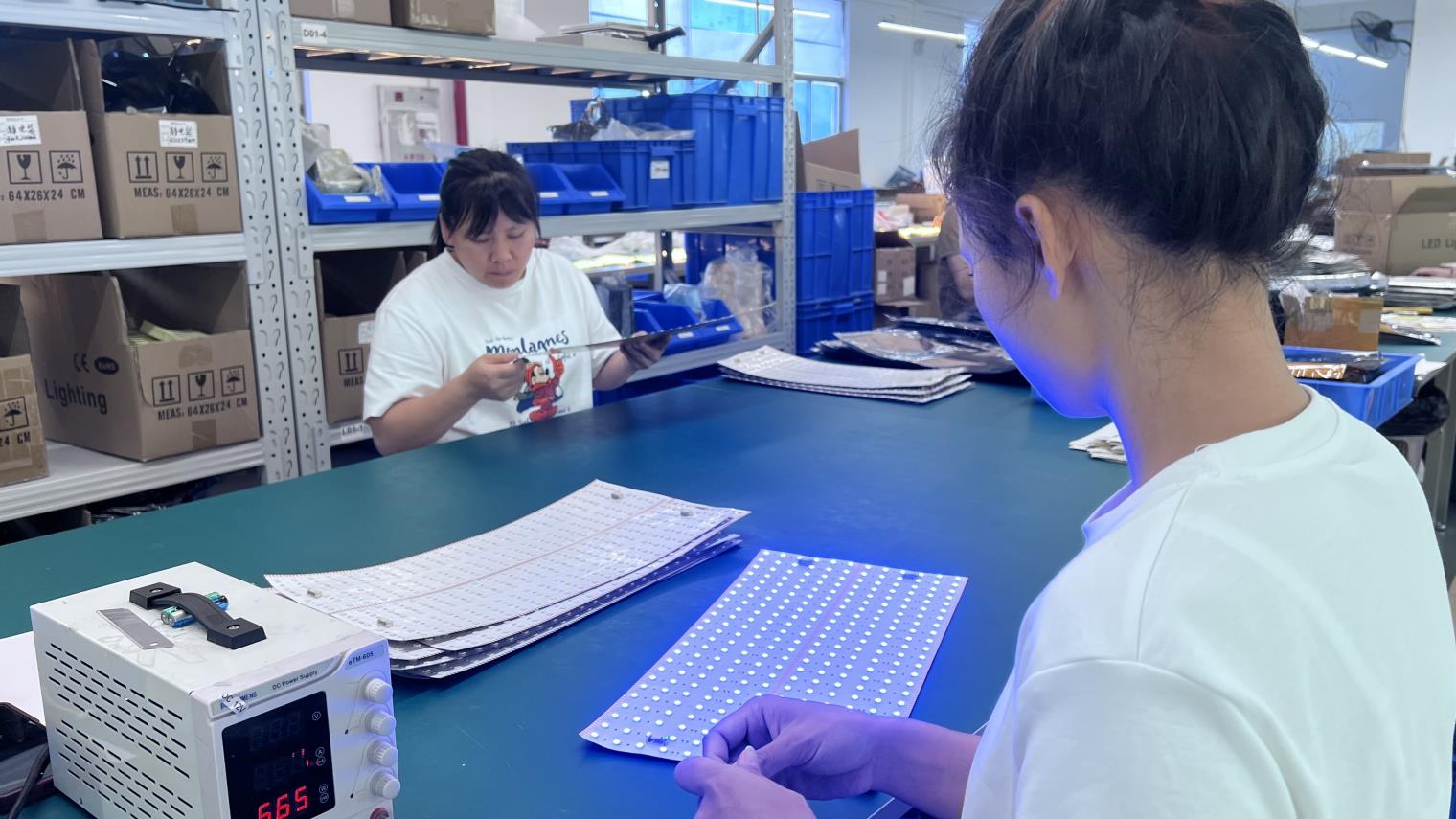
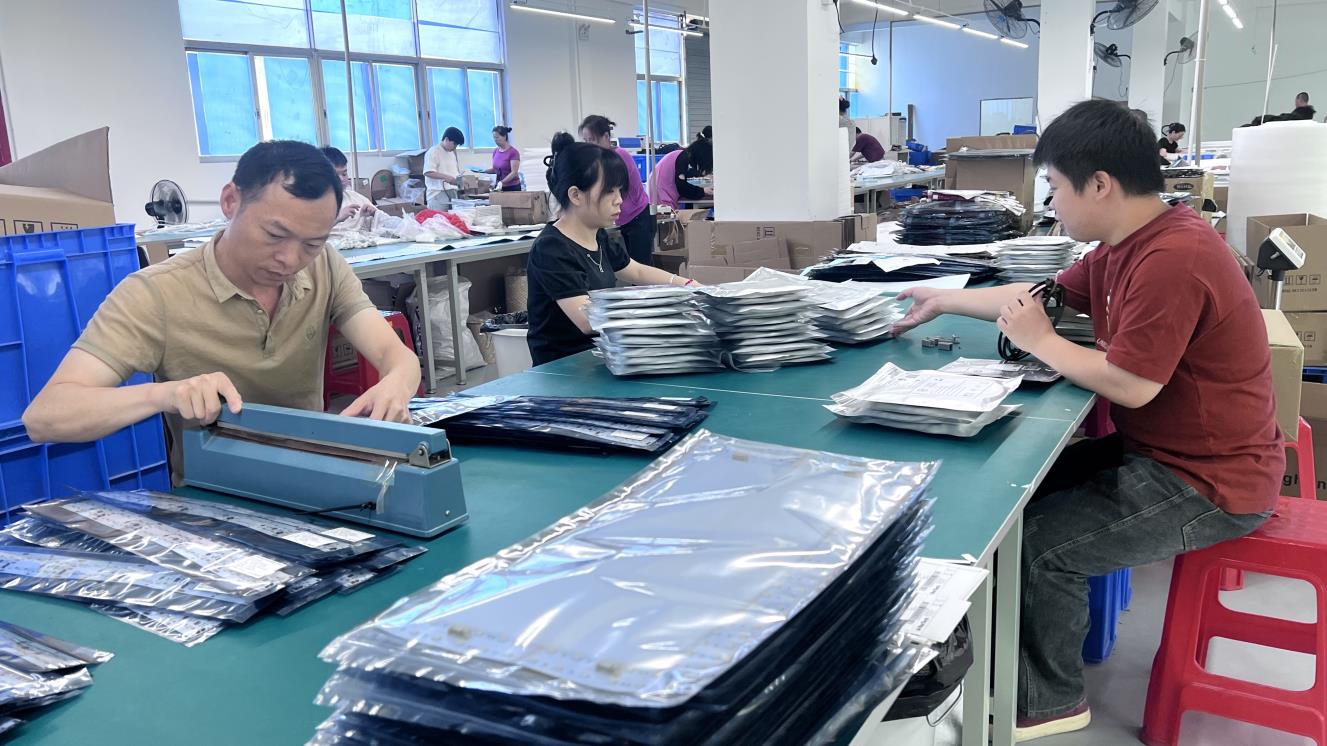
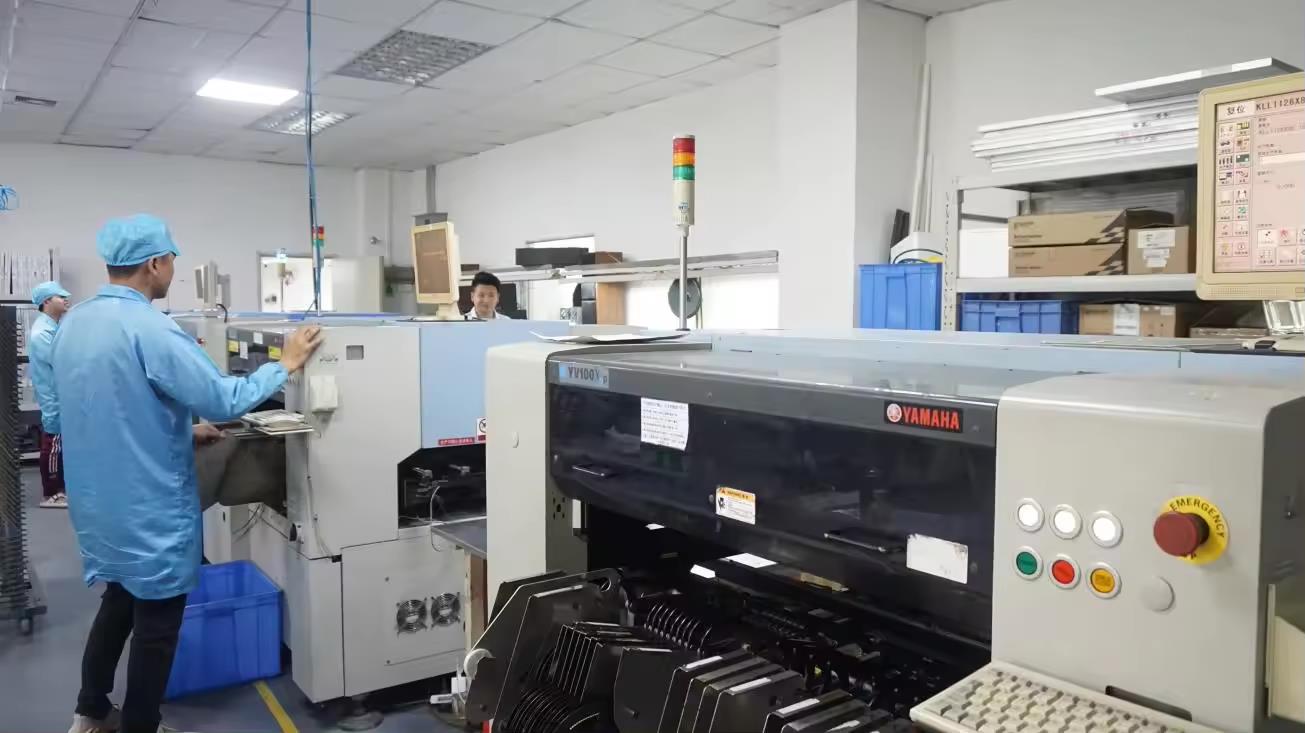
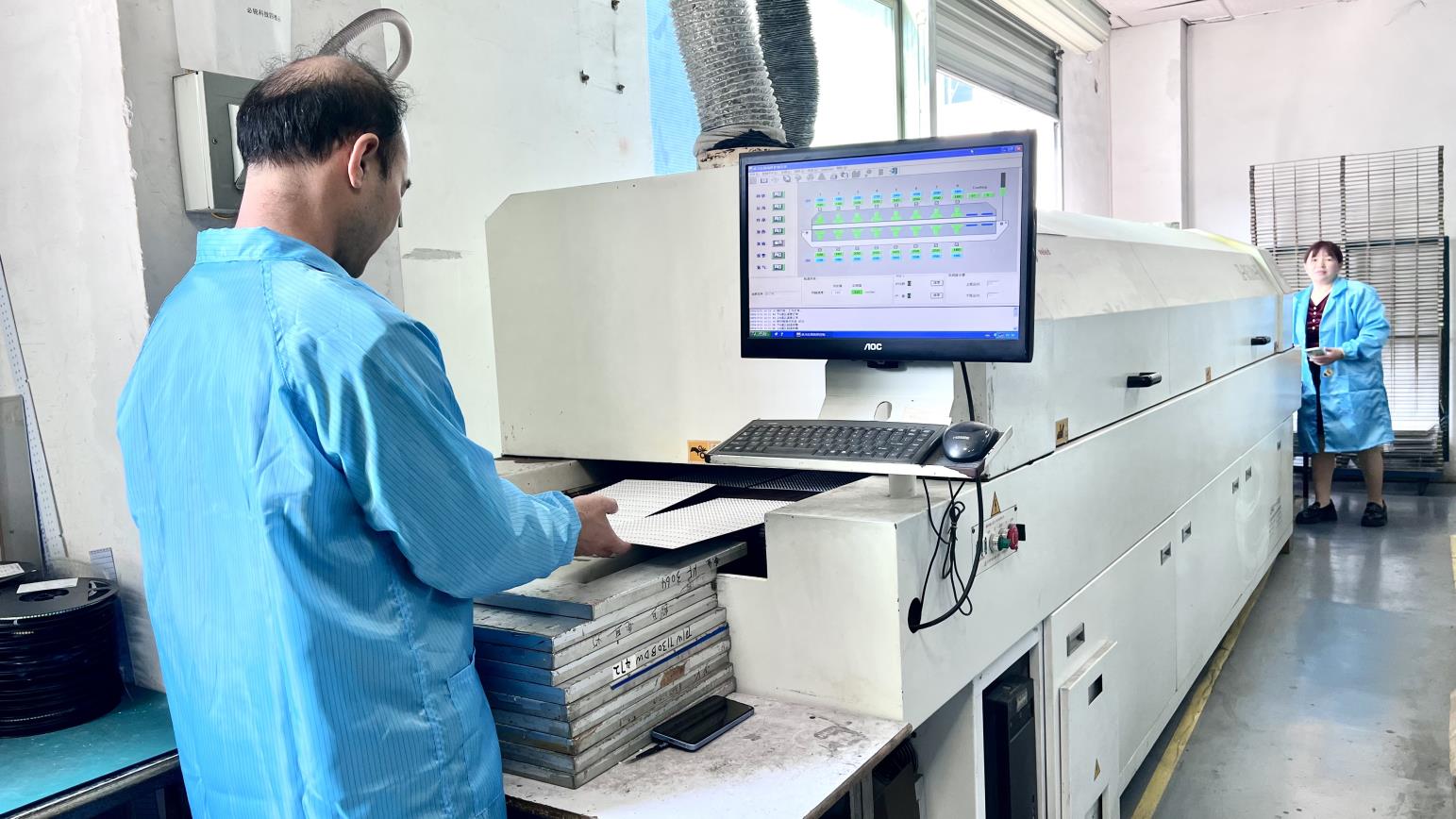
A look inside our 20,000 square meter ISO9001-certified manufacturing facility and automated assembly lines.
Established in 2006, Foshan Jable Light Co., Ltd. has grown into a leading professional manufacturer in the solid-state lighting industry. Headquartered in Foshan, our modern facility spans over 20,000 square meters and houses 8 advanced automated production lines. Our team of 300+ skilled personnel achieves an annual turnover exceeding USD 30,000,000, with a steady 30% annual capacity expansion.
Our production floor uses integrated ERP tracking and 7S manufacturing management. Key operations include SMT precision placement, automated reflow soldering, laser board cutting, clean-room silicone co-extrusion, and dynamic climate-chamber aging. Our quality control system is certified under TÜV ISO9001. The resulting product range holds extensive international listings, including ETL, cETL, UL, CE, and IP67/IP68 environmental ratings.
Understanding the chemistry, thermodynamics, and optical architecture of modern flexible linear systems.
A primary choice in Neon Flex sourcing is the base polymer formulation: Silicone Co-Extrusion versus traditional PVC Encasement. Polyvinyl Chloride options are vulnerable to thermal degradation, UV-induced yellowing, and environmental stress cracking. Over time, plasticizers leach out under solar UV radiation, leaving the material brittle and cloudy.
In contrast, optical-grade silicone polymers offer superior performance. The siloxane (Si-O-Si) backbone provides exceptional thermal stability and UV resistance. It operates reliably in extreme temperatures ranging from -50°C to +150°C. Additionally, silicone is chemically inert, making it resistant to chlorine, saline environments, and mild acids. This makes silicone-extruded neon flex ideal for demanding installations like marine applications and public infrastructures.
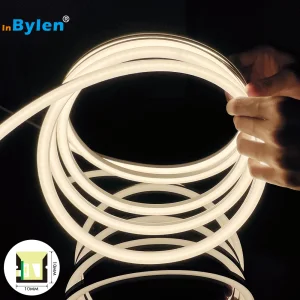
Jable Light's manufacturing lines feature continuous dual-color co-extrusion technology. This process fuses a reflective white silicone base channel with a semi-translucent light-diffusing top layer. The design eliminates internal air pockets, protects against moisture ingress, and ensures a dot-free, uniform light emission surface.
Reliability starts at the sub-component level. Jable Light uses packaging with 99.99% pure gold wire bonding. This ensures excellent electrical conductivity and resistance to thermal stress cycling. To prevent voltage drop and dimming over long runs, we construct our internal flexible circuits using double-sided, electro-deposited copper PCBs (2oz or 3oz weights). This design minimizes resistive losses and maintains consistent brightness across the entire circuit run.
Architectural, industrial, and entertainment applications engineered for long-term field stability.
Modern LED Neon Flex systems go beyond basic decorative lighting. High-performance projects require complete integration with surrounding building management systems (BMS), architectural structures, and electrical networks. Our product range is designed to integrate into three main vertical categories:
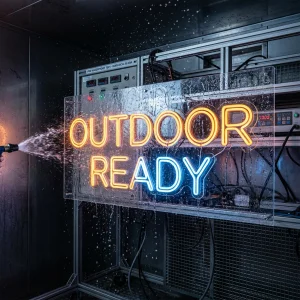
Outdoor façades subject linear lighting to rain, ice, dust, and continuous wind loads. To address this, Jable Light engineers co-extruded profiles rated to IP67 and IP68. The silicone housing resists dust build-up and maintains flexibility during seasonal temperature shifts. Standardizing on 24V DC systems allows designers to run long, continuous runs with minimal power feed-points, reducing field wiring complexity.
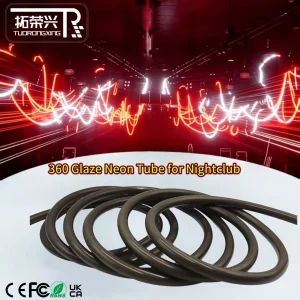
For theme parks, music venues, and modern commercial spaces, lighting must integrate with controls. Our 360-degree DMX512 Addressable Pixel Tubes allow individual control of each pixel segment. Utilizing SPI/DMX driver ICs, programmers can synchronize color chases, media mapping, and ambient patterns. The 360-degree round profile distributes light evenly, making it ideal for open, suspended structural arrays.
Installing linear lighting in pools, aquariums, and water features requires specialized engineering. Ordinary LED strips degrade quickly when exposed to chlorine, bromine, or salt. Our IP68-rated underwater silicone belts feature sealed, molded end-caps. These keep moisture out, preventing corrosion and ensuring long-term submersed operation.
Meeting global regulatory requirements, local certification codes, and electrical standards.
Regulatory compliance is a critical consideration for commercial projects. Sourcing non-certified lighting can delay projects, trigger safety issues, or void building insurance. Jable Light products undergo independent third-party laboratory testing to secure international safety listings:
Additionally, we support local markets with customized voltage designs (including 12V, 24V, 110V, and 220V inputs), regional accessory kits, and detailed wiring guides. These resources help engineering teams complete installations quickly while complying with local electrical codes.
Addressing key engineering questions from procurement teams, architects, and product developers.
Silicone features an inorganic Si-O-Si chemical structure. This bond energy is higher than the UV radiation energy from sunlight, preventing photo-chemical breakdown. PVC has a carbon-carbon (C-C) backbone that degrades under UV light, leading to color shift, yellowing, and cracking within 12 to 24 months of outdoor exposure.
Our standard 24V DC neon flex strips support single-feed run lengths of 10 to 15 meters without noticeable dimming. Higher-voltage AC lines (110V/220V) can run up to 50 or 100 meters from a single feed. For customized, high-power installations, we use 3oz copper PCBs to minimize resistance and maintain uniform brightness.
Yes, our products support multiple dimming protocols. Depending on the LED driver selected, they can be controlled via Triac (phase-cut), 0-10V, PWM, DALI, or DMX512. For dynamic installations, our RGBIC pixel strips use SPI/DMX controllers for addressable control of each light segment.
We maintain strict MacAdam Ellipse binning. Our standard production keeps color consistency within a 3-step MacAdam (SDCM < 3) tolerance. We use high-precision SMT placement and source LEDs from select wafer runs to prevent visible color variation between different sections or product batches.
The minimum bending radius varies by profile size. For our 6x12mm side-bend profiles, the minimum bending radius is 30mm. Bending the product tighter than its rated limit can strain the copper PCB traces and cause early component failures.
All products undergo a multi-stage quality control protocol. This includes 100% SMT optical inspection, reflow connectivity testing, IP rating verification, and a continuous 8-hour thermal aging test. These procedures help identify and resolve potential issues before the products leave the factory floor.
Detailed specifications, dimensions, and operational voltages for our flexible linear profiles.

 Jable Light