Converting old can lights to modern slim LEDs can significantly enhance your home’s lighting. These sleek fixtures offer a fresh aesthetic and improved efficiency. Slim LEDs use less energy and last longer than traditional can lights.
Imagine a living space bathed in bright, adjustable light that complements your décor. The transformation is straightforward, but there are steps to consider for a successful change. Knowing how to convert old can lights to modern slim LEDs can be empowering.
However, this process may come with challenges. You might find unexpected wiring issues or need additional tools. Reflecting on each step is vital for achieving the best results. Overall, this upgrade can elevate your environment while reducing energy costs. Embracing this transition is both practical and rewarding.
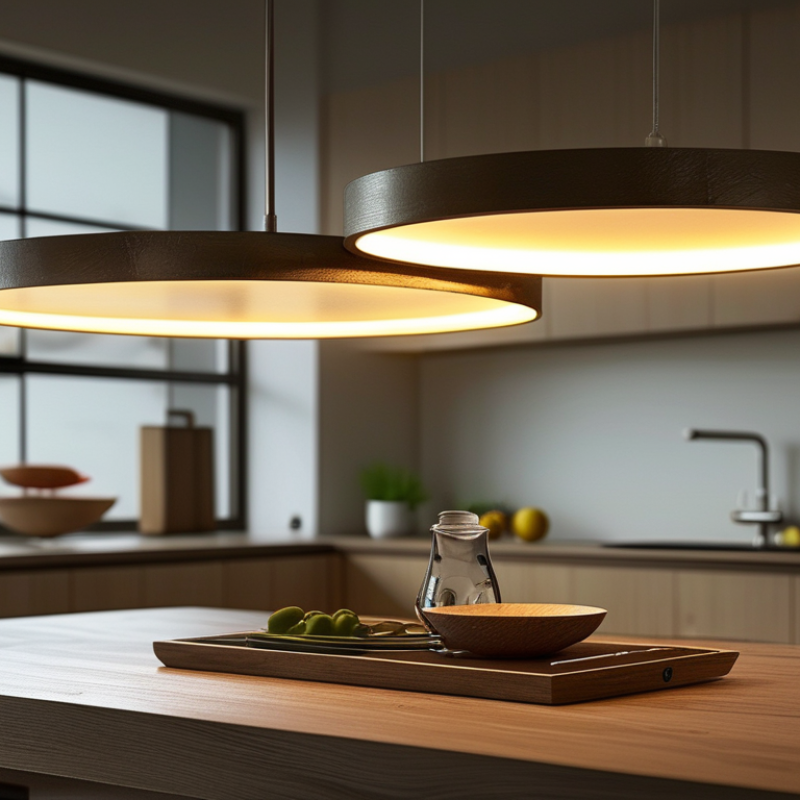
Upgrading from old can lights to slim LED fixtures offers numerous advantages. Slim LEDs are more energy-efficient, consuming up to 75% less power than traditional lighting. This switch reduces electricity bills and lowers your carbon footprint. The design of slim LEDs also maximizes space, allowing for a cleaner aesthetic in any room. They fit seamlessly into ceilings, providing a modern look that enhances your home’s decor.
Lighting quality improves significantly with slim LEDs. They offer better color accuracy and a wider range of color temperatures. This means you can customize the ambiance of each room to suit your needs. Bright, natural light can make spaces feel larger and more inviting. However, installation requires careful planning to ensure optimal placement and performance. Sometimes, retrofitting can lights might reveal unexpected challenges, such as wiring issues.
Tips: Consider consulting a lighting expert to evaluate your home. They can provide insights on the best fixtures for your space. Don’t overlook the importance of proper insulation around new fixtures to prevent energy loss. Remember, transitioning to slim LEDs not only brightens your home but also aligns with sustainable living practices. Think about future maintenance too; some fixtures are easier to replace than others.
Modern Slim LED lighting offers impressive energy efficiency, significantly reducing power consumption compared to traditional can lights. Reports indicate that switching to LED lights can save up to 75% in energy costs. In commercial spaces, this could translate to significant savings over time. For example, a business with extensive lighting can see its electricity bill drastically decrease.
Additionally, Slim LEDs have a longer lifespan. Many can last up to 25,000 hours or more, compared to traditional bulbs, which often last only about 1,000 hours. This longevity reduces the need for replacements. However, it's crucial to consider the initial investment. Although the upfront costs may be higher, the long-term savings and efficiency typically outweigh these concerns.
Transitioning to Slim LEDs is not without challenges. Many homeowners face installation issues, especially if the existing wiring is outdated. Proper solutions must be sought to ensure safety and functionality. Monitoring energy bills post-installation can provide concrete data on cost savings. Overall, the benefits of energy efficiency are real, but they require careful consideration and planning.
Converting old can lights to modern slim LEDs can lead to significant cost savings. According to the U.S. Department of Energy, LED lighting can save consumers up to 75% in energy costs compared to traditional incandescent bulbs. Although the initial investment for LED fixtures might be higher, the long-term savings can quickly offset this expense.
A typical LED light has a lifespan of about 25,000 hours, while older can lights may last only 1,000 hours. This means fewer replacements and reduced maintenance costs. In addition, the energy efficiency of LEDs translates into lower electricity bills. A study shows that switching just ten can lights to LEDs can save approximately $100 annually in energy costs.
Despite the advantages, some homeowners may hesitate. The upfront cost of purchasing slim LEDs can be daunting. However, many underestimate how quickly these savings accumulate. Transitioning to LED technology demonstrates a commitment to efficient energy use. Embracing modern lighting solutions is not just a trend; it reflects a shift toward smarter, sustainable choices. The immediate economic concern can be overshadowed by a broader understanding of environmental impact and financial benefits over time.
| Aspect | Old Can Lights | Modern Slim LEDs |
|---|---|---|
| Initial Cost per Unit | $15-$30 | $10-$25 |
| Lifespan (Years) | 5-10 | 15-25 |
| Energy Consumption (Watts) | 60-100 | 15-25 |
| Average Annual Energy Cost | $80-$150 | $20-$40 |
| Savings Over 10 Years | N/A | $600-$1100 |
| Environmental Impact (CO2 Emissions) | Higher | Lower |
Transitioning to slim LEDs from traditional can lights offers significant aesthetic benefits. These modern fixtures often feature a sleek, low-profile design that seamlessly integrates into various interiors. They enhance the visual appeal of a room, providing a contemporary look that complements both minimalist and elaborate decor styles. The compact nature of slim LEDs allows for more versatile placement, illuminating spaces where larger fixtures might not fit well.
Here are a few tips to consider when making the switch. First, think about the color temperature of the LED lights. Warmer tones create a cozy atmosphere, while cooler tones contribute to a more modern feel. Second, consider using dimmable options to adjust the lighting according to your mood. This flexibility is particularly useful in living areas and bedrooms. Lastly, ensure proper installation to maximize their efficiency. Improper installation may lead to uneven lighting, which could affect overall room aesthetics.
Embracing slim LEDs means embracing change. Their installation may seem straightforward, but errors can occur. Misalignment can create a less polished look. Take the time to adjust and position them well. It’s about balancing function with style. Opting for these fixtures is not just an upgrade; it’s an investment in enhancing your living spaces.
Converting old can lights to modern slim LED options is a practical choice for many homeowners. The installation process is straightforward, which makes it accessible even for those with basic DIY skills. To start, ensure you turn off the circuit breaker for safety. Removing the old can light is the first step. It usually involves unscrewing several screws and carefully disconnecting the wiring. Always take a picture of the wiring setup for reference.
Next, prepare the space for the slim LED fixture. These fixtures require less housing, which is beneficial in terms of space efficiency. Many slim LEDs are designed to fit into tight areas without the bulk of traditional can lights. According to a report by the Department of Energy, switching to LED lighting can lead to energy savings of up to 75%. This transition not only reduces electricity bills but also contributes to a smaller carbon footprint.
After ensuring that the electrical connections are secure, install the slim LED light by following the manufacturer’s guidelines. A common challenge is ensuring that the fixture is flush against the ceiling. Misalignment can lead to aesthetic issues. Despite minor hurdles, many homeowners find that the modern design and lighting quality of slim LEDs far outweigh these concerns. The benefits, both visually and financially, encourage many to make the switch.
: Slim LEDs are energy-efficient, using 75% less power. This reduces electricity bills and lowers your carbon footprint.
They provide better color accuracy and a wide range of color temperatures, customizing room ambiance.
Yes, the process is straightforward, especially for those with basic DIY skills. Always turn off the circuit breaker first.
Take photos of the wiring setup for reference. Remove screws carefully and disconnect wiring with caution.
No, they are designed to fit into tight areas, making them more space-efficient than traditional can lights.
Yes, ensuring the slim LED is flush against the ceiling can be tricky. Misalignment leads to aesthetic issues.
It's a good idea. An expert can evaluate your home and suggest the best fixtures for your needs.
Proper insulation around new fixtures is crucial to prevent energy loss and ensure optimal performance.
Some fixtures are easier to replace than others. Think about future maintenance needs before making a choice.
Unexpected challenges may arise. Be prepared to troubleshoot or consult a professional for help.
Converting old can lights to modern slim LEDs presents numerous benefits, including enhanced energy efficiency and long-term cost savings. Slim LED fixtures consume significantly less energy compared to traditional can lights, which not only reduces utility bills but also cuts down on environmental impact. The initial investment in these modern lighting solutions is often outweighed by the savings accrued over time, making them a financially sound choice for homeowners.
Moreover, slim LEDs offer aesthetic improvements, boasting a sleek and contemporary design that can elevate the overall look of a space. The installation process for how to convert old can lights to modern slim LEDs is typically straightforward, allowing for a smooth transition that adds both style and functionality to your lighting. Embracing this upgrade not only modernizes your home but also aligns with a more energy-efficient lifestyle.

Jable Light