Determining the right lumens for kitchen track lighting is crucial for both functionality and aesthetics. Experts recommend around 100-150 lumens per square foot for general kitchen lighting. According to the Lighting Research Center, achieving an optimal balance in brightness can enhance your culinary experience. However, it can be challenging to decide how many lumens do I need for kitchen track lighting.
Lighting designer Emily Hong says, “The effectiveness of track lighting greatly depends on a thoughtful lumens calculation.” She emphasizes that proper lighting improves work efficiency and atmosphere. For instance, your kitchen might require more lumens in task areas, like countertops, while a softer glow is suitable for dining spaces.
Remember, achieving the right brightness often requires testing and adjustment. Each kitchen is unique, and preferences vary significantly. Too much light can be glaring, while too little can hinder tasks. Thus, selecting the right lumens is an art and a science. Aim for longevity and efficiency by considering dimmable features and energy-saving options in your kitchen lighting design.
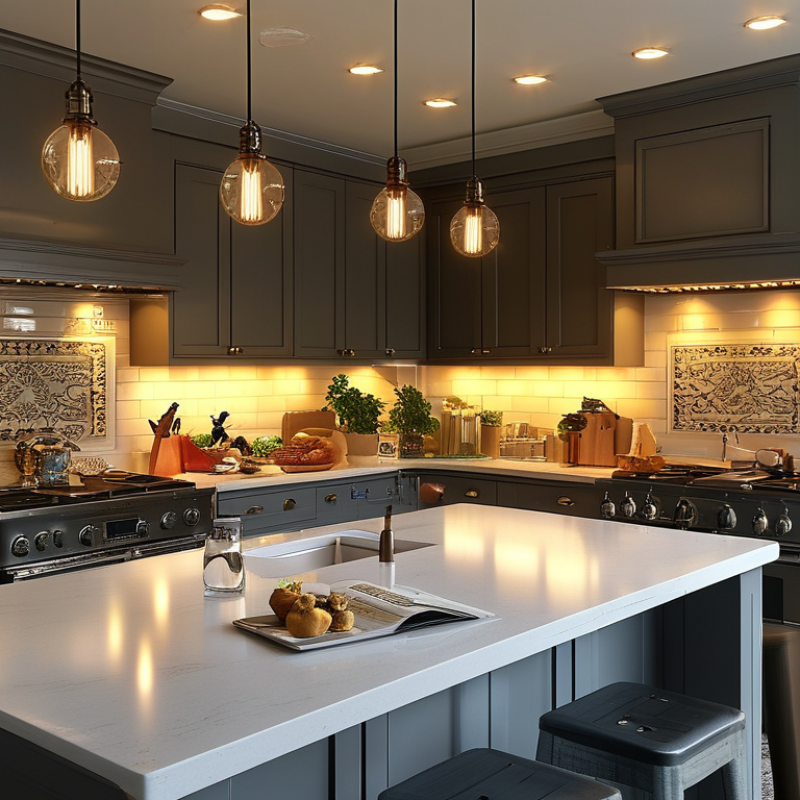
When planning kitchen lighting, understanding lumens is crucial. Lumens measure brightness. A well-lit kitchen enhances functionality and safety. According to the American Lighting Association (ALA), a kitchen typically requires between 300 to 400 lumens per square meter. This range ensures even illumination, reducing shadows in work areas.
It’s essential to consider task lighting needs. For food preparation, areas should have around 500 to 700 lumens. This helps in cutting vegetables or reading recipes. In contrast, ambient lighting can be lower, around 2700 to 3000K color temperature, creating a warm environment. A study by the Illuminating Engineering Society (IES) indicates that poor lighting can lead to accidents, making well-planned lumens vital.
Selecting the right lumens can be challenging. Many homeowners underestimate their kitchen’s needs. It’s common to hear complaints about dim or harsh lighting. Adjusting lumens can lead to a more inviting space. Finding the balance between style and functionality often requires careful thought and experimentation.
: Lumens measure brightness. They enhance kitchen functionality and safety. Proper lumens create an inviting, well-lit space.
A kitchen should have 300 to 400 lumens per square meter. This ensures even illumination and reduces shadows.
For food preparation, aim for 500 to 700 lumens. This brightness helps with tasks like cutting vegetables and reading recipes.
Kitchen size determines total lumen needs. A 10x10 kitchen requires about 3,200 to 4,300 lumens for optimal lighting.
Many forget to consider kitchen size, leading to poor brightness. Neglecting task areas can create inefficiencies in cooking.
Color temperature should range from 3000K to 4000K. It impacts the kitchen's atmosphere and functionality significantly.
Homeowners often fail to recognize the importance of adequate brightness. This can lead to dim or harsh lighting conditions.
Yes, assessing your lighting helps ensure it meets your needs. Adjustments may be necessary for better functionality and mood.
Reflections can diminish how bright a kitchen feels. Consider placement and adjustments for a well-lit space.
Using dimmers allows you to adjust lighting levels easily. This enhances the space's versatility for different tasks.
When determining how many lumens do I need for kitchen track lighting, it's essential to understand the concept of lumens and their significance in creating an efficiently lit kitchen. Lumens measure the brightness of light, which directly impacts the functionality and ambiance of the space. Factors such as the kitchen's size, layout, and the specific areas where light is needed must be taken into account when selecting the appropriate lumens for track lighting.
To calculate the ideal lumens for your kitchen, consider different light zones, such as task areas for cooking and ambient lighting for socializing. Each zone has distinct lumen requirements that contribute to an overall balanced lighting scheme. It's also crucial to avoid common mistakes, like underestimating brightness or neglecting the placement of lights, to ensure an inviting and practical kitchen environment.

 Jable Light