Digital Guide to IC Rated vs Non IC Rated Housing Differences?

Time:2026-06-16 Author:Sophia
0%

Understanding what is the difference between IC rated and non IC rated housing is essential for safe and effective lighting design. These two types of housings serve distinct purposes and address different needs in construction. The key difference lies in how they manage heat.

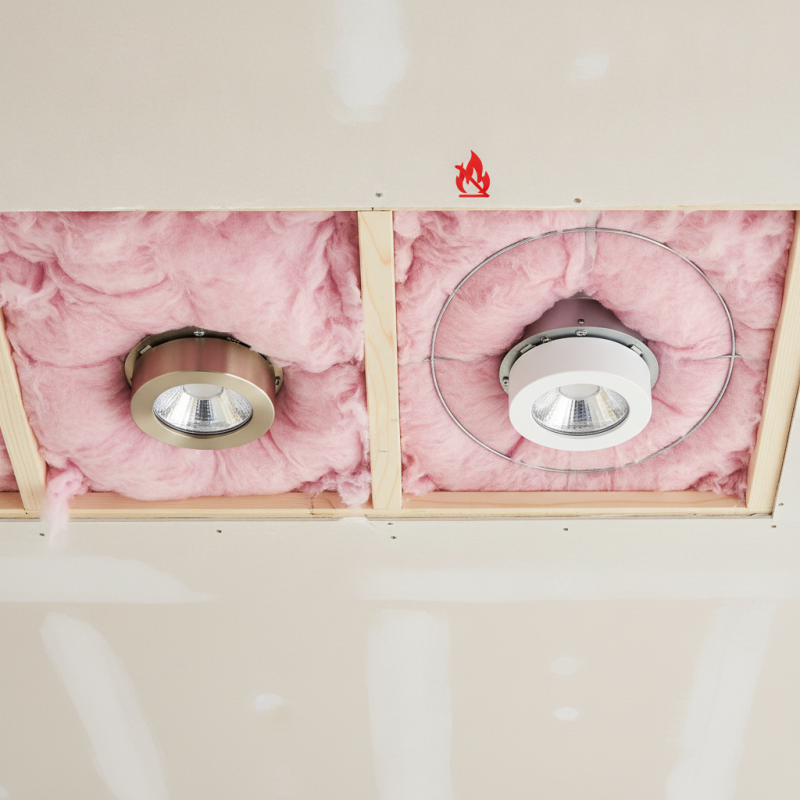
IC rated housings are designed to be in direct contact with insulation. This allows for better thermal regulation, preventing overheating. Conversely, non IC rated housing must be kept away from insulation to avoid fire hazards. This creates a limit on how they can be installed. Choosing the right housing type influences both safety and efficiency.

In practical terms, selecting the correct type can affect installation costs and performance. Homeowners may feel uncertain about which option to choose. It's crucial to consider specific needs and building codes. A deeper understanding can lead to better lighting solutions. There is always room for questions and learning in this field.
Digital Guide to IC Rated vs Non IC Rated Housing Differences?

Overview of IC Rated and Non IC Rated Housing

IC rated and non-IC rated housing serve distinct purposes in home lighting installations. IC rated housing is designed for direct contact with insulation. This type of housing prevents overheating and fires by allowing the fixture to safely work in insulated ceilings. With proper installation, these fixtures are more energy efficient and protect your home.

Non-IC rated housing, on the other hand, cannot touch insulation. It needs a space to breathe, which can limit its use in certain areas. Installing these fixtures incorrectly can result in fire hazards. Many builders often overlook proper ventilation when using non-IC rated housing, leading to concerns.

It’s essential to weigh the pros and cons of each option. Choosing the wrong type can have serious consequences. Research and consider the specific areas where the fixtures will be installed. When in doubt, consulting with a lighting professional can provide clarity. Often, mistakes stem from insufficient knowledge about housing types and their applications.

Key Differences Between IC Rated and Non IC Rated Housing

When it comes to selecting housing for recessed lighting, understanding IC rated and non-IC rated options is crucial. IC rated housings are designed to be in contact with insulation. This allows them to be used in insulated ceilings without risking overheating. According to the National Electrical Manufacturers Association (NEMA), improper housing types can lead to fire hazards. Non-IC rated housings, however, must be kept away from insulation. This restriction can limit their placement, potentially affecting design aesthetics and room lighting.

In implementation, builders may overlook the importance of choosing the right housing type. A report from the National Fire Protection Association (NFPA) indicates that inadequate lighting installation contributes to nearly 40% of residential fires. Non-IC rated products can also lead to energy inefficiencies, resulting in higher monthly bills. While they might be cheaper, their installation must be carefully managed. IC rated options may represent a higher initial cost, but their long-term benefits often outweigh these expenses. The decision should focus not just on immediate savings but on the overall safety and energy efficiency of a home.

Digital Guide to IC Rated vs Non IC Rated Housing Differences

Feature IC Rated Housing Non IC Rated Housing
Insulation Contact Can be in direct contact with insulation Must be installed away from insulation
Heat Dissipation Designed for better heat dissipation May overheat if installed near insulation
Installation Location Suitable for ceilings with insulation Ideal for non-insulated ceilings
Cost Generally more expensive Typically less expensive
Energy Efficiency More energy efficient options available Less emphasis on energy efficiency

Benefits of Using IC Rated Housing in Construction

When choosing housing for recessed lights, the decision between IC rated and non-IC rated options can significantly impact your construction project. IC rated housings are designed to be in contact with insulation. This feature allows for safe installation in insulated ceilings. It helps prevent overheating, reducing the risk of fire hazards. Many builders appreciate this safety aspect.

Another benefit of IC rated housings is energy efficiency. These fixtures can help maintain thermal performance. By allowing insulation to be in direct contact, they minimize energy loss. Over time, this can lead to lower energy bills and a smaller carbon footprint. Many homeowners are becoming increasingly aware of these advantages.

That said, there are some challenges in using IC rated housings. Installation can be more complex compared to their non-IC counterparts. If builders are not experienced, mistakes can happen. It’s crucial to have a knowledgeable team to ensure compliance with local building codes. While the benefits are clear, ensuring proper installation requires attention to detail.

Digital Guide to IC Rated vs Non IC Rated Housing Differences

This chart illustrates the differences between IC rated and non IC rated housing in key performance areas. IC rated housing scores better in energy efficiency, heat resistance, and safety, while non IC rated housing is typically less expensive to install.

Common Applications for IC Rated vs Non IC Rated Housing

When selecting between IC rated and non-IC rated housing, understanding their applications is crucial. IC rated fixtures are designed for direct contact with insulation. They are commonly used in ceilings that contain insulation materials. This ensures that the housing can dissipate heat safely without igniting nearby materials. An industry report from the National Electrical Manufacturers Association notes that improper use of non-IC rated fixtures can lead to fire hazards, highlighting the importance of choosing the right type.

On the other hand, non-IC rated housings are suitable for spaces where there is no insulation in direct contact. They are primarily applied in areas where ventilation is critical. This includes open-air ceilings or structures with ample airflow. A specific use case includes commercial spaces where maintaining an ambient temperature is essential for operations. However, using non-IC fixtures in insulated spaces has been shown to exceed recommended temperature thresholds in studies, indicating a need for careful planning.

Electricians must be aware of these differences. They can consult local building codes which often dictate the requirements based on the environment. Selecting the appropriate housing type not only ensures compliance but promotes safety and efficiency. Making an informed choice is essential for any project.

Considerations When Choosing Between IC Rated and Non IC Rated Housing

When choosing between IC rated and non-IC rated housings, several factors come into play. IC rated housings are designed for direct contact with insulation. This rating ensures the housing can safely handle heat without igniting nearby materials. Non-IC rated housings, conversely, require a gap from insulation. These gaps prevent heat from causing fire hazards. Homeowners must consider the type of insulation in their ceilings and walls when making this choice.

Another critical consideration is the installation environment. In areas where insulation is dense, an IC rated housing is essential. Failure to use an appropriate housing type may lead to overheating and potential damage. On the other hand, non-IC rated housings are often easier to install and less expensive. However, they might limit design options in specific setups.

It's troubling that some homeowners overlook these details, leading to risks. Choosing the wrong housing can impact energy efficiency and safety. Understanding these differences can prevent costly mistakes down the line. Proper research and consultation with professionals can clarify any confusion. Ultimately, making an informed decision benefits both safety and functionality.

FAQS

: What is IC rated housing?

: IC rated housing is designed for direct contact with insulation. It prevents overheating and fire hazards.

Why is non-IC rated housing restricted?

Non-IC rated housing cannot touch insulation. It needs space to breathe, which prevents overheating.

Where is IC rated housing typically used?

IC rated housing is commonly used in ceilings with insulation materials. It safely dissipates heat without ignition risks.

What are the risks of using non-IC rated housing incorrectly?

Incorrectly using non-IC rated housing can lead to serious fire hazards. It’s essential to ensure proper ventilation.

How does the installation environment affect housing choice?

Areas with dense insulation require IC rated housing. Non-IC housings may not be suitable for such spaces.

What should homeowners consider when selecting housing type?

Homeowners must assess insulation types and installation environments. Misunderstanding these factors can lead to costly mistakes.

Can using the wrong housing affect energy efficiency?

Yes, selecting the incorrect housing can reduce energy efficiency and create safety risks. Proper research is crucial.

What can cause confusion when choosing housing types?

Lack of knowledge about housing types often leads to mistakes. Consulting professionals can help clarify options.

Are non-IC rated housings more affordable?

Non-IC rated housings are generally less expensive and easier to install. However, they have limitations in specific designs.

How can one prevent problems with lighting installations?

Understanding differences between housing types can prevent issues. Seek professional advice to ensure safe and efficient choices.

Conclusion

The article provides a comprehensive examination of what is the difference between IC rated and non IC rated housing, focusing on their respective applications and benefits. IC rated housing is designed to be in contact with insulation, allowing for safer installation in insulated ceilings and walls, while non IC rated housing must maintain distance from insulation to prevent overheating.

Key differences include their construction requirements and safety standards, which are critical in determining their use in various building projects. The article highlights the benefits of using IC rated housing, such as improved energy efficiency and reduced fire hazards, making it a preferred choice for many construction scenarios. Furthermore, it discusses common applications for both types and offers guidance on considerations that should be taken into account when selecting between IC rated and non IC rated housing.

Sophia

Sophia

Sophia is a dedicated marketing professional with an exceptional depth of knowledge about her company's products and services. With a keen understanding of market trends and customer needs, she crafts insightful blog posts that not only inform but also engage readers, enriching the company’s online......