Understanding why do puck lights burn out so fast is crucial for consumers in 2026. Many users experience frequent lamp failures, leading to frustration and added expenses. Industry reports indicate that over 30% of puck lights fail within the first year of use. This alarming statistic raises questions about durability and quality.
Several factors contribute to this issue. High heat output and poor insulation can significantly shorten the lifespan of these lights. Furthermore, subpar manufacturing practices often lead to faulty components that can't withstand standard usage. Consumer reports show that choosing reputable brands can reduce burnout rates by up to 50%.
However, it’s essential to reflect on our usage habits as well. Overloading circuits and improper installation can also lead to premature failures. Considering these factors can help consumers make informed decisions. The quest for quality puck lights continues as we navigate the market's best options.
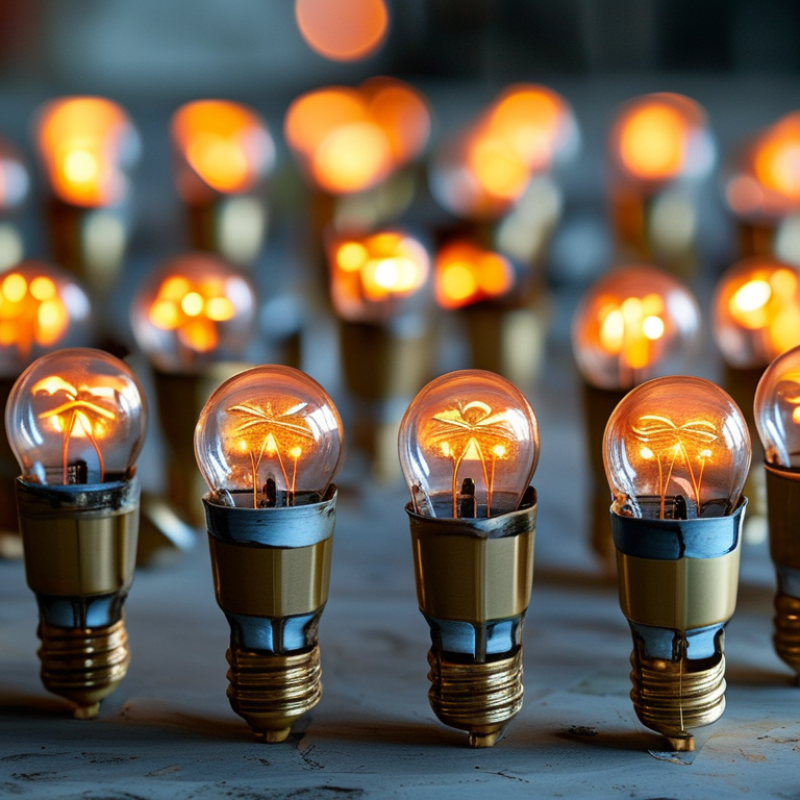
Puck lights are a popular lighting choice due to their compact size and versatility. However, many users report a frustratingly short lifespan for these lights. According to industry reports, average puck lights last between 15,000 to 30,000 hours, significantly less than expected. This reduced lifespan often stems from heat generation, electrical stress, and material quality.
Heat is a major factor. Puck lights tend to retain heat within their enclosures. When temperatures rise, the internal components can degrade faster. As a result, using high-quality LED technology is crucial. Cheap materials can lead to quicker burnout. Also, electrical surges or improper installation can exacerbate the issue.
**Tip:** Ensure proper ventilation around puck light fixtures. This can help reduce heat build-up and extend their lifespan.
Improper use also plays a role. Users who frequently switch lights on and off may experience premature failures. Technologies like power regulation can help minimize this wear. Yet, not all puck lights incorporate this feature, so it's vital to choose wisely.
**Tip:** Look for puck lights with integrated power control systems. They can better withstand frequent operation.
This chart illustrates the average lifespan of puck lights compared to other common light sources, highlighting why puck lights may have a shorter lifespan.
Puck lights are popular for their versatility and convenience. However, many users report issues with burnout. Understanding the common causes can be crucial for improving longevity. One of the primary factors is overheating. When puck lights are used in enclosed spaces, they can generate excessive heat, leading to burnout. Proper ventilation is essential to extend their lifespan.
Another significant cause is poor quality components. Some puck lights are made with substandard parts. This compromises their durability and effectiveness. Regularly using high-quality replacement bulbs can help prevent frequent failures. Many users overlook the importance of installation. Incorrect wiring or connections can easily lead to electrical issues and short lifespans.
When choosing puck lights, consider the following tips: Use puck lights in well-ventilated areas. Avoid using them in tight spots without airflow. Make sure to check the wattage compatibility before installation. Lastly, invest in reliable brands known for quality and customer service. It's worth assessing your setup regularly to identify potential problems before they lead to failures.
| Cause | Description | Impact | Suggested Solution |
|---|---|---|---|
| Overheating | Puck lights can overheat due to high wattage bulbs or insufficient ventilation. | Can lead to reduced lifespan and sudden burnout. | Use lower wattage bulbs and ensure proper ventilation. |
| Electrical Issues | Fluctuations in voltage or faulty wiring can cause lights to fail. | Increases risk of flickering or complete failure. | Hire an electrician to inspect the wiring. |
| Quality of Bulbs | Low-quality or incompatible bulbs can lead to quick burnout. | Frequent replacements needed, increasing maintenance costs. | Invest in high-quality, compatible bulbs for longer life. |
| Moisture Exposure | Puck lights not rated for wet locations can corrode when exposed to moisture. | Reduces effectiveness and can cause bulb failure. | Use moisture-resistant puck lights in damp areas. |
| Frequent Switching | Turning lights on and off frequently can shorten lifespan. | May lead to bulbs blowing out quickly. | Use dimmers or smart controls to reduce frequency of switching. |
Puck lights are known for their versatility and compact design. However, many consumers find that these lights burn out surprisingly fast. Understanding industry standards and lifespan expectations for puck lights is crucial for informed decisions. The average lifespan for LED puck lights typically ranges from 15,000 to 50,000 hours. Yet, many users experience failures far sooner.
Several factors contribute to the premature burnout of puck lights. Heat accumulation is a significant issue. Puck lights often lack proper ventilation, especially when installed in tight spaces. This can lead to overheating, reducing their lifespan dramatically. Additionally, electrical surges from power sources may also cause unexpected failures.
The materials used in the manufacturing process play a vital role as well. Low-quality components are often a risk in the market. Consumers should remain vigilant and examine specifications closely. This scrutiny ensures better performance and durability. It's also important to consider installation practices, as improper mounting can lead to complications. Reflecting on these elements helps improve overall satisfaction with puck light products.
Puck lights are a popular choice for flexible lighting solutions in homes and offices. Yet, many users experience rapid burnout, especially in 2026's market. Understanding the reasons behind this can guide consumers in choosing the best options available.
One significant factor contributing to short lifespans is poor heat dissipation. Puck lights generate heat, and if they are enclosed or placed in tight spaces, overheating occurs. This can lead to premature failure. Additionally, many puck lights use inferior materials that degrade quickly over time. It’s crucial to look for high-quality components that ensure longevity.
Tips: Always check the wattage and ensure it matches your needs. Overloading a puck light can lead to faster burnout. Also, consider placement; avoid areas that trap heat. Look for lights with built-in heat sinks or ventilation features.
Another common issue is the quality of the power supply. Puck lights often rely on adapters that might not deliver consistent voltage. Voltage fluctuations can cause flickering and shorten lifespan. When comparing options, invest time in reading user reviews and expert opinions. Reliable brands may cost more initially, but the longevity they offer often justifies the price.
Puck lights are popular for their versatility and convenience. However, many users report these lights burning out faster than expected. According to industry studies, LED puck lights typically last around 25,000 hours, but several factors can significantly impact their lifespan.
Overheating is a common issue. Ensure proper ventilation around the lights to minimize heat buildup.
Using the right power supply is crucial. An unstable or incompatible power source can lead to flickering and premature burnout. Always check voltage requirements before installation. Regularly inspect your puck lights for signs of damage or wear. Even small issues can escalate, causing unexpected failures.
Another important tip is to avoid frequent on-off cycles. LEDs are sensitive to power changes. Constantly switching them can reduce their overall lifespan. Implementing a timed lighting schedule can help mitigate this issue. Lastly, consider using dimmable puck lights—they typically handle adjustments better and help reduce strain. By applying these tips, you can extend the life of your puck lights significantly.
: Overheating is a primary cause. Insufficient ventilation leads to excessive heat buildup.
Low-quality components degrade quickly. They can compromise durability and increase failure rates.
Incorrect wiring or connections can cause electrical failures. Proper installation is key to extending lifespan.
Use them in well-ventilated spaces. Avoid tight areas that trap heat and check wattage compatibility.
A stable power supply is essential. Voltage fluctuations can cause flickering and shorten lifespan significantly.
Look for signs of damage or wear. Small issues can lead to unexpected failures if not addressed early.
Yes, constant on-off cycles can reduce lifespan. Consider using a timed schedule for better longevity.
Dimmable lights handle adjustments better. They reduce strain and can help extend overall life.
If flickering occurs or you notice dim light, it may be time to replace the bulbs.
Using substandard replacements can cause more frequent failures. Investing in quality is advisable.
The article titled "Why Do Puck Lights Burn Out So Fast in 2026 Best Options?" explores the various factors contributing to the short lifespan of puck lights. It delves into common causes of burnout, such as poor quality components, heat buildup, and inadequate power supply, which collectively answer the question, "why do puck lights burn out so fast." Additionally, it discusses industry standards and what consumers can expect regarding the longevity of these lighting solutions.
Furthermore, the article compares the best puck light options available in 2026, offering insights into features that may enhance durability. To aid users in maximizing their puck lights' lifespan, it provides practical tips, emphasizing the importance of proper installation and maintenance. Overall, the article serves as a comprehensive guide for consumers seeking to understand and mitigate issues related to puck light burnout.

Jable Light