When considering wall washer track lights, one crucial question arises: what angle should wall washer track lights be set at? Lighting expert John Smith emphasizes, "The correct angle can dramatically enhance ambiance and highlight architectural features."
Setting the right angle is vital for achieving the desired wall-washing effect. Most experts recommend a tilt between 10 to 30 degrees. This range allows the light to spread evenly across a wall, avoiding harsh shadows and creating a soft, inviting glow. However, personal taste and the specific characteristics of the space also play significant roles.
Choosing angles often involves trial and error. Many underestimate how crucial angles are in wall washing. A wrong angle can lead to uneven lighting, diminishing the room's overall aesthetics. Reflection and surface texture further complicate this decision. It's essential to test various angles to find the best fit for your unique environment. As with all design choices, reflection and adjustment are part of the process.
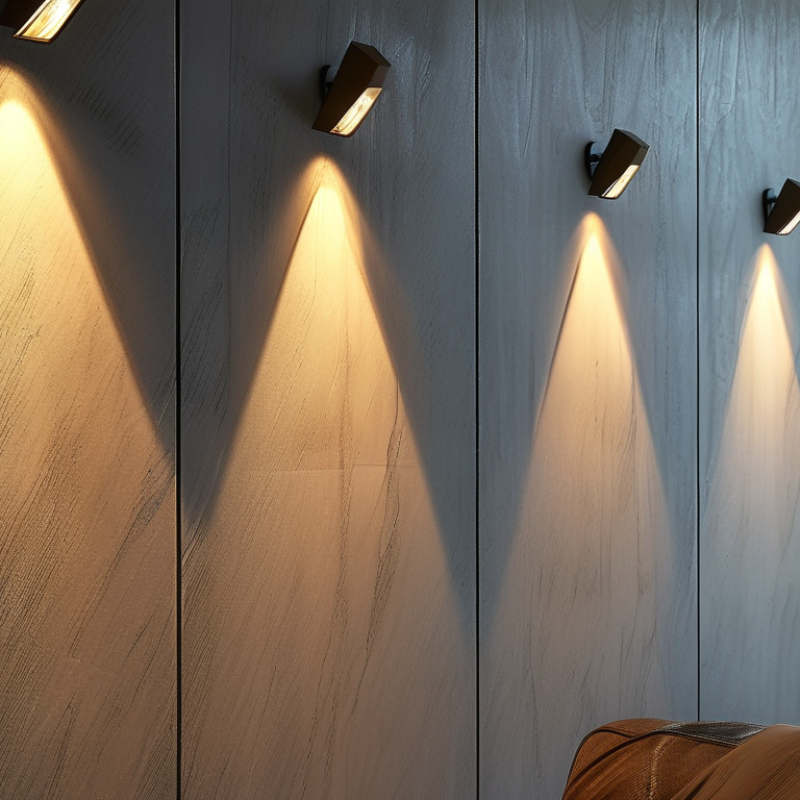
When choosing angles for wall washer track lights, several factors come into play. The right angle can dramatically enhance a space's aesthetic. For instance, a 30-degree angle can produce a soft wash of light, perfect for art displays. This subtlety draws attention without overwhelming the viewer.
A 45-degree angle often causes a more pronounced light spread, ideal for tall walls. It's essential to consider the texture of surfaces. Smooth walls reflect light differently than textured ones. This difference can lead to varying visual effects that may not have been anticipated. It might seem simple, but even minor adjustments in angle can alter the mood of a space.
Experimenting with angles reveals the importance of light placement. One may find that traditional angles don’t yield the best results. Taking the time to reassess and utilize unconventional angles can lead to unexpected and delightful outcomes. Reflecting on experiences with different settings can enhance the effectiveness of wall washer track lights.
| Angle (Degrees) | Beam Spread | Best Use | Effect on Lighting |
|---|---|---|---|
| 15 | Narrow Beam | Spotlighting Artwork | Creates strong focus |
| 30 | Medium Beam | General Room Lighting | Balanced ambient light |
| 45 | Wide Beam | Wall Washing | Soft light and even coverage |
| 60 | Very Wide Beam | Flooding Spaces | Bright and open feel |
| 75 | Ultra Wide Beam | Outdoor Areas | Maximizes illumination |
| 90 | Extreme Wide Beam | Large Gatherings | Even light across large areas |
Beam angle plays a crucial role in wall wash lighting. It determines how light is distributed on a wall. A narrow beam angle, for instance, creates a focused spotlight effect, ideal for highlighting specific features. In contrast, a wider angle provides a softer wash of light, which can enhance the overall ambiance of a room. Choosing the right beam angle ensures that light is used effectively without creating harsh shadows or unevenly lit areas.
When selecting wall washer track lights, it's important to consider the room's design and purpose. Higher ceilings may benefit from a narrow beam to reach the wall effectively. However, lower ceilings require a wider beam to create a more inviting feel. Understanding these nuances allows for better planning and design choices. Reflecting on past experiences reveals how minor adjustments in beam angles can dramatically change a space's perception. Experimentation and a willingness to adapt are vital in achieving optimal results in wall wash lighting.
When selecting angles for wall washer track lights, the wall's texture and color play a crucial role. For smooth surfaces, a narrow beam of light at approximately 30 degrees works well. This focused light enhances the sleekness of the surface and creates soft shadows, adding depth. On rough textures, a wider angle of about 45 to 60 degrees is recommended. This diffused light covers more area without harsh contrasts, illuminating the texture beautifully while ensuring even brightness.
Colors significantly affect how light appears. Light colors, such as soft whites or pastels, benefit from tighter angles. A 30-degree angle can make these colors vibrate more, creating a lively atmosphere. Darker colors absorb light differently. Here, a broader angle can prevent your space from feeling too dim. A 60-degree angle disperses light, bringing warmth and reducing stark contrasts.
Experimenting with these angles is essential. It’s not just science; it’s art. You may realize that adjusting light can change the mood entirely. Sometimes, what seems perfect during the day might not work at night. Reflection is key; don’t be afraid to revisit your initial choices.
When choosing wall washer track lights, beam spread plays a crucial role in both coverage and aesthetics. A narrow beam angle creates focused light. This can accentuate specific features, like artwork or architectural details. It brings attention to elements, creating a dramatic effect. However, this may result in shadowing if not placed correctly. You might miss the balance needed for general illumination.
On the other hand, a wide beam angle offers broader coverage. This type is great for illuminating larger spaces uniformly. It helps avoid harsh shadows and ensures a comfortable viewing experience. Yet, it can wash out details, leading to a flat appearance on walls. Selecting the right angle must consider the area’s function. A mismatch could leave areas dull or overly bright.
Personal preferences and specific room designs also come into play. Experimenting with different angles helps reveal their impact. You may find that the initially planned choice doesn't achieve the desired mood or effect. Gaining experience with various settings enhances your understanding of light dynamics. Each setup invites reflection on what works best for your space.
When selecting wall washer track lights, the angle of illumination plays a crucial role in energy efficiency and lumen output. According to industry reports, using the right angle can enhance light distribution and minimize energy waste. For example, a 30-degree angle typically maximizes brightness across wider wall surfaces, while a narrower angle can provide more concentrated light, reducing the number of fixtures needed.
Consider experimenting with 15 to 45-degree angles based on the wall texture and intended mood. Textured walls may benefit from broader angles to avoid shadows. Conversely, smoother surfaces can often use tighter angles for directed highlights. Adjusting angles strategically can influence overall energy consumption. Reports indicate that optimal angles can reduce energy costs by up to 20% when paired with efficient LED technology.
Try to assess your lighting needs regularly. Monitor how the chosen angles impact the overall ambiance. Pay attention to visibility and comfort levels in the space. Finding a balance between aesthetic appeal and functional lighting often requires reflection and adjustments. If the light feels too harsh or too dim, revisit your choices. Adjusting angles might also mean revisiting energy savings, as even small changes can lead to significant benefits.
: A 30-degree angle creates a soft light wash, drawing attention without overwhelming people.
Smooth surfaces reflect light differently than textured ones, influencing visual effects unexpectedly.
Beam angle determines light distribution, impacting how features are highlighted or shadows are created.
It provides focused lighting, ideal for emphasizing specific features, but may cause unwanted shadows.
Higher ceilings benefit from narrow beams for effective wall reach, while lower ones need wider beams for warmth.
Yes, reassessing and adjusting angles can lead to delightful results, improving the overall ambiance.
Testing different angles helps understand their impact, ensuring the space achieves the desired mood.
A mismatch can create dull or overly bright areas, affecting overall aesthetics.
A wide beam provides uniform illumination but may wash out wall details, creating a flat appearance.
Yes, personal preferences are important, as they affect the overall feel and functionality of the space.
In the article "Top 10 Angles for Wall Washer Track Lights to Use," the focus is on understanding the crucial role of beam angles in wall wash lighting. It explores how different angles can significantly affect the aesthetics and functionality of illuminated spaces. The article provides guidance on what angle should wall washer track lights be set at, taking into consideration various factors such as wall textures and colors, as well as the desired light coverage.
Additionally, the piece examines the correlation between beam spread and the overall effectiveness of light coverage, emphasizing the importance of selecting the right angle not only for visual impact but also for optimizing energy efficiency and lumen output. By considering these elements, users can create dynamic lighting environments that enhance the beauty of their spaces while being mindful of energy consumption.

Jable Light