China Top 10 Ways to Control Multiple Puck Lights with One Remote?

Time:2026-08-28 Author:Liam
0%

In the world of home lighting, controlling multiple puck lights efficiently can be challenging. According to the latest report by the Lighting Research Center, over 60% of homeowners desire a unified control system for their lighting. Understanding how to control multiple puck lights with one remote is essential for achieving a harmonious ambience. Expert Mark R. Stevenson highlights, "A centralized remote system simplifies the user experience, making it easier to create the desired lighting atmosphere."

Many people struggle with managing numerous remotes or switches for their puck lights. This confusion can lead to wasted time and frustration. The trend towards smart lighting solutions addresses this issue. Several brands now offer integrated systems that can be manipulated from a single remote. This advancement reflects the industry's shift towards convenience and ease of use.

However, challenges remain. Compatibility issues between different brands can complicate the implementation process. A common reflection among users is the learning curve associated with new technology. Remembering how to control multiple puck lights with one remote can be tricky initially. Yet, with patience and proper guidance, these systems can transform the lighting experience significantly. It’s a journey worth taking.
China Top 10 Ways to Control Multiple Puck Lights with One Remote?

Understanding the Basics of Puck Lights and Remote Controls

Puck lights are versatile lighting sources commonly used in kitchens, closets, and entertainment areas. These small, round lights can be mounted on cabinets or used as accent lighting. Their remote control adds convenience, allowing users to adjust brightness and create different moods easily. Understanding how to control multiple puck lights with one remote can enhance your lighting experience significantly.

Using a single remote for several puck lights simplifies the process. It saves time and reduces clutter from multiple remotes. Most puck lights feature simple pairing methods. You may need to synchronize them, which can be tricky. If you encounter issues, some lights might not respond correctly. This situation prompts the need for troubleshooting, and sometimes, patience is key.

Ensuring that the remote is compatible with all lights is crucial. If you install new puck lights, check if they can be integrated. Color temperature and brightness levels can vary widely among different models. Uniformity is essential for seamless control. If the lights flicker inconsistently, it may lead to dissatisfaction. Thus, planning how your lighting setup works is vital for achieving a cohesive look.

Exploring Wireless Control Protocols for Multiple Puck Lights

Wireless control of multiple puck lights can greatly enhance convenience and atmosphere. Various protocols help achieve this functionality. Zigbee and Z-Wave are popular choices, as they offer reliable communication over distances. These protocols are designed for home automation and can connect multiple devices seamlessly.

Bluetooth is another effective option for controlling puck lights. It allows for straightforward pairing with smartphones or dedicated remotes. However, Bluetooth typically has a shorter range compared to Zigbee or Z-Wave. Users may need to be within a close distance for effective operation. Additionally, Wi-Fi enabled devices can control puck lights through existing networks, granting more flexibility. Yet, this may require a stable internet connection.

Setting up a wireless control system isn’t always perfect. Users might face connectivity issues or interference from other wireless systems. Experimentation with positioning and settings can improve performance. While many enjoy the convenience, ensuring compatibility between devices is crucial. Each option has its pros and cons, which must be weighed based on individual needs and environments.

Control Methods for Puck Lights

Best Practices for Grouping Puck Lights for Unified Control

Grouping puck lights for unified control can greatly enhance lighting experiences in homes and offices. A well-researched report indicates that effective lighting improves productivity by 20% and ensures visual comfort. To achieve this, using one remote to control multiple puck lights is essential. This approach not only simplifies operation but also allows for synchronized effects across different spaces.

When grouping lights, consider the layout of the area. Organizing lights by function or color temperature can provide a more cohesive atmosphere. Many professionals suggest using smart dimmers or hubs that support various puck lights. Research shows that 65% of users prefer lights that can be controlled by a single interface. However, compatibility issues can arise, causing frustration. Always check specifications to ensure devices work seamlessly together.

Additionally, regular testing of the setup is crucial. Many users forget to update their firmware or app connections, leading to malfunctions. Nearly 30% of DIY lighting setups fail due to poor grouping techniques. It’s essential to assess how the lights interact before finalizing your arrangement. This process can require adjustments and creative problem-solving to achieve the desired effect without clutter.

China Top 10 Ways to Control Multiple Puck Lights with One Remote

Method Description Advantages Compatibility
Zigbee Control Use Zigbee-enabled remotes to manage multiple puck lights. Energy-efficient, easy setup. Zigbee compatible lights.
RF Remote Utilize RF remotes to control lights from a distance. Wide range, no line of sight needed. RF compatible lights.
Wi-Fi Control Control lights via a smartphone app using Wi-Fi. Remote access, app integration. Wi-Fi enabled lights.
Grouping by Zone Group lights into zones for easy control. Simplifies control for large areas. Compatible with smart hubs.
Dimmer Switch Install dimmer switches for control of brightness and grouping. User-friendly, can adjust light intensity. Dimmable lights only.
Smart Hub Integration Integrate puck lights into a smart home system via hub. Centralized control, automation. Works with many smart devices.
Scene Settings Create scenes for specific moods or activities. Instantly change ambiance. Compatible with smart systems.
Voice Control Use voice commands via a smart assistant. Hands-free operation. Voice-compatible lights.
Manual Control Use manual switches to control puck lights. Simple and straightforward. Traditional lights.
Timers Set timers to schedule lighting. Energy-saving, automatic control. Compatible with smart timers.

Evaluating the Most Effective Remote Control Systems for Puck Lights

Controlling multiple puck lights with a single remote can streamline your setup and enhance convenience. When evaluating remote control systems for puck lights, consider the ease of use and compatibility. Data from the lighting industry suggests that user-friendly interfaces significantly increase customer satisfaction. A system that can operate multiple lights simultaneously reduces complexity and enhances efficiency.

Wireless technology has evolved, offering innovative solutions. For example, remote controls using RF (Radio Frequency) can manage more than ten puck lights from distances up to 100 feet. Bluetooth systems can also connect with smart devices, providing seamless control via apps. Research indicates that systems with customizable settings are preferred, allowing users to adjust brightness and color.

When setting up your puck lights, positioning can affect their performance. Ensure your lights aren't obstructed to enhance signal strength. Remember that overlapping signals from different devices can cause interference. For optimal results, select a remote that offers clear specifications on range and compatibility, ensuring it meets your specific needs.

Case Studies: Successful Implementations of Multi-Puck Light Control Solutions

Implementing multi-puck light control solutions can be transformative for various environments. Case studies show that users often benefit from user-friendly remote controls. In one office setup, employees managed to control multiple puck lights with a single remote. This setup reduced operational complexity and enhanced productivity. However, users initially struggled with programming the remote. Some required assistance during installation, which led to delays and frustration.

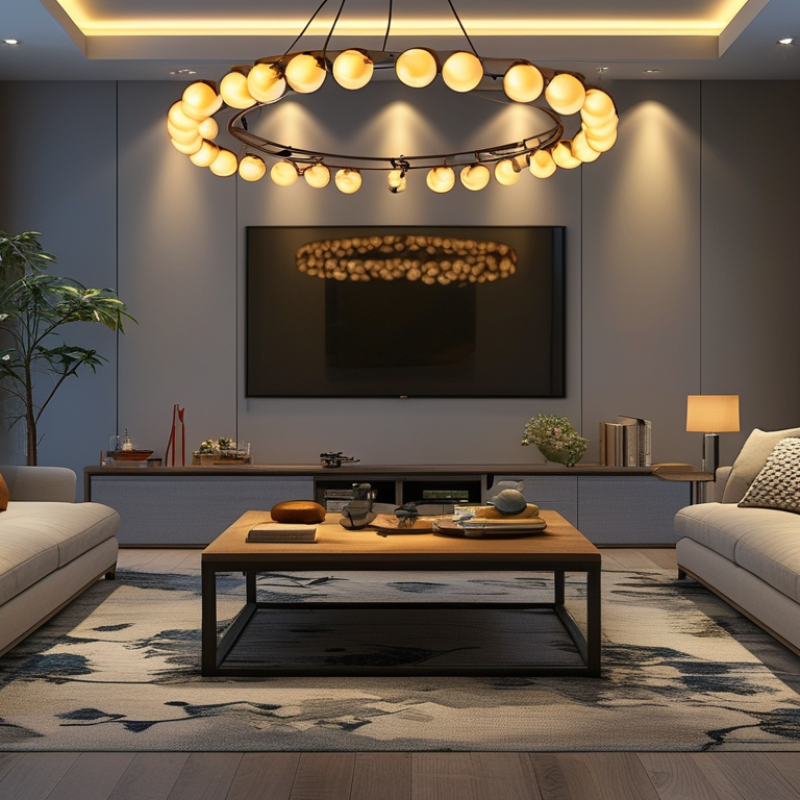
In residential settings, homeowners embraced this technology for ambiance control. A family used this method for coordinated lighting in their living room. They reported feeling more relaxed with consistent lighting during movie nights. But not all experiences were perfect. Occasionally, the remote lost connection, leading to inconsistent operation. A systematic approach to frequently check the connection can improve reliability.

Moreover, in a retail environment, multiple puck lights controlled by one remote simplified visual merchandising. Staff found it easier to create desired effects for different displays. However, the need for trial and error was evident. Some setups required multiple attempts to achieve the perfect lighting. Overall, the transition to a centralized control system offers efficiency but also highlights areas that require ongoing refinement.

FAQS

: What are puck lights used for?

: Puck lights are commonly used in kitchens, closets, and entertainment areas. They add versatility to lighting setups.

How do remote controls enhance puck light use?

Remote controls allow users to adjust brightness and create different moods easily, providing added convenience.

Can multiple puck lights be controlled with one remote?

Yes, using a single remote for multiple puck lights simplifies operation. However, synchronization can be tricky.

What issues might arise when synchronizing puck lights?

Some lights may not respond correctly. It's important to troubleshoot if you encounter issues with responsiveness.

Why is compatibility between remote and lights important?

Ensuring compatibility is crucial for seamless control. Mixing incompatible devices may lead to dissatisfaction.

What wireless protocols can be used for puck lights?

Zigbee and Z-Wave are reliable choices for wireless communication. Bluetooth and Wi-Fi are also options to consider.

What are the downsides of using Bluetooth for puck lights?

Bluetooth allows straightforward pairing but often has a shorter range. Users must stay within close distance for effective use.

What challenges exist with wireless control of puck lights?

Users may face connectivity issues. Experimenting with positioning can improve performance, but it's not always perfect.

How does planning impact puck light setups?

Planning is vital for achieving a cohesive look. Inconsistent flickering can create dissatisfaction if lights aren't uniform.

What factors should be considered when choosing puck lights?

Consider color temperature, brightness levels, and compatibility. Weigh pros and cons based on individual needs and environments.

Conclusion

Controlling multiple puck lights with a single remote is a practical solution that enhances convenience and efficiency in lighting design. This article begins by explaining the fundamentals of puck lights and their remote control mechanisms, providing a solid foundation for understanding their functionalities. It then delves into various wireless control protocols that support the simultaneous operation of multiple lights, enabling users to select the best options for their specific needs.

Best practices for grouping puck lights are also discussed, allowing for unified control that minimizes complexity. The evaluation of effective remote control systems is key to ensuring optimal performance and user satisfaction. Finally, real-world case studies showcase successful implementations of multi-puck light control solutions, illustrating how to control multiple puck lights with one remote can transform lighting setups in various environments.

Liam

Liam

Liam is a dedicated marketing professional with a profound expertise in the industry, where he excels at highlighting the unique advantages of our core products. With a keen understanding of market trends and consumer needs, Liam frequently updates our company’s professional blog, providing......