7 Best Reasons Why Puck Lights Burn Out So Fast

Time:2026-11-21 Author:Sophia
0%

Puck lights are small, but their repeated failures can become a frustrating maintenance problem. If you’re asking “why do puck lights burn out so fast,” the answer may involve more than the bulb itself. Heat trapped beneath a cabinet, an incompatible dimmer, or an unstable power supply can shorten a light’s life. The clues are often visible: flickering after a few minutes, a warm mounting surface, or several lights failing together. Small details matter.

The cause also depends on the fixture. LED puck lights contain electronic components that can fail even when the LEDs still appear intact. Older halogen models generate more heat and may burn out sooner if handled with bare fingers. A loose connection can create intermittent operation, while moisture near a sink may damage components not rated for damp locations. Not every symptom points to one clear cause. That distinction is easy to miss.

This guide explores seven common reasons puck lights fail quickly, along with practical checks that can help narrow down the problem. Compare the fixture’s voltage and dimmer requirements with the product label, and note whether one light or an entire group is affected. Switch off power before inspecting connections, and ask a qualified electrician to assess uncertain wiring. Don’t guess with electricity. Some failures come from inexpensive components; others signal a setup problem worth correcting before replacing another light.
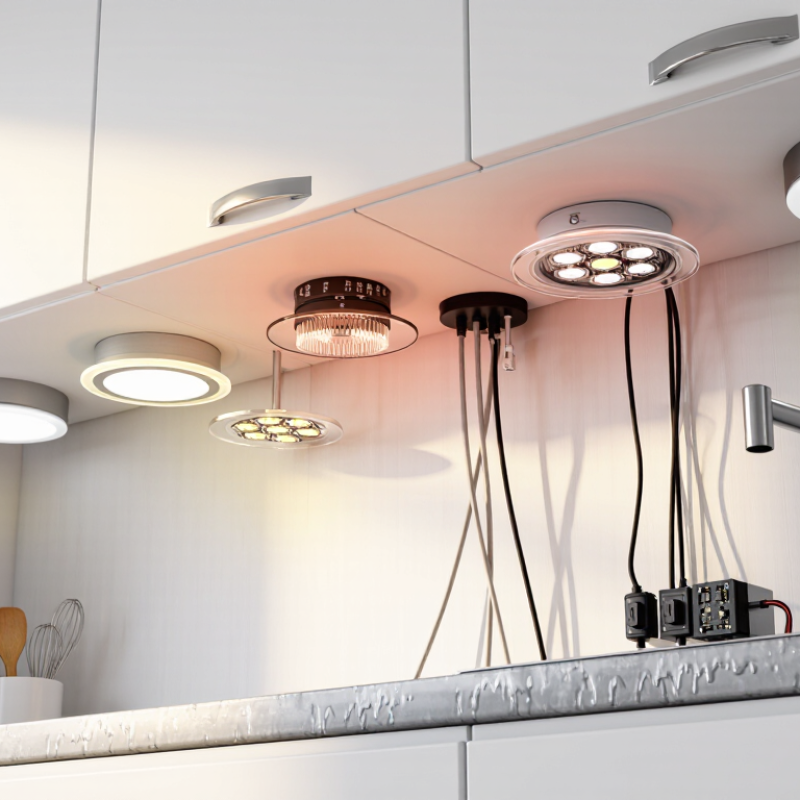
7 Best Reasons Why Puck Lights Burn Out So Fast

Understanding Puck Light Design and Expected Lifespan

Puck lights are compact by design. Their shallow housings leave little room for heat to escape, especially when installed beneath cabinets or inside enclosed shelving. Heat can stress LED components and their drivers over time. A light may still turn on, yet gradually produce less brightness. That change is often mistaken for sudden failure.

Expected lifespan depends on the light source, operating temperature, and daily use. Some LED puck lights are rated for tens of thousands of hours, but that figure assumes suitable conditions. It does not guarantee years of service in a cramped, warm recess. Halogen models typically run hotter and may need replacement sooner. Battery-powered versions add another variable: frequent use can drain batteries quickly, while poor contacts may cause flickering that looks like a burned-out light. Small details matter.

Check the product’s rated life and whether it is intended for enclosed spaces. Keep fixtures clean, since dust can trap heat, and avoid leaving them on longer than needed. If several lights fail early, inspect the power supply, wiring, or battery contacts before replacing every fixture. I have seen a “dead” puck light work again after its connection was reseated. It is not always the bulb.

Excess Heat from Enclosed Fixtures and Poor Ventilation

Puck lights can fail early when heat has nowhere to go. In a tightly enclosed fixture, warm air collects around the lamp and its small electronic driver. Over time, excess heat may weaken components and shorten the light’s life. Poor ventilation makes the problem worse, especially when a light runs for hours in a cabinet or ceiling cavity. The fixture can feel only mildly warm outside while trapping much hotter air inside. It is easy to blame the lamp; I sometimes do, though the fixture may be the real clue.

Tips: Check the light’s instructions for use in enclosed fixtures. Leave open space around it, and avoid covering vents with insulation or stored items. Turn off power before inspecting the fixture. If the light flickers or repeatedly fails, have the wiring and fit checked by a qualified electrician.

Also consider how long the lights stay on and whether a dimmer is compatible. A small puck light may seem harmless, but several installed close together can warm a confined space. Dust can also block openings, so gently clean accessible vents with power off. Don’t assume a higher-wattage replacement will solve the issue; it may add more heat. The frustrating part is that ventilation is not always easy to improve, and some fixtures simply aren’t designed for enclosed spaces. Check before replacing the lights again.

Electrical Stress from Incorrect Voltage, Faulty Drivers, and Loose Wiring

Puck lights often fail early when electrical conditions do not match their design. A low-voltage fixture connected to the wrong supply can overheat its LED board or driver. The reverse mismatch may cause dim output, flicker, or repeated start-up attempts. Check the voltage printed on the fixture and power supply. Check the label.

Drivers can also wear quickly when they run hot or handle an unsuitable load. A driver rated for a different number of lights may deliver unstable current. In a cabinet, trapped heat can worsen that stress, especially when lights sit close to insulation or crowded wiring. Look for flickering, a warm driver case, or discoloration near connections. Heat matters.

Loose wiring can interrupt current at a connector or splice. That interruption may cause flicker and localized heating; the light might even work again when the cabinet door moves. The clue can be subtle. Switch off the circuit before inspecting anything, and never handle energized wires. If connections look scorched, feel unusually hot, or keep loosening, stop using the lights. Ask a qualified electrician to check the driver, supply voltage, and wiring. Symptoms overlap, so replacing a puck without checking its power source may only repeat the failure.

7 Reasons Puck Lights Burn Out Fast

Electrical stress and other common failure pathways · Qualitative severity scale (1–5)

Incorrect voltage, defective drivers, and loose or high-resistance wiring can place extra stress on LEDs and connections. Heat, moisture, and frequent switching may also contribute. Ratings are qualitative troubleshooting priorities—not measured failure rates; actual service life depends on the light and installation.

Wear from Frequent Switching and Extended Operating Hours

Puck lights can fail early when daily routines demand repeated switching and long run times. A pantry light might click on for ten seconds, then off, dozens of times a day. In some designs, each cycle adds stress to the electronic driver or switch contacts. LED chips usually tolerate switching well, so frequent cycling alone does not explain every failure. The driver may be the weaker link. Heat adds up.

Long operating hours keep components warm, especially beneath a shelf or inside a tight cabinet with little airflow. Heat can age driver components faster. Battery-powered units face another strain: extended use drains cells quickly, and dimming may look like a failed light. It is easy to replace the whole puck before checking the batteries. Easy to miss.

The signs can overlap, which makes diagnosis less obvious than it should be. Track how long the lights stay on for a few days. Check whether batteries are fresh and whether the fixture has room to shed heat. If it is hardwired, switch off power before inspecting connections, or ask a qualified electrician. Avoid running a puck light in a closed, heat-trapping space unless its instructions allow it. Small placement details matter.

Premature Failure from Low-Quality Components and Moisture Exposure

7 Best Reasons Why Puck Lights Burn Out So Fast

Puck lights often fail early because small, low-quality components struggle with heat and repeated use. Thin wiring, weak solder joints, or an undersized driver can lead to flickering, dimming, or sudden failure. Moisture adds another risk. In kitchens, bathrooms, and cabinets near sinks, humid air or tiny splashes may reach unsealed connections. Corrosion can build slowly, so the light may seem unreliable before it finally goes dark. That is a clue, not proof.

Tips: Check the fixture’s moisture rating before placing it near steam or splashes. Keep lights away from direct water, and dry nearby surfaces promptly. Switch off power before inspecting or cleaning a fixture.

If several lights fail in the same damp area, consider the environment as well as the bulbs. Look for condensation beneath cabinet doors, water marks, or corroded contacts. A sealed, appropriately rated fixture may last longer there. Avoid forcing open a unit that is not designed to be serviced. I used to blame the bulb alone, but the driver or damp connection can be the real weak point. If flickering continues after a suitable replacement, have a qualified electrician check the wiring.

FAQS

Why can a puck light fail early inside an enclosed fixture?

Trapped warm air can overheat the lamp and its driver. The outside may feel only mildly warm. Check the fixture instructions.

Can poor ventilation shorten a light’s life?

Yes. Crowded cabinets, blocked vents, and insulation can trap heat. Leave open space around the fixture. Dust matters too.

Could the wrong voltage cause flickering or failure?

Yes. A voltage mismatch can cause dim output, flickering, or overheating. Check the labels on the fixture and power supply.

What might a failing driver or loose connection look like?

Watch for flickering, discoloration, or an unusually warm driver. A light that changes when a cabinet door moves may have a loose connection. The clue can be subtle.

Does switching a light on and off often cause it to fail?

Frequent cycling may stress some drivers or switch contacts, but it does not explain every failure. LED chips usually handle switching well. Heat adds up.

Can long operating hours affect puck lights?

Yes. Long hours keep components warm, especially under a shelf or inside a tight cabinet. Track use for a few days.

How can I tell whether a battery-powered light is simply running low?

Check the batteries before replacing the whole light. Weak batteries can make the puck dim. Easy to miss.

What should I do if wiring looks scorched or feels hot?

Stop using the light and ask a qualified electrician to inspect it. Turn off power before any inspection. Never handle live wires.

Conclusion

Puck lights are compact by design, but their small size can make them more sensitive to heat and electrical conditions than larger fixtures. If they are installed in enclosed spaces with limited ventilation, heat may build up and shorten the life of the light or its internal components. Incorrect voltage, an unsuitable or failing driver, and loose wiring can also create electrical stress that leads to flickering, inconsistent operation, or early failure. These factors help explain why do puck lights burn out so fast, especially when several problems occur together.

Frequent switching and long daily operating hours add wear over time, while low-quality components may not withstand regular use as well. Moisture exposure can also damage parts that are not designed for damp conditions. To help puck lights last longer, choose fixtures suited to the installation location, provide adequate airflow, use compatible electrical components, and follow the manufacturer’s installation and operating guidance.

Sophia

Sophia

Sophia is a dedicated marketing professional with an exceptional depth of knowledge about her company's products and services. With a keen understanding of market trends and customer needs, she crafts insightful blog posts that not only inform but also engage readers, enriching the company’s online......