High-efficiency, certified lighting fixtures designed for complex commercial spaces, retail displays, and luxury architectural applications.
Deciphering European Market Directives for B2B Track Lighting Importation
For European buyers, wholesalers, and electrical contractors, purchasing track lighting systems demands absolute compliance with European Union directives. The CE mark is not merely a label; it is a legally binding declaration that the luminaire complies with all essential safety, health, and environmental protection requirements outlined in the applicable EU directives. In the context of professional track lighting, these include:
SEO Information Gain: Standard sourcing platforms present certifications superficially. Understanding specific safety standards—such as EN 60598-1 (Luminaires - General requirements and tests) and EN 60598-2-1 (Fixed general-purpose luminaires)—enables procurement directors to query manufacturers on exact lab reports, verifying raw component safety, creepage distances, and insulation properties.
Underpinning international project distribution with precision engineering and rigid quality standards since 2006.
Foshan Jable Light Co., Ltd. is a leading professional lighting manufacturer established in 2006, specializing in the research, development, production, and marketing of a wide range of high-quality lighting fixtures. Our company is headquartered in Foshan and operates a modern factory covering over 20,000 square meters, employing more than 300 skilled workers.
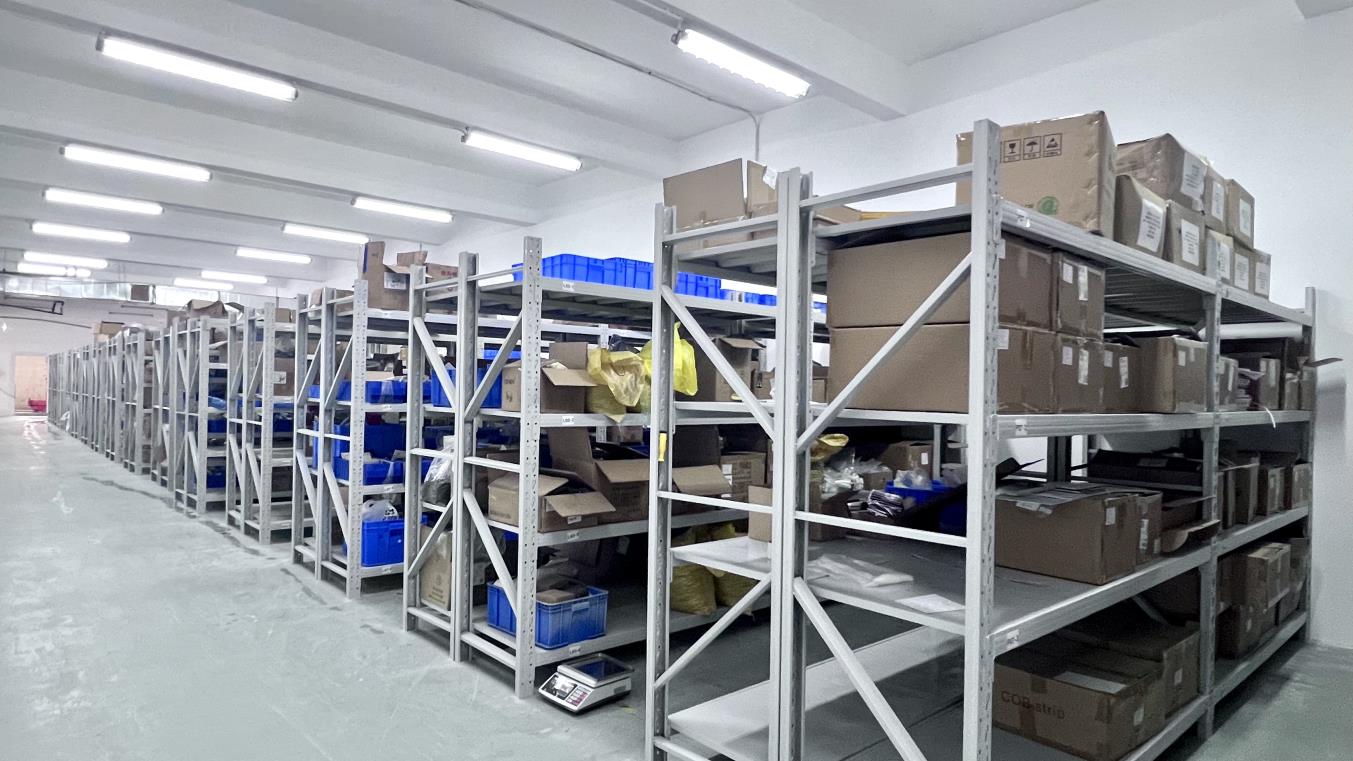
Our factory is equipped with 8 advanced production lines, including stamping, spinning, injection molding, powder coating, and general assembly, ensuring high efficiency and consistent product quality. With an annual turnover exceeding USD 30,000,000, our production capacity continues to grow by approximately 30% each year to meet the increasing demands of both domestic and international markets.
At Jable Light, we are committed to winning the market through exceptional service, superior product quality, and competitive pricing. We implement strict 7S management and maintain compliance with the TÜV ISO9001 quality management system. Our products have obtained multiple certifications, including ETL & cETL, UL, CE, and IP44, ensuring safety, reliability, and environmental compliance.
We continuously innovate to develop energy-efficient, stylish, and durable lighting solutions that cater to residential, commercial, and industrial applications. With a strong emphasis on customer satisfaction, we aim to become the preferred lighting partner for clients worldwide. Foshan Jable Light Co., Ltd. is dedicated to expanding our global presence, collaborating with partners who share our vision of excellence.
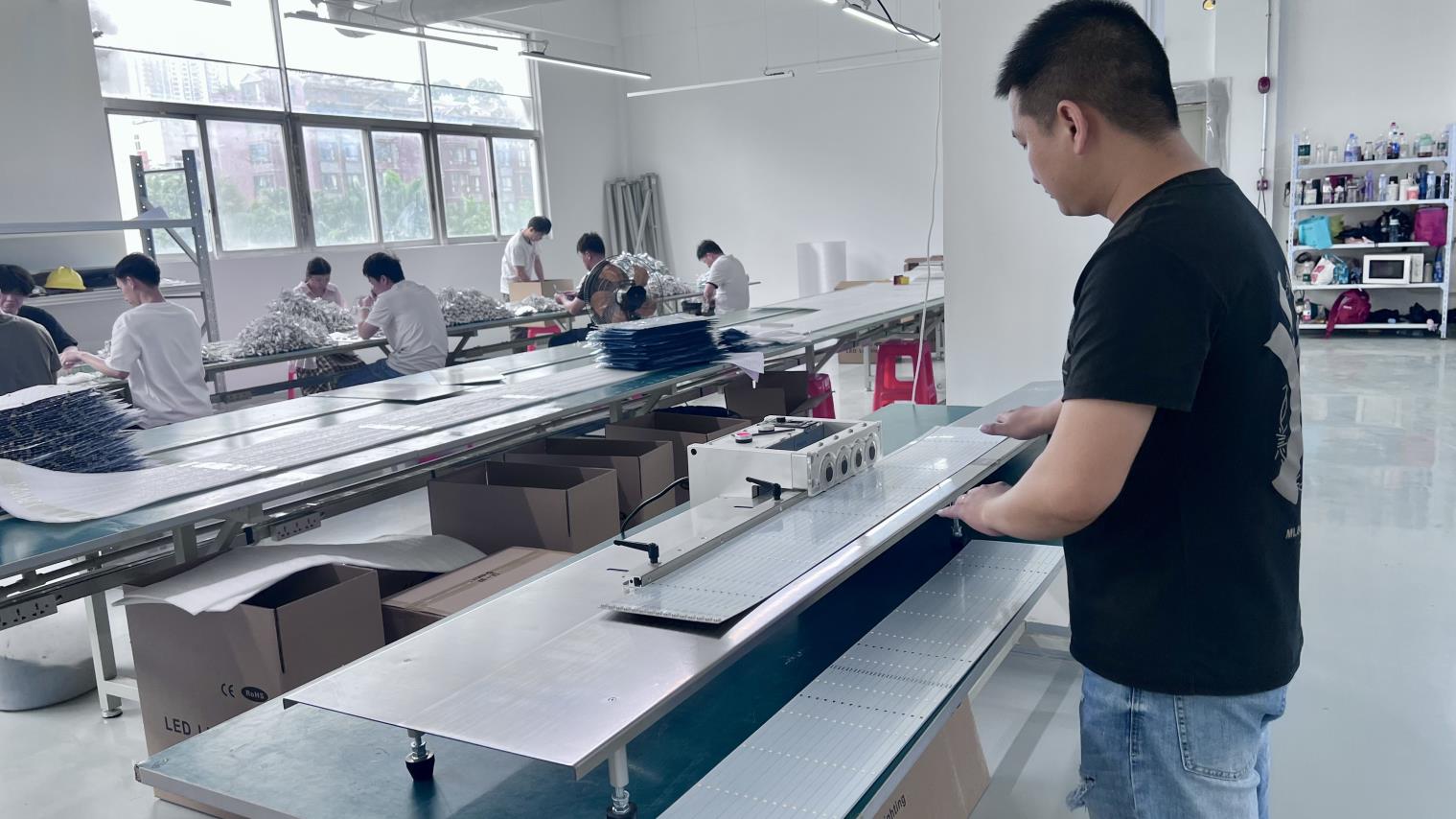
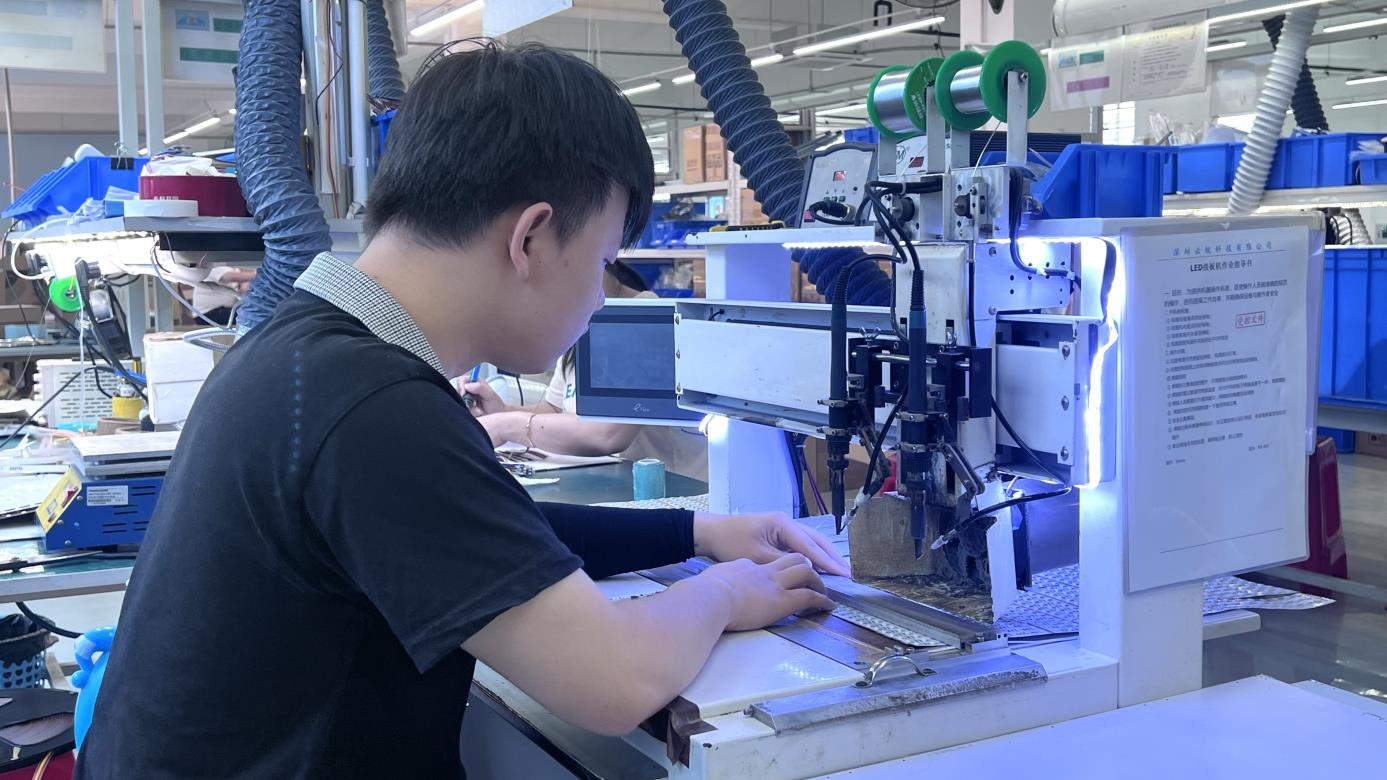
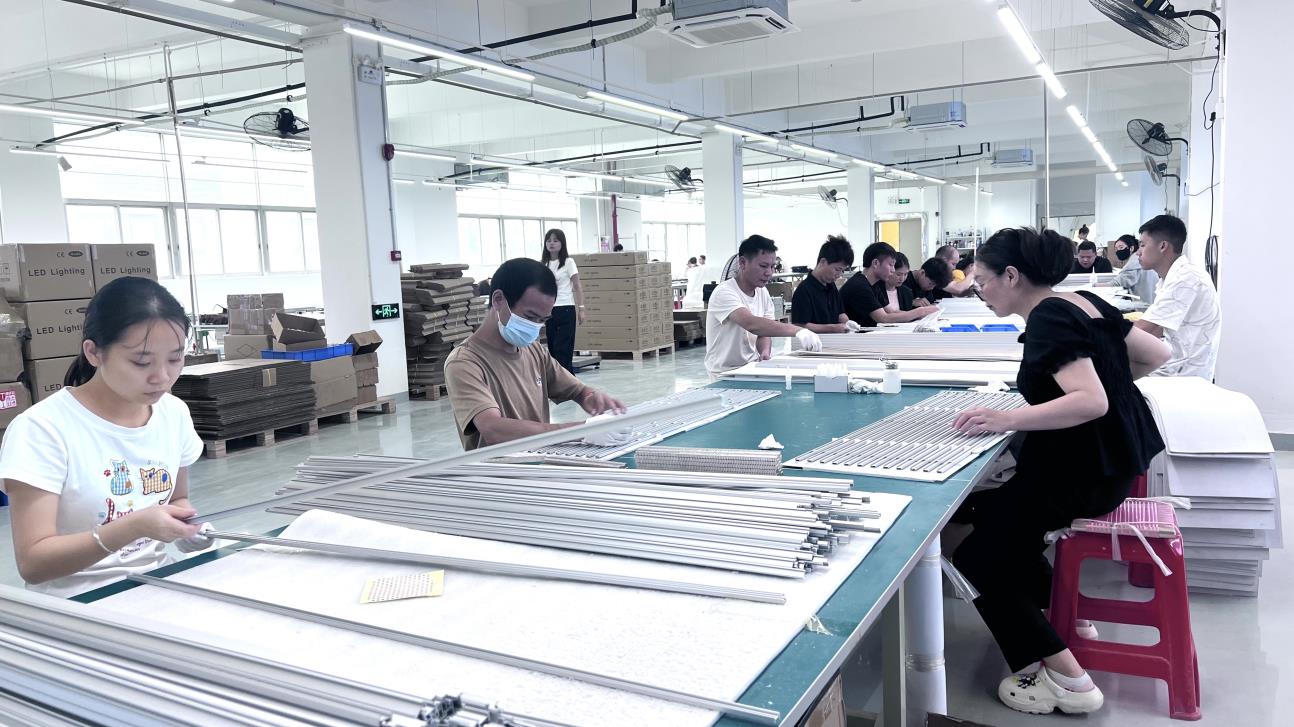
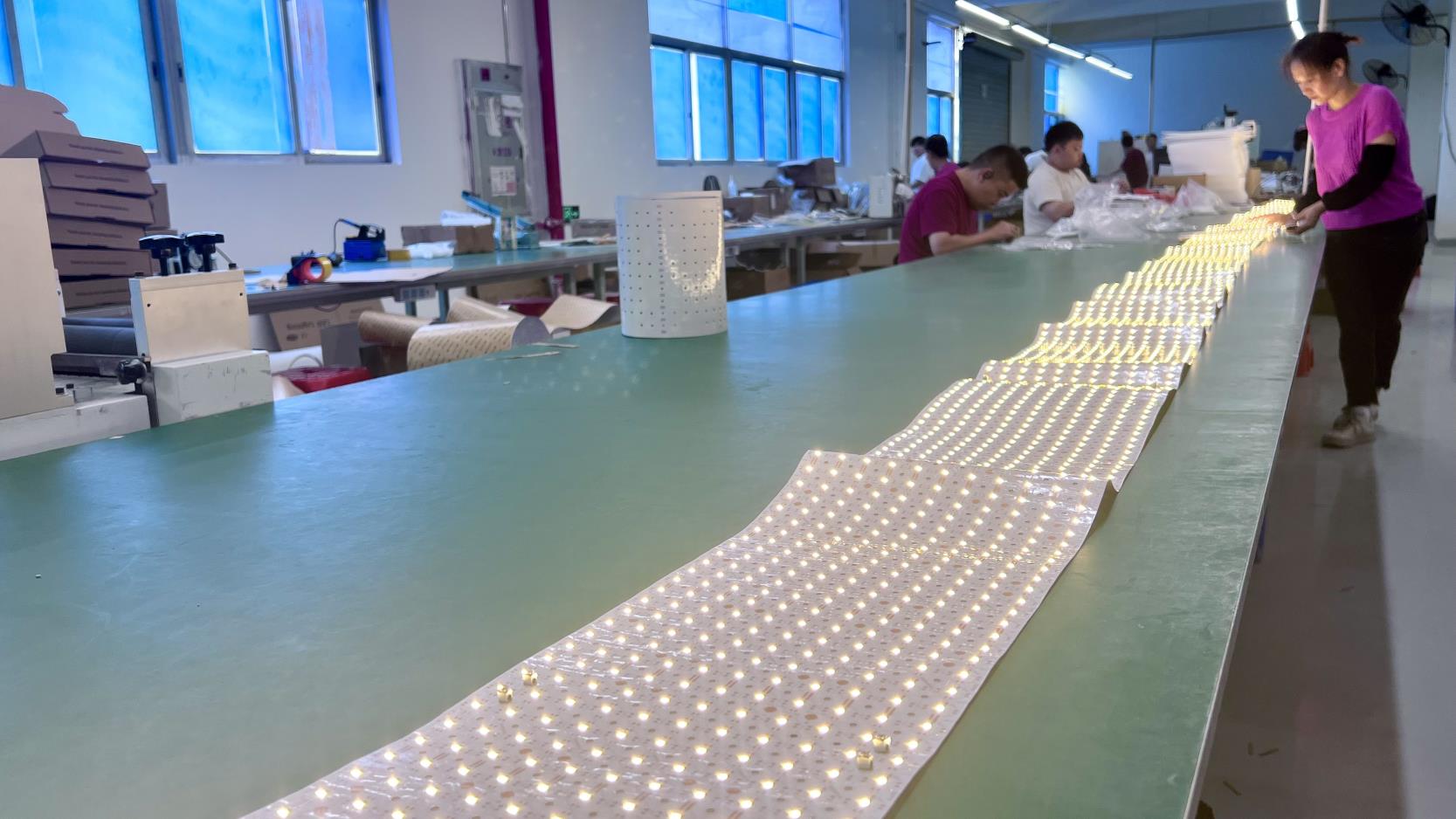
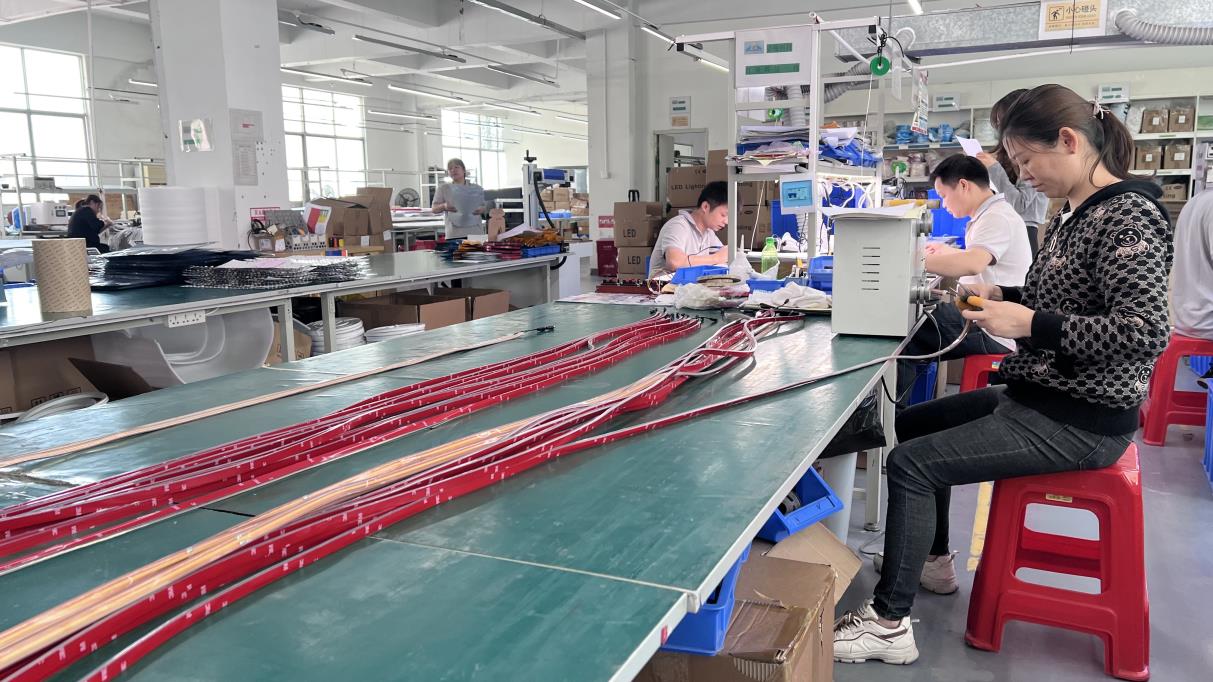
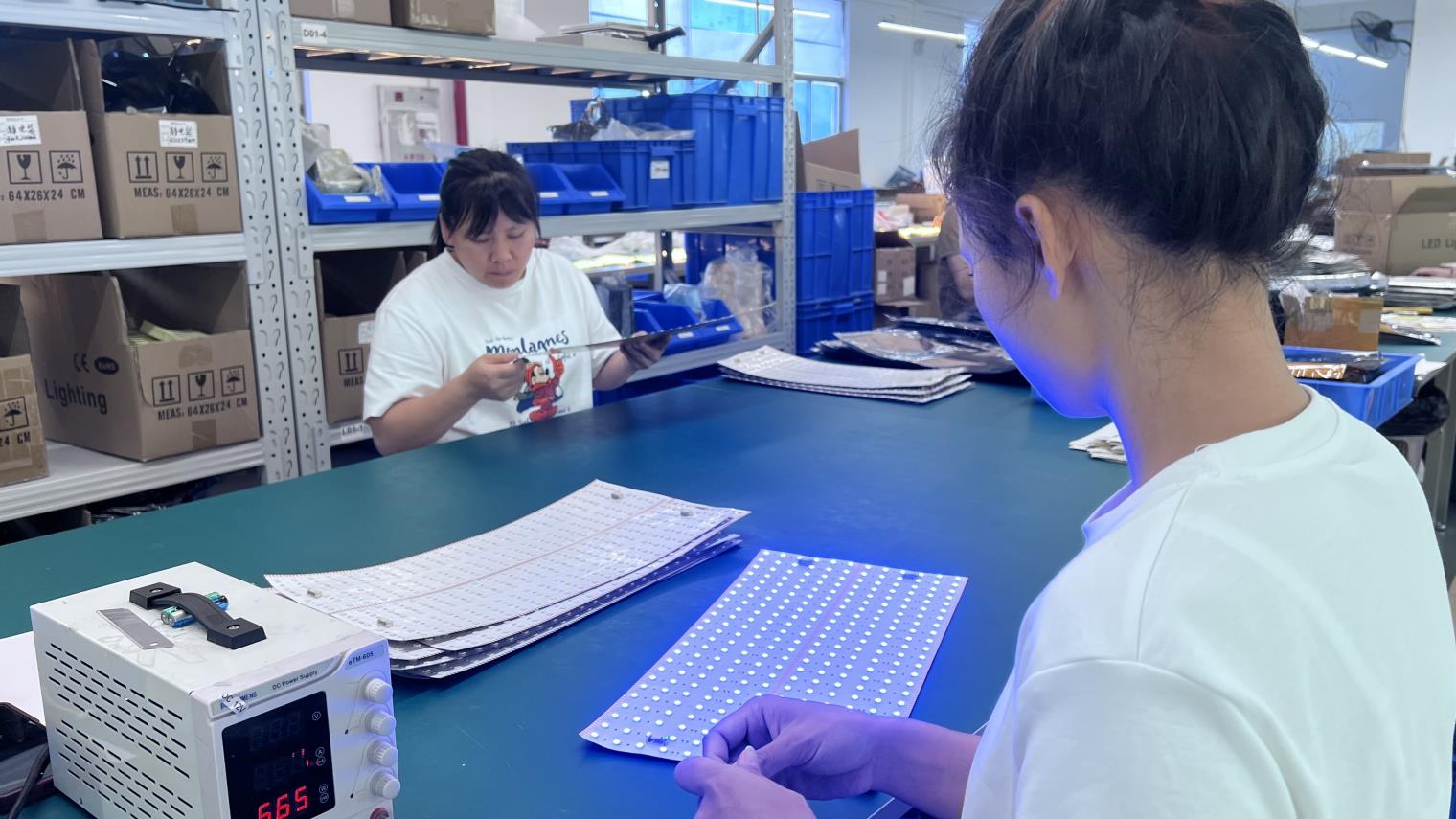
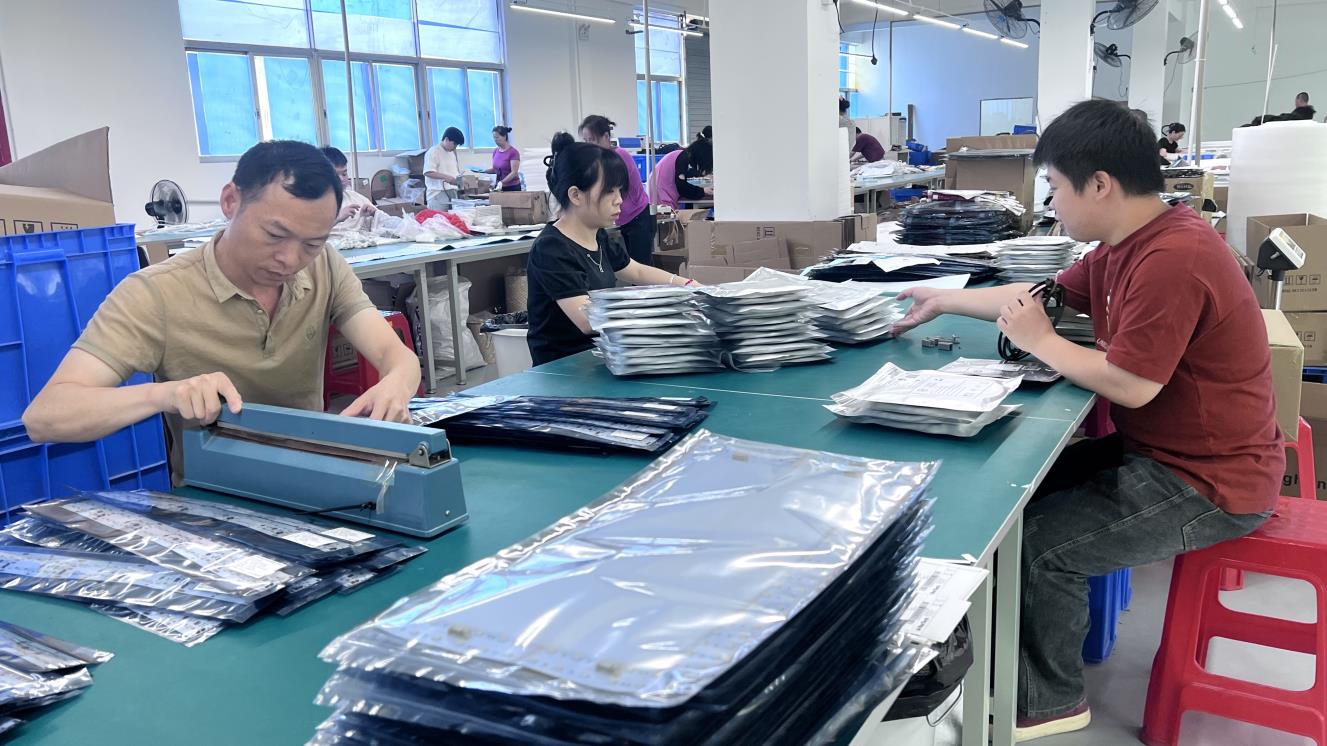
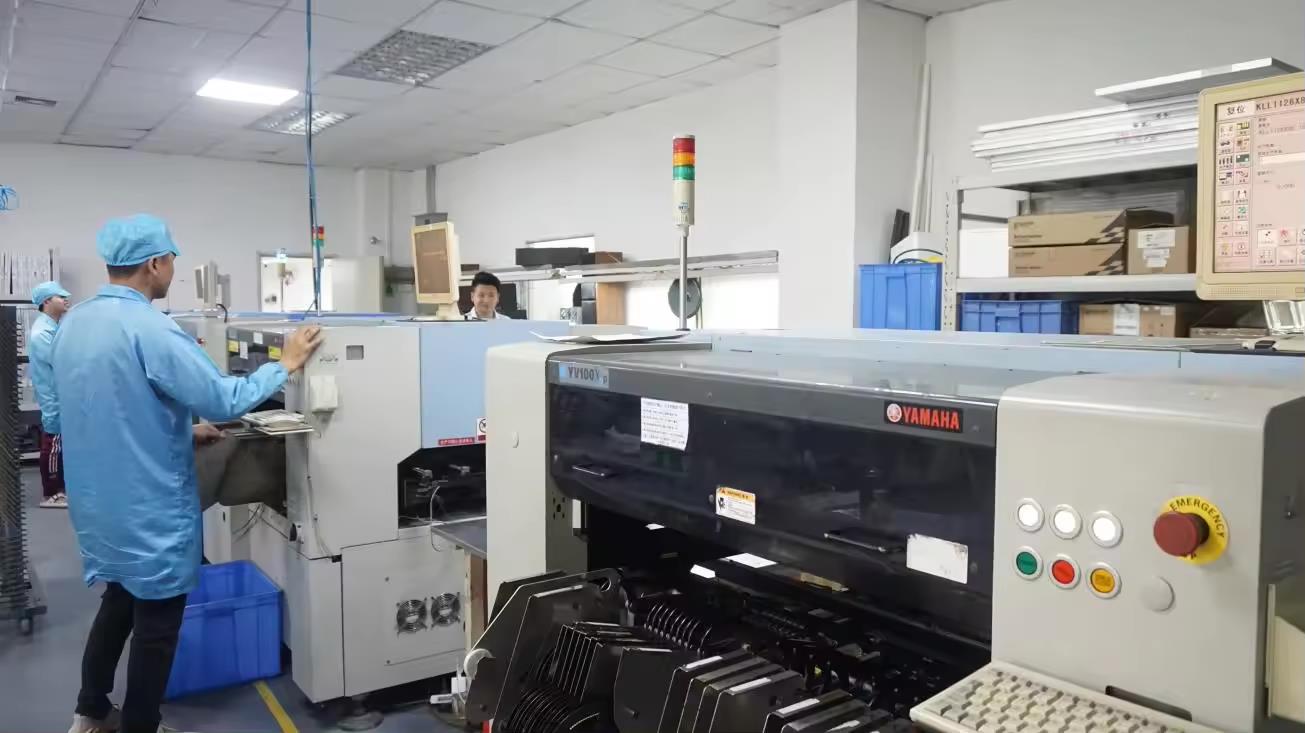
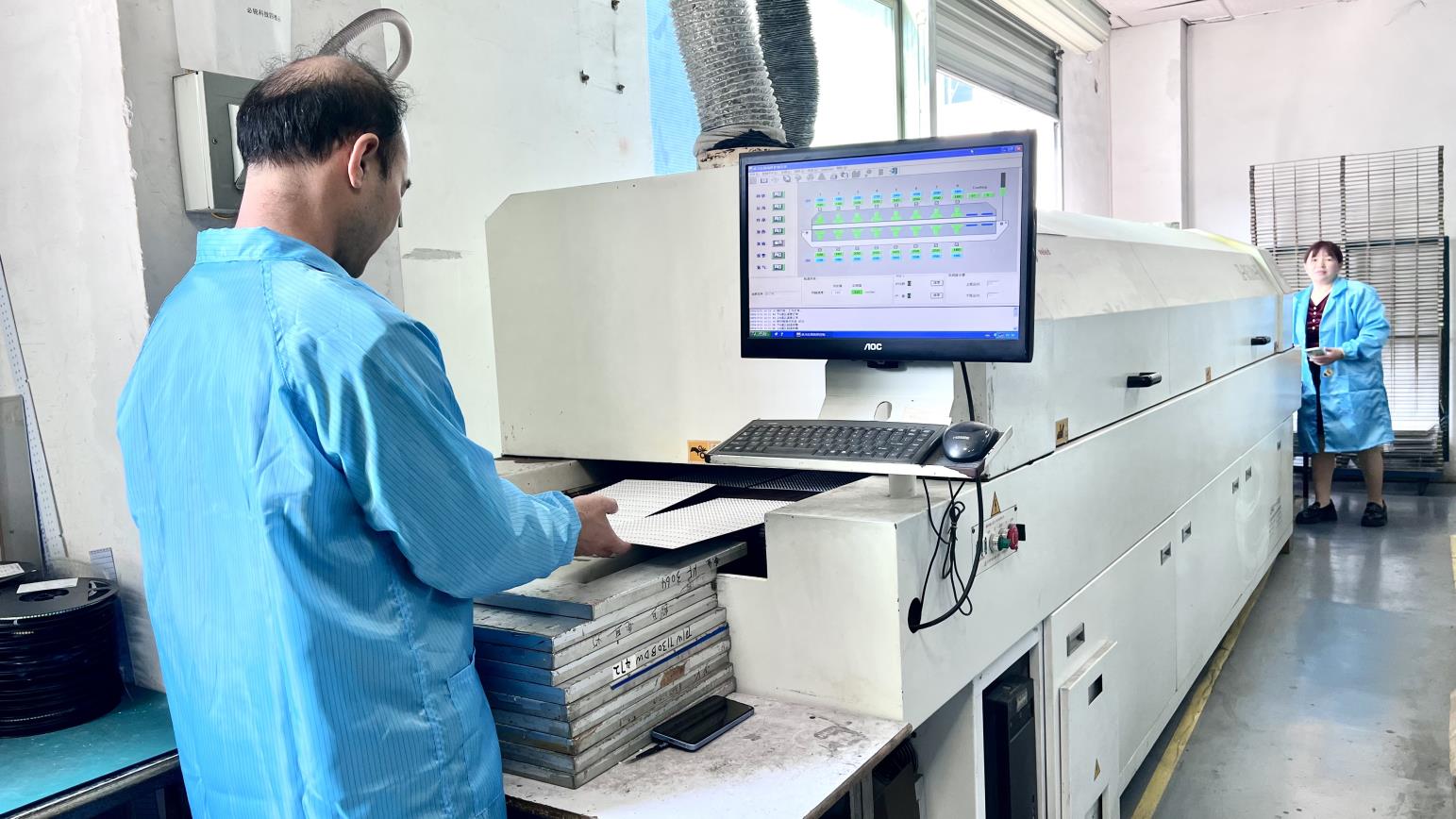
Maximizing ROI through localized industrial ecosystems and robust production integration.
Foshan is recognized globally as the heart of luminaire manufacturing. By hosting raw material suppliers, die-casting companies, chip packaging firms, and certified driver manufacturers in close proximity, Jable Light shortens raw material lead times and minimizes logistics-induced production latency.
Commercial construction designs often require customized track lengths, unique beam optics (15°, 24°, 36°, 60°), or custom finish colors (matte black, architectural white, brushed brass). Chinese factories excel at bespoke metal extrusion processes and rapid prototyping, offering tailored solutions with manageable MOQ thresholds.
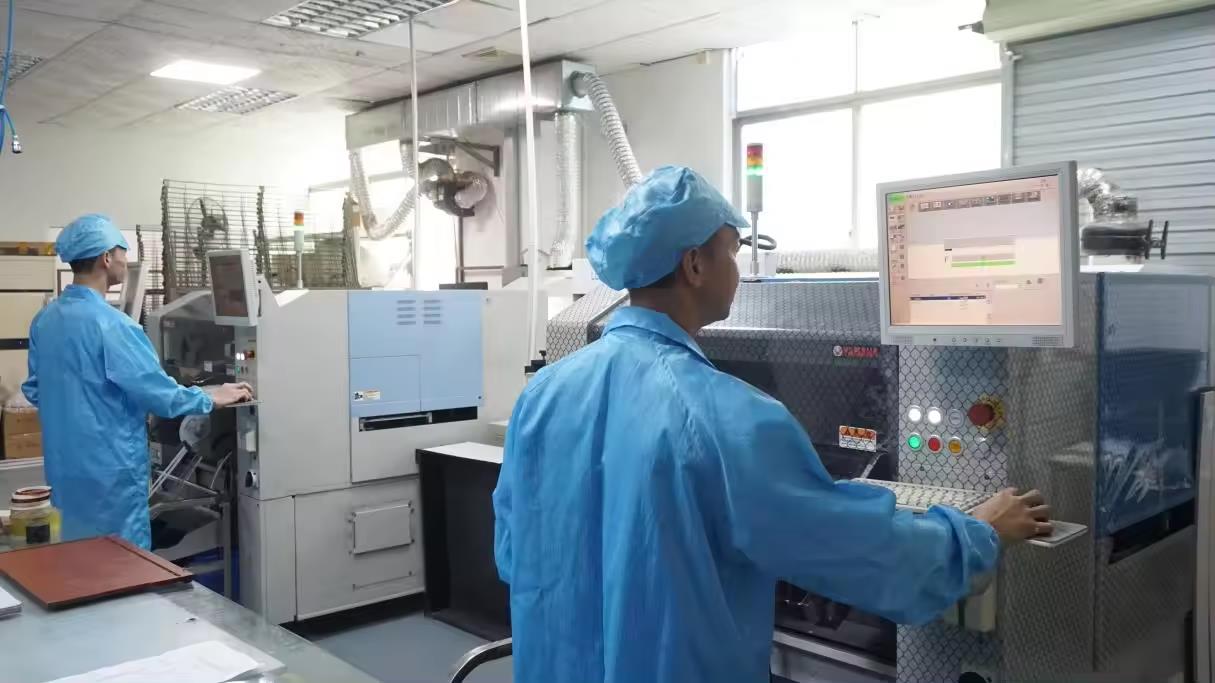
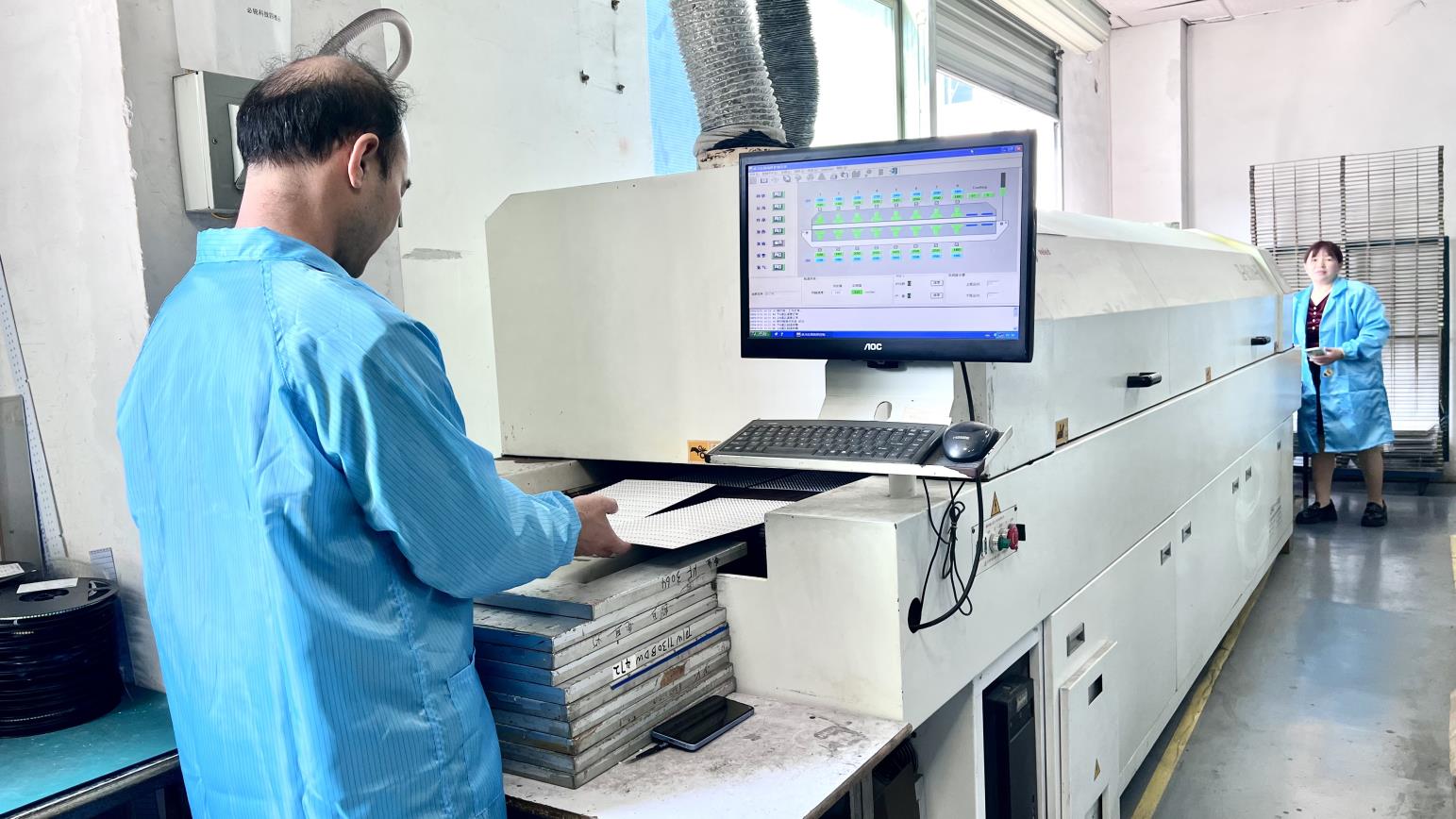
By leveraging automated SMT assembly lines, reflow soldering, and computer-guided goniophotometric testing, manufacturers like Jable Light ensure that every batch of COB LEDs matches color-consistency standards (SDCM < 3 or MacAdam Ellipse Step 3).
Exploring the integration of IoT, magnetic configurations, and high-efficacy drivers
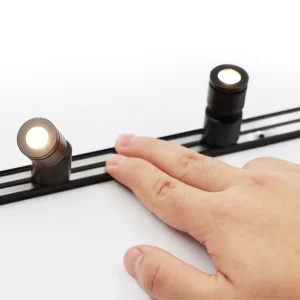
Traditional high-voltage tracks (220V/110V) require skilled technicians for fixture installation and relocation. The commercial landscape is shifting toward DC48V low-voltage magnetic track lighting systems. These tracks allow users to insert, slide, and configure fixture elements (spotlights, linear diffuse fixtures, pendant elements) safely and tool-free.
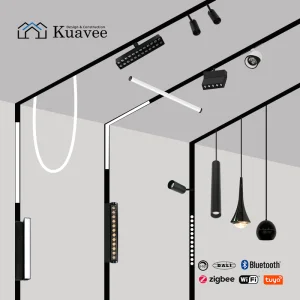
Modern commercial and hospitality lighting designs require dynamic brightness and color-temperature control. Factories are integrating smart-protocol chips directly into the track adapter head. DALI-2 (Digital Addressable Lighting Interface) offers precise, individually addressable zoning capabilities, while wireless Casambi and Zigbee solutions cut commissioning costs and simplify installation in renovation projects.
Tunable white technology matches indoor lighting spectrums with the natural progression of daylight. Using dual-channel COB LEDs and intelligent power drivers, users can transition from warm, relaxing tones (2700K) to cool, stimulating, productivity-focused illumination (6500K). This is particularly valuable in commercial office spaces and high-end residential interiors.
| Feature Category | Industry Benchmark | Strategic Value |
|---|---|---|
| Color Rendering Index (CRI) | Ra ≥ 90, R9 ≥ 50 | Accurate product color rendering in luxury retail stores. |
| Unified Glare Rating (UGR) | UGR ≤ 19 | Visual comfort, reduced eye strain in offices and schools. |
| Luminous Efficacy | ≥ 110 Lm/W | Meets European ErP directives, lowering operational costs. |
| MacAdam Ellipse | SDCM ≤ 3 | Eliminates visible color variation between adjacent fixtures. |
| Driver Lifespan | 50,000 Hours (L70B50) | Reduces long-term commercial maintenance overheads. |
Adapting modular track installations to meet specific project needs across diverse commercial sectors.
In retail displays and automotive showrooms, lighting must highlight texture, outline form, and accurately represent color. Utilizing high-CRI (Ra > 95) track heads with adjustable beam angles ensures merchandise is displayed in vivid detail, directly driving customer purchasing behavior.
Sensitive artworks, historical papers, and oil paintings require specialized lighting. Track systems equipped with zero-UV radiation lens configurations, variable focus adjustability (zoomable lens architectures from 10° to 45°), and smooth, flicker-free low-end dimming protect exhibits while delivering optimal visibility.
By combining linear diffuser inserts for task areas with accent spotlights for whiteboard zones, track networks offer highly adaptable lighting layouts. Integrated occupancy and ambient light sensors automatically dim fixtures when zones are unoccupied or when daylight is sufficient, helping offices meet strict green building standards.
Key considerations for engineering firms and procurement teams when auditing track lighting manufacturers.
A reputable factory should readily share comprehensive safety reports, including LVD and EMC test documentation issued by accredited test centers (such as TÜV Rheinland, SGS, or Intertek). Do not rely solely on a basic CE certificate; request the full test reports to verify details like component listings, thermal evaluations, and EMC emission sweeps.
Overheating is a primary cause of LED lumen depreciation and driver failure. Assess the construction of the fixture body; professional fixtures utilize die-cast aluminum (such as ADC12) with integrated cooling fins. Ask for the thermocouple test reports within the factory test documentation to verify that junction temperatures stay within safe operating margins during extended operation.
The electronic driver is often the weak link in an LED track lighting fixture. Confirm that the factory uses drivers from reputable, certified brands (such as Tridonic, Lifud, Philips, or Mean Well) that feature built-in overvoltage, short-circuit, and thermal protection, ensuring long-term system reliability.
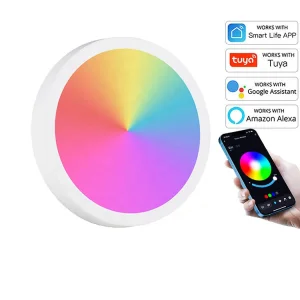
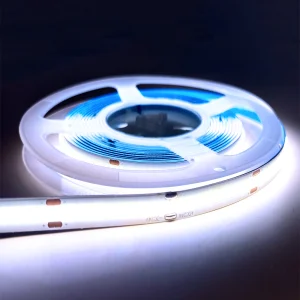
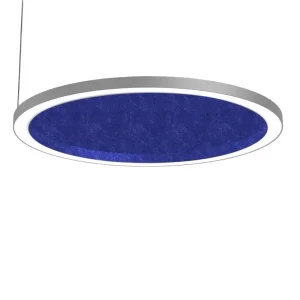
Explore our extended portfolio of smart controllers, ceiling modules, and custom architectural extrusions.
Resolving complex specification questions for architects, electrical installers, and purchasing managers.
 Jable Light