High-efficiency, certified illumination systems engineered for commercial, hospitality, and custom residential environments.
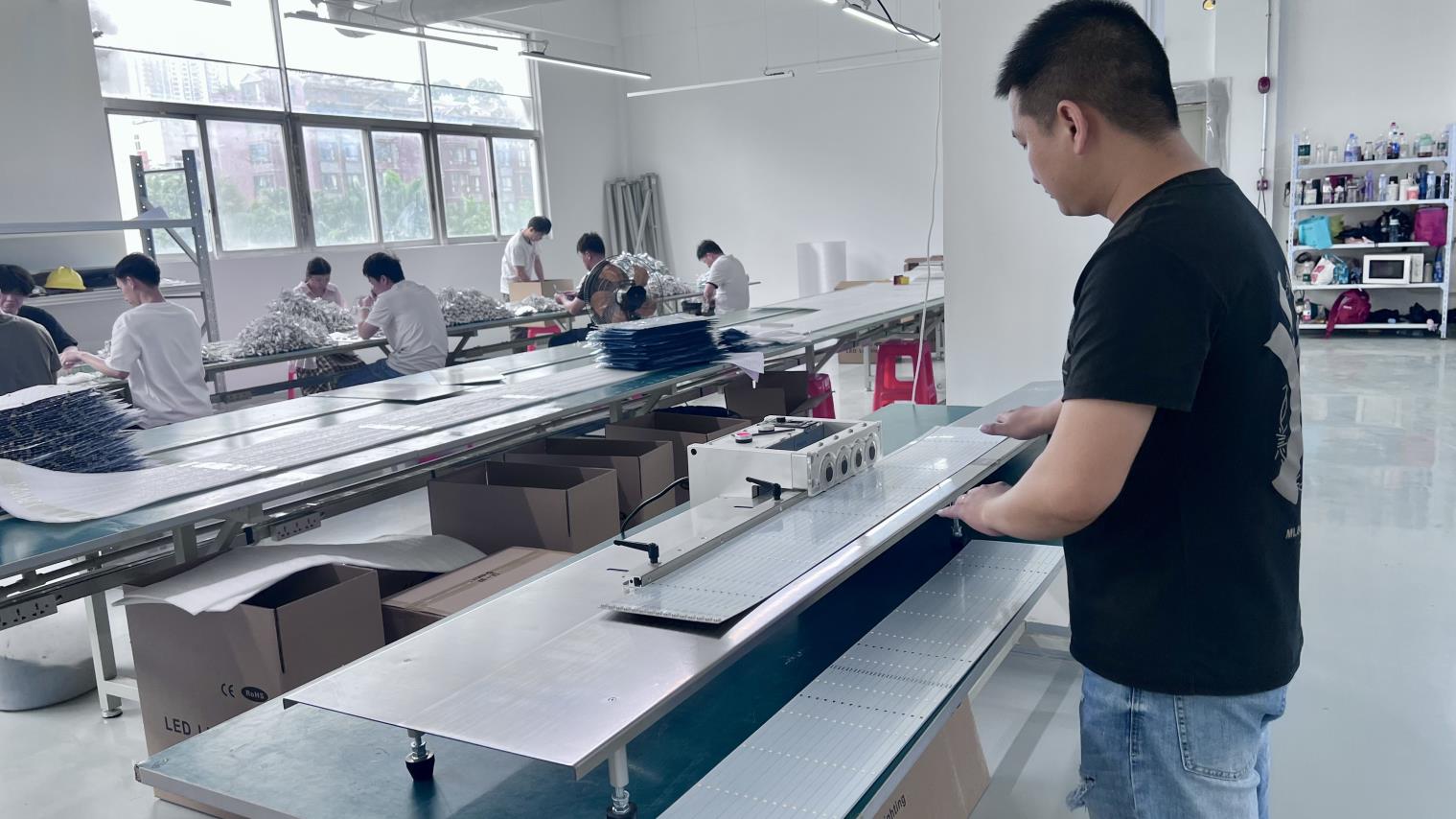
Established in 2006, Foshan Jable Light Co., Ltd. has evolved into a tier-one manufacturing pioneer in the global commercial and residential architectural lighting landscapes. Strategically headquartered within Foshan, the premier hardware and industrial engineering epicenter of southern China, our production facility features over 20,000 square meters of modernized manufacturing footprint. Our enterprise leverages the dedication of 300+ highly specialized assembly line operators, precision engineers, and quality inspection technicians to deliver top-tier lighting technologies worldwide.
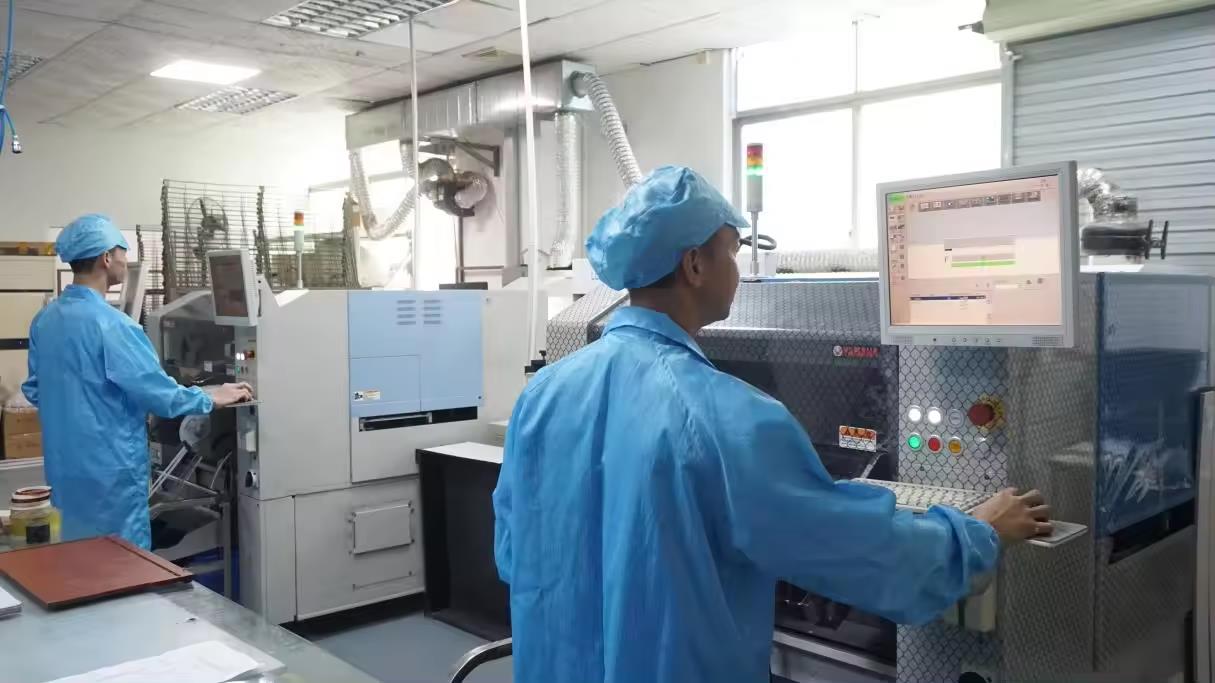
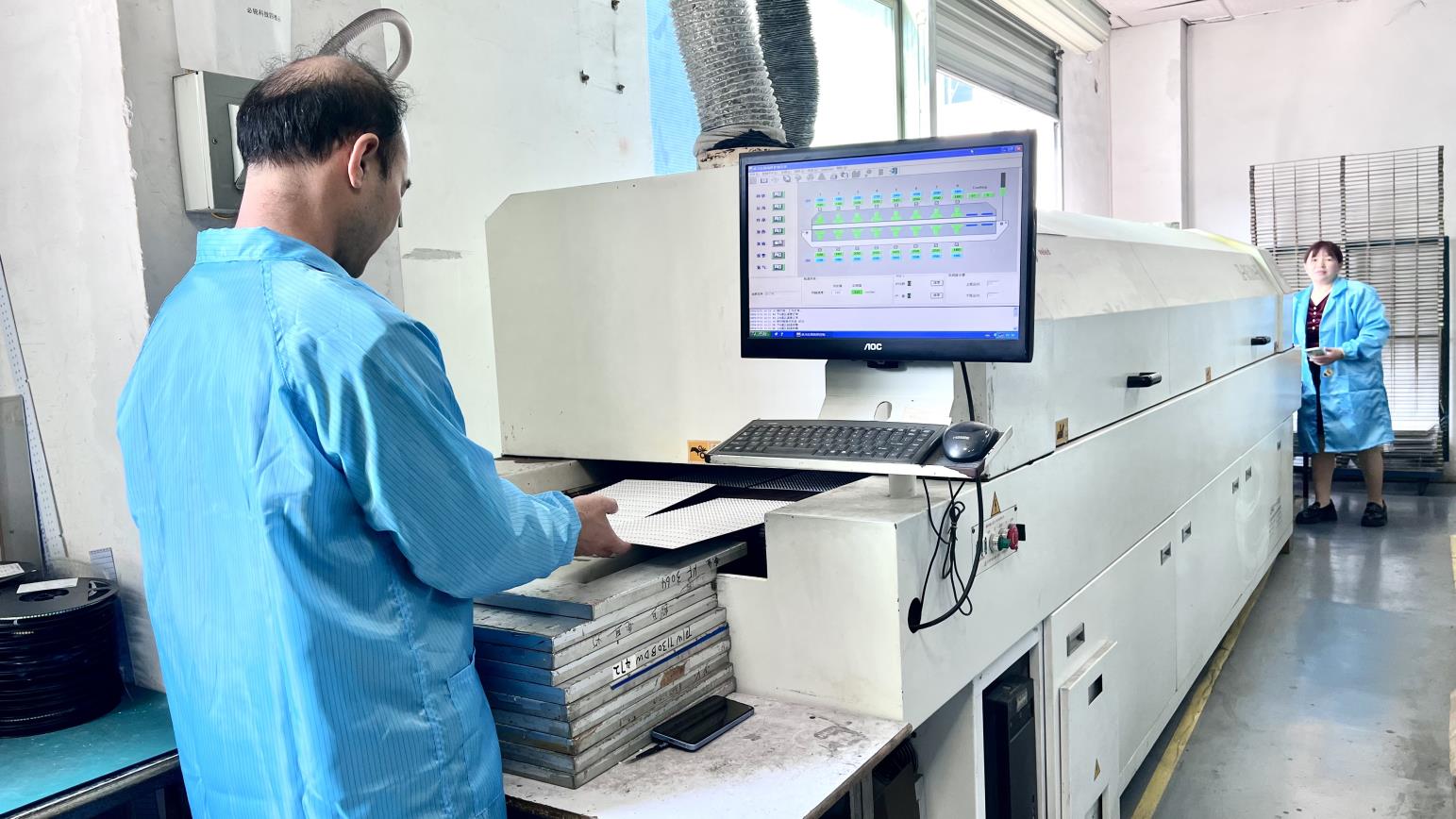
Our industrial output is backed by 8 state-of-the-art automatic production lines, integrating metal stamping, precision spinning, high-end injection molding, electro-static powder coating, and general assembly. By operating an integrated vertical supply chain, we maintain comprehensive cost control and strict tolerances on physical product quality. The financial growth curve of Jable Light highlights our reliability: with an annual export turnover exceeding USD $30,000,000, our operations exhibit an annual growth rate of 30%, which allows us to expand capacity to meet the demanding requirements of global architectural distributors, contracting firms, and OEM/ODM clients.
"Winning the global market requires a three-pillar foundation: exceptional OEM/ODM flexibility, strict compliance with international standards, and relentless R&D targeting thermal efficiency and visual ergonomics." — Jable Light Engineering Operations Director
Our adherence to premium manufacturing standards is reflected in our management systems and certifications. Jable Light fully complies with the TÜV ISO9001:2015 Quality Management System standards, implementing detailed 7S workshop practices. The resulting product portfolio is fully certified under regulatory marks including ETL, cETL, UL, CE, RoHS, and IP44/IP67, enabling seamless local compliance for importers, wholesalers, and general contractors in North America, Europe, and the APAC region.
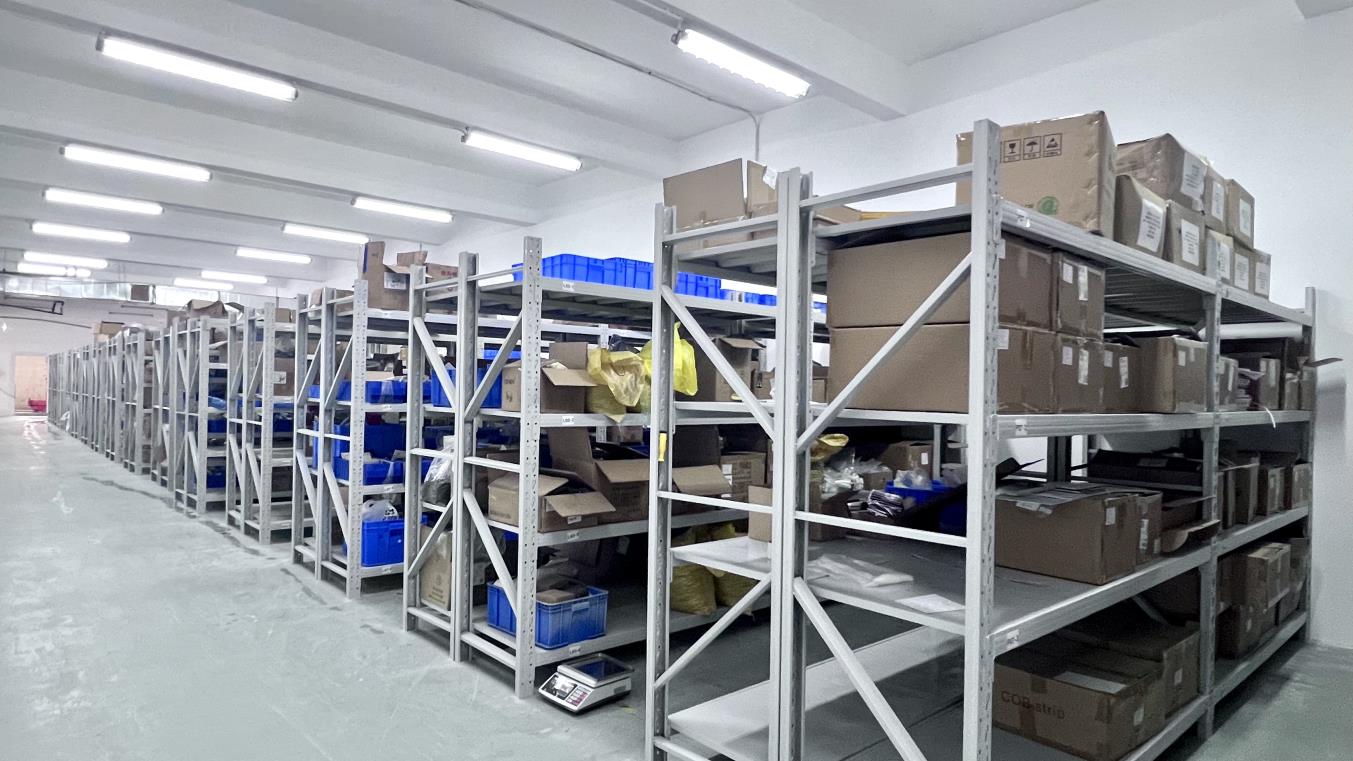
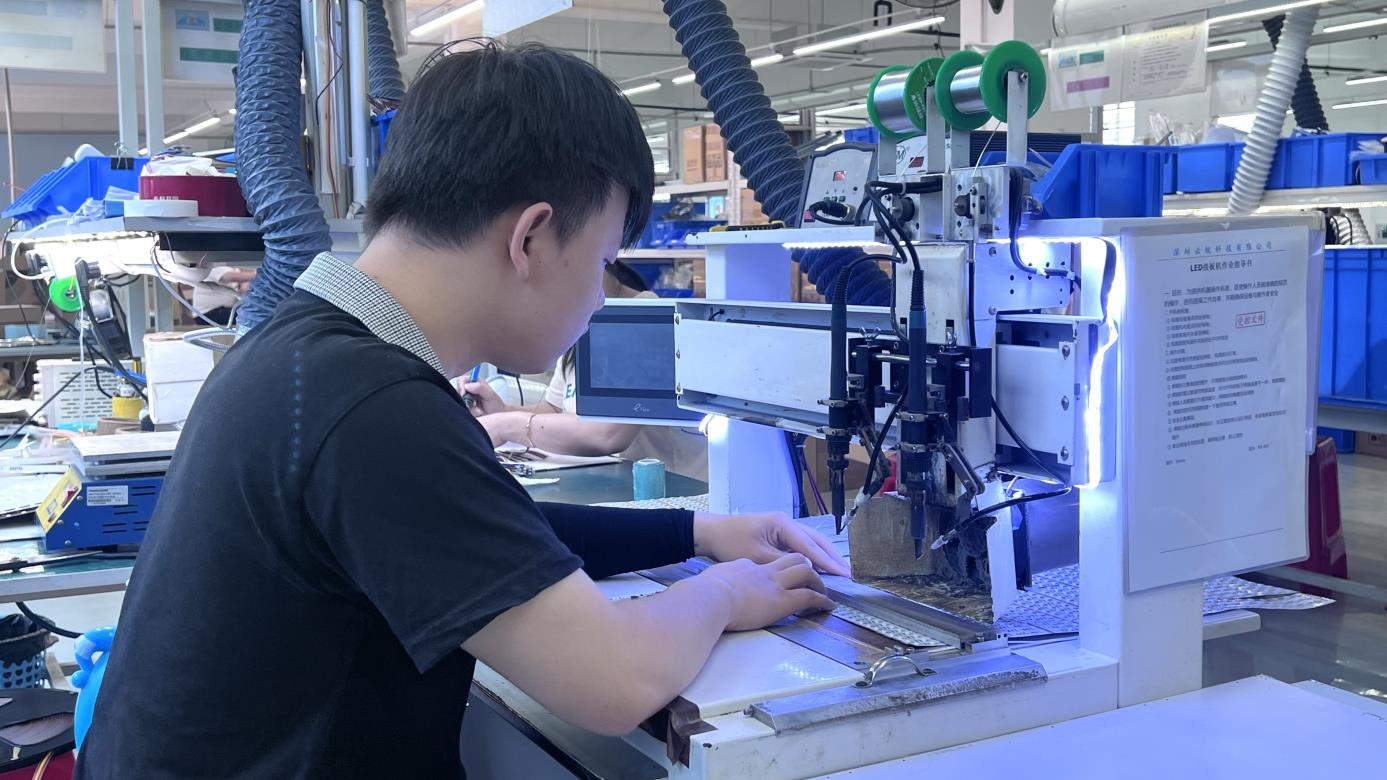
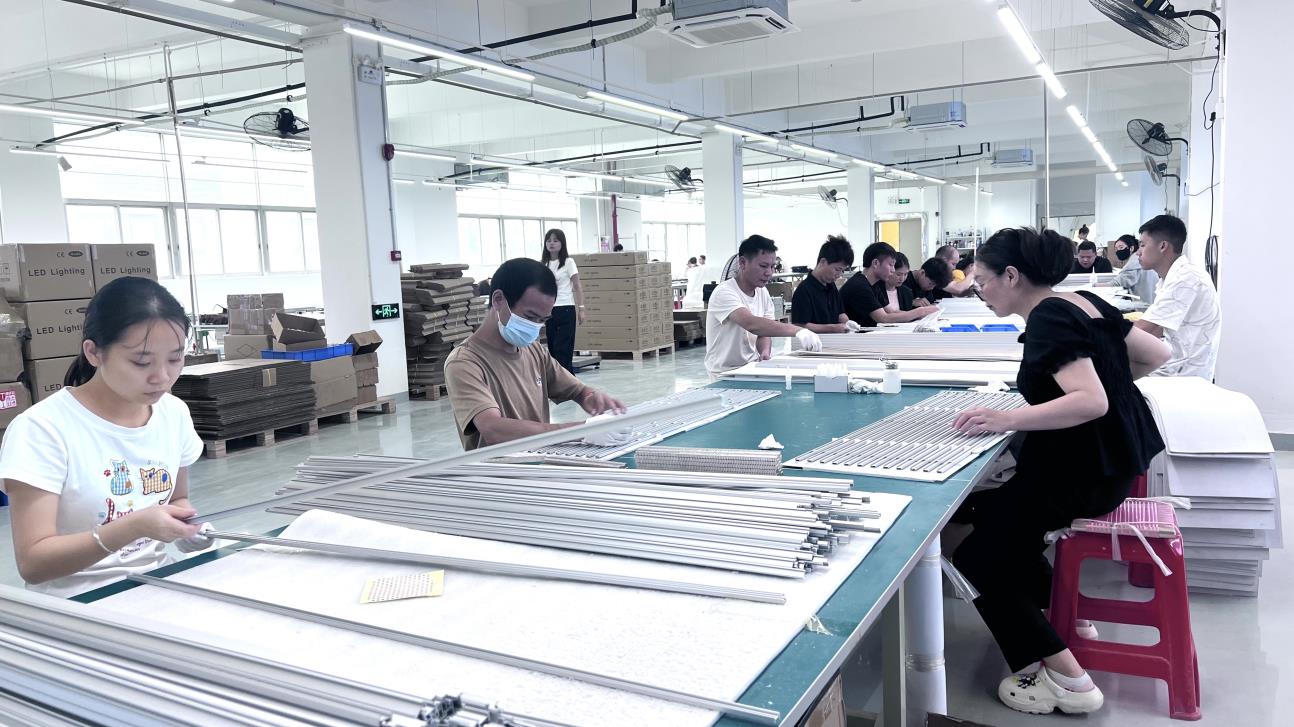
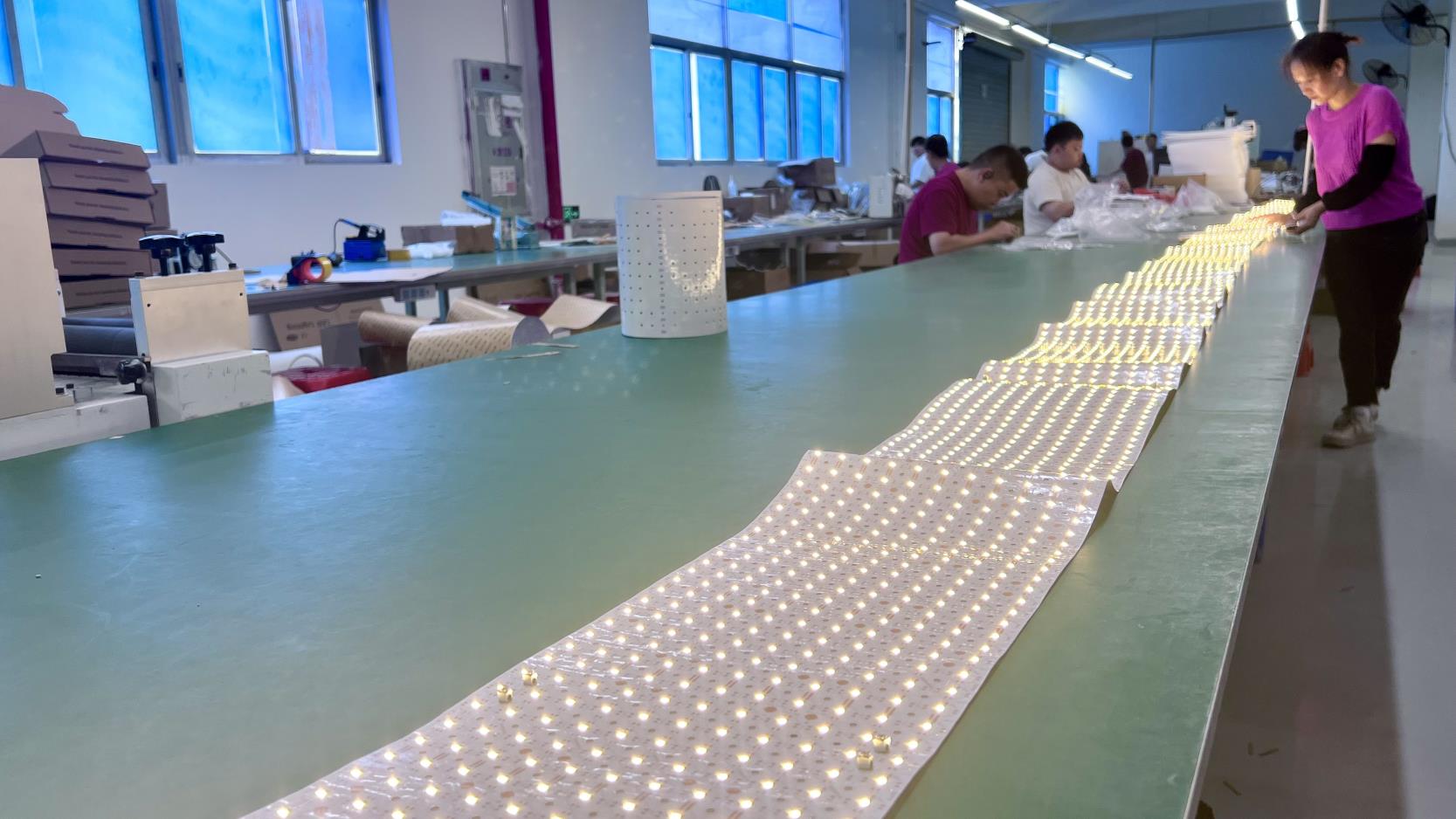
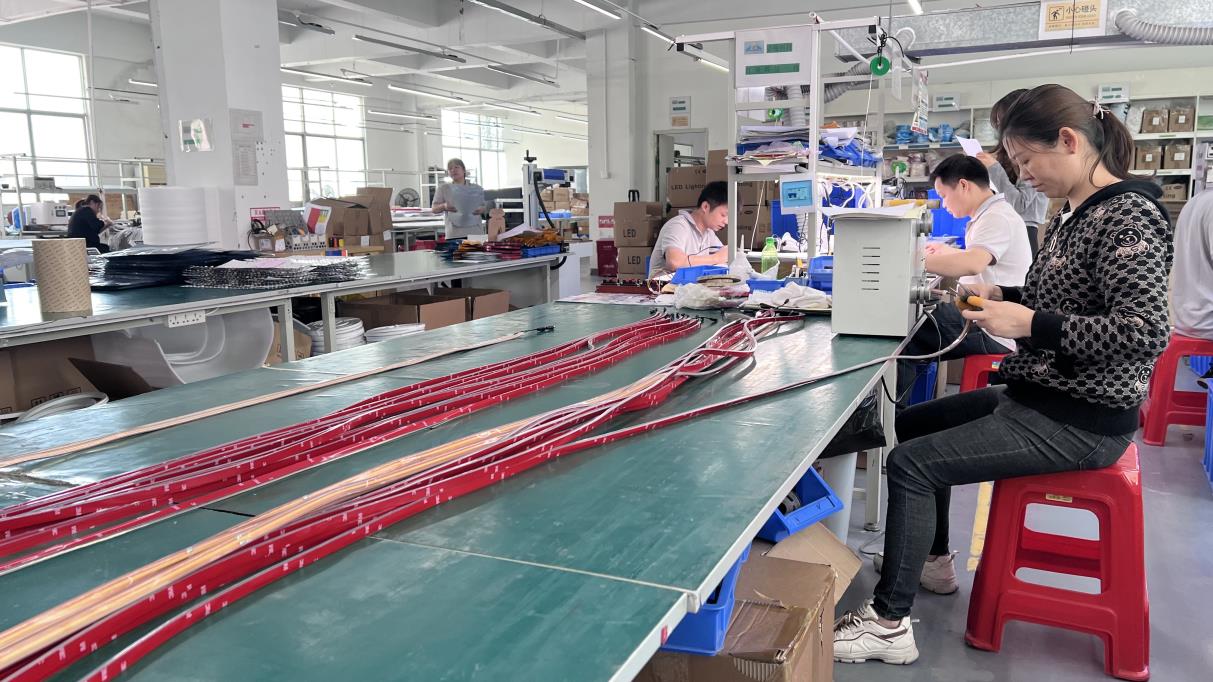
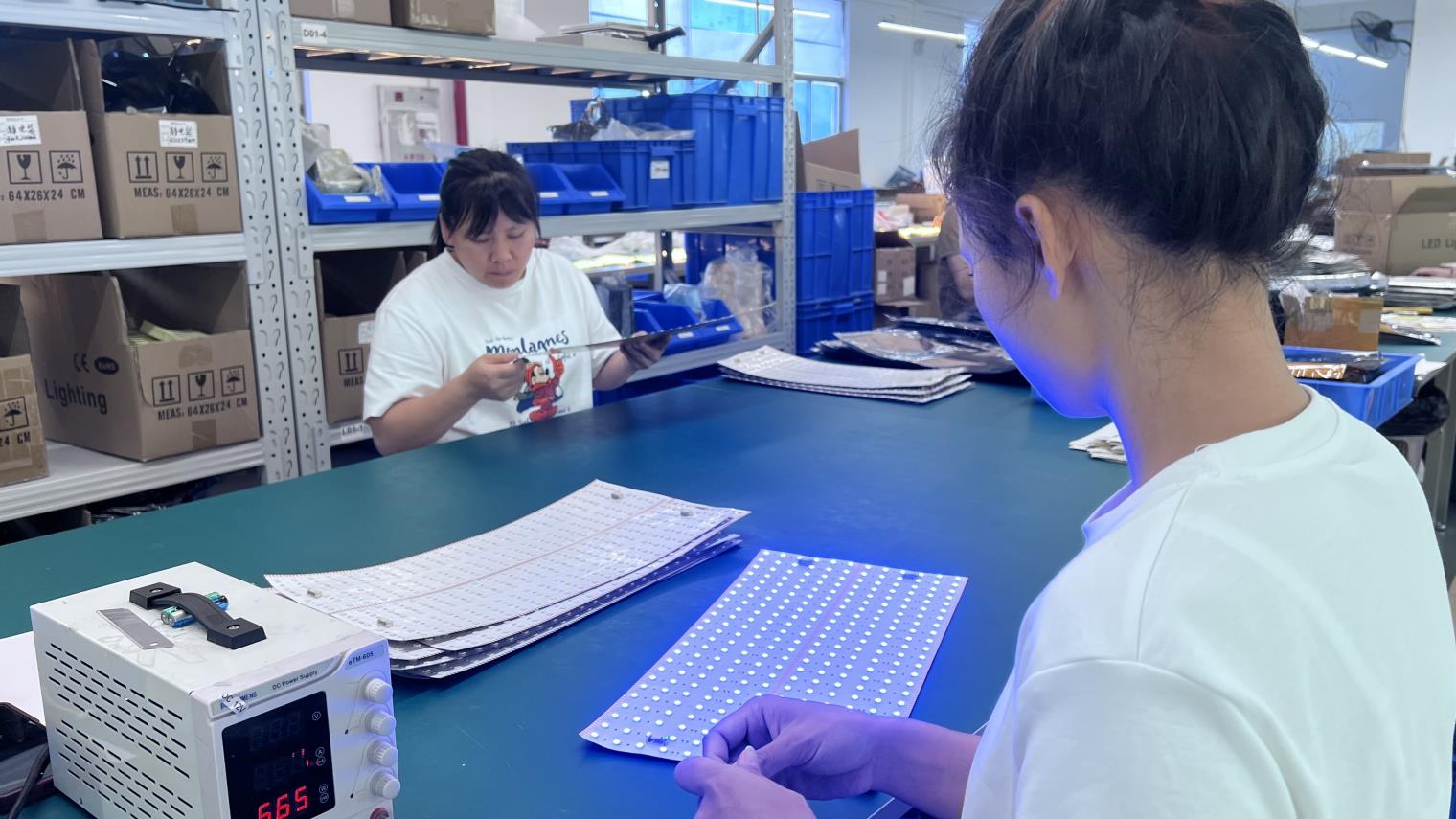
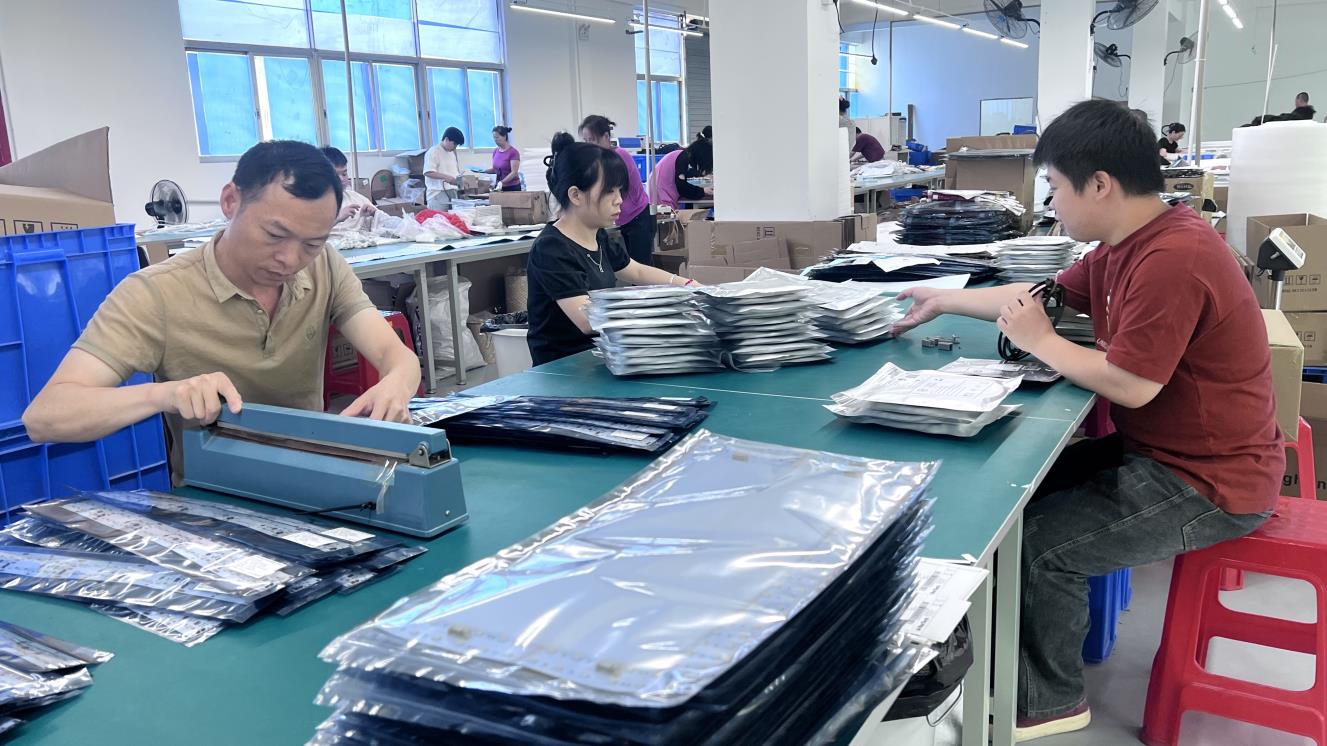
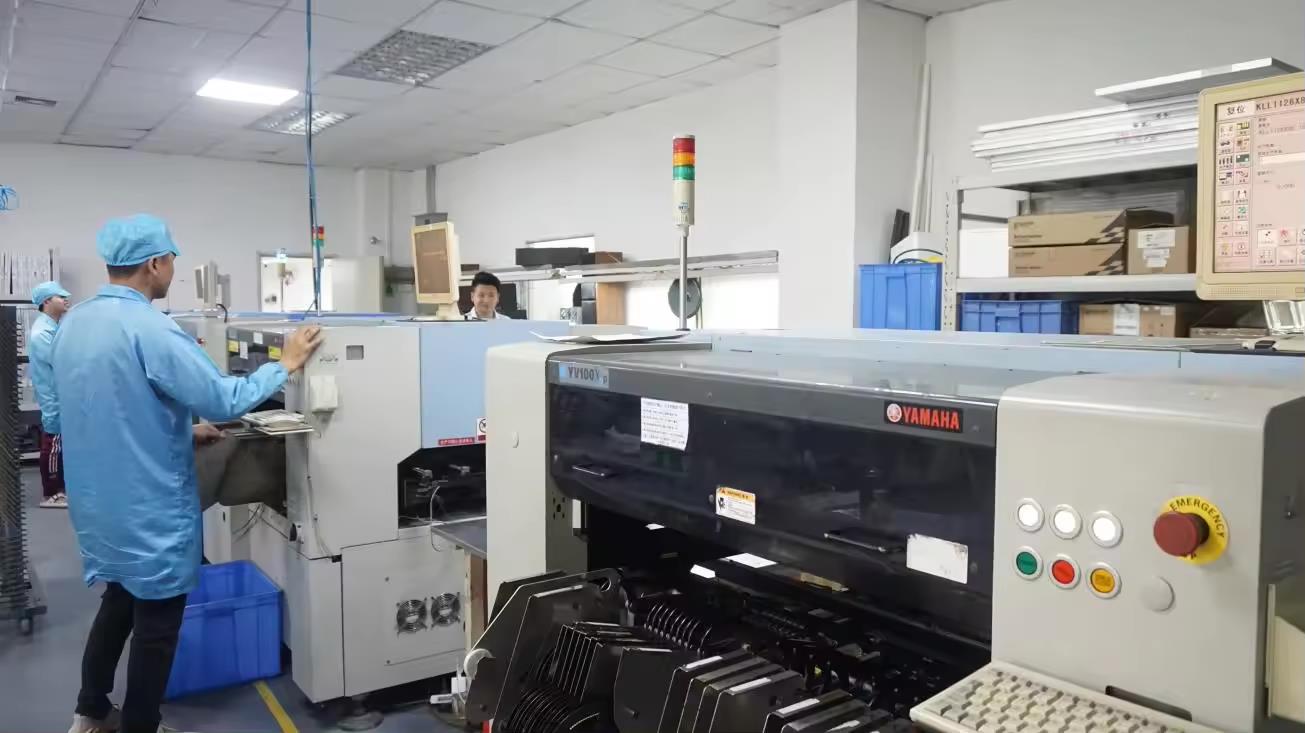
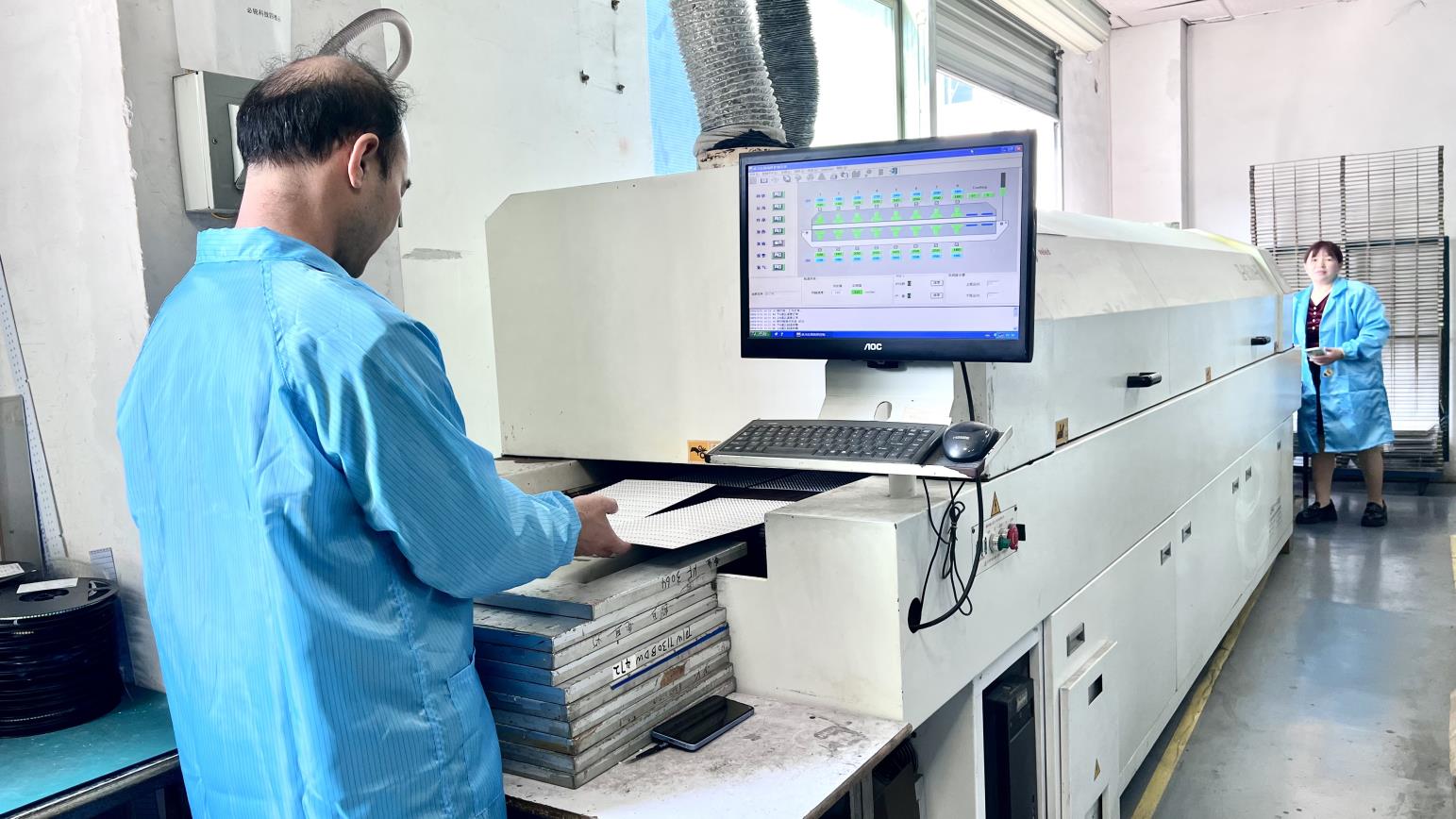
Explore our production facility, showcasing precision manufacturing from raw materials to optical testing and automated aging chambers.
The global lighting industry is transitioning from standard illumination to highly integrated, multi-functional ceiling systems. Historically defined by static, high-energy fluorescent troffers and simple incandescent flush-mount fixtures, the industry is entering an era driven by the convergence of smart technology, sustainability, and human-centric design. Driven by international decarbonization laws, building codes, and smart-city initiatives, modern commercial ceilings are transitioning from passive plasterboard arrays to active, grid-connected smart infrastructure hubs.
This paradigm shift has accelerated the adoption of technologies such as low-voltage magnetic track systems, integrated acoustic dampening panels, and custom-molded silicone neon profiles. These products are no longer isolated items but elements of larger architectural systems. Today's commercial buildings integrate lighting with HVAC, security systems, and workspace sensors. Manufacturers in China, notably within the Guzhen and Foshan industrial clusters, are shifting from basic component sourcing to vertical system integration, providing significant opportunities for global procurement managers.
Dynamic spectrum tuning mimicking natural sunlight to support circadian rhythms, enhance focus, and improve overall well-being in corporate environments.
Transition from traditional wall controls to IoT frameworks operating via Bluetooth Mesh, Zigbee 3.0, and DALI-2 systems for remote commissioning.
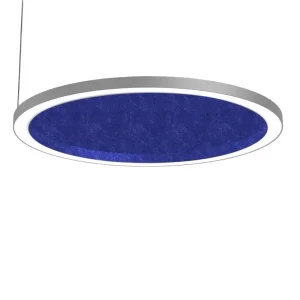
Combining high-density Sound Absorption Coefficient (NRC) felt materials with LED arrays to solve thermal management and sound reverberation challenges simultaneously.
Enterprise procurement teams in the commercial construction, hospitality, and public sector developments operate under strict constraints. Key priorities extend beyond simple unit costs (FOB price) to include total cost of ownership (TCO), supply chain transparency, quality assurance, and long-term performance stability. Procurement strategies must adapt to changing market requirements:
Modern commercial buildings demand integrated lighting solutions that balance aesthetics, functionality, and energy efficiency. Standard off-the-shelf fixtures often fail to meet the performance demands of high-traffic commercial spaces. Project-oriented sourcing focuses on three main application areas:
Modern open-plan offices face acoustic and lighting challenges. Noise distractions reduce productivity, while improper glare causes visual fatigue. Integrated acoustic lighting solutions address both issues. By combining high-density recycled felt panels with dimmable, low-glare LED modules, these fixtures absorb ambient sound while providing uniform glare-free illumination (UGR<19). This dual-function approach simplifies ceiling installations and reduces overall material costs.
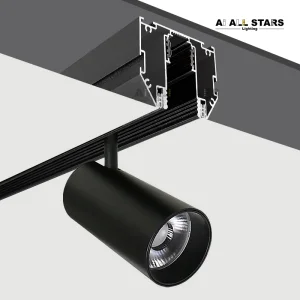
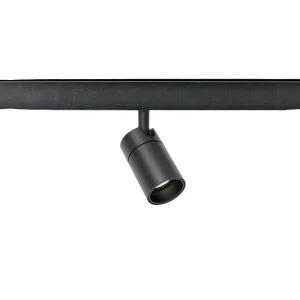
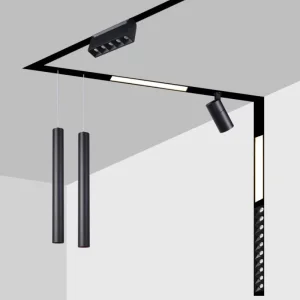
Modern spaces require flexible lighting systems that adapt to layout changes. Low-voltage magnetic track systems (DC48V) allow designers to insert, remove, and reposition linear downlights, accent spotlights, and ambient frosted diffusers without rewiring. This system ensures safety during adjustments, while integrated DALI or Bluetooth control chips enable independent zoning and dimming for each module on the track.
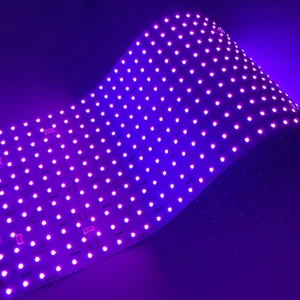
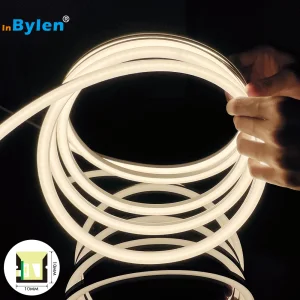
Achieving clean lines and uniform illumination in complex ceiling designs is challenging. Traditional light strips often produce visible hotspots and uneven light distribution. Modern silicone extrusion neon flex profiles and tension fabric backlighting systems solve this issue. The chemical properties of UV-stabilized, high-transmission silicone ensure uniform light diffusion and weather resistance, allowing designers to create clean, curved ceiling designs without dark spots.
Entering international markets requires strict compliance with local safety and quality standards. Importers must verify that their products meet all regional regulatory requirements to avoid customs delays or liabilities. Working with a compliant manufacturer ensures products are ready for immediate distribution.
Compliance with UL1598 (Luminaires) and UL2108 (Low Voltage Lighting Systems) is critical. Certification via ETL/cETL or UL guarantees that drivers and components meet regional safety codes.
Products must meet CE directives, including LVD (Low Voltage Directive), EMC (Electromagnetic Compatibility), and RoHS restrictions on hazardous substances.
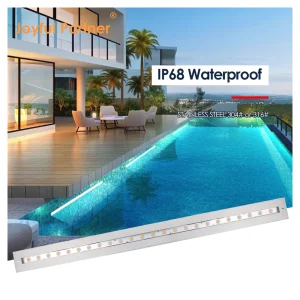
IP44 ratings are required for general commercial spaces, while high-humidity areas like outdoor corridors or clean rooms require IP65 or IP67 ingress protection.
In addition to certifications, localization support is a key differentiator for top-tier suppliers. Sourcing managers benefit from partners that offer local warehousing, ready-to-ship spare parts, and fast warranty processing. These support services help reduce project lead times and lower storage costs for importers.
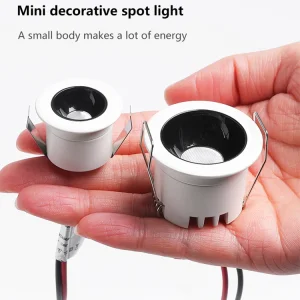
Looking ahead, the development of architectural ceiling lighting focuses on higher efficiency, miniaturization, and advanced control systems. Suppliers are investing in research and development to bring next-generation lighting solutions to market:
Answers to key technical, quality, and logistical questions for B2B procurement managers.
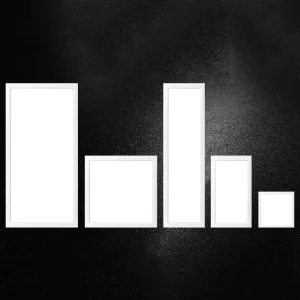
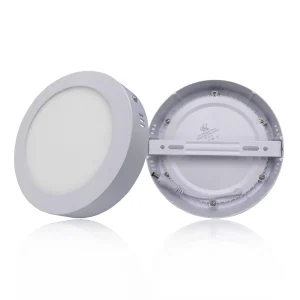
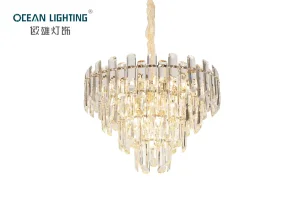
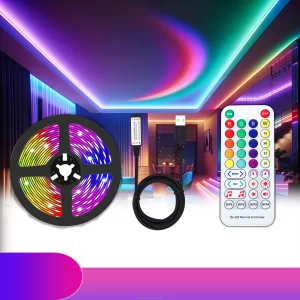
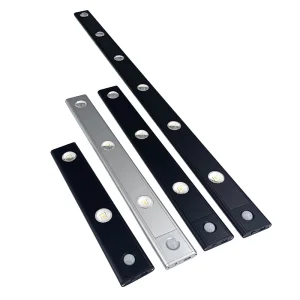
Explore our specialized lighting systems, engineered for high luminous efficacy and architectural integration.
 Jable Light