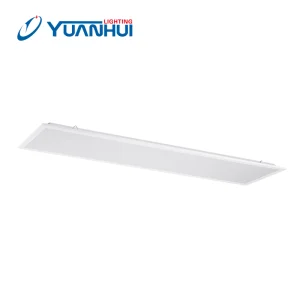
The global transition toward carbon neutrality, green building initiatives, and human-centric spaces has propelled the LED panel ceiling lighting market into a new era of technological sophistication. No longer viewed as merely utility fixtures, panel ceiling lights represent critical infrastructure components that directly impact occupant productivity, operational energy efficiency, and modern interior aesthetics. According to recent market analysis, commercial facilities like corporate office headquarters, hospitals, universities, and high-tech manufacturing cleanrooms now mandate panel installations that guarantee high luminous efficacy paired with smart controls integration.
Commercial lighting design today prioritizes the Unified Glare Rating (UGR), spectral power distribution, and thermal longevity. As building codes across North America, Europe, and Asia-Pacific tighten, traditional fluorescent troffers are rapidly being phased out. They are being replaced by edge-lit and backlit LED panel lights that integrate with Building Management Systems (BMS) through advanced protocols such as DALI-2, 0-10V analog dimming, and PoE (Power over Ethernet). In this highly competitive market, global procurement teams must identify suppliers who understand these intricate compliance protocols and maintain manufacturing pipelines capable of delivering highly customized architectural specifications.
To maximize Information Gain during the procurement process, structural engineering departments must distinguish between two primary panel designs: Backlit (Direct-lit) and Edge-lit. Both architectural solutions serve distinct design parameters but vary significantly in material composition, thermal dissipation, and long-term optical stability.
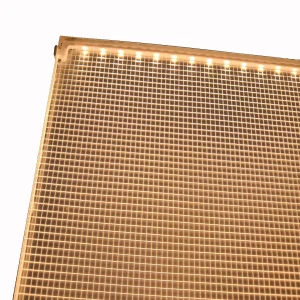
Edge-lit configurations feature LED chips mounted on the perimeter of the aluminum frame. Light is projected horizontally into a Light Guide Plate (LGP), which uses laser-etched micro-dots to redirect light downwards through a diffuser. This configuration allows for ultra-slim profile form factors (frequently under 9mm thick), making them perfect for shallow ceiling plenums. However, LGP material quality is vital; low-quality Polystyrene (PS) components will yellow within 12–18 months under constant UV and heat exposure. Top tier designs require PMMA (Polymethyl Methacrylate) or MS (Methyl methacrylate-styrene) to prevent optical degradation.
Backlit panels place the LED arrays directly behind the diffuser lens, projecting light forward through a deeper optical chamber (typically 30mm to 50mm). Because they do not rely on an LGP to redirect light, backlit designs boast higher luminous efficacy (often exceeding 130–140 lumens per watt) and are naturally immune to LGP yellowing issues. They are highly valued in industrial applications where efficiency outweighs the requirement for an ultra-thin profile. Advanced optical lenses are placed over each individual LED chip to ensure wide-angle, shadow-free, and perfectly uniform spatial distribution.
The reliability of any ceiling panel is determined by its driver and aluminum extrusion chassis. High-performance drivers must have low total harmonic distortion (THD < 15%) and flicker-free properties to mitigate eye strain and comply with IEEE 1789-2015 standards. Extruded 6063 aluminum frames act as an efficient passive heat sink, keeping junction temperatures low. This prevents rapid lumen depreciation, preserving the lifespan of the high-output SMD2835 or SMD4014 LED packages.
| Performance Parameter | Edge-lit LED Panels | Backlit LED Panels | Architectural Impact |
|---|---|---|---|
| Optical Thickness | Ultra-thin (8mm - 12mm) | Standard depth (30mm - 45mm) | Edge-lit fits restricted plenum spaces perfectly. |
| Luminous Efficacy | 100 - 120 lm/W | 120 - 150 lm/W | Backlit offers 15-20% higher operational cost savings. |
| Optical Degradation Risk | Moderate (Depends on LGP PMMA quality) | Very Low (No LGP required) | Backlit panels maintain pure white color without yellowing. |
| Glare Control (UGR) | Excellent (Easily achieves UGR < 19) | Good (Requires Micro-prismatic diffusers) | Crucial for meeting office and classroom visual comfort standards. |
Sourcing lighting from China provides a competitive edge that extends far beyond labor costs. The southern provinces of China, particularly cities like Foshan and Shenzhen, house the world's most dense LED manufacturing clusters. This geographic concentration creates a highly optimized supply chain where raw materials, SMT components, extrusion plants, driver fabricators, and certified testing labs operate within a 50-mile radius.
For global procurement managers, this cluster ecosystem yields several major advantages:
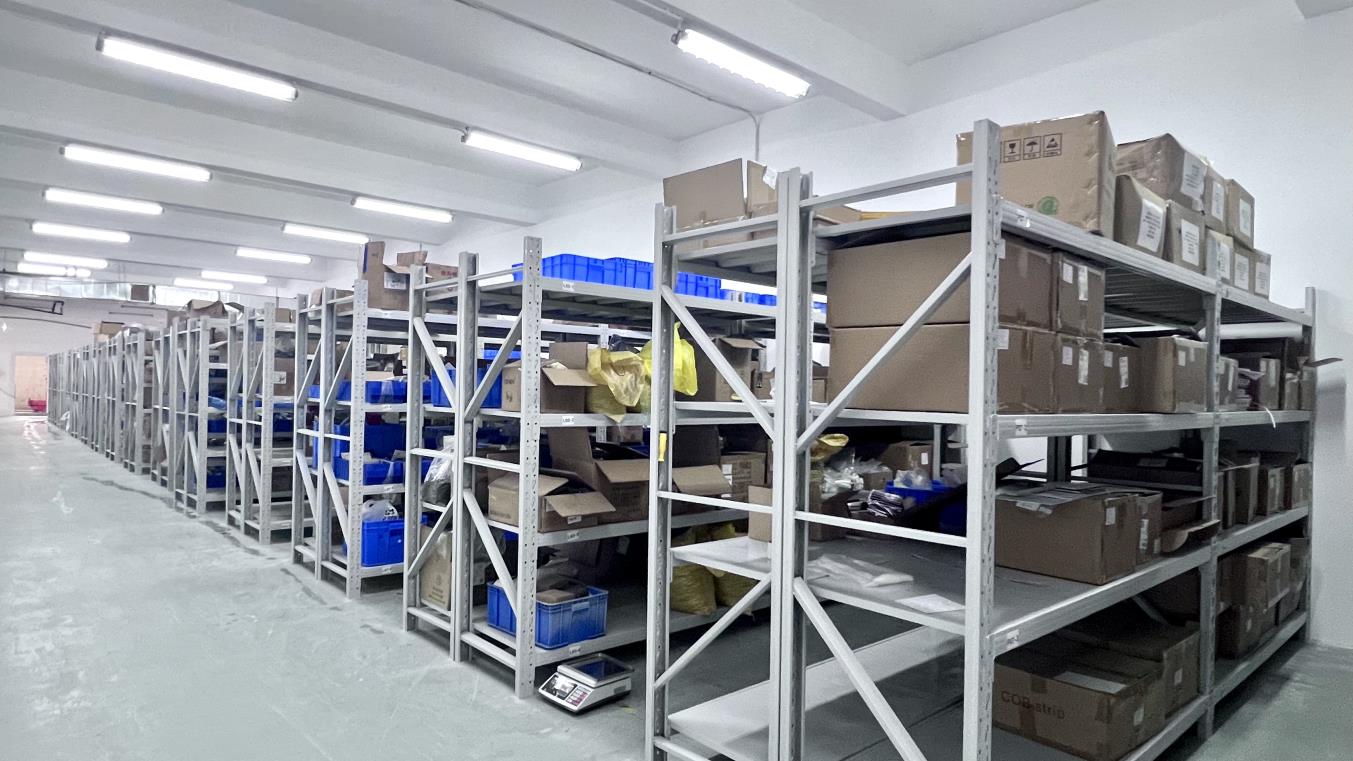
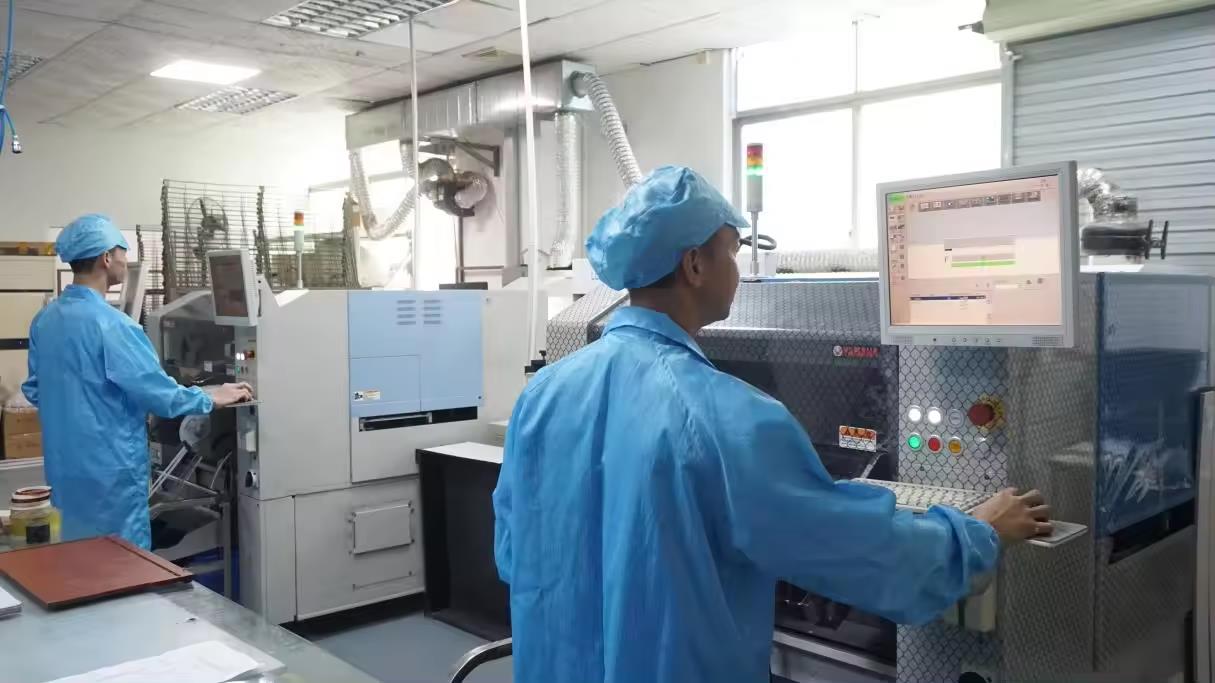
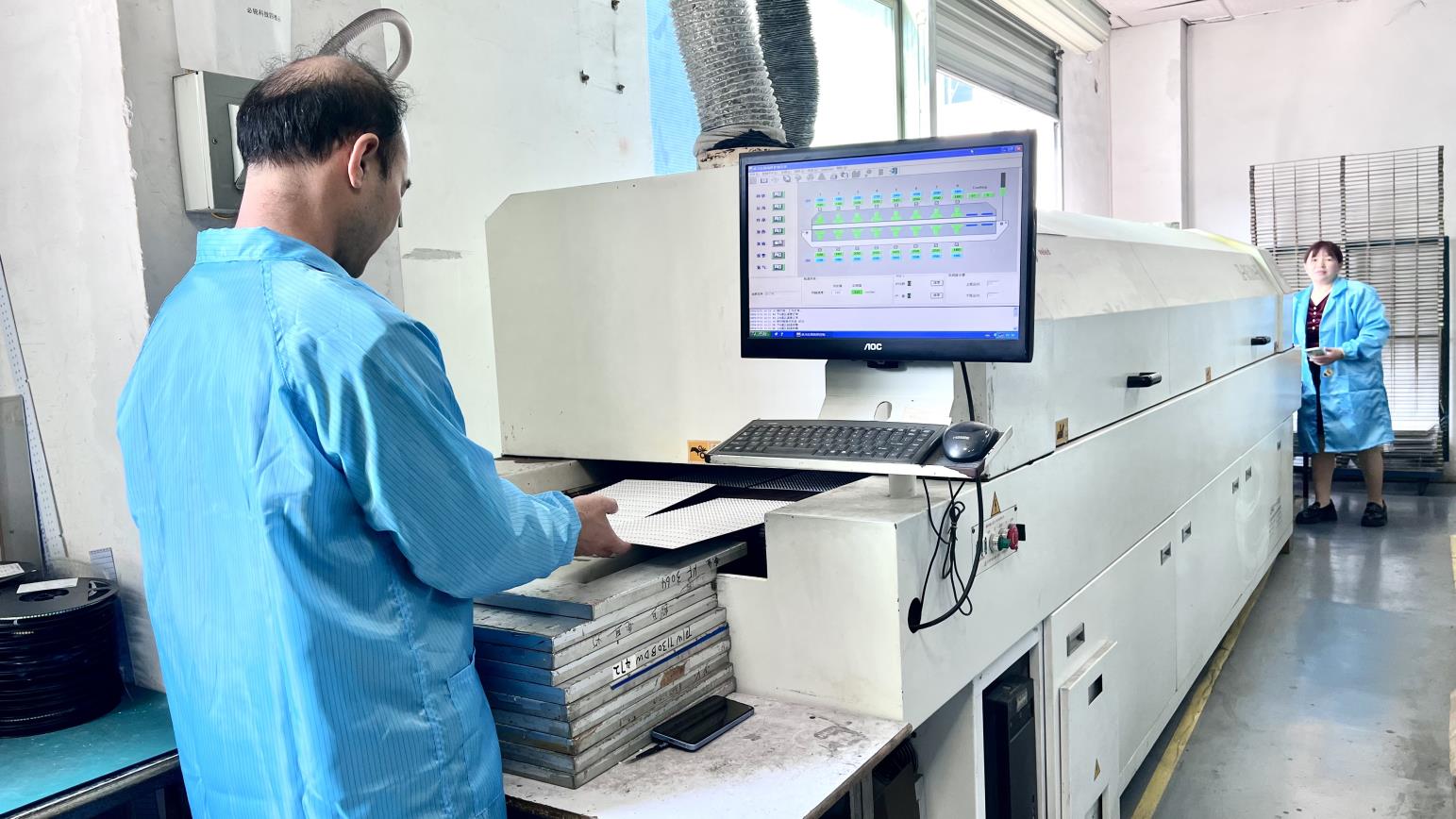
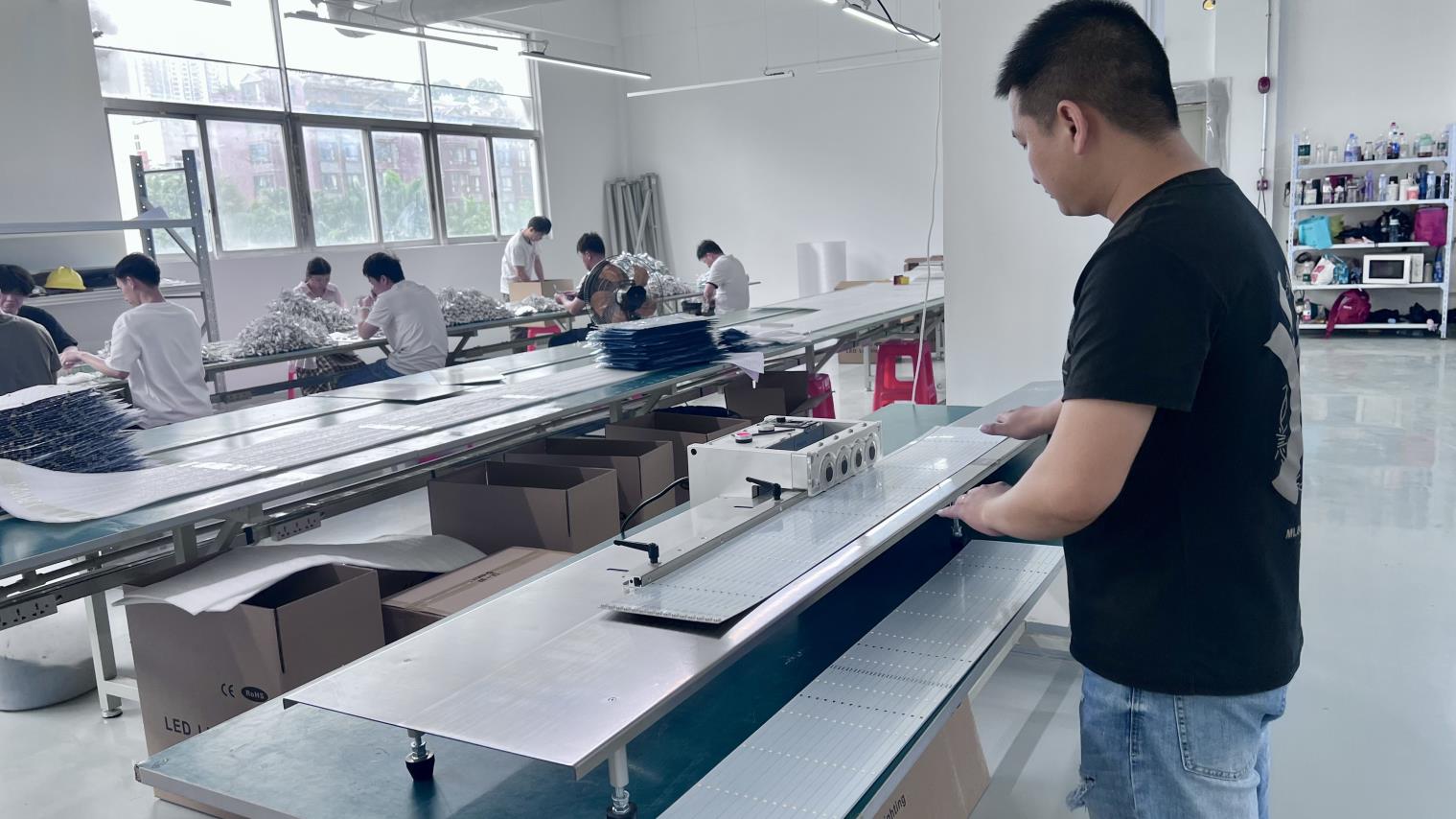
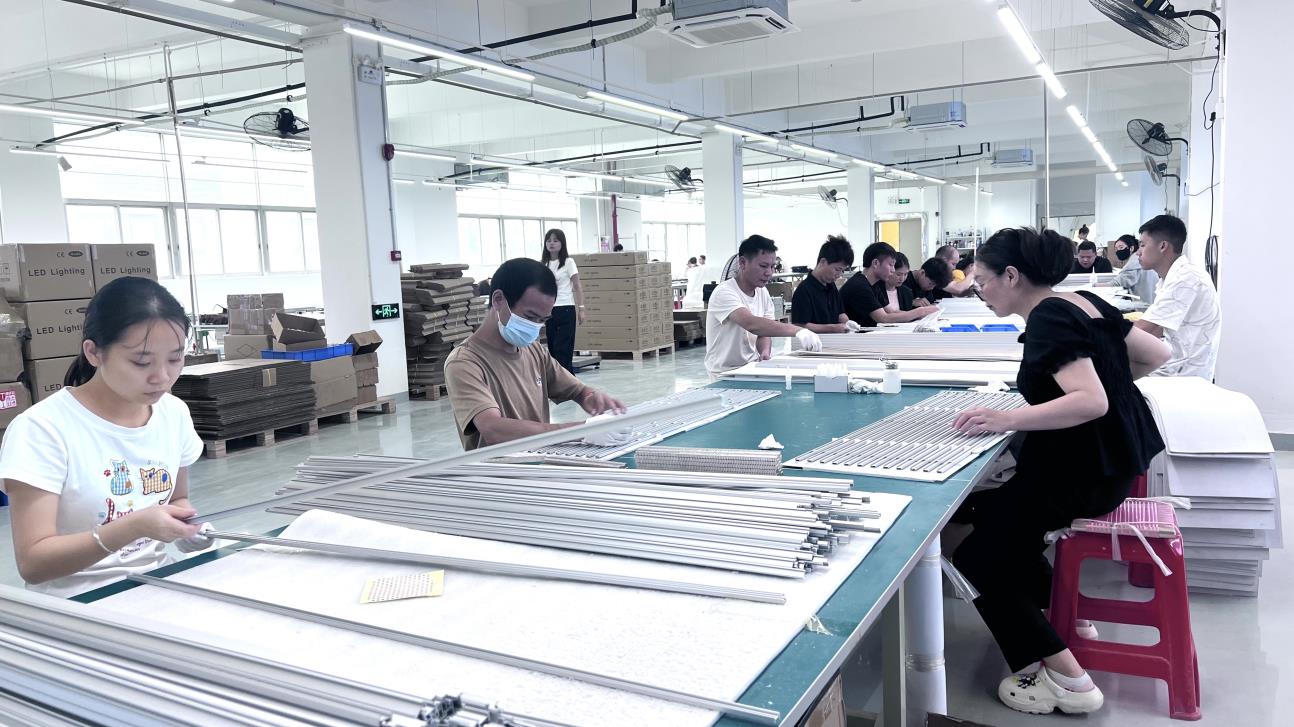
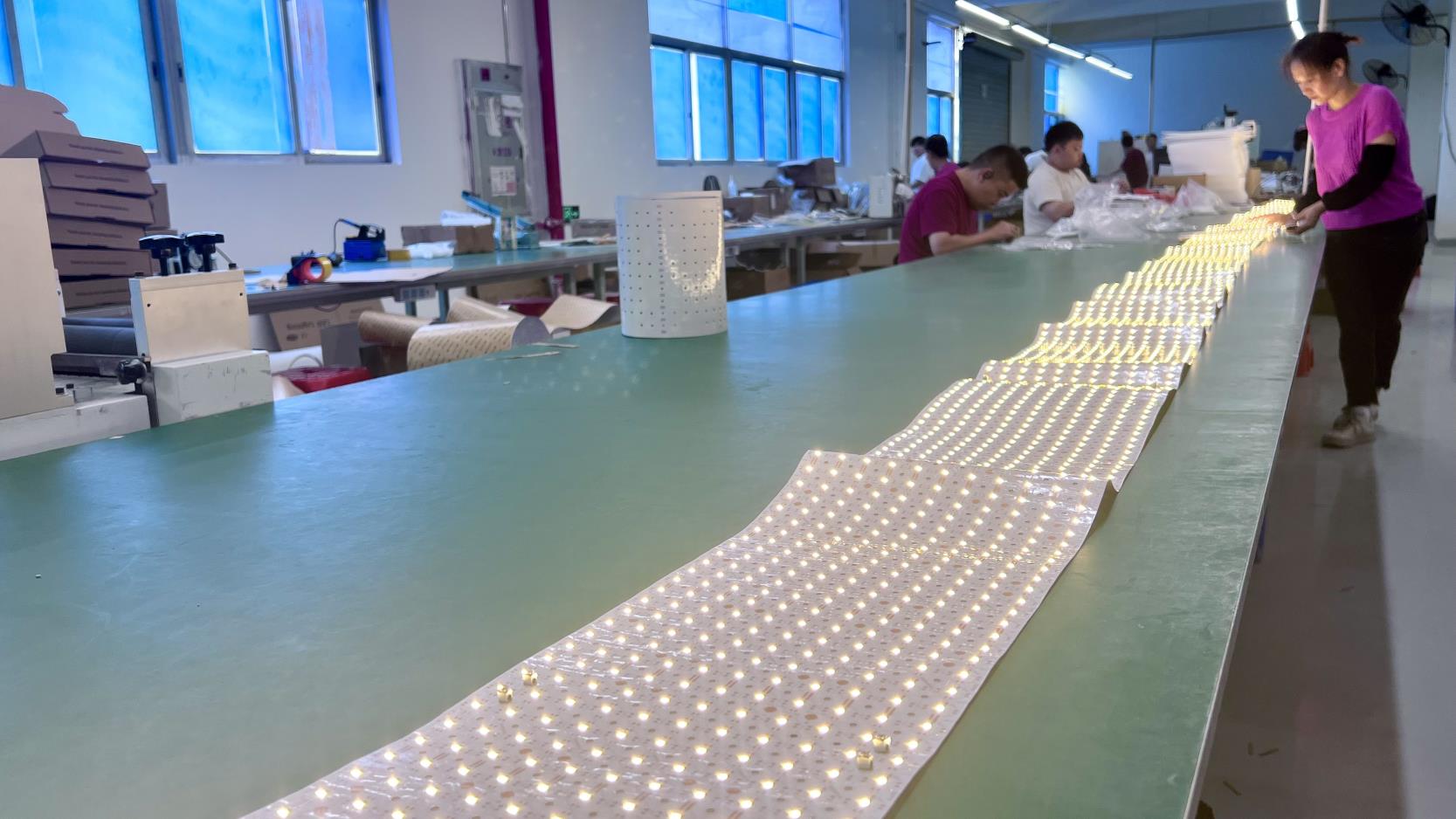
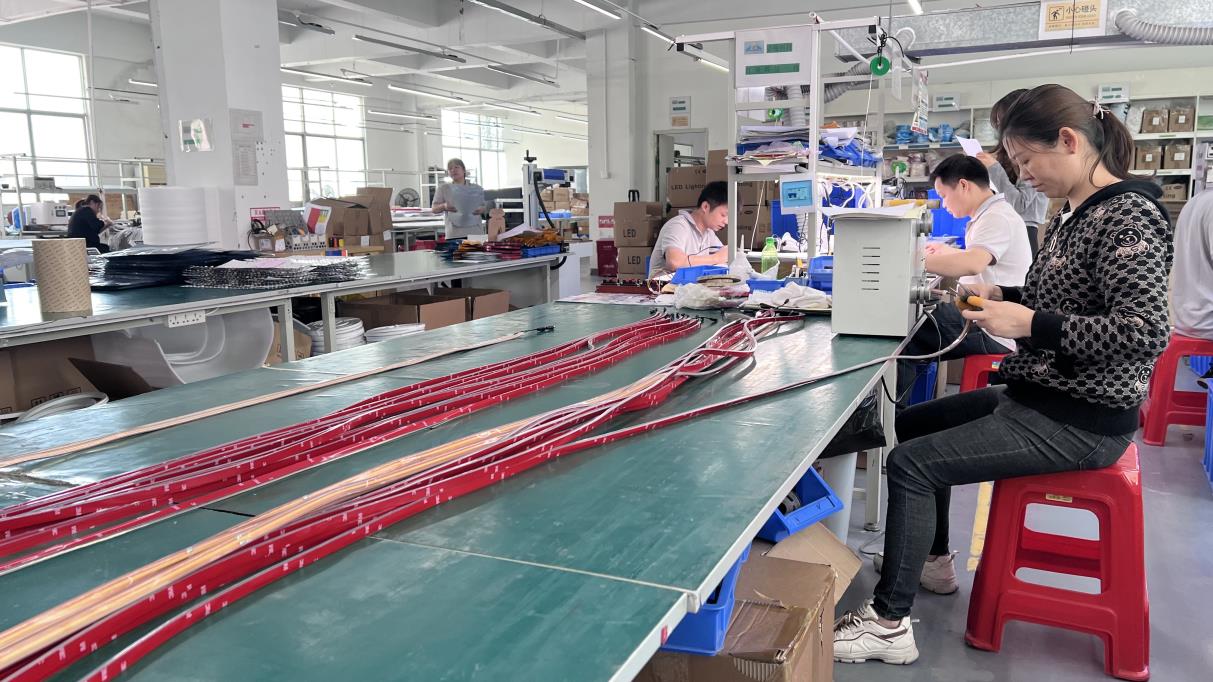
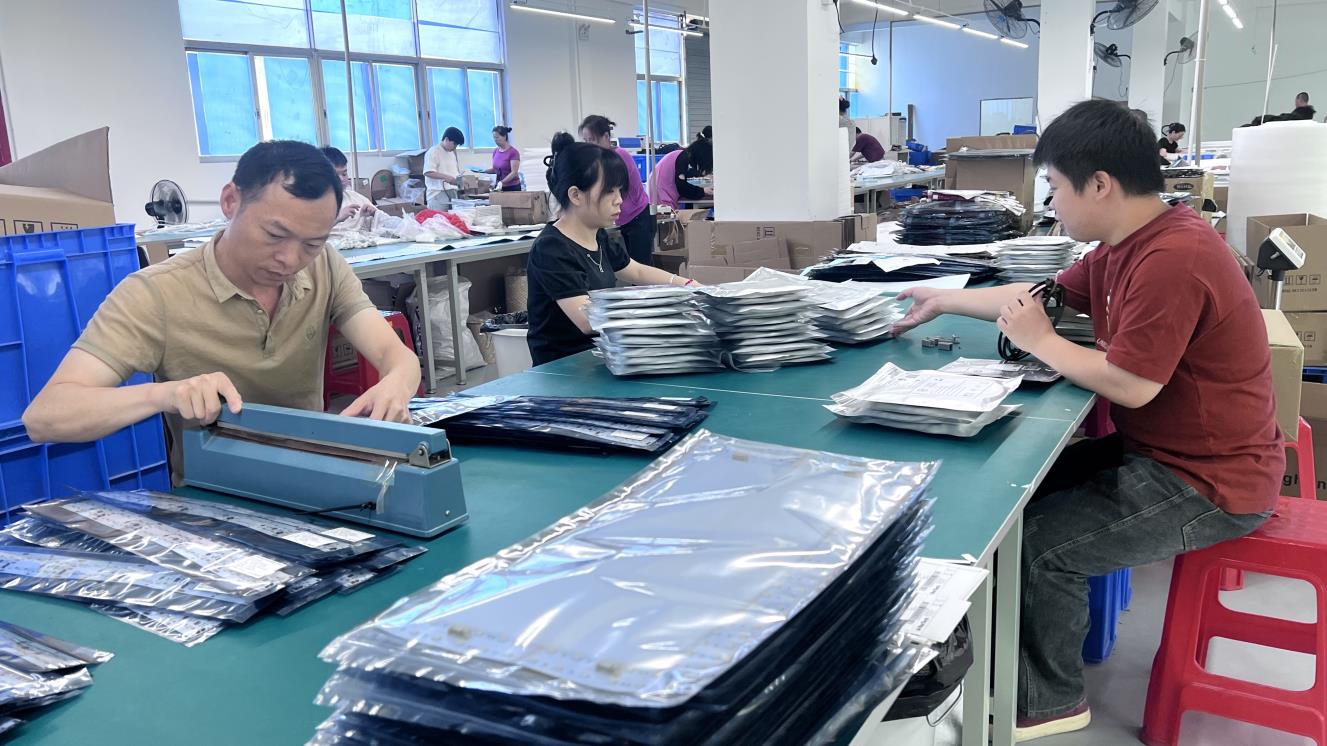
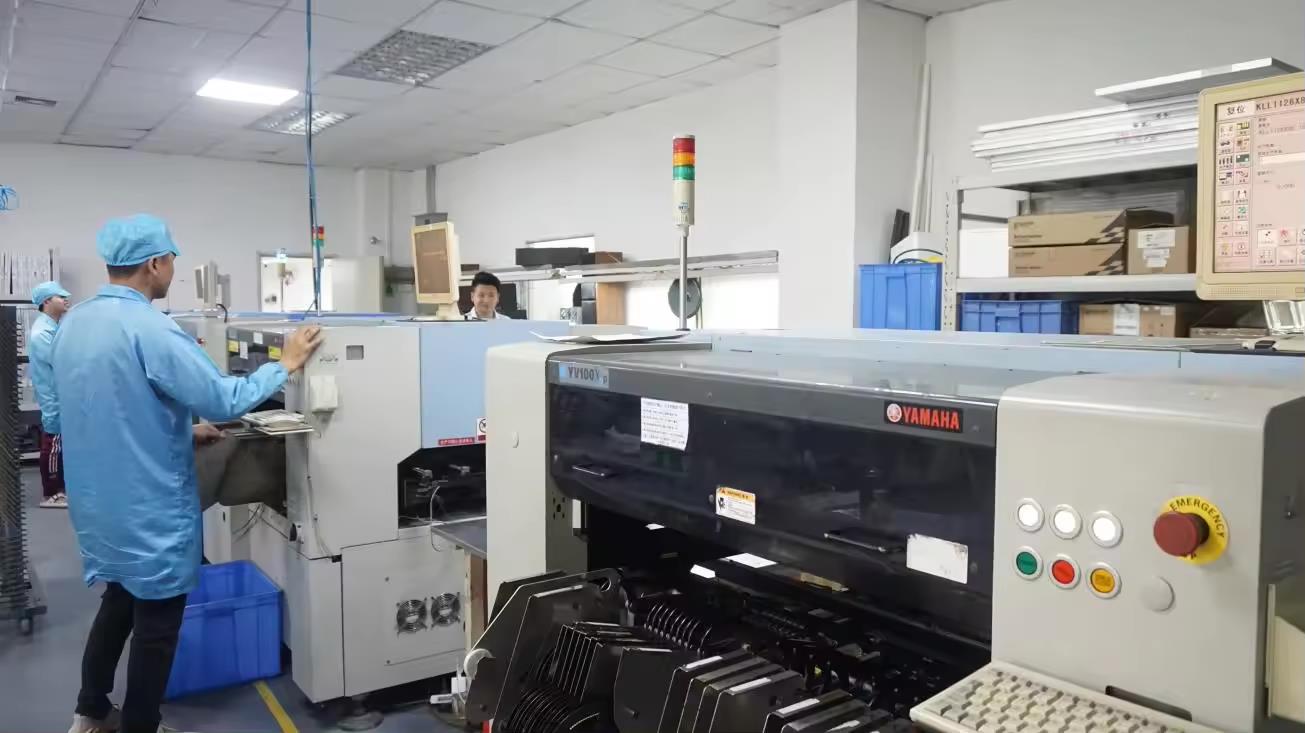
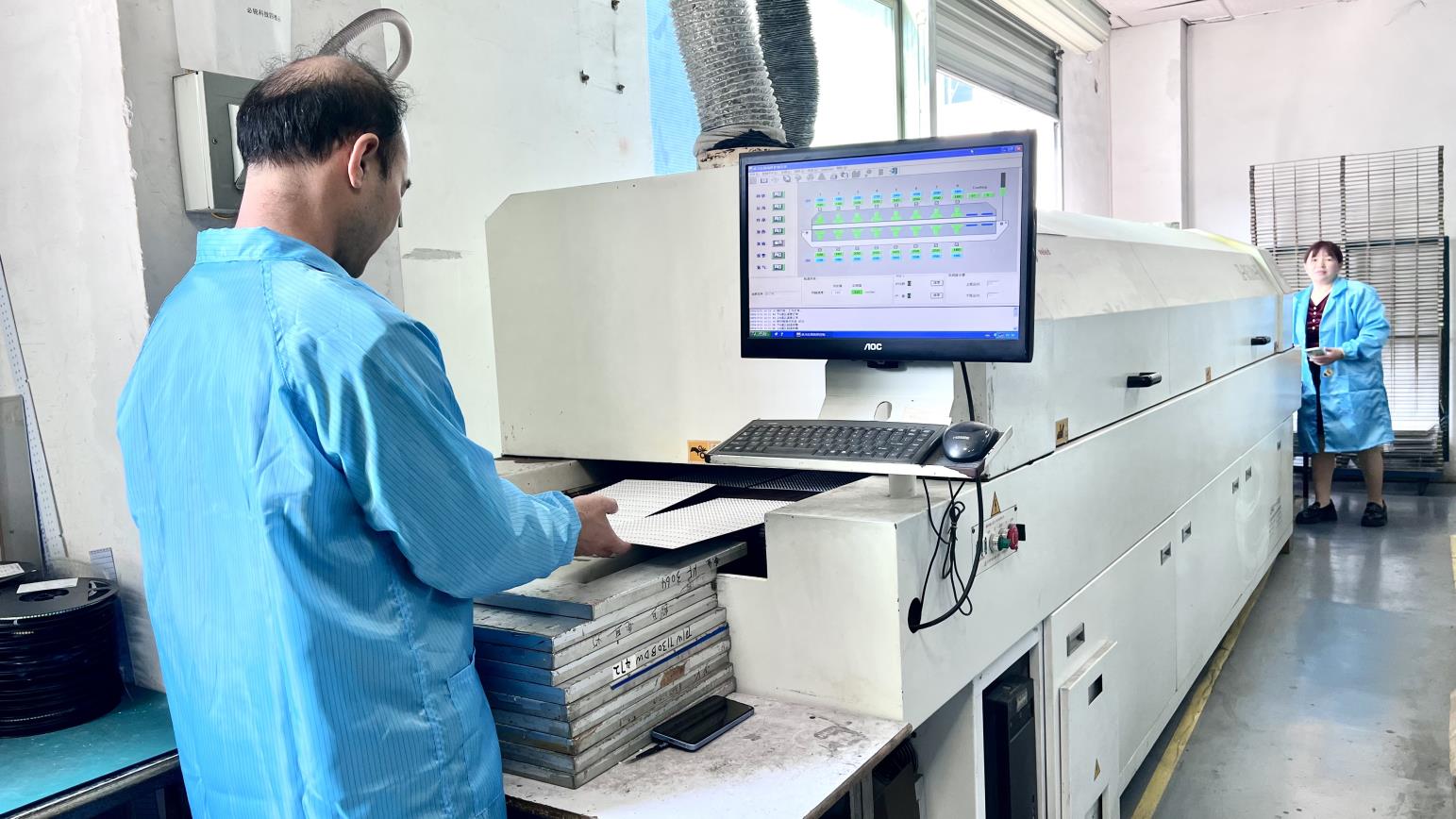
Established in 2006, Foshan Jable Light Co., Ltd. stands as a premier example of Chinese manufacturing excellence, specializing in the research, development, and marketing of high-end commercial, industrial, and architectural lighting. Strategically headquartered in Foshan, the factory spans a massive, state-of-the-art facility of over 20,000 square meters and employs more than 300 highly trained technical professionals.
The facility features 8 advanced production lines, covering the entire manufacturing cycle: stamping, metal spinning, plastic injection molding, automated powder coating, and general cleanroom assembly. This integration allows Jable Light to control every phase of manufacturing, maintaining consistent quality while sustaining an annual turnover exceeding USD 30,000,000. Their production capacity grows by roughly 30% each year, driven by strong demand from North American and European markets.
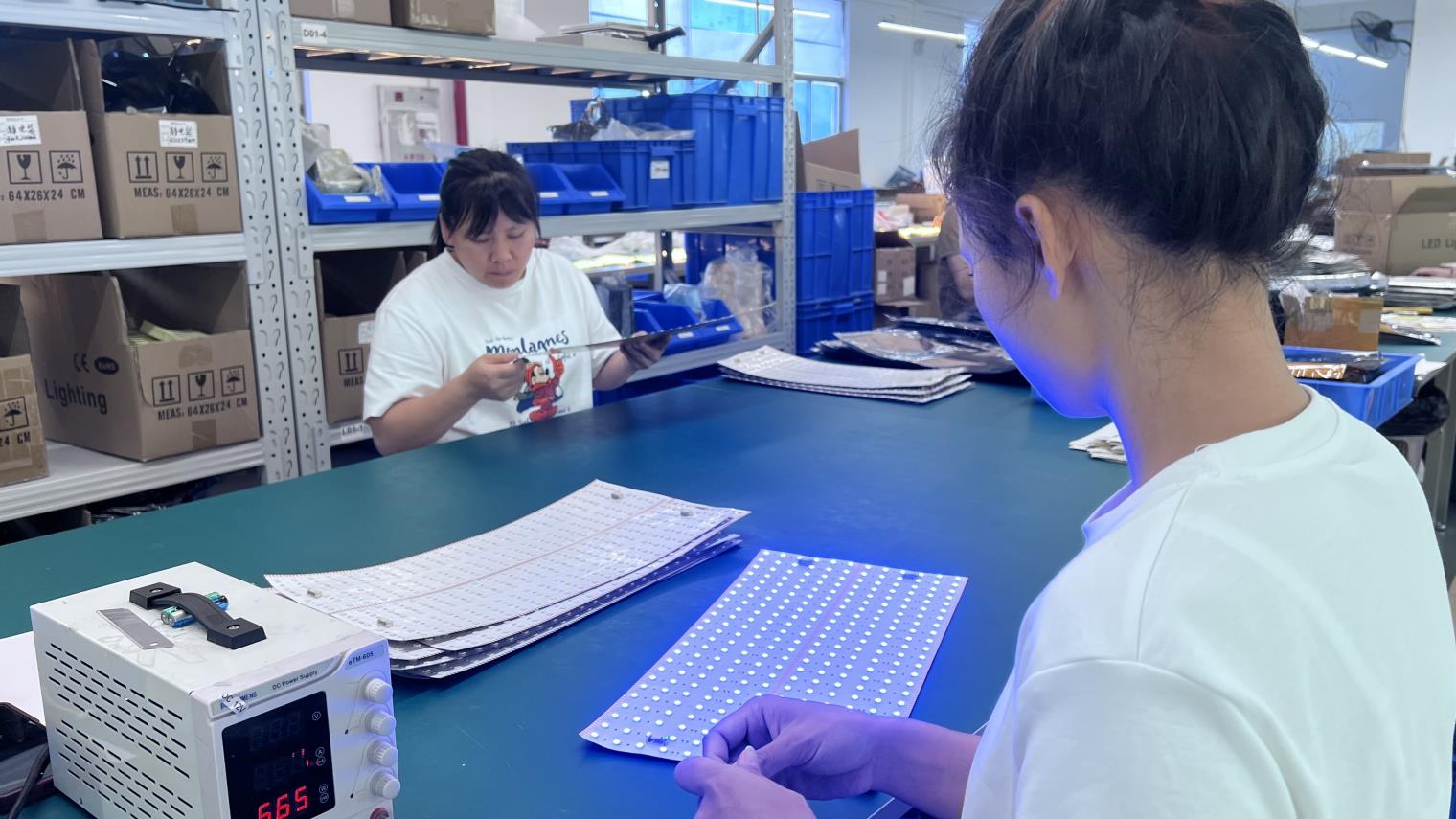
Committed to strict quality control, Jable Light adheres to the TÜV ISO9001 quality management system and implements rigorous 7S factory management. Their products are fully compliant with international safety and performance benchmarks, carrying certifications including ETL, cETL, UL, CE, and IP44. This ensures their fixtures meet the highest regulatory standards globally.

LED panel ceiling lights are highly versatile fixtures, adapted to unique architectural configurations across different sectors. Specifying the correct panel configuration depends on the local building regulations and the operational goals of the space:
Modern office layouts demand high visual comfort. To reduce glare-related headaches, layouts are designed to meet a UGR < 19 threshold. Backlit or edge-lit panels with micro-prismatic diffusers distribute light evenly, eliminating reflective glare on computer monitors. Tunable white panels (2700K - 6500K) support circadian rhythms, helping to maintain employee focus and energy levels throughout the workday.
Medical environments require cleanable surfaces and high color rendering. For clinical environments, panels with a CRI (Color Rendering Index) > 90 (R9 > 50) are specified to ensure accurate tissue evaluation. Sealed IP65-rated cleanroom panels are designed to resist dust and moisture infiltration, making them suitable for sterile operating rooms and laboratories.
Classroom environments demand cost-effective and uniform illumination. Standard layout guidelines specify 500-lux average illumination at desk level with high spatial uniformity. High-efficacy backlit LED panels provide low maintenance costs and long life cycles, helping schools reduce operating expenses while providing comfortable learning environments.
The panel ceiling lighting industry is evolving rapidly, driven by advancements in smart technology, materials science, and energy management:
Procuring commercial lighting from China requires careful verification of certifications, warranties, and material quality. To mitigate supply chain risks, buyers should follow these procurement best practices:
Backlit panels place the LED chips directly behind the front diffuser, sending light outward. This results in high luminous efficacy (up to 140 lm/W) and avoids issues with guide plate yellowing, but requires a thicker frame (typically 30mm–45mm). Edge-lit panels mount LEDs on the frame's perimeter, passing light through a light guide plate. This allows for an ultra-thin profile (under 10mm) that fits into tight ceiling spaces, but carries slightly lower efficiency (around 110 lm/W) and requires a premium PMMA light guide to prevent yellowing over time.
UGR (Unified Glare Rating) measures the psychological glare of a light source in an indoor application. For offices and classrooms, a UGR of less than 19 is standard. Panels designed with micro-prismatic diffusers control glare at high viewing angles, helping to reduce eye strain, headaches, and physical fatigue for occupants working under them for long periods.
Look for factories with ISO9001 certification and a robust quality control system like 7S. They should provide verifiable test reports from laboratories like TÜV, SGS, or Intertek, and offer clear component data sheets showing UL/CE certified drivers. A reliable manufacturer will also provide details on their testing processes, such as SMT automated optical inspection and thermal aging tests.
Yellowing is primarily caused by heat and UV degradation of the Light Guide Plate (LGP) in edge-lit panels. To prevent yellowing, specify LGPs made from PMMA (Polymethyl Methacrylate) or high-grade MS (Methyl methacrylate-styrene). Polystyrene (PS) guide plates are less expensive but have lower thermal and UV stability, making them prone to yellowing over time.
Yes. Modern panel lights can be equipped with drivers that support analog dimming (0-10V) or digital protocols (DALI-2/D4i), as well as wireless systems like Zigbee, Bluetooth Mesh, and Matter. They can also run on Power over Ethernet (PoE) systems, bringing lighting directly into the building's IT infrastructure.
 Jable Light