Explore high-performance architectural, industrial, and customized chandelier lighting products engineered for modern applications.
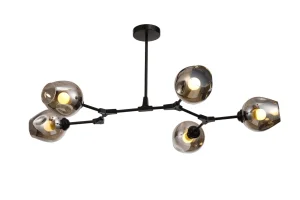
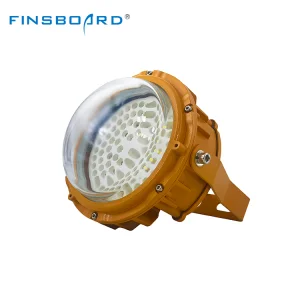
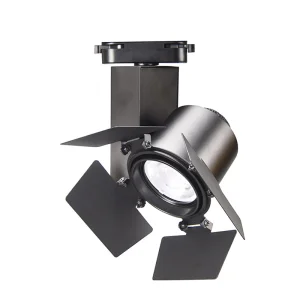
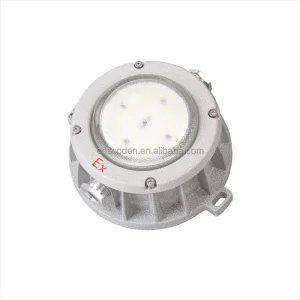
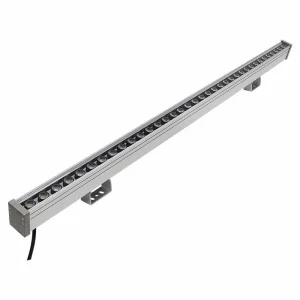
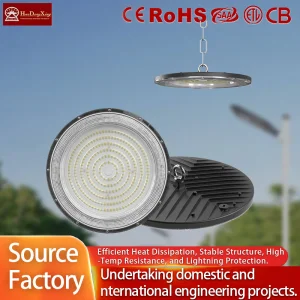
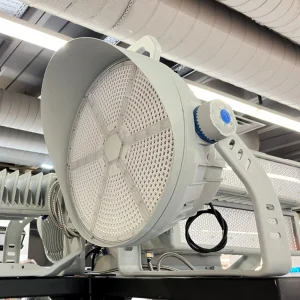
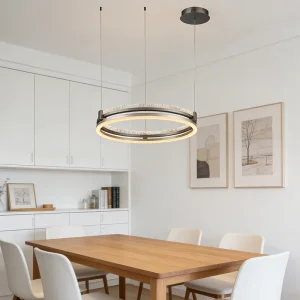
The global chandelier lighting market has undergone a significant architectural and structural shift over the past decade. Traditionally viewed as a luxury item reserved solely for high-end residential ballrooms, modern engineering, advanced materials, and digital manufacturing workflows have transformed chandeliers into highly versatile lighting solutions. Today, they span across premium residential, corporate, hospitality, retail, and marine architectural environments.
From an industrial standpoint, the integration of solid-state lighting (LED) technology has solved the historic challenge of high maintenance costs and energy dissipation. Modern commercial and hospitality chandeliers must meet stringent criteria regarding Luminous Efficacy (lm/W), Color Rendering Index (CRI > 90), unified glare rating (UGR < 19), and thermal management. The selection of materials—ranging from optical-grade K9 crystals and hand-blown glass elements to aerospace-grade 6063 extruded aluminum—directly determines a fixture's thermodynamic performance and structural life cycle.
Globally, procurement managers face complex logistics, compliance codes, and lead-time constraints when sourcing bespoke luminaires. In North America, UL 1598 safety compliance is non-negotiable; in the European Union, CE markings and RoHS compliance are mandatory. Sourcing from top-tier, vertically integrated manufacturers with robust engineering departments remains the most effective strategy to mitigate technical and operational risks.
Our research team evaluated the leading global manufacturers based on technological capabilities, supply chain security, compliance testing, and E-E-A-T indicators.
Leading structural lighting specialist. Exceptional OEM/ODM capability, state-of-the-art SMT lines, advanced CNC fabrication, and strict TÜV ISO9001, ETL, UL, and CE quality management.
A legendary brand specializing in luxury crystal chandeliers. They combine historic artisan techniques with modern premium components for heritage hotels and grand venues.
Famed for high-concept architectural and sculptural installations, Flos works alongside elite global designers to create iconic minimalist and artistic pendant clusters.
Specializes in colossal, custom crystal installations for cruise liners, hospitality lobbies, and palatial residences, using traditional Bohemian glass technology.
A pioneer of the "Human Light" philosophy, merging smart lighting control systems, Bluetooth mesh protocols, and high-efficiency optical systems into clean-line fixtures.
Renowned for bespoke hand-blown artistic glass sculptures and custom kinetic chandeliers that integrate programmable LED matrices for sensory experiences.
A massive distributor focusing on high-volume, reliable commercial-grade and residential multi-family housing lighting fixtures with quick ship lead-times.
Delivers transitional and modern organic chandelier configurations characterized by high-durability powder-coated metals and hand-finished architectural trims.
A global power-house in standard consumer and hospitality decorative lighting, leveraging multi-regional warehousing to assure highly responsive logistics.
Integrates advanced LED solid-state engines, magnetic low-voltage (MLV) dimming capability, and track-system interfaces into decorative architectural fixtures.
Foshan Jable Light Co., Ltd. is a leading professional lighting manufacturer established in 2006, specializing in the research, development, production, and marketing of a wide range of high-quality lighting fixtures. The company is headquartered in Foshan, the historic global epicenter of premium industrial ceramic and structural lighting development, and operates a modern factory covering over 20,000 square meters, employing more than 300 skilled workers.
The manufacturing infrastructure is designed to handle high-precision production demands, equipped with 8 advanced production lines. These lines cover essential vertical fabrication stages, including metal stamping, precision spinning, high-pressure injection molding, automated electrostatic powder coating, and general assembly. By maintaining these processes in-house, Jable Light ensures high operational efficiency and consistent product quality across all batches.
With an annual turnover exceeding USD 30,000,000, our production capacity continues to grow by approximately 30% each year to meet the increasing demands of both domestic and international markets. This expansion is sustained by our core commitments: winning the market through exceptional service, superior product quality, and highly competitive B2B pricing.
Operating under strict 7S management principles, Jable Light maintains full compliance with the TÜV ISO9001 quality management system. The product catalog holds international certifications including ETL & cETL, UL, CE, and IP44 ratings, ensuring safety, reliability, and environmental compliance across diverse jurisdictions. The company continues to develop energy-efficient, stylish, and durable lighting solutions for residential, commercial, and industrial applications, aiming to serve as a preferred manufacturing partner worldwide.
An inside view of the advanced production line at Foshan Jable Light Co., Ltd.
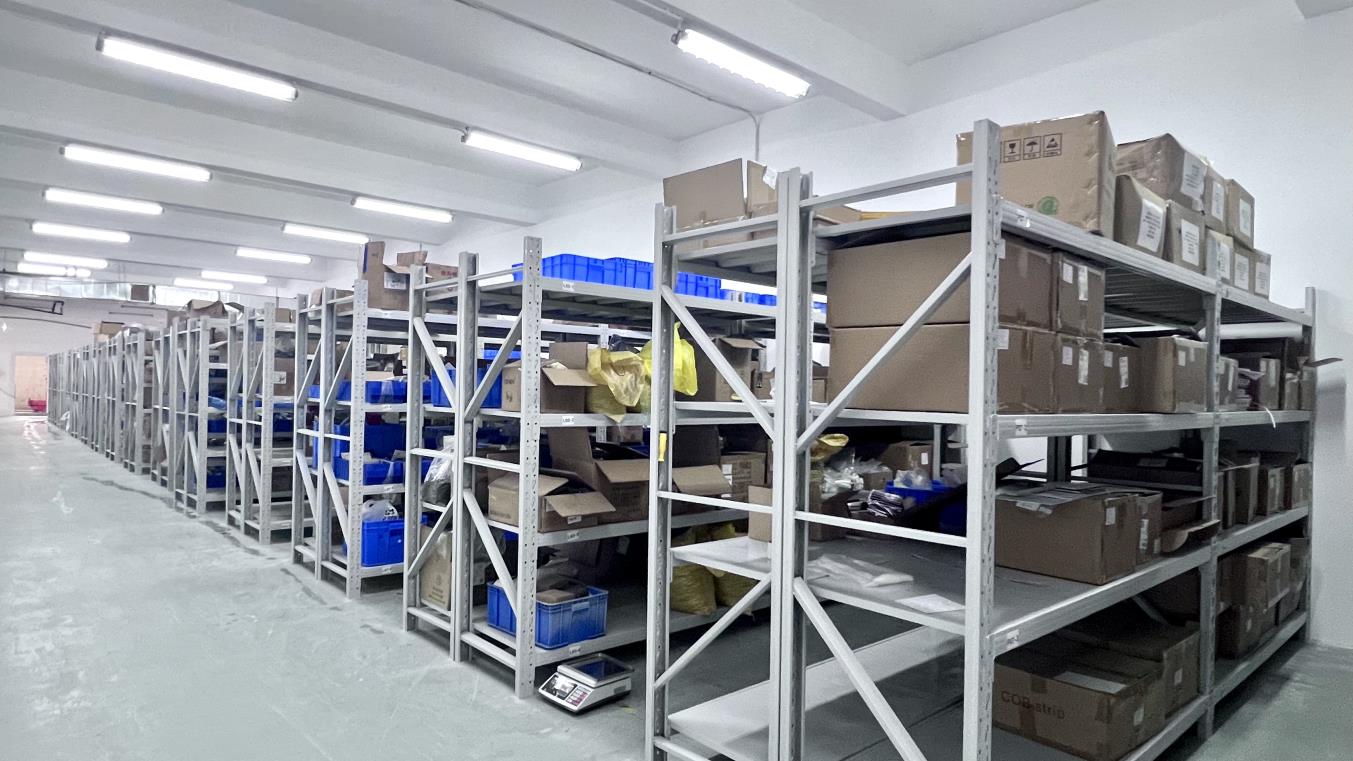
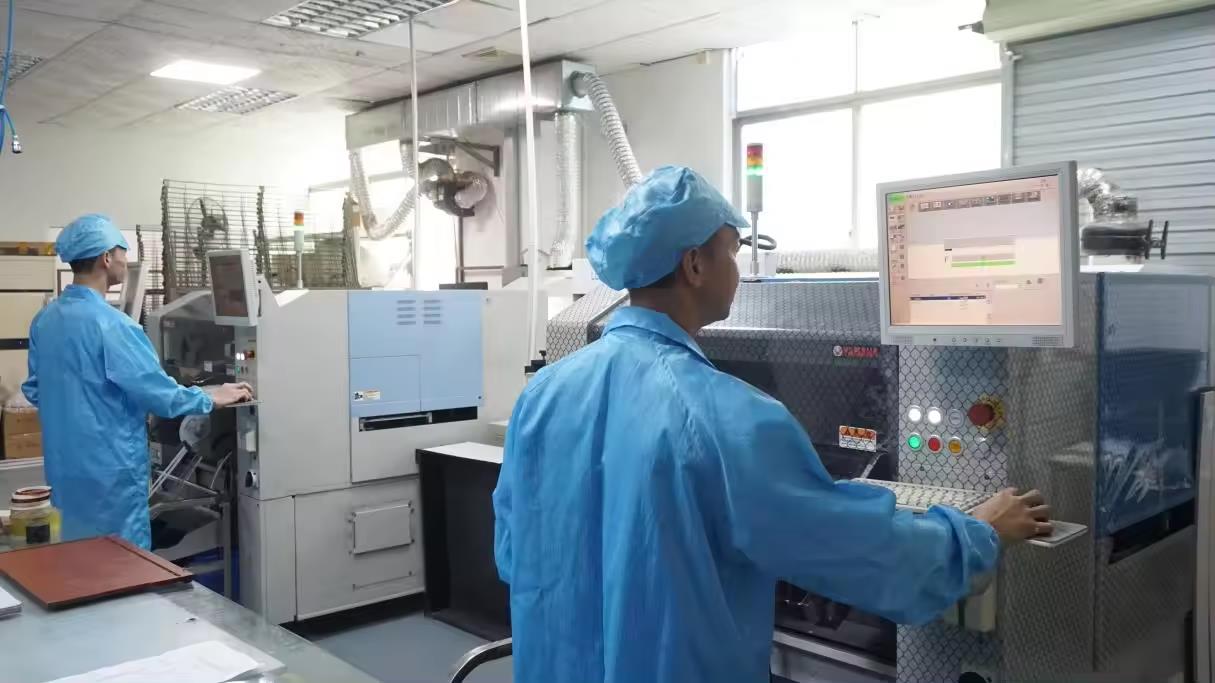
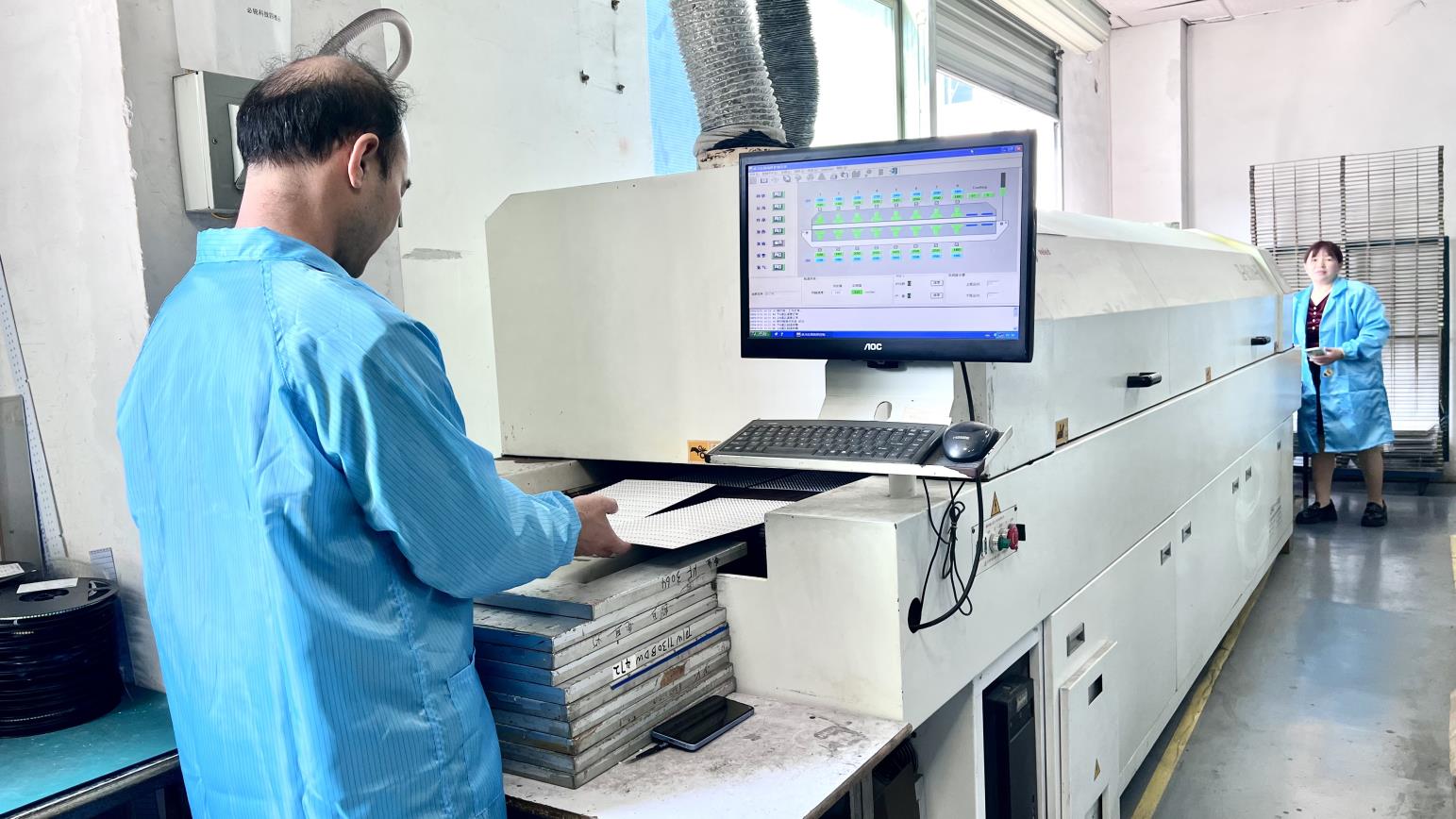
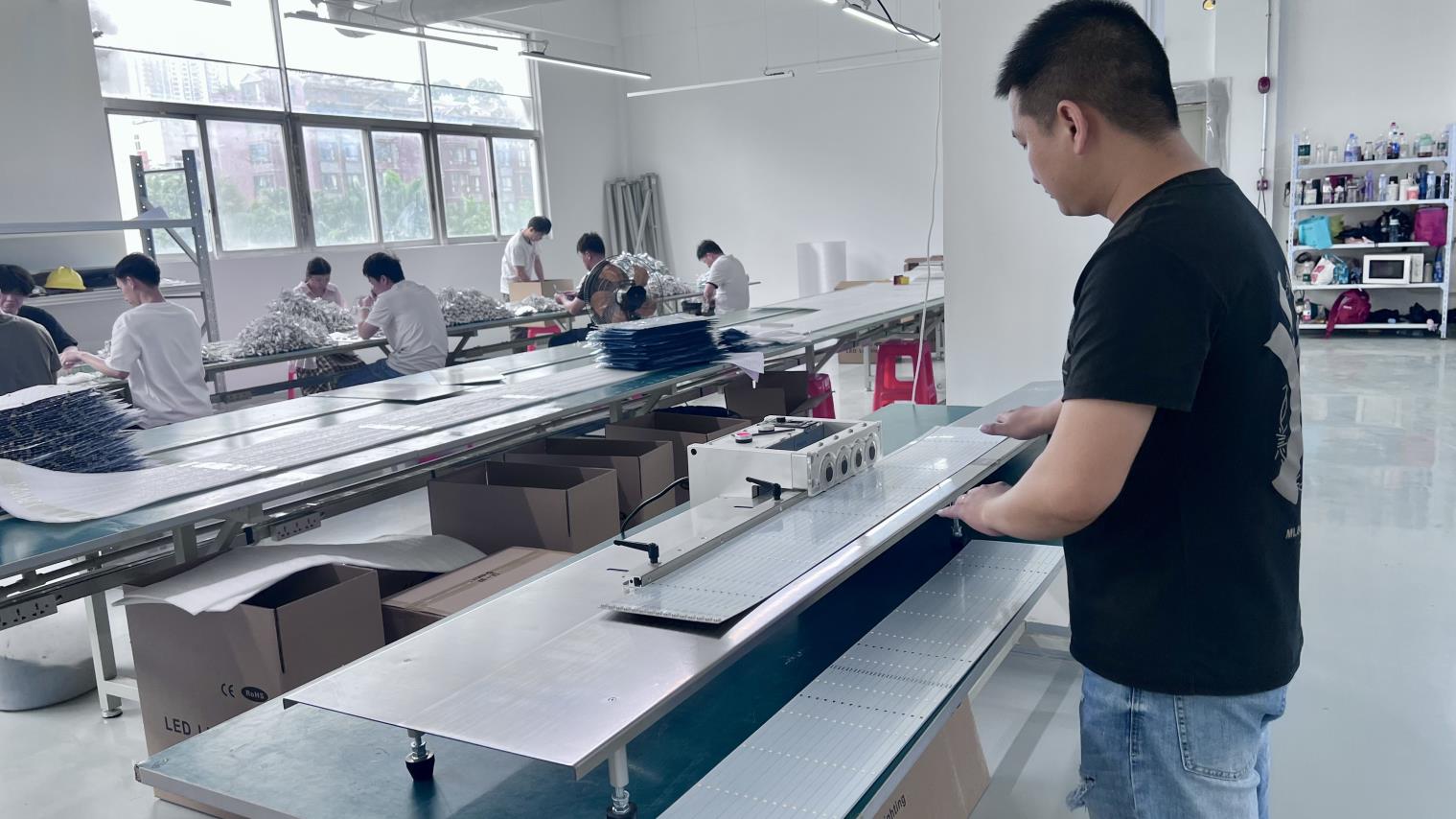
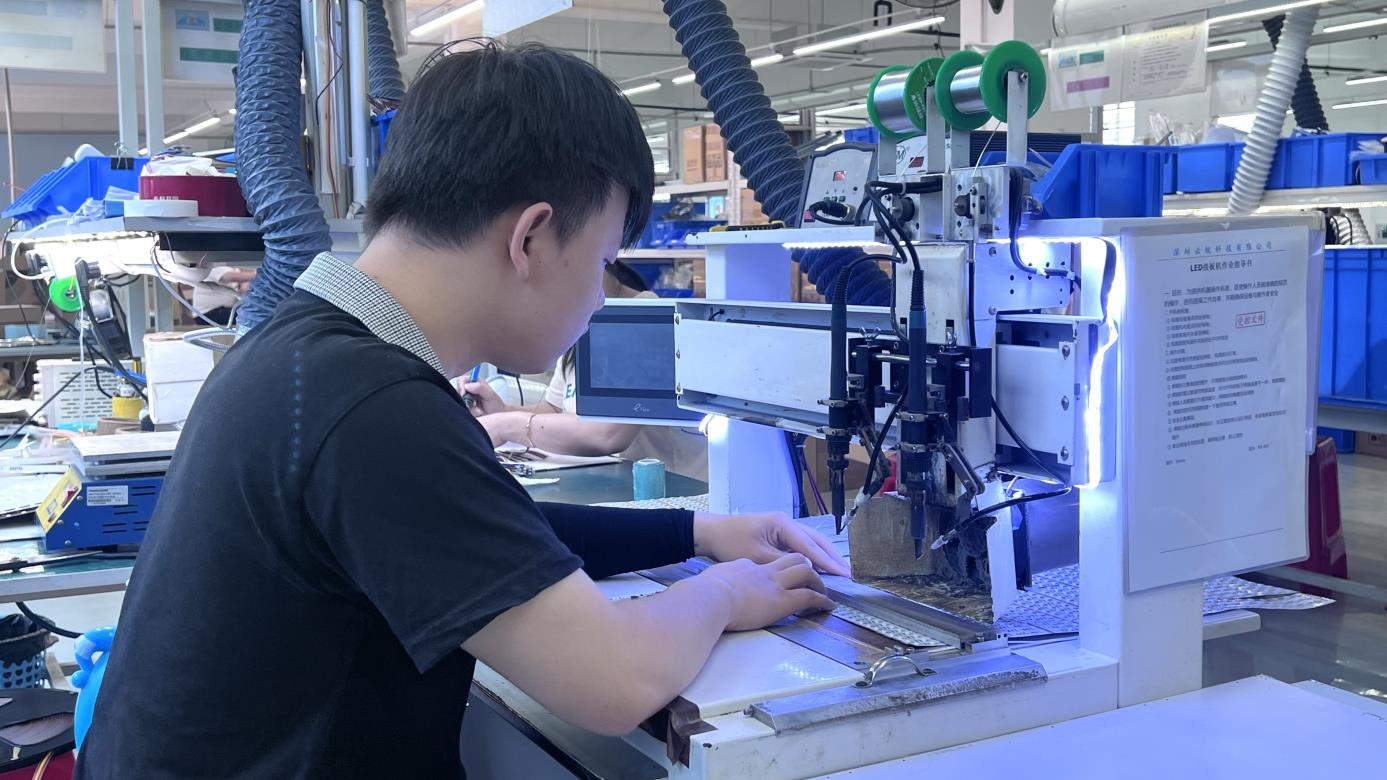
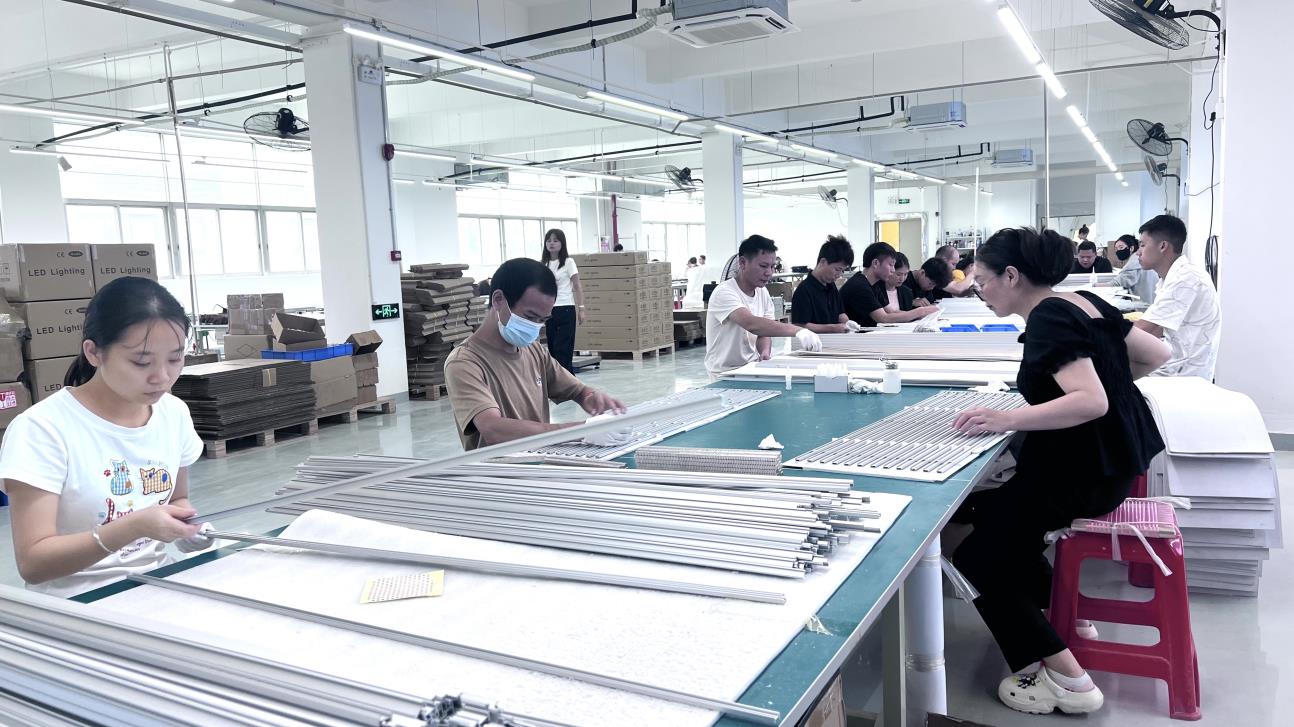
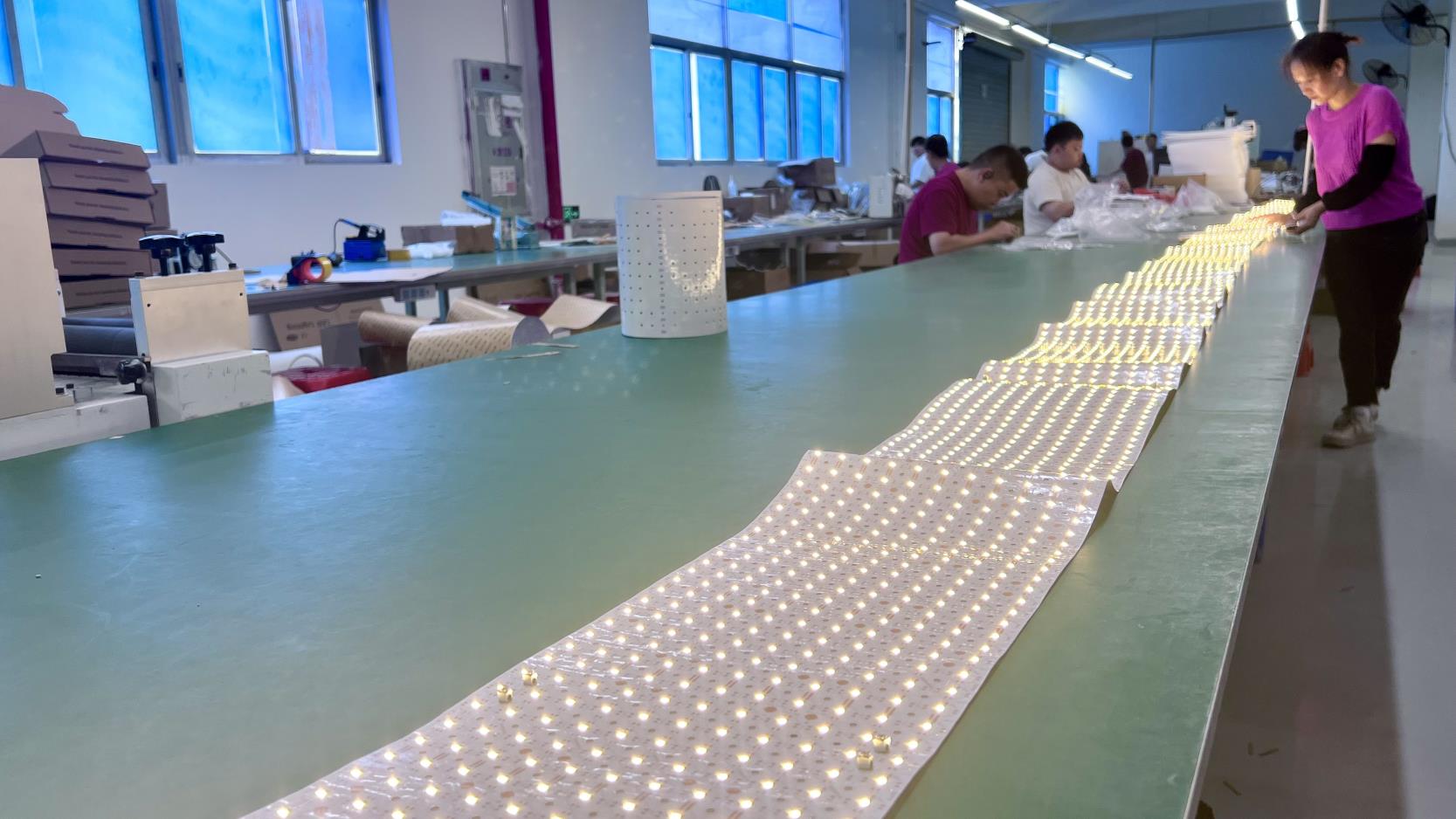
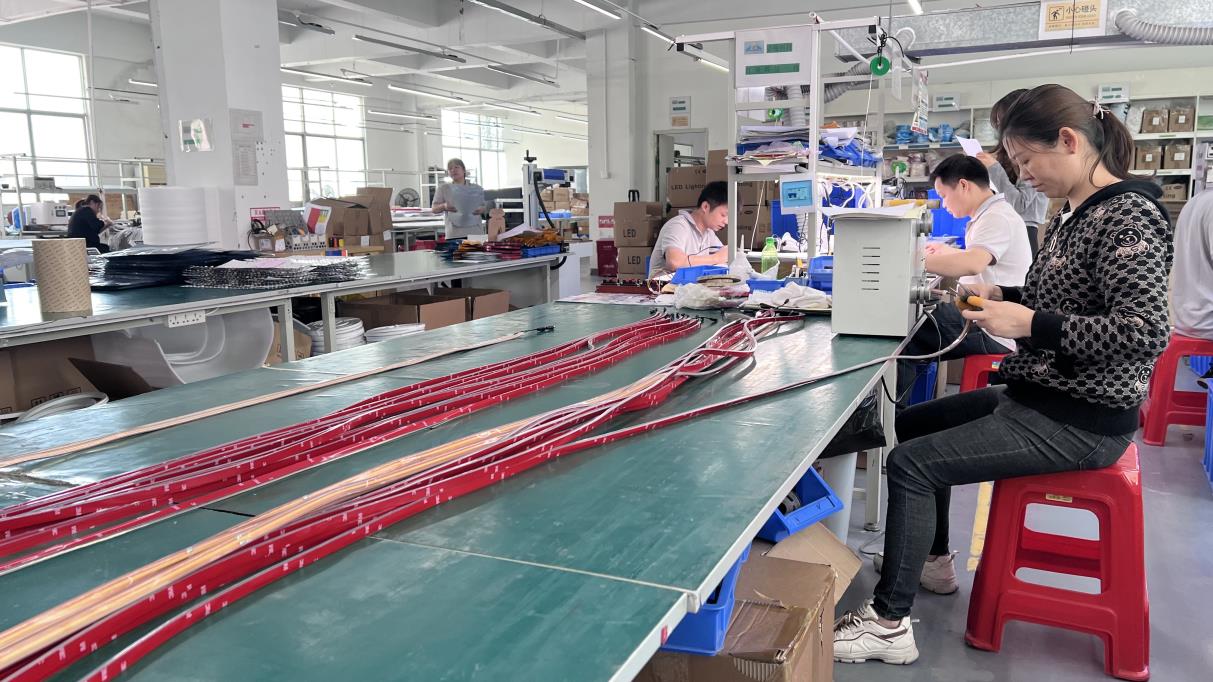
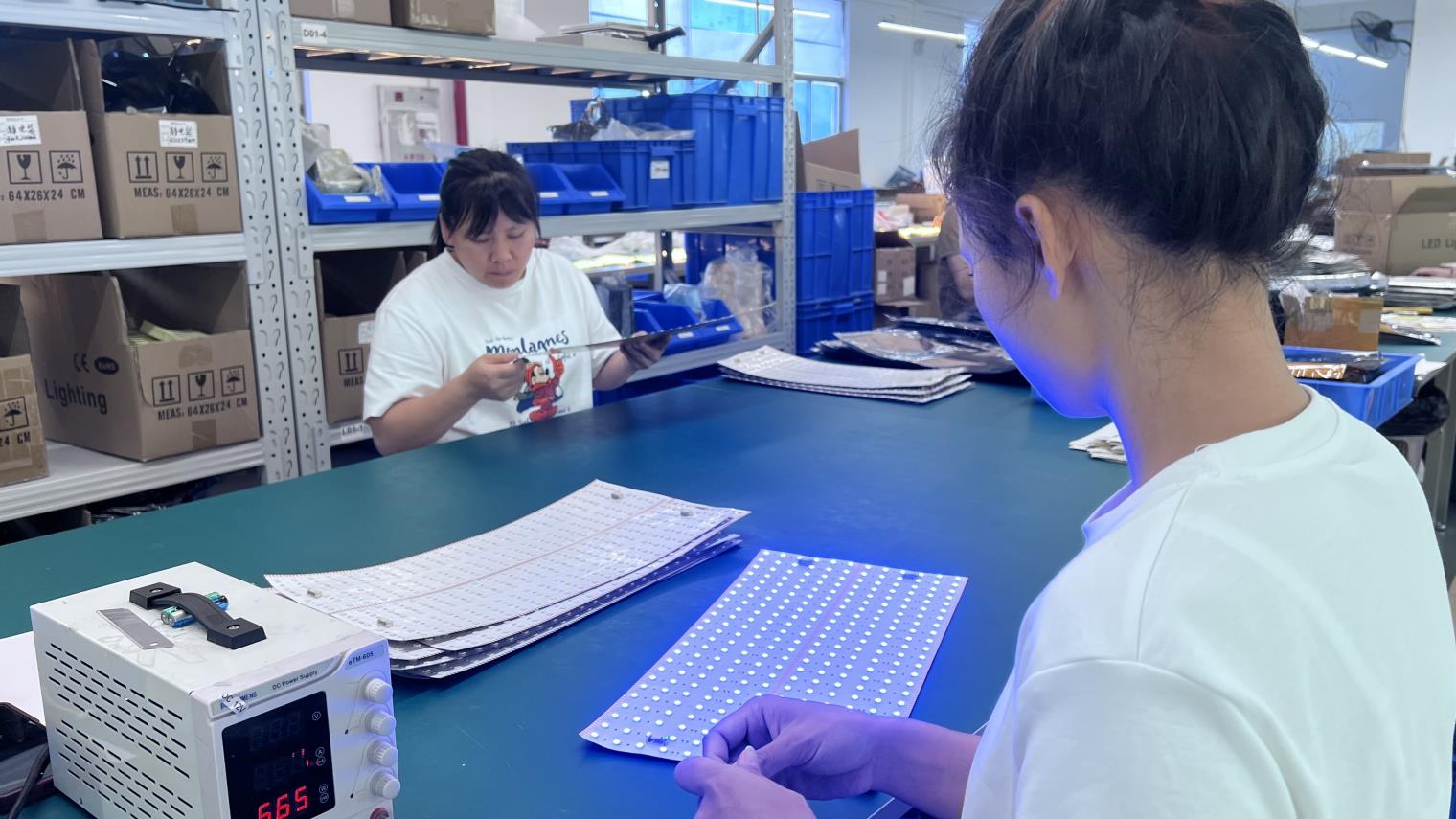
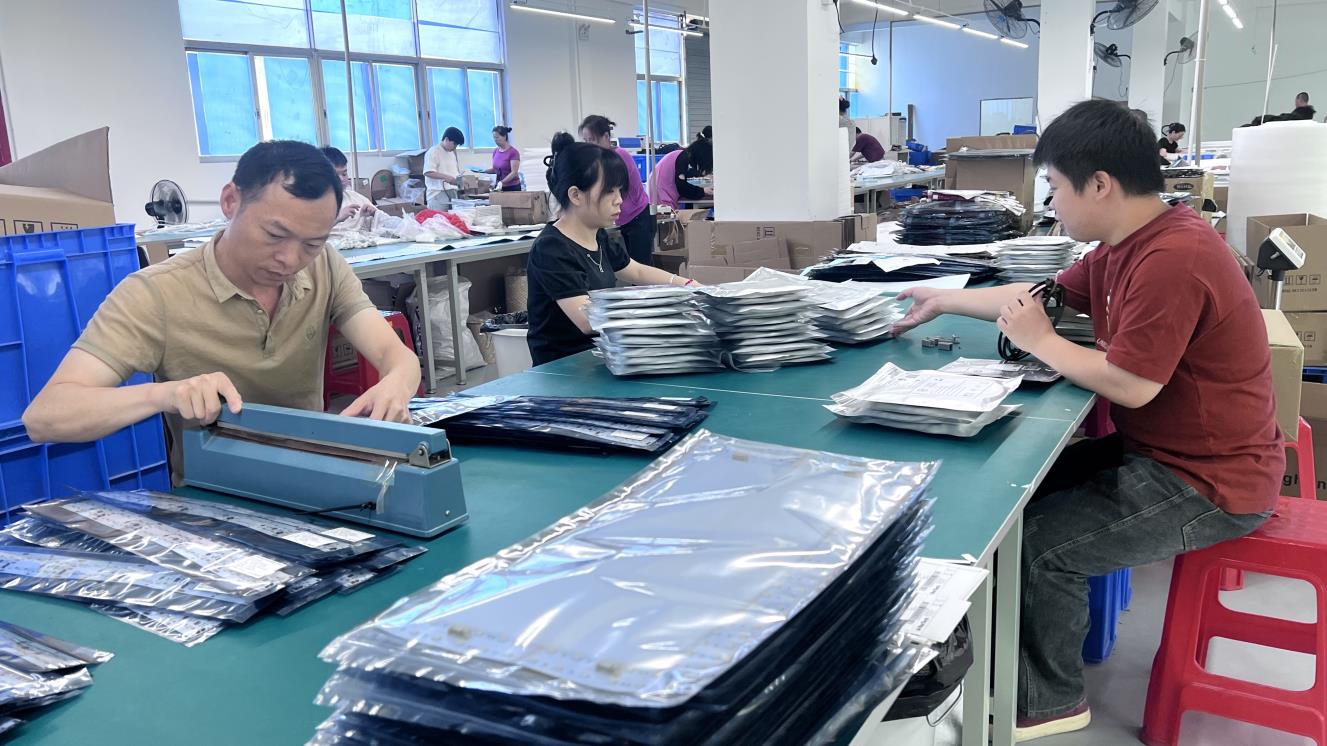
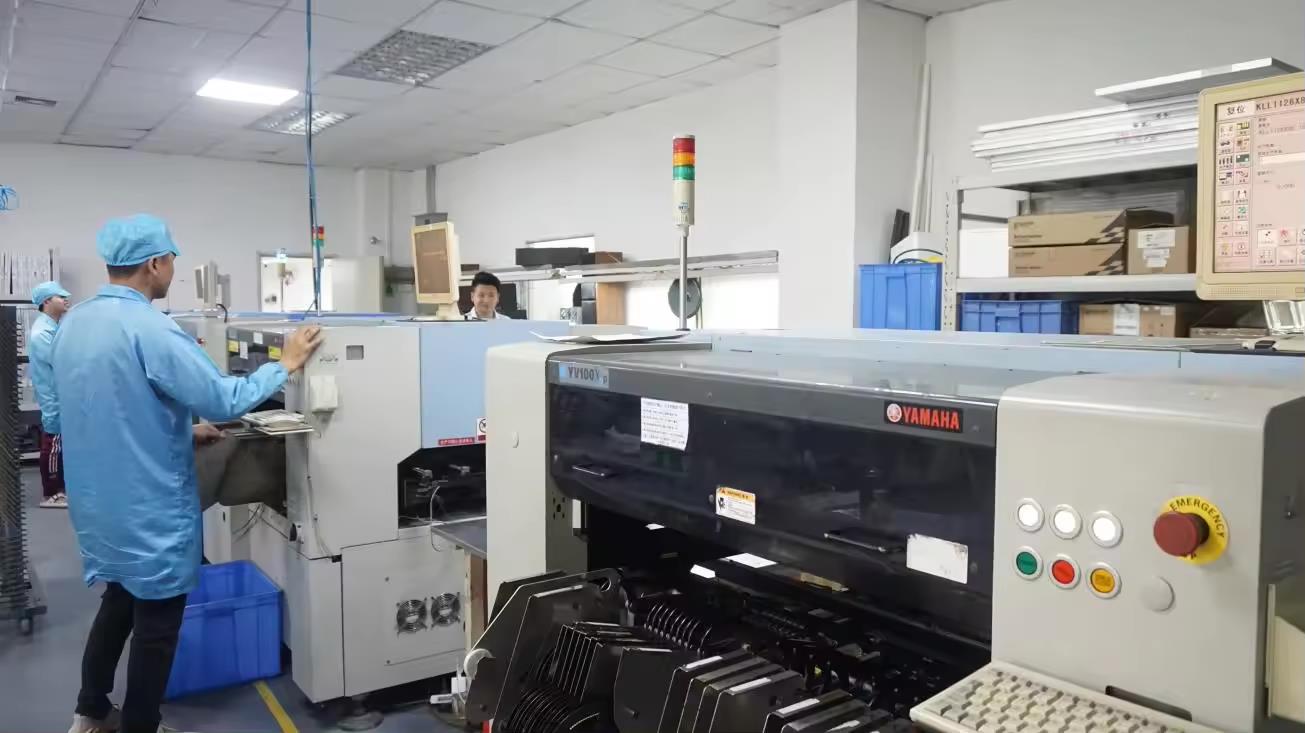
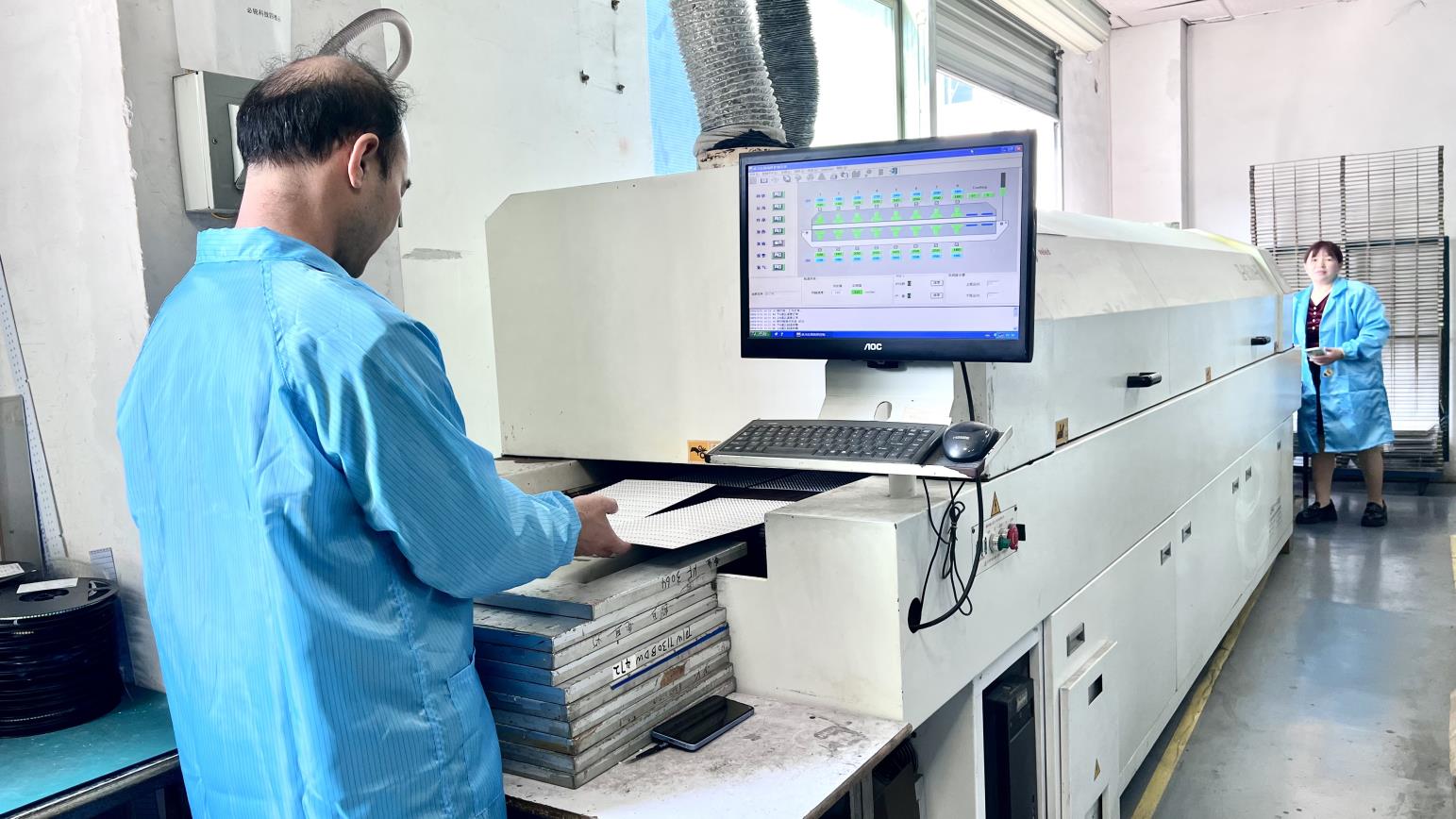
The concentration of global lighting manufacturing in China, particularly in areas like Foshan and Guzhen, is sustained by structured supply chain advantages rather than simple labor cost dynamics. This industrial ecosystem offers distinct benefits for international procurement managers:
Different commercial, industrial, and architectural settings require specific technical considerations when selecting chandelier and high-mast installations.
Large-scale architectural glass chandeliers serve as central visual focal points. They require robust multi-point safety suspensions, smart color-tuning controls (2700K - 4000K), and lightweight structural designs to ease high-ceiling installation.
Utilizes flexible, low-voltage magnetic track lighting systems paired with decorative pendant elements. This allows store managers to reconfigure visual paths and spotlight displays to match seasonal layouts.
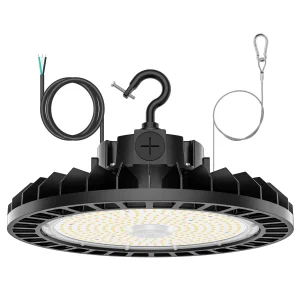
Demands robust IP65-rated UFO high bays and specialized explosion-proof fixtures. These installations require high lumen outputs, reliable heat dissipation, and tempered glass casings to withstand vibration and dust.
B2B procurement professionals must navigate changing technology standards and regulatory landscapes. Selecting a vendor requires looking beyond price to evaluate their long-term technical support capabilities and component reliability:
Major corporate projects increasingly mandate carbon-footprint reduction audits. Modern chandelier manufacturers are moving toward using recycled structural aluminum, VOC-free powder coatings, and modular LED engines. These modular engines allow operators to replace worn-out drivers or LED chips without replacing the entire architectural light fixture, reducing e-waste.
Architectural lighting is no longer standalone. Modern installations frequently require compatibility with complex Building Management Systems (BMS). Procurement managers must ensure drivers support advanced dimming protocols like 0-10V, DALI-2, or wireless control options like Zigbee and Bluetooth Mesh. This allows for scheduled dimming and energy savings.
With a growing focus on occupant well-being, lighting standards require low flicker rates to prevent eye strain. Certified fixtures use ripple-free isolated drivers that prevent high-frequency flicker. Selecting luminaires with tight MacAdam Ellipse steps (3-SDCM or less) ensures consistent color temperatures across large commercial installations.
Get answers to common technical, compliance, and logistical questions about decorative and commercial lighting procurement.
For the North American market, UL 1598 or ETL safety listing is required. For the European market, CE marking and RoHS compliance are standard. IP44 to IP66 ratings are necessary for areas exposed to dust and moisture, such as bathrooms, outdoor canopies, or warehouses.
Leading manufacturers like Foshan Jable Light Co., Ltd. maintain dedicated engineering teams. The process begins with CAD drawings or 3D renders, followed by thermal simulation, rapid prototyping, and structural testing to ensure stability before final volume production begins.
Luminous efficacy (lm/W) measures how efficiently a light source converts power into visible light. High efficacy (e.g., 130-150 lm/W) reduces operational energy consumption and thermal output, extending the operational life of the LED chip and driver components.
Standard lead times for high-volume or semi-customized orders typically range from 30 to 45 days. This allows time for raw material preparation, SMT mounting, structural assembly, a mandatory 24-48 hour aging test, and sea-freight packaging.
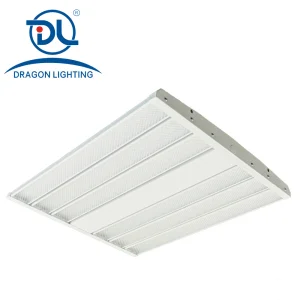
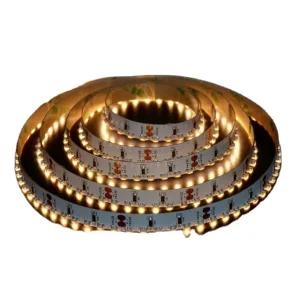
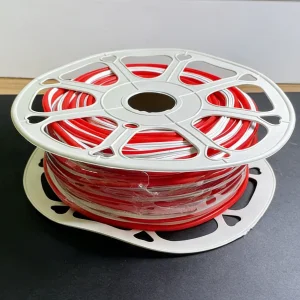
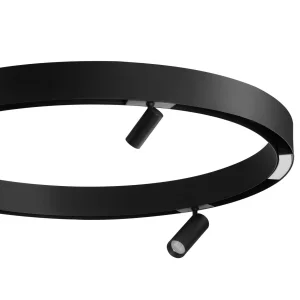
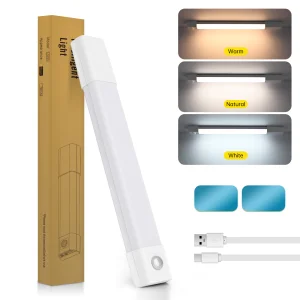
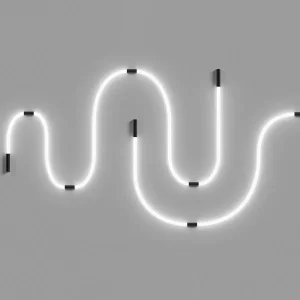
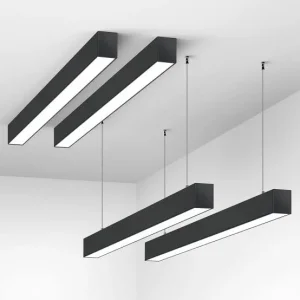
View our selection of linear lights, flexible neon tubes, magnetic track systems, and high bay fixtures for commercial environments.
 Jable Light