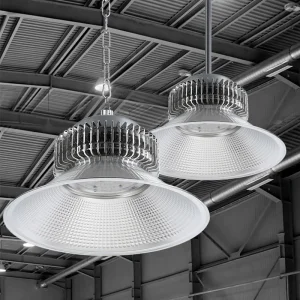
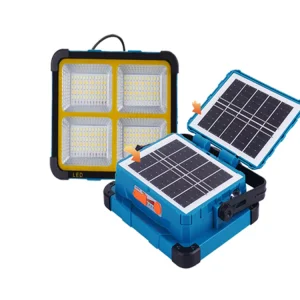
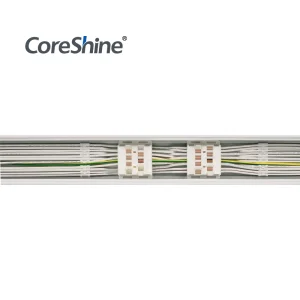
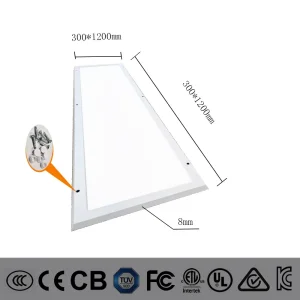
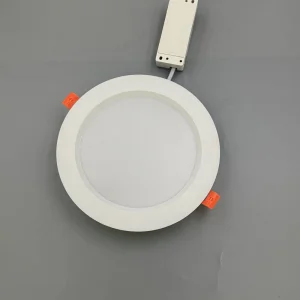
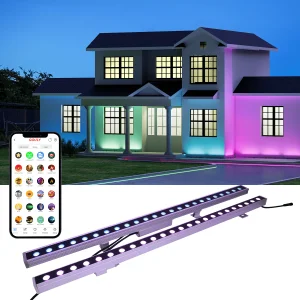
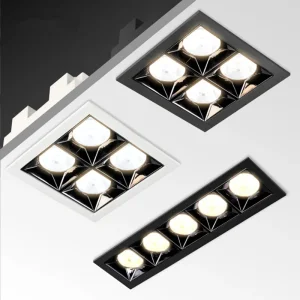
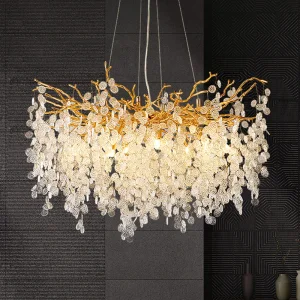
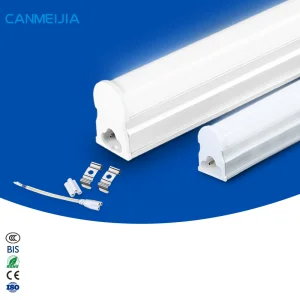
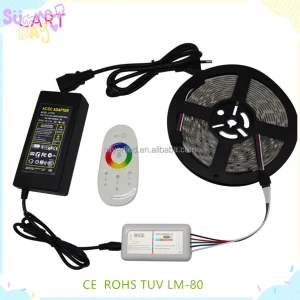
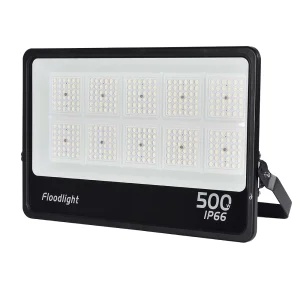
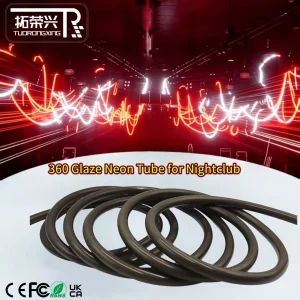
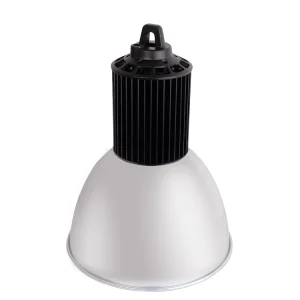
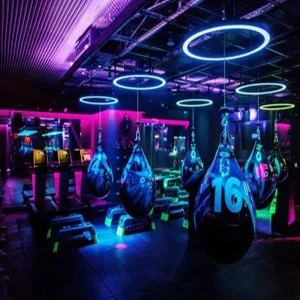
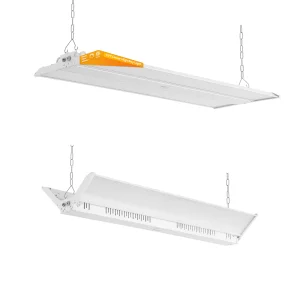
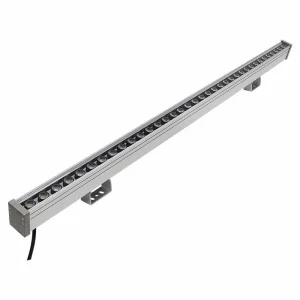
A selective catalog of high-efficiency LED products configured for seamless integration with advanced commercial and industrial dimming protocols.
The global lighting control industry is undergoing a monumental transition. Dimmer switches have evolved from simple variable resistors that control incandescent filament output to highly sophisticated solid-state controllers designed for complex LED drivers. Modern dimming architectures must interface seamlessly with diverse systems including forward/reverse phase-cut, 0-10V analog sinking/sourcing circuits, DALI-2 protocols, and wireless systems like Zigbee and Matter.
According to recent industrial market analyses, the global smart lighting control market is projected to reach USD 38.5 billion by 2028, expanding at a CAGR of over 15.2%. This growth is driven by commercial energy mandates, residential smart automation systems, and a shift toward Human-Centric Lighting (HCL) where correlated color temperature (CCT) and light output are modulated throughout the day to support circadian rhythms.
When selecting a dimmer manufacturer, lighting engineers must look beyond simple wattage ratings. LEDs exhibit high capacitive inrush currents that can exceed the rated current by 10 to 50 times at start-up. Standard phase-cut dimmers can fail prematurely due to contact pitting or triac destruction. Advanced manufacturers design switches with Zero-Cross Switching technology, which turns the load on precisely when the AC voltage crosses zero, minimizing inrush stress and guaranteeing a operational lifespan of 100,000+ cycles.
Our research methodology evaluates global entities based on five criteria: technical patent portfolios, compliance certification pathways (UL, ETL, VDE, CE), production capacity, customization capabilities (OEM/ODM), and supply chain resilience. Here are the leading players shaping the global dimmer switch market in 2025.
Headquarters: Coopersburg, Pennsylvania, USA
Lutron is the undisputed pioneer of solid-state dimming technology, holding thousands of lighting control patents. Renowned for architectural-grade systems (such as the Athena and Quantum lines), Lutron dominates the high-end residential and commercial sectors in North America. Their proprietary Clear Connect wireless protocol offers ultra-reliable RF performance, setting the industry benchmark for smart integration.
Headquarters: Melville, New York, USA
Leviton provides an extensive array of electrical wiring devices, commercial control systems, and residential smart switches. Their Decora Smart line is widely utilized by major contractors due to its straightforward installation and broad compatibility with neutral-free dimming circuits. Leviton products undergo rigorous thermal testing to prevent degradation when installed in high-density wall boxes.
Headquarters: Limoges, France
As a global specialist in electrical and digital building infrastructures, Legrand operates in over 90 countries. Their dimming portfolio is highly regarded in Europe, featuring integration with DALI-2, KNX, and the Netatmo smart home ecosystem. Legrand's products are popular among interior designers for their sleek design aesthetics and modular frames.
Headquarters: Rueil-Malmaison, France
Schneider Electric specializes in digital transformation, energy management, and automation. Their dimmer switch solutions, including the Clipsal and Wiser series, focus on sustainability and industrial-grade reliability. By implementing micro-processor-controlled dimming profiles, Schneider devices auto-detect capacitive or inductive loads to optimize dimming curves dynamically.
Headquarters: Zurich, Switzerland
ABB is a global leader in electrification and industrial automation. Their architectural dimming systems are engineered for large-scale utility and institutional applications, such as hospitals, airports, and universities. Using advanced DIN-rail mounted dimming controllers, ABB ensures stable control of multi-channel LED loads across vast building management systems (BMS).
Headquarters: Munich, Germany
Siemens focuses on smart infrastructure, offering dimming controllers integrated with their Desigo CC building management platform. Siemens KNX-based dimmers provide precise 0.1% to 100% control resolution, critical for high-end hospitality projects requiring smooth lighting transitions. Their systems feature comprehensive diagnostic capabilities, reporting individual channel faults, over-temperatures, and line short-circuits.
Headquarters: Dublin, Ireland
Eaton's electrical division manufactures industrial, commercial, and residential wiring devices. Their dimmers are engineered with AL-series technology to eliminate flicker in dimmable LED, CFL, halogen, and incandescent lamps. Eaton dimmers are recognized for their robust mechanical structures, designed to withstand physical wear in high-traffic commercial installations.
Headquarters: Kadoma, Osaka, Japan
Panasonic is a key supplier of modular wiring accessories in the Asian market. Their dimmers prioritize space-saving, low-depth designs, allowing them to fit into standard Asian wall boxes. Panasonic uses high-quality internal copper alloys and flame-retardant polycarbonates, ensuring long-term reliability under challenging climate conditions.
Headquarters: Foshan, Guangdong, China
Foshan Jable Light Co., Ltd. is a premier manufacturing partner specializing in high-performance lighting systems. Founded in 2006, Jable Light operates a modern 20,000+ square meter factory. They are a crucial OEM/ODM partner for international brands, specializing in the integration of dimming drivers (DALI-2, 0-10V, and Phase-Cut) directly into architectural and commercial luminaires.
Headquarters: Eindhoven, Netherlands
Signify, formerly Philips Lighting, is a global leader in professional and consumer lighting. Their Philips Dynalite and Hue portfolios represent the cutting edge of smart dimming controls. Dynalite systems are utilized in major stadium, museum, and commercial office projects worldwide, offering flexible, programmable control and advanced energy analytics.
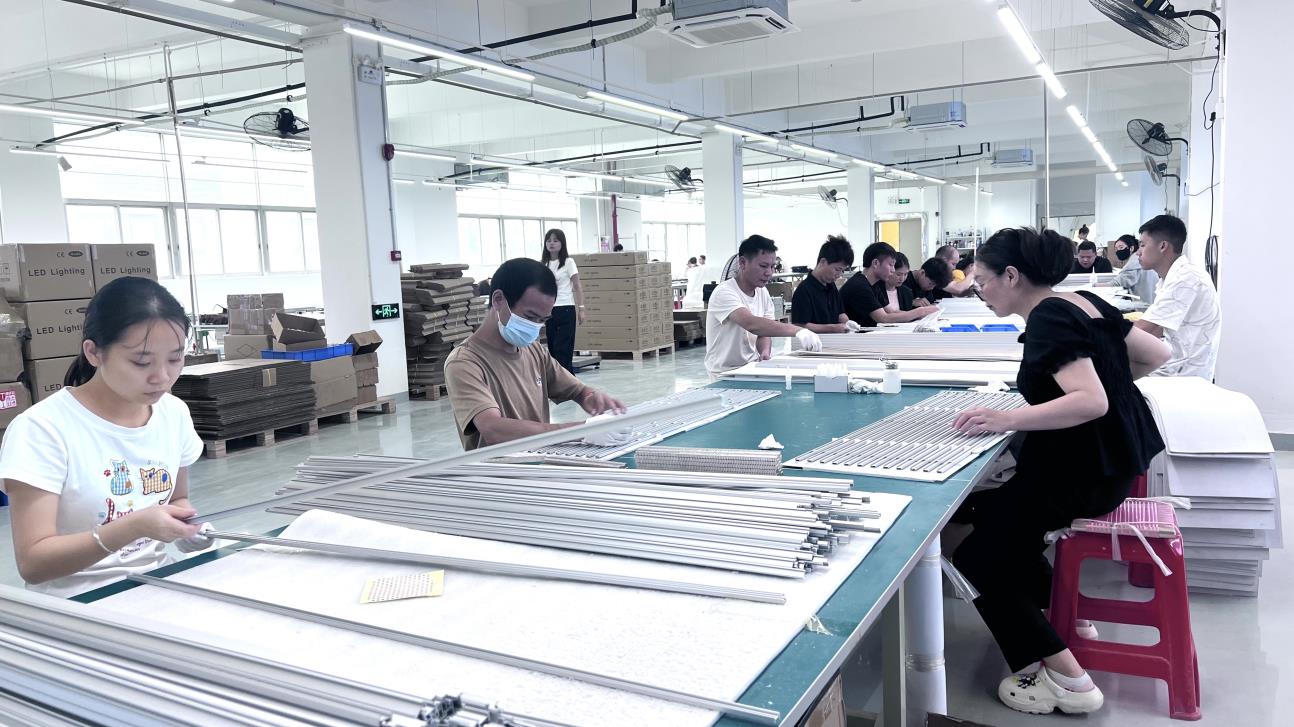
Foshan Jable Light Co., Ltd. is a leading professional lighting manufacturer established in 2006, specializing in the research, development, production, and marketing of a wide range of high-quality lighting fixtures. Our company is headquartered in Foshan and operates a modern factory covering over 20,000 square meters, employing more than 300 skilled workers.
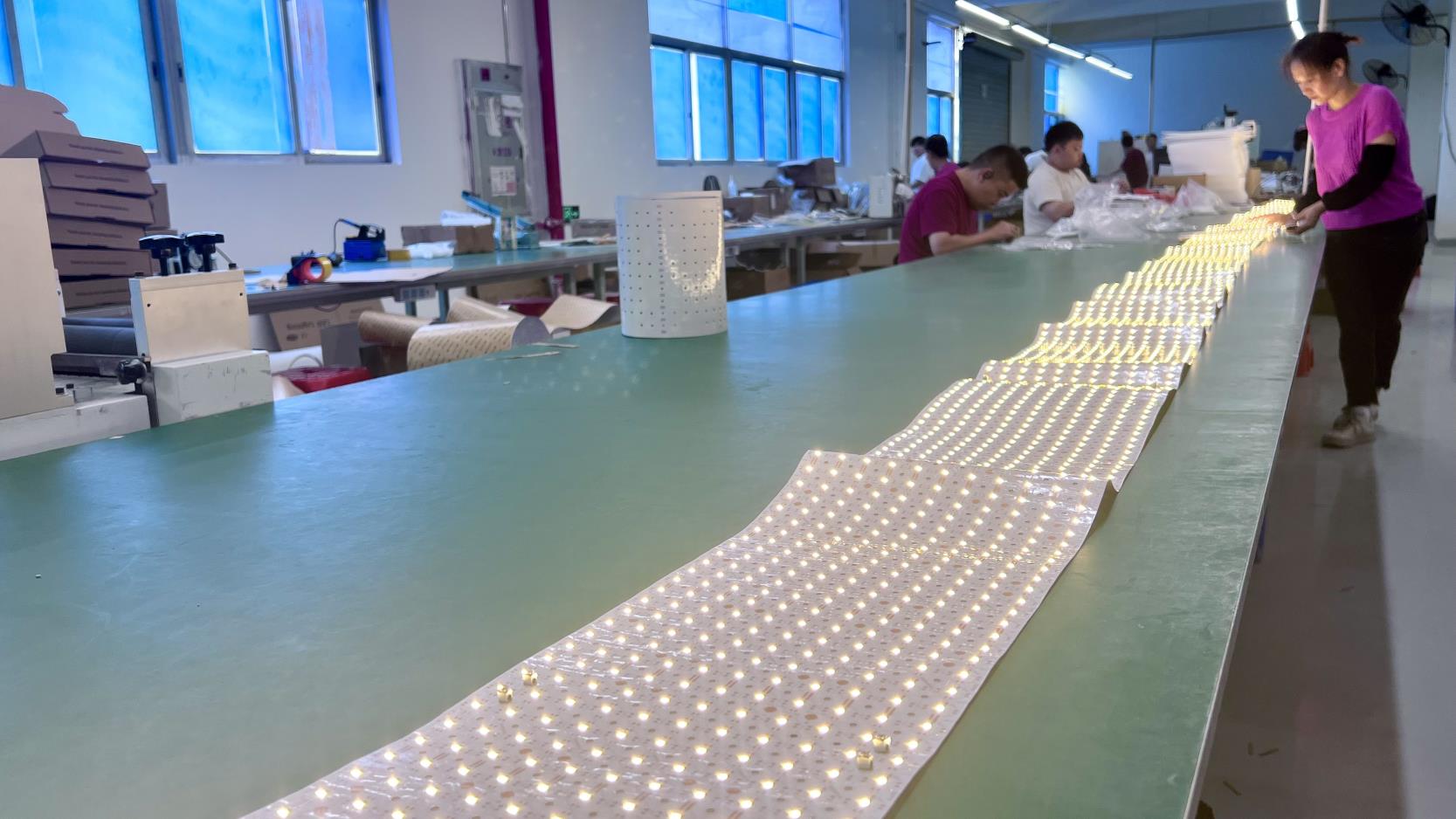
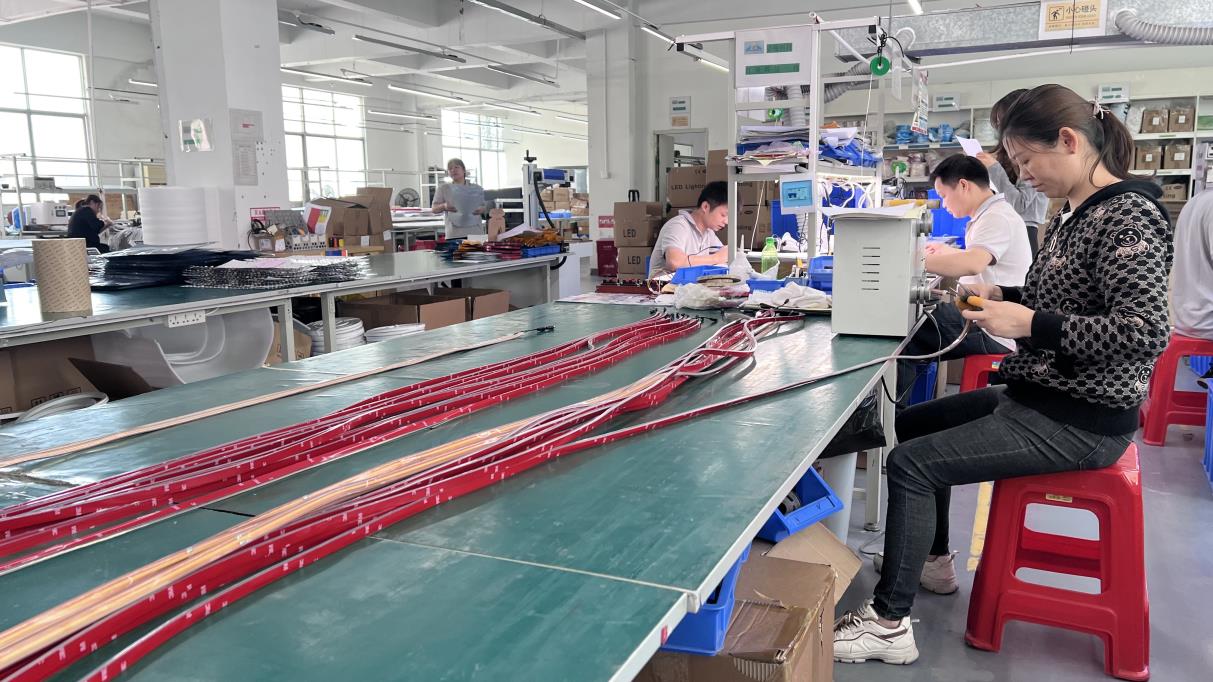
Our factory is equipped with 8 advanced production lines, including stamping, spinning, injection molding, powder coating, and general assembly, ensuring high efficiency and consistent product quality. With an annual turnover exceeding USD 30,000,000, our production capacity continues to grow by approximately 30% each year to meet the increasing demands of both domestic and international markets.
At Jable Light, we are committed to winning the market through exceptional service, superior product quality, and competitive pricing. We implement strict 7S management and maintain compliance with the TÜV ISO9001 quality management system. Our products have obtained multiple certifications, including ETL & cETL, UL, CE, and IP44, ensuring safety, reliability, and environmental compliance. We continuously innovate to develop energy-efficient, stylish, and durable lighting solutions that cater to residential, commercial, and industrial applications. Choose Jable Light as your trusted lighting supplier, and experience professional service, high-quality products, and unmatched reliability.
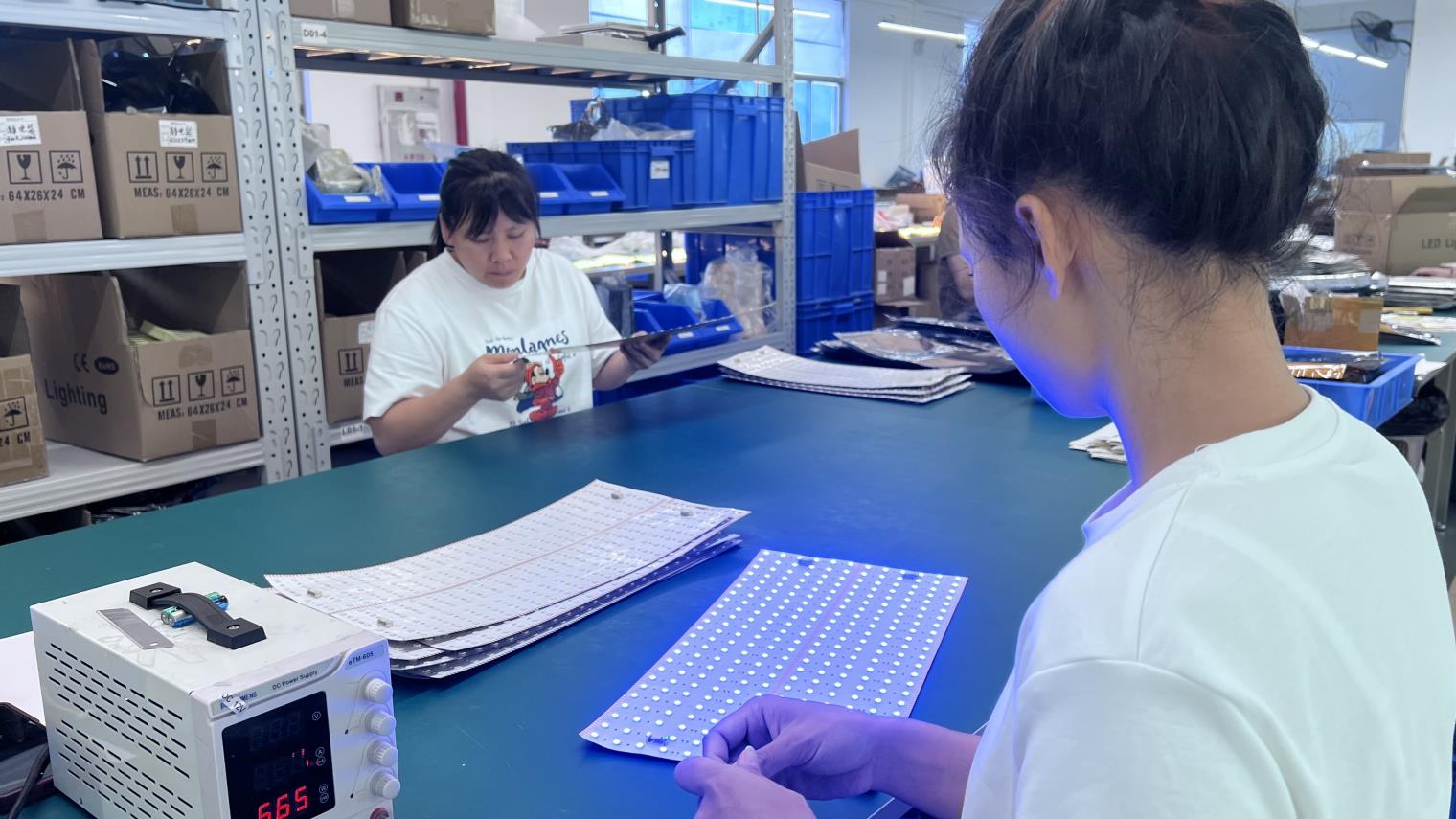
Our advanced manufacturing workflows are organized into a strict quality control sequence, from raw materials to precision Surface Mount Technology (SMT) and rigorous testing phases.
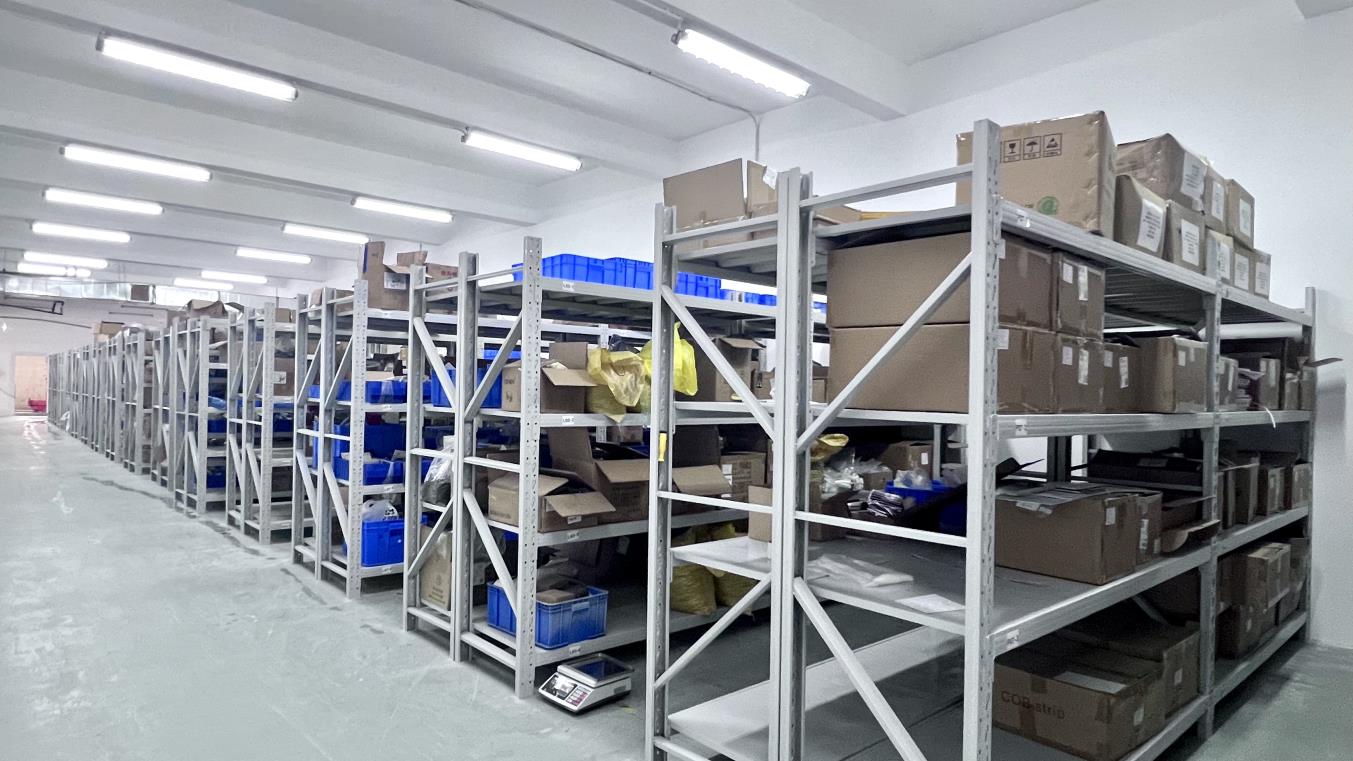
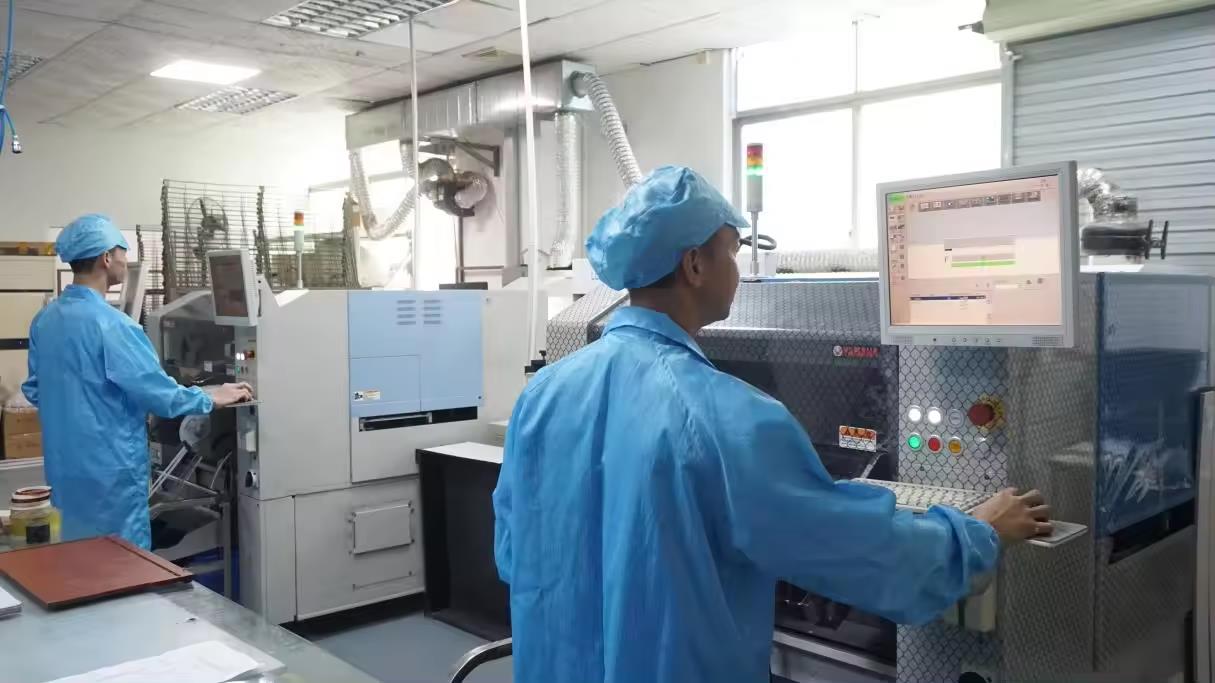
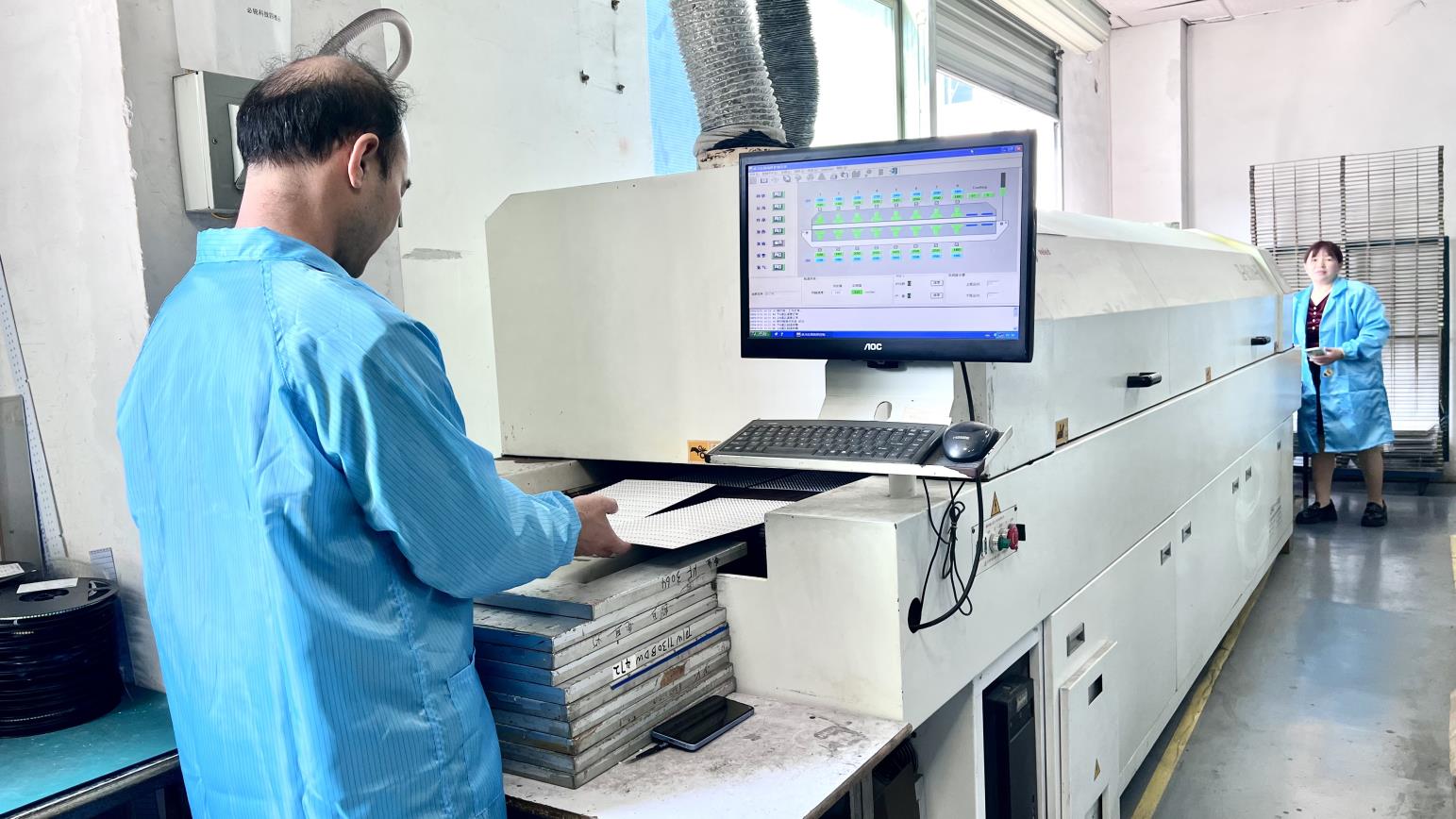
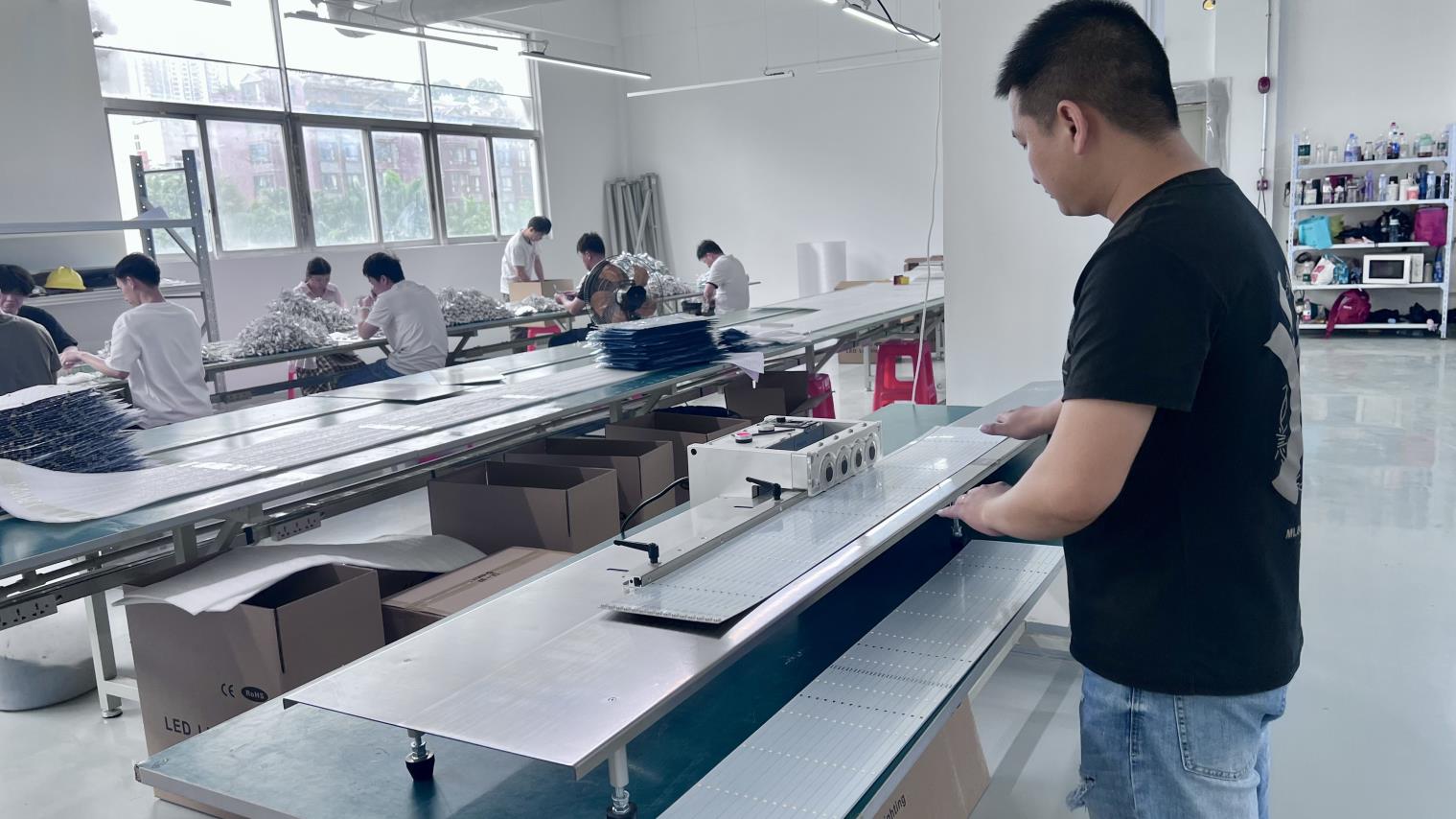


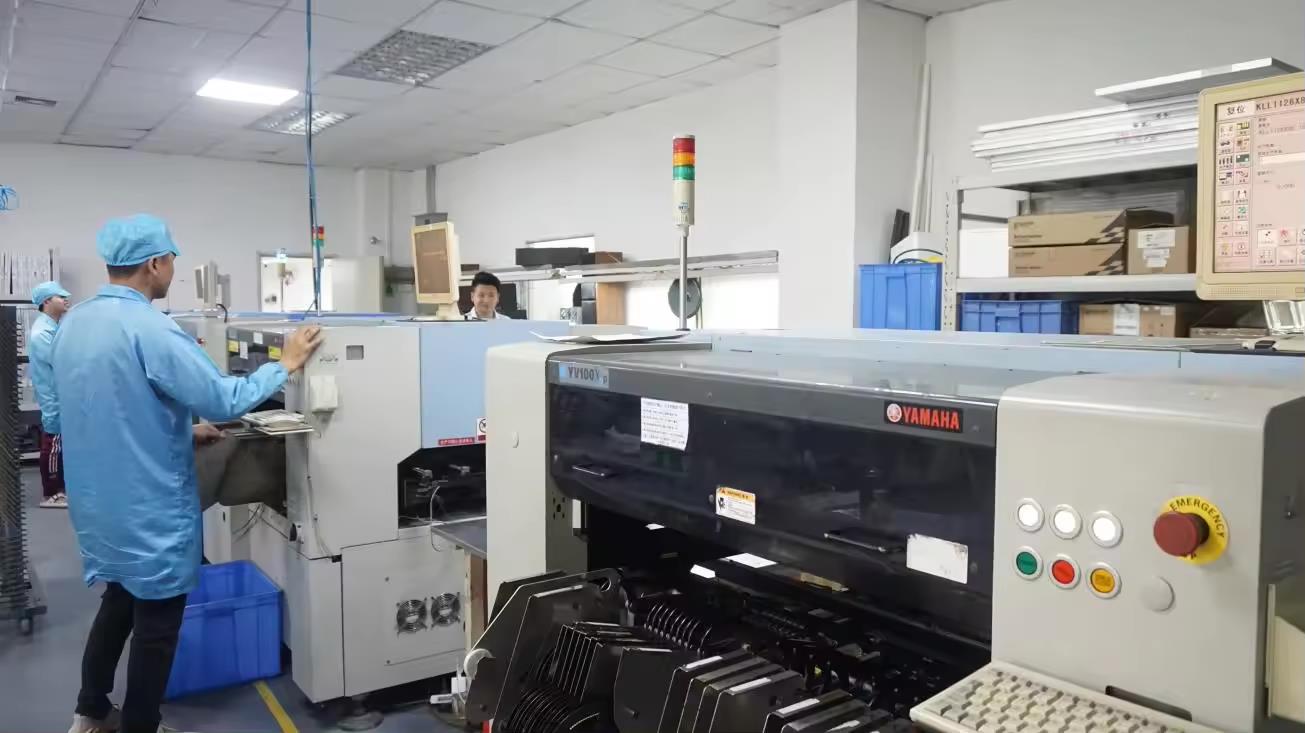
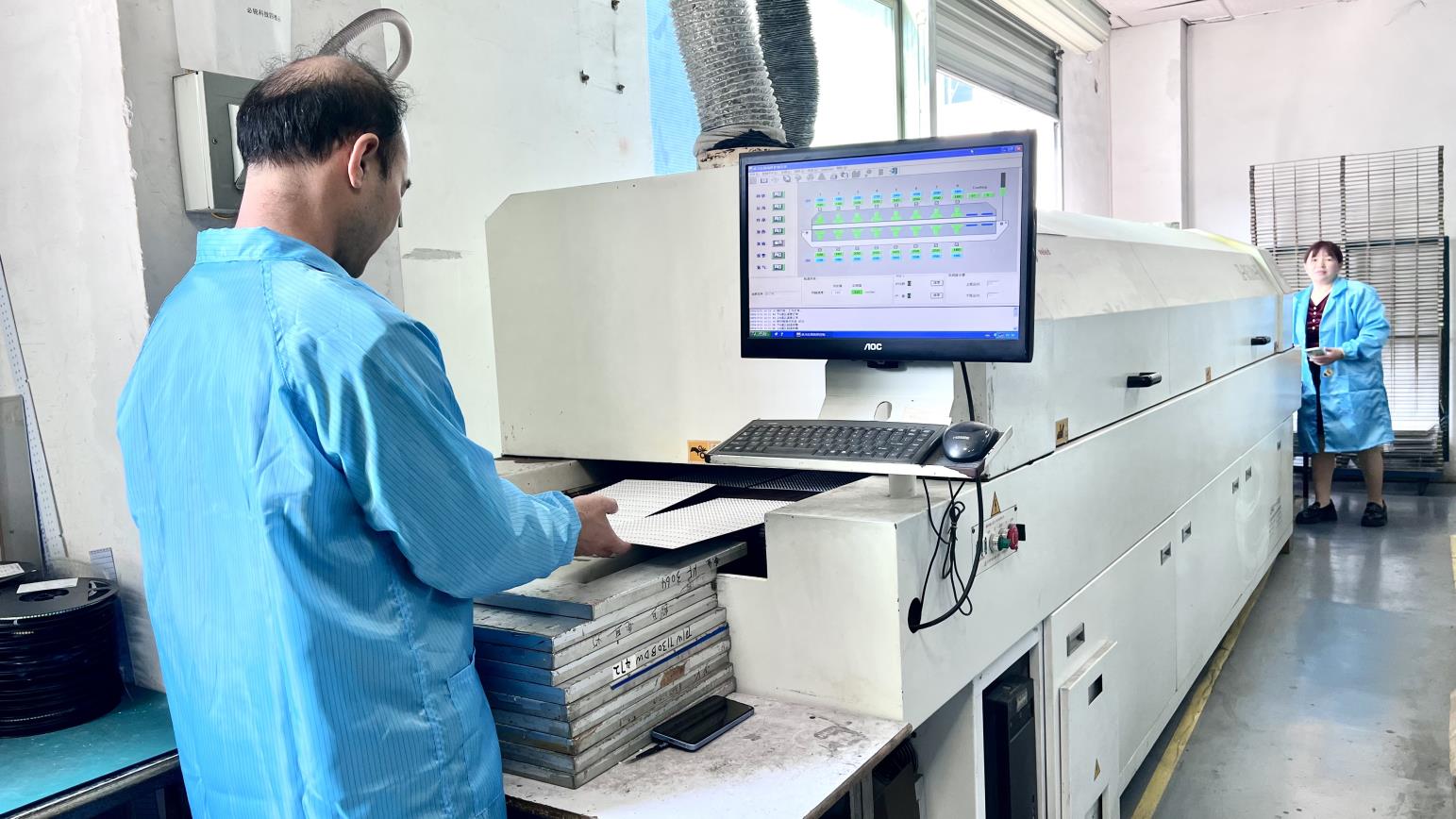
China's Pearl River Delta, particularly cities like Foshan and Zhongshan, forms the epicenter of the global lighting and electrical controls supply chain. This ecosystem provides significant strategic advantages for international buyers:
Industrial performance relies on rigorous execution. Advanced Chinese exporters operate under ISO9001 quality systems and 7S management methodologies (Sort, Set in order, Shine, Standardize, Sustain, Safety, Security). This structured approach reduces waste, stabilizes workflows, and ensures batch-to-batch consistency across large production runs.
Selecting the appropriate dimming protocol is critical to ensuring compatibility between control units and LED drivers. The table below outlines the primary modern dimming protocols used in commercial and residential projects:
| Protocol Name | Signal Type | Typical Applications | Key Advantage | Limitations |
|---|---|---|---|---|
| Triac / Phase-Cut | AC Line Voltage (120V/230V) | Residential retrofit, hospitality guest rooms | No extra control wiring needed | Flicker risks at <10% levels, inrush limitations |
| 0-10V Analog | DC low-voltage (0-10V) | Commercial offices, industrial high bays | Simple, reliable, cost-effective | Unicast control only; voltage drops over long runs |
| DALI / DALI-2 | Digital bus protocol (16V DC) | Smart building automation, architectural | Individual addressability, feedback metrics | Requires specialized controller commissioning |
| Zigbee 3.0 / Matter | Wireless Mesh (2.4 GHz) | Residential smart homes, retrofits | Flexible, smart app/voice control integration | Signal attenuation through concrete walls |
Procurement directors must ensure imported dimming products align with destination market regulations. Importing uncertified components can lead to customs delays, project rejection by electrical inspectors, or liability in the event of equipment failure.
For US and Canadian markets, dimmer switches must carry UL 1472 listing or ETL equivalent certification. These standards verify fire resistance, insulation performance, and short-circuit containment. Dimmers must also comply with FCC Part 15 regulations regarding electromagnetic interference (EMI) to prevent crosstalk with communication lines.
European Union imports require the CE mark, indicating compliance with the Low Voltage Directive (LVD) and Electromagnetic Compatibility (EMC) Directive. The ENEC Mark provides third-party validation, and RoHS compliance ensures the elimination of hazardous substances (such as lead and cadmium) from PCBs and solder joints.
The lighting control sector is moving toward deeper integration with broader building ecosystems. Key emerging trends include:
A compilation of common questions from lighting engineers, project contractors, and procurement departments regarding dimmer switch selection.
Our extended selection of commercial-grade fixtures, linear systems, and high-lumen solutions engineered to withstand demanding operational conditions.
 Jable Light