In modern architecture, the implementation of skylights and daylighting simulation tools has surpassed standard aesthetics. Driven by sustainable development goals, strict building code certifications (such as LEED, BREEAM, and WELL), and deep scientific understanding of biophilic design, developers are prioritizing systems that bring natural lighting qualities deep into architectural structures. Skylights have progressed from simple transparent glass openings into advanced systems that regulate daylighting, manage thermal gain, control glare, and integrate smart LED technology to dynamically sync with natural circadian rhythms.
For commercial hubs, shopping malls, transport nodes, and high-rise office towers, physical skylights present architectural opportunities as well as thermal challenges. To balance energy budgets, designers increasingly specify engineered artificial skylights and circadian LED panel lighting alongside high-performance double or triple-glazed structural skylights. This global commercial demand has driven a massive shift toward advanced manufacturers capable of blending heavy structural frame fabrication with optical and electronic smart systems.
Advanced commercial spaces deploy human-centric LED systems matching natural sunlight shifts from morning to night. Our smart products support warm-to-cool CCT adjustments to mimic natural skies.
Our solutions feature insulated aluminum extrusions and thermal barriers, preventing energy leaks while delivering stable architectural lighting across extreme climates.
Seamlessly matching DALI, Zigbee, and WiFi control protocols, our lights interface with leading smart building platforms for reduced footprint and high automation.
Operating from Foshan, the global hub for lighting and structural aluminum manufacturing, Foshan Jable Light Co., Ltd. (established in 2006) bridges the gap between raw capacity and technical execution. Over the course of nearly two decades, we have developed a integrated, high-capacity infrastructure covering more than 20,000 square meters. Our manufacturing plant operates with 300+ skilled personnel and 8 state-of-the-art production lines, executing processes from stamping, metal spinning, and high-precision injection molding to automatic powder coating and final cleanroom assembly.
With an annual turnover surpassing USD 30,000,000 and growing at an average of 30% annually, our factory delivers reliable consistency at scale. We are strictly certified under the TÜV ISO9001 quality management framework and operate with strict adherence to 7S operational principles. Our products carry international regulatory compliance markings, including ETL, cETL, UL, CE, and IP44, which guarantees seamless import and local inspections for our trade partners worldwide.
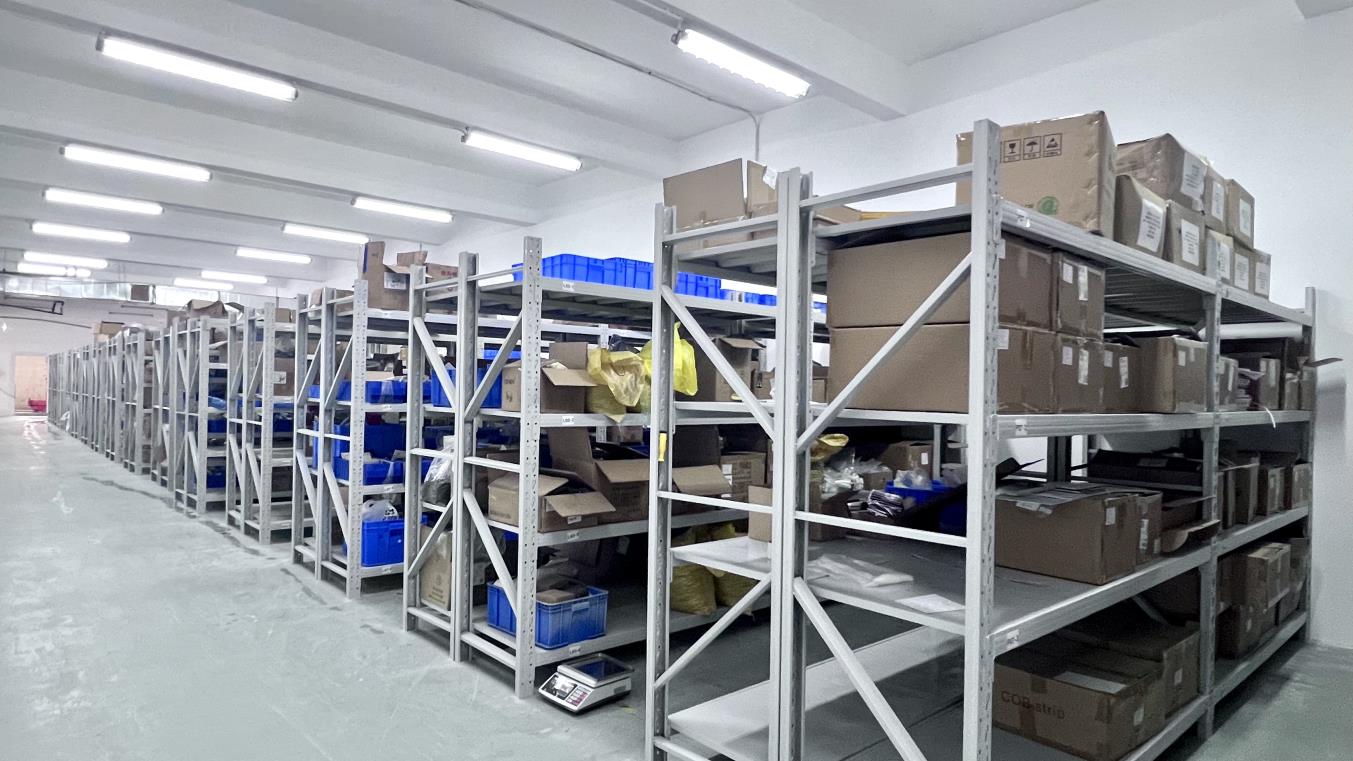
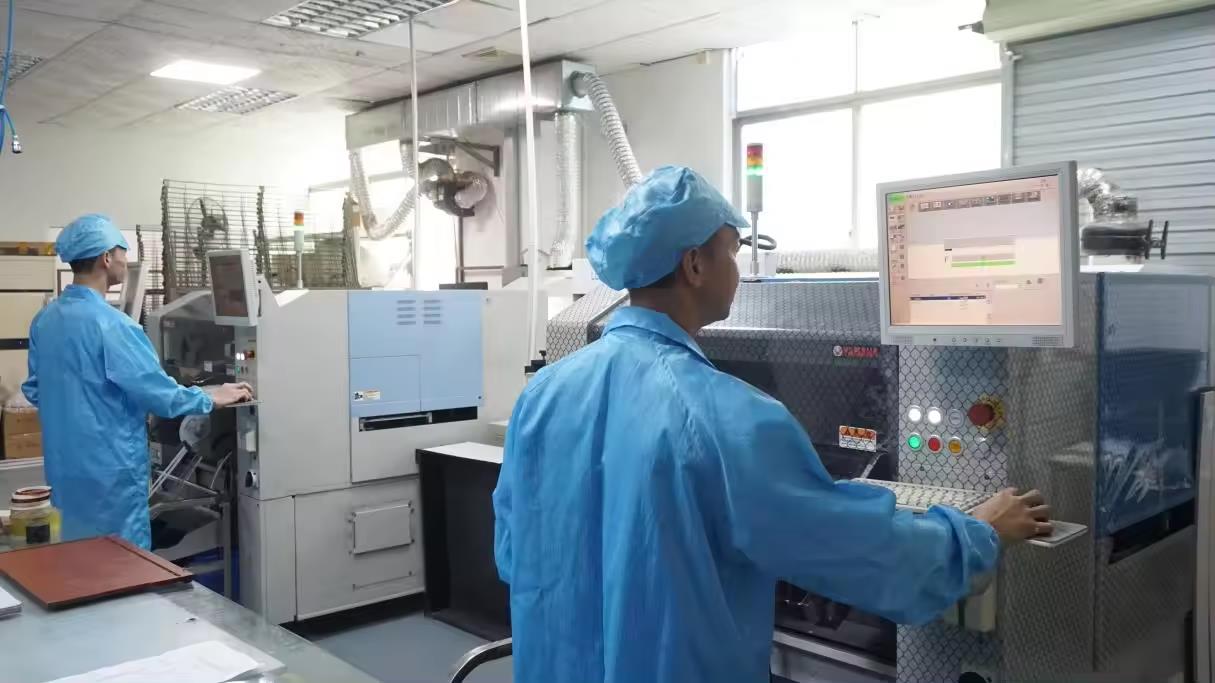
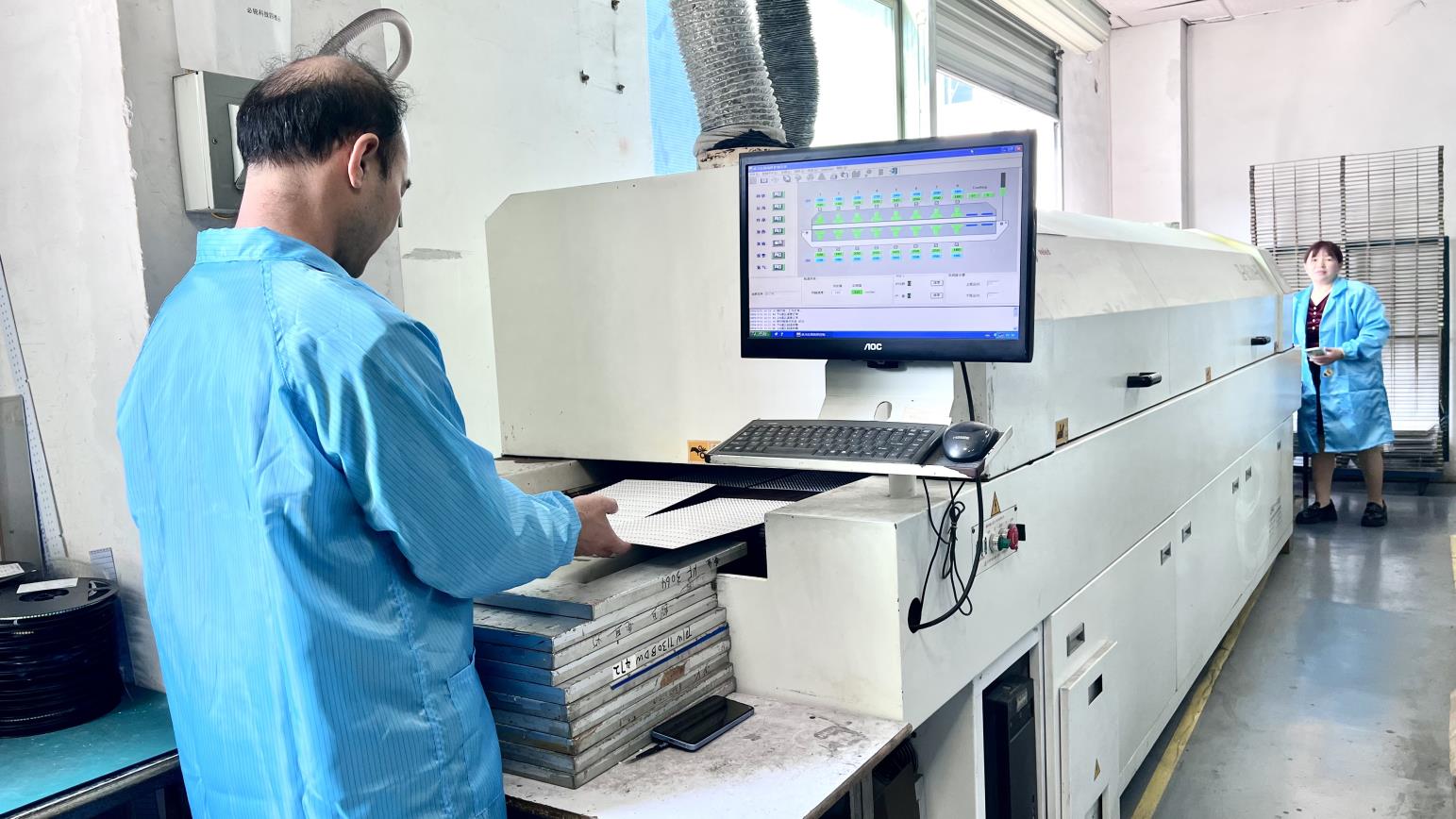
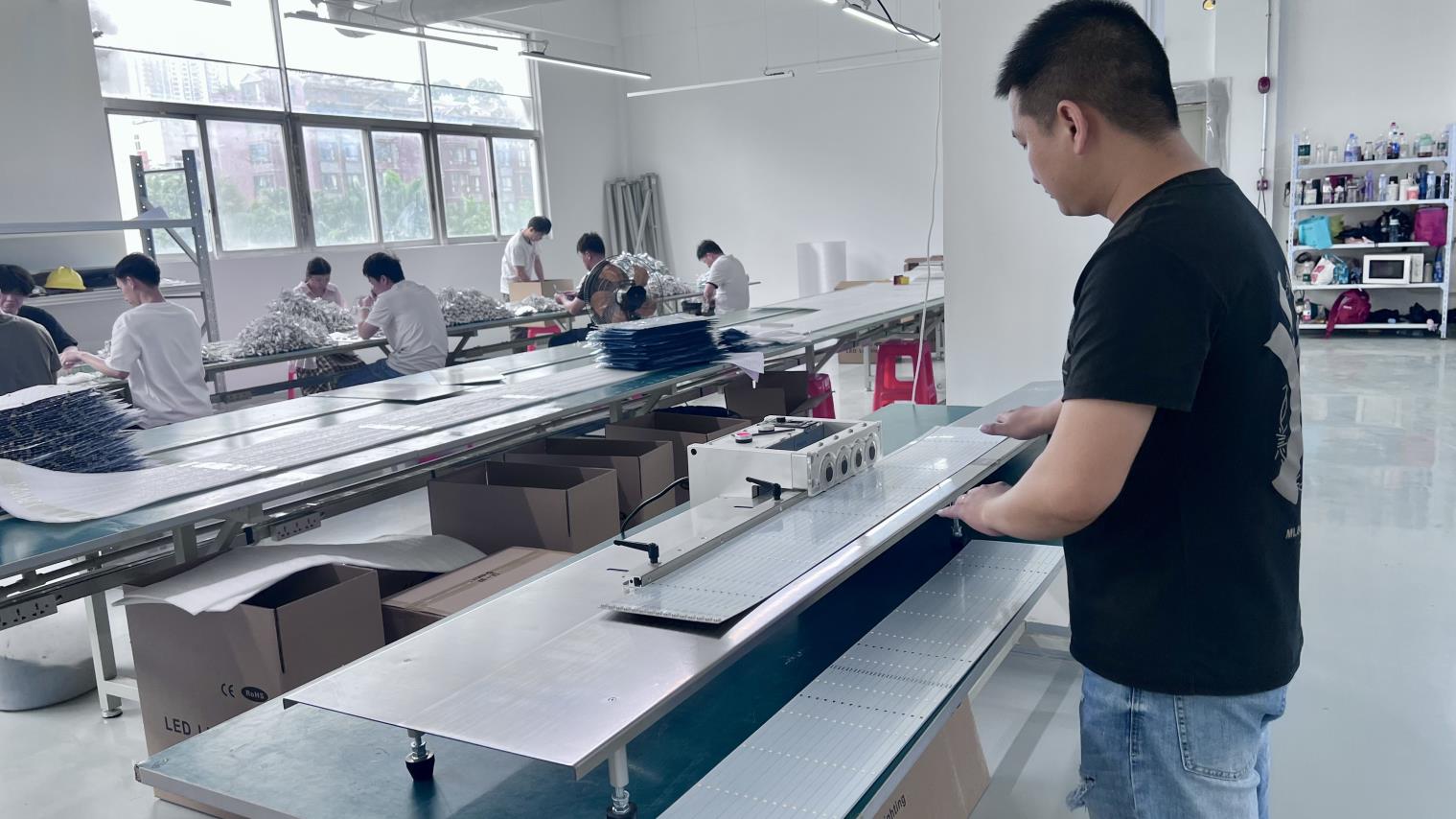
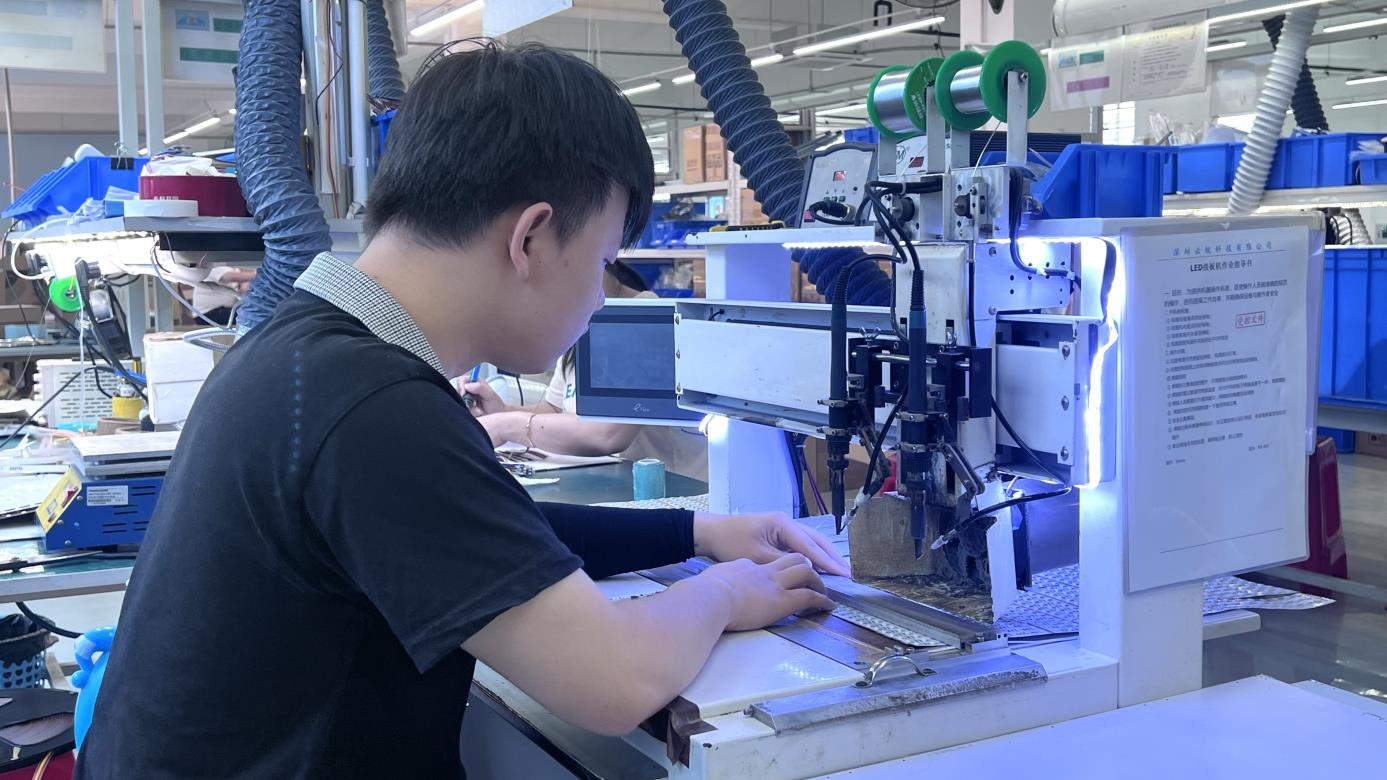
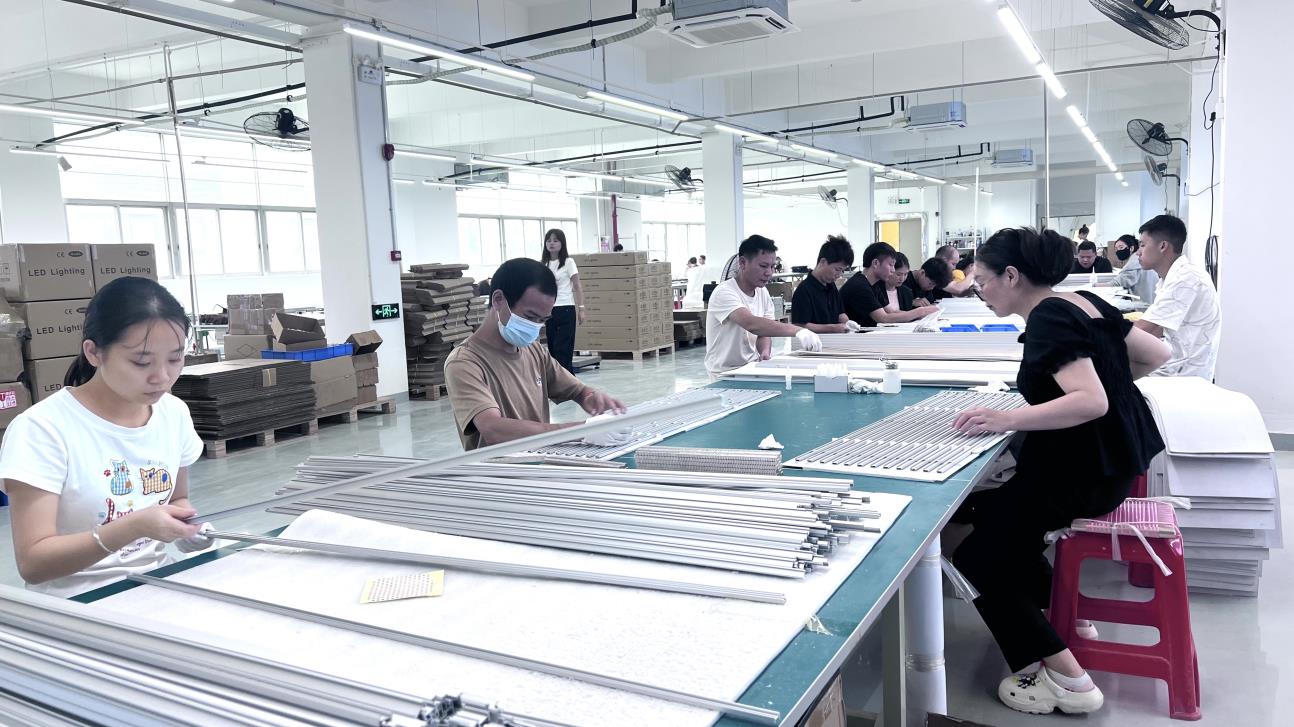
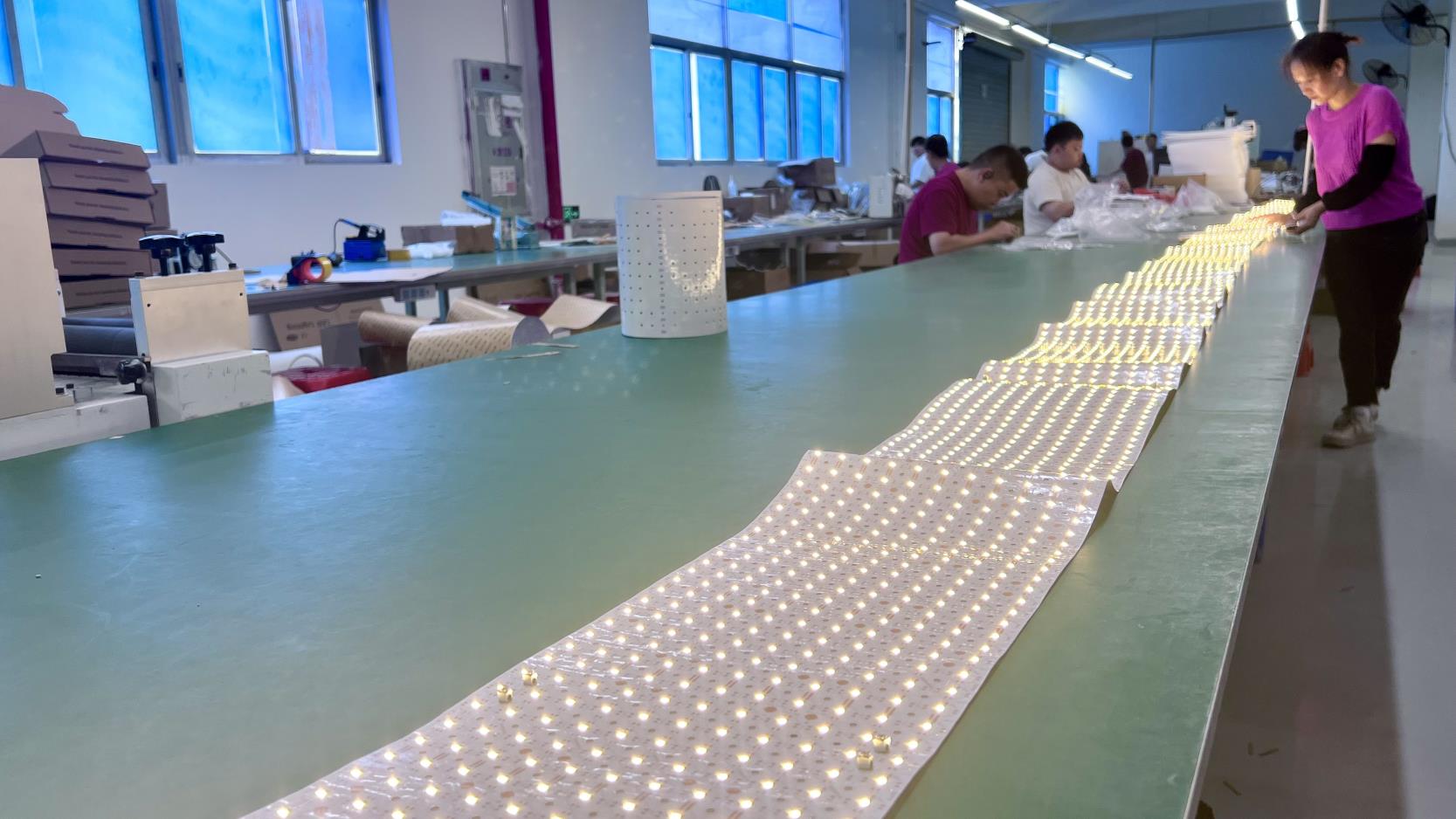
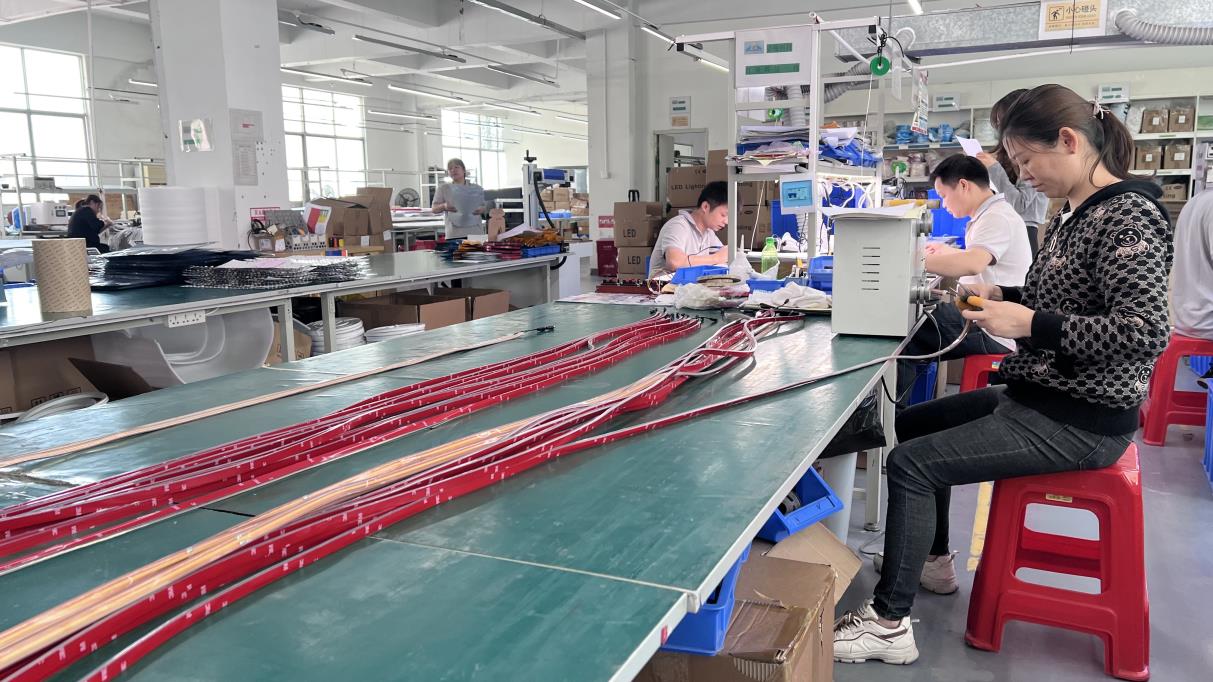
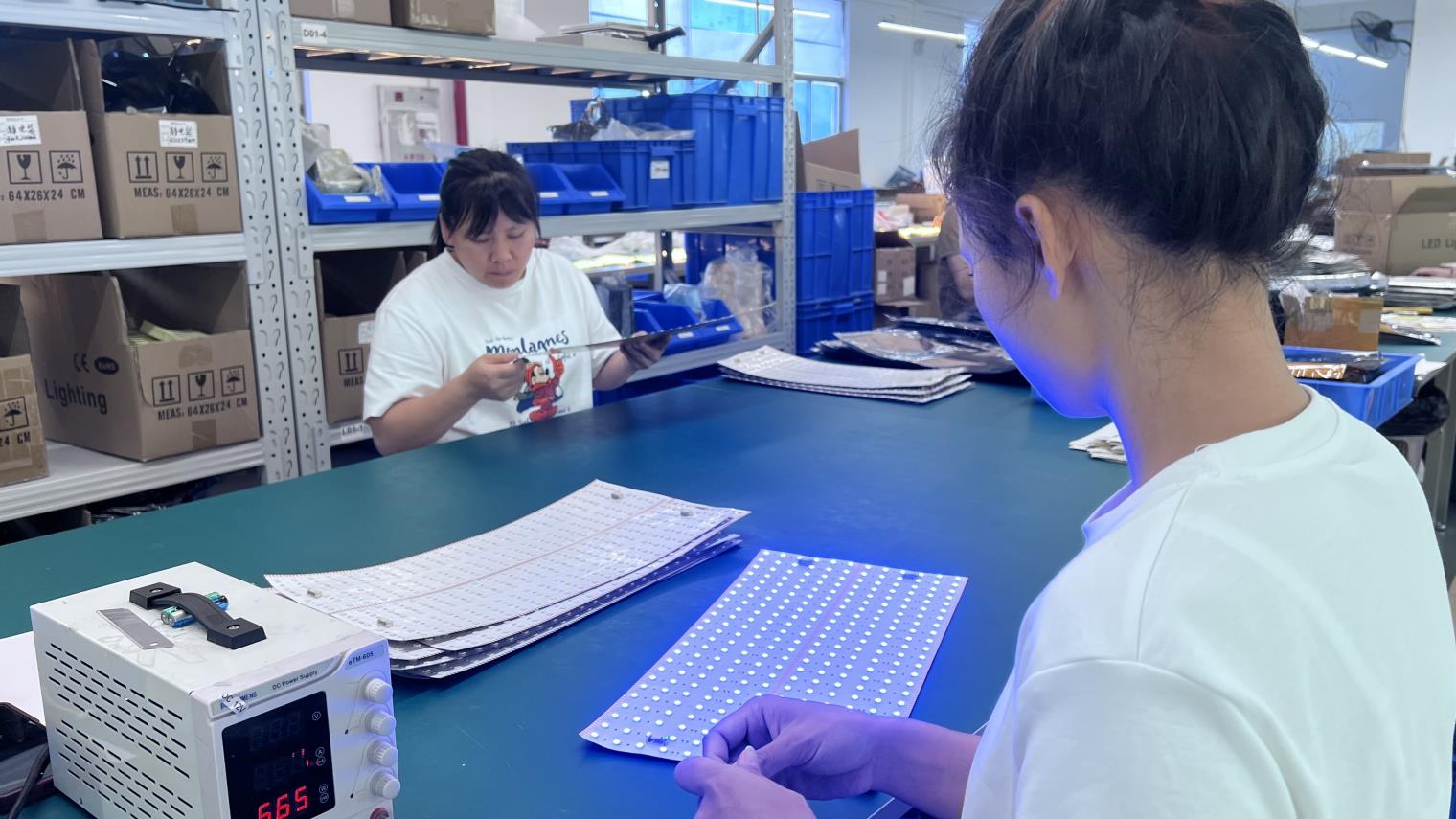
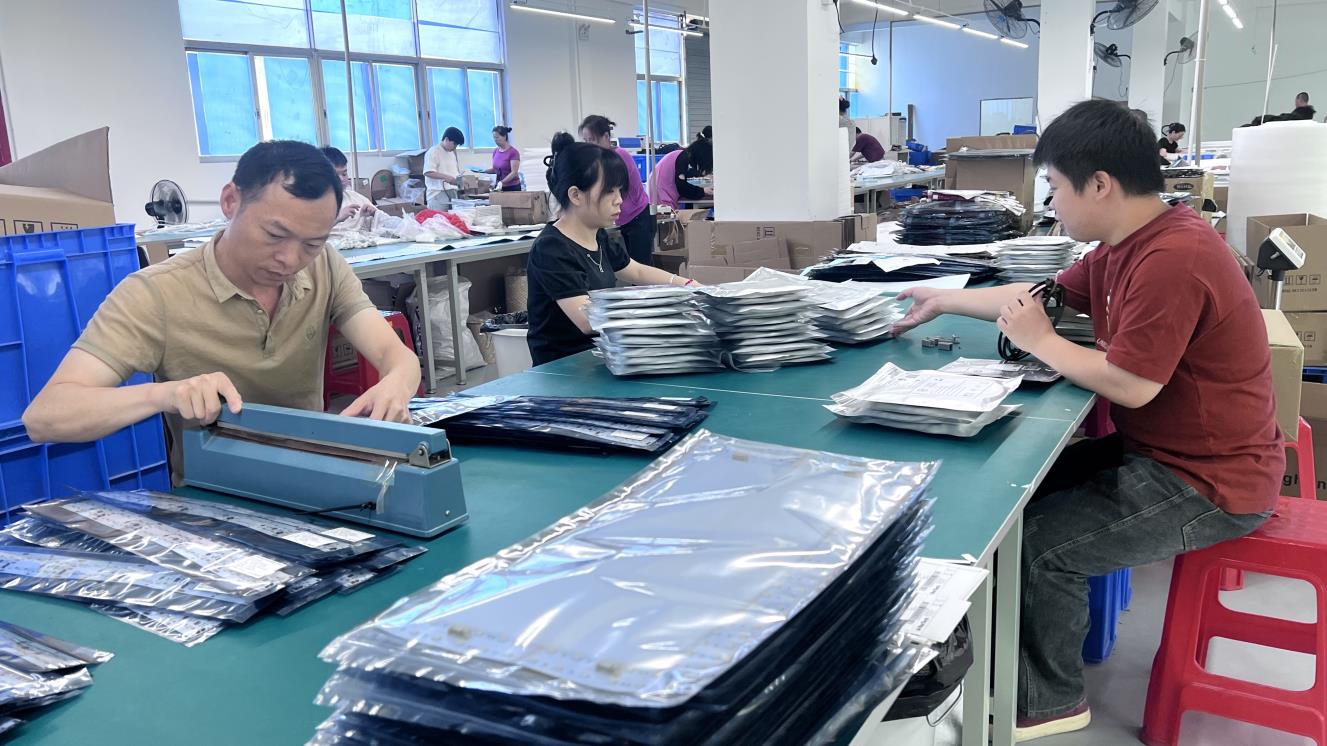
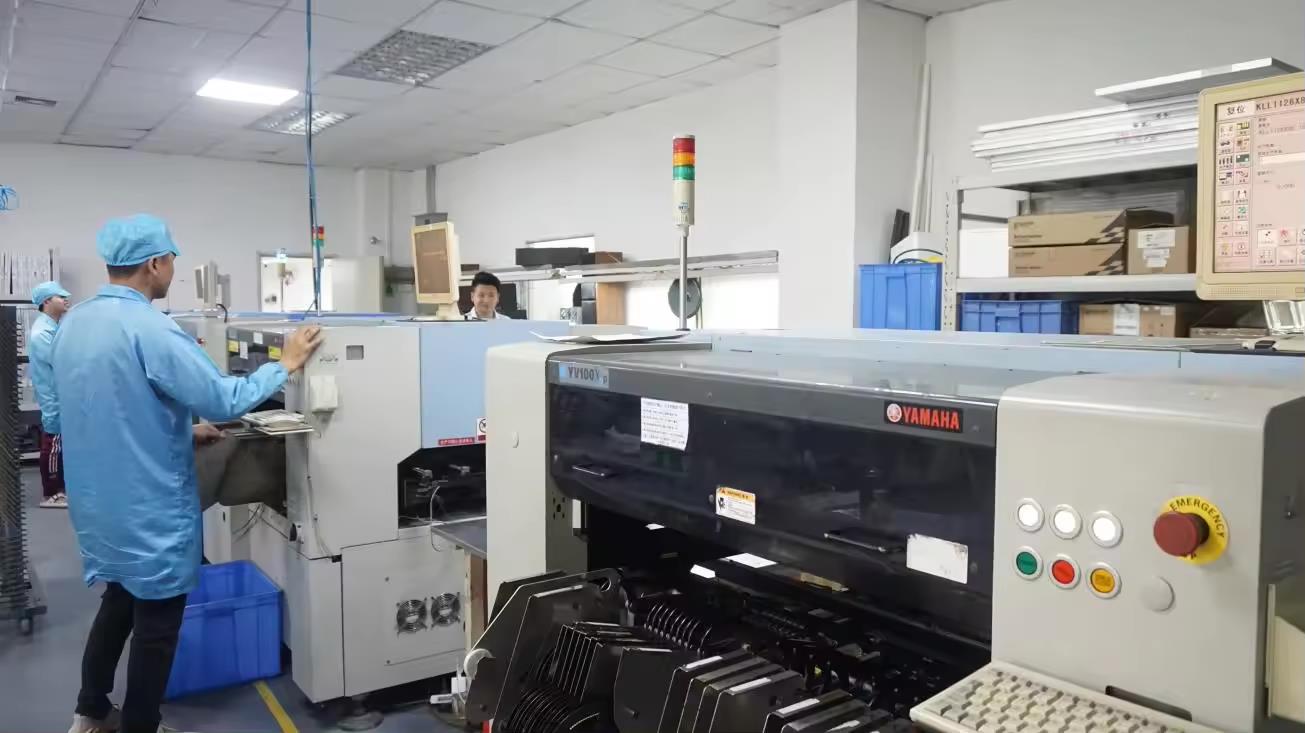
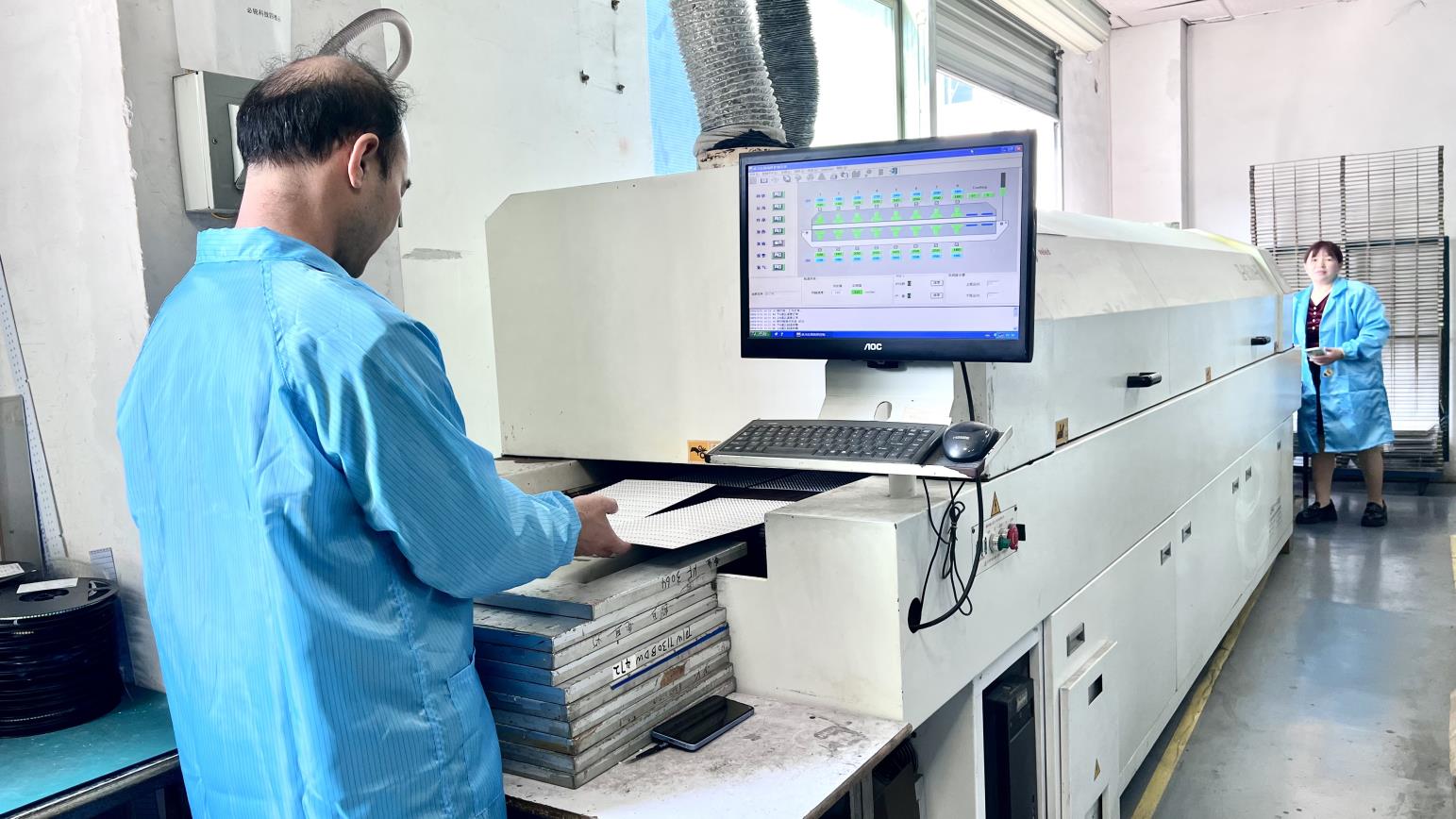
The global dominance of Chinese skylight factories in the architectural supply chain is built upon a dense network of raw material suppliers, technological expertise, and logistical channels. Working out of the Foshan cluster allows us to source high-grade, structural-grade aluminum profiles and advanced diffuser PMMA sheets at competitive rates. This geographic cluster is combined with highly advanced automated equipment, such as SMT assembly, high-speed reflow soldering, and custom metal spinning/stamping machines within our 20,000 square meter plant.
For international buyers, these supply chain efficiencies translate directly into major commercial advantages: lower cost-per-unit, faster prototyping pipelines, and reliable lead times. Our integration of SMT processes and metal forming within a single facility cuts lead times by half compared to factories that outsource their components. Furthermore, our strict quality control workflow, verified by TÜV ISO9001 and certified for UL, ETL, and CE, ensures our products comply with local building regulations when they arrive on site.
Modern daylighting applications vary widely depending on the climate and local architecture of the destination country. In commercial developments across Western Europe, where energy costs are high and regulations demand high efficiency, our low-glare, high-CRI panel lights are integrated into automated building management systems. By pairing daylight sensors with dimmable COB and SMD LED engines, energy consumption drops significantly during peak daylight hours.
In high-density Asian cities, real estate developers leverage smart artificial skylights in deep basement structures, metro stations, and windowless office blocks. By simulating a real blue sky using advanced optics and LED drivers, these layouts create a biophilic outdoor feeling, raising tenant satisfaction and property valuation. In residential markets in North America, high-end homes specify magnetic track light arrays and dimmable smart ceiling fixtures to match their architectural skylights, establishing smooth lighting transitions across changing weather conditions.
The industry is moving toward greater system integration. We expect to see physical skylights paired closely with solid-state LED systems, where smart optical systems adjust output based on the actual intensity of incoming sunlight. Another major trend is the reduction of unified glare ratings (UGR). New standards require offices to maintain a UGR of 19 or lower to reduce eye strain, driving the design of advanced prismatic light diffusers and micro-lens arrays.
At the same time, carbon footprint and circular economy considerations are changing product design. Architects want fixtures with recyclable components, such as extruded aluminum housings and non-toxic powder coatings, that are easy to disassemble at the end of their lifecycle. At Jable Light, we design our product lines to be both highly efficient and easy to maintain, reducing the environmental footprint of global shipping and building operations.
Our manufacturing processes follow the TÜV ISO9001 quality management framework. For international shipping and installation, our products carry certifications like ETL, cETL (for the US and Canadian markets), UL, CE, RoHS, and IP44/IP65 ratings. This ensures our products comply with local building codes, passing site safety audits and qualifying projects for energy-efficiency incentives.
We offer full OEM and ODM services. Our in-house research and development department works with 8 active production lines, including stamping, spinning, and injection molding. We customize fixture dimensions, optical beam angles, LED CCT limits, brand packaging, and driver integrations (supporting DALI-2, Zigbee, and 0-10V dimming) based on your project specifications.
Standard production runs take 25 to 35 business days from payment confirmation to port delivery. Our modern factory handles high volumes with an annual growth rate of 30%, which helps minimize delays during peak shipping seasons. We can also expedite critical project schedules through optimized scheduling.
We follow strict 7S quality management principles at every stage of production. Once the automated SMT lines mount the LED boards, all units go through a continuous aging test under load to catch early components failures. We check optical lux levels and electrical grounding prior to packaging to ensure they meet our technical specifications.
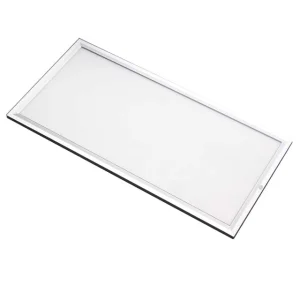
Yes, our smart light panels, linear profiles, and downlights are designed to integrate with smart building automation networks. We offer options that support standard protocol configurations like DALI, Zigbee, Tuya, and basic WiFi. This allows developers to connect our fixtures directly into building-wide control systems for remote dimming and automation.
We use high-grade structural aluminum alloy, which provides excellent heat dissipation and protects the LEDs from thermal degradation. The surfaces are finished with UV-stabilized, outdoor-rated powder coatings that prevent oxidation and fading under intense sunlight.
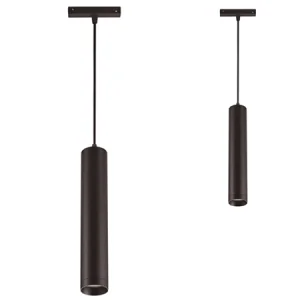
 Jable Light