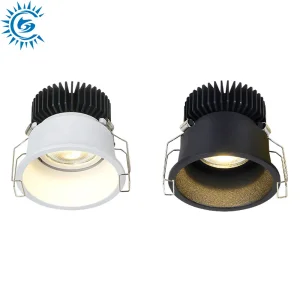
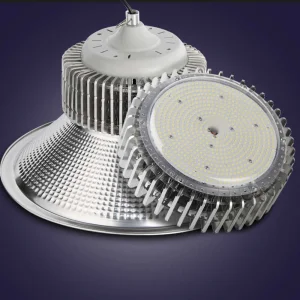
An authoritative analysis of optical engineering, energy metrics, and regulatory mandates defining next-generation global arenas.
As the global sports entertainment economy enters a new paradigm, architectural standards for stadiums and arenas have become increasingly sophisticated. Modern venues are no longer just physical playing fields; they are integrated digital broadcasting studios and sensory environments. Among the myriad elements shaping this transition, stadium lighting systems have emerged as a critical technological battlefield. Adequate and precise lighting does not merely satisfy the human eye—it directly influences high-definition (HD) broadcasting, 4K/8K ultra-slow-motion replay clarity, athlete physiological performance, and environmental sustainability.
From an optical physics and structural perspective, designing a sports lighting system involves managing extreme variables: immense mounting heights, broad wind resistance coefficients, thermal dynamics under high wattage, and the strict requirement for precise beam angle distribution. Chinese manufacturers, spearheaded by forward-looking firms like Foshan Jable Light Co., Ltd., have transitioned from traditional assembly plants to become global leaders in structural R&D. By implementing advanced CAD and Dialux simulations, they provide bespoke solutions that fulfill the rigorous demands set by international sports federations such as FIFA, FIBA, IAAF, and the Olympic Committee.
Decentralized control, dynamic spectra, and strict environmental impact reduction drive current global stadium projects.
Integration with DALI-2, DMX512, and wireless Zigbee/Bluetooth Mesh interfaces is now standard. Operators require real-time lumen dimming, customized zoning, and theatrical show triggering directly from centralized management software.
Traditional Color Rendering Index (CRI) is insufficient for high-speed camera sensors. Modern procurement mandates the Television Lighting Consistency Index (TLCI) to exceed 90, eliminating color distortion and flickering during 1000fps slow-motion playbacks.
Visual fatigue directly compromises athletic performance and spectator comfort. Modern high-mast designs utilize custom asymmetric lenses and physical baffles to constrain the Unified Glare Rating (UGR) to single digits without compromising vertical lux levels.
SEO Value Proposition: According to global user intent data, industrial procurement managers are transitioning from querying basic "cheap LED lights" to highly specific semantic queries like "anti-glare asymmetric floodlight UGR <19" and "flicker-free high mast lighting for 8K broadcast." Ensuring compliance with these key search terms guarantees high organic visibility and alignment with commercial transaction intents.
Decisive performance metrics that procurement engineering teams evaluate during the qualification process.
| Performance Metric | Standard Requirement | Elite Broadcaster Target (Class I) | Engineering Impact |
|---|---|---|---|
| System Luminous Efficacy | 120 - 140 lm/W | >160 lm/W | Direct reduction of operational energy overhead by up to 55%. |
| Color Rendering Index (CRI) | CRI > 70 | CRI > 90 (R9 > 50) | Accurate reproduction of team jersey colors and natural skin tones. |
| Flicker Free Index | < 1% | < 0.2% | Prevents strobe banding under ultra-high-definition slow-motion filming. |
| Thermal Management (Junction Temp) | Tj < 85°C | Tj < 70°C | Guarantees lumen maintenance (L90B10) exceeding 100,000 operational hours. |
| Surge Protection Device (SPD) | 10 kV | 20 kV / 40 kV (Meanwell / Inventronics) | Safeguards driver modules against catastrophic voltage spikes during lightning events. |
How system topology changes according to the sport, playing area, and camera tracking angles.
Configured using high-mast poles (25m-40m) stationed at the corners or along the sidelines. Features highly asymmetric optics to project light uniformly across the 105m x 68m grid while keeping spilling light outside the stadium perimeter minimal.
Characterized by lower ceiling heights (typically 12m-20m) where players frequently look upward. Demands deep-recessed optics, anti-glare micro-prismatic diffusers, and uniform high vertical illuminance to track the ball's trajectory effortlessly.
Requires uniform light distributions without creating sharp shadows on the play lines. Photometric structures prioritize high-efficacy floodlights positioned on lateral poles, targeting an average horizontal illuminance of >750 Lux for Class I match standards.
Pioneering standard-compliant, energy-efficient lighting solutions since 2006.
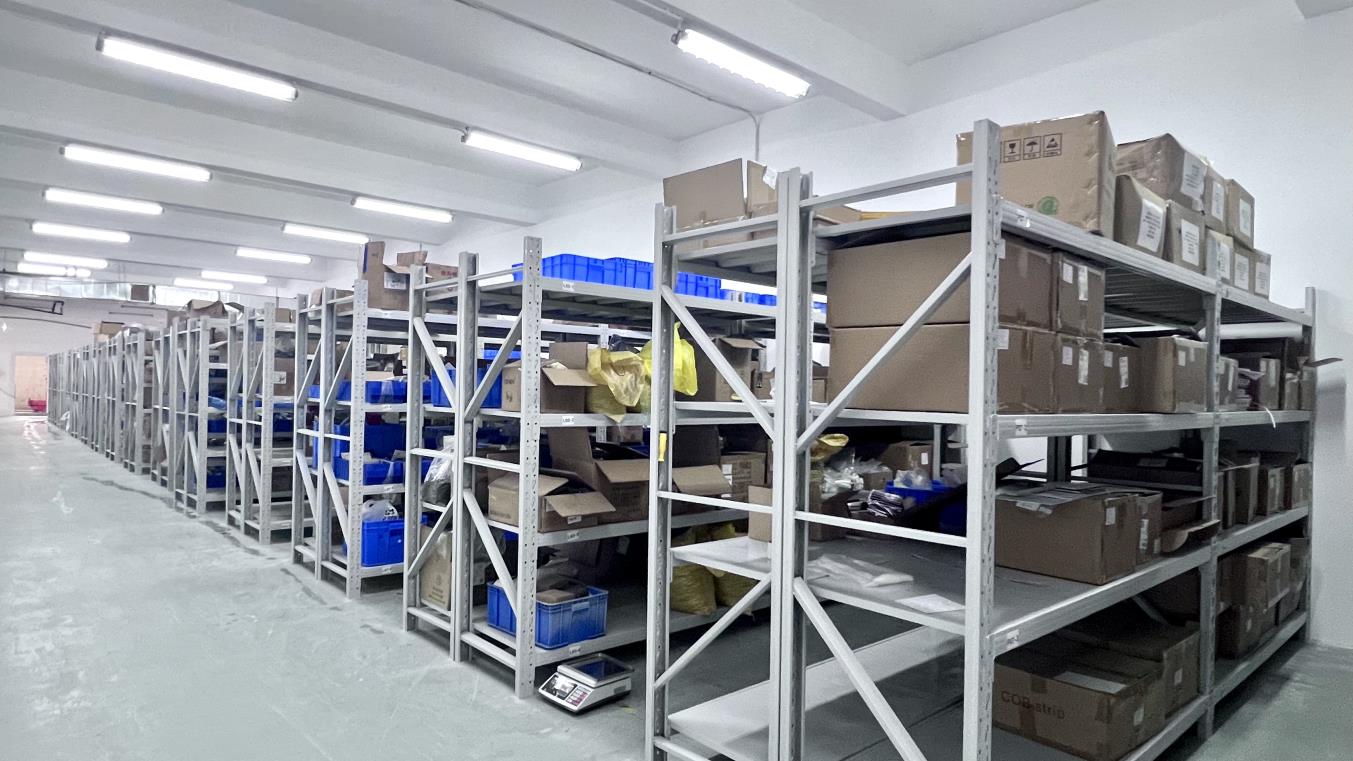
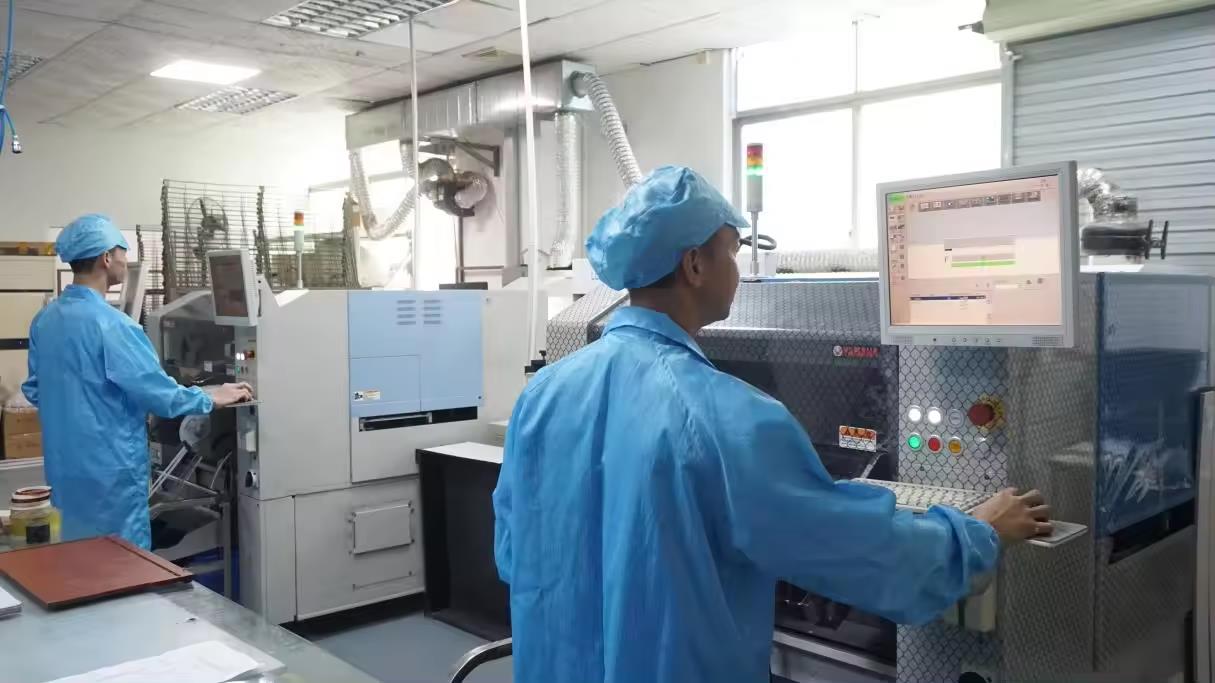
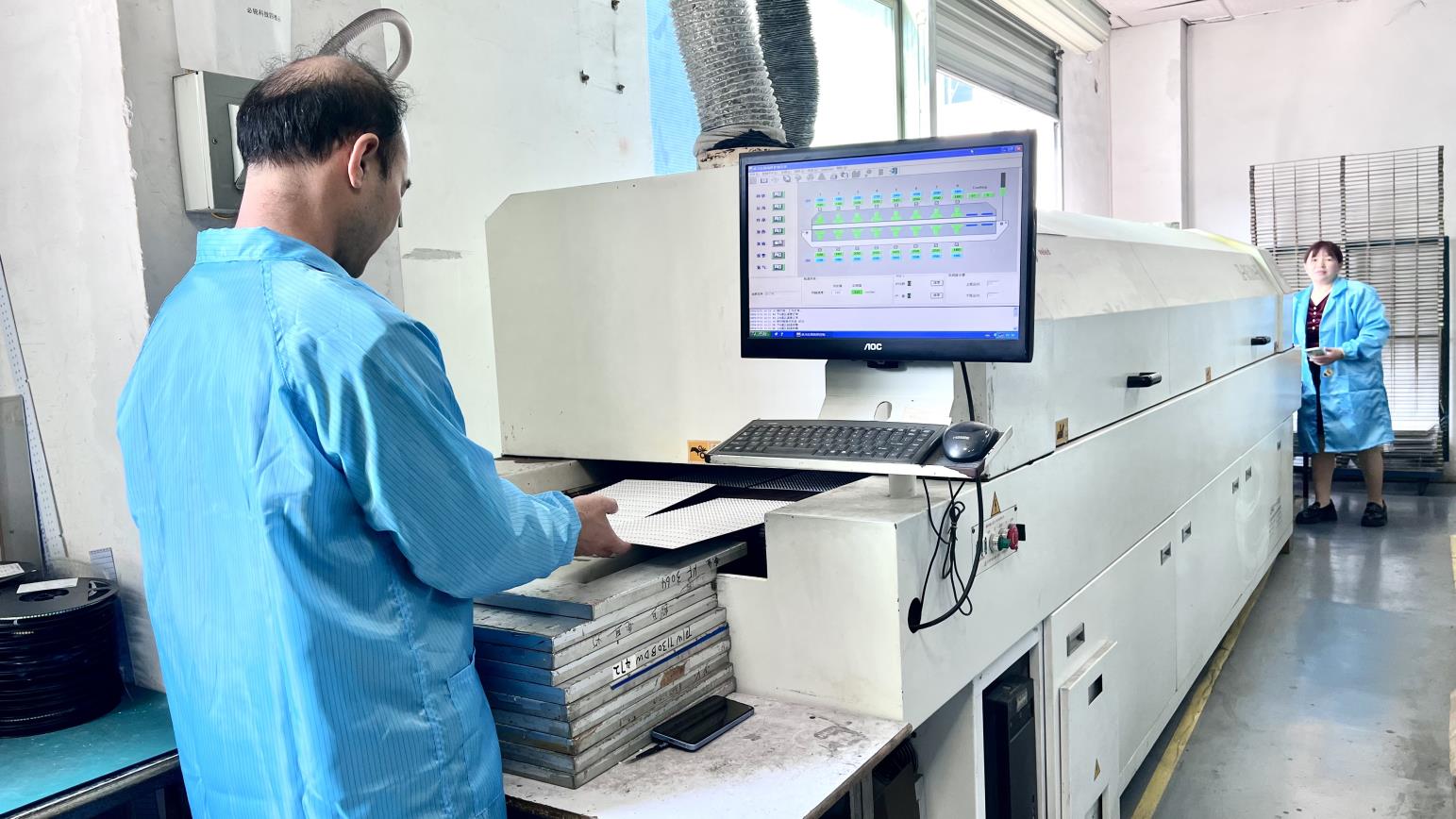
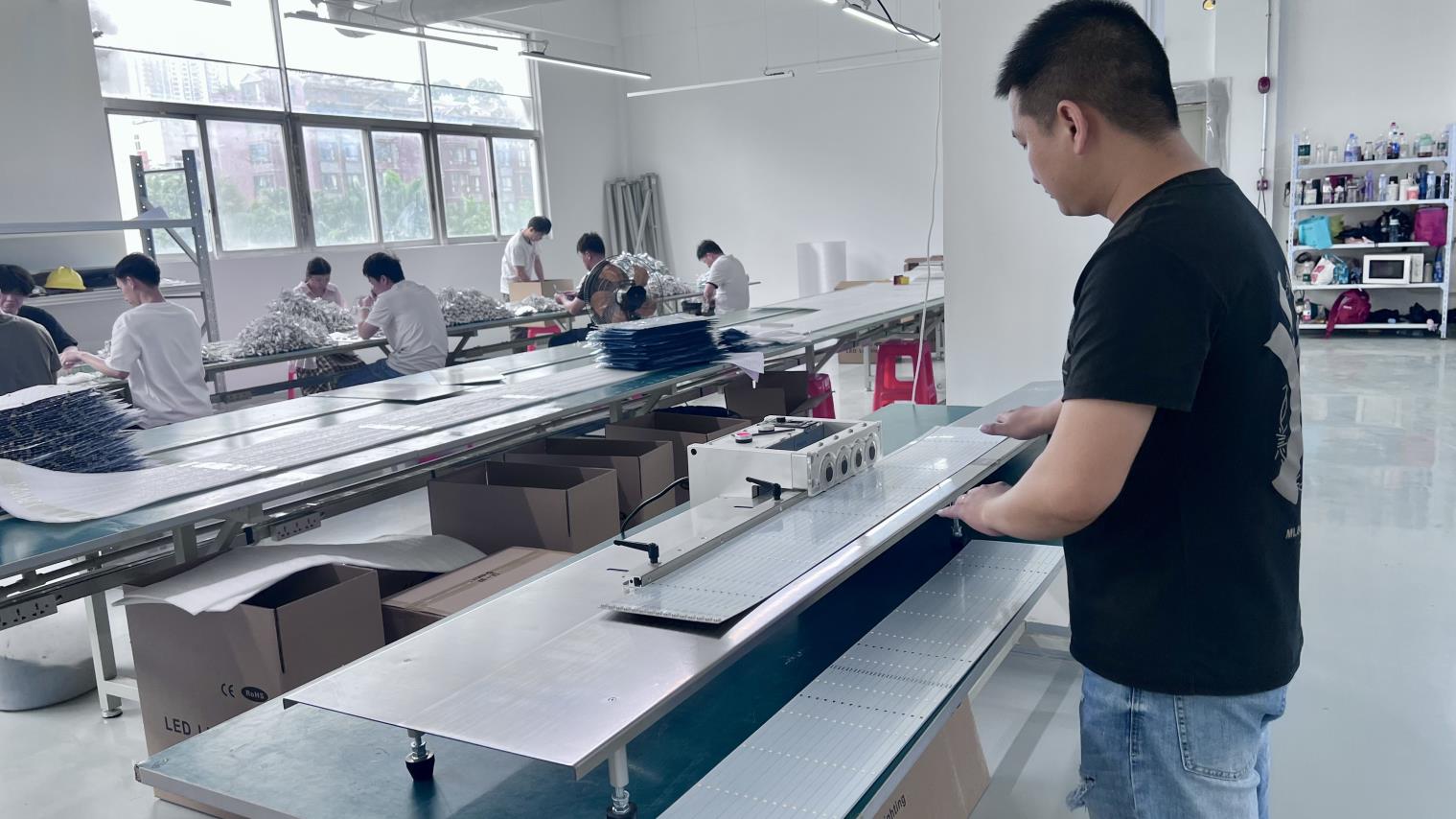
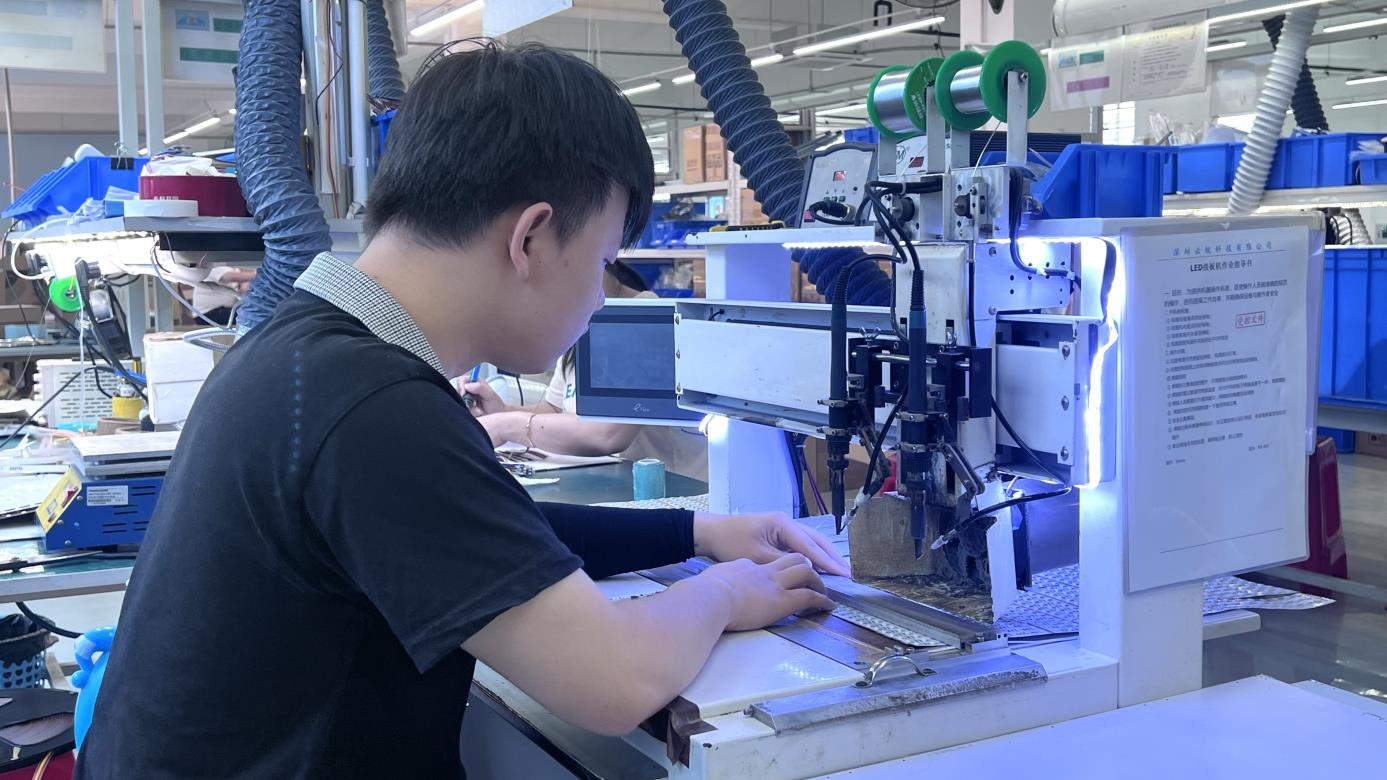
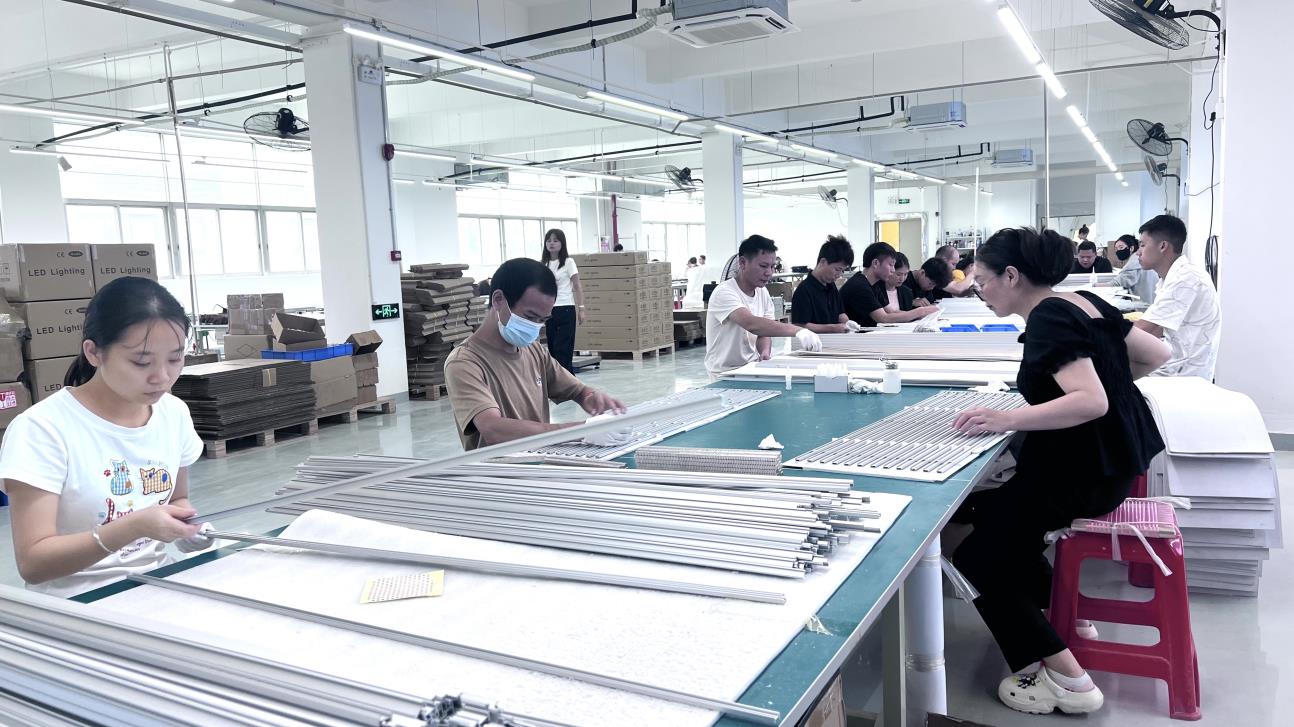
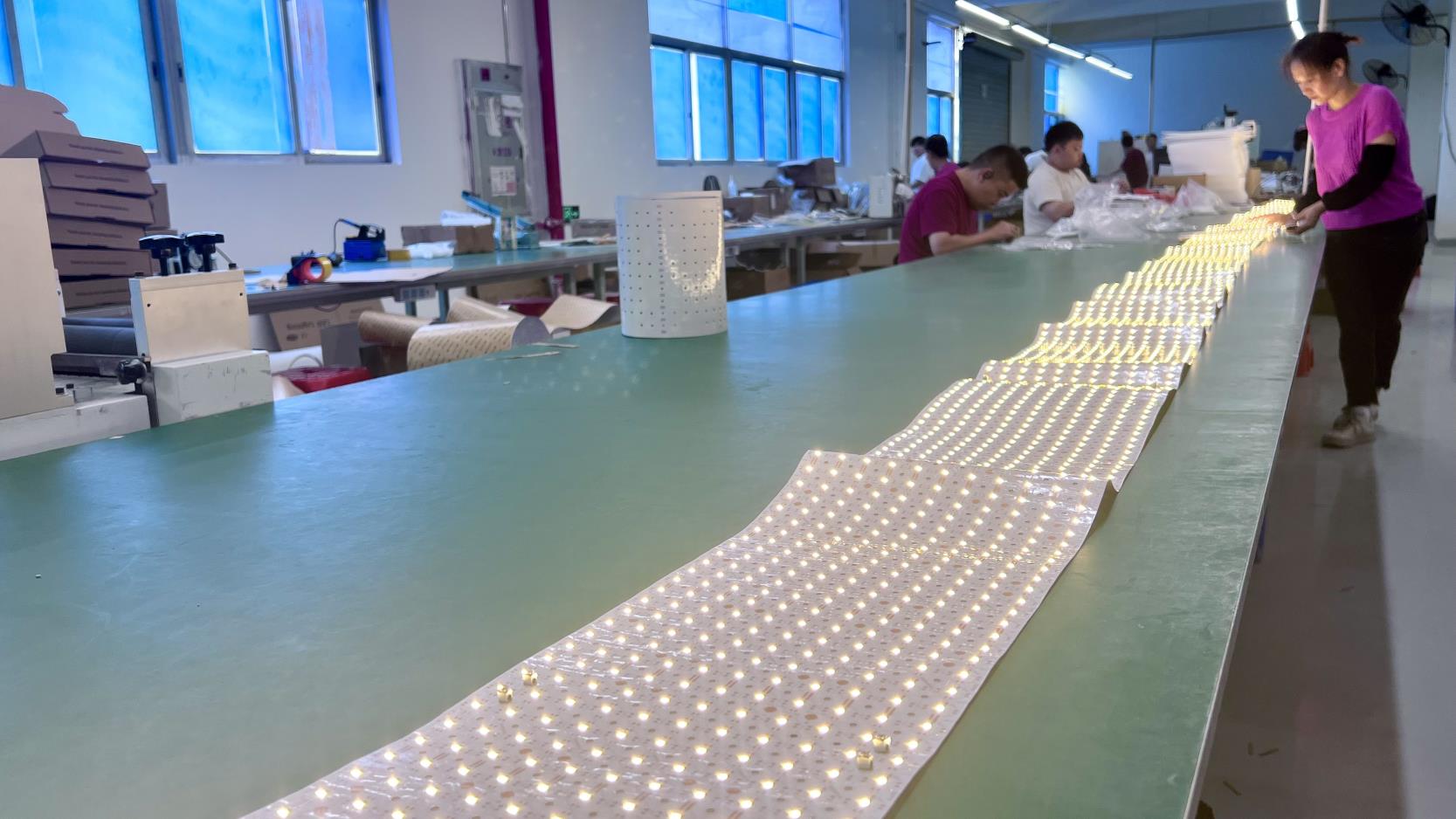
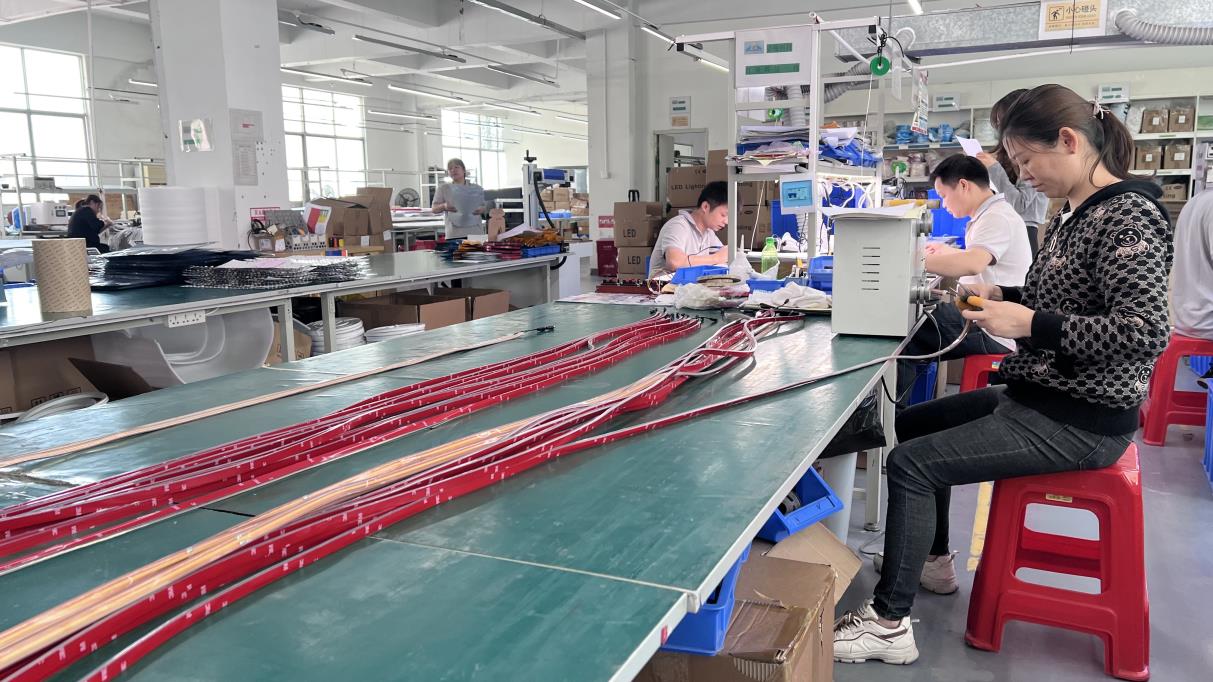
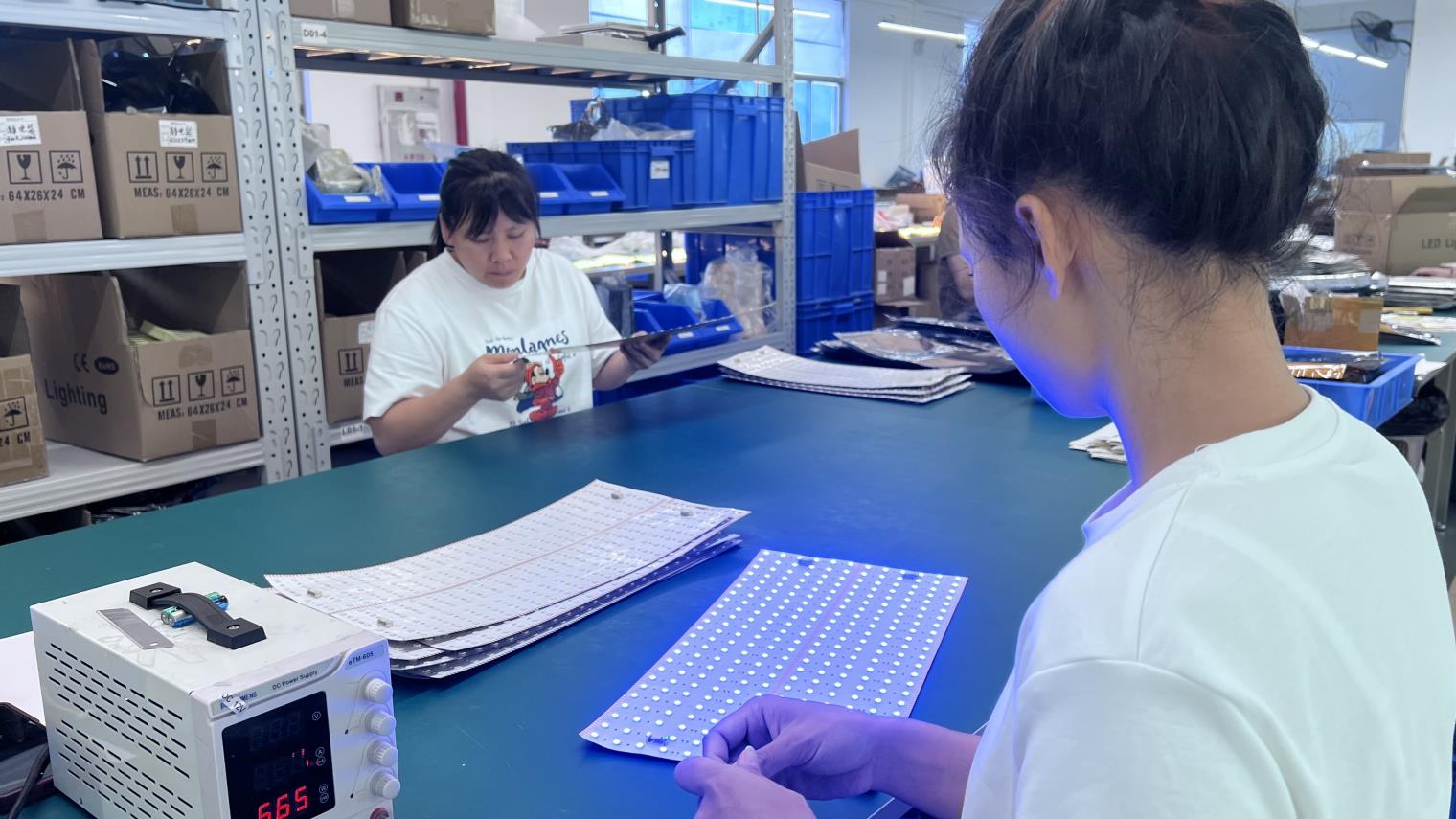
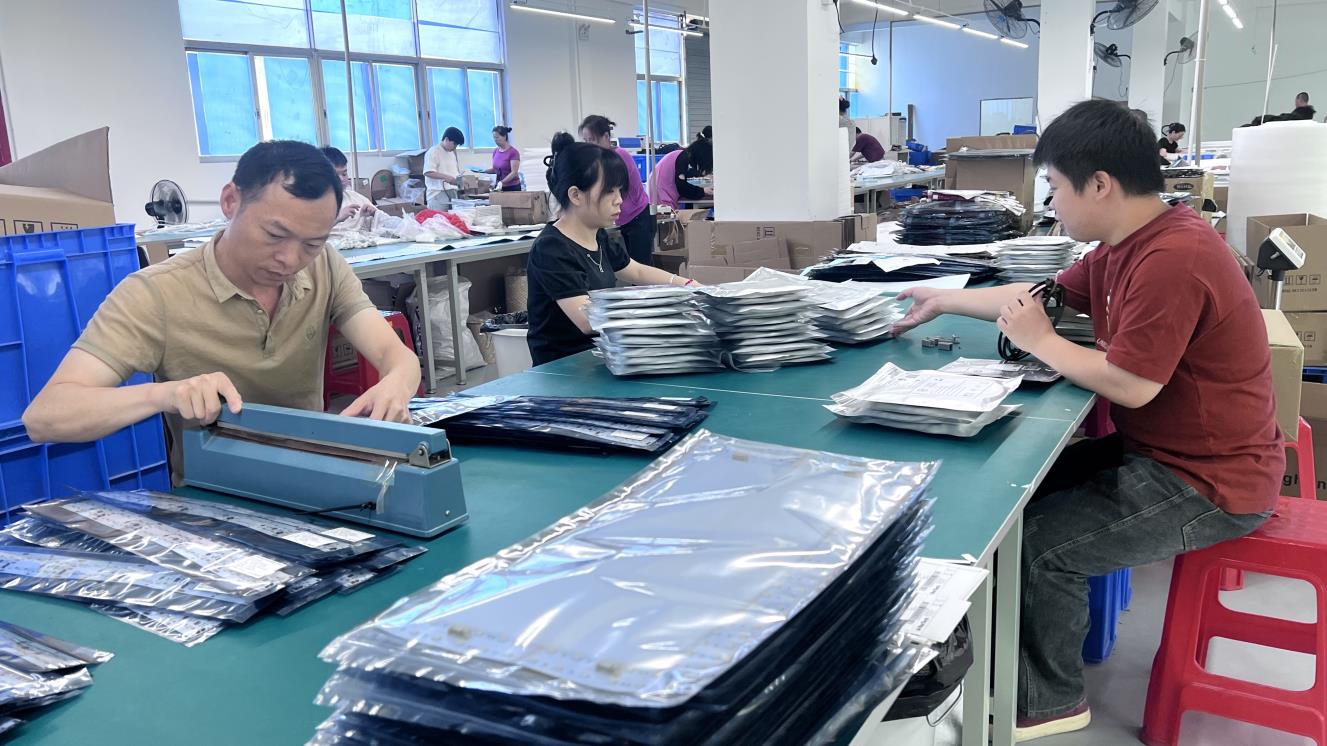
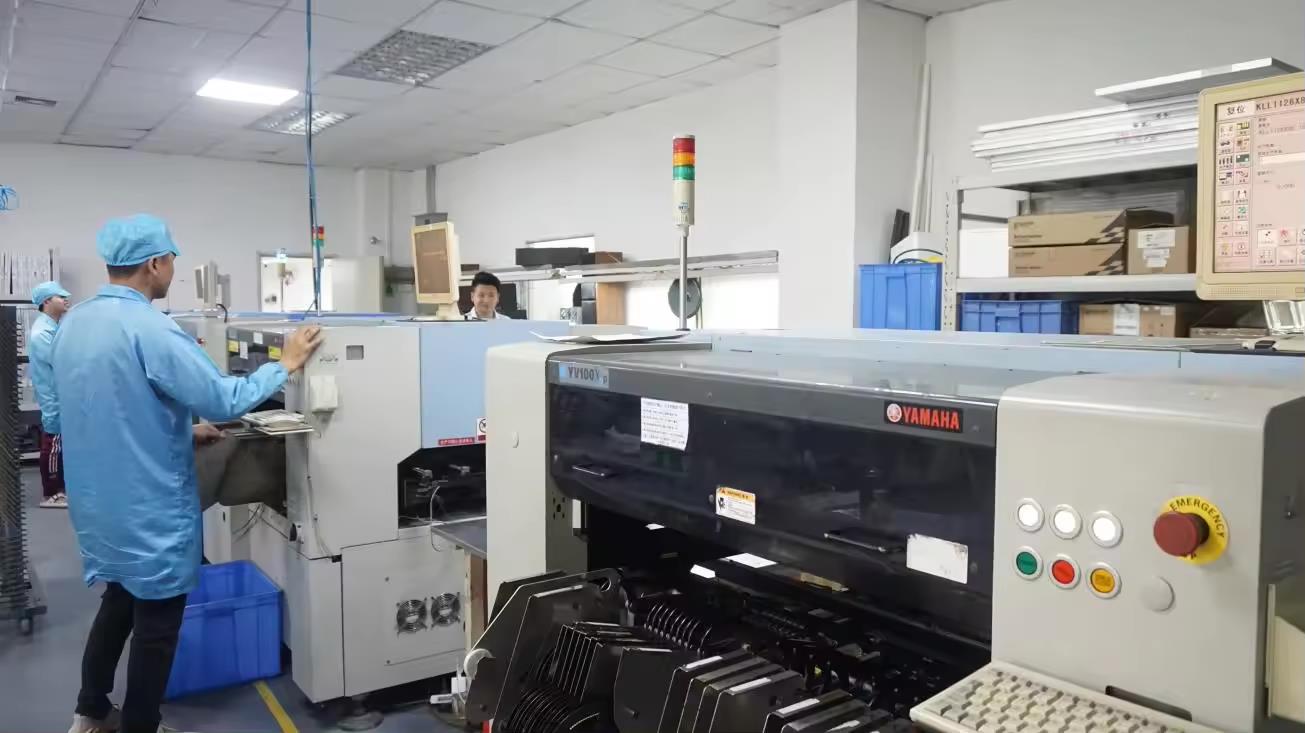
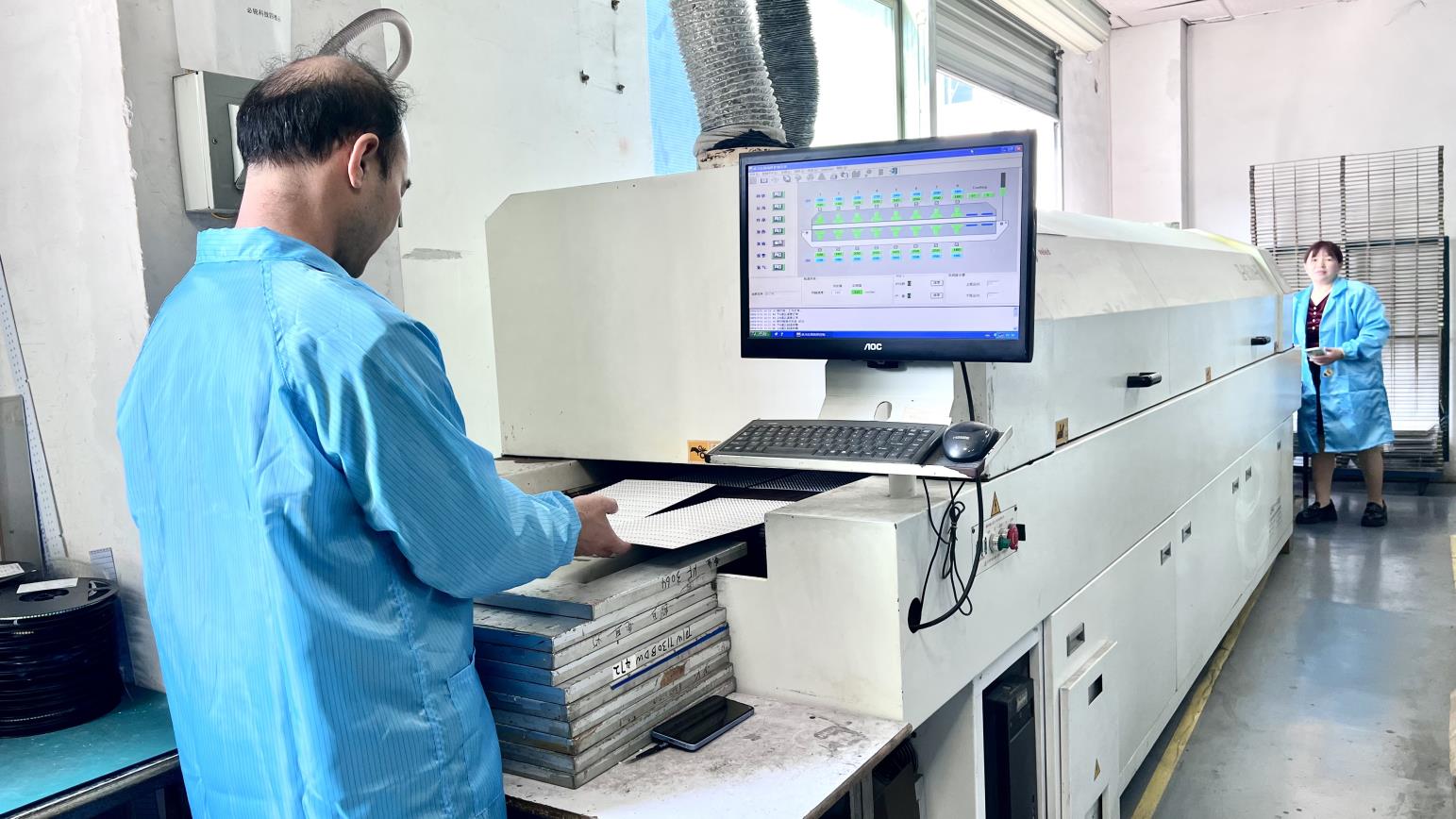
Established in 2006, Foshan Jable Light Co., Ltd. has grown to become a cornerstone in the high-quality industrial and commercial lighting manufacturing sector. Headquartered in Foshan, the heart of China’s advanced lighting manufacturing cluster, the company operates a state-of-the-art 20,000 square meter factory staffed by more than 300 highly trained technicians and assembly specialists.
Our manufacturing complex houses 8 advanced production lines covering the complete product assembly workflow: structural metal stamping, precision spinning, high-pressure injection molding, automated electrostatic powder coating, and final electronics assembly. Backed by an annual export turnover surpassing USD 30,000,000, Jable Light's year-on-year production output continues to expand at a robust rate of 30%, satisfying the rigorous volume demands of global infrastructure contractors and distributors.
In addition, Jable Light implements a strict 7S management methodology and operates in strict conformity with the TÜV ISO9001 quality management system. The company's diverse product portfolio has earned key global compliance certifications, including ETL, CETL, UL, CE, and IP44/IP65/IP66 ratings. This guarantees that our fixtures operate with absolute reliability, safety, and long-term energy savings across varying environmental extremes.
Navigating regional safety codes, grid parameters, and logistics coordination with absolute compliance.
Exporting high-mast floodlights to zones like North America, the European Union, and Australasia demands strict adherence to local regulatory frameworks. A simple CE marking is insufficient for modern municipal projects. In the United States and Canada, products must bear recognized safety marks like UL 1598 (for wet location luminaires) or ETL certification. These standards ensure that electrical configurations, mechanical strength, and insulation parameters satisfy local building safety inspector regulations.
Furthermore, local environmental rules place heavy constraints on outdoor lighting projects. In Europe, compliance with the RoHS Directive (Restriction of Hazardous Substances) and the ErP Directive (for ecodesign requirements) is mandatory. In coastal regions, wind resistance ratings (sustained gusts of >50 m/s) and C5-M marine-grade corrosion-resistant powder coatings are critical. Jable Light guarantees that all exported stadium fixtures undergo extensive laboratory validation, including salt-spray testing, IP water ingress tests, and structural finite element analysis, preventing structural failure or optical degradation in harsh weather conditions.
Next-generation concepts that are transforming sports venues into hyper-interactive environments.
Future high-mast lights will transition beyond static Correlated Color Temperatures (CCT). Integrating multi-chip arrays allows real-time adjustments from 3000K to 6500K, aligning lighting with natural daylight rhythms or modifying the color temperature to optimize viewing for different sports.
Stadium light masts can function as localized, ultra-high-speed data transmitters. LiFi (Light Fidelity) uses light waves to transmit gigabit-speed data to mobile devices inside the stadium, bypassing RF spectrum congestion in densely packed crowds.
With environmental mandates tightening worldwide, modular hardware designs facilitate easy, single-component replacement (LED driver or light engine). This approach avoids discarding entire fixtures and ensures raw materials remain fully recyclable.
Detailed technical answers to common queries raised by mechanical engineers, consultants, and procurement managers.
Flickering occurs when the AC power source fluctuates at high frequencies, which is particularly visible on high-speed TV cameras. High-end stadium lighting systems eliminate this by using drivers with ripple currents of less than 1-2%. These advanced constant-current power modules deliver extremely stable DC output, maintaining a completely uniform light source during ultra-slow-motion playbacks.
Asymmetric optics direct light output at precise, oblique angles rather than in a symmetric cone. This allows designers to illuminate specific play areas from high poles without spilling light into surrounding neighborhoods, keeping glare ratings (UGR) low and minimizing light pollution.
CRI measures light quality based on human visual perception. In contrast, the Television Lighting Consistency Index (TLCI) uses a software-modeled camera sensor to evaluate color reproduction. A light source with a high CRI but low TLCI can cause distorted skin tones on TV. Thus, elite venues require a TLCI score of 90 or above for reliable broadcast quality.
High-power LEDs generate substantial heat at the junction point. To prevent degradation, manufacturers use high-grade 6063-T5 extruded aluminum heat sinks with convective flow designs. This layout rapidly channels thermal energy away from the LED chips, maintaining junction temperatures below 75°C to preserve long-term lumen output.
High-mast floodlights mounted at heights of 30 meters are exposed to extreme wind velocities. Systems must undergo finite element wind tunnel simulations to certify that the fixtures can withstand sustained wind loads of up to 50-60 m/s without experiencing structural failure or shifting alignment.
Yes. Professional LED sports fixtures feature built-in DMX512 or DALI interfaces. This connectivity enables stadium operators to sync lights with audio systems, program dynamic pre-game displays, adjust output levels based on ambient daylight, and manage power zoning across the venue.
 Jable Light