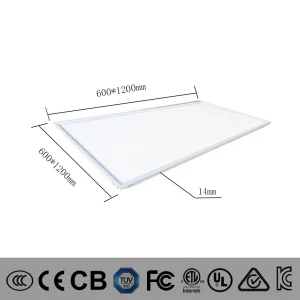
Direct supply line for high-specification engineering and architectural projects across Serbia
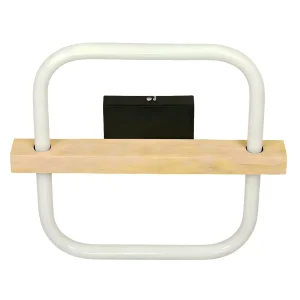
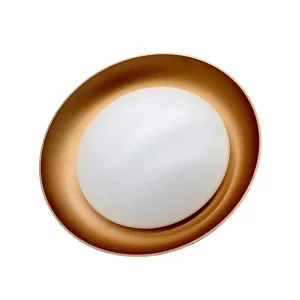
Analyzing the trade routes, compliance guidelines, and infrastructure demands of the Balkan Peninsula
In recent years, Serbia has emerged as one of the fastest-growing construction and manufacturing hubs in the Western Balkans. Key urban centers—specifically Belgrade, Novi Sad, and Niš—are experiencing an unprecedented influx of commercial real estate developments, high-density residential high-rises, and industrial logistics parks. The Belgrade Waterfront (Beograd na Vodi) project stands as a prime example of high-spec urban regeneration demanding top-tier architectural luminaire systems that merge strict European energy metrics with sleek contemporary aesthetics.
Parallel to high-end residential growth, the expansion of commercial retail networks, international hotel brands, and modern office spaces across Serbia has generated a vast need for high-efficacy ceiling lights. For institutional projects, luminaires must satisfy local building regulations aligned with EU directives (such as SRPS standards, matching European Norms). Designers are moving away from traditional fluorescent and low-end halogen fixtures to adapt smart, modular, and long-life LED systems that guarantee low operational and maintenance overhead.
A monumental shift in the B2B supply chain is the bilateral Free Trade Agreement (FTA) between China and Serbia, which entered into force in July 2024. This agreement progressively eliminates import duties on thousands of industrial goods, including commercial LED luminaires and mechanical assemblies. For Serbian distributors, contractors, and engineering consulting groups, sourcing ceiling lights directly from premium manufacturing clusters in Foshan, Guangdong, yields a major competitive edge.
Sourcing directly from a specialized factory like Foshan Jable Light Co., Ltd. eliminates intermediate markup while granting access to advanced custom product lines (such as 3CCT selectable panels, high-UGR anti-glare downlights, and specialized cleanroom lighting). This direct-to-factory pipeline ensures that large-scale infrastructure projects in Niš, Kragujevac, or Subotica can deploy high-spec fixtures within compressed timelines and optimized budget allocations.
Engineered systems for clinical spaces, commercial galleries, and luxury hospitality projects in the Balkan Region
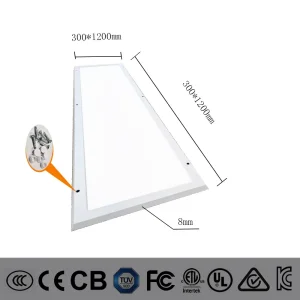
Navigating the complex paradigm shift in commercial luminaire mechanics and intelligence
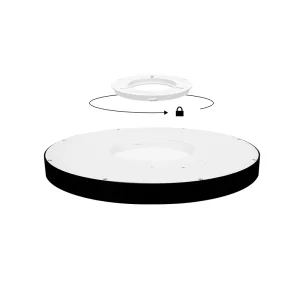
One of the prominent technical milestones in the global lighting sector is the integration of dual-component drivers and switchable CCT (Correlated Color Temperature) modules. Multi-CCT selectability allows contractors to toggle the light temperature (e.g., 3000K, 4000K, or 6500K) directly on-site using a mechanical slider on the back of the luminaire.
This drastically lowers inventory costs for importers and distributors in Serbia, as a single SKU can adapt to home, office, or high-illumination manufacturing environments. Similarly, power-adjustable drivers allow the luminaire's wattage (e.g., 27W, 36W, 45W) to be dialed down during installation, helping buildings meet precise Lux requirements while avoiding over-illumination and energy waste.
Modern offices in business zones like Belgrade New Belgrade (Novi Beograd) require lighting designs that prioritize human wellness and visual comfort. Human-Centric Lighting mimics natural sunlight patterns, shifting from crisp blue-enriched light in the morning to warm, relaxing tones toward evening. This regulates the body's natural circadian rhythm, improving productivity and comfort.
Simultaneously, glare control is an essential engineering parameter. Unified Glare Rating (UGR) levels must be maintained below UGR 19 for workstations and schools, and below UGR 16 for technical spaces. Using micro-prismatic diffusers, high-grade PMMA light guides, and deep-set optics, current-generation LED downlights minimize glare and eliminate direct visual fatigue.
The adoption of smart building automation systems in Serbia is growing rapidly. Advanced commercial building specs now frequently demand DALI-2 (Digital Addressable Lighting Interface) compatibility or wireless IoT controls (such as Zigbee or BLE mesh). DALI-2 protocols allow two-way communication between individual LED ceiling fixtures and central building management systems (BMS).
This enables detailed diagnostic reporting, automatic emergency lighting tests, and daylight harvesting. By incorporating daylight sensors, the luminaires automatically dim down when natural light streams through office windows, saving up to 40% in energy compared to traditional static systems.
Industrial Strength, Advanced SMT, and Worldwide B2B Supply Capacity
Foshan Jable Light Co., Ltd. is a leading professional lighting manufacturer established in 2006, specializing in the research, development, production, and marketing of a wide range of high-quality lighting fixtures. Our company is headquartered in Foshan and operates a modern factory covering over 20,000 square meters, employing more than 300 skilled workers.
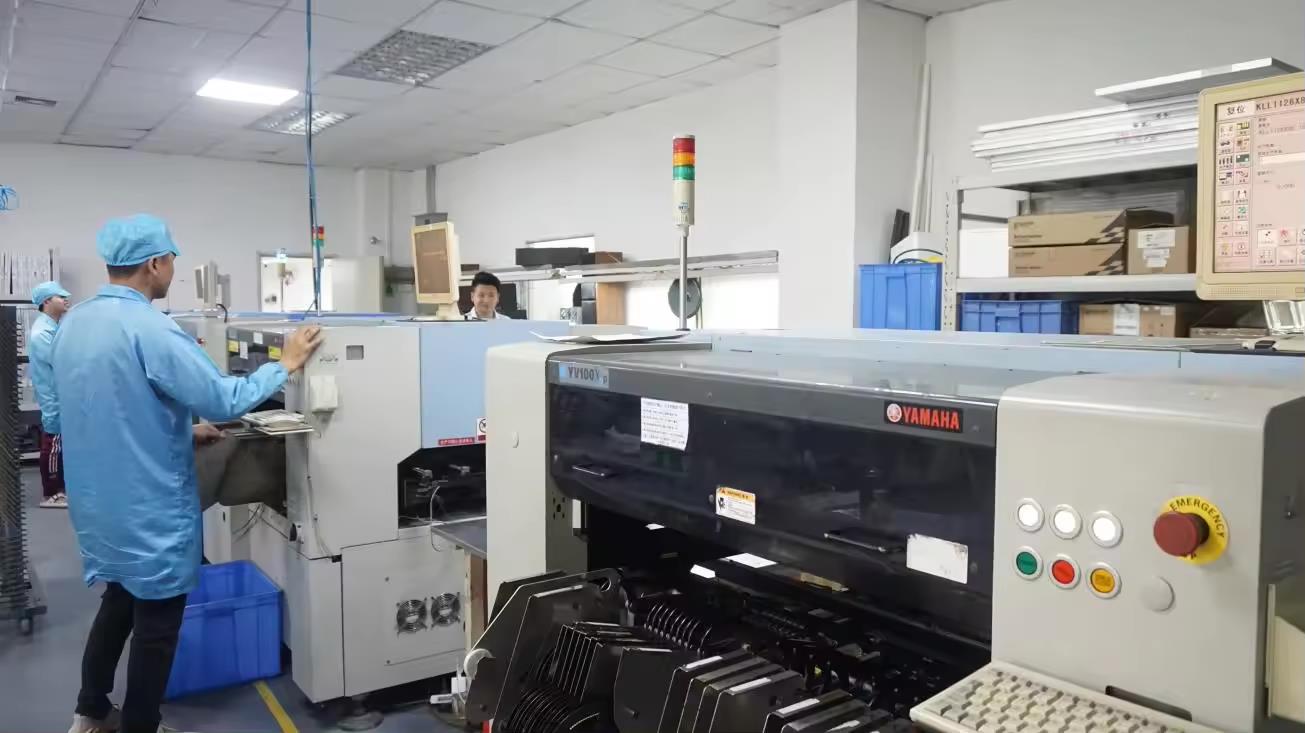
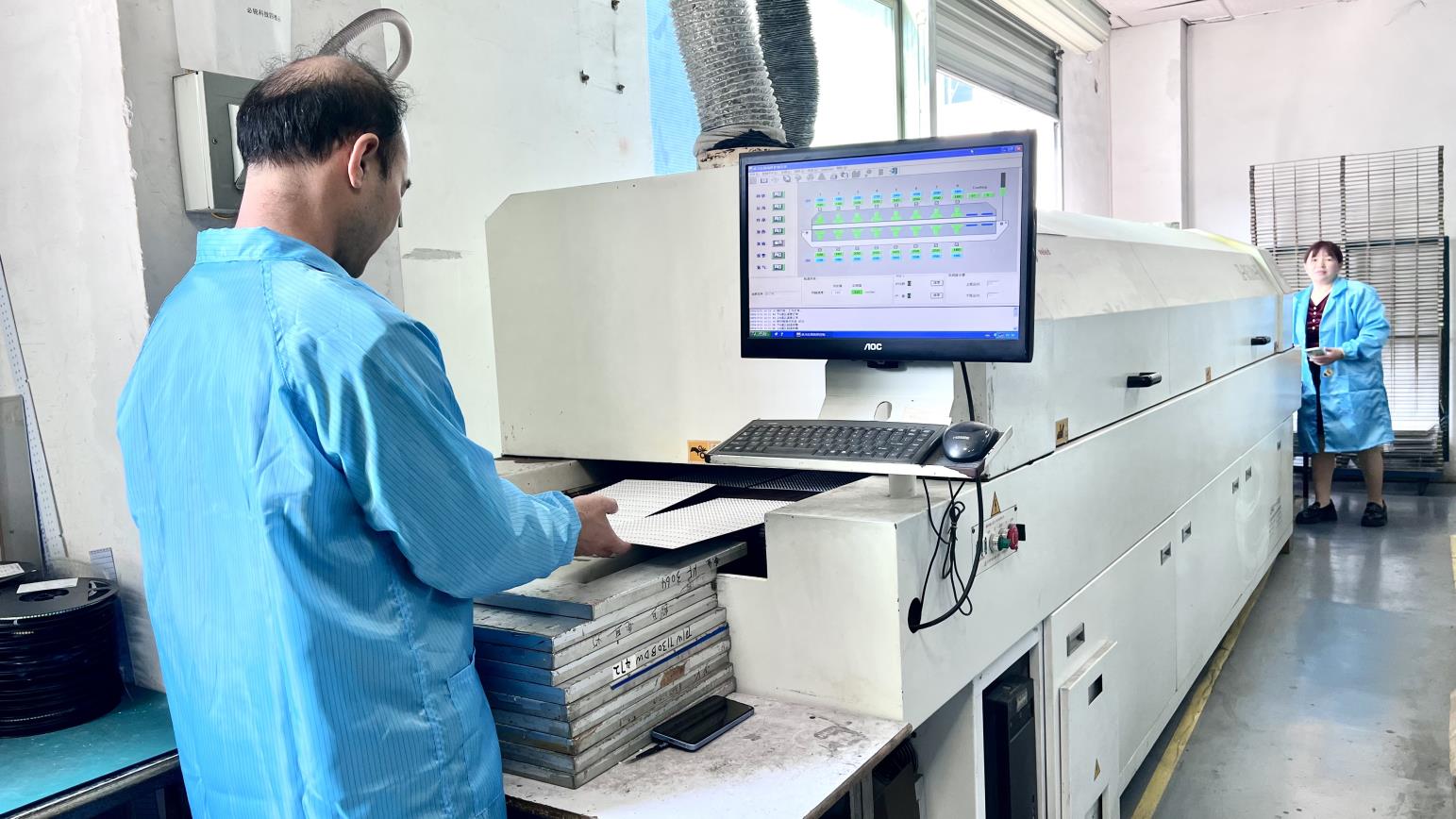
Our factory is equipped with 8 advanced production lines, including stamping, spinning, injection molding, powder coating, and general assembly, ensuring high efficiency and consistent product quality. With an annual turnover exceeding USD 30,000,000, our production capacity continues to grow by approximately 30% each year to meet the increasing demands of both domestic and international markets.
At Jable Light, we are committed to winning the market through exceptional service, superior product quality, and competitive pricing. We implement strict 7S management and maintain compliance with the TÜV ISO9001 quality management system. Our products have obtained multiple certifications, including ETL & CETL, UL, CE, and IP44, ensuring safety, reliability, and environmental compliance.
We continuously innovate to develop energy-efficient, stylish, and durable lighting solutions that cater to residential, commercial, and industrial applications. With a strong emphasis on customer satisfaction, we aim to become the preferred lighting partner for clients worldwide. We are dedicated to expanding our global presence, collaborating with partners who share our vision of excellence. Choose Jable Light as your trusted lighting supplier, and experience professional service, high-quality products, and unmatched reliability.
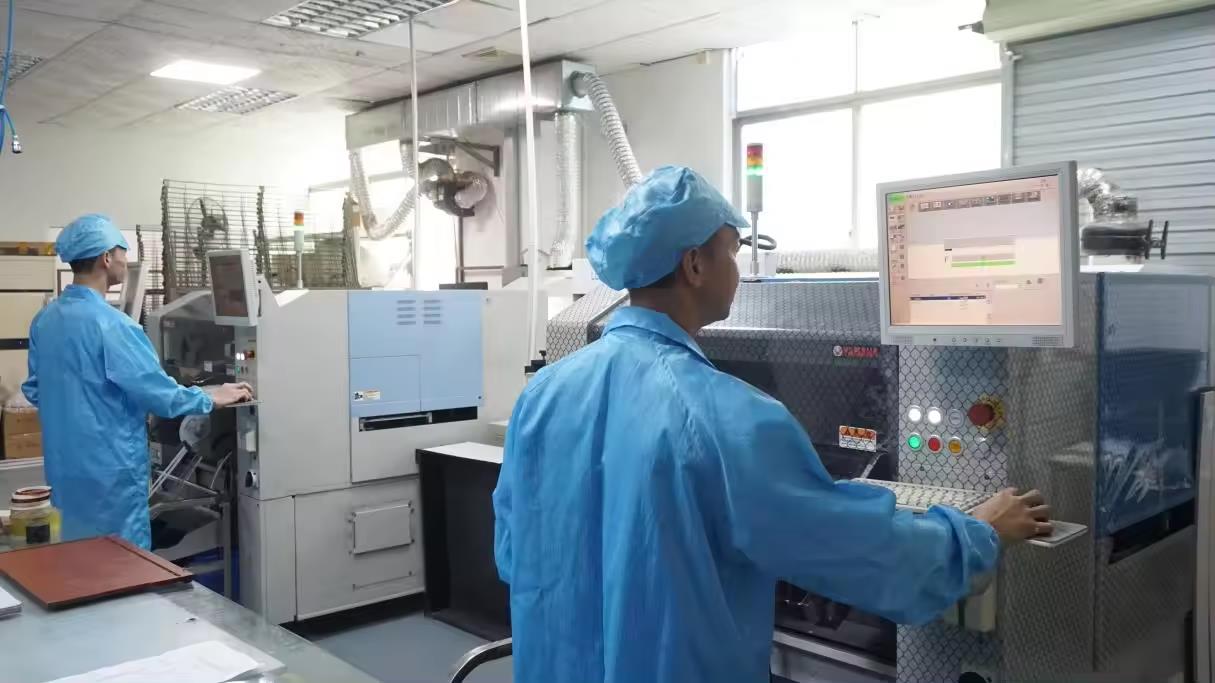
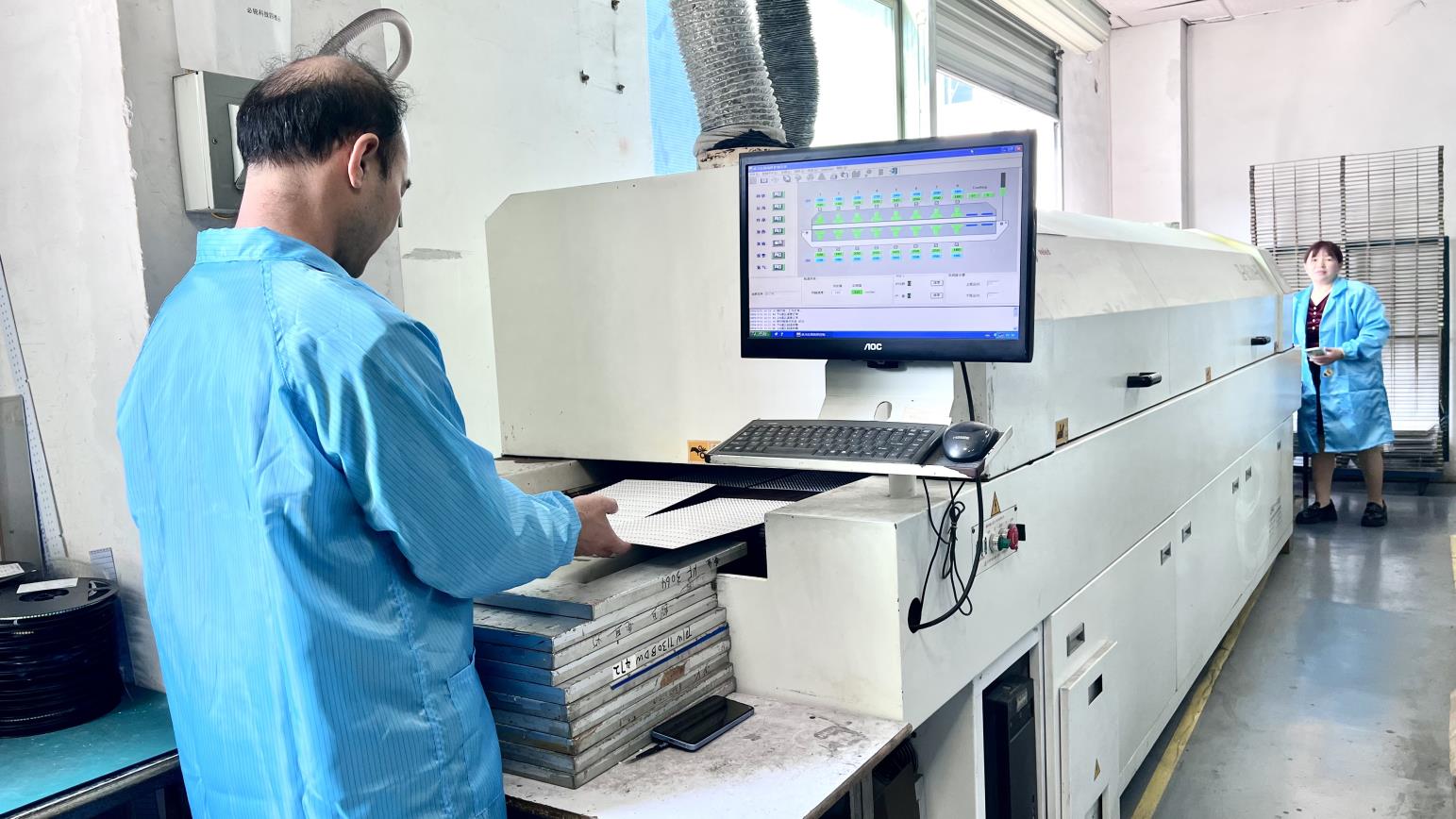
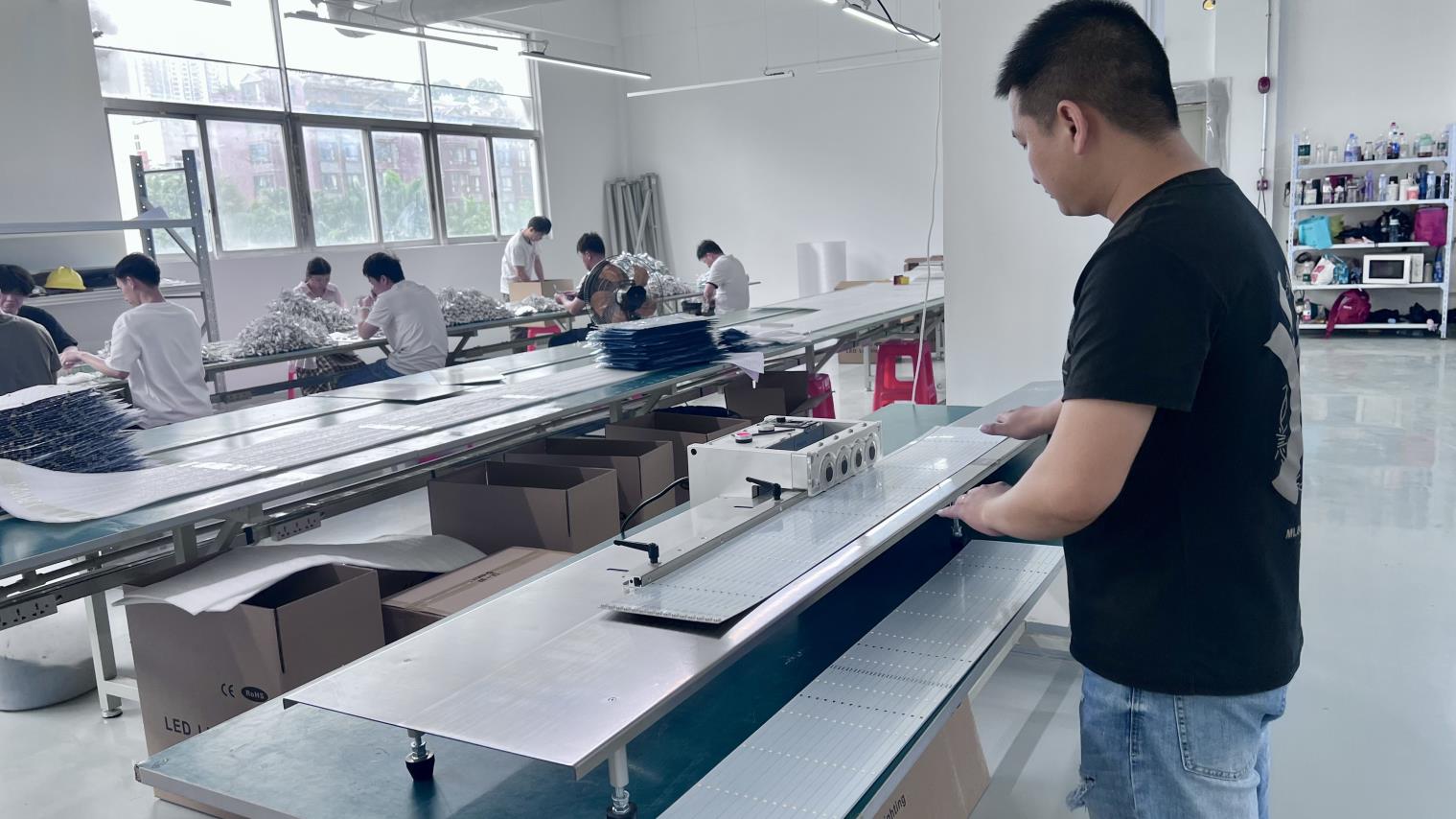
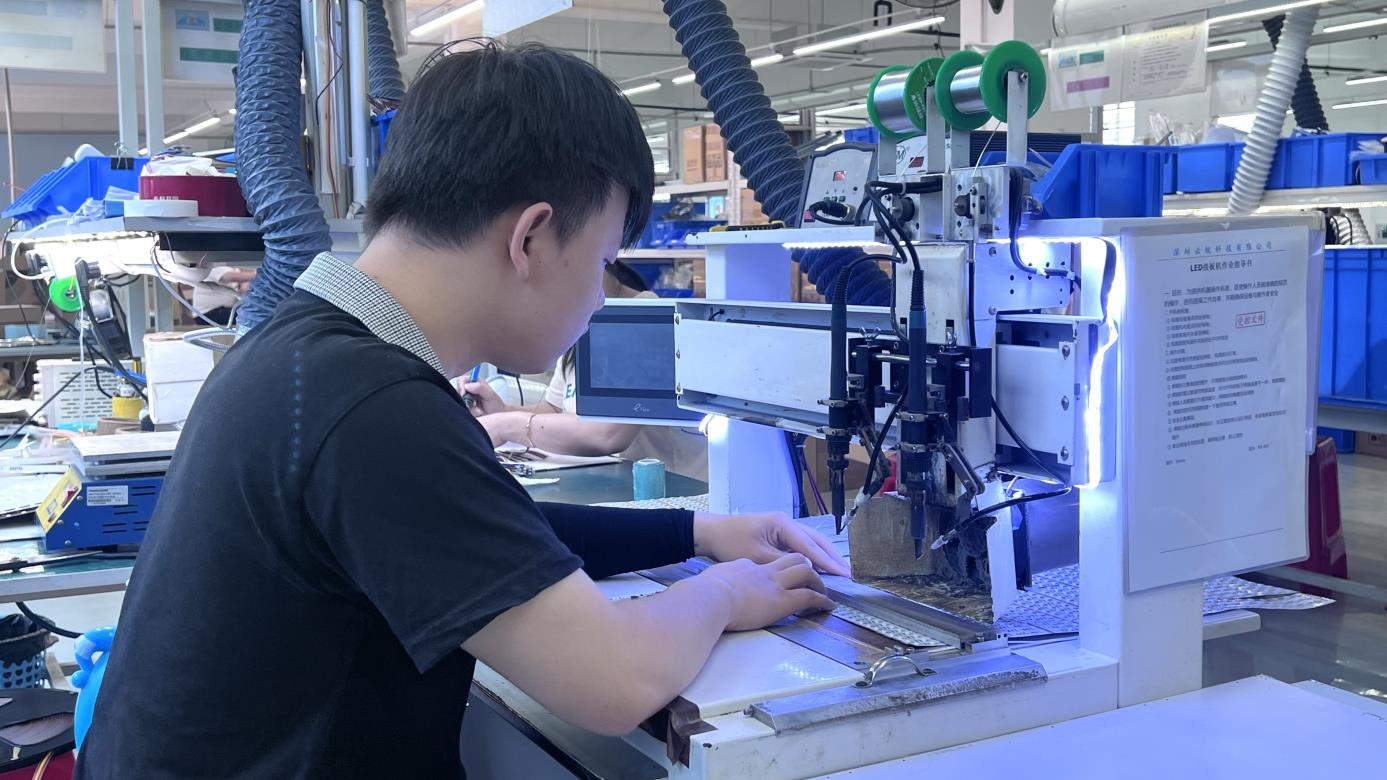
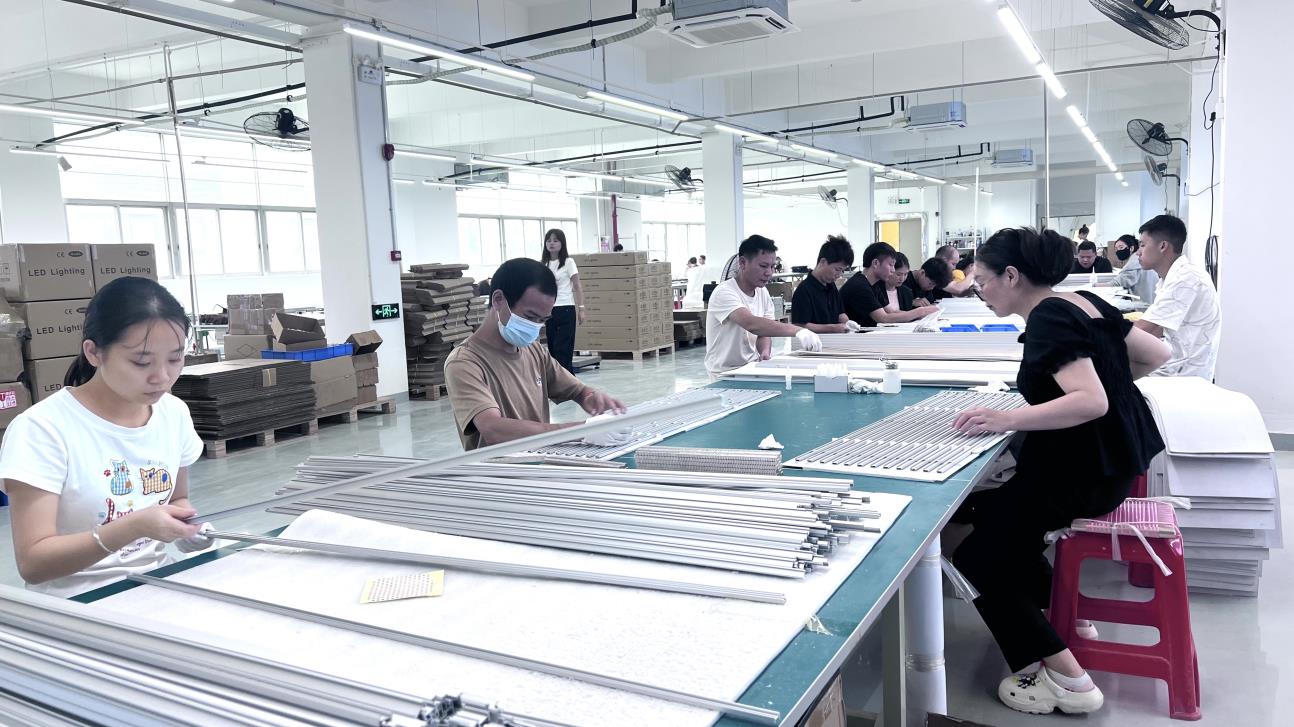
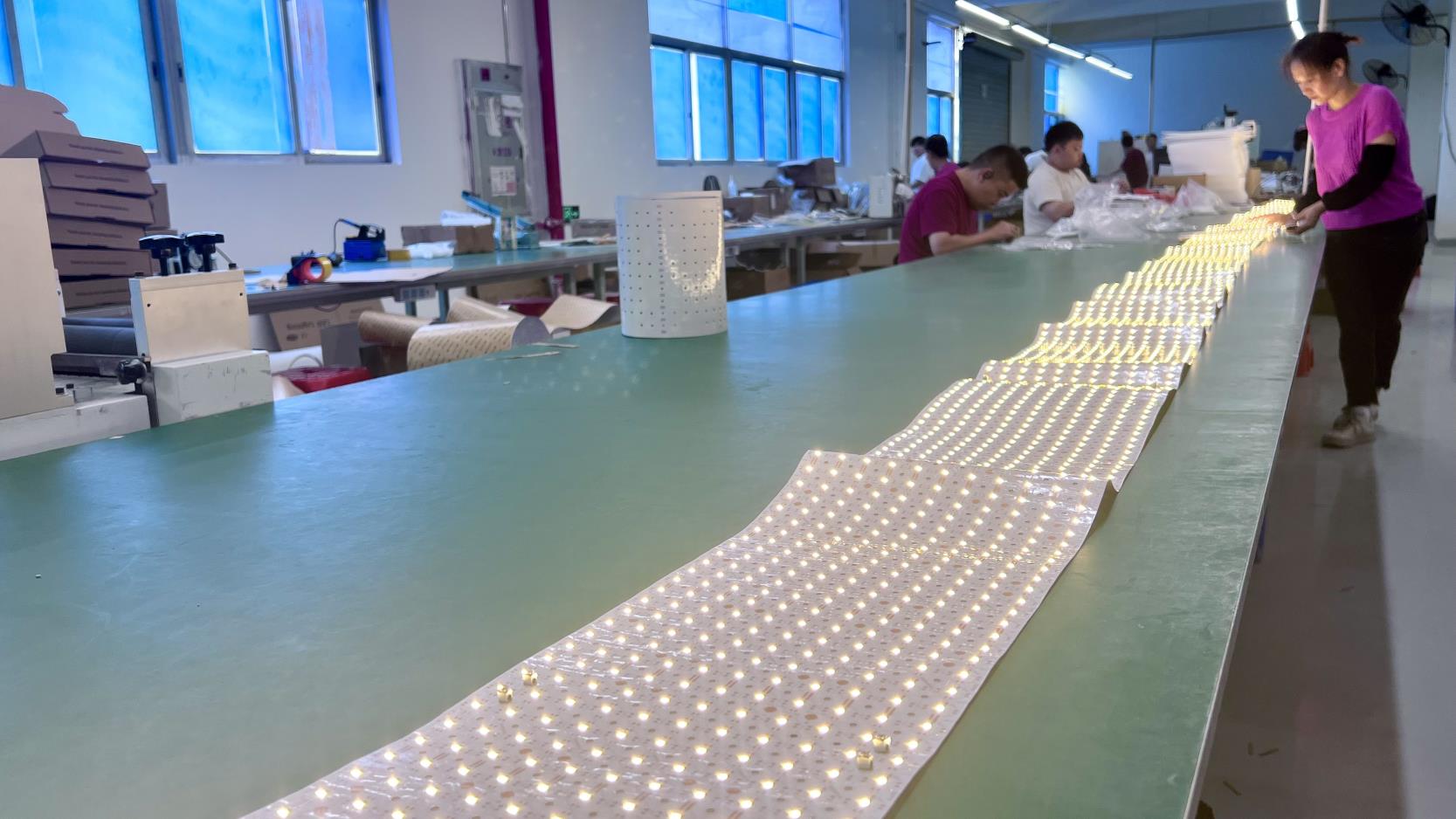
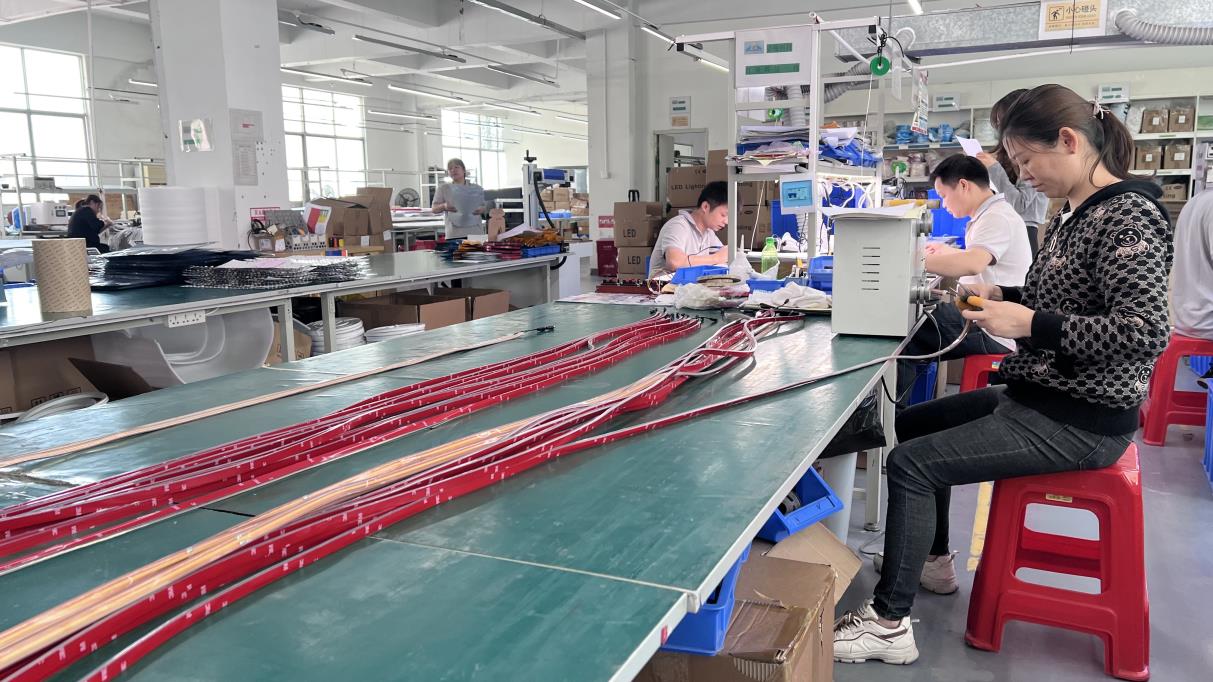
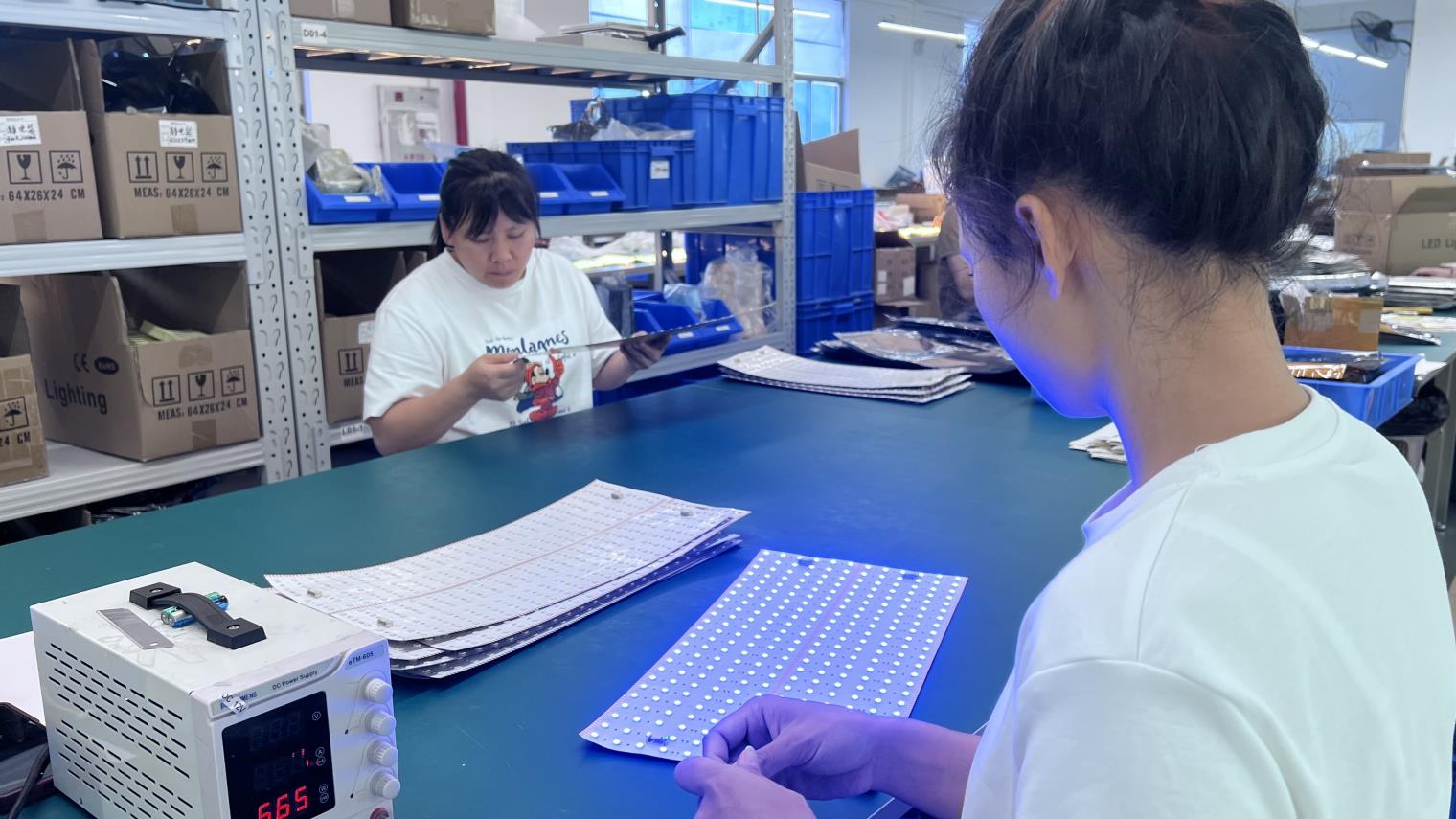
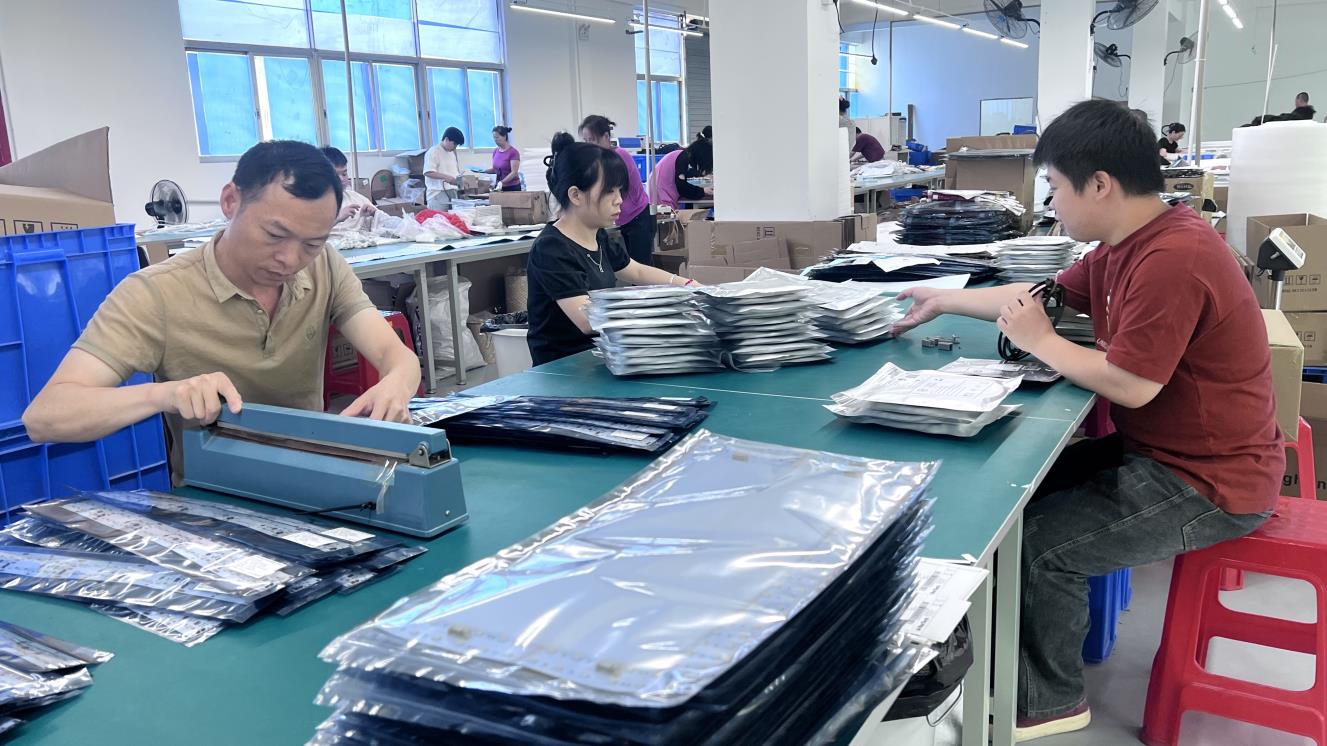
A look at the testing, assembly, and automated SMT machines powering Jable Light's daily capacity
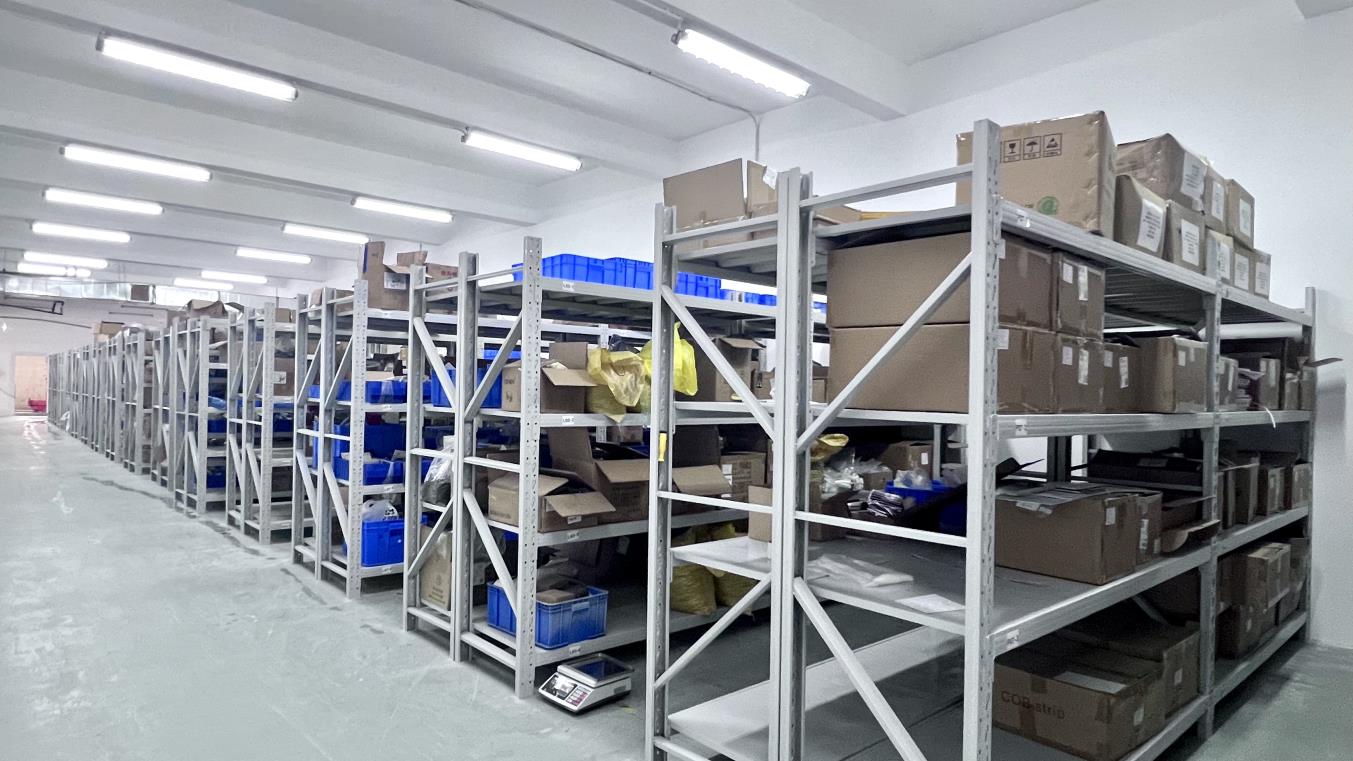
Streamlined logistics and customized technical workflows for Balkan distributors and real estate developments
For commercial projects, design teams in Serbia must demonstrate that their lighting configurations meet required European lux levels (such as 500 lx for standard offices and 300 lx for school classrooms). Our engineering team supports these requirements by providing complete IES/LDT photometric files.
This enables designers to simulate their spaces directly in Dialux Evo software. By assessing target light placement, beam spread angles, and overall room reflectivity, we help ensure your projects pass safety inspections and maximize visual comfort before you purchase a single luminaire.
Managing logistics to landlocked countries in Eastern Europe requires careful planning. We manage the entire container shipping process from Shenzhen or Guangzhou ports to key Adriatic entry points, including the Port of Rijeka in Croatia or the Port of Piraeus in Greece.
From there, shipments travel by block train or truck directly through to major logistics hubs in Belgrade or Niš. This path offers a reliable, cost-efficient shipping route, helping you avoid standard EU customs delays while maintaining a steady supply of fixtures for your projects.
Answering key logistical, technical, and regulatory questions from commercial importers and engineers
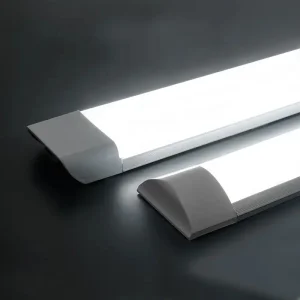
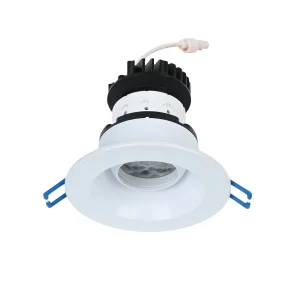
Comprehensive luminaire models designed for office blocks, industrial facilities, and modern multi-family residences
 Jable Light