Engineered for compliance with Massachusetts structural codes and historic preservation guidelines.
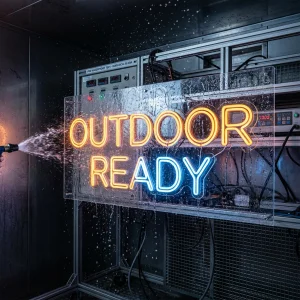
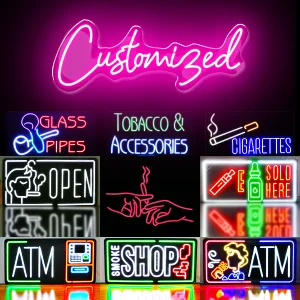
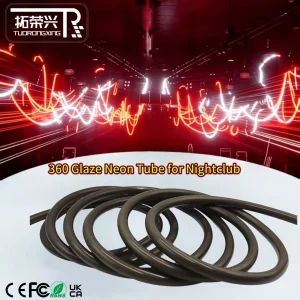
Greater Boston represents a complex intersection of historic architectural preservation and forward-thinking, high-tech urban development. From the legacy masonry of the historic Back Bay and Beacon Hill districts to the sleek, glass-dominated skylines of the Seaport District and Kendall Square in Cambridge, lighting challenges are uniquely multifaceted. Navigating this environment requires lighting systems that are structurally resilient, energy-efficient, and visually uniform.
Traditional glass neon, while historically iconic, presents significant operational barriers in modern New England municipalities. High operating voltages (often exceeding 5,000V to 15,000V), susceptibility to wind and structural damage, high power consumption, and the presence of toxic argon or mercury gases make them increasingly obsolete under modern green building mandates and stringent electrical safety ordinances. Consequently, architects, MEP (Mechanical, Electrical, Plumbing) engineers, and lighting designers across Massachusetts are shifting rapidly to high-performance, low-voltage (12V/24V) LED Neon Flex systems.
For Boston installations, the key parameters involve resilience against severe seasonal swings—from humid summer heat and salty ocean breezes off Boston Harbor to sub-zero winter blizzards and Nor'easters. Standard retail-grade LED strips quickly fail under these conditions. Specifying engineers must select systems constructed from premium food-grade or structural-grade silicone rather than PVC, ensuring that the light-emitting surface remains flexible, clear, and chemically stable down to -40°C.
The longevity of linear LED neon systems is largely determined by their chemical composition. In commercial spec-grade projects, the choice between Polyvinyl Chloride (PVC) and Liquid Silicone Rubber (LSR) is critical. Below is a deep chemical and physical comparison detailing why silicone is the preferred material for professional projects in the Boston area.
| Performance Characteristic | Liquid Silicone Rubber (LSR) Co-Extrusion | Standard PVC Extrusion | Impact on Boston Installations |
|---|---|---|---|
| Operating Temperature Range | -40°C to +150°C (-40°F to 302°F) | -15°C to +55°C (5°F to 131°F) | Silicone resists fracturing during extreme freezing winter temperatures and intense summer heat waves. |
| UV Degradation Resistance | Excellent; no yellowing over 10 years | Poor; yellows/brittles in 12-24 months | Ensures high-visibility building facade outlines remain pristine and don't require premature replacement. |
| Chemical & Salt Spray Stability | Outstanding; impervious to salt, acid rain | Moderate; degrades when exposed to chloride | Essential for projects near the Boston Harbor, Charles River, and coastal infrastructure. |
| Minimum Bend Radius | Down to 20mm (profile dependent) | Typically 50mm+ (stiffens in cold) | Enables tight curves in historic lettering and intricate modern geometric integrations. |
| Flame Retardancy | Self-extinguishing (UL 94 V-0 Rated) | Releases toxic chlorine gas when burned | Key safety criterion for high-density indoor spaces, public transport, and campus buildings. |
Our factory utilizes advanced co-extrusion technology. This integrates high-reflectivity internal silicone with a translucent, light-diffusing silicone cover. The result is a completely dot-free, seamless illumination profile that ensures 100% luminous uniformity. By using 99.99% pure gold wire bonding inside our SMD 2835 and SMD 5050 LED arrays, we secure long-term electrical conductivity, preventing micro-fractures caused by thermal expansion and contraction cycles.
Modern structural design requires lighting fixtures to act as digital nodes within larger building management systems (BMS). Our LED Neon Flex products support advanced protocols including DMX512, DALI, and 0-10V analog dimming. This integration facilitates interactive lighting schemes for commercial building envelopes and public spaces throughout the Boston area.
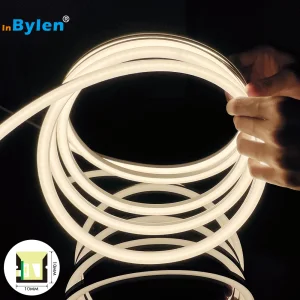
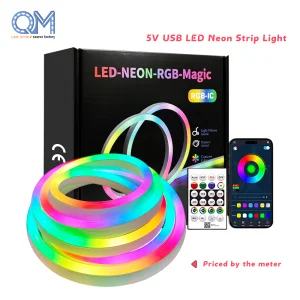
Through addressable pixel control (SPI / DMX512), each segment of the neon flex can be programmed independently. This makes complex color-chasing, dynamic branding, and architectural media facades possible. Additionally, our 360-degree round emitting profiles provide multi-directional light distribution, allowing designers to create suspended luminaires, structural art installations, or custom spatial lighting arrays.
Advanced 3D, 360-degree, and structural custom lighting for unique Boston design layouts.
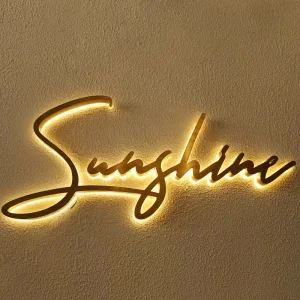
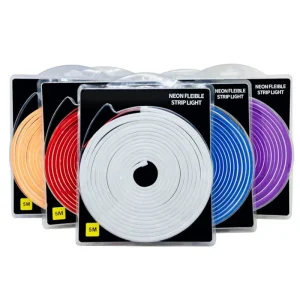
As a premier lighting manufacturer established in 2006, Foshan Jable Light Co., Ltd. serves as a reliable global supply partner for Boston importers, contractors, and design houses. Operating a modern factory facility covering over 20,000 square meters and employing more than 300 skilled professionals, Jable Light manages production from initial raw materials sourcing to automated testing.
Equipped with 8 advanced, automated production lines—including high-speed SMT placement machinery, precision extrusion systems, reflow soldering stations, and environmental testing chambers—our production capacity scales consistently at 30% annually. This growth supports prompt, stable export schedules for North American logistics ports, including the Port of Boston.
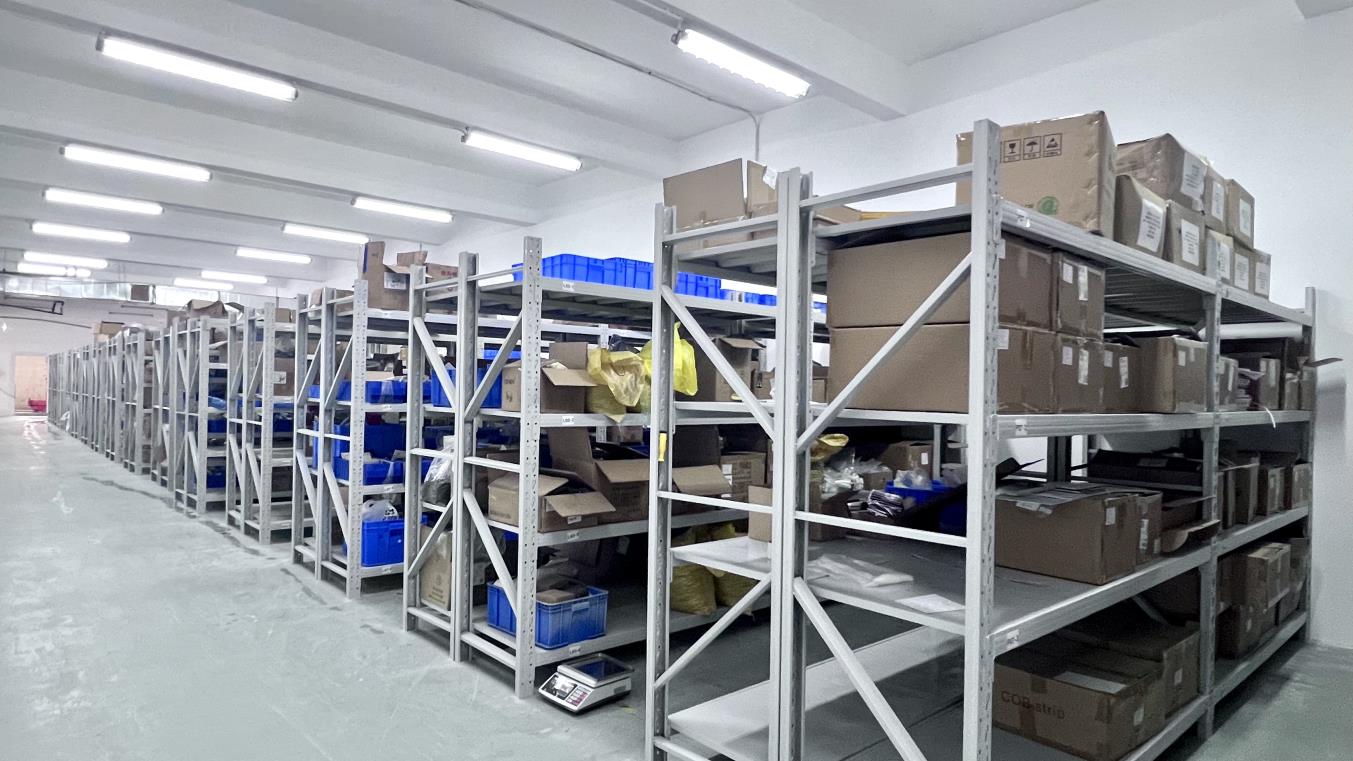
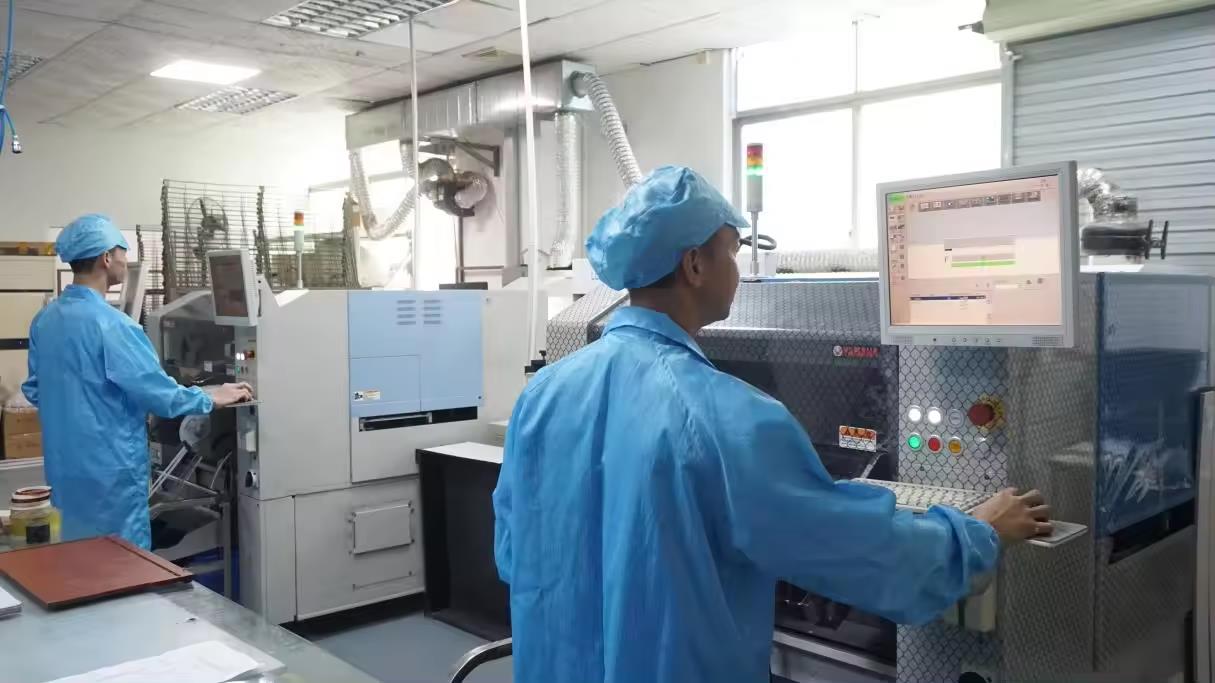
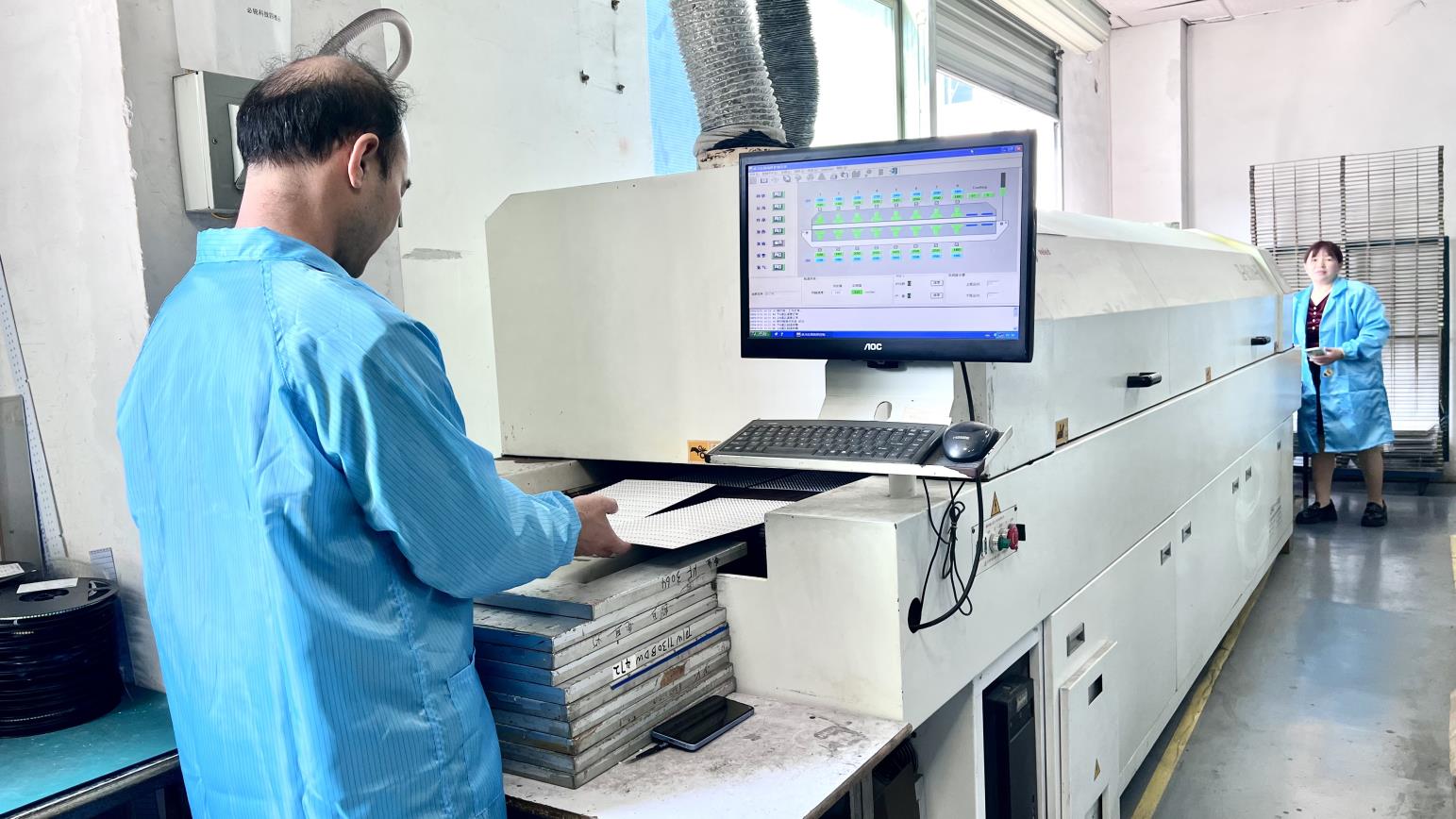
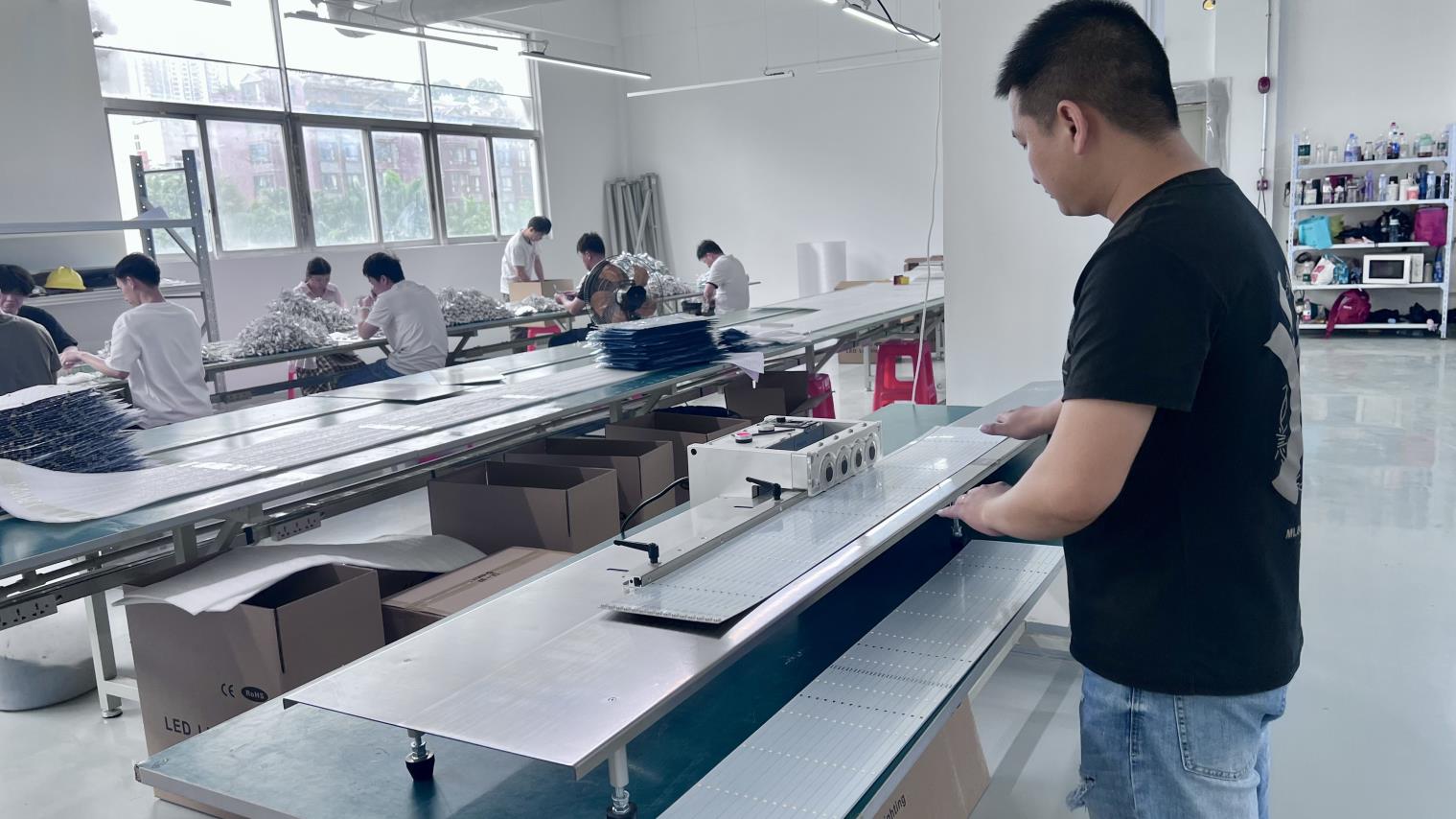
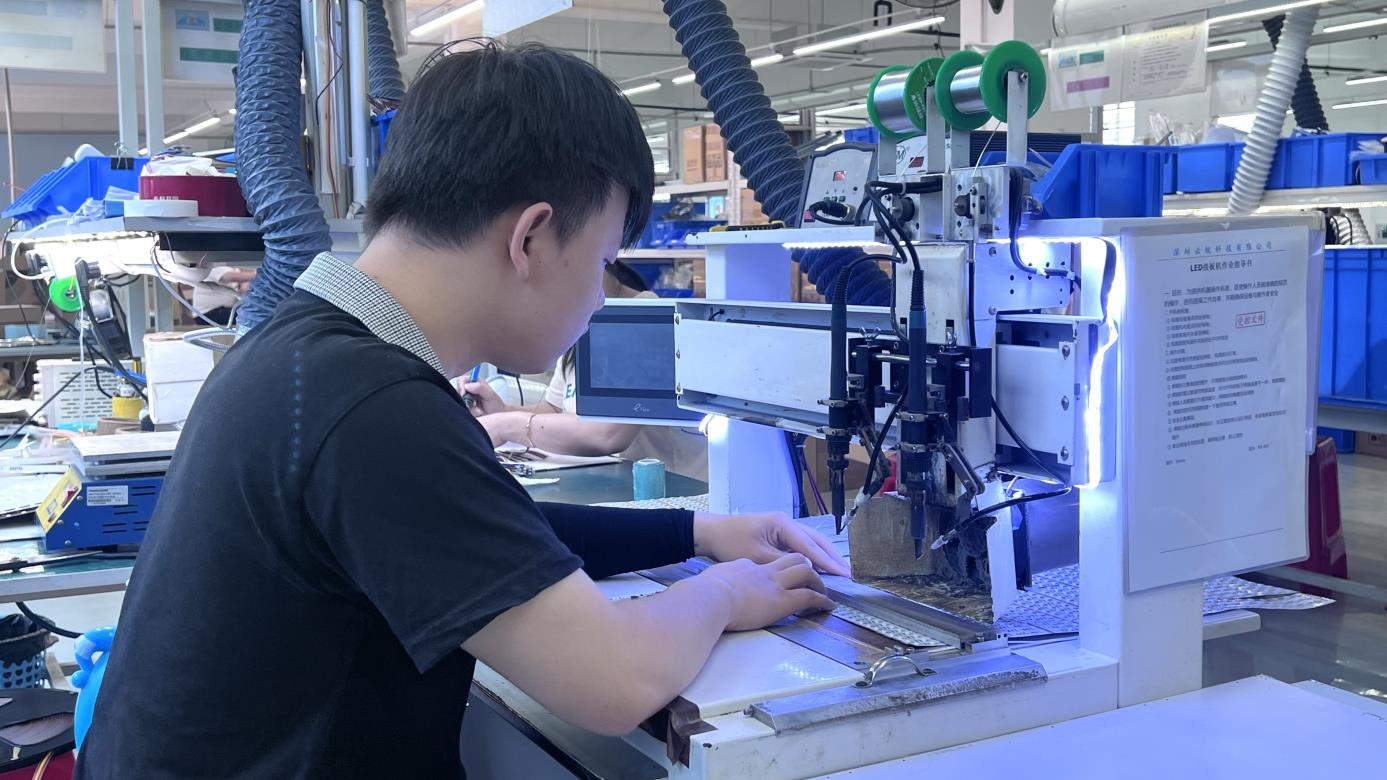
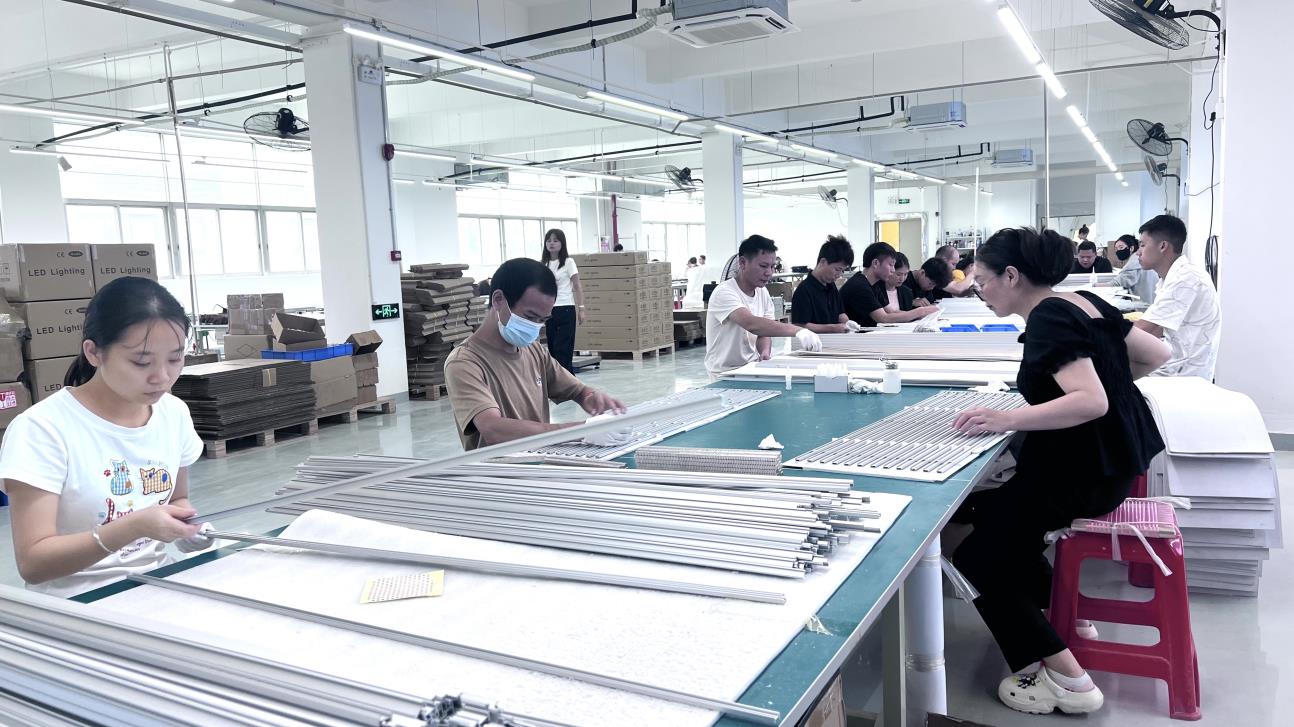
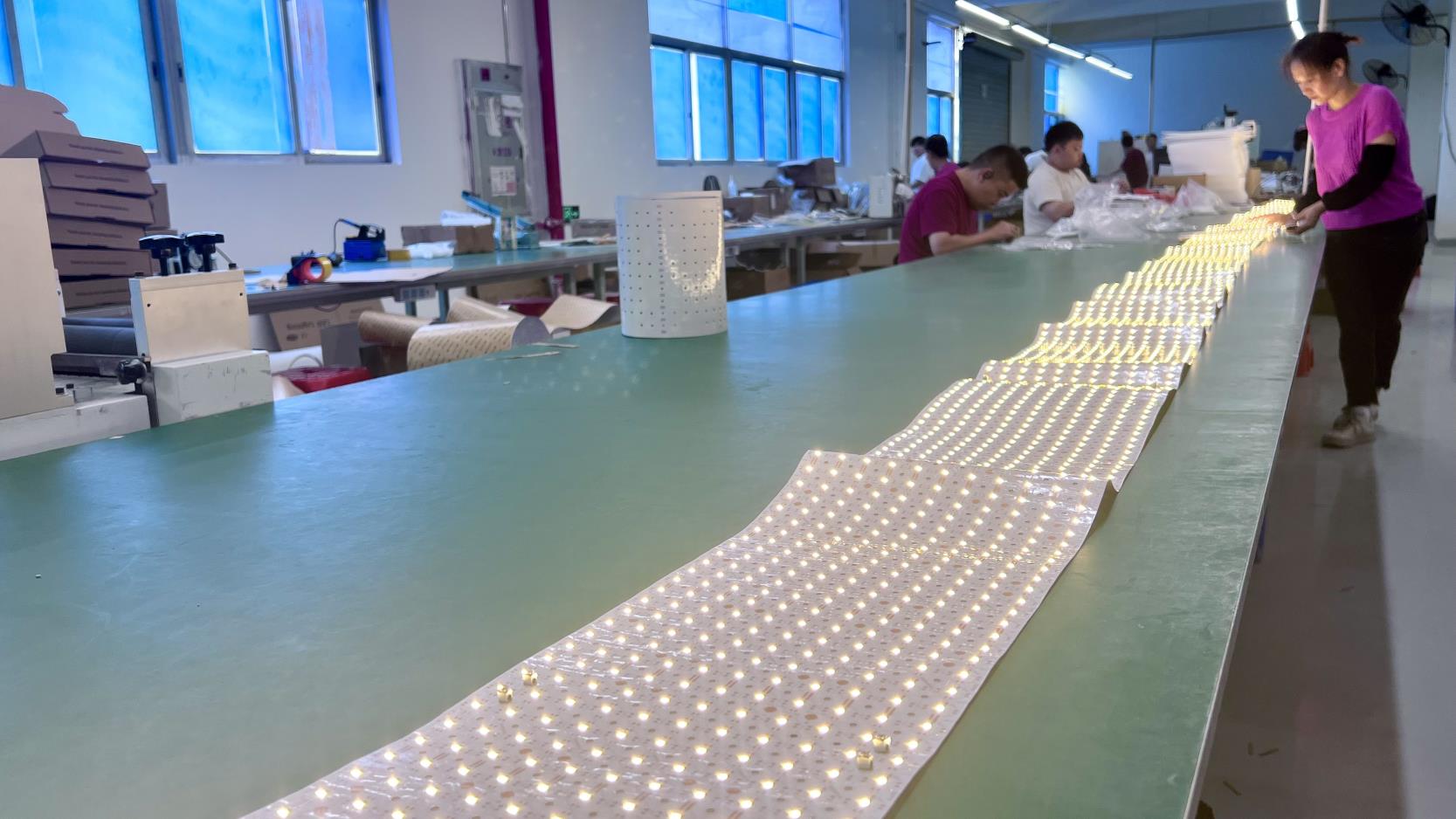
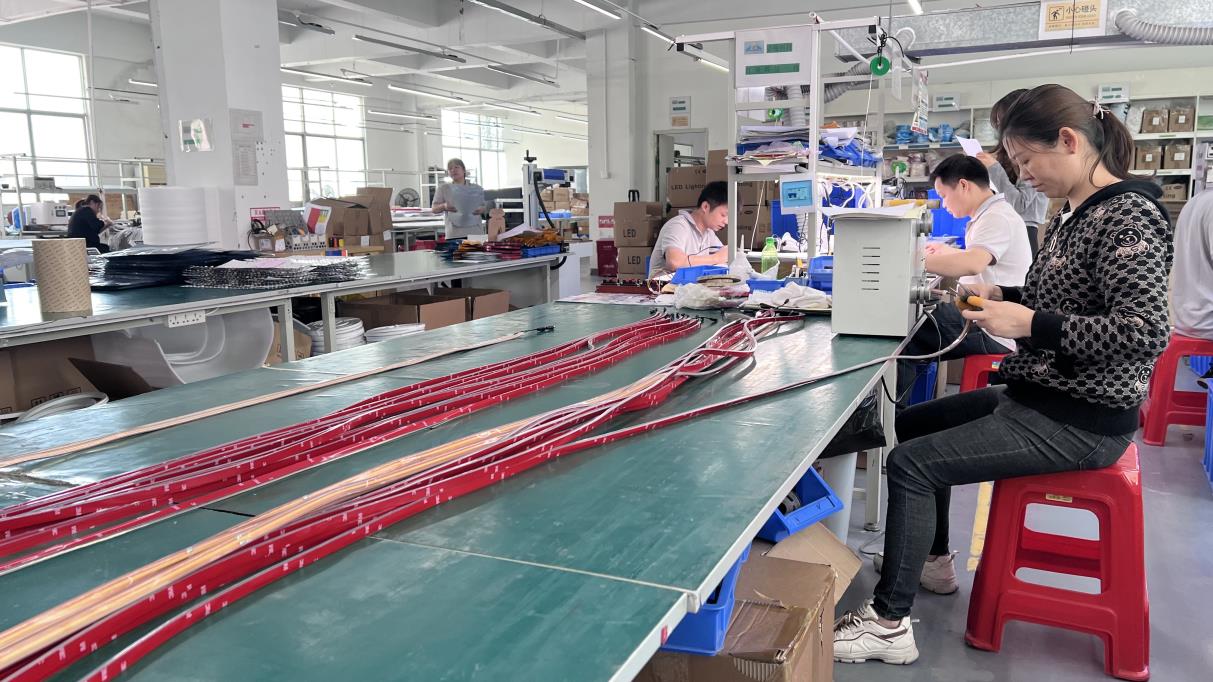
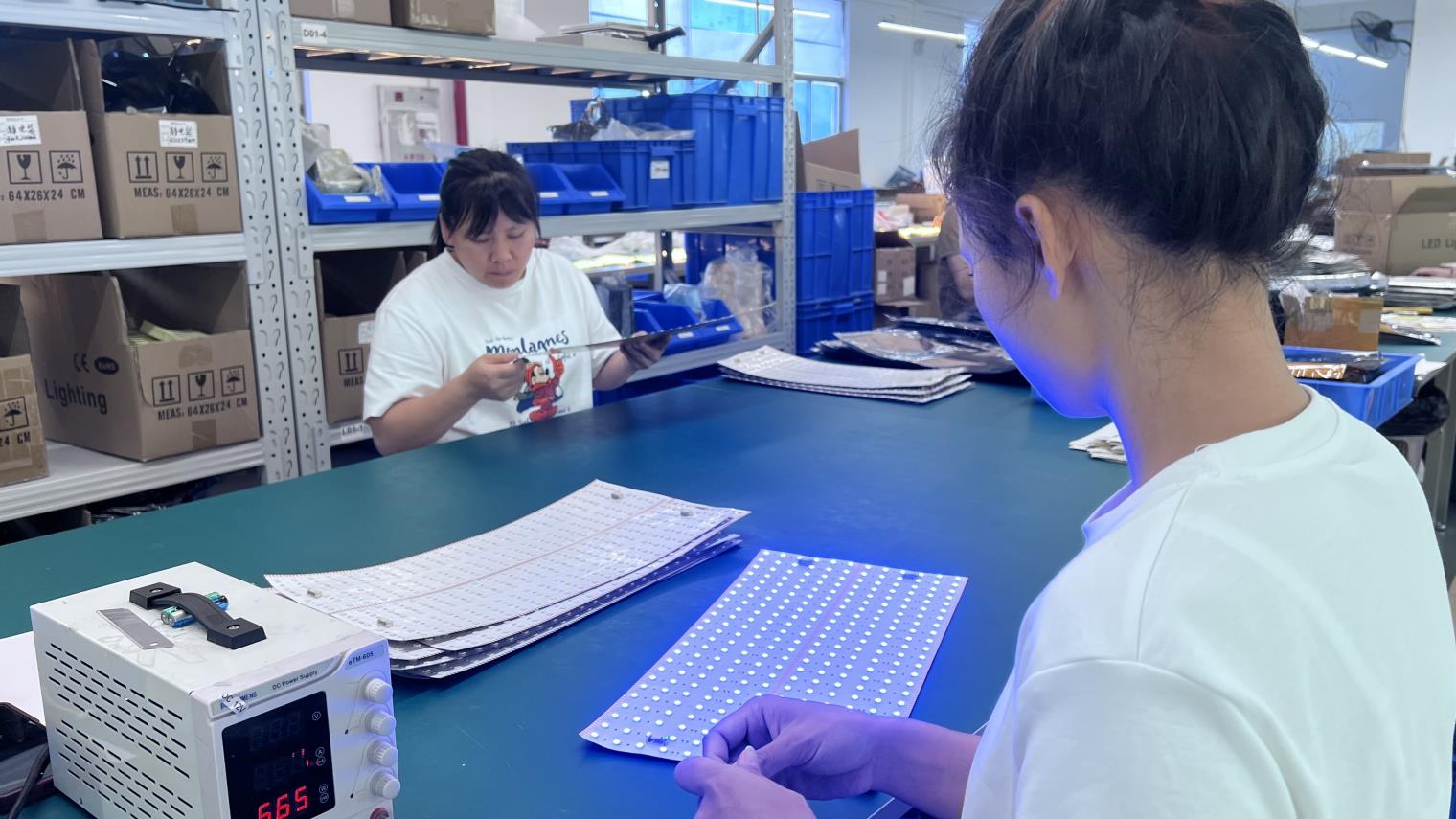
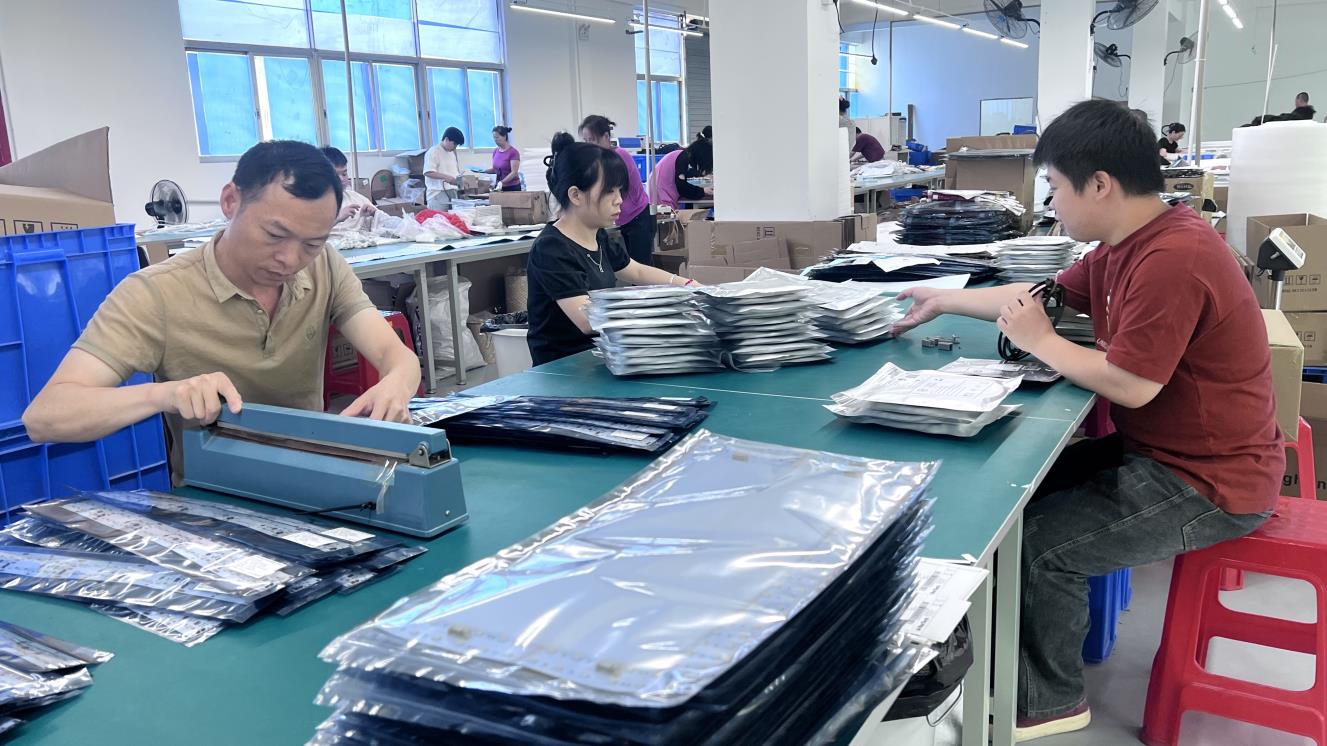
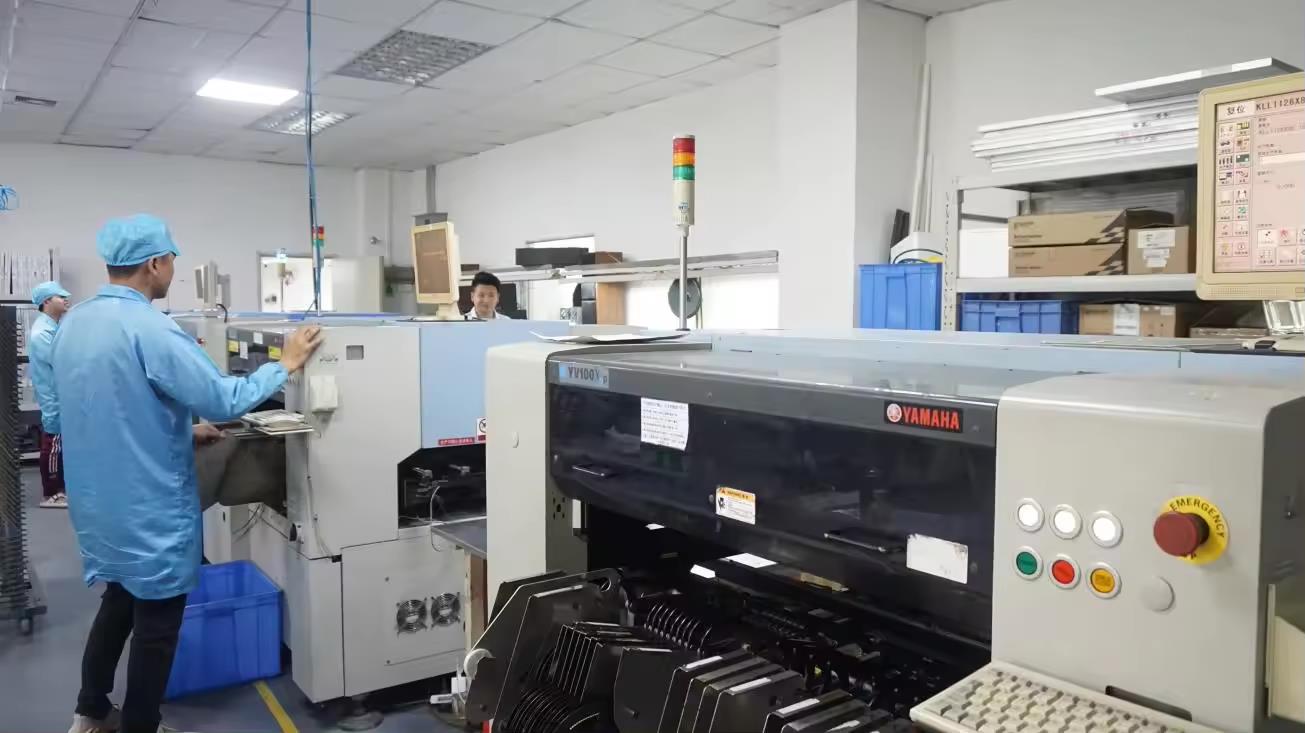
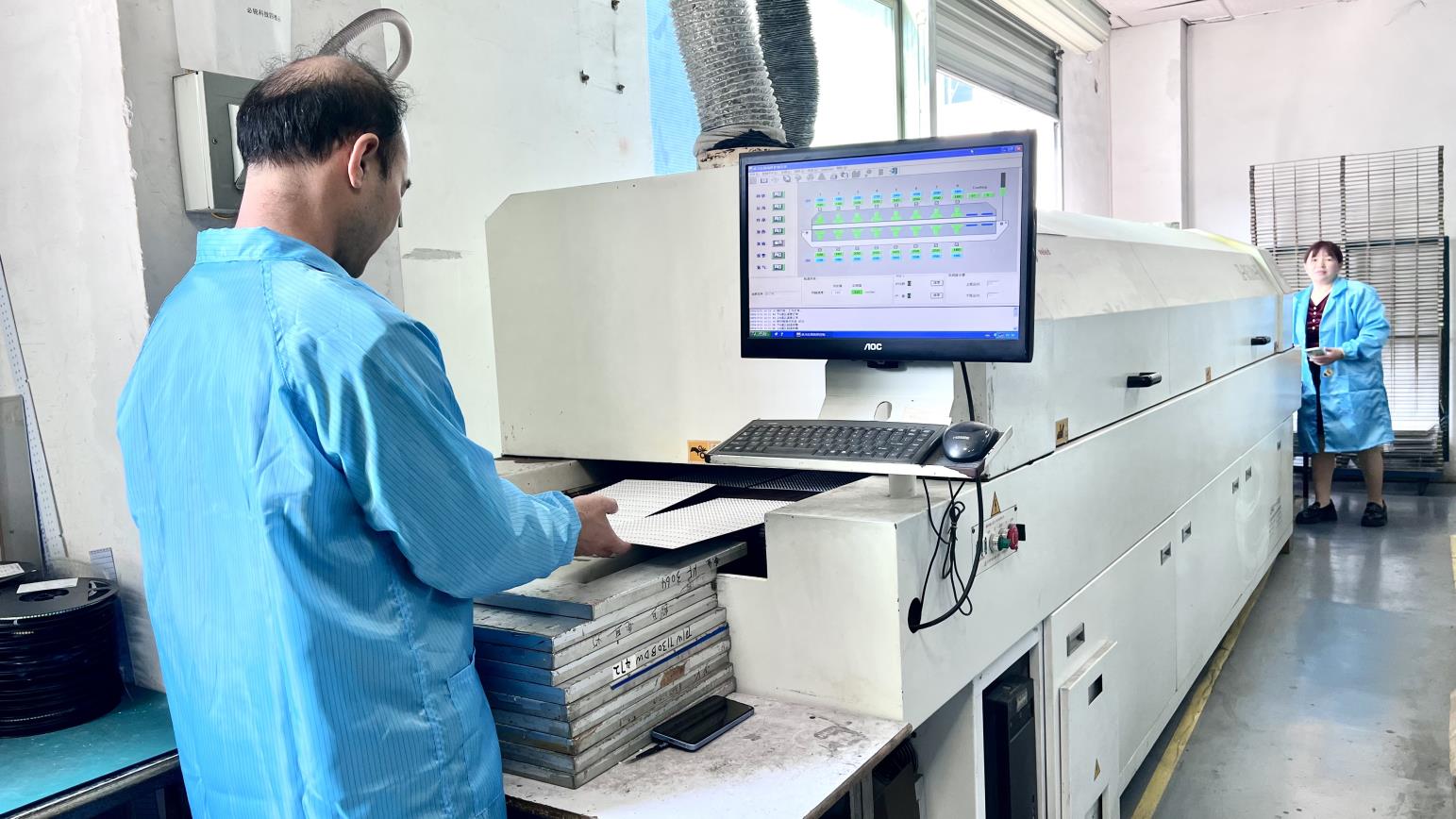
Quality management at Jable Light is structured under 7S principles and certified to the TÜV ISO9001 standard. Every manufactured run undergoes a rigorous 24-hour continuous burn-in aging test and optical integration sphere calibration. This process confirms that CCT (Correlated Color Temperature), CRI (Color Rendering Index), and lumen density outputs comply with engineering schedules before shipment.
Deploying commercial lighting within Boston and the broader Commonwealth of Massachusetts requires adherence to specific state and municipal regulations. The Boston Inspectional Services Department (ISD) enforces strict codes relative to energy conservation and fire safety.
To simplify deployment, we provide comprehensive mechanical detail layouts, photometric IES files, structural mounting accessories (including anodized aluminum channels and flexible stainless steel brackets), and IP67/IP68 dry-connector kits.
Architectural and commercial projects across Boston utilize LED Neon Flex to achieve distinct lighting objectives:
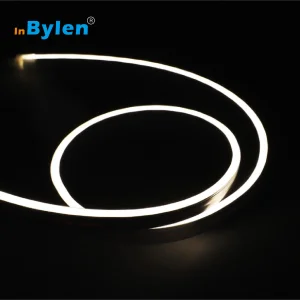
Historic Restoration & Adaptations (North End & Beacon Hill): Replacing delicate gas-discharge tubes with low-impact LED Neon. Our 2400K and 2700K ultra-warm white neon strips replicate the aesthetic of historical gas lamps while fitting within restricted architectural profiles.
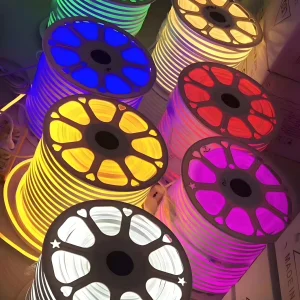
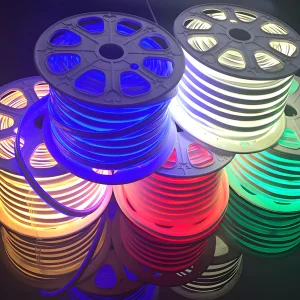
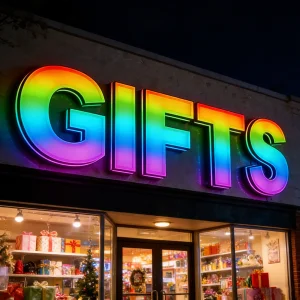
Modern Facades (Seaport District & Kendall Square): High-lumen, DMX-controlled color-changing RGBW arrays outline structural lines on modern glass facades. These dynamic, programmable lighting systems withstand high-altitude wind pressures and maritime conditions.
Life Sciences R&D Cleanrooms (Cambridge & Waltham): Our silicone LED Neon Flex is chemically inert and does not outgas. This makes it suitable for cleanroom environments, universities, and biotech research laboratories requiring dust-free, easily sanitized lighting fixtures.
As lighting technology converges with smart city development, Foshan Jable Light Co., Ltd. continues to adapt its product line:
PoE (Power over Ethernet) Integration: Our R&D team is developing low-voltage silicone neon solutions compatible with PoE systems. This allows both power delivery and control signals to run over standard category network cables, reducing installation costs.
Biodegradable and Circular Polymers: In response to green building initiatives in New England, we are researching organic silicone alternatives designed for circular manufacturing cycles.
Miniaturization & Dynamic Control: Newer designs feature bend profiles as slim as 3mm alongside integrated IC chips for high-resolution color animations, facilitating more detailed visual patterns in architectural signage.
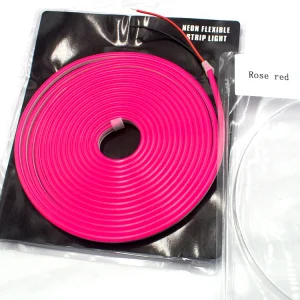
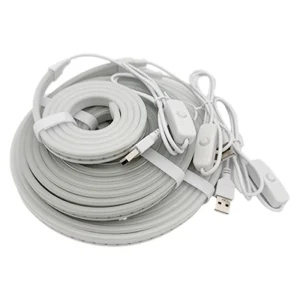
Complete range of flexible LED neon strips, control modules, and accessories for New England specifiers.
 Jable Light