Jable Light
1. The New York Architectural & Commercial Lighting Landscape
New York City represents one of the most demanding and iconic architectural lighting markets globally. From the dazzling displays of Times Square to the historic facades of Manhattan's commercial districts and the industrial-chic transformations in Brooklyn, the appetite for high-performance linear lighting continues to grow exponentially. However, navigating this market requires a deep understanding of local compliance frameworks and structural requirements.
Unlike standard regional markets, New York has implemented strict regulations regarding energy conservation and building safety. The New York City Energy Conservation Code (NYCECC) and the groundbreaking Local Law 97 (LL97) place stringent carbon emission and electrical efficiency mandates on commercial and large residential properties. Traditional neon, with its high energy consumption, high working voltage, and hazardous mercury components, is rapidly being phased out. Modern, low-voltage LED Neon Flex Lights have become the primary alternative, offering up to an 85% reduction in electricity usage while delivering superior luminance, color uniformity, and architectural adaptability.
Additionally, NYC's local codes mandate that all electrical fixtures installed in public, commercial, and structural environments must carry recognized safety certifications. Specifically, UL 2108 (Low Voltage Lighting Systems) and UL 1598 (Luminaires) certifications are essential for passing inspection by the NYC Department of Buildings (DOB). For manufacturers targeting the New York market, adhering to these standards is not optional; it is the fundamental baseline of market entry.
2. Environmental Resilience: Engineering for the East Coast Climate
New York City experiences extreme seasonal temperature swings, ranging from freezing winter blizzards and sub-zero temperatures (down to -15°C/5°F) to intensely hot, humid summers (up to 38°C/100°F). Outdoor linear lighting fixtures are subjected to high ultraviolet (UV) exposure, heavy snowfall, ice accumulation, and acid rain.
Standard PVC-housed LED neon lights are highly susceptible to degradation in these environments. Under freezing temperatures, PVC loses its elasticity, becoming brittle and prone to micro-cracking, which allows moisture ingress. In the summer, UV rays degrade the PVC plasticizers, leading to severe yellowing, reduced light transmission, and color shifting.
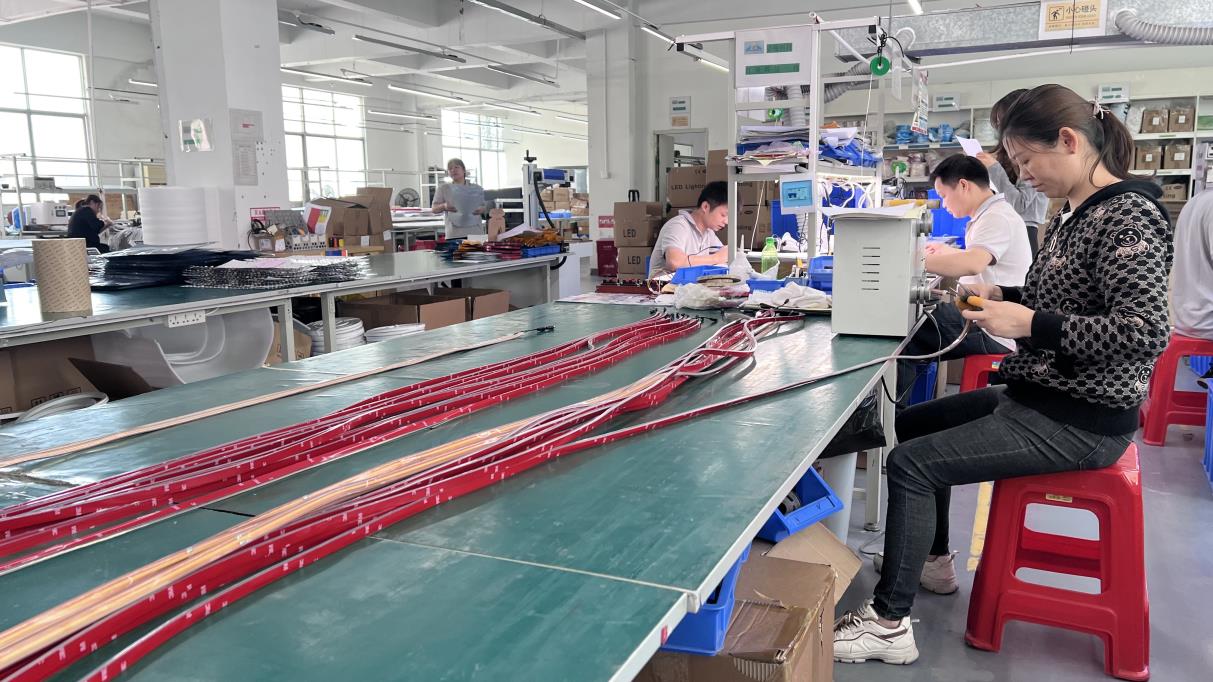
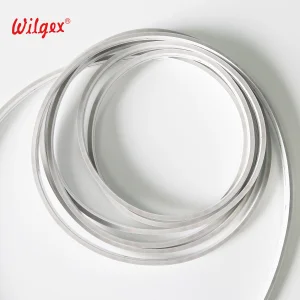
To solve this problem, premium manufacturers utilize Silicone Co-Extrusion Technology. Food-grade, high-molecular silicone offers several crucial advantages for the NYC market:
- Temperature Tolerance: Silicone remains flexible and chemically stable from -50°C to +150°C, preventing crack formation during freezing East Coast winters.
- UV and Yellowing Resistance: The silicon-oxygen chemical bonds in silicone are highly resistant to solar UV radiation, maintaining optical clarity and color fidelity over a 5-year to 10-year lifespan.
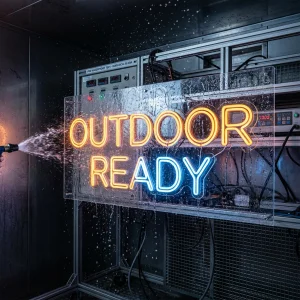
- IP67 & IP68 Waterproof Integrity: Continuous dual-color extrusion and injection-molded end caps prevent water ingress under heavy rain or prolonged snow cover.
- Chemical Inertness: Resistant to salt spray (vital for coastal areas like Long Island, Brooklyn waterfronts, and Staten Island) and urban pollutants.
3. Technical Roadmap: The Next Frontier of Flexible Solid-State Lighting
As a forward-looking manufacturer, our technical development roadmap focuses on optimizing three critical vectors: optical performance, control integration, and thermal management.
A. High Color Rendering Index (CRI) and SDCM Control
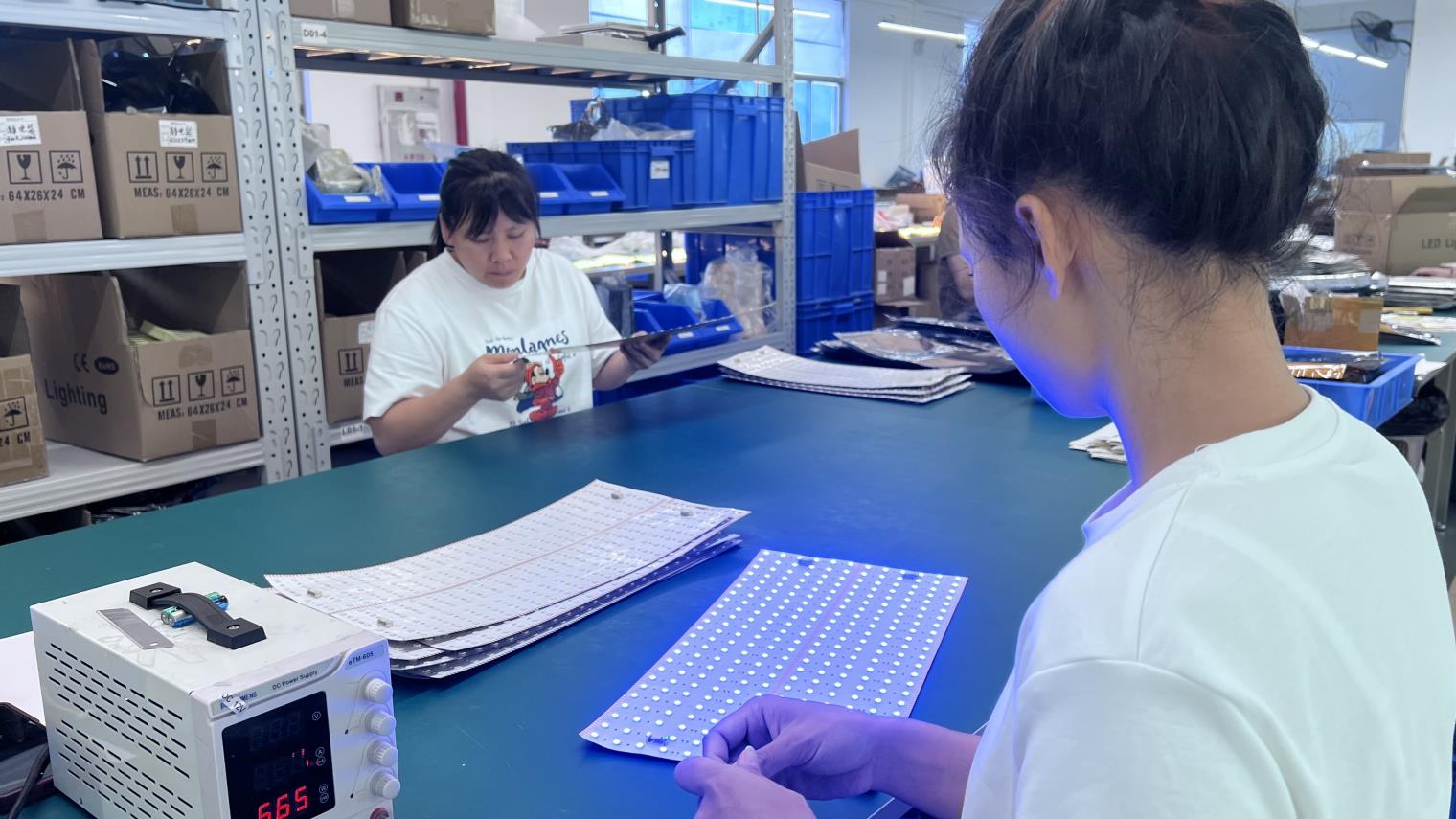
For high-end retail lighting on Fifth Avenue and museum displays in Manhattan, color accuracy is paramount. We utilize LED chips that achieve a CRI of >90 (R9 >50), ensuring that fabrics, artworks, and products are rendered in their true spectral colors. Furthermore, we maintain a tight binning tolerance of <3-step MacAdam Ellipse (SDCM), ensuring absolute color consistency across multiple production batches and long continuous runs.
B. Smart DMX512 & RGBIC Addressable Protocols
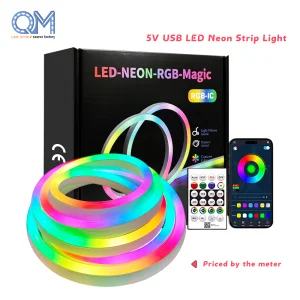
Modern commercial architectural layouts require dynamic lighting patterns. Our technical roadmap integrates advanced DMX512 and SPI control ICs directly inside the flexible PCB. This enables addressable pixel-level control for hospitality venues, Broadway theaters, and dynamic facade displays, allowing seamless integration with Lutron, Pharos, or other professional architectural control networks.
C. Pure Gold Wire Bond and Advanced SMT
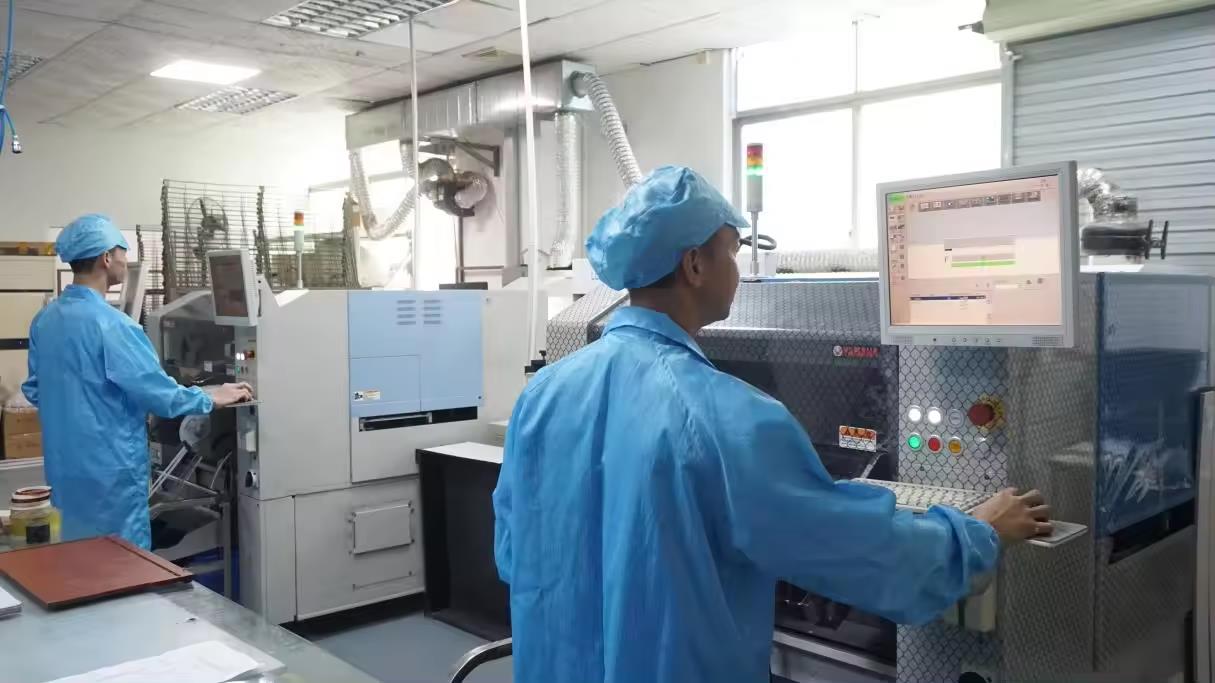
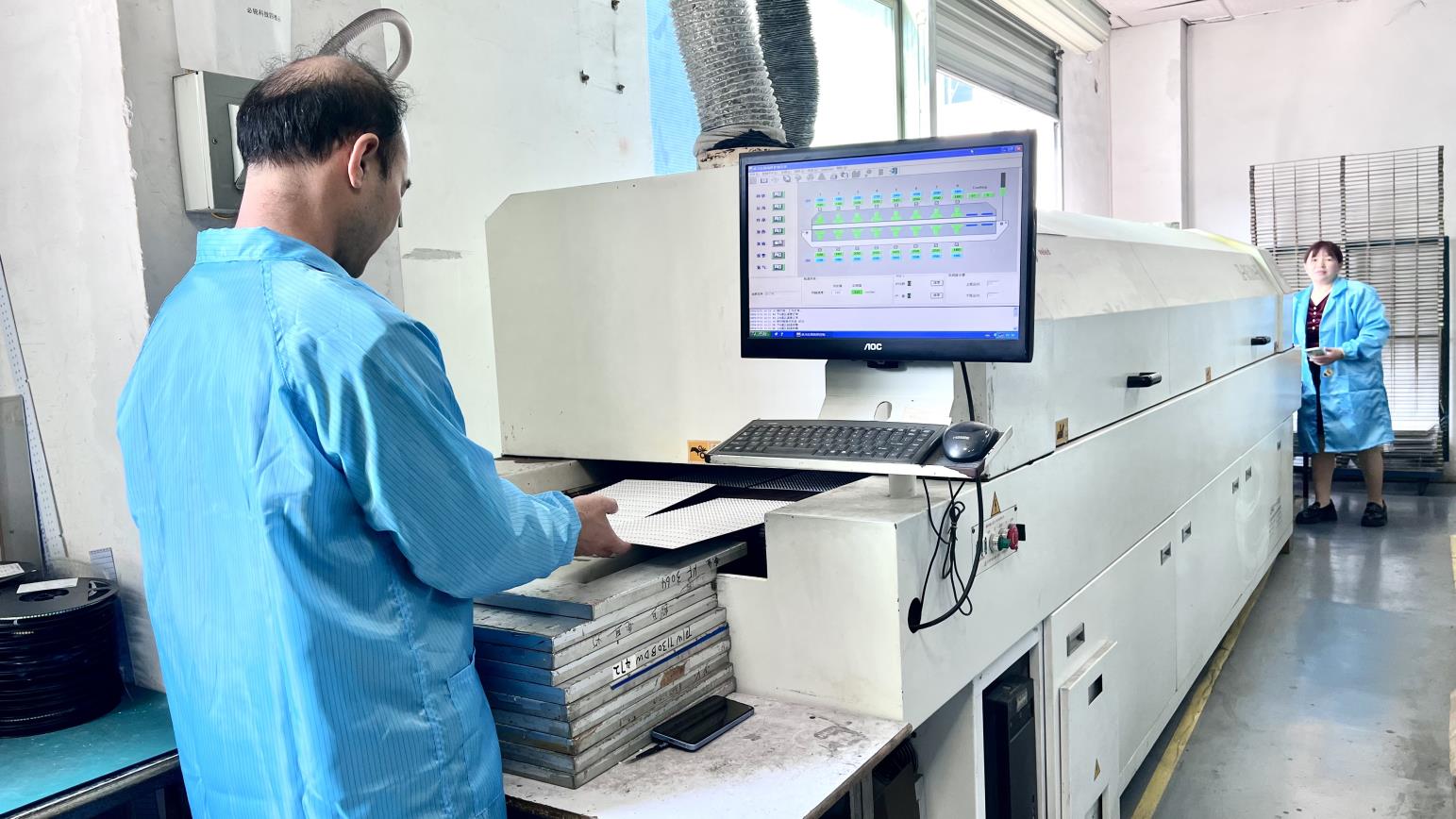
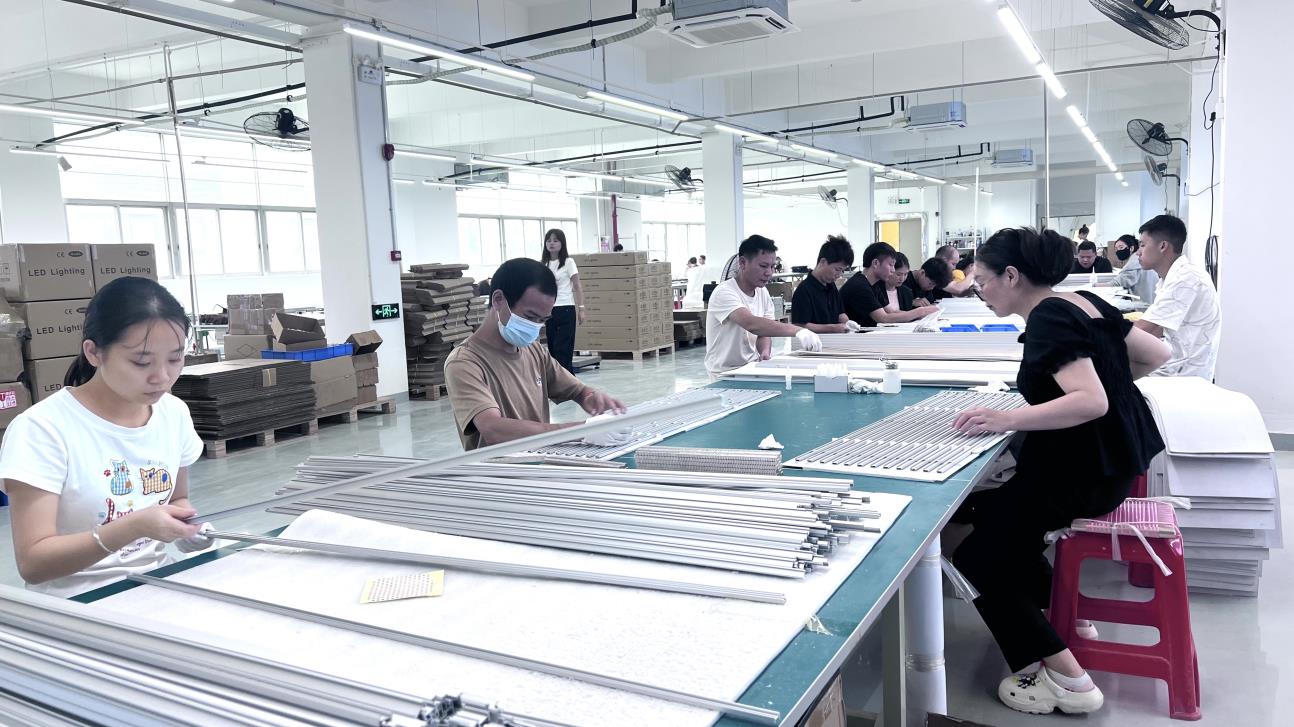
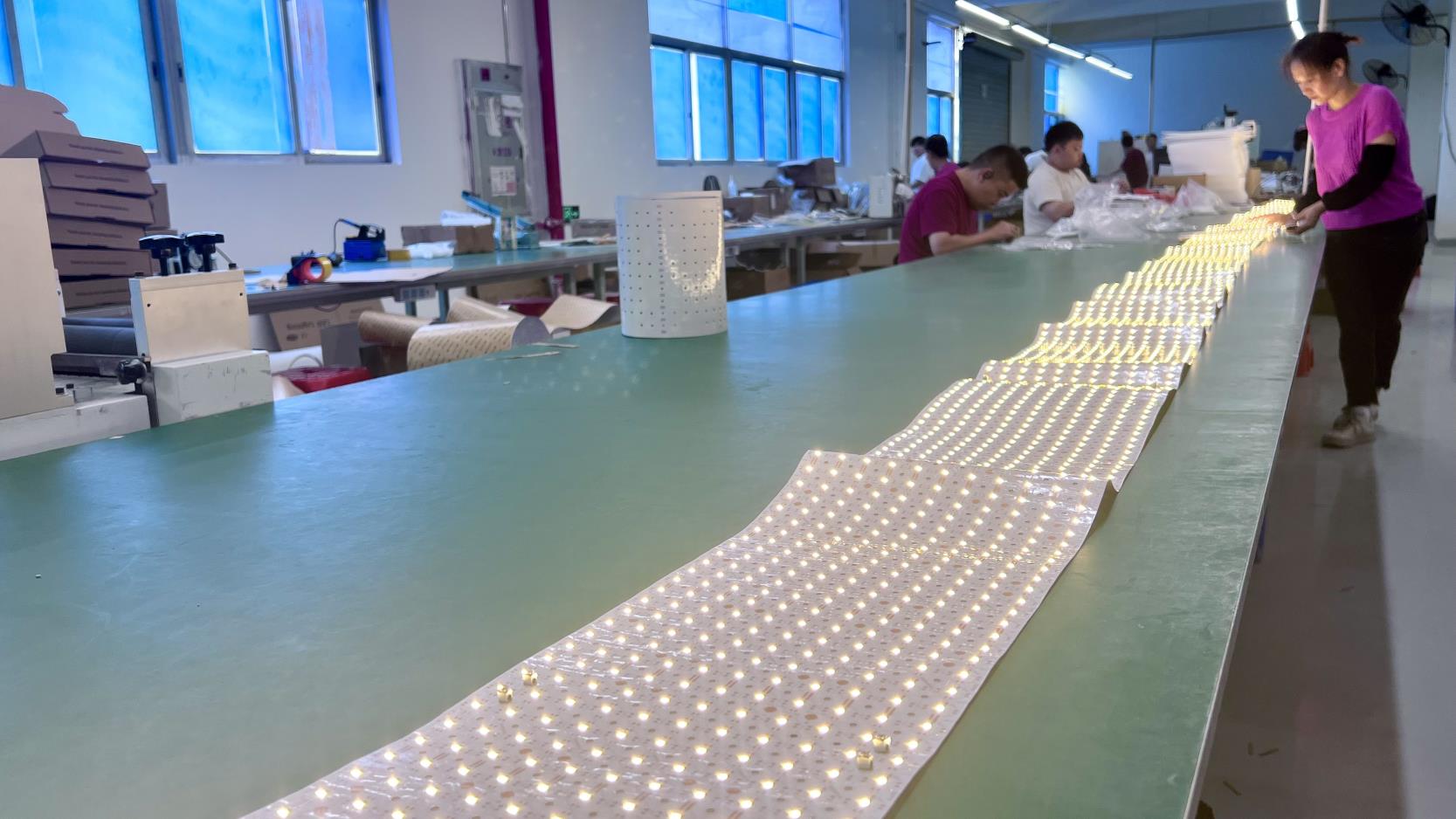
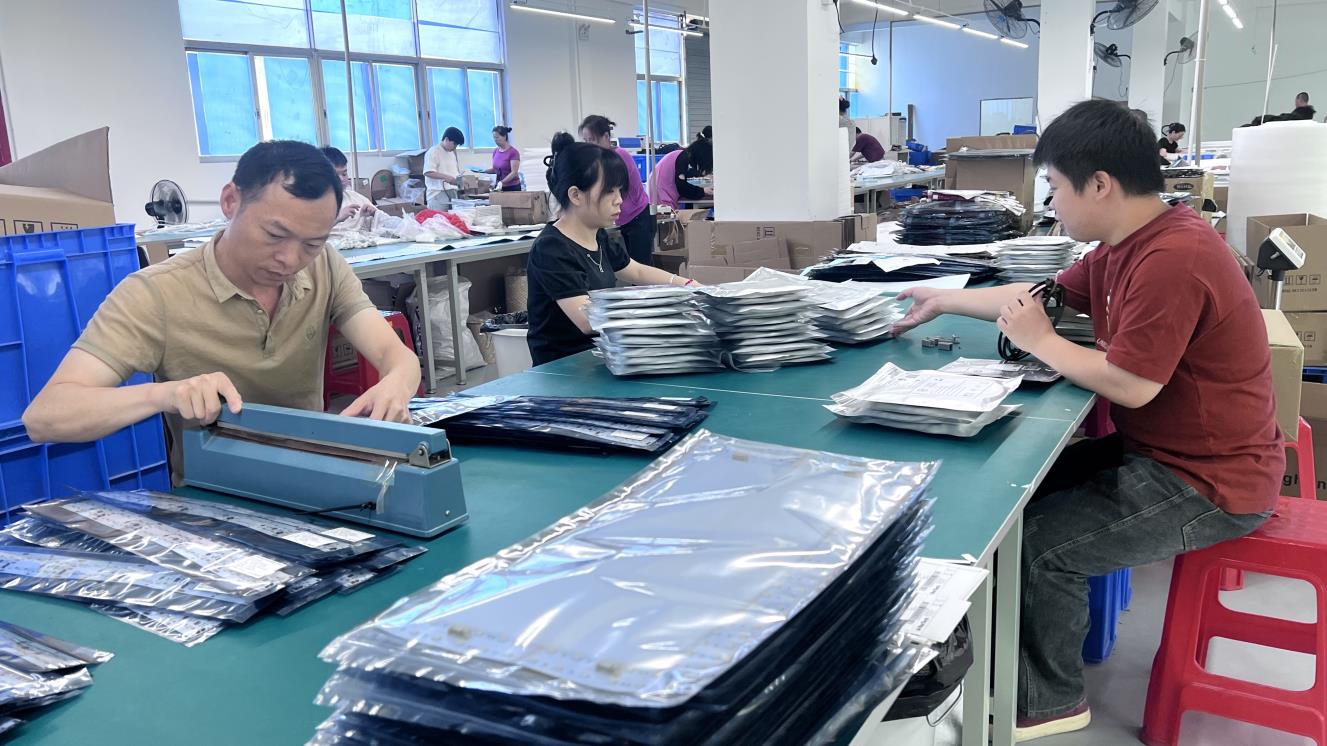
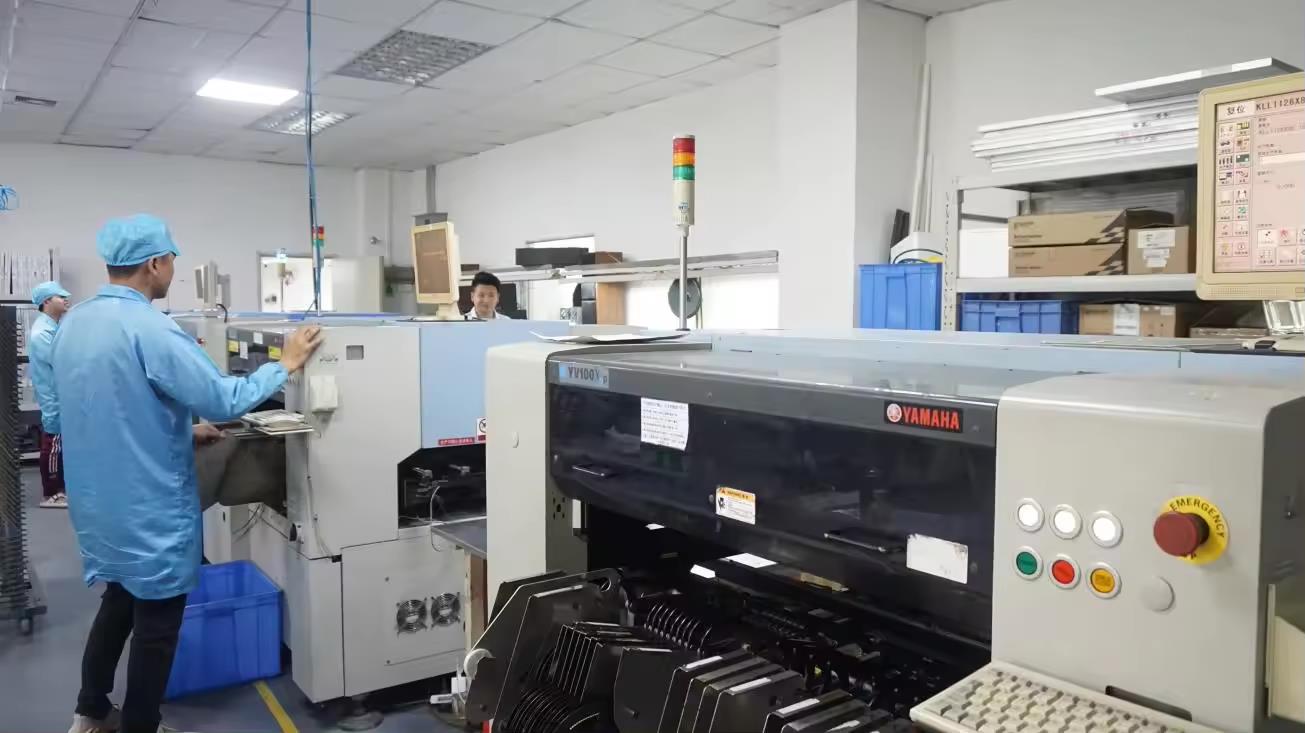
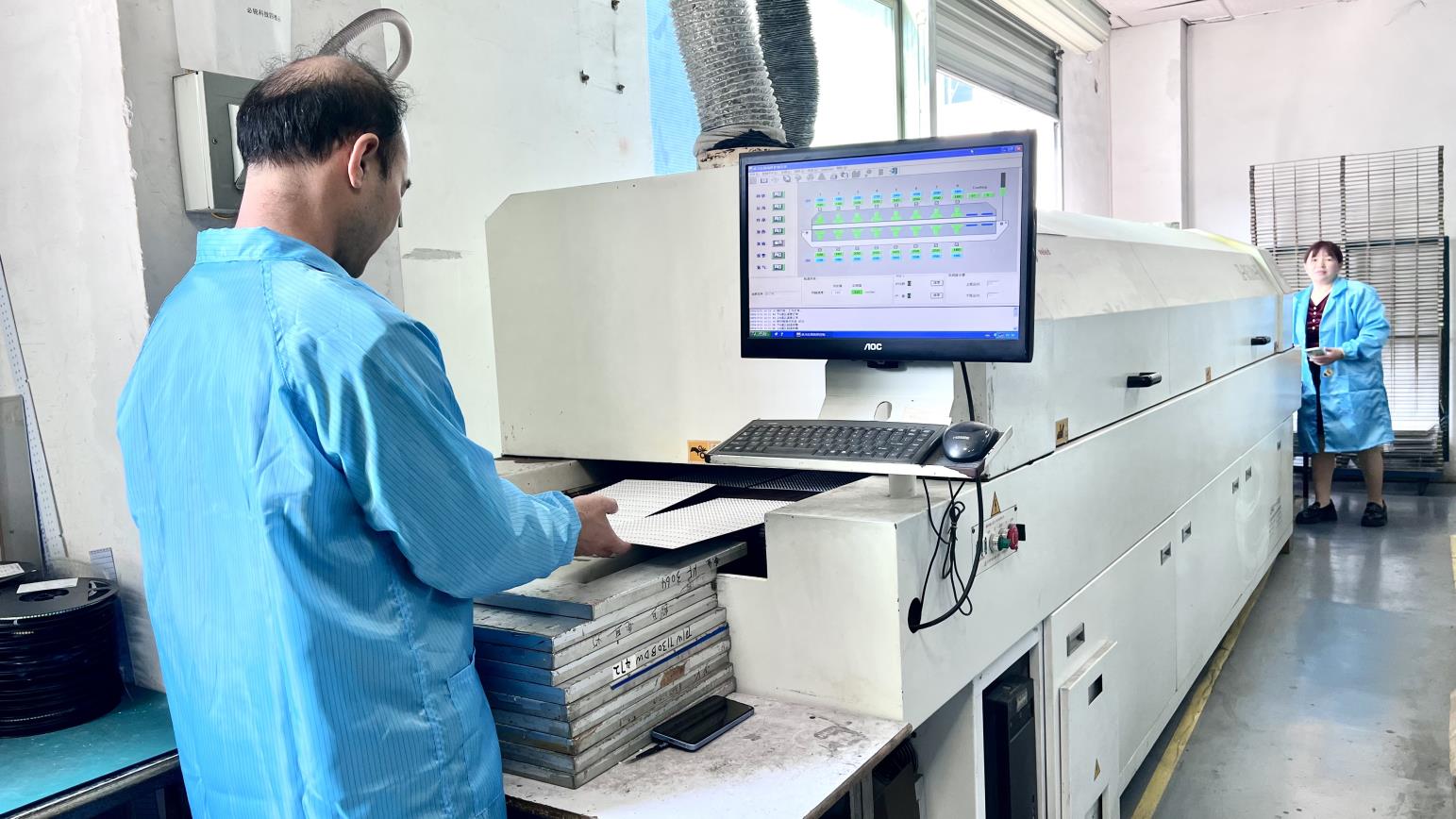
Reliability starts at the microscopic level. By using LED packaging with 99.99% pure gold wire bonding, we ensure stable electrical connectivity and high resistance to thermal-shock fatigue. Automated SMT placement systems mount these chips with high precision onto multi-layer 3oz copper flexible PCBs, reducing voltage drop and minimizing heat buildup.
4. NYC Localized Application Scenarios
Our LED Neon Flex products are engineered for specific, highly demanding NYC design environments:
- Exterior Building Outlines (Manhattan Skyscraper Facades): Using high-voltage 110V/220V or heavy-duty 24V continuous-run silicone flex (such as our IP67 8x16mm series) to create clean, dot-free architectural outlines visible across the East River.
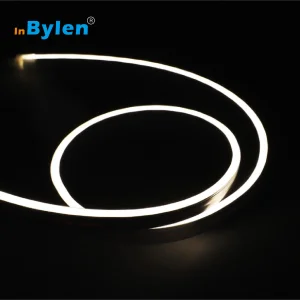
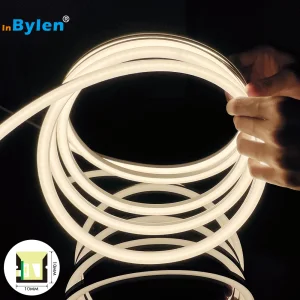
- High-End Hospitality & Lounges (SoHo & Tribeca): Using super-slim, warm-white, dot-free 4x10mm neon flex for under-counter, cove, and millwork lighting where spaces are tight and direct glare must be avoided.
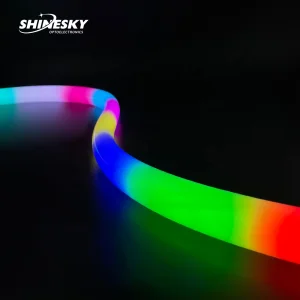
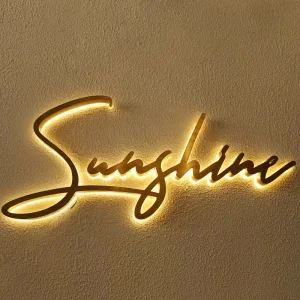
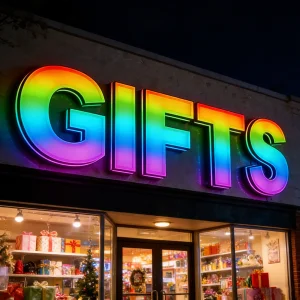
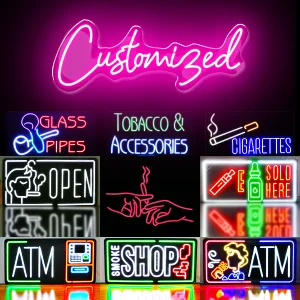
- Interactive Retail Facades & Storefronts (Fifth Ave & Madison Ave): Implementing custom RGBW and RGBIC addressable neon signs with acrylic backboards to capture consumer attention through smooth color-chasing animations.
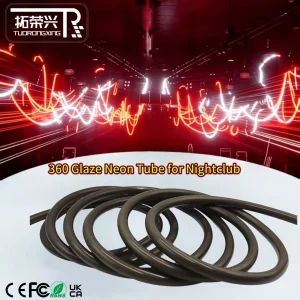
- Art Installations & Galleries (Chelsea Art District): Utilizing 360-degree round neon flex tubes to create sculptural suspended light installations, offering high brightness and multidirectional illumination.