Engineered to meet stringent US building codes, offering unmatched illumination consistency and architectural longevity.
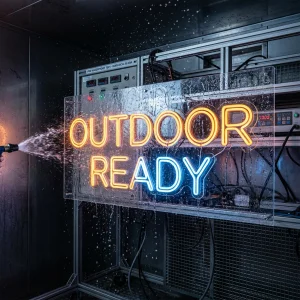
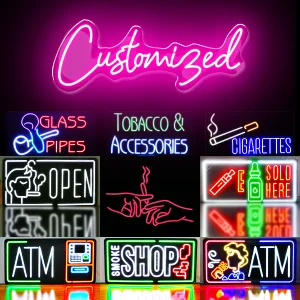
In the architectural and commercial lighting design landscape of the United States, linear lighting solutions are transitioning rapidly. Historically, high-voltage glass gas-discharge neon tubes dominated municipal facades, storefronts, and entertainment districts from Las Vegas to New York. However, compliance challenges associated with safety, operational maintenance costs, mercury consumption, and high fire risks under the National Electrical Code (NEC) have phased out traditional glass neon. In its place, solid-state LED Neon Flex technology has emerged as the definitive standard.
Today, architectural firms, lighting design consultancies, and electrical distributors across the US require commercial-grade, UL 2108 / UL 1598 compliant LED Neon Flex systems. These modern systems offer the visual impact of glass neon with substantial reductions in energy consumption, near-zero maintenance overhead, and unparalleled design versatility. As building codes continue to tighten under energy guidelines like California Title 24, specified LED products must meet strict metrics for power efficiency, color rendering index (CRI), and environmental robustness.
When selecting a Neon Flex Light supplier for US projects, the choice of raw material determines the system's longevity. Environmental conditions in North America vary from freezing winters in Chicago (-20°F) to high solar UV indexes in Arizona and Florida (110°F+). The two dominant materials in the industry are PVC (Polyvinyl Chloride) and Silicone (Polysiloxane).
PVC-based options are budget-friendly and suitable for short-term indoor events or display graphics. However, under UV exposure, PVC undergoes photochemical degradation. In standard outdoor environments, PVC turns brittle, yellows, and develops micro-cracking within 12 to 24 months, which compromises the ingress protection (IP) rating and leads to moisture penetration and LED failure.
Silicone is the preferred choice for long-term specifications. The chemical structure of silicone—a silicon-oxygen backbone—provides excellent UV resistance, thermal stability, and chemical inertness. It remains flexible from -40°F to 302°F (-40°C to 150°C), making it ideal for variable climates. Silicone offers high transmission efficiency, resists yellowing, and withstands chlorinated and salt-water environments, making it suitable for pool and marine installations.
| Physical Property | Silicone Neon Flex (Jable Premium) | Standard PVC Neon Flex |
|---|---|---|
| UV Resistance | Outstanding (No yellowing over 5+ Years) | Poor (Yellows & cracks within 1-2 Years) |
| Working Temp. Range | -40°F to +302°F (-40°C to 150°C) | 14°F to +113°F (-10°C to 45°C) |
| Chemical & Salt Inertness | High (Resistant to chlorine, salt water, acids) | Moderate (Subject to plasticizer migration) |
| Bending & Flexibility | High elasticity; doesn't stiffen in freezing weather | Stiffens significantly in cold conditions |
| Flame Retardancy | Self-extinguishing (UL 94 V-0 Rated) | Emits hazardous chlorine gas when ignited |
Purchasing agents, lighting designers, and wholesale distributors in the United States face unique procurement challenges: ensuring product compliance (UL, ETL, FCC) while managing lead times, tariffs, and product consistency. Working with a domestic broker can lead to high margins and limited customization, while importing from unverified manufacturers poses quality risks.
The solution lies in direct integration with a verified Factory 4.0 manufacturer like Foshan Jable Light Co., Ltd. Established in 2006, Jable Light bridges the gap between cost-efficiency and high quality. With a modern 20,000-square-meter facility, eight automated production lines, and advanced SMT operations, Jable Light delivers precision-engineered linear products that meet or exceed American and European compliance standards (UL, ETL, CE, RoHS).
Step inside our ISO9001-certified factory in Foshan. Through SMT automation, precision welding, and continuous aging tests, we ensure each reel of LED Neon Flex meets rigorous commercial standards.
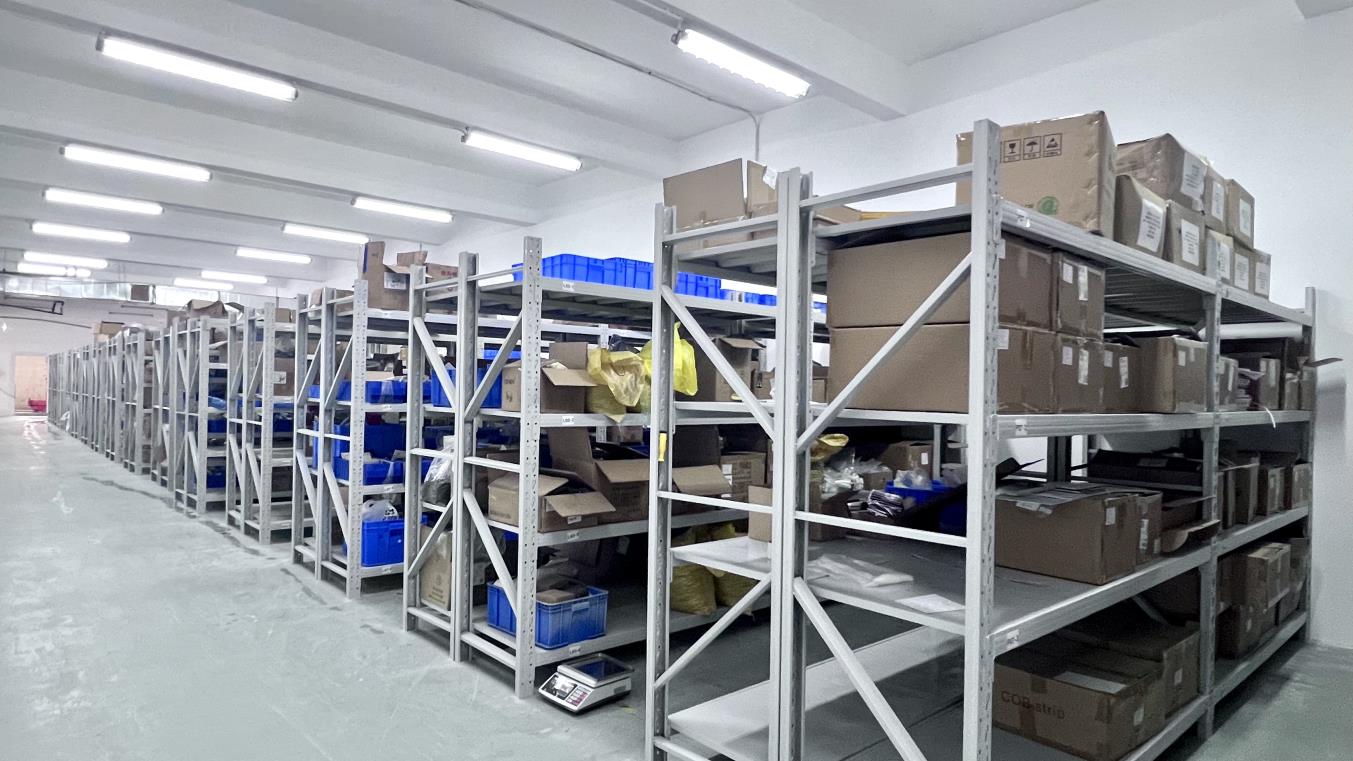
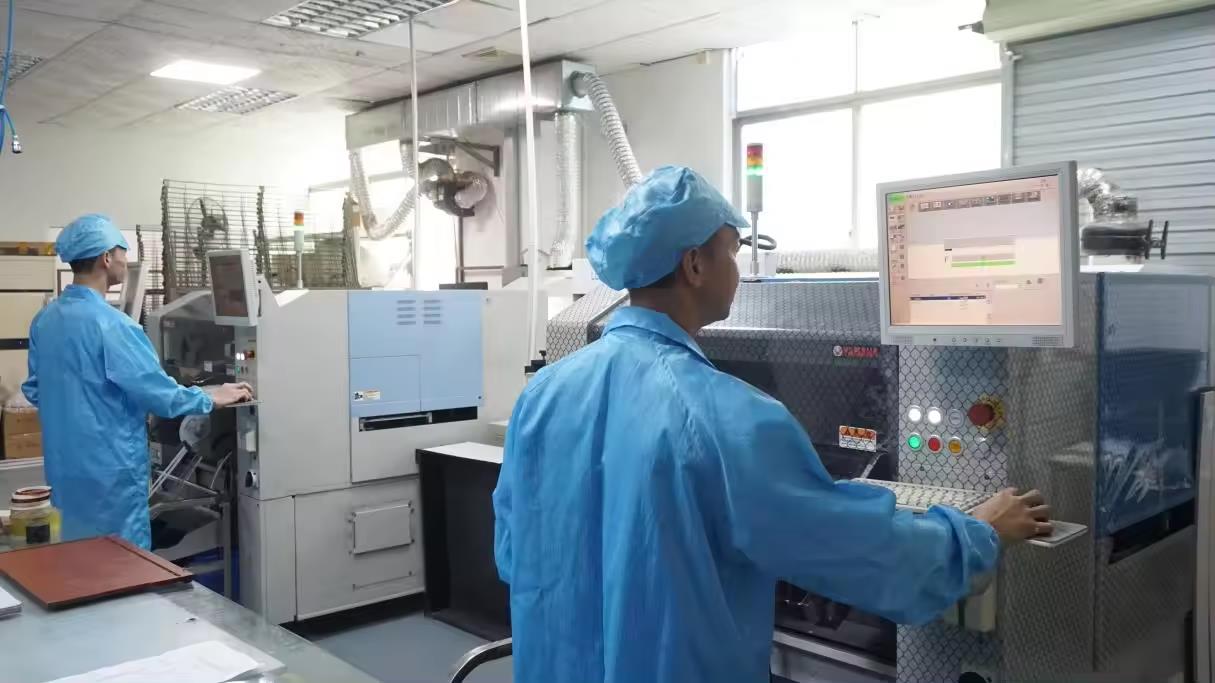
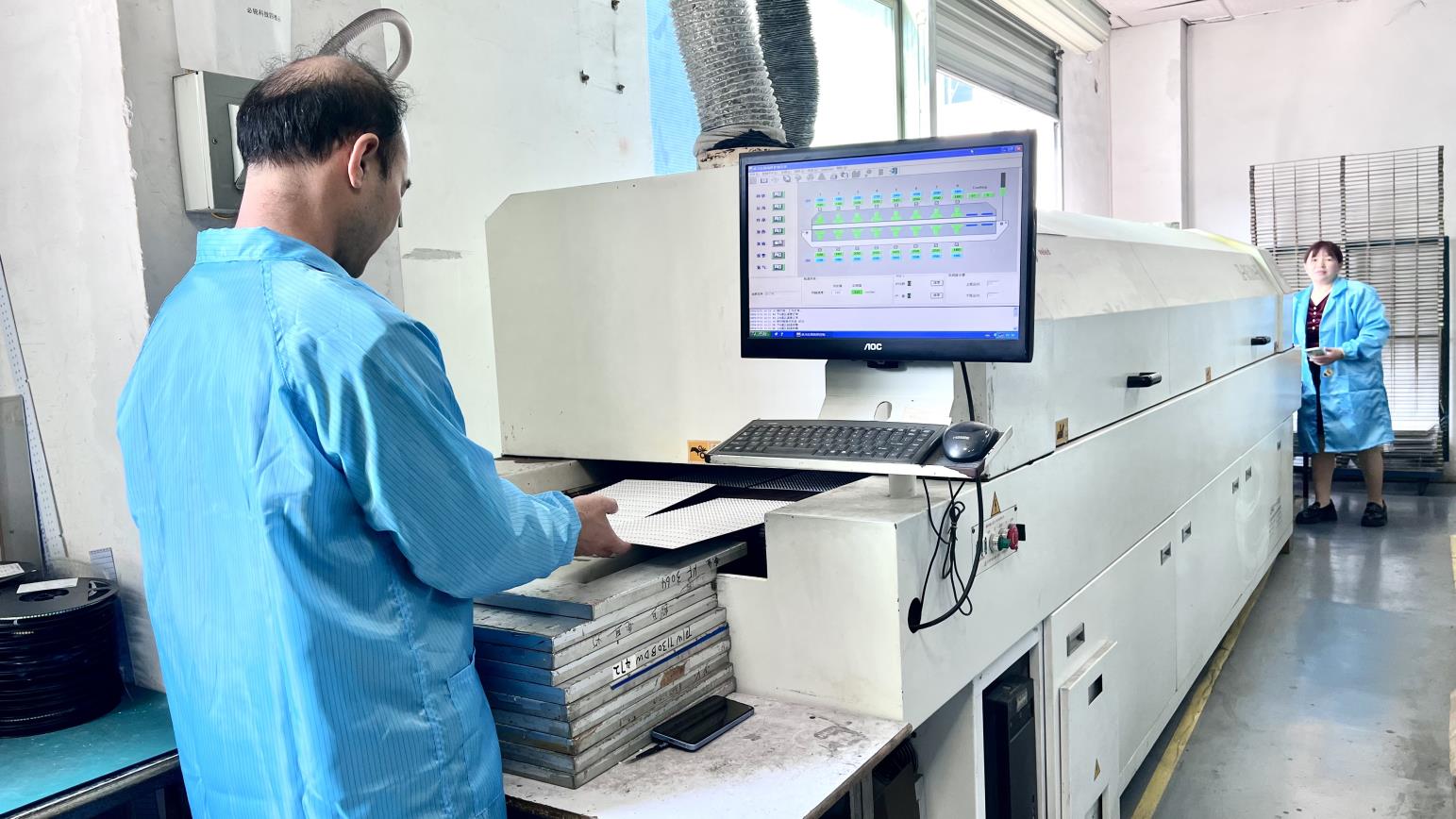
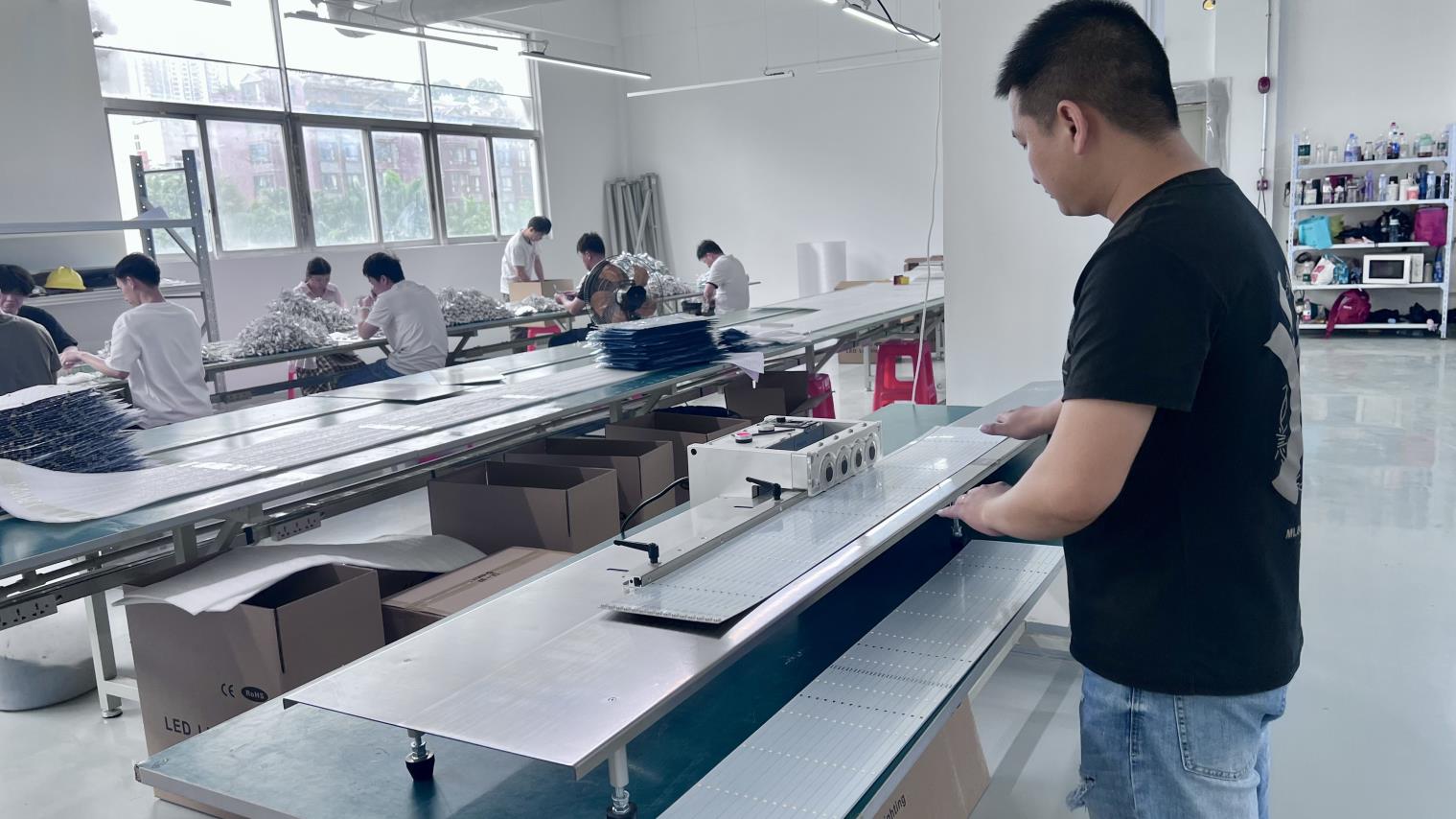
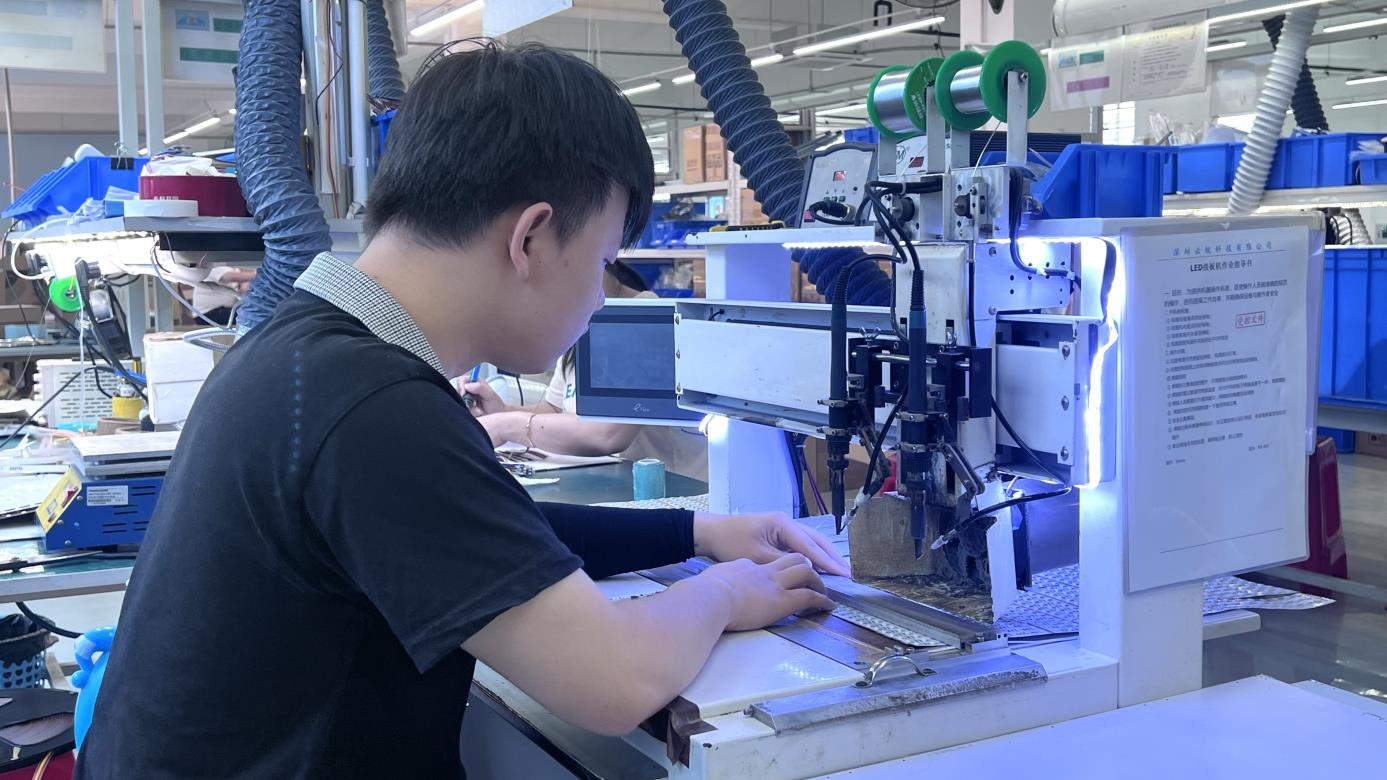
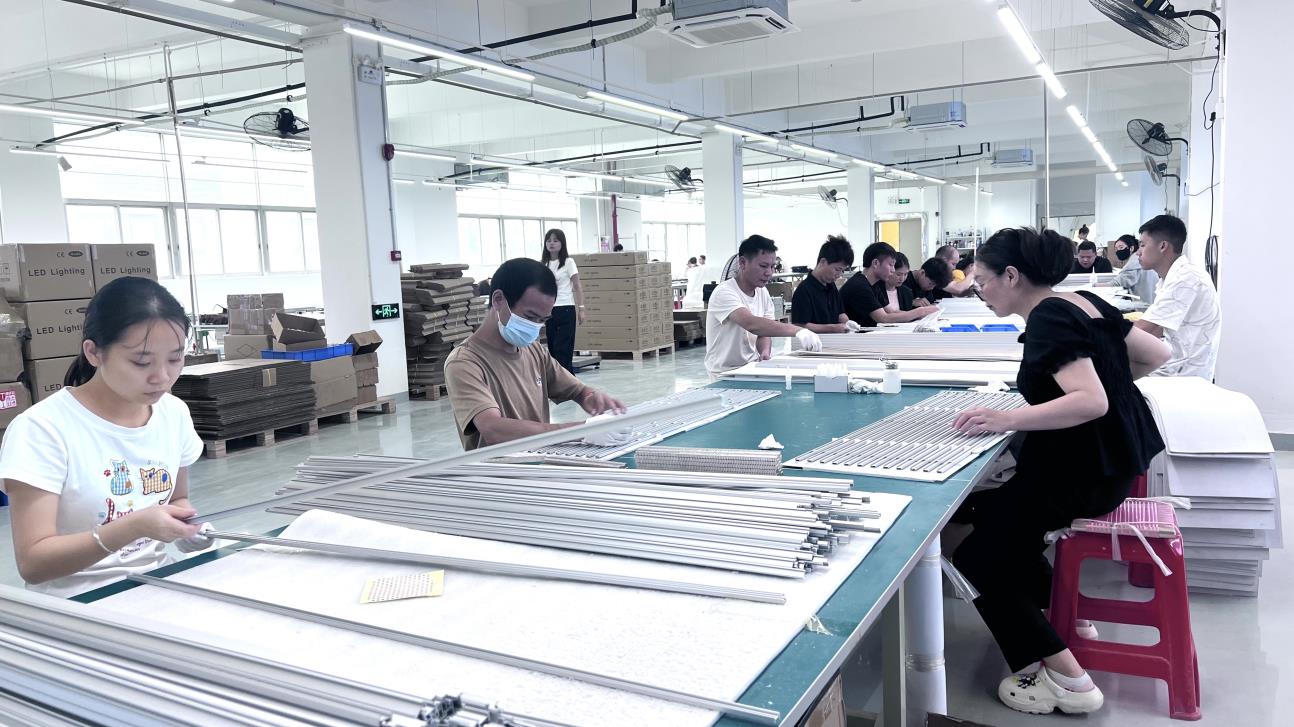
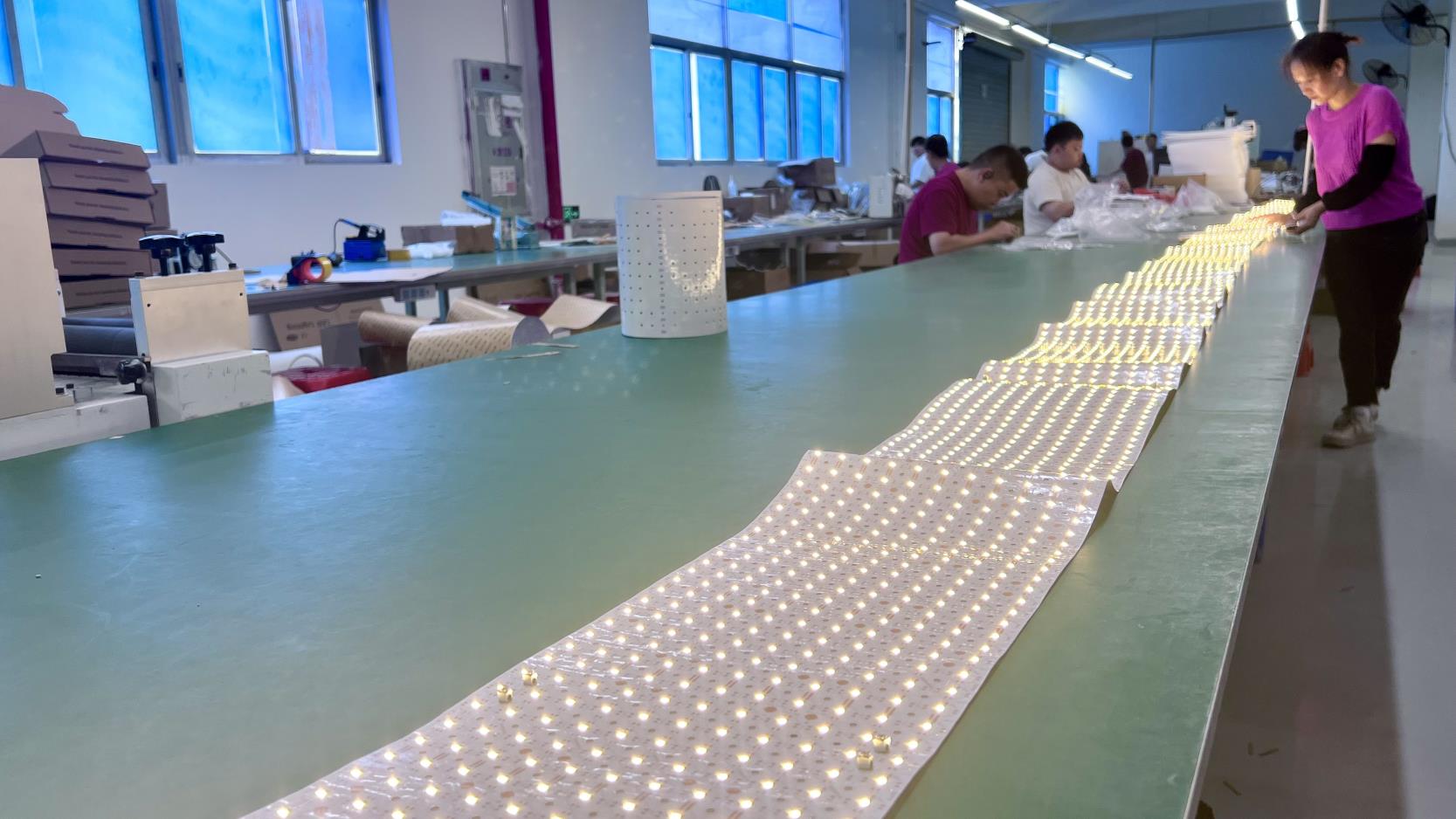
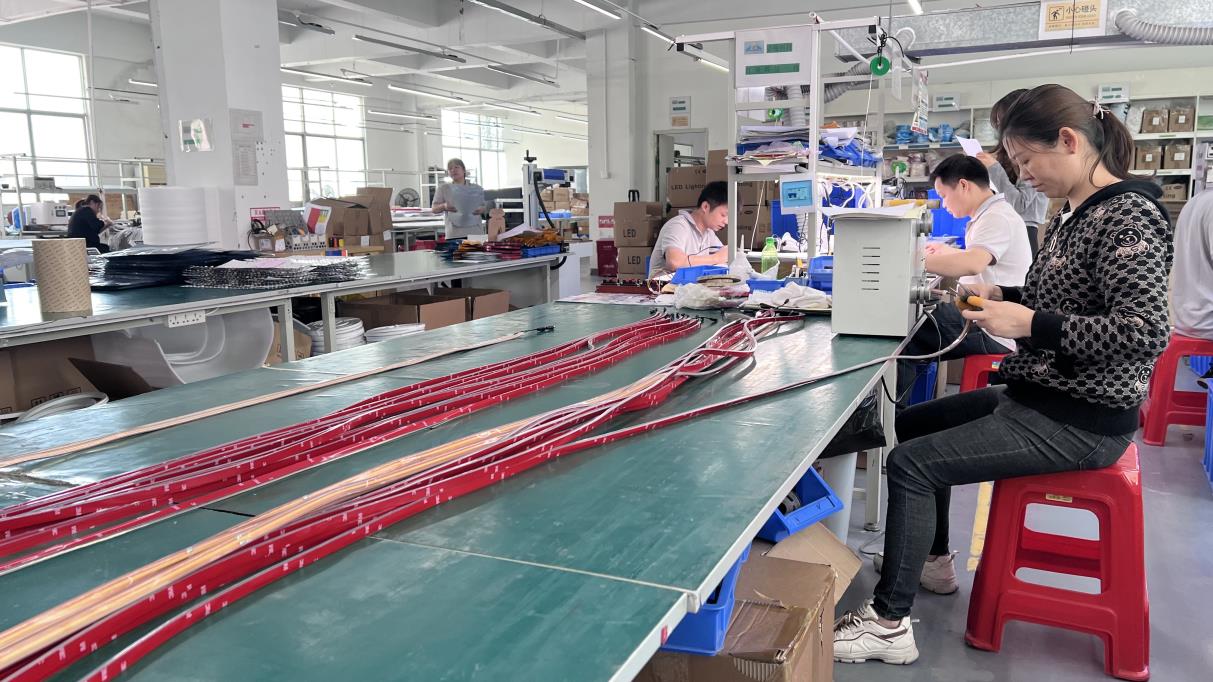
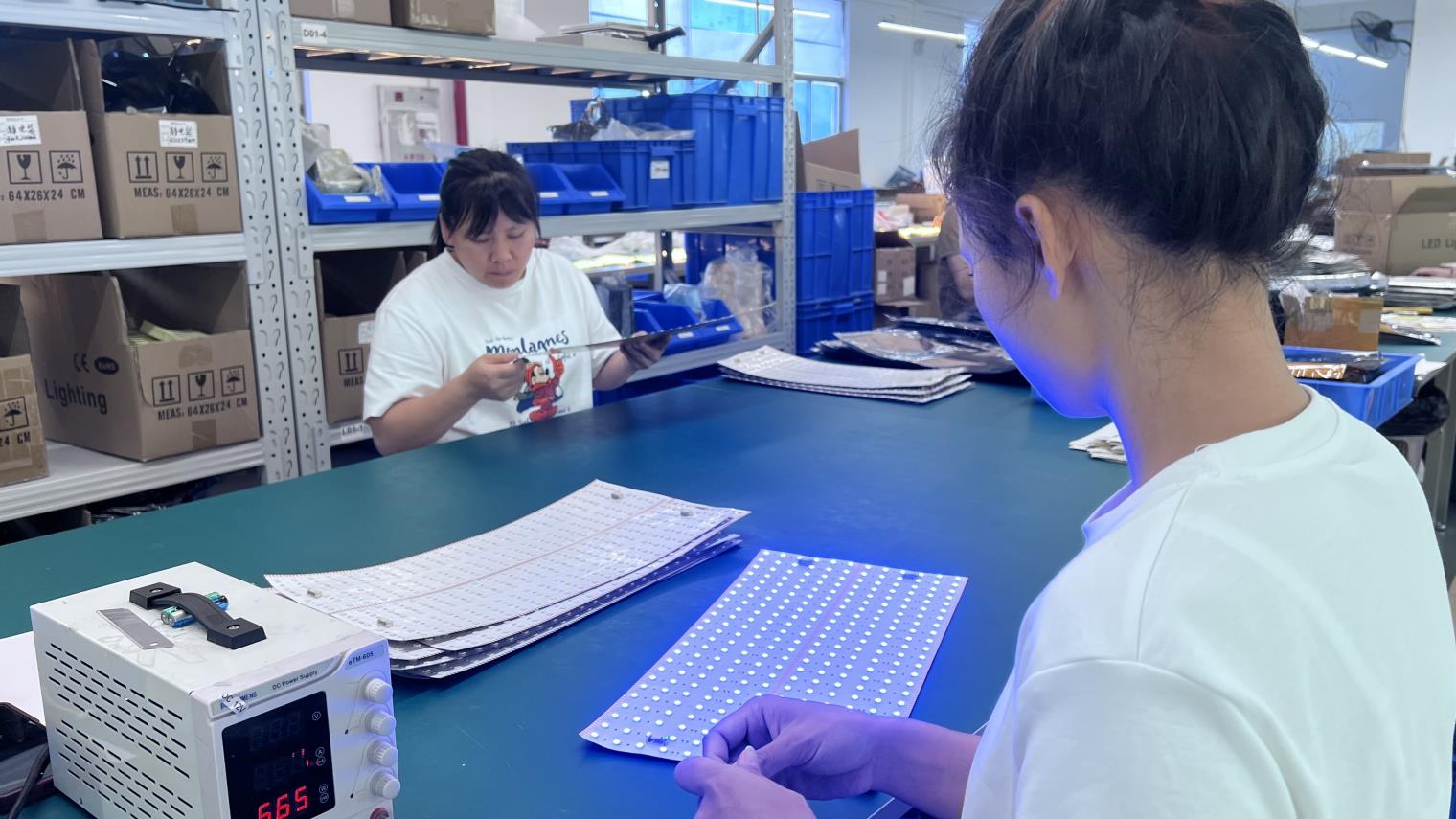
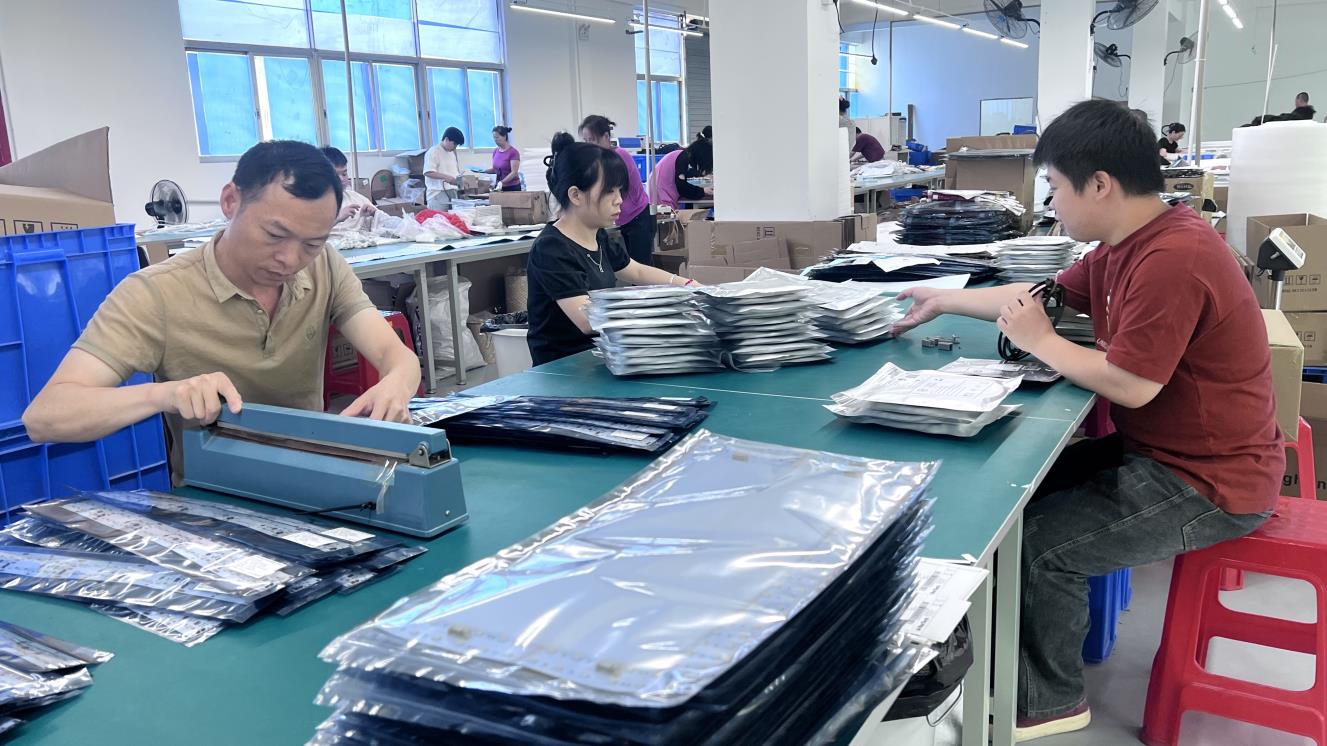
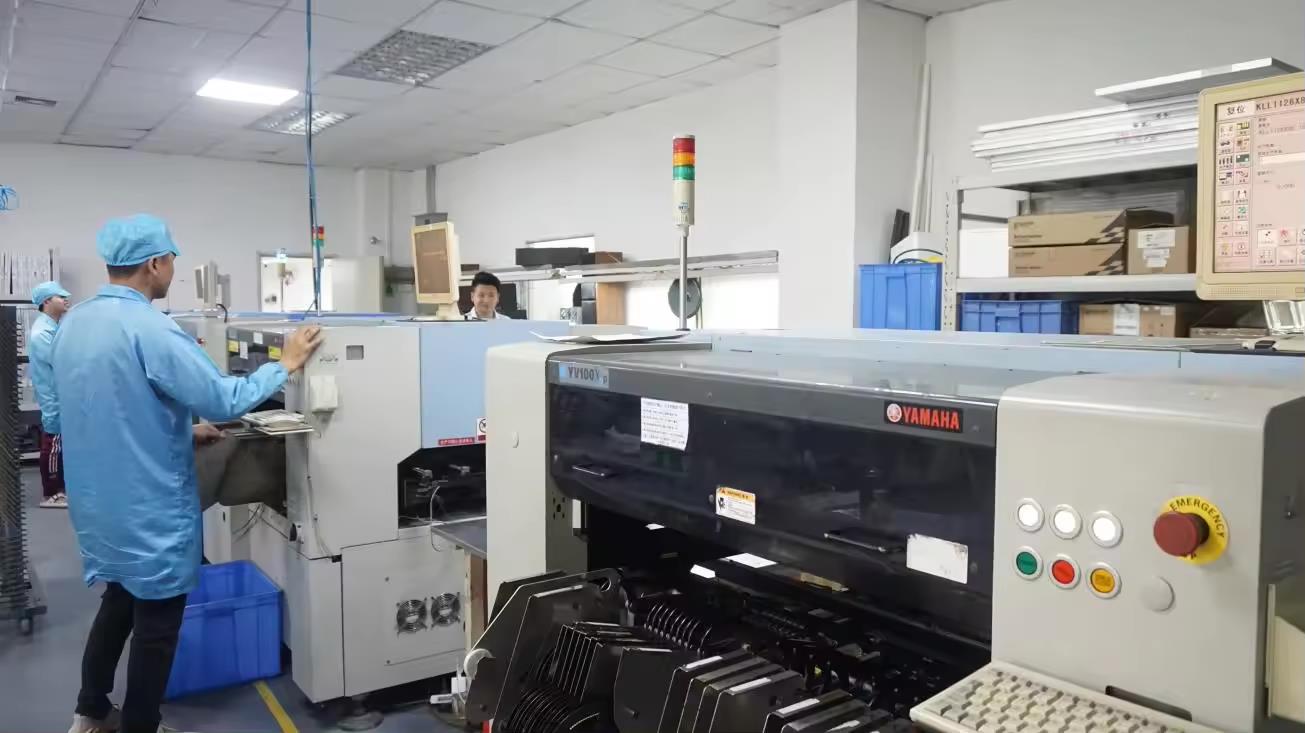
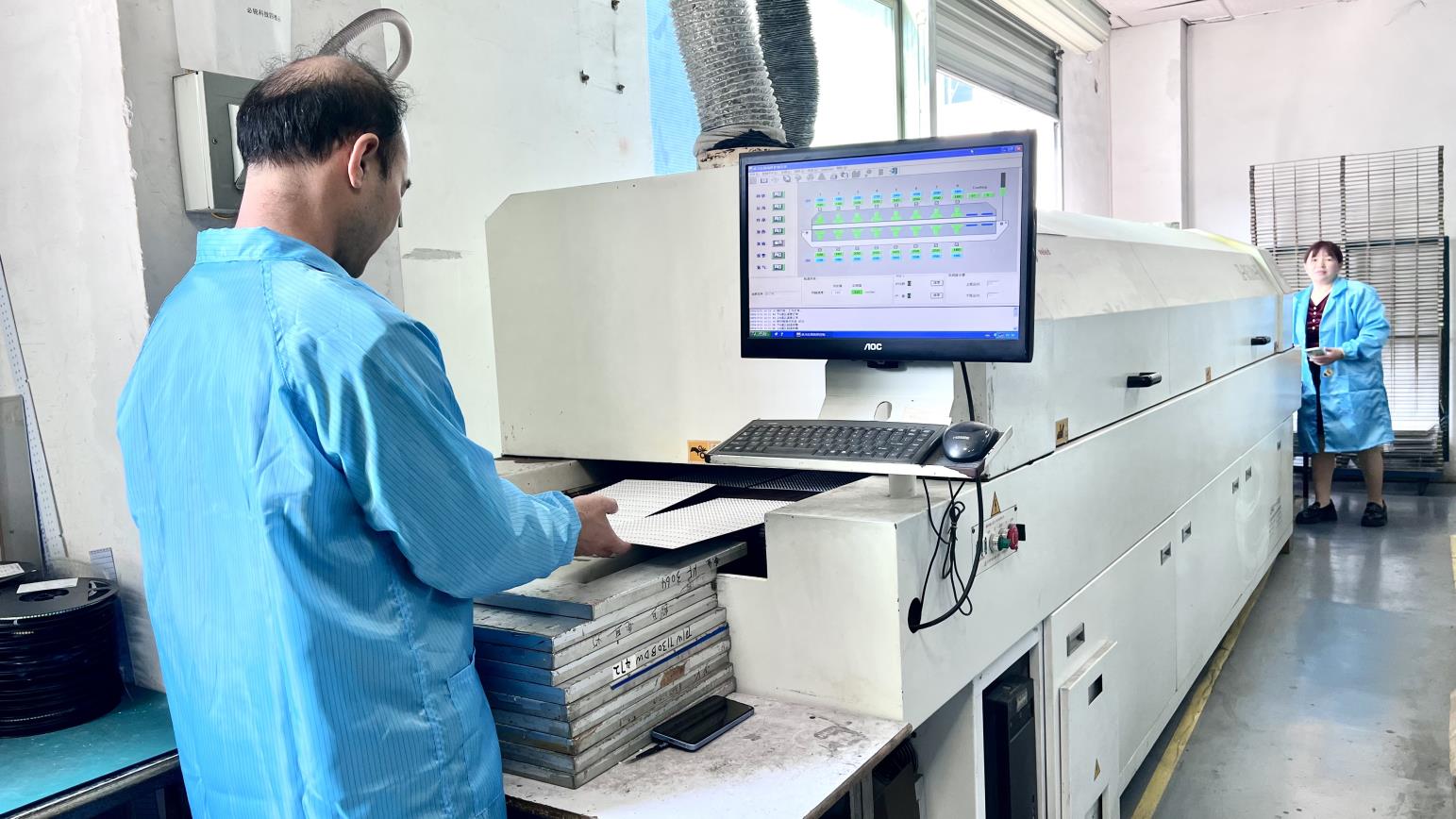
Architects and lighting designers specify Jable Light LED Neon Flex across a variety of localized commercial sectors in North America:
In humid areas like Houston, Miami, and the Gulf Coast, lighting fixtures face constant salt spray, humidity, and high temperatures. Specifying our IP67/IP68 side-bend white silicone extrusion systems ensures stable performance without yellowing. In cold northern areas, these silicone strips remain flexible and resist cracking when subjected to winter freezes.
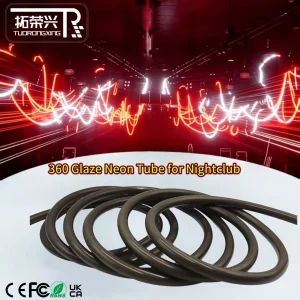
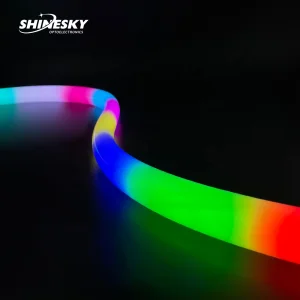
Entertainment venues, hospitality projects, and theme parks in Orlando, Las Vegas, and Los Angeles demand dynamic lighting solutions. Our addressable DMX512 RGBW 360-degree round neon flex tubes provide precise pixel control, enabling designers to integrate color-changing effects that sync with music and environmental controls.
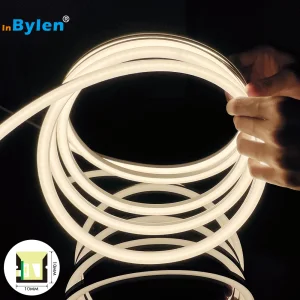
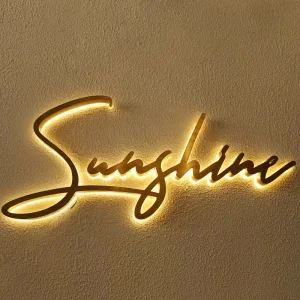
High-end retail displays in cities like New York and Beverly Hills depend on high color rendering (CRI > 90) to showcase products accurately. Standard, low-CRI light sources can make products look dull or off-color. Jable Light's pure gold-wire monochrome LED Neon Flex delivers consistent color rendering and stability, helping storefronts maintain an inviting appearance.
For municipal pools, public fountains, and aquariums, maintaining waterproof integrity is essential. Jable Light's 12V/24V low-voltage flexible marine-grade silicone belts provide bright, uniform illumination without hot spots, ensuring safe underwater operation when installed according to local electrical codes.
Explore our complete catalog of commercial, industrial, and decorative flexible LED neon lines.
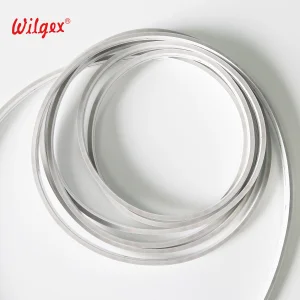
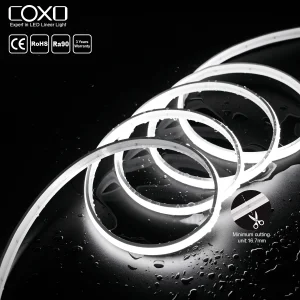
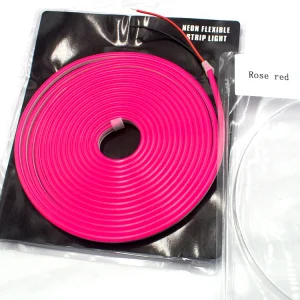
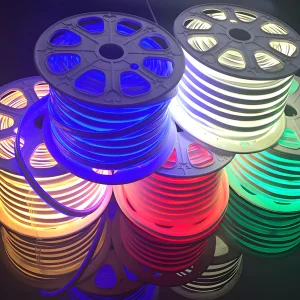
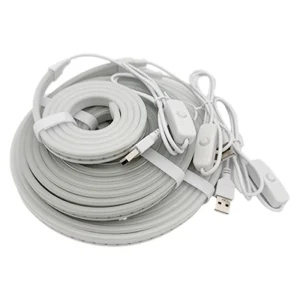
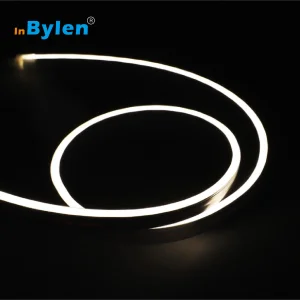
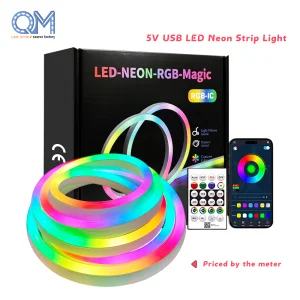
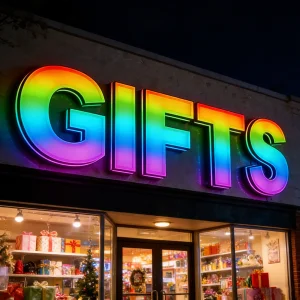
Expert answers to structural, chemical, and electrical integration questions regarding LED Neon Flex systems in North America.
Contact Jable Light's engineering team to discuss technical specifications, request physical samples for client presentations, or obtain a project quote.
 Jable Light