Strategic insights into energy compliance, sustainability demands, and technological requirements in the Austrian DACH B2B sector.
As Austria advances its national carbon-neutral targets under the **Renewable Energy Expansion Act (EAG)** and aligns with European Green Deal directives, commercial lighting is undergoing a deep structural upgrade. Properties ranging from historical landmarks in Vienna to modern administrative complexes in Graz demand sophisticated, long-lasting illumination systems. In this context, retrofitting and new installations require high-efficiency LED panels that not only minimize carbon footprints but also conform strictly to **ÖNORM EN 12464-1** (European standards for indoor workplace lighting parameters).
Austrian developers, electrical contractors, and wholesale distributors prioritize solutions boasting high luminous efficacy (≥120 lm/W), unified glare rating (UGR < 19) for office spaces, and compatibility with advanced smart building networks such as KNX or DALI-2 protocols. Standard lighting solutions fall short of the harsh Alpine environmental variances and strict corporate social responsibility (CSR) targets characteristic of Austria's corporate ecosystem. Consequently, direct procurement from qualified, OEM-ready manufacturing exporters who manage the entire supply chain becomes a critical competitive advantage.
Initiatives such as the *KMU-Energie-Offensive* offer significant financial grants to Austrian small and medium-sized enterprises upgrading to energy-efficient lighting. For global buyers importing to Austria, establishing direct partnerships with reliable exporters ensures compliance with the **EPREL** (European Product Registry for Energy Labelling) database. By certifying and optimizing drivers and LED arrays, importers can claim rebates of up to 30% of their total equipment cost, providing a rapid return on investment (ROI) within 18 to 24 months.
High-efficiency, certified lighting products customized for offices, retail, and industrial environments across Austria.
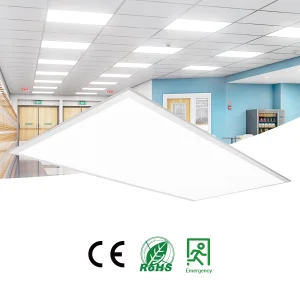
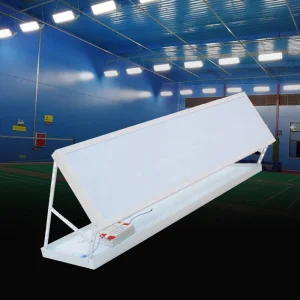
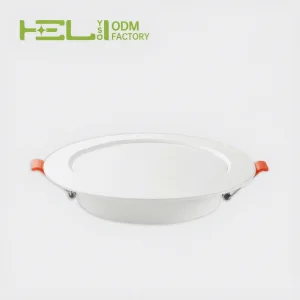
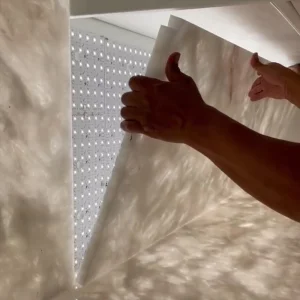
How Modern Austria integrates human-centric lighting, energy tracking, and high-end aesthetics into standard layouts.
The contemporary Austrian architectural community is placing a strong emphasis on **Human Centric Lighting (HCL)**. Studies demonstrate that lighting dynamic ranges which simulate natural daylight variations throughout the day boost employee productivity, reduce fatigue, and support healthier sleep-wake cycles. High-end Austrian offices utilize CCT-tunable LED panels integrated with ambient sensor modules. These setups smoothly adjust from warm 2700K early morning settings up to cooler 6500K temperatures for mid-day focus sessions.
Additionally, modular maintenance and circular economy concepts are highly regarded in Central Europe. The typical "throwaway" LED fixture is being phased out. Modern procurement favors luminaires with independent driver housings, swap-out LED engines, and recyclable aluminum borders. This design ensures that if a driver fails after 60,000 hours, it can be quickly replaced by local facilities management teams without requiring the removal of the entire ceiling panel infrastructure.
In Austria, commercial ceilings must comply with strict fire safety and emergency path lighting regulations. Standard LED panels must either possess integrated emergency backup battery drivers (capable of 3-hour operation under low power) or integrate seamlessly with central battery supply loops. As a direct exporter, customizing internal emergency circuits and supplying test documentation simplifies the authorization process conducted by local Austrian civil engineers and fire inspectors.
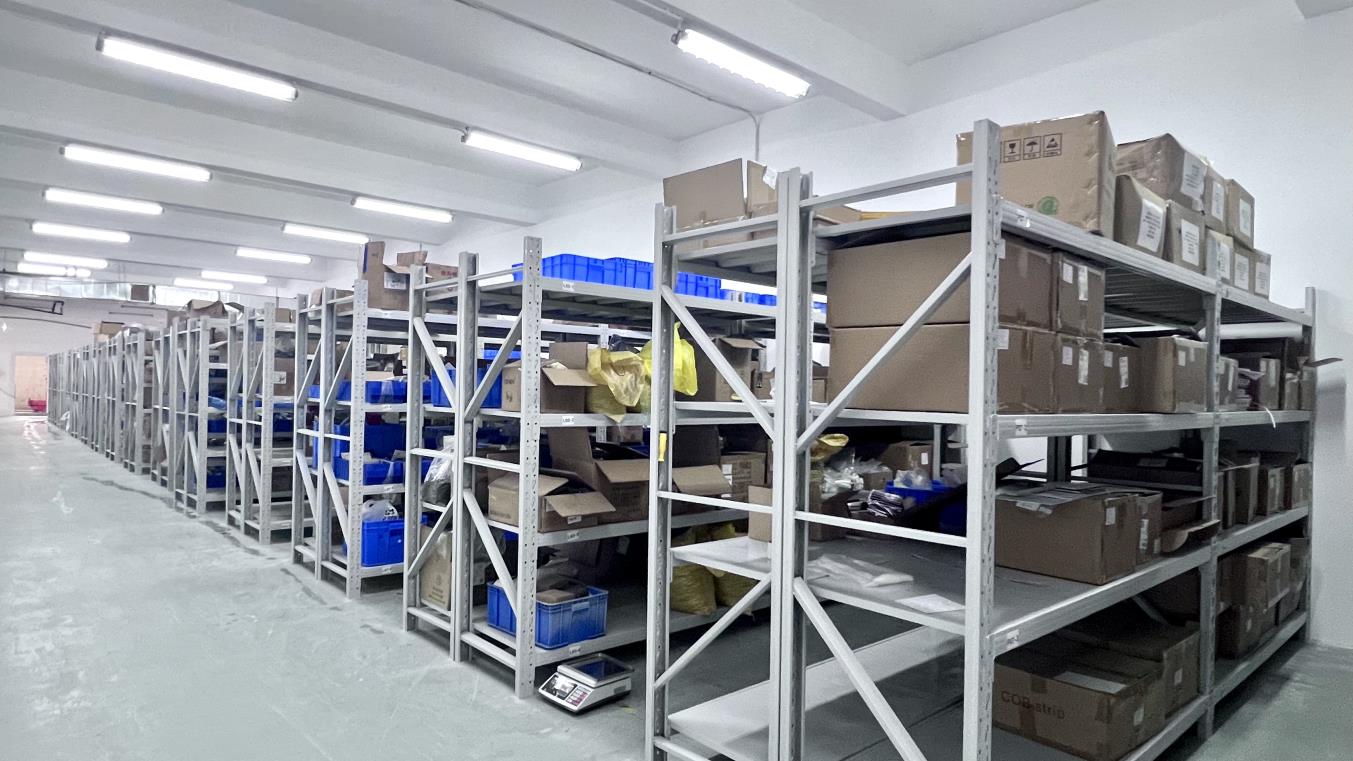
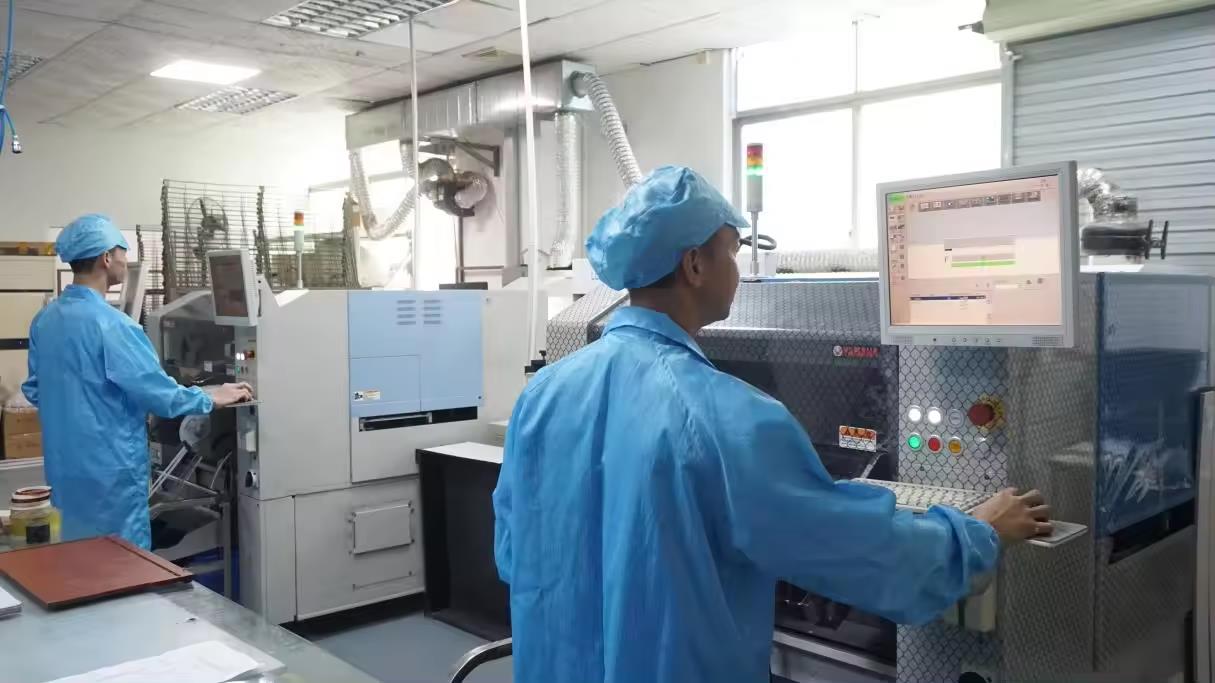
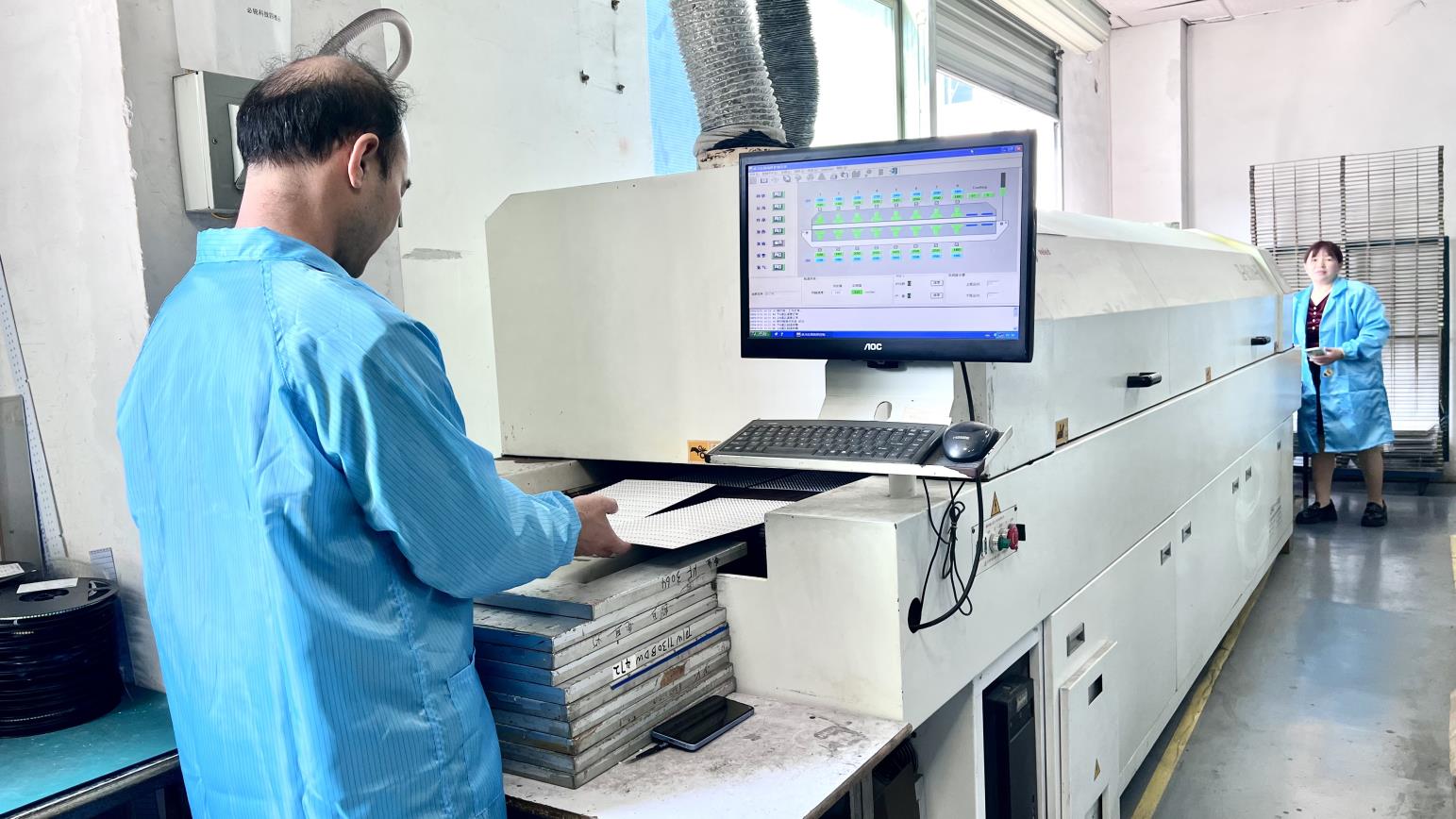
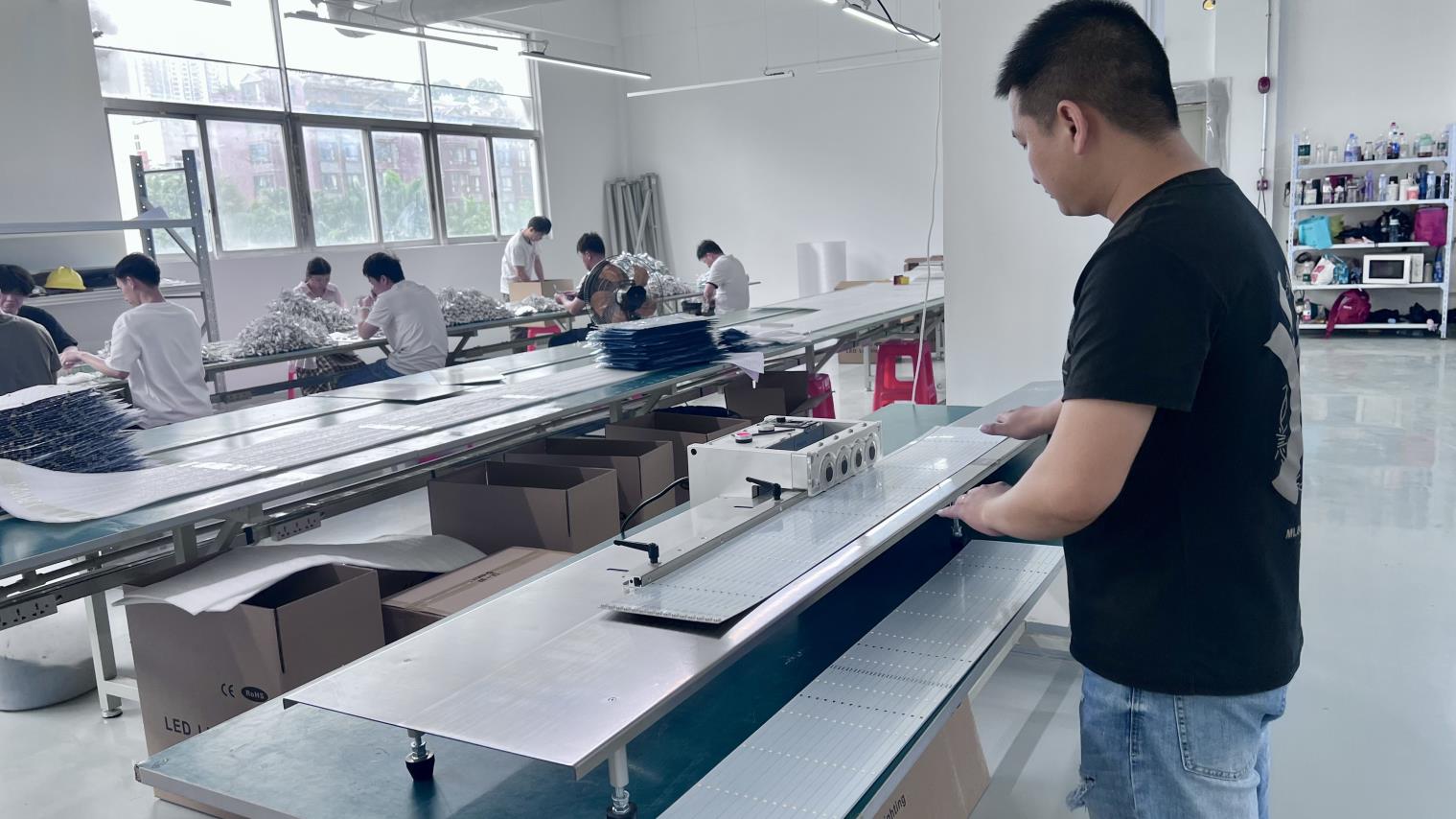
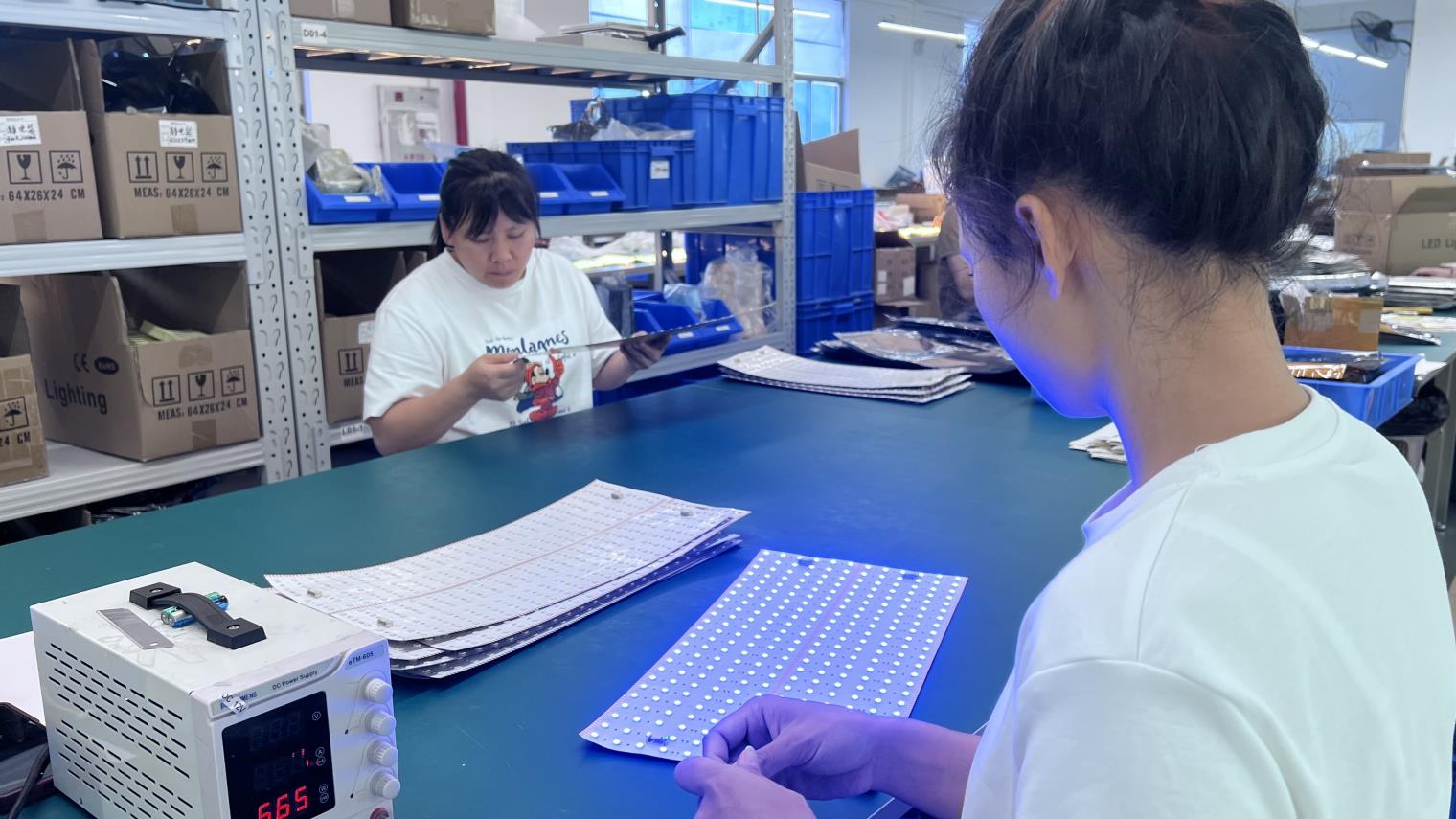
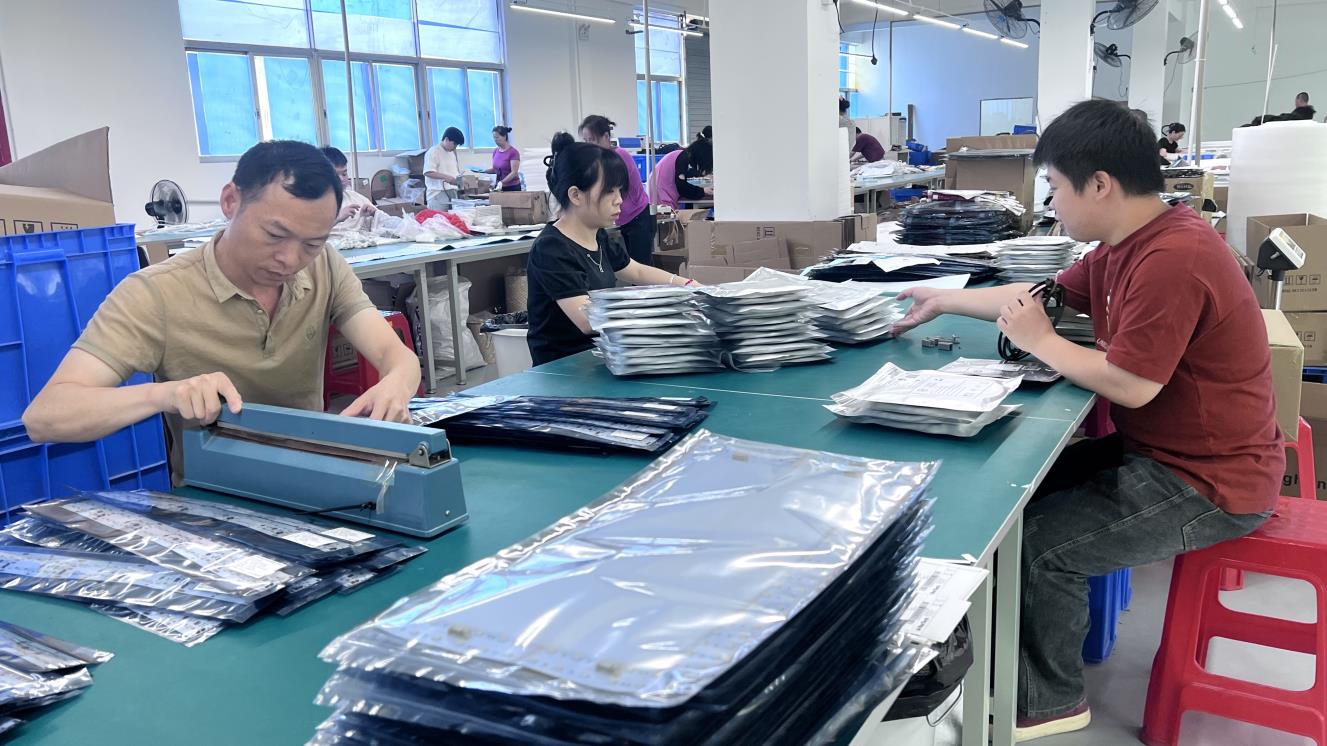
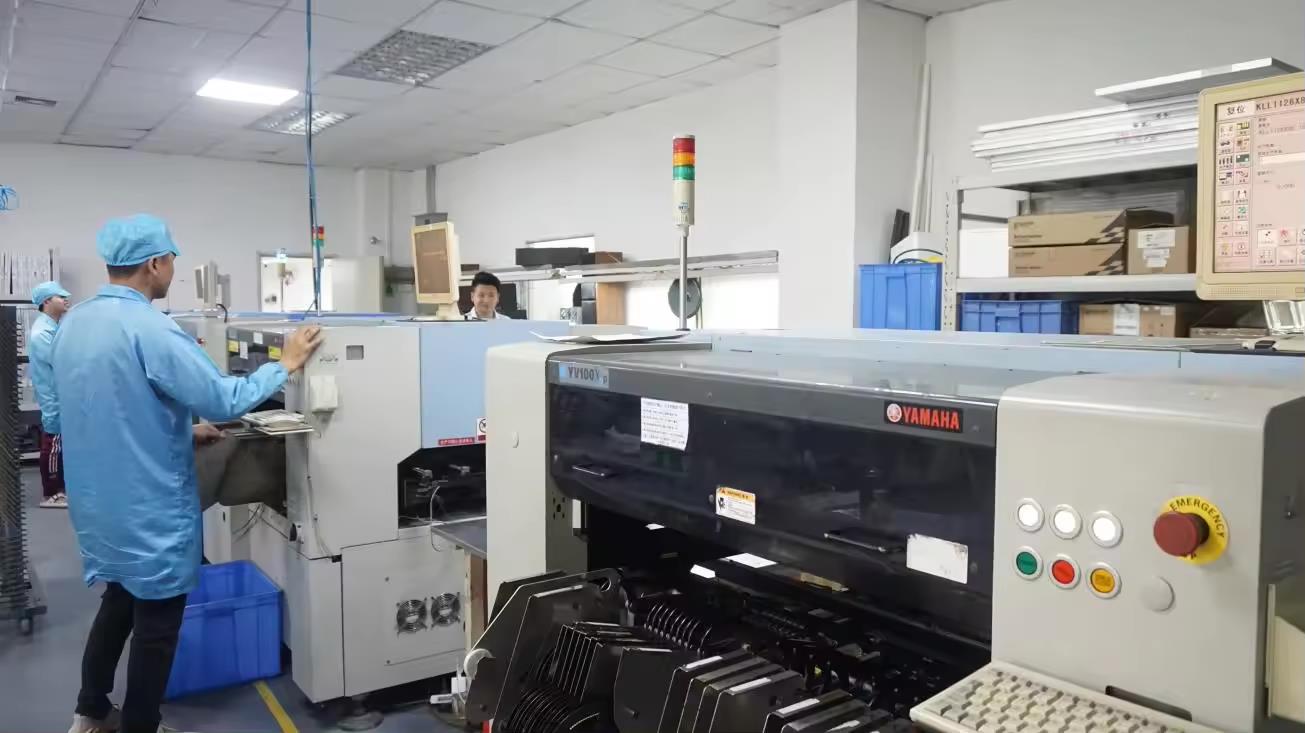
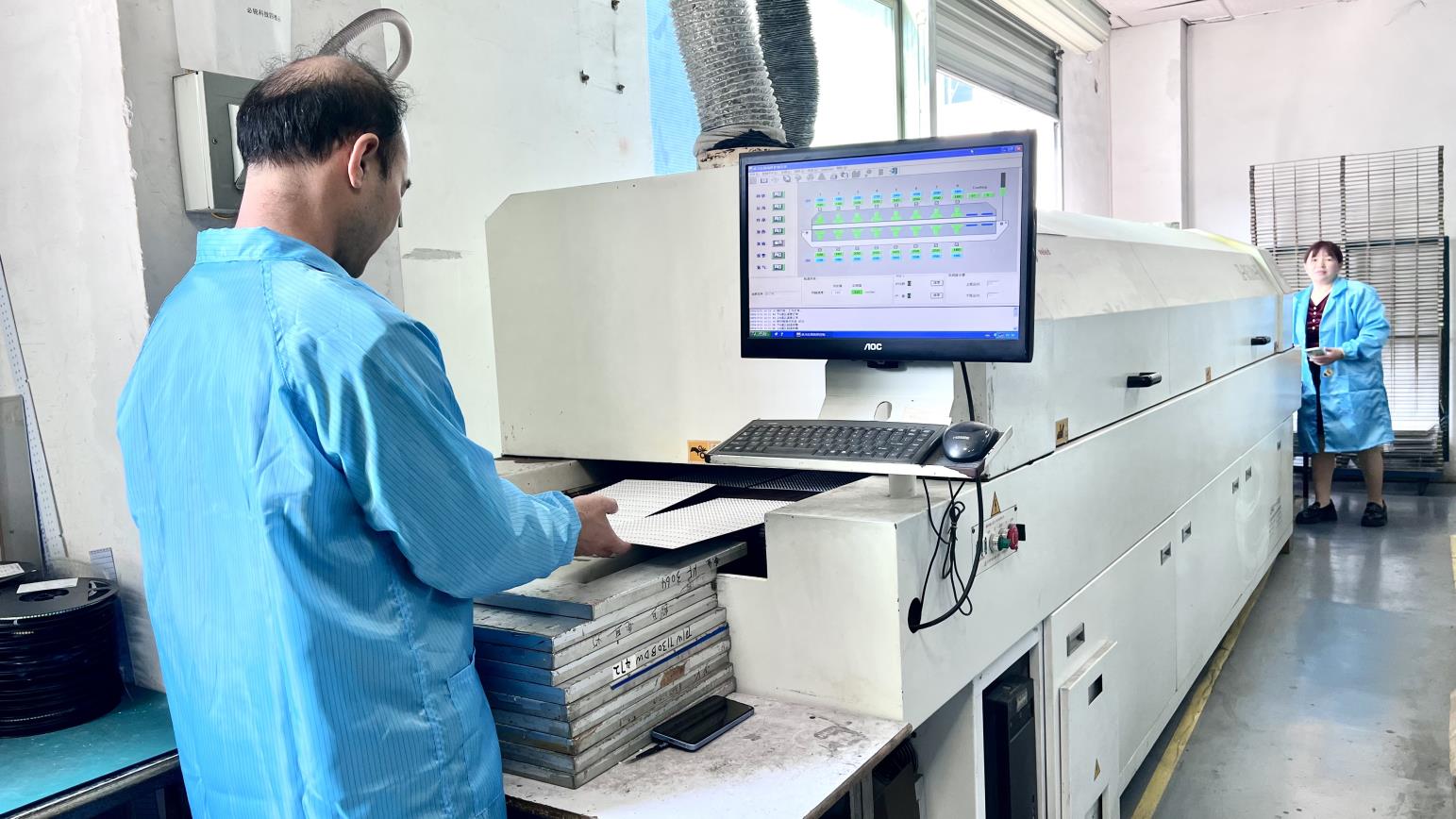
Our 20,000+ sqm manufacturing facility integrates high-precision automation to guarantee consistent batch-to-batch output.
Established in 2006, Foshan Jable Light Co., Ltd. is a leading professional lighting manufacturer specializing in the research, development, production, and marketing of high-quality LED fixtures. Operating from a modern factory of over 20,000 square meters and employing more than 300 skilled workers, our facilities run 8 advanced production lines. These span metal stamping, spinning, precision injection molding, electrostatic powder coating, and final cleanroom assembly. With an annual turnover exceeding USD 30,000,000, we maintain a strict 7S management framework and TÜV ISO9001 quality system alignment to support global logistics and OEM demands.
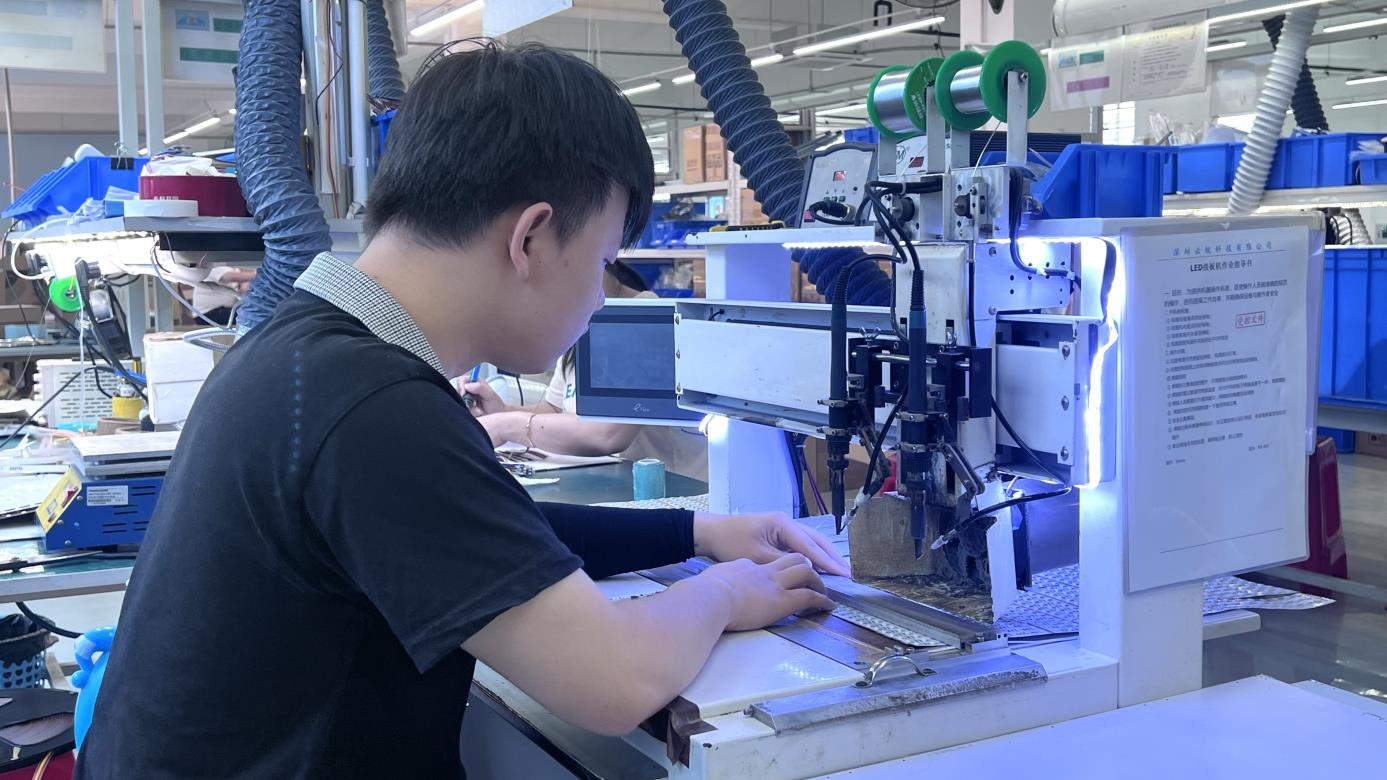
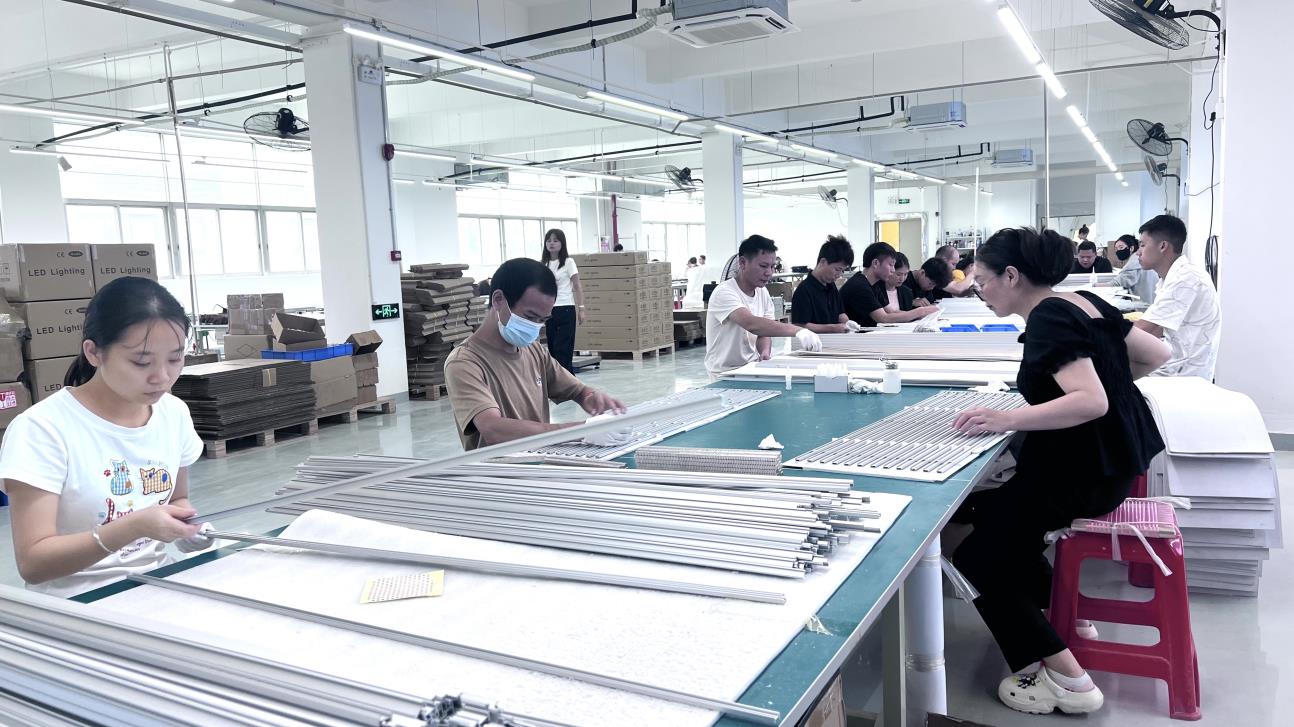
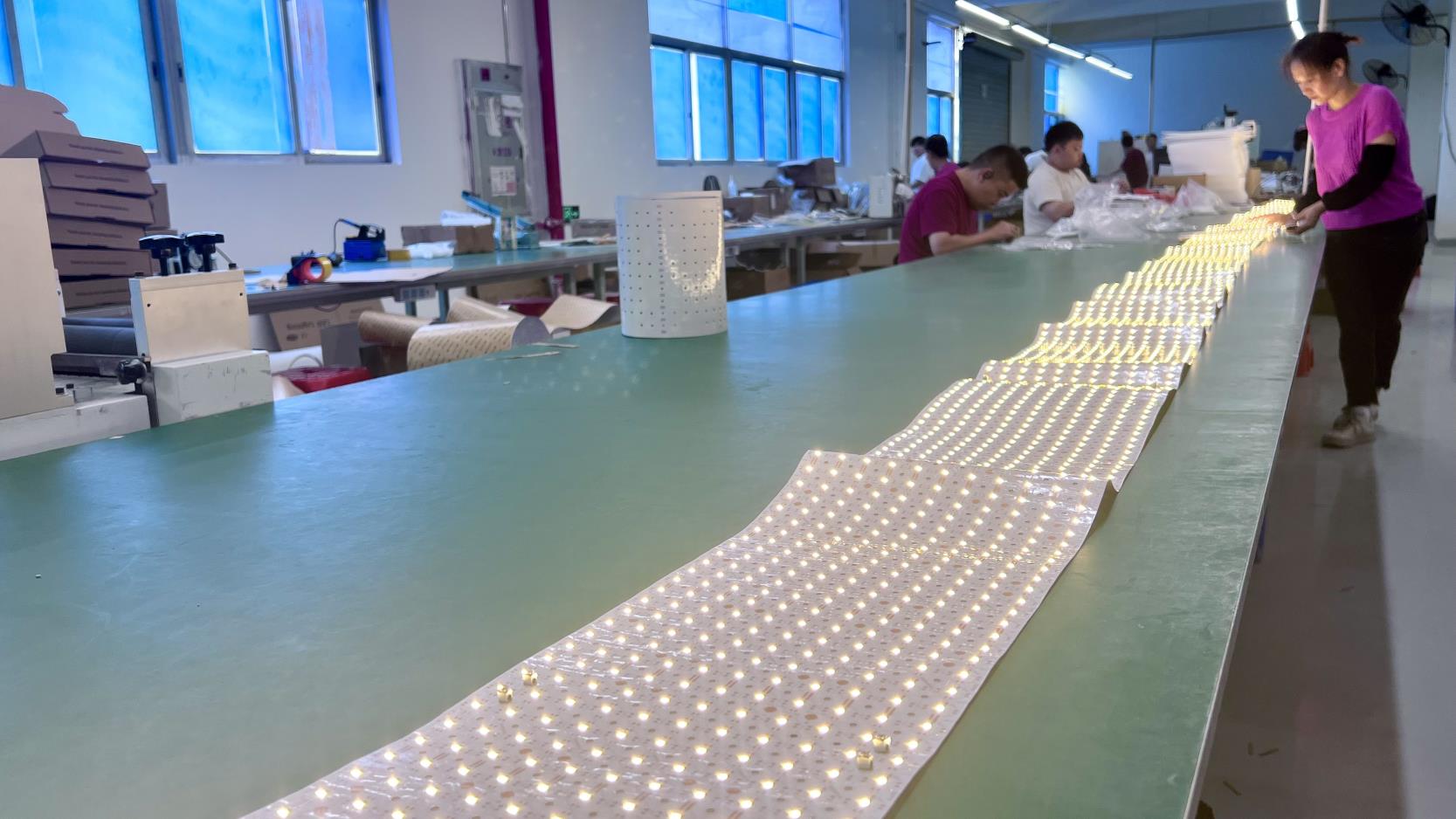
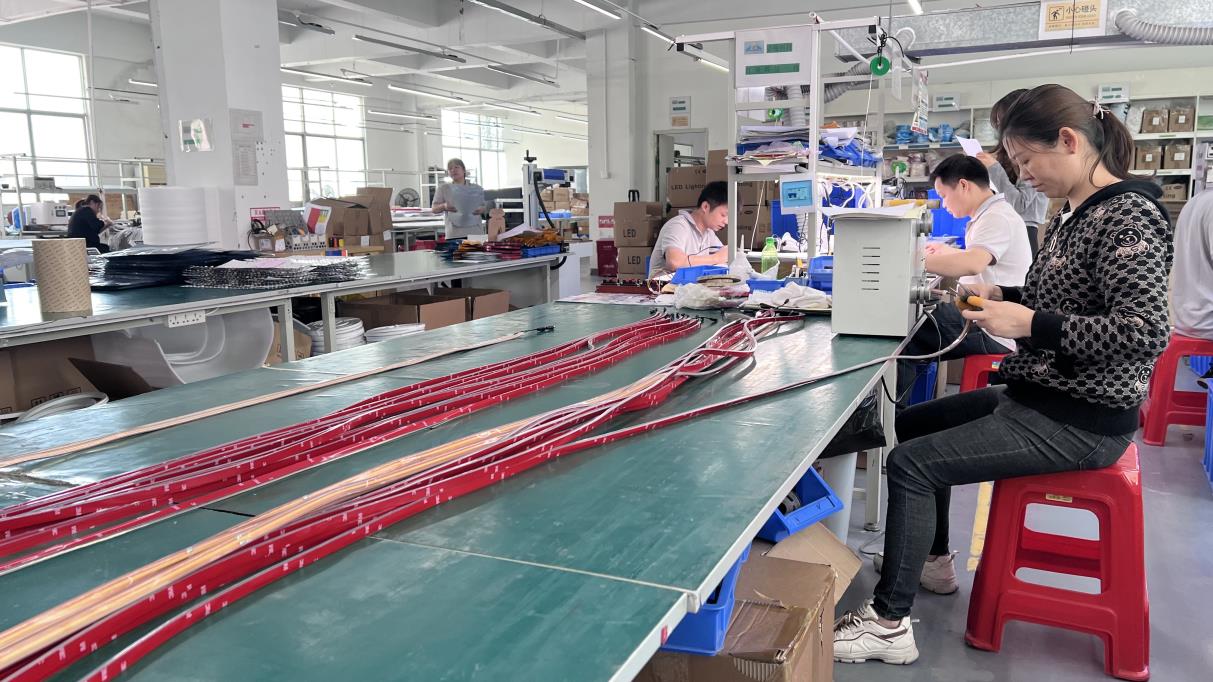
Connecting manufacturing hubs in Guangdong with European hubs through optimized, multimodal logistics paths.
For Austrian procurement managers, logistics efficiency directly impacts total landing cost. Our dispatch center in Foshan coordinates multimodal transportation channels to deliver orders to Austria efficiently. Wholesalers and architectural clients can select from multiple routing strategies depending on their project timelines:
1. **Rail Freight via New Silk Road (China-Europe Railway Express)**: Containers travel from Shenzhen/Chengdu terminal hubs directly to the Vienna South Terminal (Wien Süd). This route takes approximately 18 to 22 days, presenting an ideal balance of cost and transit speed compared to marine logistics.
2. **Ocean Freight to Southern Gateways**: Goods ship from Foshan/Shenzhen ports to the Port of Koper (Slovenia) or the Port of Trieste (Italy). From these Adriatic ports, freight is transported via rail or truck directly into logistics warehouses in Klagenfurt, Graz, or Vienna in only 32 to 35 days.
3. **Air Freight**: For urgent, time-sensitive developments, we offer daily direct flights from Guangzhou (CAN) or Hong Kong (HKG) terminals to Vienna International Airport (VIE), delivering critical consignments in 3 to 5 business days.
Browse our catalog of certified panels configured for Austrian building codes, healthcare environments, and residential structures.
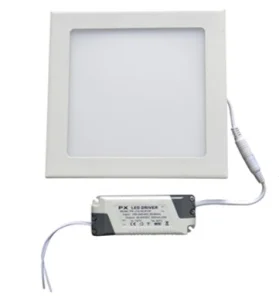
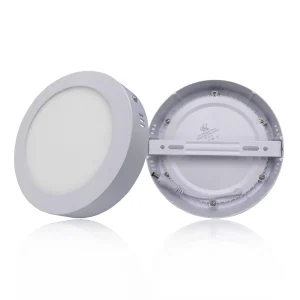
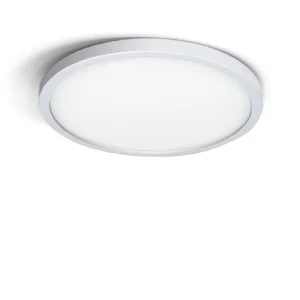
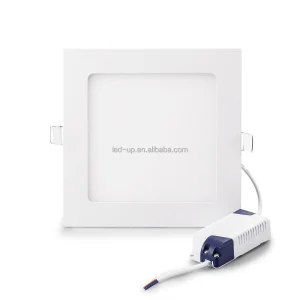
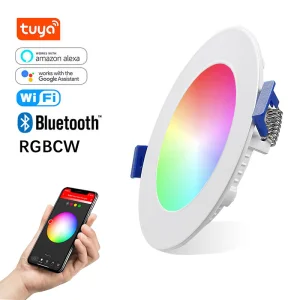
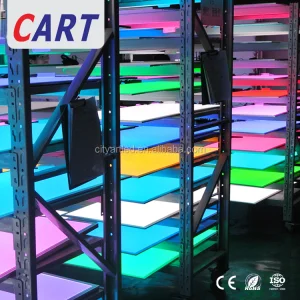
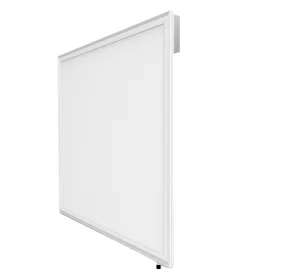
Understanding the component architecture that prevents yellowing and maintains luminaire output over decades.
A primary challenge with low-cost LED panels is structural decay—namely the yellowing of the diffuser sheets. This occurs when manufacturers substitute low-grade Polystyrene (PS) instead of high-grade **Polymethyl Methacrylate (PMMA)** for the light guide plate (LGP). Over time, UV radiation and heat degrade PS panels, reducing light output and causing an uneven color shift that disrupts architectural consistency.
Foshan Jable Light Co., Ltd. resolves this issue by engineering each panel with UV-resistant PMMA light guide plates and optical grade **polycarbonate (PC)** diffusers. We utilize ultra-bright San'an or Epistar SMD2835 LEDs mounted on highly conductive aluminum PCBs. This configuration optimizes thermal dissipation away from the semiconductor junctions, maintaining a low junction temperature and supporting a long lifespan (L70/B50 > 50,000 hours).
Essential trade, technical, and regulatory information for electrical wholesalers, project contractors, and lighting importers in Austria.
Get in touch with our commercial engineering team to receive custom pricing, photometrics files (IES), and sample shipments for your upcoming Austrian installations.
Send Inquiry Now Jable Light