Explore our premium selection of engineered commercial systems, manufactured to high standards of luminous efficacy, color fidelity, and structural durability.
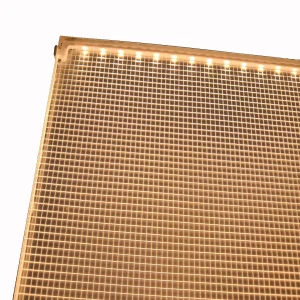
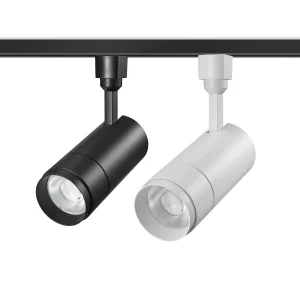
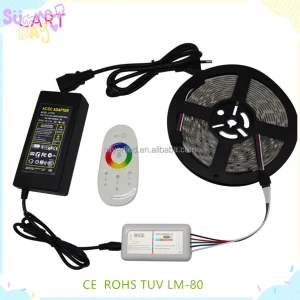
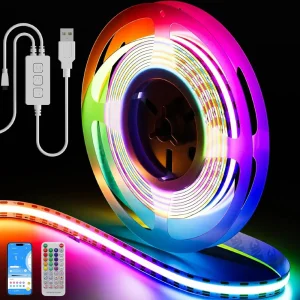
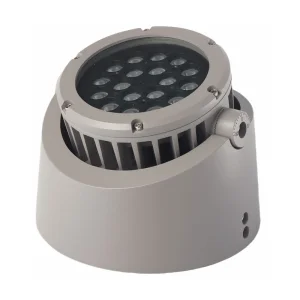
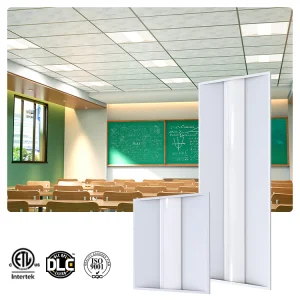
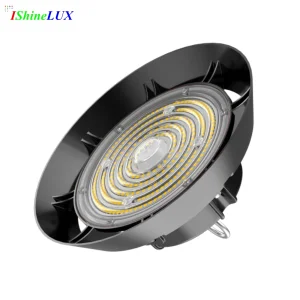
In modern visual merchandising, lighting is no longer treated merely as a utility to achieve baseline illuminance. Instead, it serves as a critical strategic asset that directly dictates consumer behavior, brand perception, and spatial flow. According to global retail research, optimizing the visual hierarchy in a retail space can increase dwell time by up to 40% and boost sales conversion rates by over 15%. This has transitioned commercial lighting from simple fixture deployment to rigorous optical engineering.
To successfully execute an effective retail lighting plan, global procurement officers and lighting designers look at a combination of high-fidelity color rendering (CRI ≥ 90, with specific emphasis on R9 red values > 50) and precise beam controls to prevent visual fatigue. Additionally, the operational cost of running round-the-clock lighting systems in large-scale shopping malls, department stores, and logistical hubs has pushed energy efficiency to the forefront. Specifiers now demand highly efficient systems offering upwards of 150 lm/W to 190 lm/W to align with corporate sustainability mandates and carbon reduction goals.
The intersection of solid-state lighting technology with smart building automation has further complexified the commercial lighting supply chain. Designers now require multi-channel systems integrating Addressable COB, DMX512 controllers, and smart protocols (DALI-2, Zigbee, Casambi) to support dynamic day-to-night transitions and human-centric lighting models. Finding a manufacturing partner that can handle these complex designs while maintaining cost efficiency is critical for modern commercial enterprises.
The global lighting supply chain relies heavily on the industrial ecosystem centered in Foshan, Guangdong province. Foshan is widely recognized as a premier global hub for decorative, residential, and commercial lighting production. The region boasts unparalleled raw material availability, advanced semiconductor packaging facilities, precision CNC tooling centers, and highly streamlined shipping infrastructure.
Within a 50-kilometer radius in Foshan, lighting factories have direct access to raw aluminum extrusions, advanced LED driver chip packaging plants, optic lenses, and customized PCB manufacturing. This minimizes lead times and reduces transport costs during the prototyping phase.
Modern Chinese lighting plants feature advanced surface-mount technology (SMT) machines, robotic soldering stations, and automated reflow ovens. This automation ensures component placement accuracy within microns and keeps defect rates below 100 PPM.
Leading manufacturers in China carry extensive testing gear, including integrating spheres, goniophotometers, thermal shock chambers, and salt spray chambers. This allows them to supply products fully compliant with UL, ETL, CE, and RoHS standards.
Foshan Jable Light Co., Ltd. is a leading professional lighting manufacturer established in 2006, specializing in the research, development, production, and marketing of a wide range of high-quality lighting fixtures. Our company is headquartered in Foshan and operates a modern factory covering over 20,000 square meters, employing more than 300 skilled workers.
Our factory is equipped with 8 advanced production lines, including stamping, spinning, injection molding, powder coating, and general assembly, ensuring high efficiency and consistent product quality. With an annual turnover exceeding USD 30,000,000, our production capacity continues to grow by approximately 30% each year to meet the increasing demands of both domestic and international markets.
At Jable Light, we are committed to winning the market through exceptional service, superior product quality, and competitive pricing. We implement strict 7S management and maintain compliance with the TÜV ISO9001 quality management system. Our products have obtained multiple certifications, including ETL & CETL, UL, CE, and IP44, ensuring safety, reliability, and environmental compliance.
We continuously innovate to develop energy-efficient, stylish, and durable lighting solutions that cater to residential, commercial, and industrial applications. With a strong emphasis on customer satisfaction, we aim to become the preferred lighting partner for clients worldwide. Foshan Jable Light Co., Ltd. is dedicated to expanding our global presence, collaborating with partners who share our vision of excellence. Choose Jable Light as your trusted lighting supplier, and experience professional service, high-quality products, and unmatched reliability.
We ensure high quality through rigorous tracking across our 12 key production steps. Here is how we build reliability into every fixture:
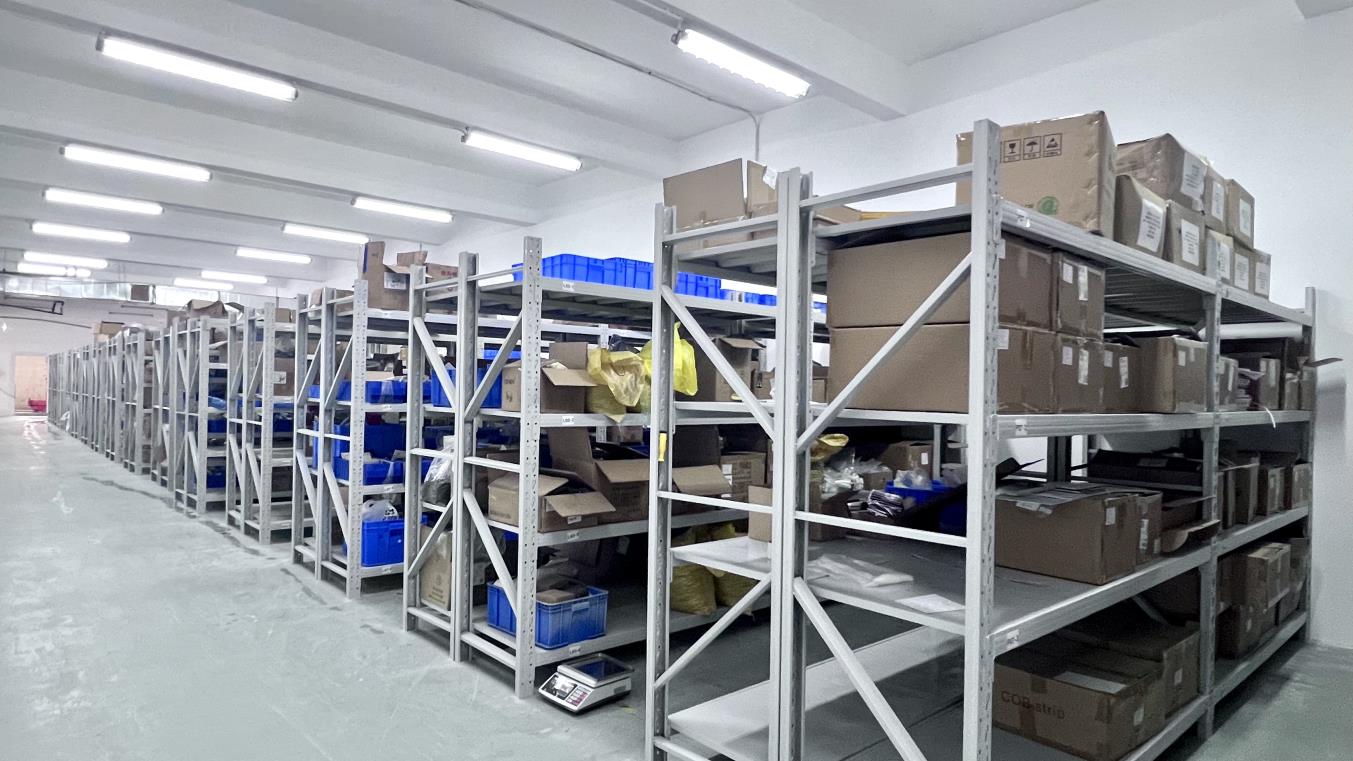
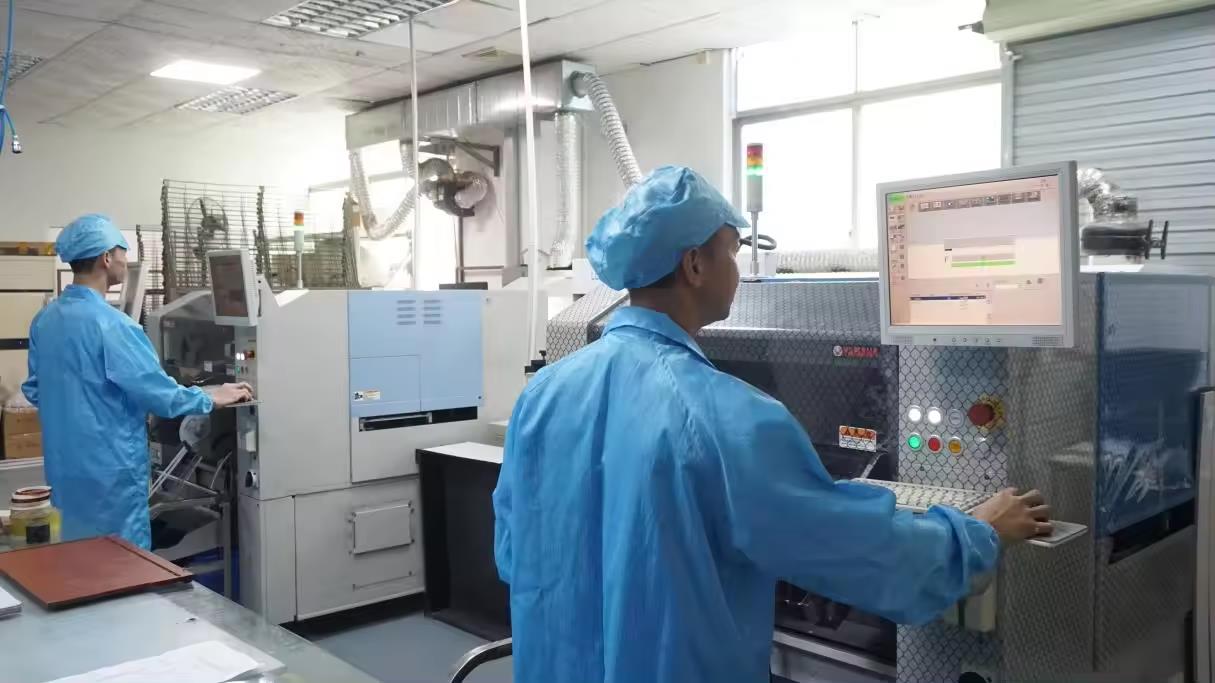
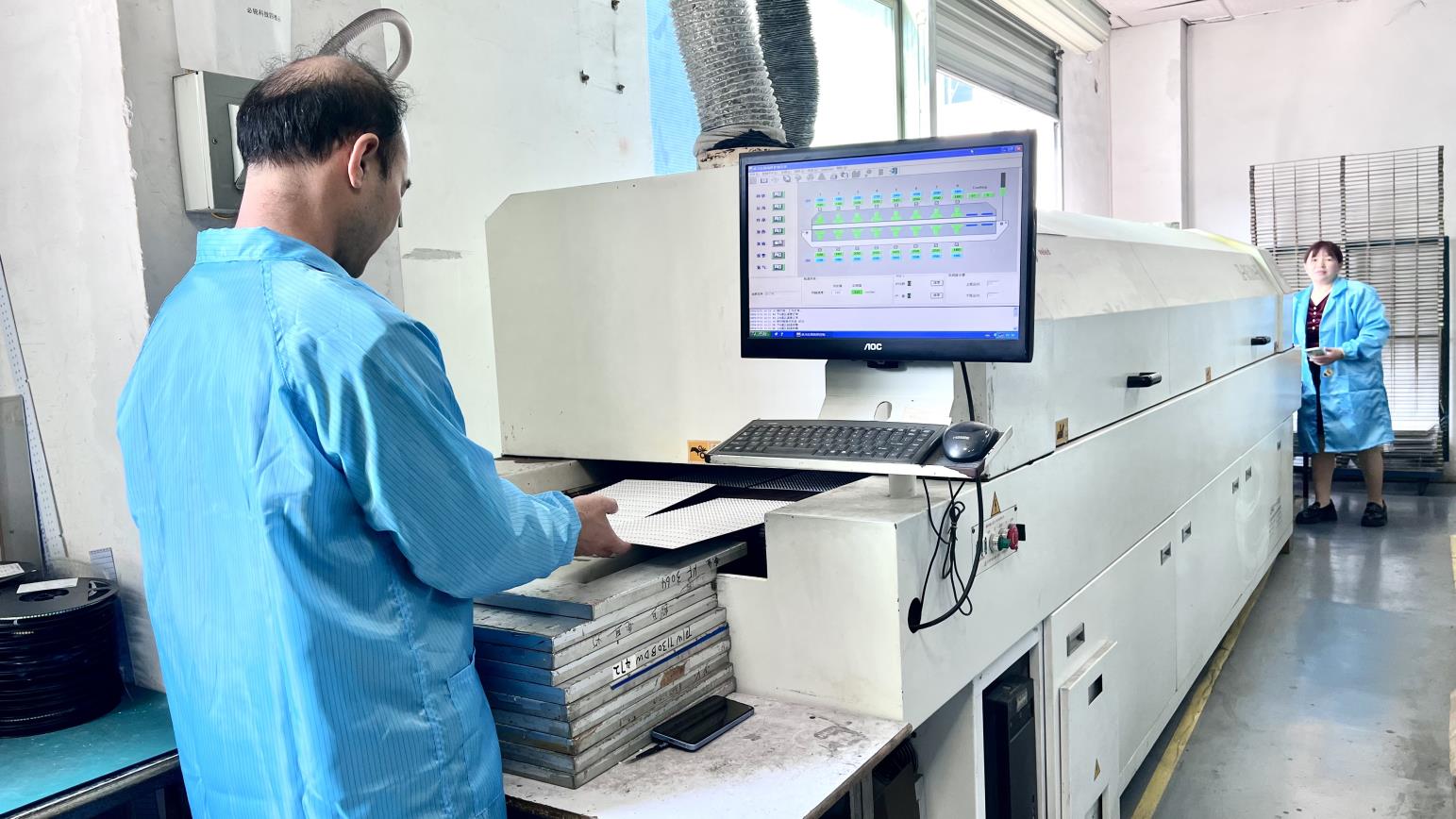
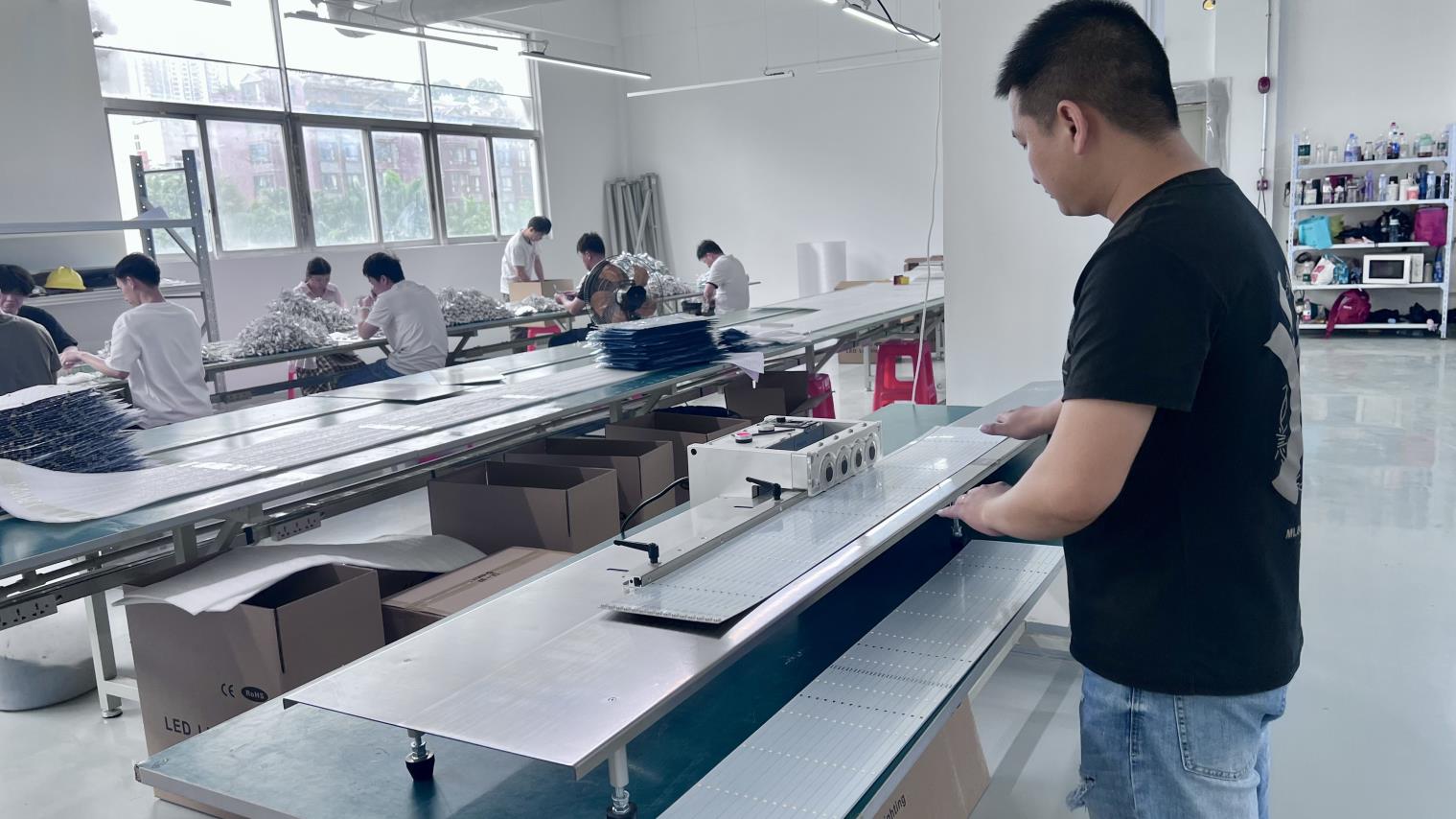
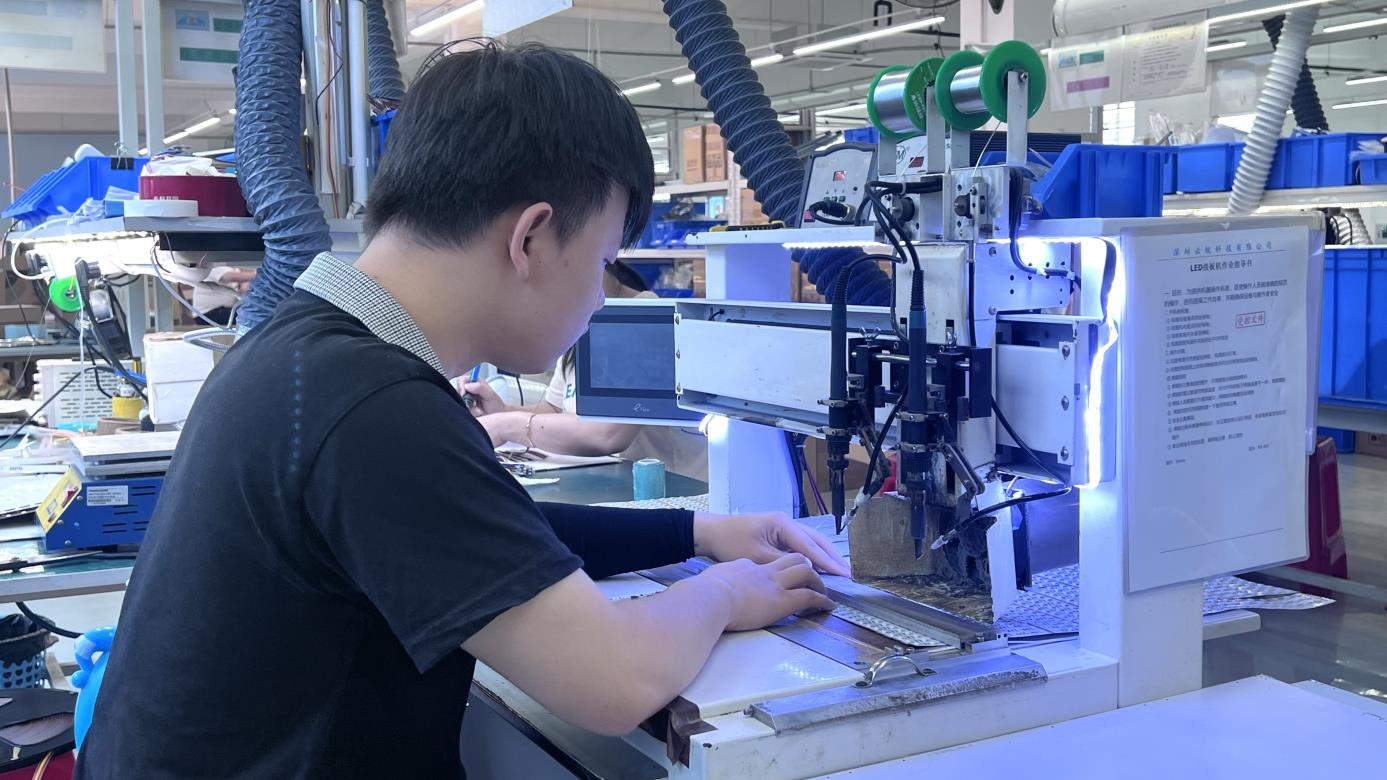
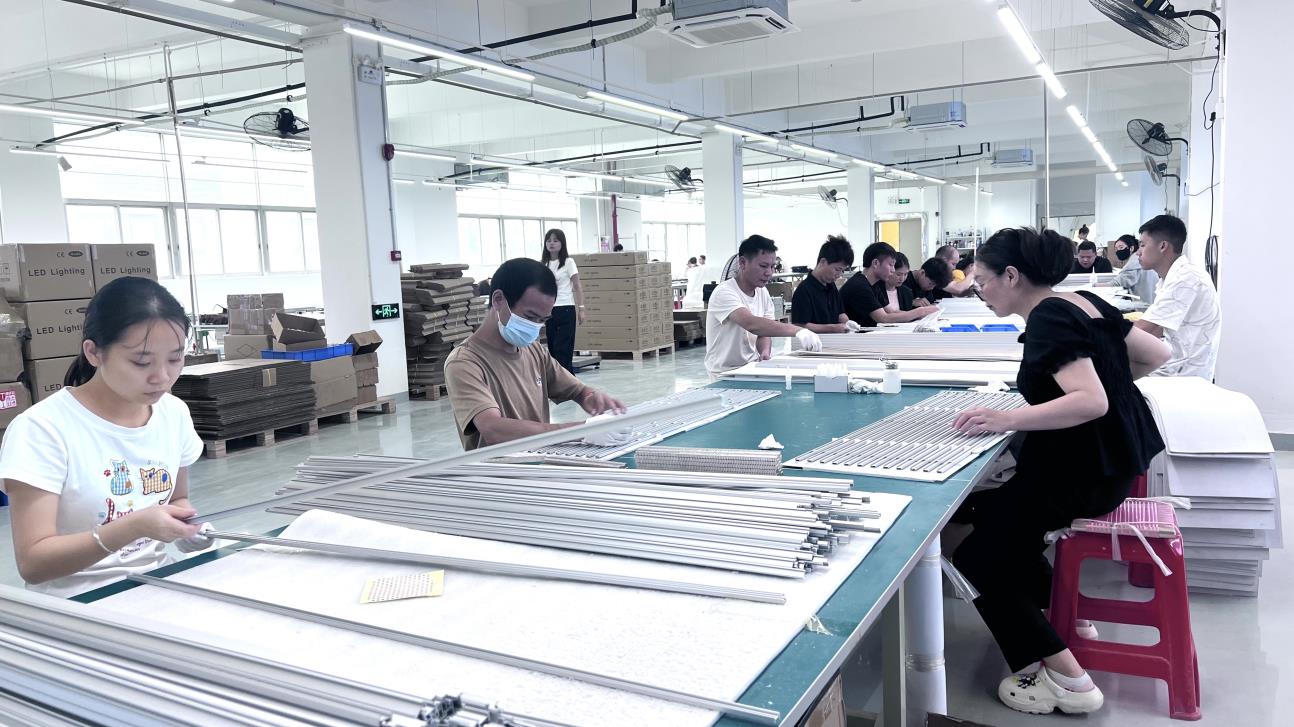
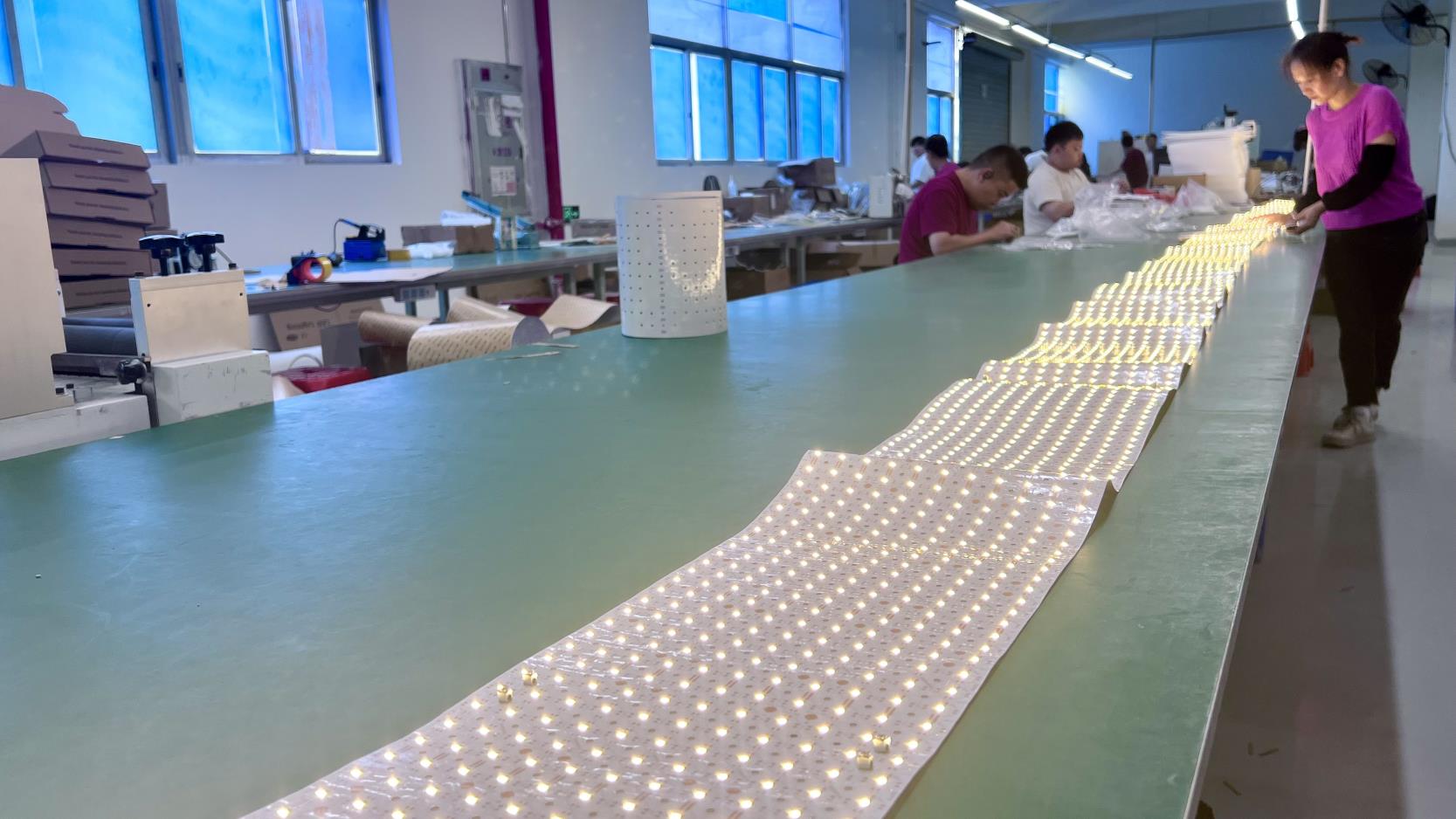
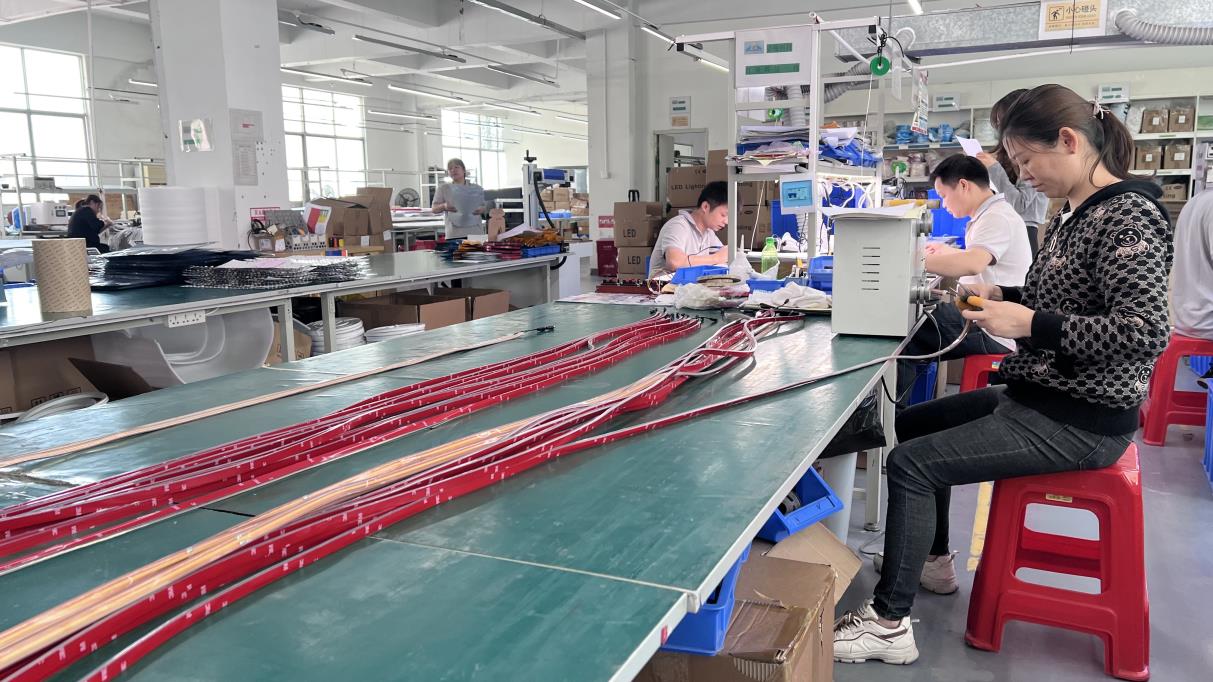
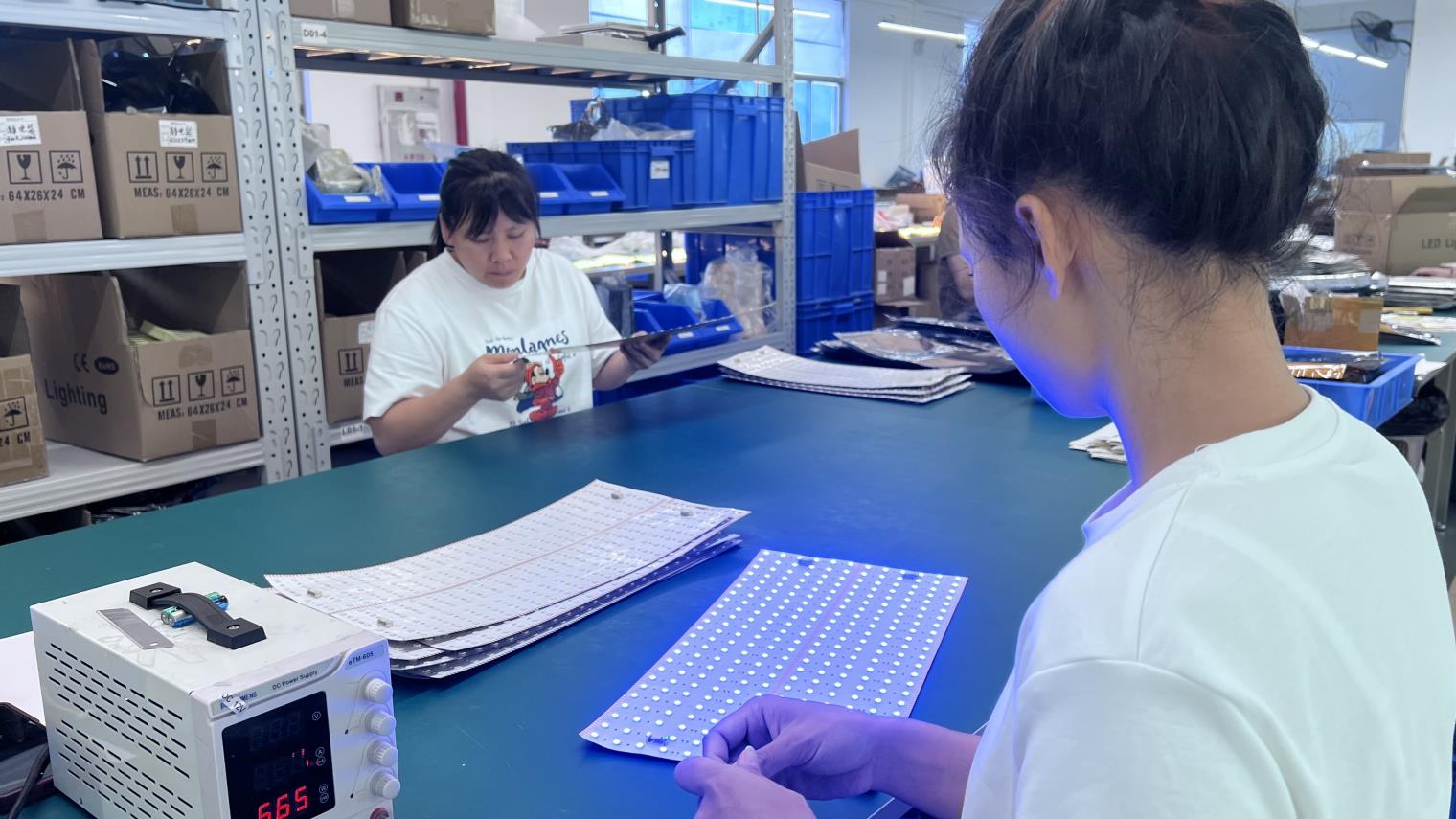
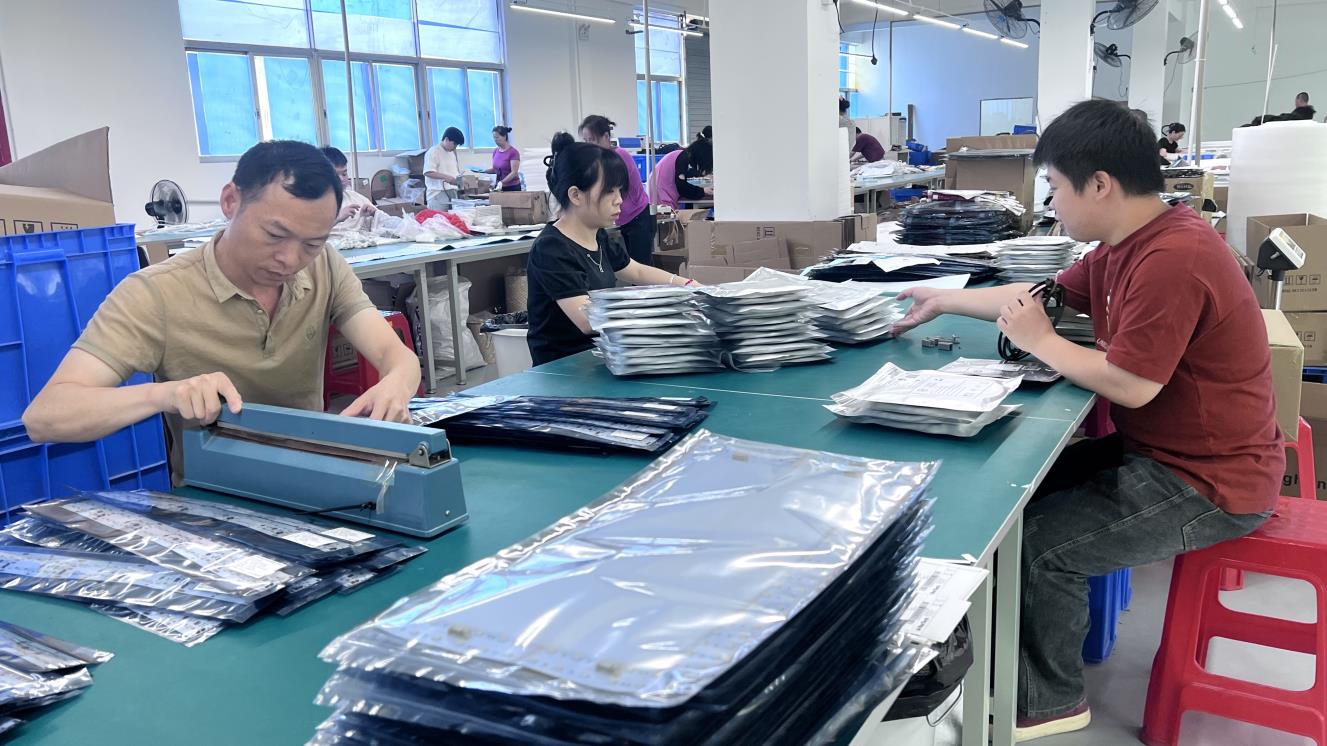
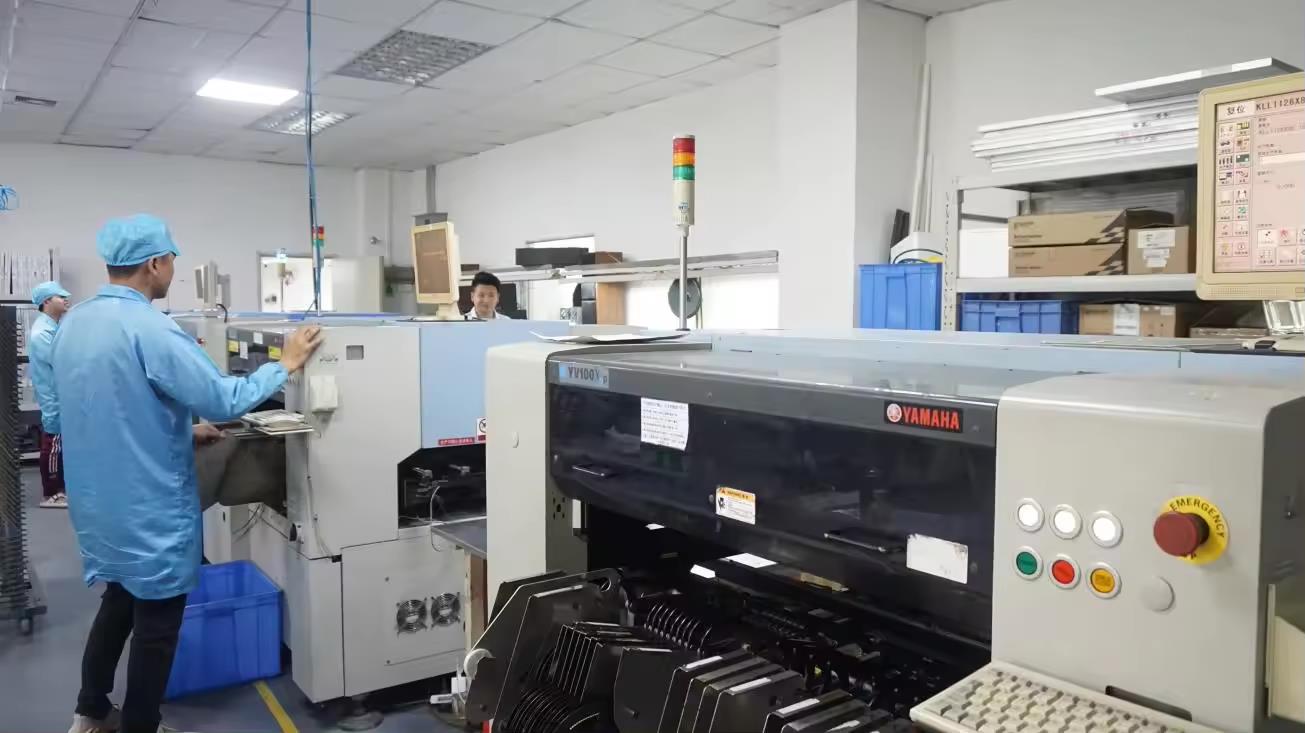
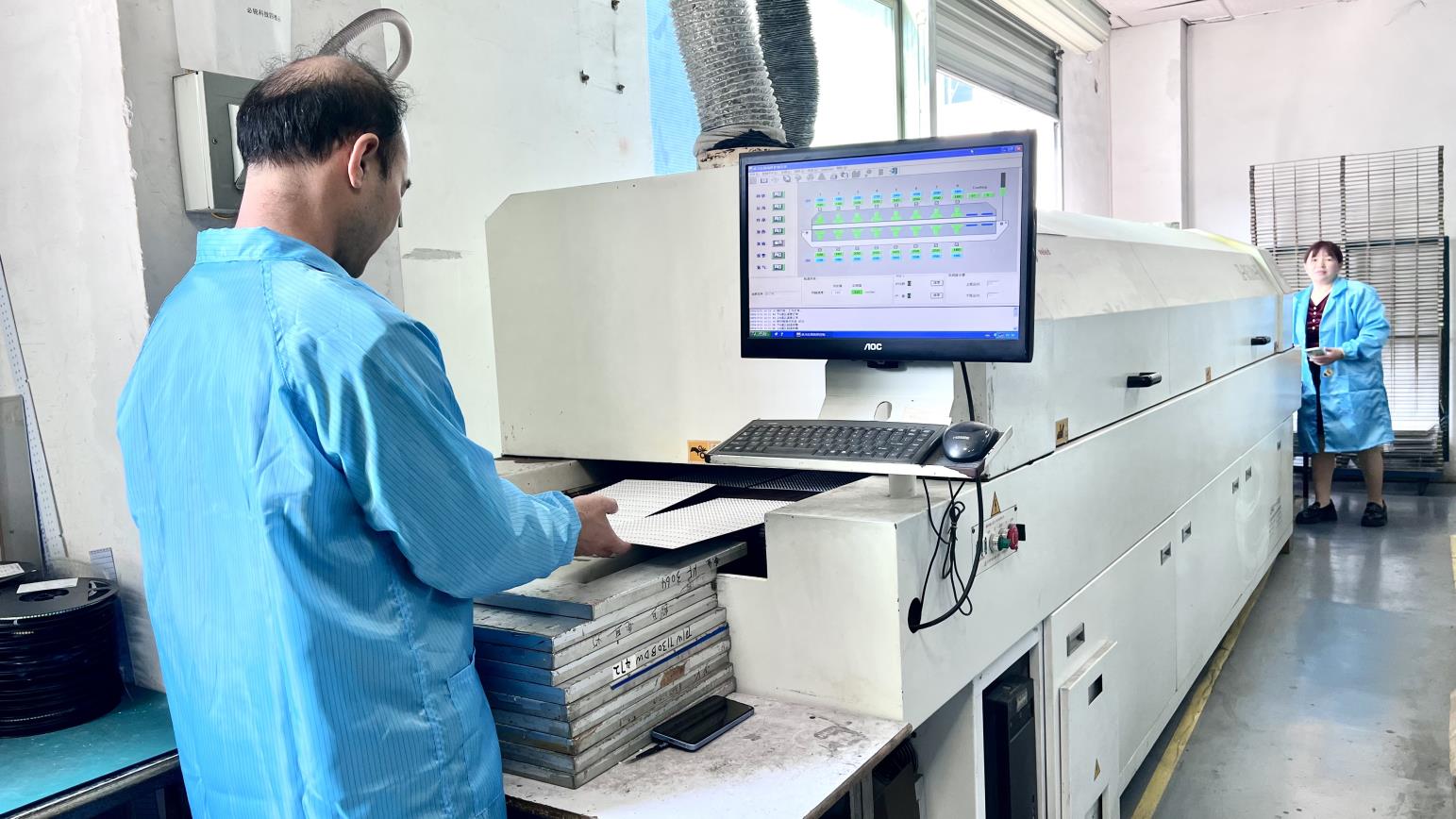
Different retail layouts require tailored lighting specifications to match the local shopping experience. Below is an engineering comparison of performance criteria across major commercial applications:
| Application Scenario | Primary Fixture Type | Optimal CCT Range | CRI & Gamut Targets | Recommended Beam Angle |
|---|---|---|---|---|
| Fresh Food & Supermarkets | Track Spotlights / Linear Trunking | 2700K - 4000K (Meat vs. Produce) | CRI Ra ≥ 90, R9 > 60 | 36° - 60° (Flood) |
| Fashion & Apparel Boutiques | Magnetic Track Systems / Downlights | 3000K - 3500K | CRI Ra ≥ 95, TM-30 Rf > 92 | 15° - 24° (Spot/Accent) |
| Office & Education Spaces | Troffers / Recessed LED Panels | 4000K - 5000K | CRI Ra ≥ 80, UGR < 19 | 110° - 120° (Wide Panel) |
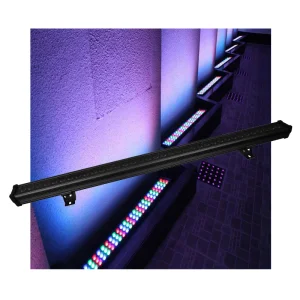
| Exterior Building Facades | LED Wall Washers / Floodlights | RGBW DMX512 Controlled | N/A (Saturated Colors) | 10° × 60° (Asymmetrical) |
| Industrial Warehouses | High Bay Fixtures (UFO Type) | 5000K - 5700K | CRI Ra ≥ 80, 190 lm/W | 90° - 120° (Deep distribution) |
Supermarket layouts require uniform vertical illuminance along the product shelves. The challenge lies in preventing glare for consumers in the aisles while highlighting product packaging. Using track lights with customized lens matrices allows for tight asymmetric beam patterns that direct light onto the shelves, reducing waste in the center of the aisle.
High-end retail relies on visual contrast. The target lighting ratio between merchandise and the surrounding space is typically 5:1 or even 10:1. By using adjustable accent track lights with high color rendering (CRI ≥ 95), retailers can make fabric textures pop and keep color representations accurate.
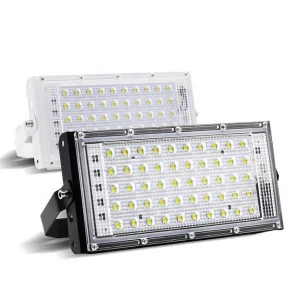
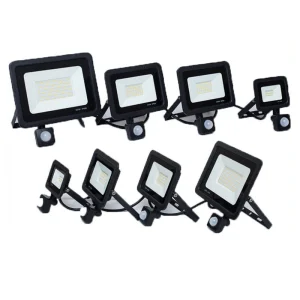
Commercial exteriors require durable, high-protection fixtures. Wall washers and floodlights designed for facades must have IP65 or IP66 ingress protection to withstand moisture, dust, and temperature shifts. Incorporating DMX512 control protocols enables dynamic color-changing effects that help drive brand recognition from the street.
The retail and commercial lighting sector is shifting toward smart controls, sustainability, and human-centric design. Importers and distributors must align with these shifts to remain competitive in their respective markets.
Human-centric lighting (HCL) systems automatically adjust their color temperature throughout the day—shifting from warm white in the morning to cool daylight at noon. This mimics natural light patterns, improving circadian alignment and comfort for both shoppers and staff.
Modern projects are moving away from traditional wiring layouts. Wireless protocols like Bluetooth mesh, Zigbee, and Casambi allow building operators to group fixtures, create customized dimming zones, and track real-time power usage on digital dashboards.
To meet carbon-neutral goals, developers are prioritizing fixtures that can be easily repaired and recycled. Using modular, solderless COB holders and easily replaceable driver units extends the overall operational life of the hardware.
Procuring commercial lighting fixtures globally requires balancing regulatory compliance, delivery schedules, and quality assurance. Selecting a manufacturer with verified testing and quality protocols is essential for avoiding project delays and high return rates.
Different markets demand specific safety and electromagnetic standards. North American projects require UL or ETL listings, European installations need CE and RoHS compliance, and Australian buyers look for SAA marks. Working with factories experienced in these testing standards prevents customs holds and field failures.
Reliable lighting performance starts at the component level. Leading factories check driver thermal limits, run electrolytic capacitor ripple tests, inspect incoming LED binning, and perform 100% active burn-in tests on finished products for 24 to 48 hours to weed out early failures.
Architectural projects often require custom finishes, non-standard lengths, or specific driver brands (such as Lifud, MeanWell, or Philips). Factories with in-house metalworking, custom powder coating lines, and engineering capabilities can easily adapt standard models to fit precise design requirements.
Find answers to common technical, manufacturing, and shipping questions regarding retail lighting sourcing from China:
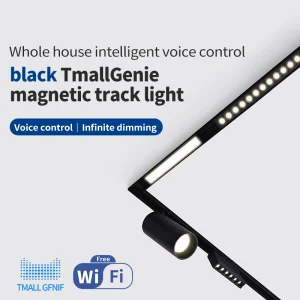
Browse additional lighting options, including smart magnetic track lights, waterproof floodlights, linear systems, and architectural fixtures.
 Jable Light