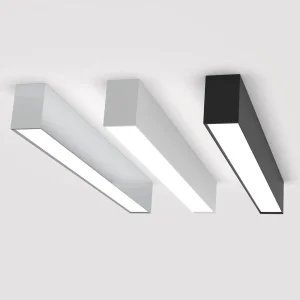
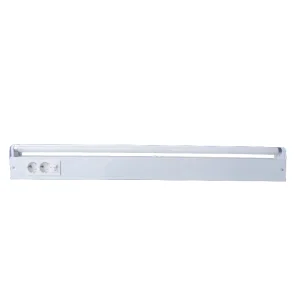
Engineered to deliver exceptional energy savings, high color rendering indexes, and certified reliability across international boundaries.
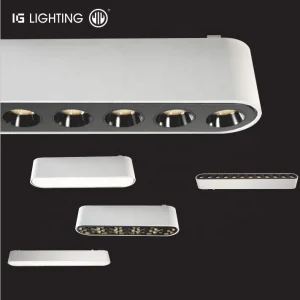
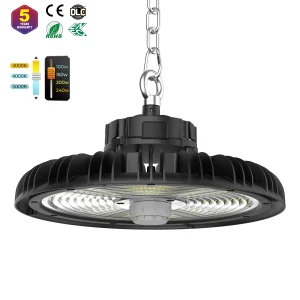
High bay lighting technology has transitioned from primitive gas-discharge solutions to sophisticated, micro-controlled solid-state ecosystems. Globally, commercial spaces, smart logistics centers, and large-scale manufacturing facilities are prioritizing advanced thermal structures and superior luminescent efficacy to offset rising electricity tariffs and conform to modern decarbonization mandates.
Legacy Metal Halide (MH) and High-Pressure Sodium (HPS) systems, which previously dominated tall ceiling architectures, have rapidly become obsolete. Modern industrial facility managers require systems that offer instant start capabilities, minimal harmonic distortion (THD < 15%), and dynamic dimming profiles (e.g., 0-10V or DALI-2 protocols). Sourcing experts prioritize high-efficacy fixtures achieving upwards of 160 lm/W to maximize their ROI, drastically lowering the overall cost of thermal management while providing clean, uniform illumination across broad working surfaces.
Information Gain Insight: The transition from L70 to L80/B10 parameters as standard measures of LED performance has allowed engineers to predict the precise depreciation curve of light source modules in hostile temperatures. Selecting fixtures that balance high drive currents with oversized thermal heat sinks prevents premature thermal runaway.
In response to stringent carbon-neutrality frameworks introduced in Europe and North America, exporters have incorporated smart ambient sensors directly into high bay configurations. This integrates lighting nodes directly into IoT grids via Bluetooth Mesh or Zigbee protocols. Modern lighting solutions are no longer just basic passive hardware; they are smart nodes on a facility's communication infrastructure, reporting localized power consumption, operating temperature spikes, and occupied space maps in real-time.
Procurement teams representing multi-national distribution houses and industrial conglomerates analyze high bay lighting manufacturers through a strict metric system. Low initial purchase prices are often overshadowed by massive installation and maintenance expenses over the lifecycle of the system. Thus, long-term stability and extensive warranty schemes are the foundations of successful commercial tenders.
To enter standard western industrial supply chains, manufacturers must maintain an array of region-specific test reports and quality badges:
China's manufacturing hubs—specifically within the Foshan and Pearl River Delta regions—have evolved far beyond simple assembly operations. They are now integrated ecosystems of materials suppliers, component developers, and advanced testing institutes. This deep localization of the supply chain provides unmatched agility when configuring custom lighting specifications for global buyers.
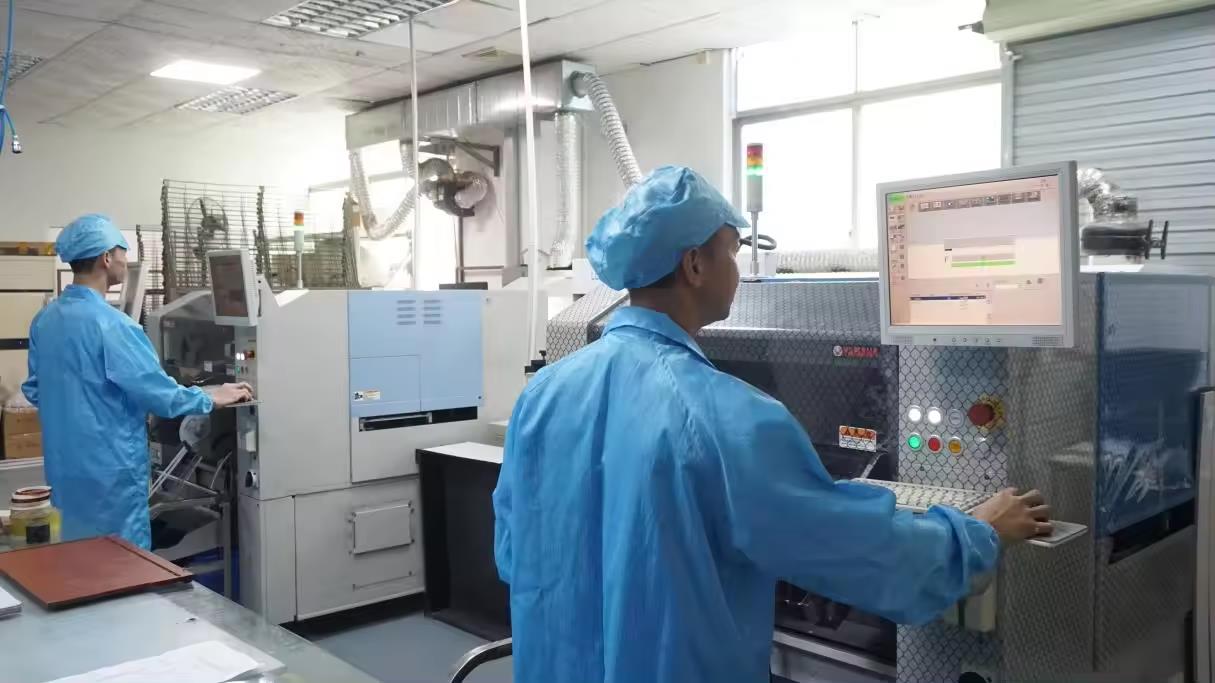
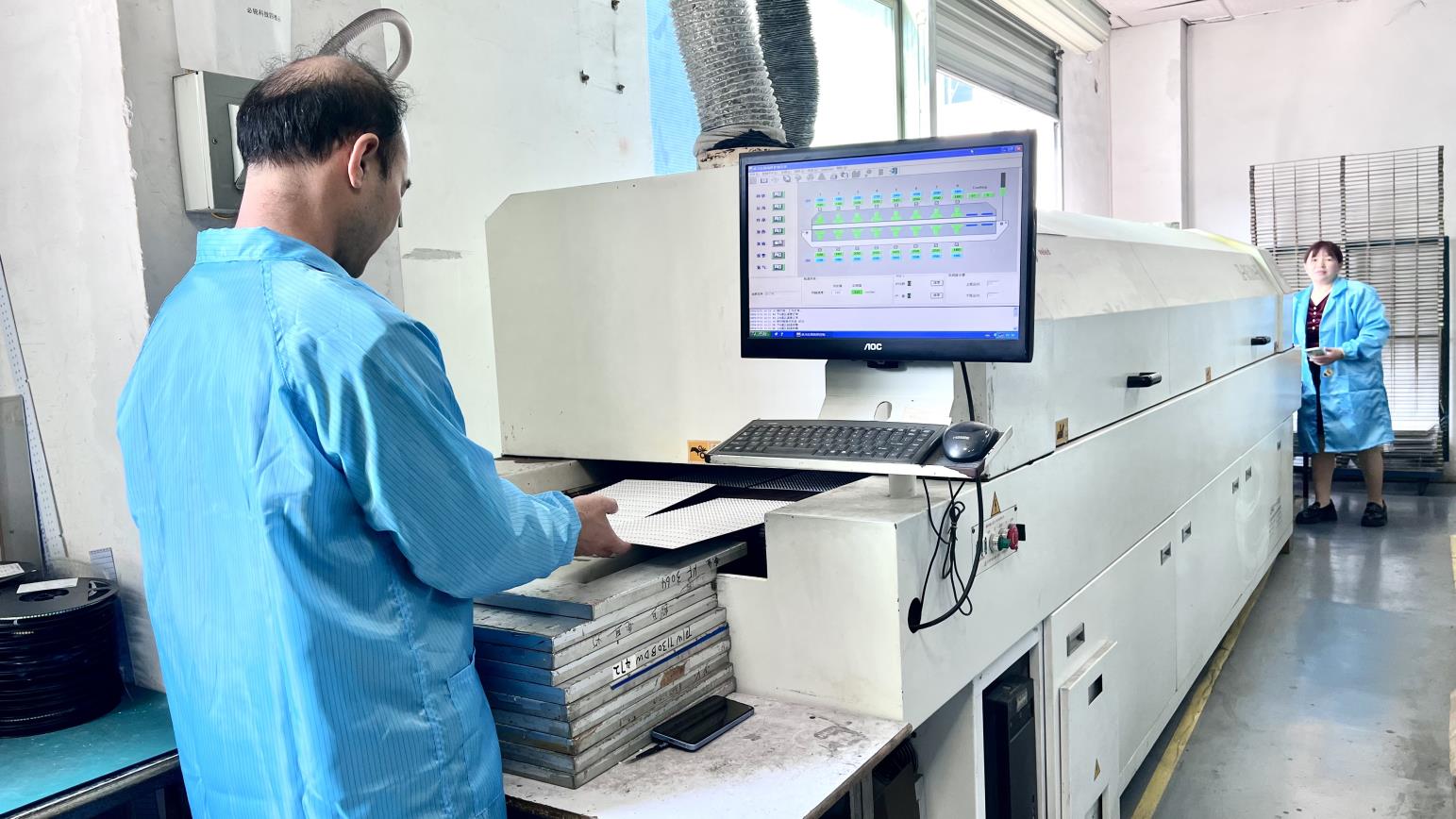
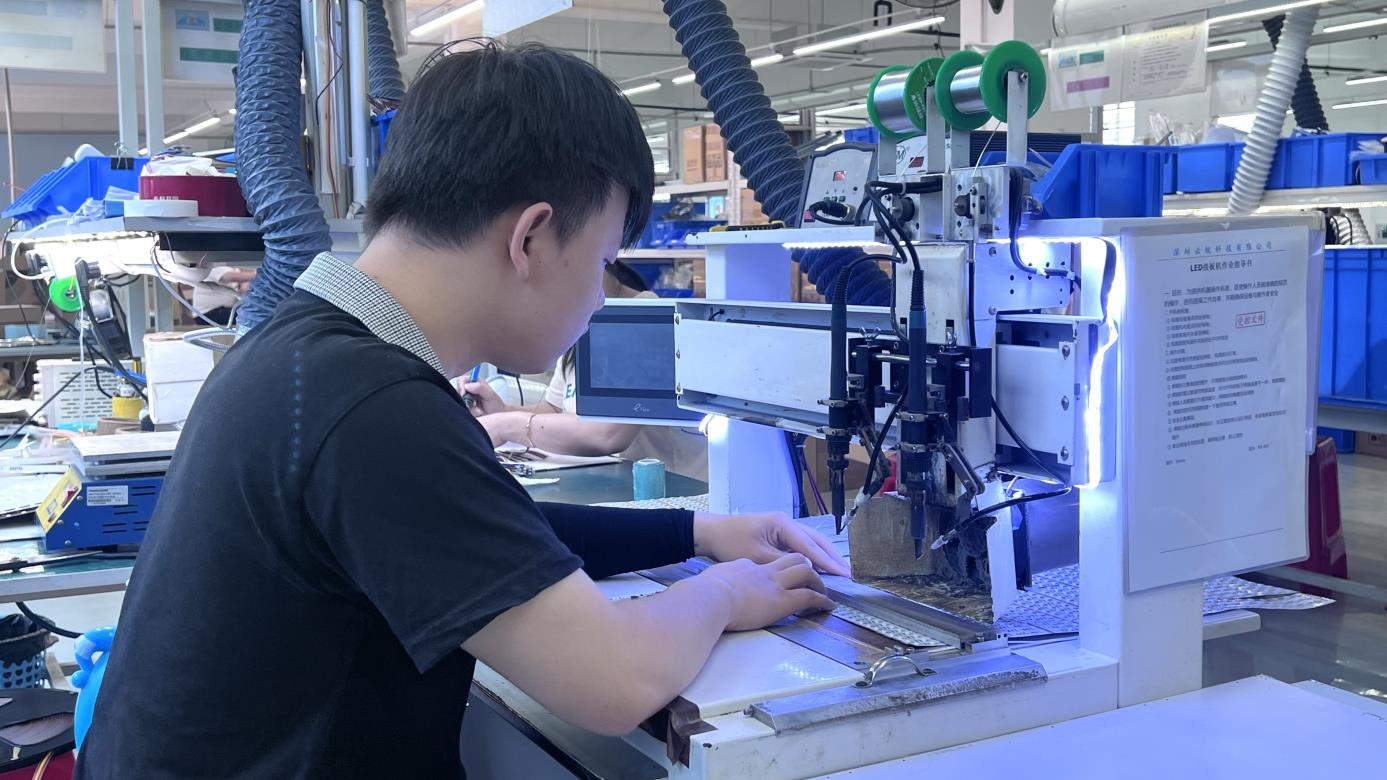
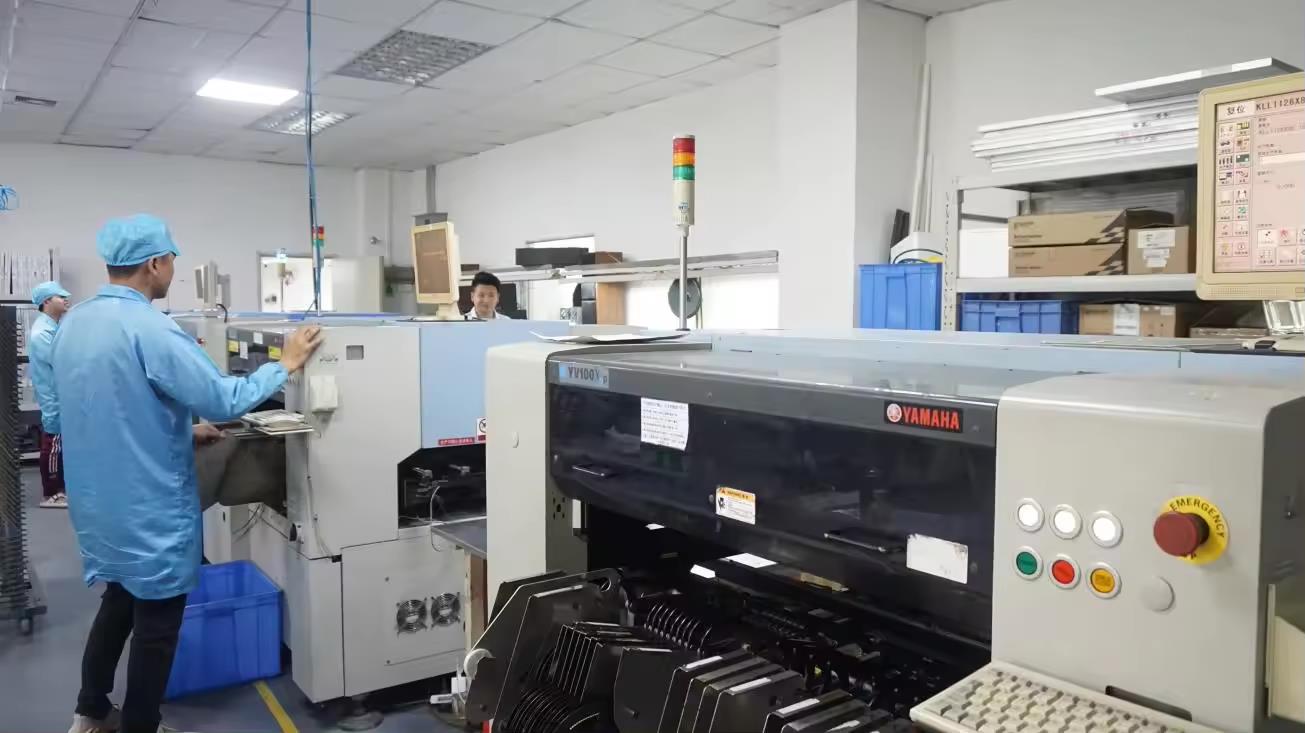
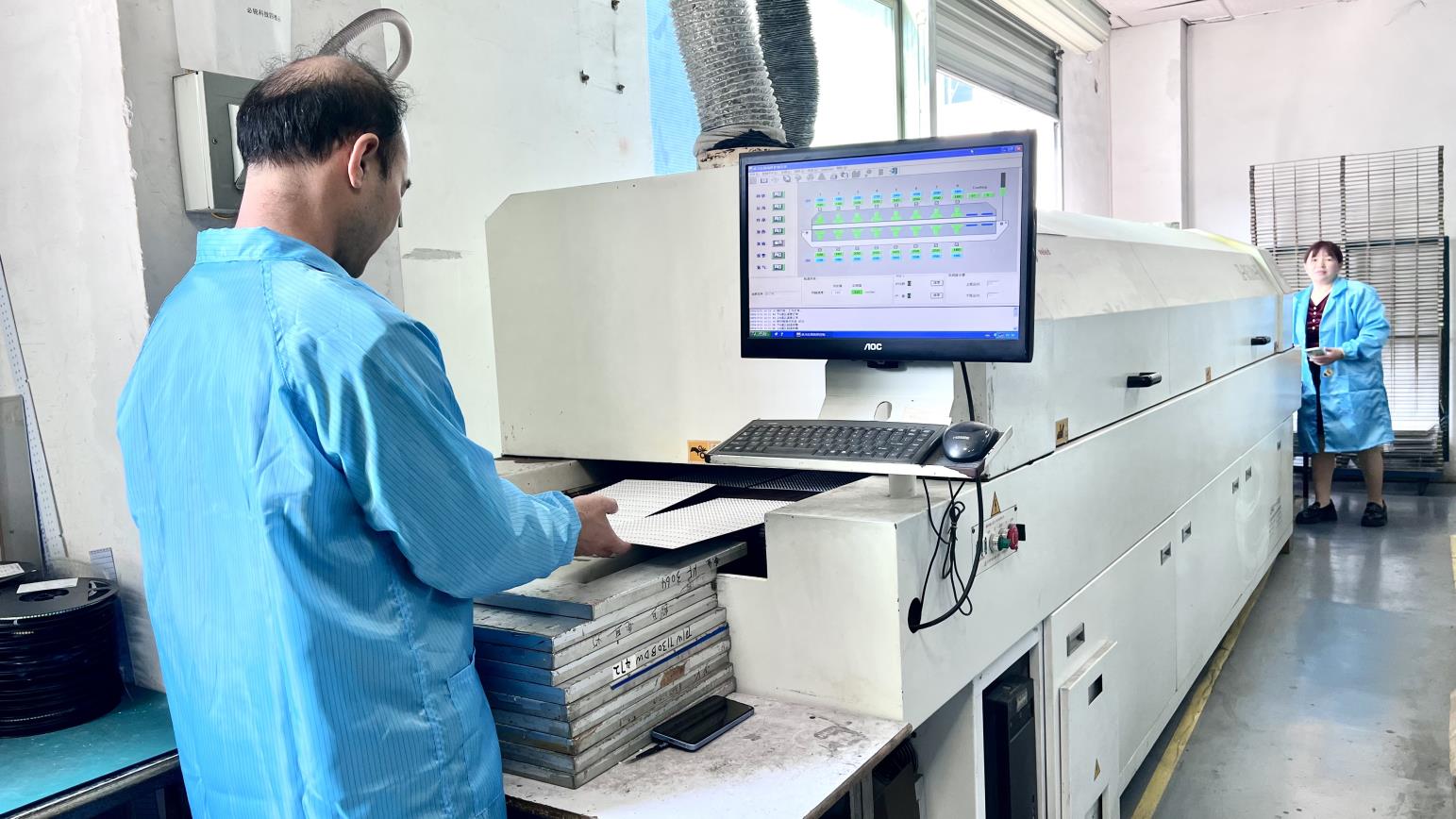
By leveraging automated Surface Mount Technology (SMT) machinery, integrated reflow soldering arrays, and automated testing rigs, contemporary Chinese lighting factories dramatically reduce human error variables. This optimization ensures uniform solder joint integrity, clean PCB copper traces, and optimal thermal interface material application. Together, these factors lead to a significantly higher Mean Time Between Failures (MTBF) for drivers and light-emitting arrays.
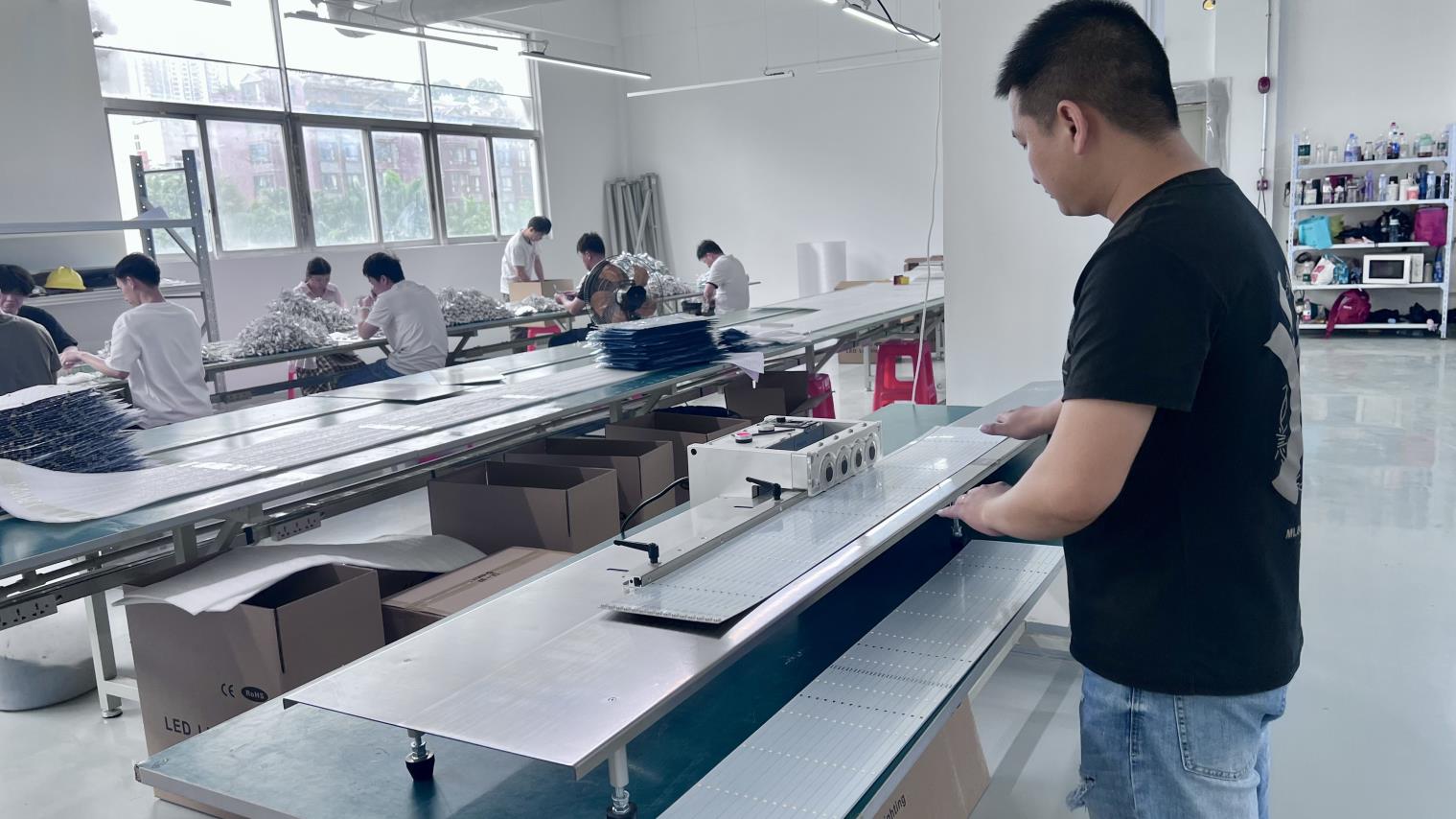
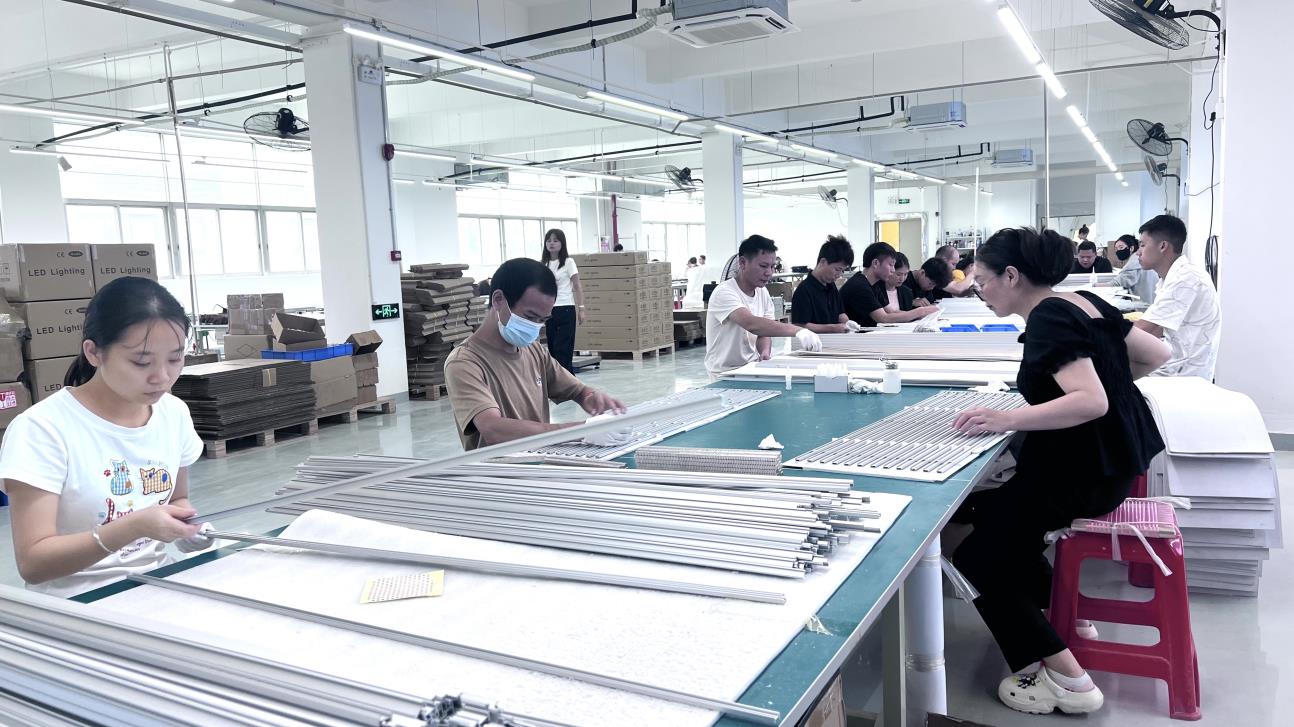
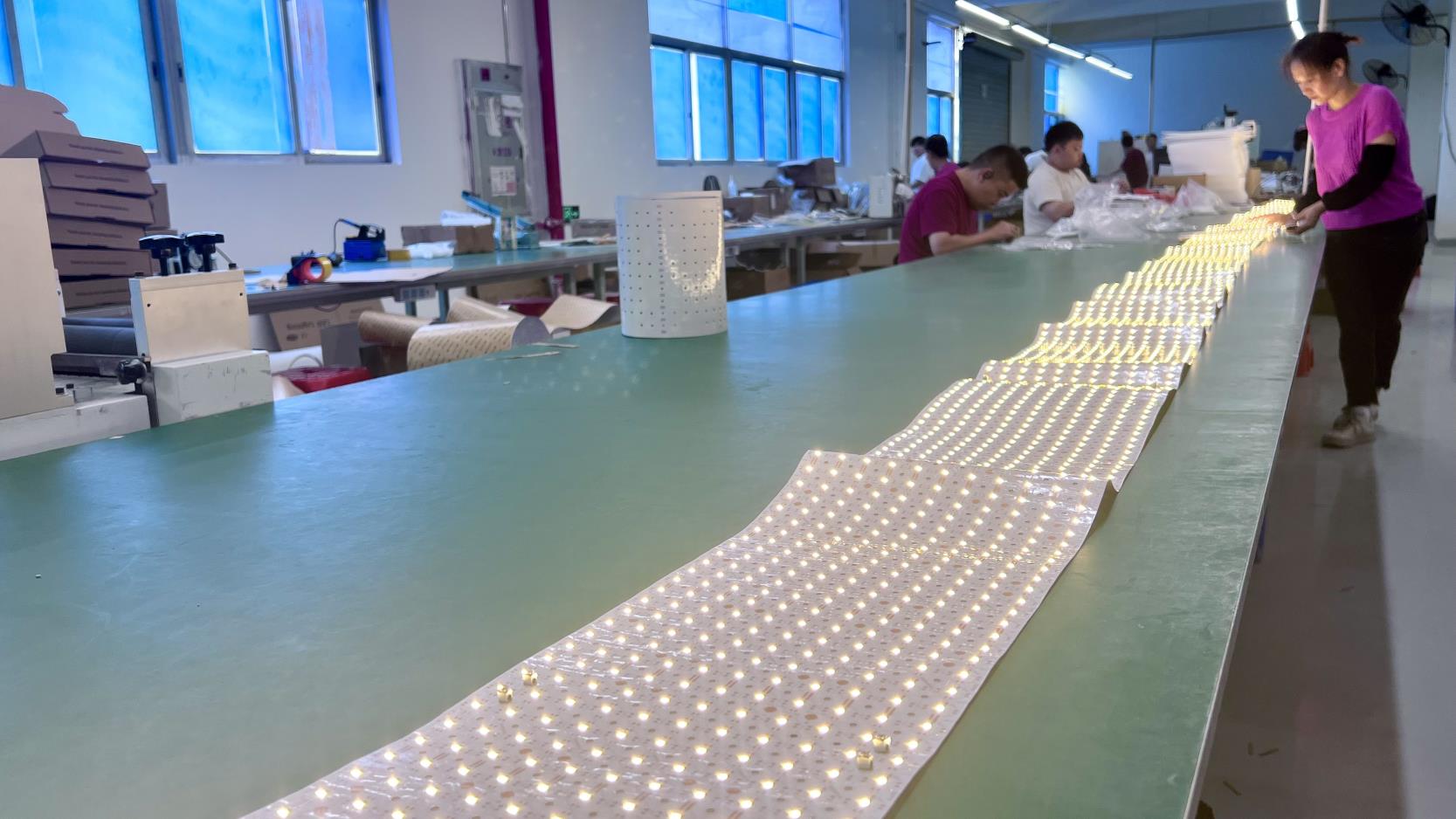
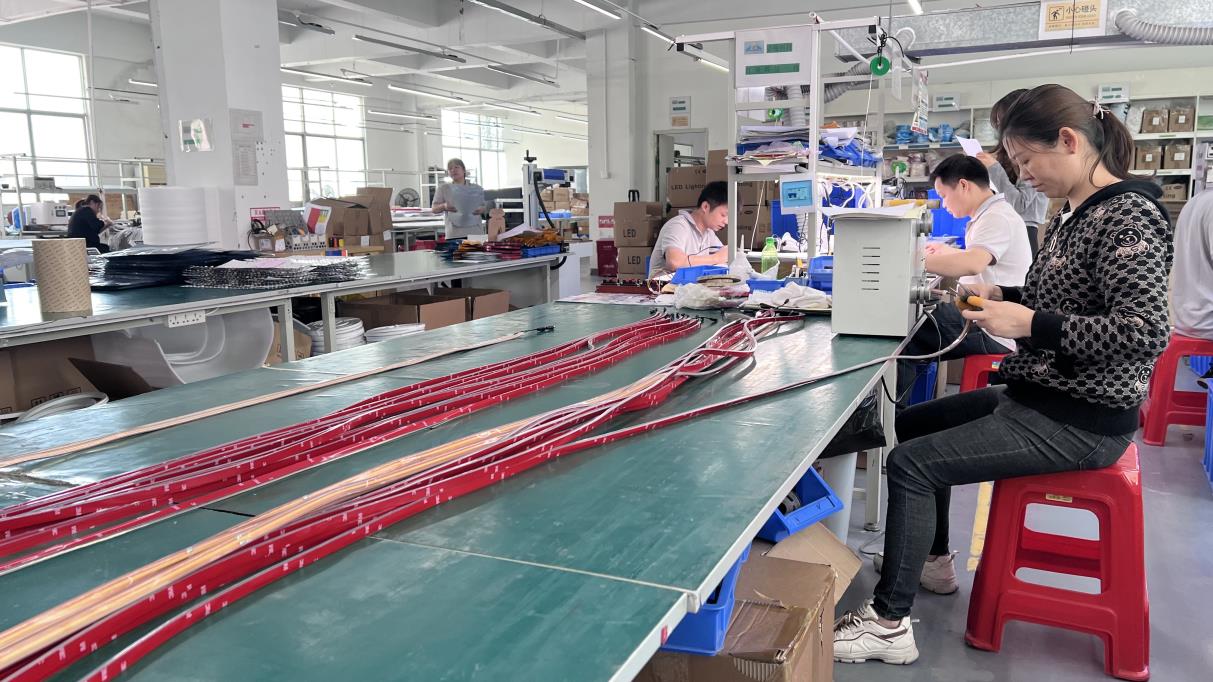
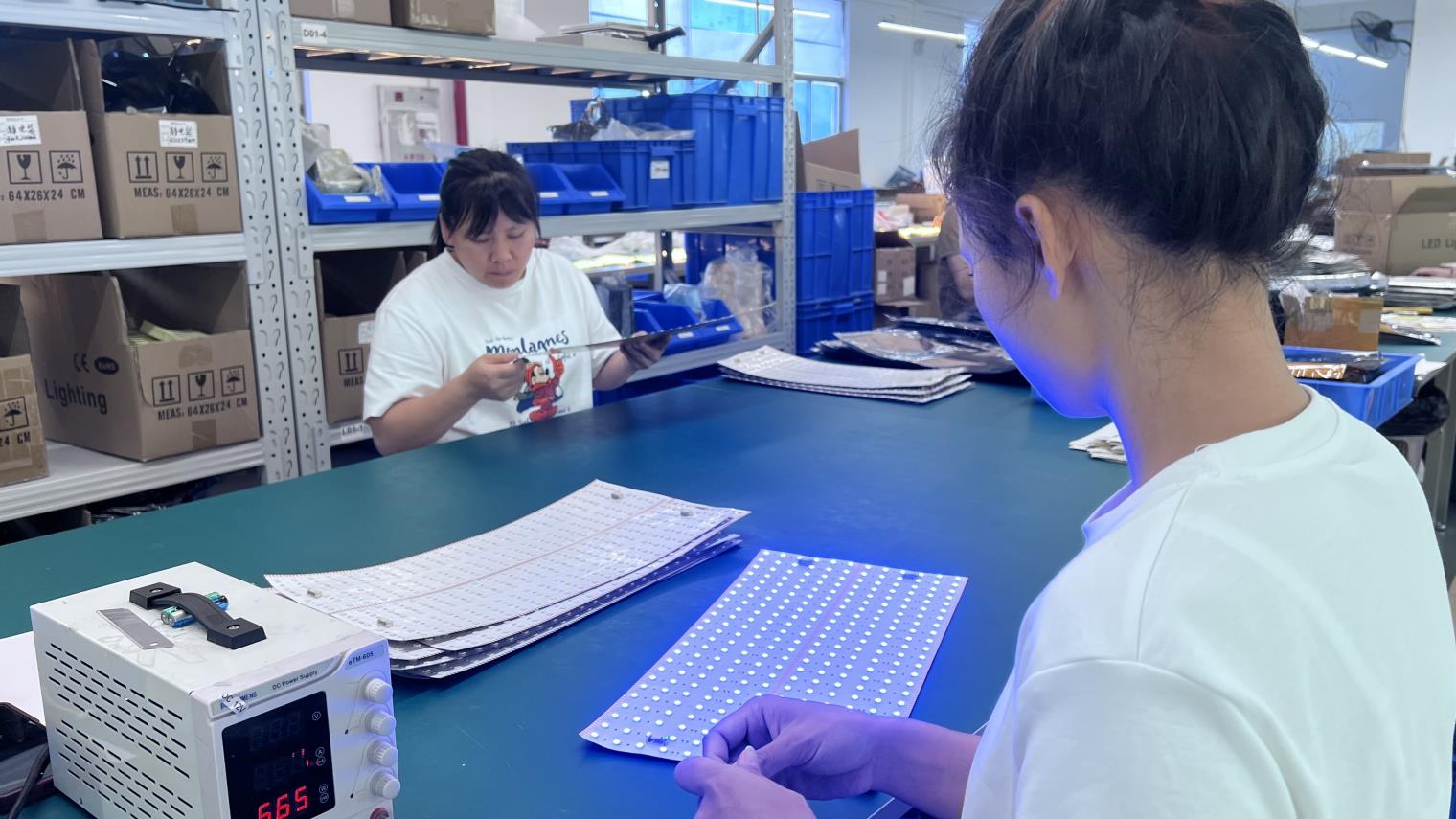
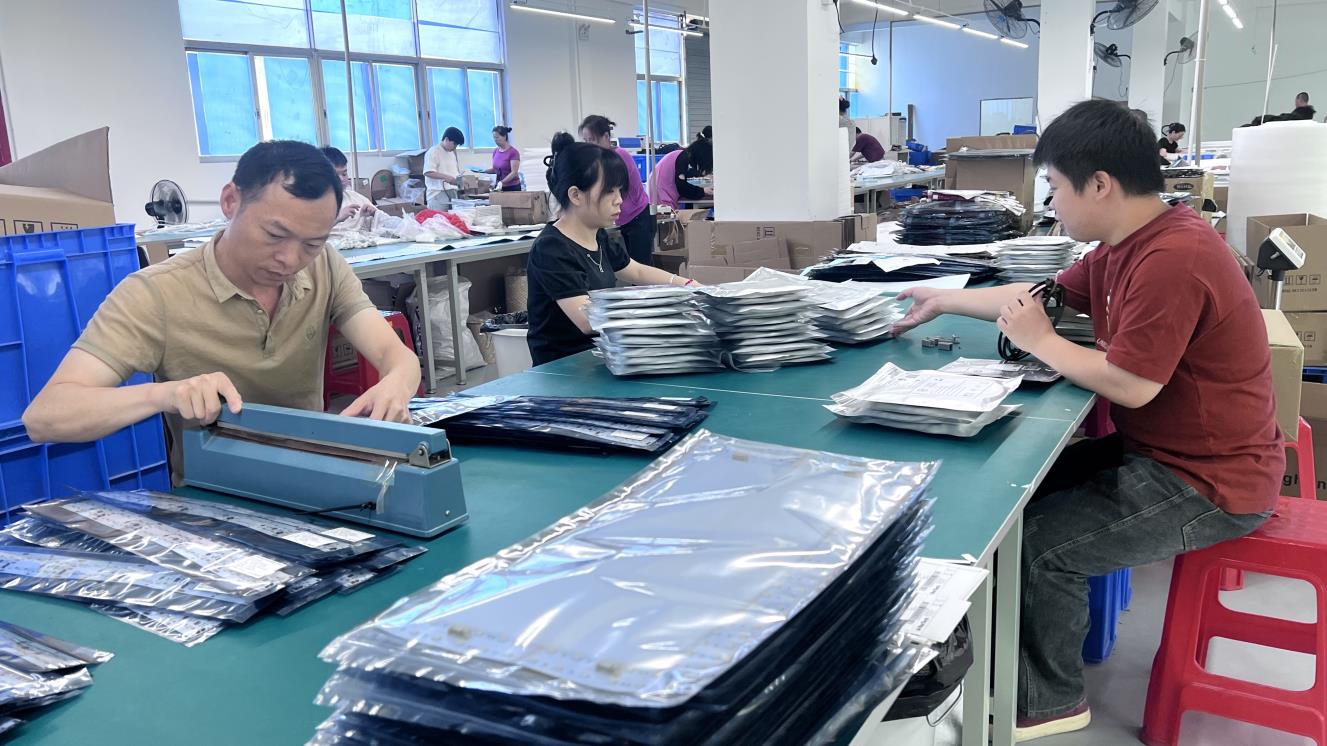
Foshan Jable Light Co., Ltd. serves as an excellent case study of this transformation. Founded in 2006, Jable Light operates a modern 20,000 square meter factory employing over 300 highly trained technicians. Equipped with 8 advanced production lines spanning raw materials processing, metal stamping, high-precision spinning, plastic injection, and powder coating, they control the manufacturing process from start to finish. This vertical integration allows Jable Light to expand its capacity by roughly 30% annually, maintaining an annual export and production volume exceeding USD 30,000,000.
A window into the advanced processes, testing steps, and high-performance equipment inside Jable Light's manufacturing facilities.
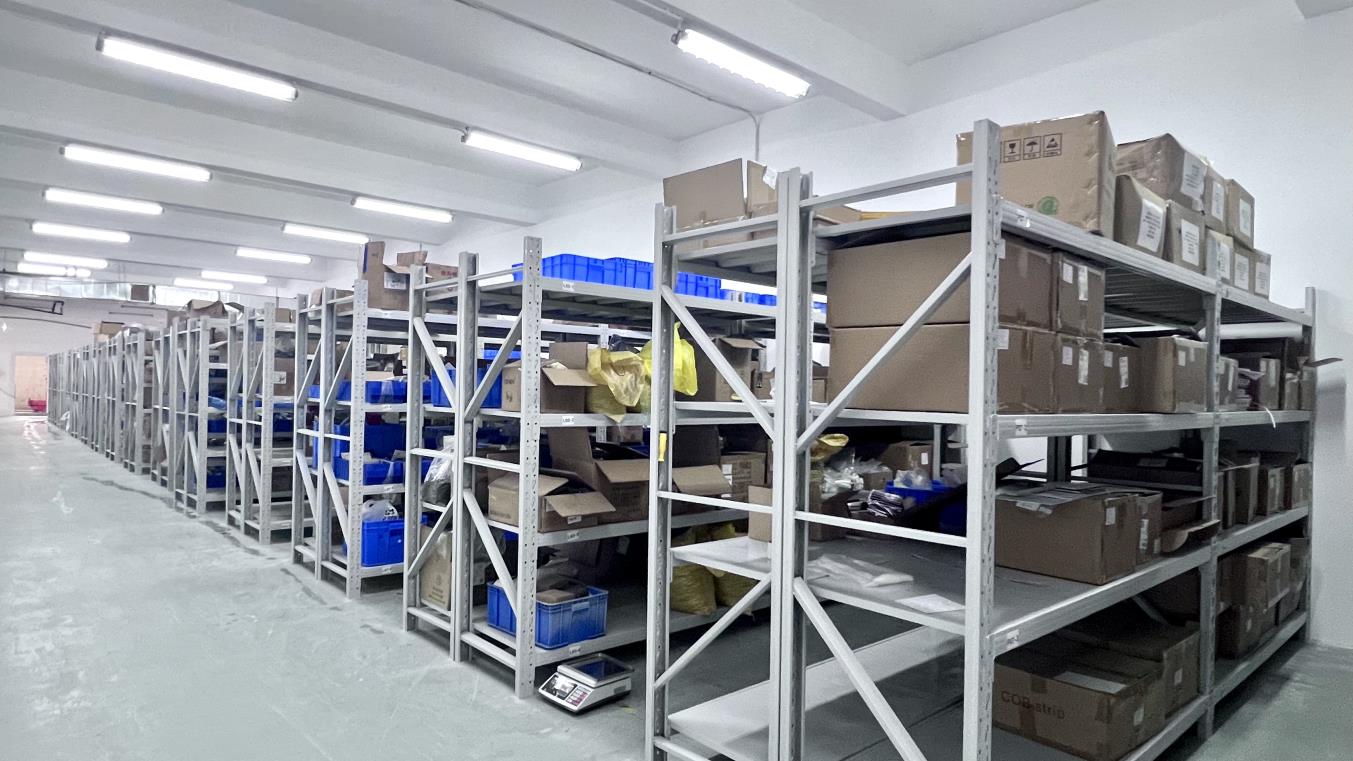
Selecting industrial bay lights is not a one-size-fits-all process. The architectural profile, mounting heights, dust accumulation index, and local atmospheric variables play crucial roles in determining the mechanical specs of the luminaires. Below are three common layouts requiring specialized lighting designs:
Modern logistics facilities feature narrow aisles with mounting heights ranging from 12 to 18 meters. Standard wide-beam bay lights are ineffective here, as they waste light on the top shelves and leave the floor level in shadow. Sourcing managers require specialized narrow-angle optics (such as 30°×90° or 60°×120° polar distributions). This ensures that light is directed into the aisles, minimizing glare while improving safety and picker efficiency.
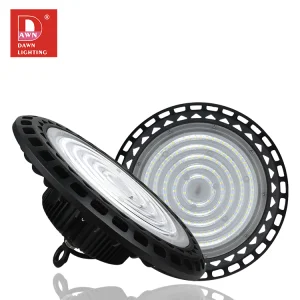
Heavy manufacturing environments subject lighting fixtures to airborne metal dust, oil residues, and high ambient temperatures. Standard high bay housings fail under these conditions as dust accumulates on horizontal heat sinks, trapping heat. In these environments, engineers specify circular "UFO" high bays. These feature open fins, specialized powder coatings that resist corrosion, and separate driver compartments to isolate thermal loads.
Food processing facilities require IP66 or IP69K ratings to withstand daily high-pressure washdowns. The fixtures must also feature shatterproof lenses (typically polycarbonate rather than glass) to prevent contamination, and contain no exposed screws where bacteria could accumulate. Additionally, drivers must offer flicker-free output to prevent interference with precision barcode scanners and inspection cameras.
When evaluating exporters to establish long-term sourcing partnerships, use the following checklist to evaluate their technical capabilities:
Direct technical answers addressing the most common design and engineering questions raised by global procurement directors.
Luminous efficacy (measured in lumens per watt, or lm/W) defines how efficiently a fixture converts electrical power into light. Upgrading from a standard 120 lm/W fixture to a high-performance 160 lm/W model reduces energy consumption by 25% while maintaining the same light output. In large 24/7 industrial facilities, this difference can lead to payback periods under 18 months, especially when utility rebates are factored in.
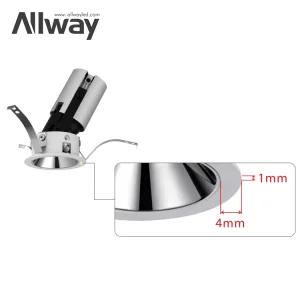
UGR measures the perceived glare of lighting installations, which is critical in industrial spaces where worker safety is paramount. Glare from exposed high bay lenses can cause eye strain, fatigue, and temporary blindness, increasing the risk of accidents. Maintaining a UGR rating below 22—or ideally below 19 for workspaces—is recommended, which is achieved through optical lenses and recessed light designs.
Vertical integration—where a single manufacturer controls die-casting, SMT, powder coating, and assembly—reduces lead times, ensures tighter quality control, and helps insulate buyers from supply chain disruptions. When custom alterations are required (such as specialized mounting configurations or unique color temperatures), a vertically integrated manufacturer like Jable Light can adapt production quickly, compared to basic assembly plants that rely on external component suppliers.
Total Harmonic Distortion (THD) measures how much a power supply alters the current waveform of the grid. High THD (over 20%) can cause power cables to overheat, trip circuit breakers, and interfere with neighboring electronic machinery. Modern commercial lighting projects specify LED drivers with a THD under 15% (or under 10% at full load) to protect the facility's power infrastructure.
UFO high bays feature a circular design and are ideal for open spaces like warehouses, workshops, and transit hubs. They are simple to install via single-point hooks and offer robust thermal management. Linear high bays are designed for rack layouts and aisles, using rectangular beam shapes to distribute light evenly along shelves, reducing dark spots on vertical storage planes.
An IP65 rating protects against dust ingress and low-pressure water sprays from any direction, which is suitable for standard damp locations. An IP66 rating provides advanced protection against high-pressure water jets and heavy seas, making it the preferred choice for areas that undergo washdowns or are exposed to harsh outdoor weather conditions.
Browse our selection of modern, high-durability fixtures designed for a wide range of industrial, office, and display environments.
 Jable Light