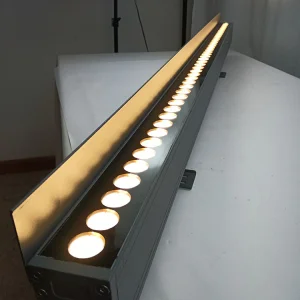
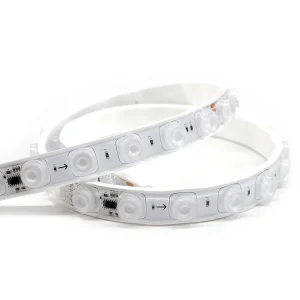
Explore our flagship high bay lighting products engineered to deliver optimal illumination for complexes, warehousing, and commercial applications.
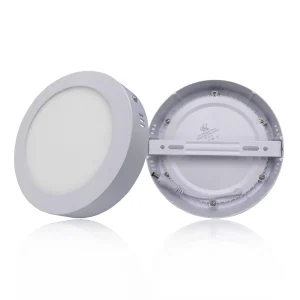
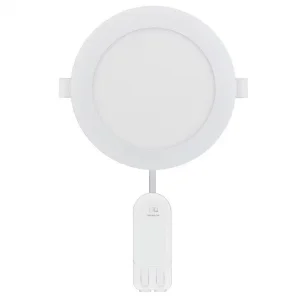
How evolving regulatory protocols, smart building mandates, and warehousing developments shape modern lighting environments.
Governments worldwide are accelerating decarbonization pathways. Regulatory policies such as the European Union Green Deal and the United States Title 24 Building Energy Efficiency Standards demand drastic reductions in commercial carbon footprints. High Bay LED fixtures now require minimum luminous efficacies of 140 lm/W to 160 lm/W to achieve building classification standards.
Fulfillment infrastructure is shifting toward vertical utilization, with clearing heights rising past 15 meters to support high-density logistics automation. Traditional fixtures fail to reach floor levels efficiently at these elevations. Modern configurations leverage advanced optical lenses and optimized beam angles (60°/90°/120°) to deliver consistent, glare-free lux distributions at ground levels.
Today's High Bay luminaires serve as digital backbones for IoT ecosystems. Integrated wireless controllers utilize DALI-2, Zigbee, or Bluetooth Mesh protocols. By capturing real-time space usage and ambient light metadata, these intelligent fixtures adjust output dynamically, reducing energy usage by up to 75% compared to legacy lighting systems.
Manufacturing Heritage
Production Footprint
Annual Export Value
Output Scaling Capacity
An analytical breakdown of the industrial ecosystems that make Chinese exporters the global standard for industrial LED sourcing.
Foshan is the structural center of global lighting component supply chains. Raw materials, SMT board design, custom aluminum extrusion, and powder coating are situated in close geographic proximity. This concentration speeds up prototype turnaround, streamlines quality control, and minimizes local shipping times.
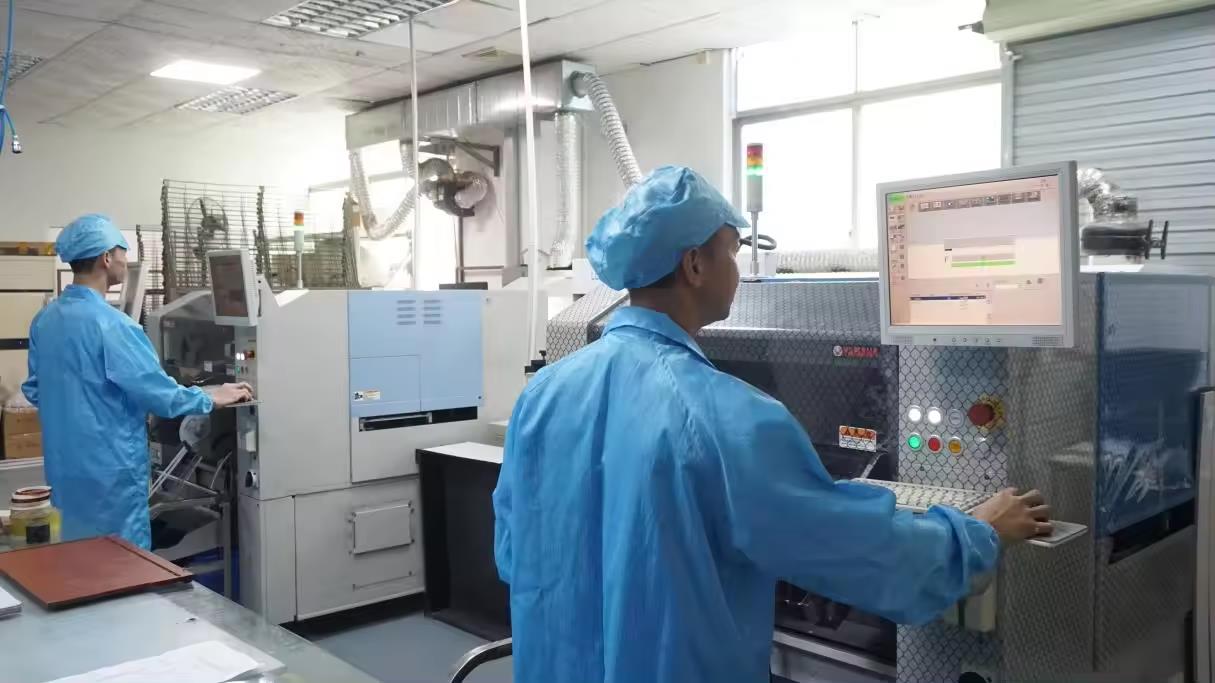
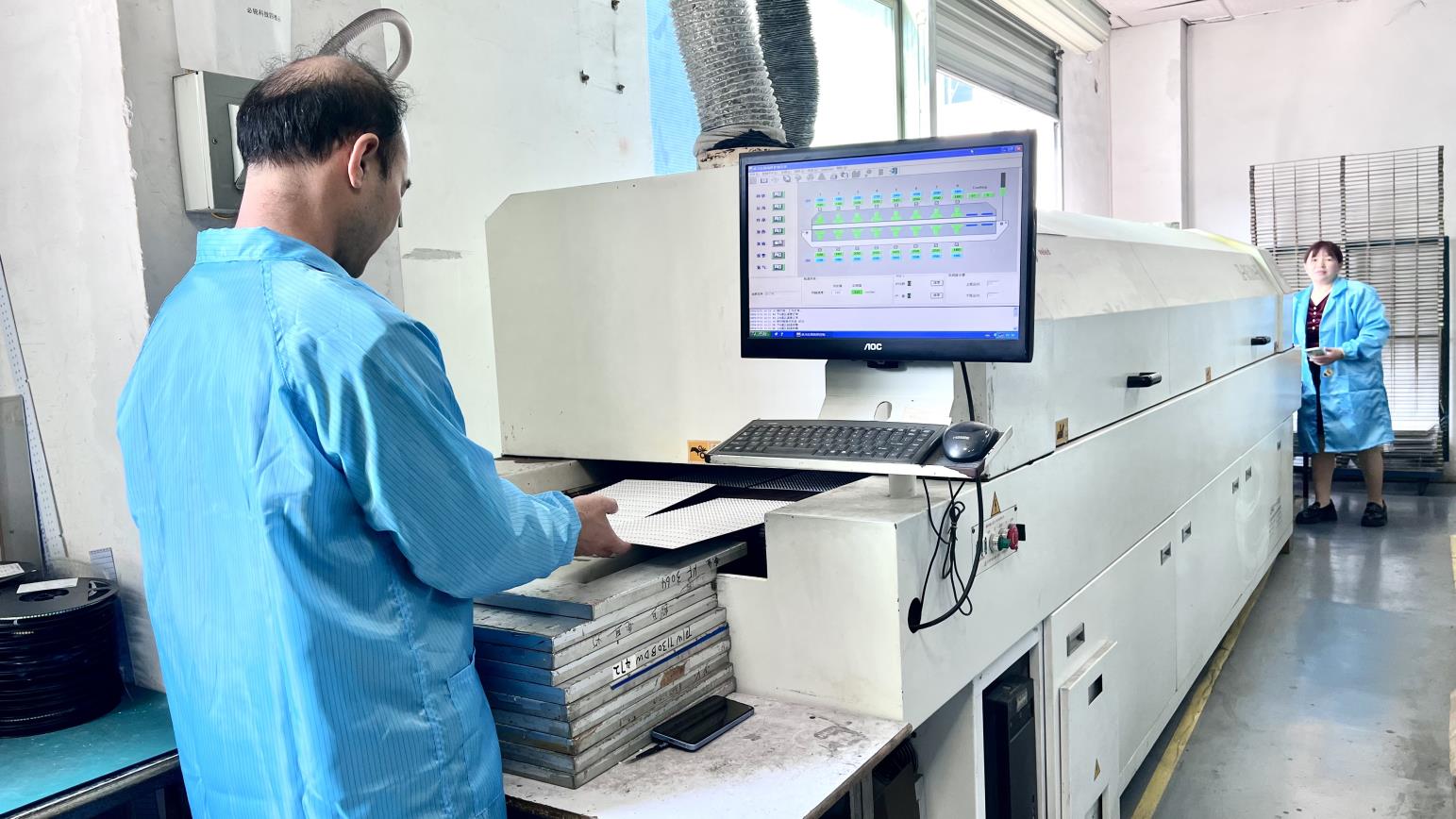
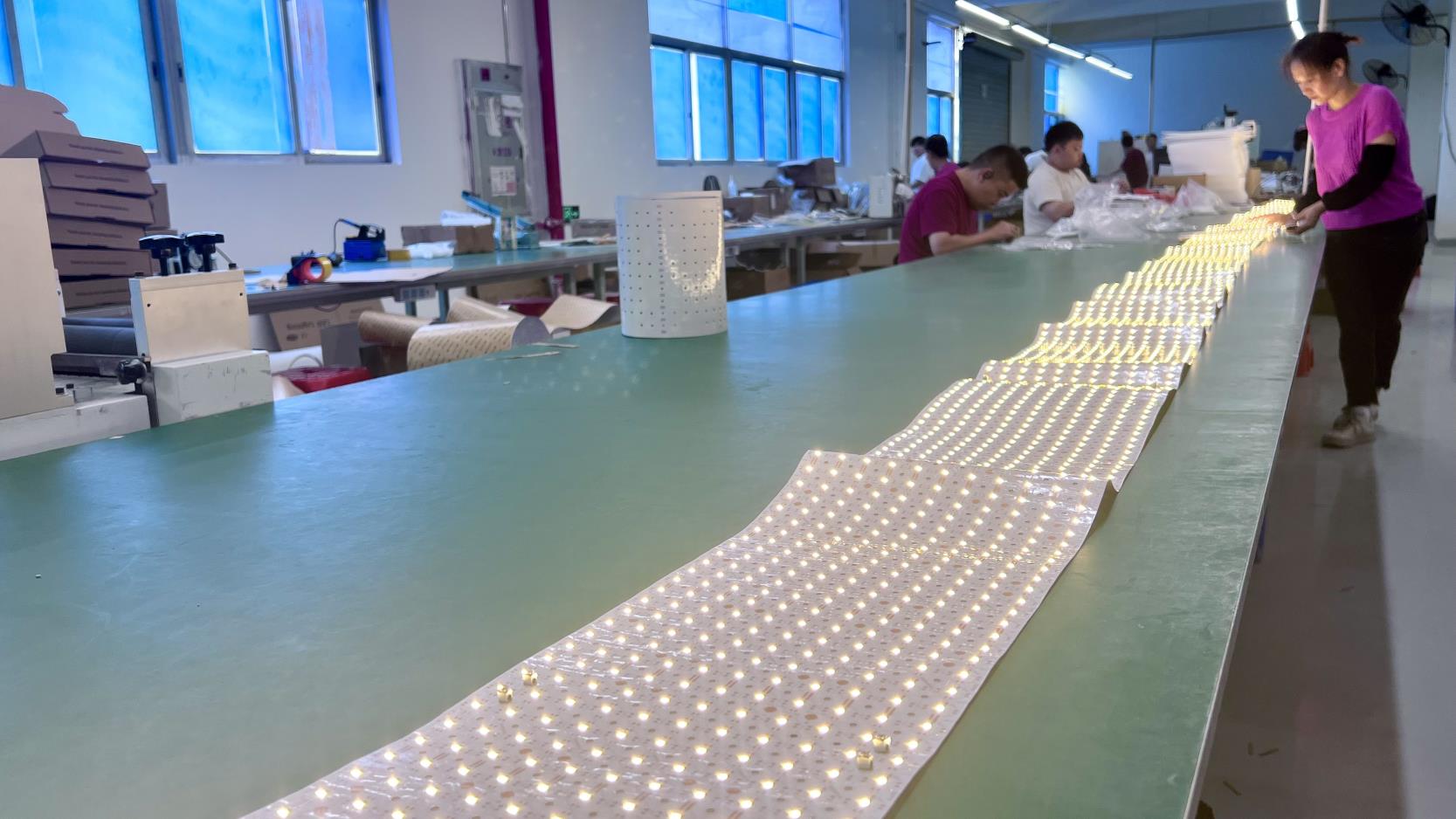
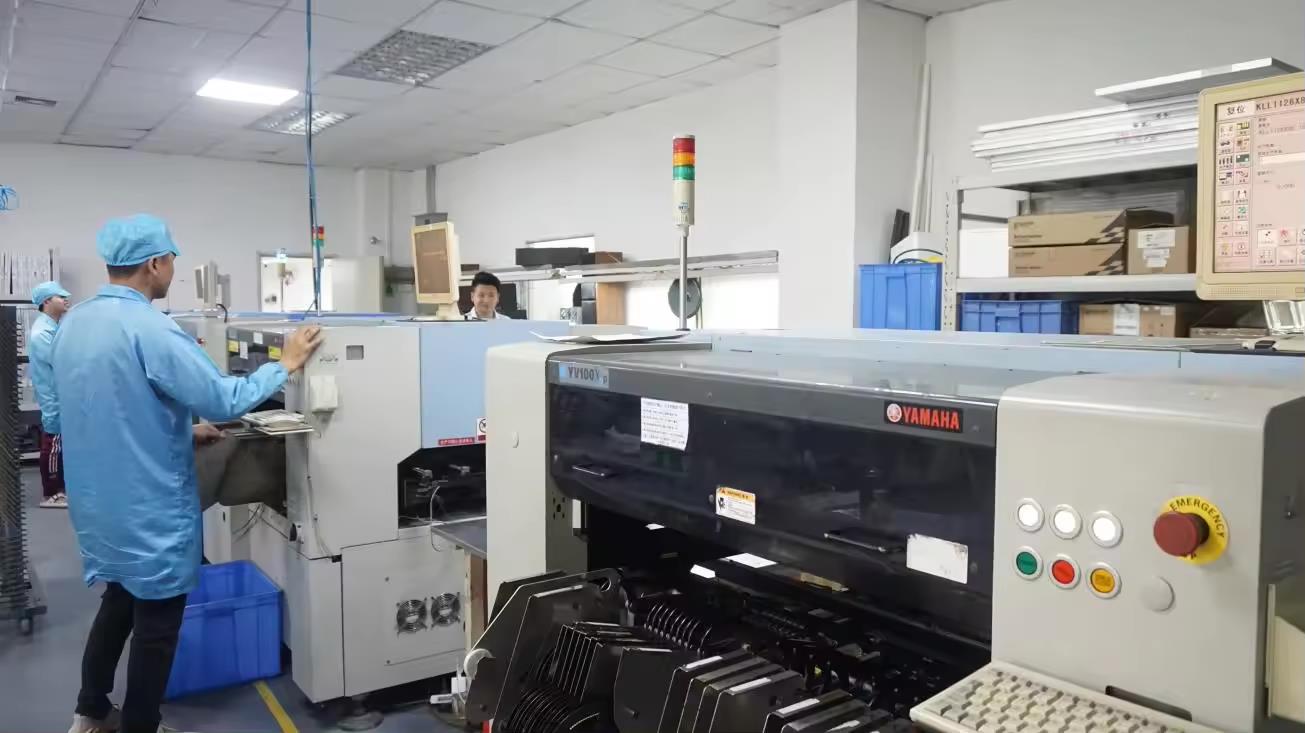
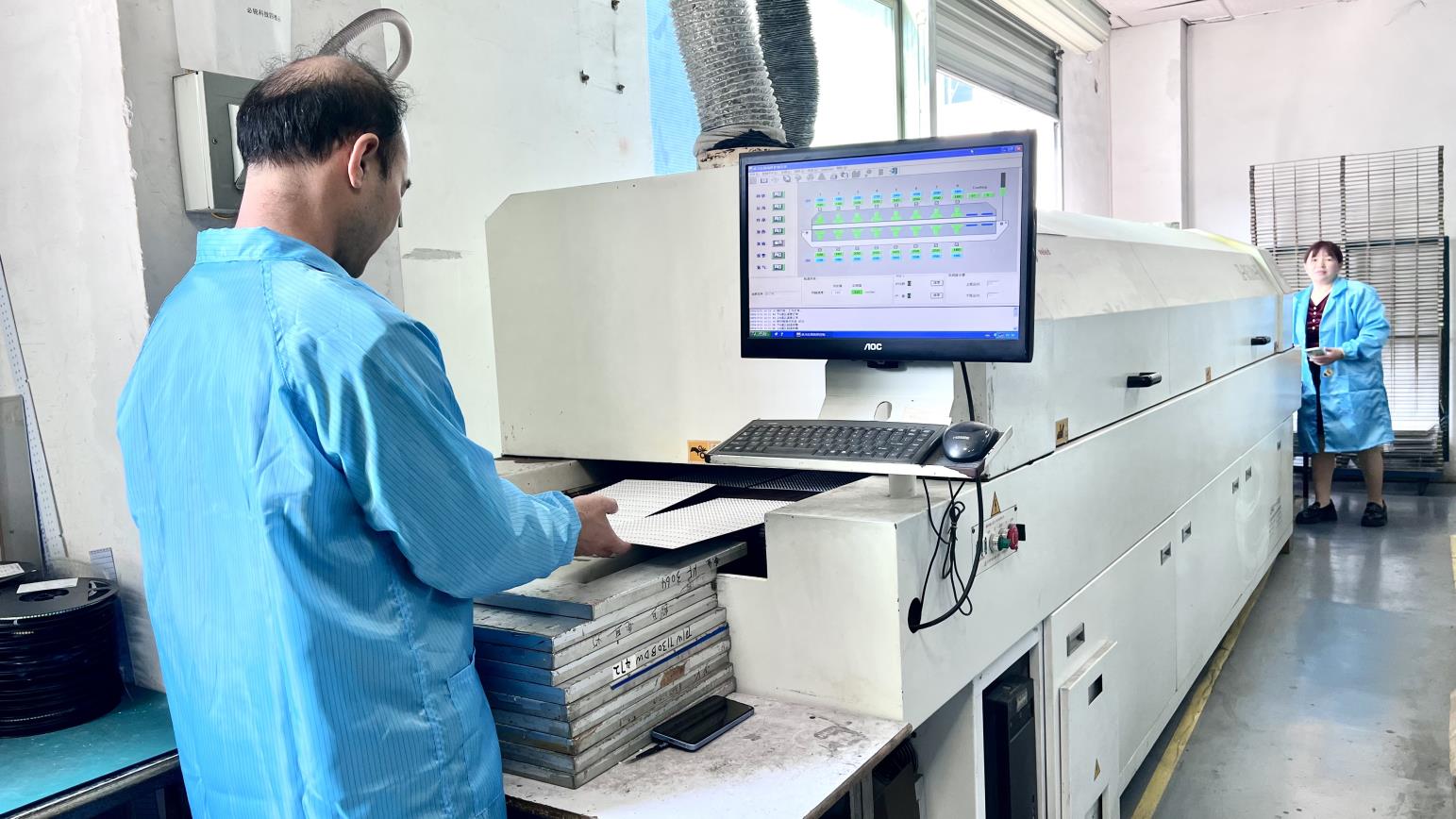
Our manufacturing workflow features automated component placement (SMT) and multi-zone reflow soldering machines. This automation reduces assembly variations, stabilizes solder joints, and ensures thermal interface materials maintain maximum contact efficiency for prolonged fixture service life.
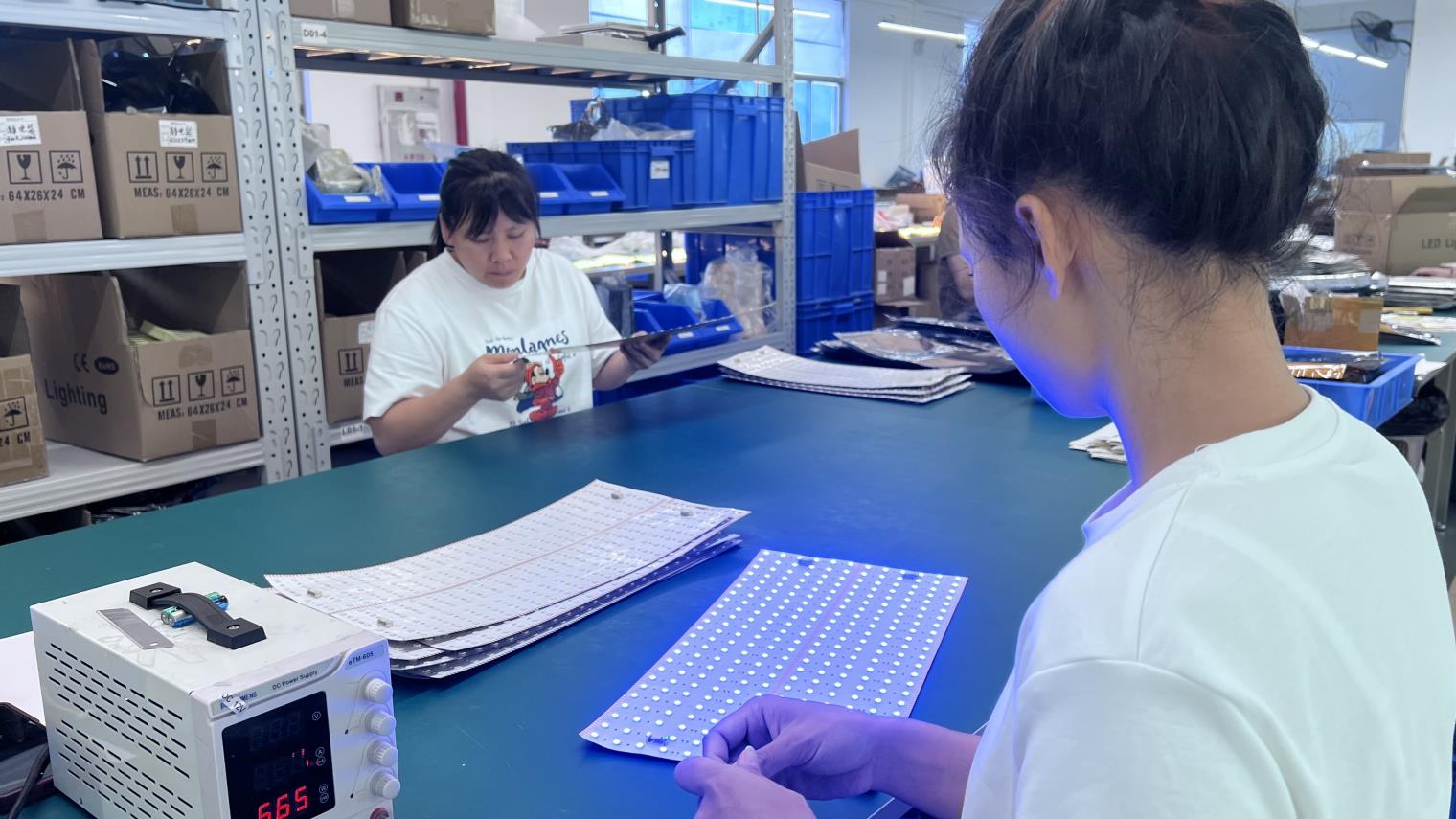
Chinese production facilities adhere to international testing standards. Direct pathways to global ports like Shenzhen, Guangzhou, and Hong Kong ensure reliable logistics configurations, enabling rapid delivery of certified products worldwide.
Established in 2006, Jable Light has grown into a leading developer of high-efficiency industrial and commercial lighting solutions.
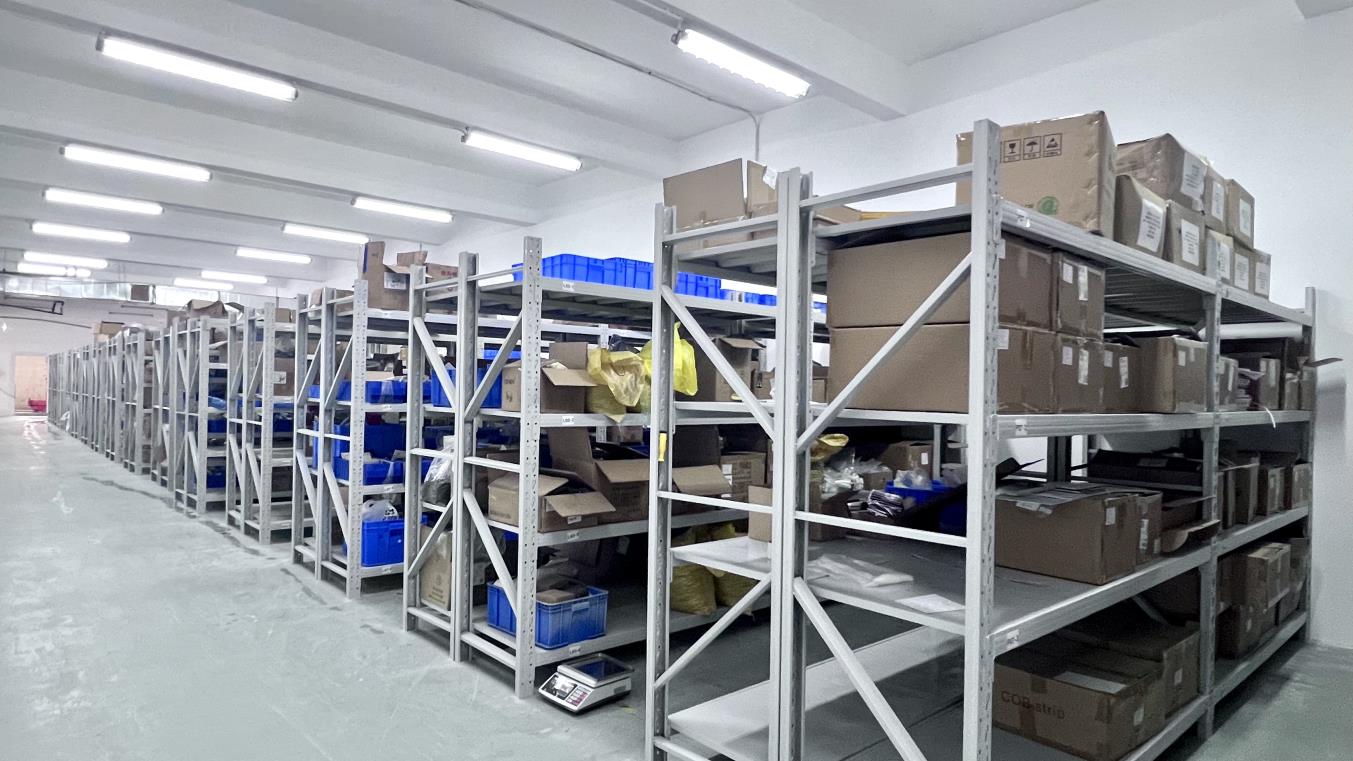
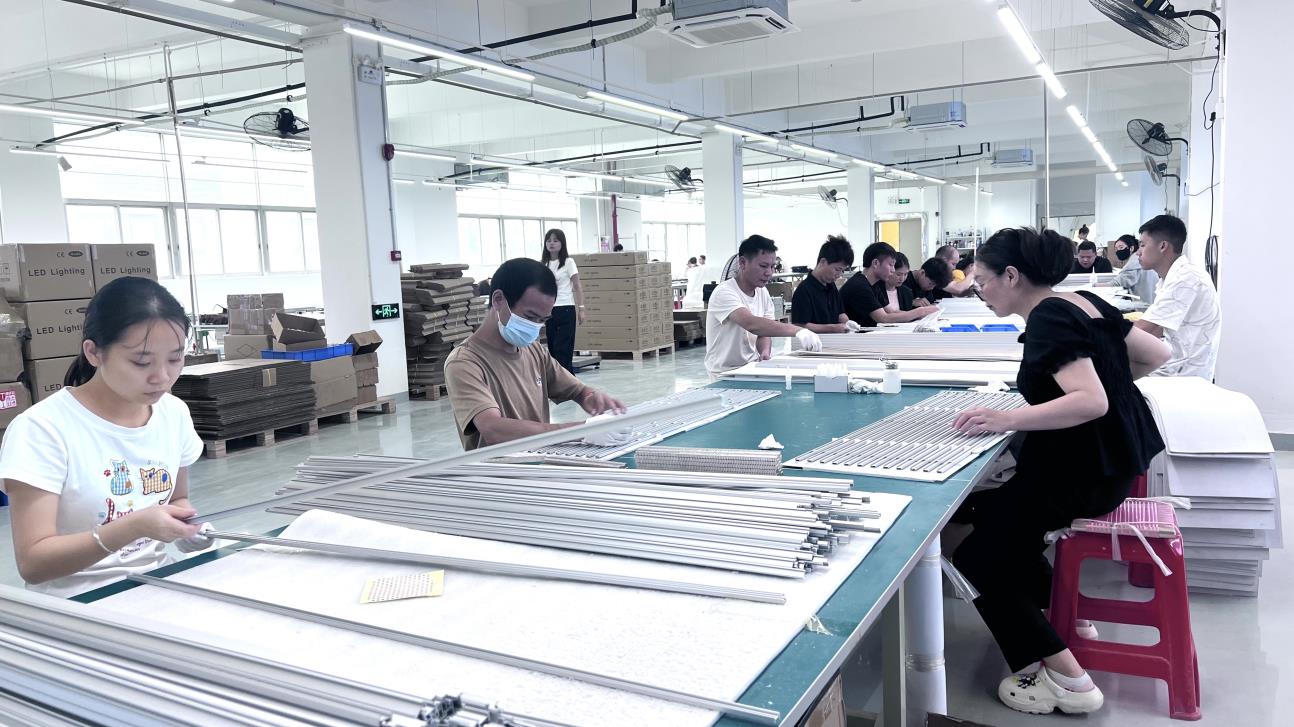
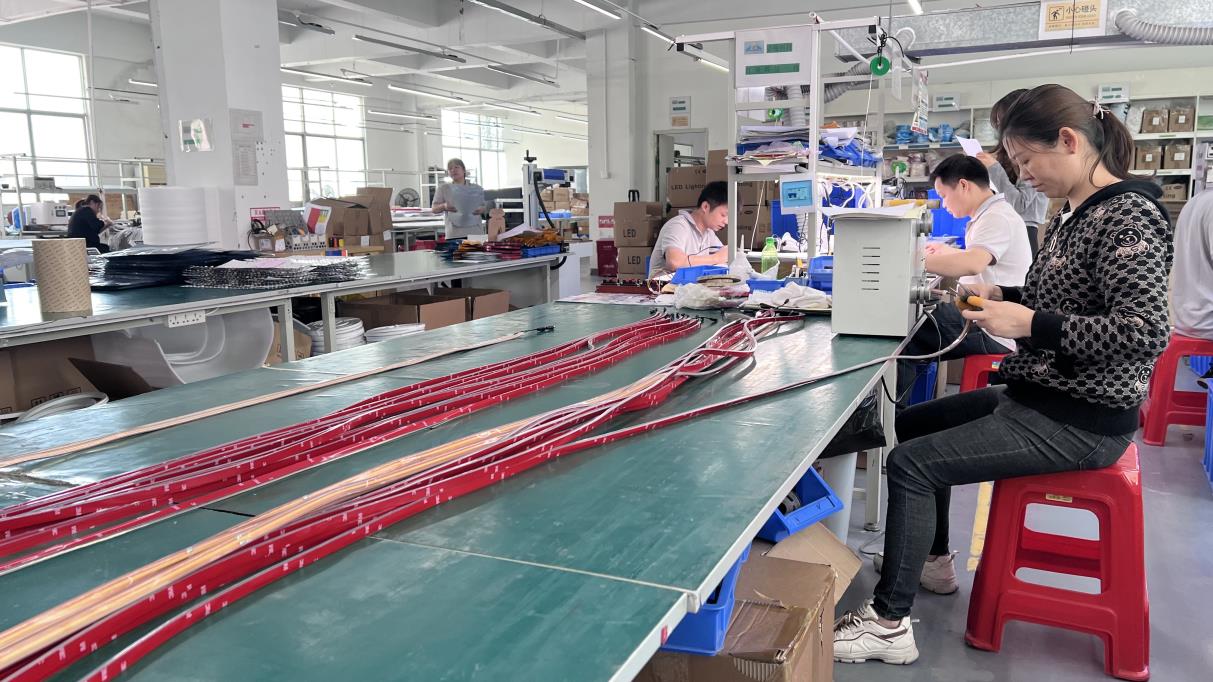
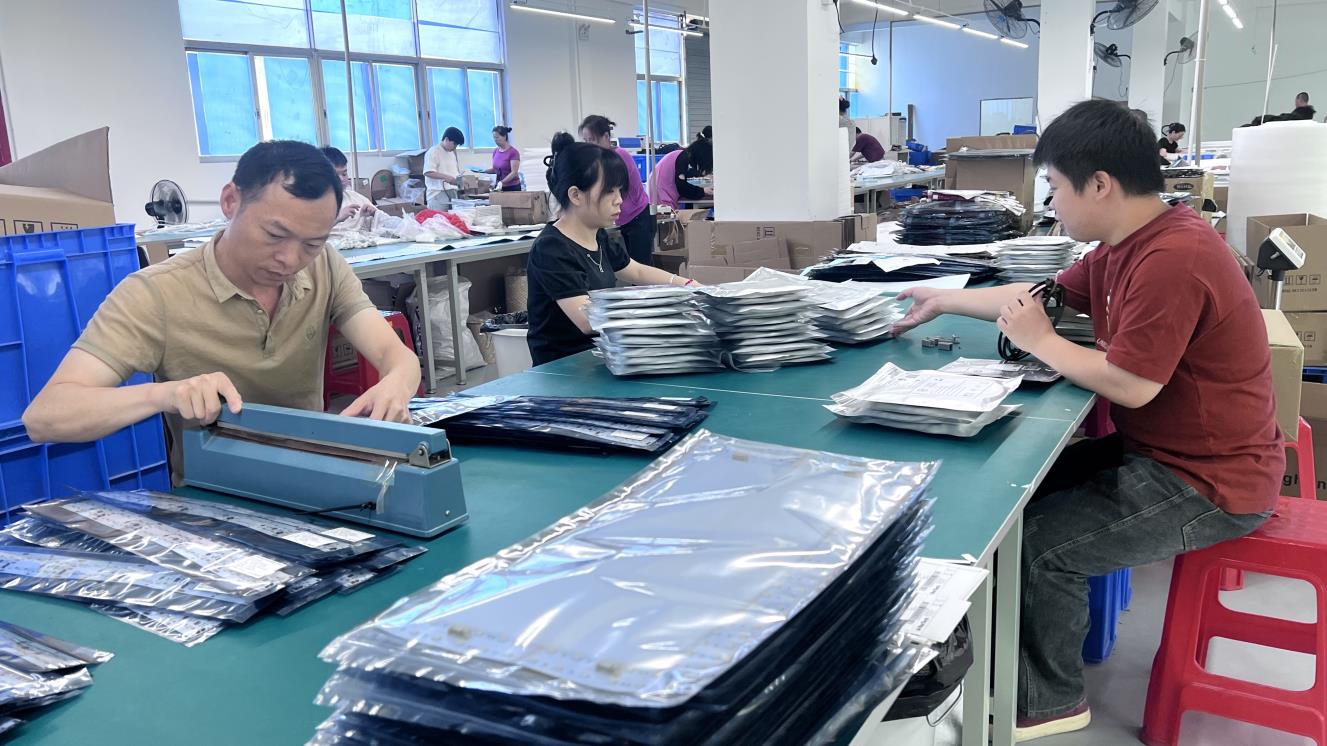
Foshan Jable Light Co., Ltd. is a leading professional lighting manufacturer established in 2006, specializing in the research, development, production, and marketing of a wide range of high-quality lighting fixtures. Our company is headquartered in Foshan and operates a modern factory covering over 20,000 square meters, employing more than 300 skilled workers.
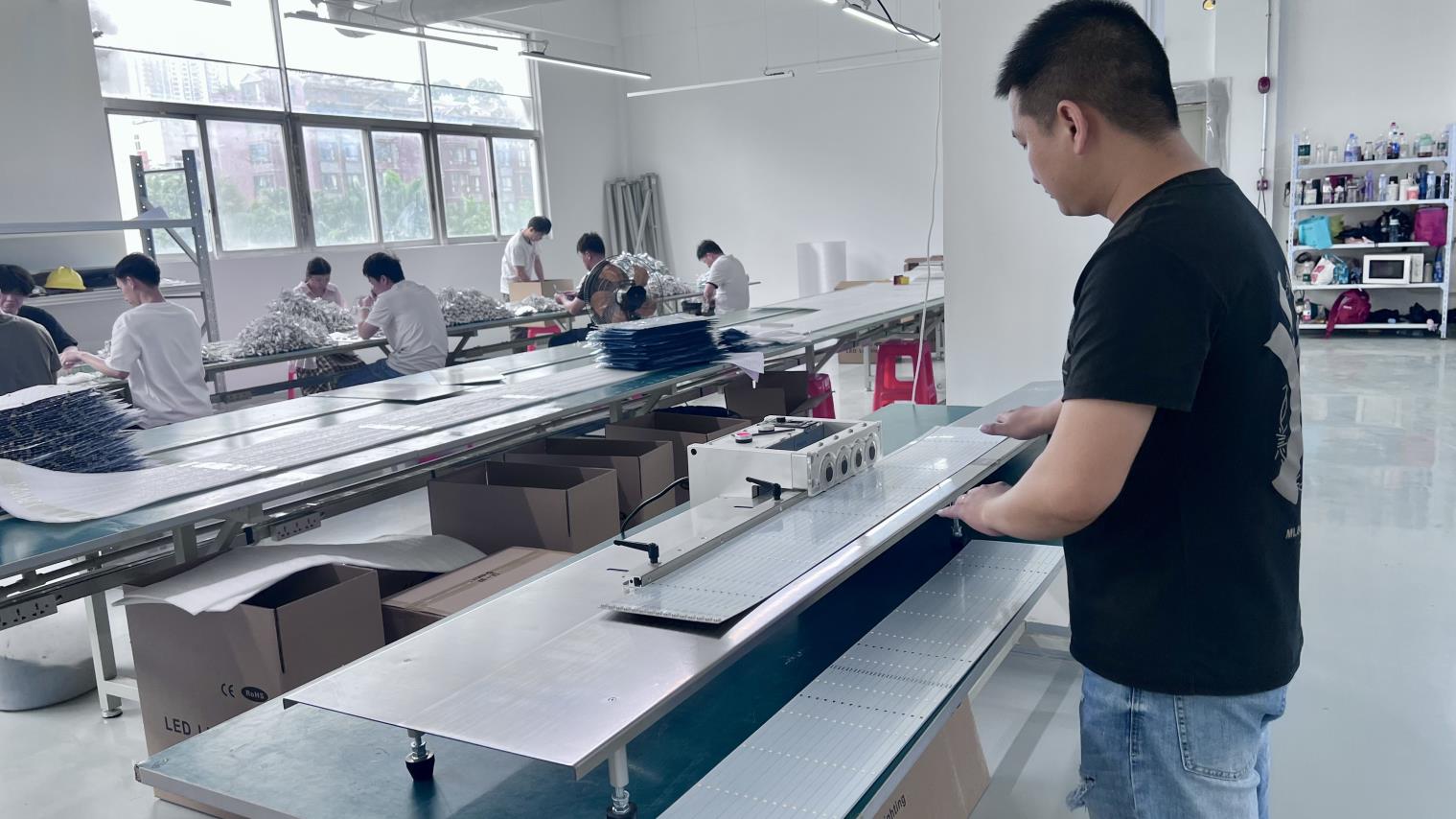
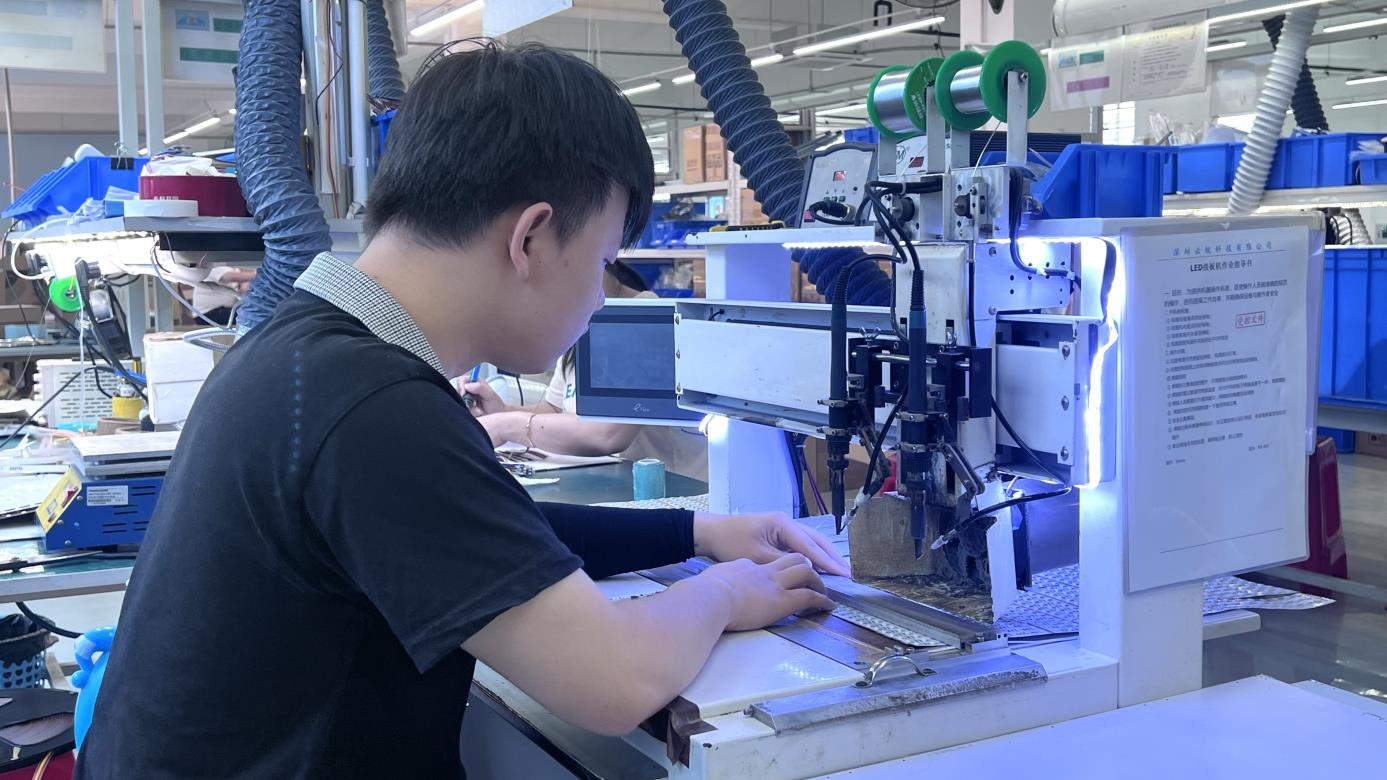
Our factory is equipped with 8 advanced production lines, including stamping, spinning, injection molding, powder coating, and general assembly, ensuring high efficiency and consistent product quality. With an annual turnover exceeding USD 30,000,000, our production capacity continues to grow by approximately 30% each year to meet the increasing demands of both domestic and international markets.
At Jable Light, we are committed to winning the market through exceptional service, superior product quality, and competitive pricing. We implement strict 7S management and maintain compliance with the TÜV ISO9001 quality management system. Our products have obtained multiple certifications, including ETL & CETL, UL, CE, and IP44, ensuring safety, reliability, and environmental compliance.
We continuously innovate to develop energy-efficient, stylish, and durable lighting solutions that cater to residential, commercial, and industrial applications. With a strong emphasis on customer satisfaction, we aim to become the preferred lighting partner for clients worldwide. Choose Jable Light as your trusted lighting supplier, and experience professional service, high-quality products, and unmatched reliability.
High bay lighting requirements vary significantly across different industrial and environmental contexts.
Heavy production environments feature high ambient temperatures (often exceeding 60°C), particulate dust, and vibration. Fixtures must use heavy-duty copper heatpipes or advanced extruded aluminum fins to prevent thermal degradation of the drivers. IP66 ingress protection and IK10 impact ratings are critical to withstand structural vibration and airborne debris.
Cold storage facilities operate at sub-zero temperatures (ranging from -20°C to -40°C), which causes air humidity to condense rapidly upon entry. Lighting fixtures must use specialized drivers designed for low-temperature operation, along with vacuum-sealed vapor barriers. Constant thermal cycling requires high-tensile silicone gaskets to maintain IP rating integrity.
Commercial shopping floors prioritize visual comfort and color rendering over raw output. High-bay lights for these applications require a Color Rendering Index (CRI) exceeding 90 to accurately display product colors, combined with diffusion lenses to limit glare indices to UGR < 19, reducing visual fatigue for customers and employees.
Key criteria for procurement managers when selecting suppliers and comparing total cost of ownership.
Industrial procurement managers evaluate lighting suppliers based on more than just the initial purchase price. The Total Cost of Ownership (TCO) over a 50,000-hour system lifespan includes installation labor, maintenance, and power consumption.
A reliable procurement strategy relies on verifying several key areas:
The key technologies and design methodologies that will define the next generation of high bay systems.
Next-generation fixtures leverage high-thermal-conductivity polymers and compact structural designs. Reducing fixture weight lowers shipping costs, speeds up installation, and reduces structural load on high-ceiling configurations.
High bays are increasingly fitted with integrated PIR motion sensors, ambient daylight sensors, and wireless communication chips. Modern controls allow for automated daylight harvesting, keeping energy output matched to actual workspace activity.
International environmental regulations require modular designs where LED boards and drivers can be replaced independently. This modularity reduces maintenance waste and supports circular economy standards across industrial facilities.
Technical insights for engineering professionals and procurement managers.
At 10 meters, average industrial layouts require 150W to 200W fixtures generating between 24,000 and 30,000 lumens. Spacing-to-mounting-height ratios should remain around 1.2 to maintain uniform illumination across work floors without dark areas.
UFO high bays use a circular design, providing concentrated light that is ideal for open-plan warehouses, manufacturing plants, and arenas. Linear high bays feature a rectangular profile, making them better suited for narrow warehouse aisles and rack systems to direct light directly onto vertical storage faces.
Industrial settings are prone to voltage spikes and electromagnetic surges caused by heavy machinery starting up. Sourcing high bays with 10kV surge protection shields driver electronics, protecting your installation from premature component failure.
LED lifespan drops significantly if the junction temperature rises too high. High-quality fixtures use cast aluminum housings and thermal interface pads to pull heat away from the LEDs, keeping them cool enough to achieve their rated L70 lifespan of over 50,000 hours.
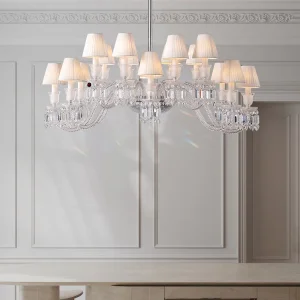
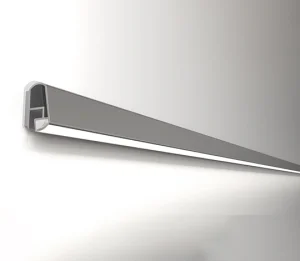
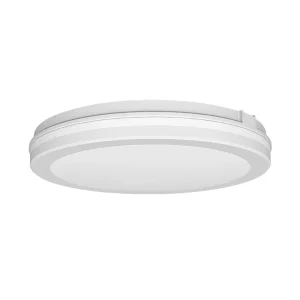
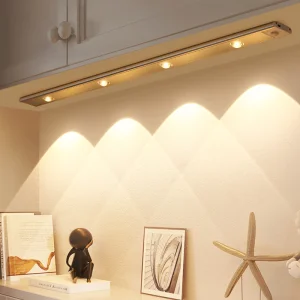
Browse our full range of lighting solutions, including outdoor wall washers and decorative commercial fixtures.
 Jable Light