Explore our top-performing CE-compliant lighting systems engineered for global smart projects.
Analyzing technology trends, efficiency dynamics, and global regulatory standards.
The global commercial lighting sector is undergoing a profound structural transition. Traditional wired controls, such as DALI lines and 1-10V analog setups, are rapidly giving way to intelligent wireless lighting architectures. As commercial properties strive to meet stringent ESG (Environmental, Social, and Governance) parameters, the requirement for absolute control flexibilities, real-time energy monitoring, and granular control strategies has intensified.
Wireless control architectures eliminate miles of control cabling, thereby reducing initial material and installation labor costs by up to 50% in retrofitting projects. More importantly, they provide the spatial data and flexibility needed to implement advanced control algorithms, such as localized daylight harvesting and occupant-centric lighting. By integrating wireless transceivers into LED drivers at the factory level, manufacturers are now empowering building operators to turn lights from simple utilities into complex, data-gathering networks capable of optimizing space usage, tracking inventory, and coordinating maintenance diagnostics.
Specifiers and engineering procurement agents face a variety of competing technologies in the wireless domain. The selection of the underlying wireless mesh or point-to-point protocol affects range, self-healing capabilities, scalability, and integration with Building Management Systems (BMS):
| Protocol / Standard | Network Topology | Frequency Band | Primary Industrial Use Case | Commissioning Complexity |
|---|---|---|---|---|
| Bluetooth Mesh (SIG) | Many-to-Many Mesh | 2.4 GHz | High-density office space & localized sensor integration | Low (via smartphone/tablet application) |
| Zigbee 3.0 (IEEE 802.15.4) | Structured Mesh | 2.4 GHz | BMS integrated systems & multi-tenant infrastructure | Moderate (requires specialized gateways) |
| Casambi (BLE Proprietary) | Self-Healing Mesh | 2.4 GHz | Architectural applications, retail displays, high-end offices | Very Low (highly intuitive designer UI) |
| DALI-2 Wireless (wBMS) | Hybrid Mesh / Star | 868/915 MHz or 2.4 GHz | Industrial retrofit without structural rewiring | High (requires detailed DALI mapping) |
Choosing the right protocol determines how well a system resists electromagnetic interference (EMI) in harsh industrial settings. For instance, in manufacturing facilities where heavy machinery generates substantial EMI, utilizing sub-GHz frequencies or robust, self-healing BLE networks ensures continuous command delivery and prevents signal dropouts.
Analyzing the technical importance of CE Certification and supply chain compliance in modern economies.
Compliance under CE RED 2014/53/EU is mandatory for wireless luminaires in the EU, ensuring radio spectrum efficiency, electromagnetic compatibility (EMC), and electrical safety.
Guarantees that low voltage drivers (under 2014/35/EU) and lighting components do not emit unacceptable electromagnetic interference (under 2014/30/EU) to neighboring systems.
Ensures that critical system elements maintain a service life of over 50,000 hours, keeping failure rates low in large-scale commercial deployments.
For any wireless luminaire entering the European Economic Area (EEA), obtaining a simple CE self-declaration is insufficient. Under the Radio Equipment Directive (RED), the luminaire must undergo strict laboratory testing. Testing protocols include assessing the transceiver under EN 300 328 to ensure that 2.4 GHz emissions do not bleed into adjacent channels, evaluating human exposure to electromagnetic fields under EN 62479, and checking electrical safety under the EN 60598 series (for luminaires).
When choosing an OEM/ODM manufacturing partner, global sourcing directors must verify that these test reports are issued by accredited third-party testing bodies, such as TÜV Rheinland, SGS, or Intertek. Jable Light maintains comprehensive test archives for its entire portfolio, providing customers with reliable documentation to facilitate customs clearance and verify compliance.
Integrating automated assembly, quality control processes, and responsive manufacturing.
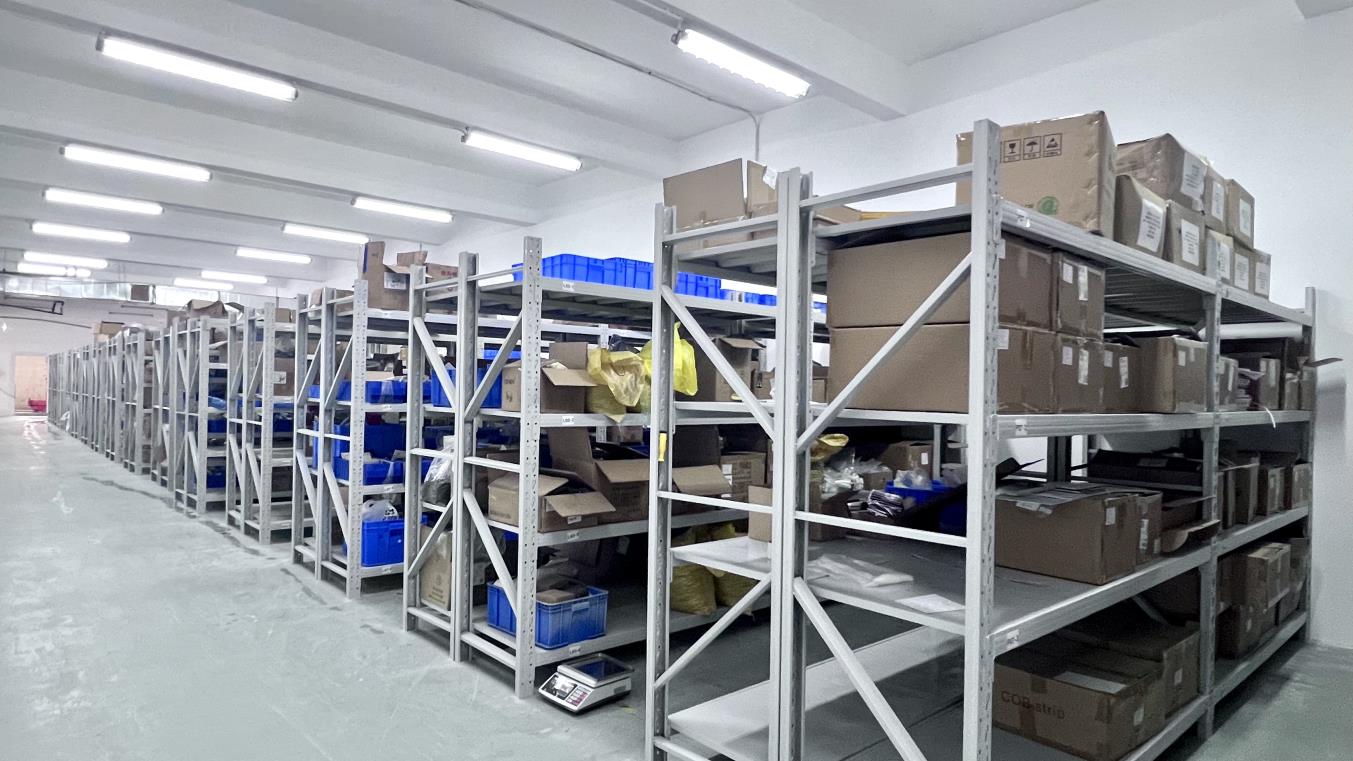
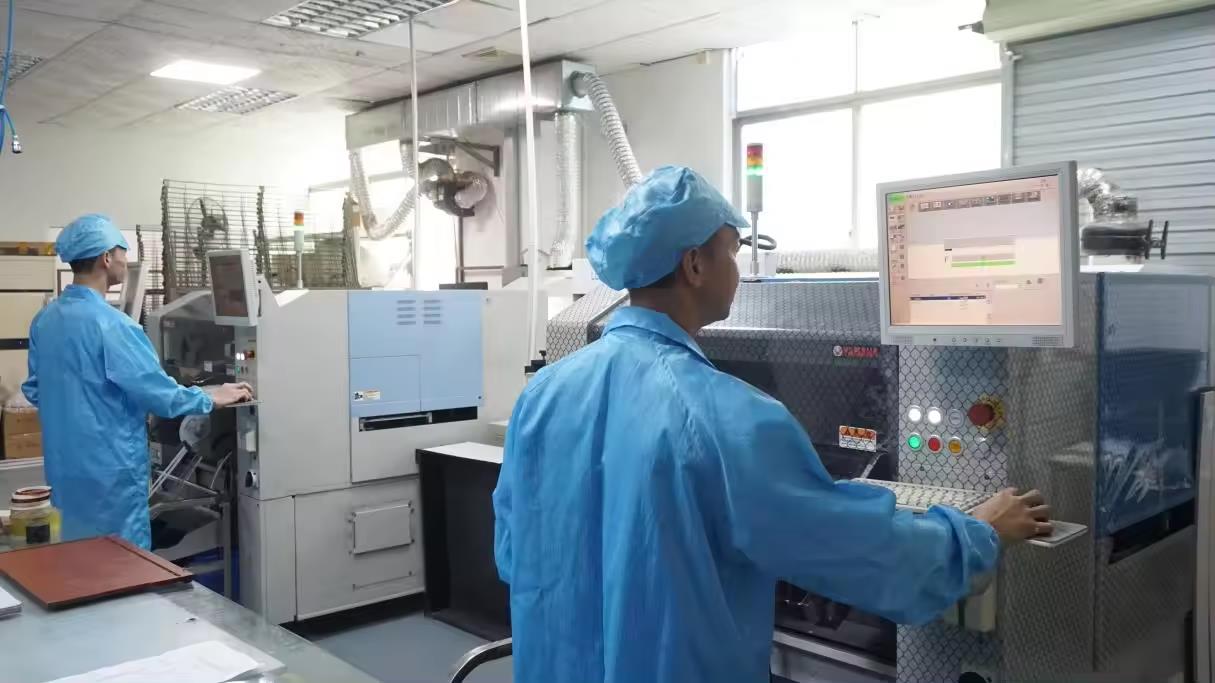
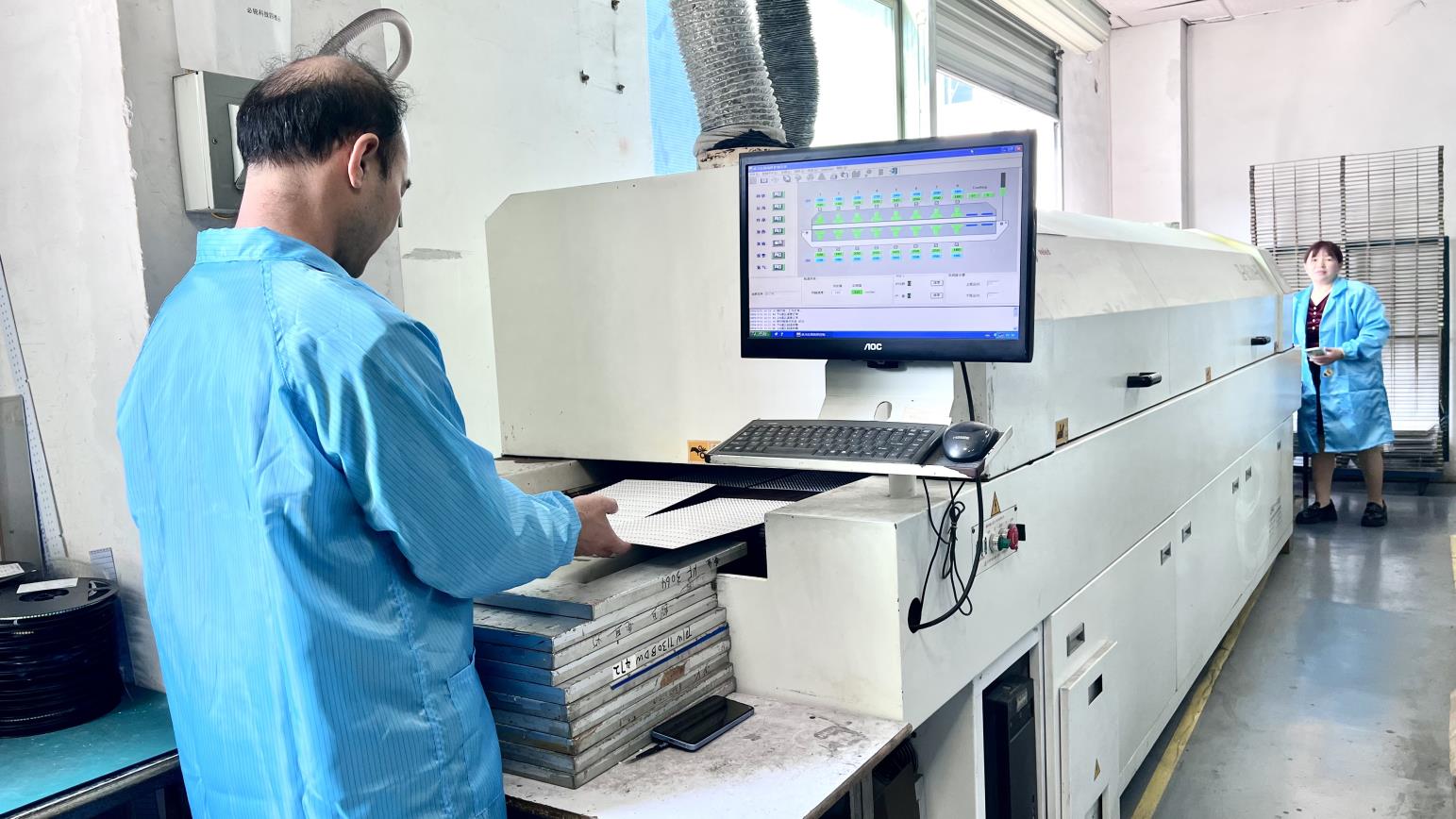
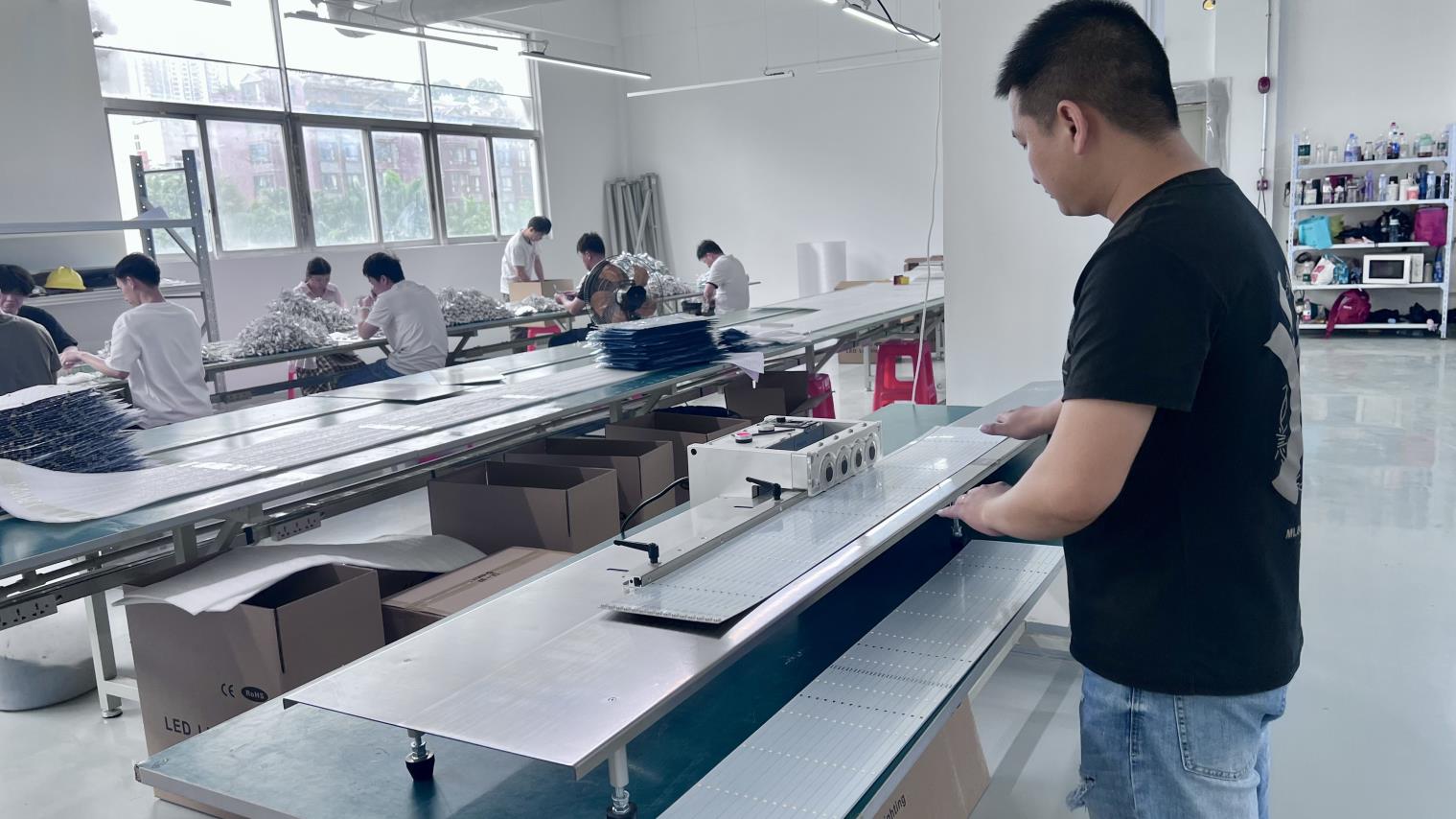
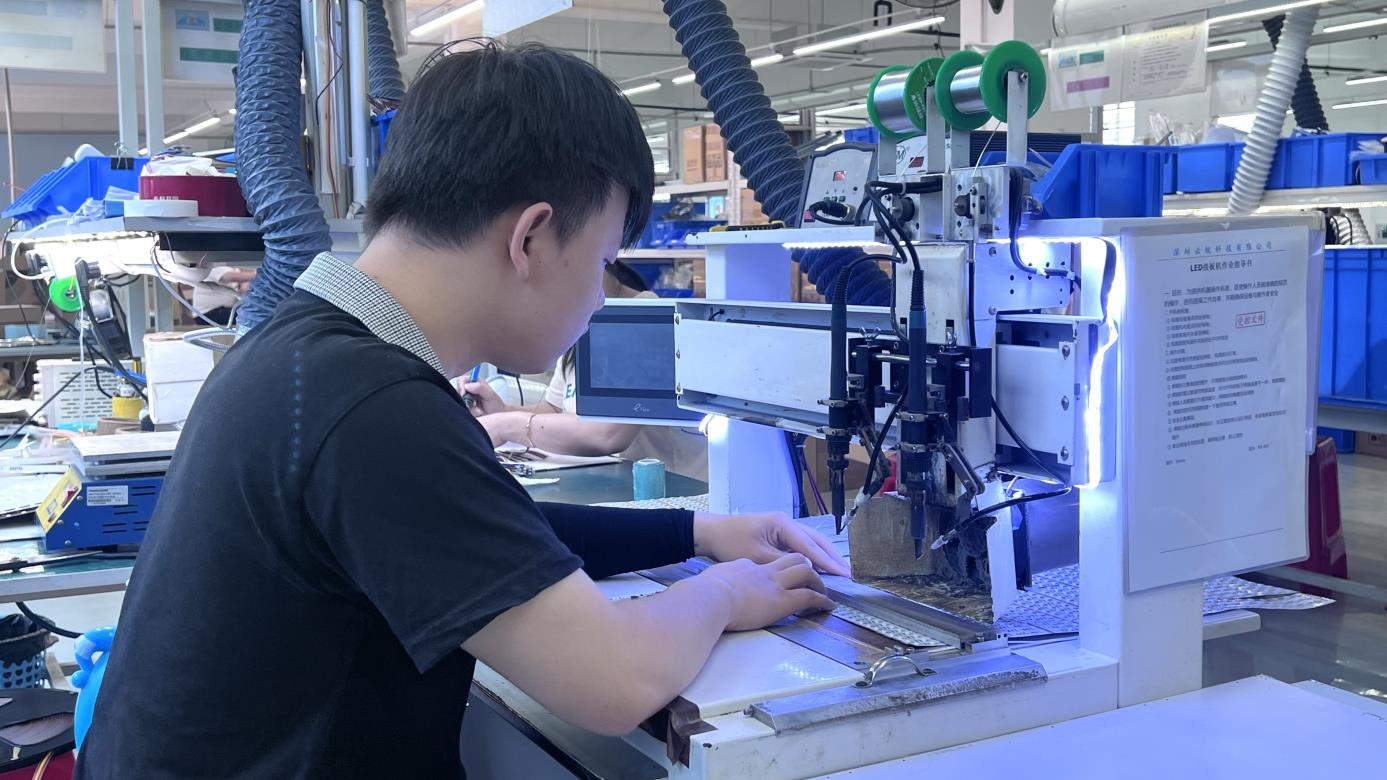
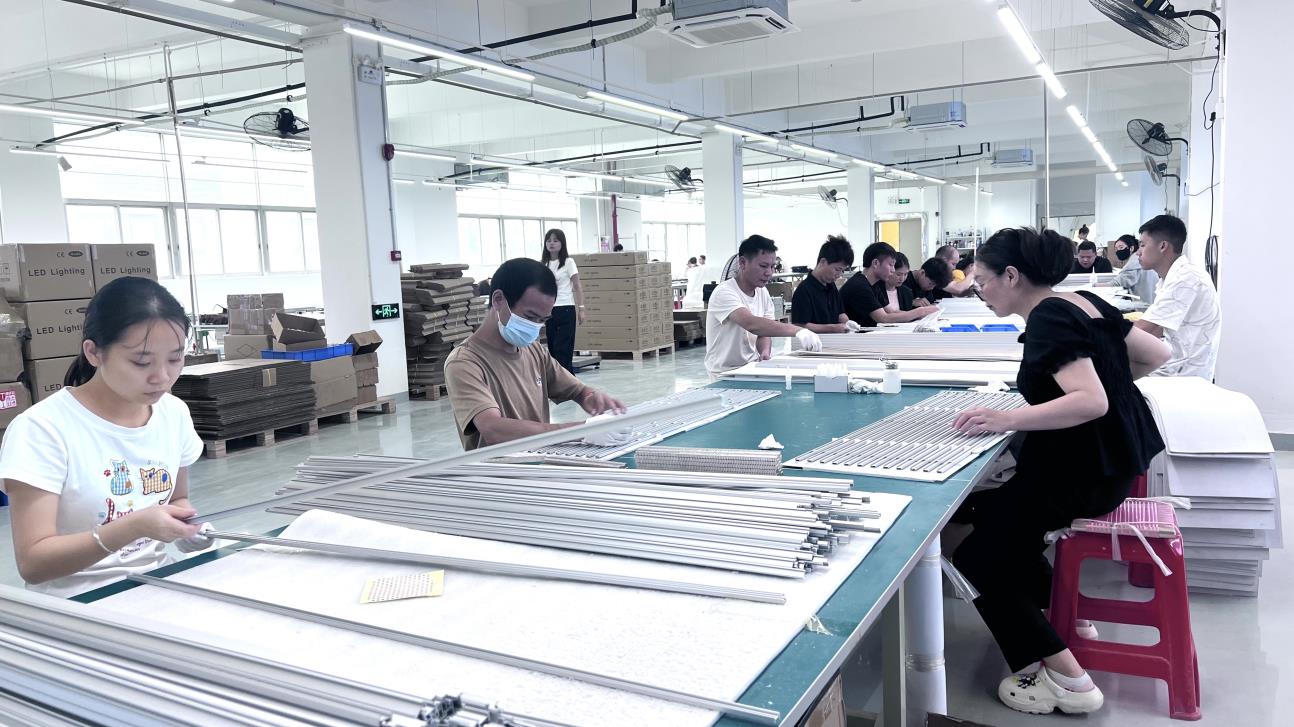
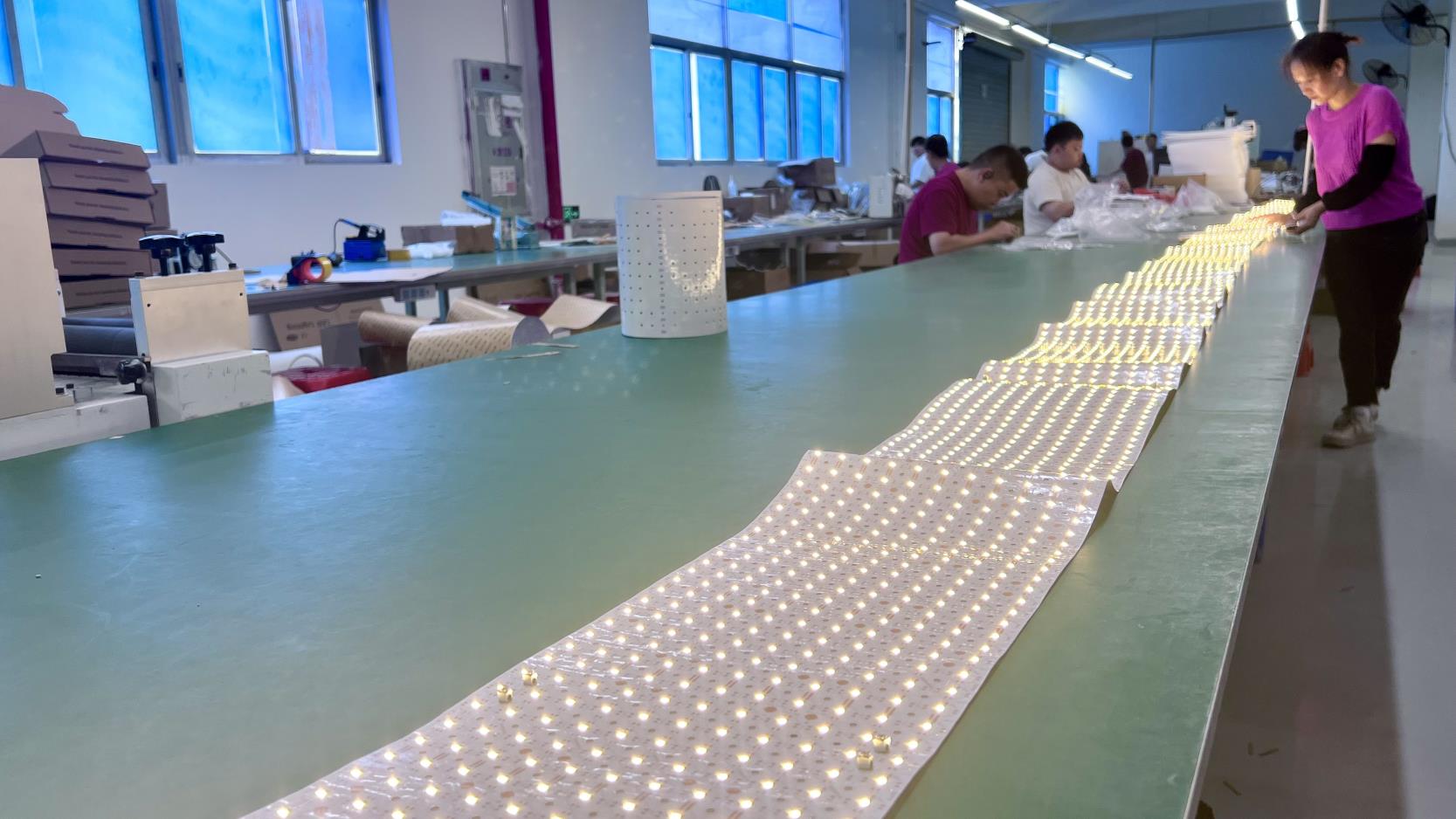
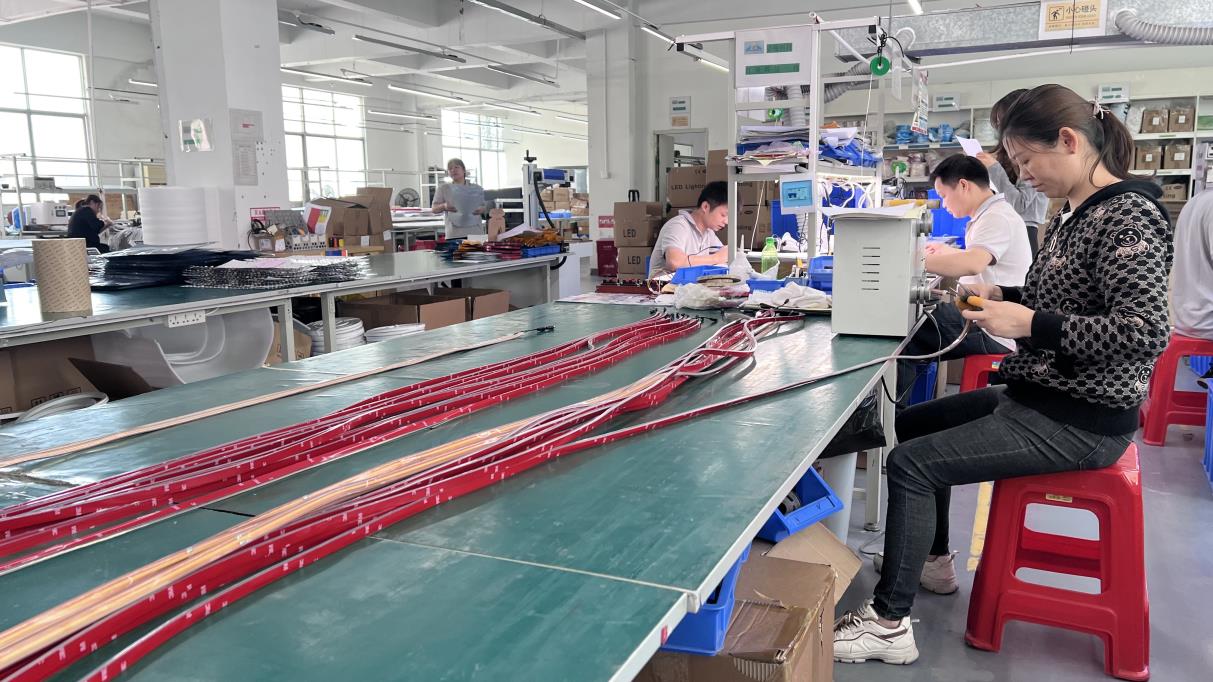
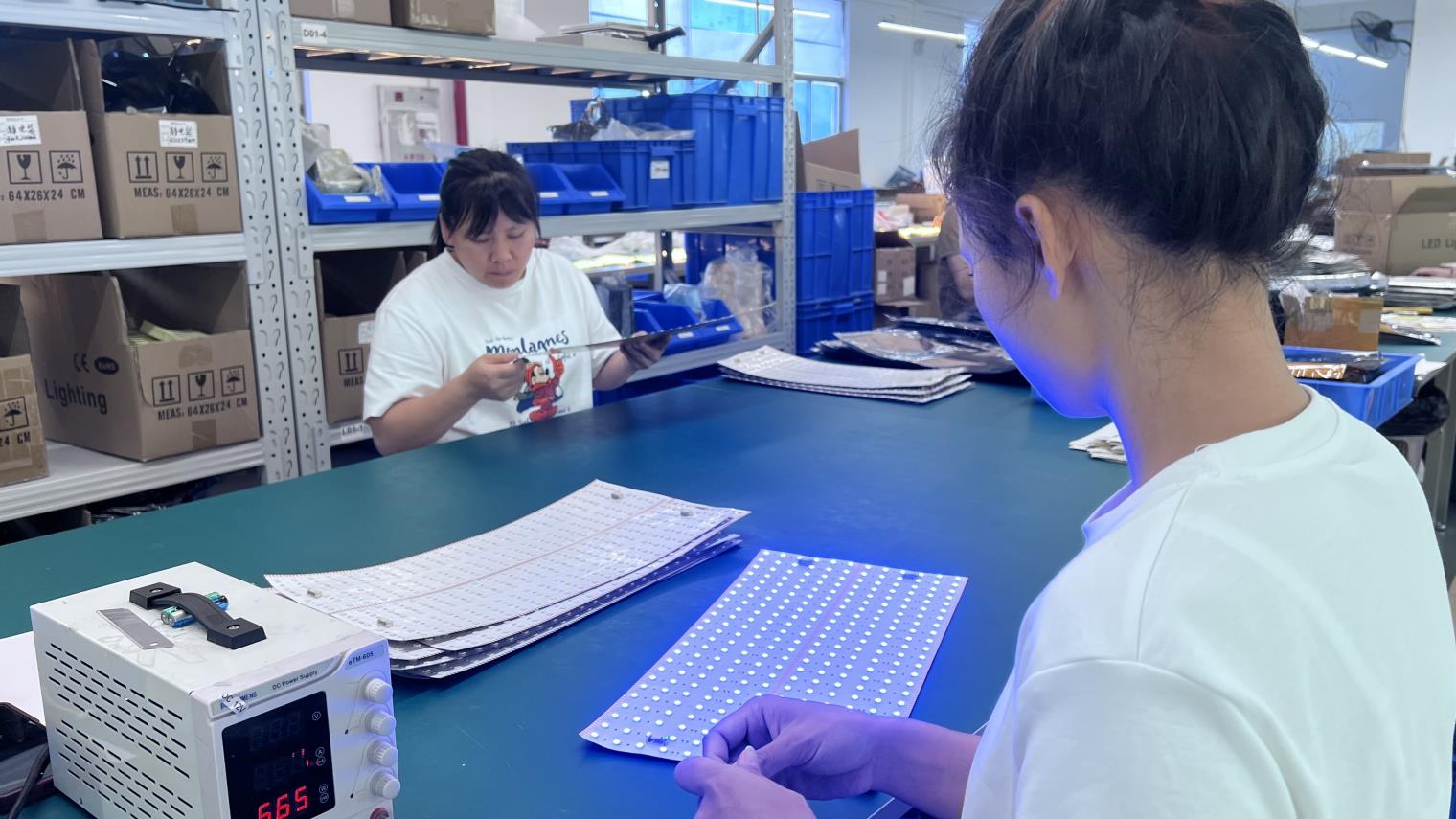
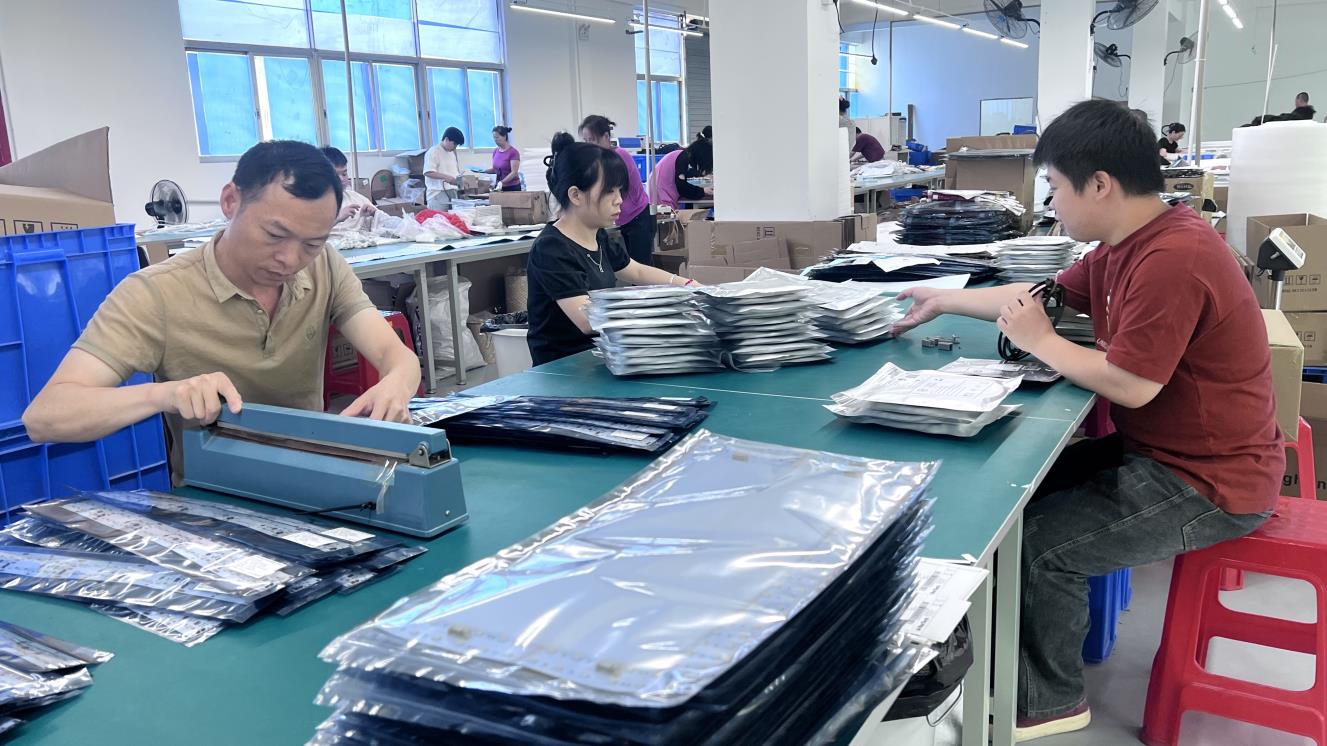
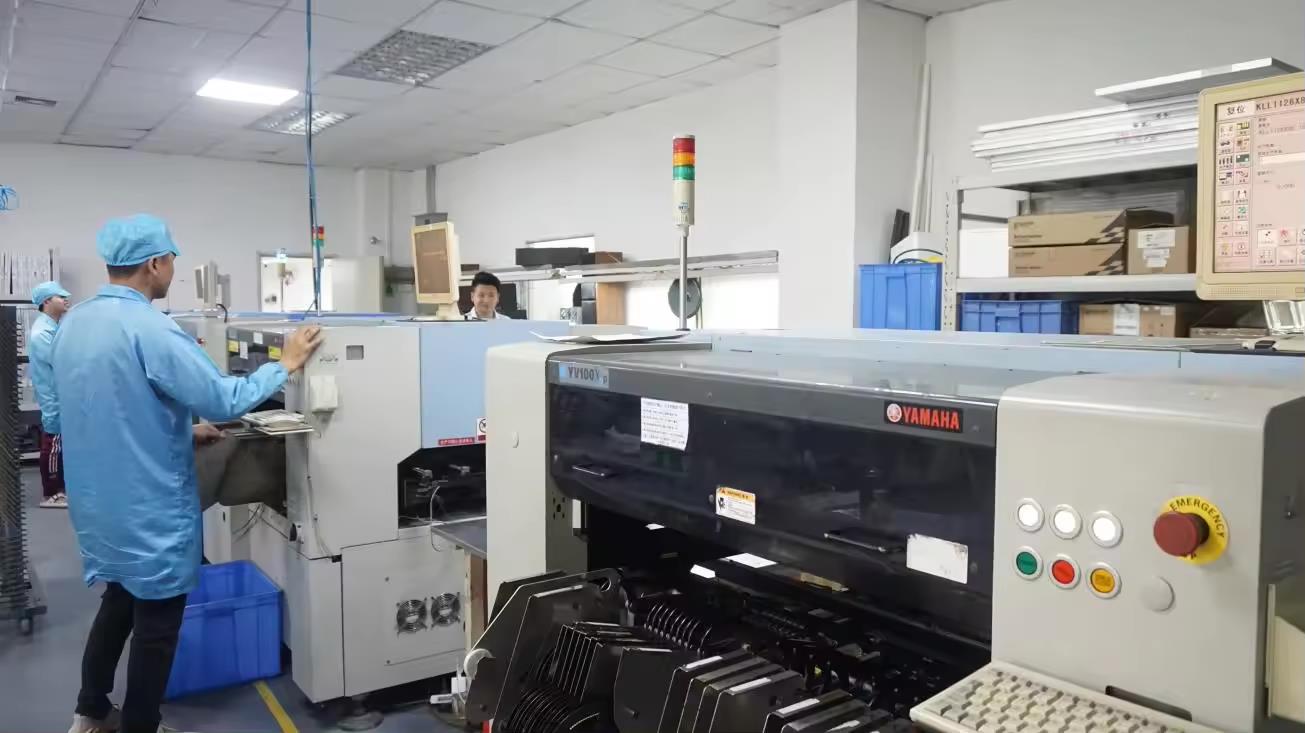
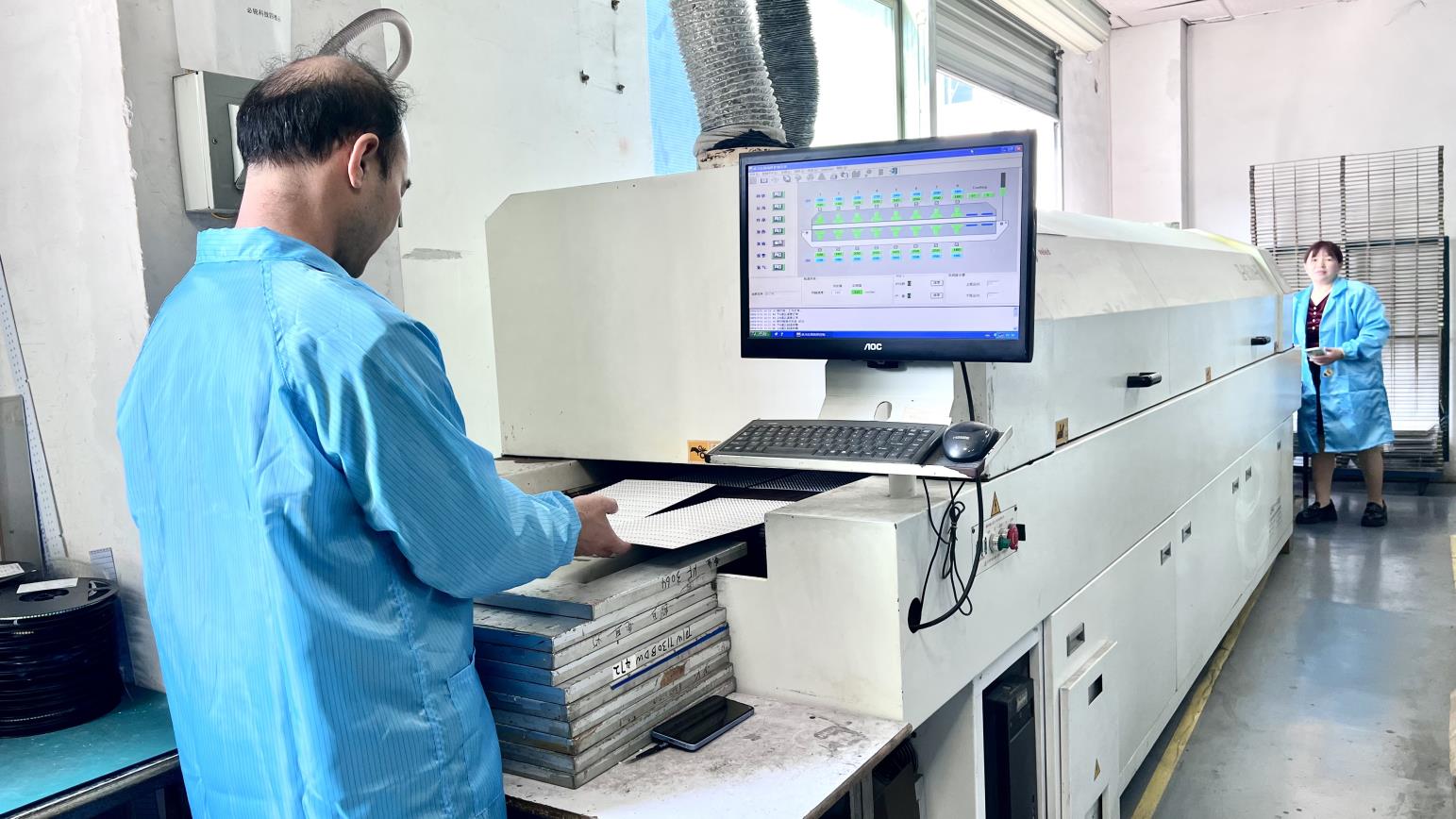
Foshan Jable Light Co., Ltd., established in 2006, is a prominent professional lighting manufacturer specializing in the research, development, production, and marketing of high-quality lighting fixtures. Headquartered in Foshan, Guangdong Province, our modern factory covers over 20,000 square meters and employs more than 300 skilled workers. Equipped with 8 advanced production lines including stamping, spinning, injection molding, powder coating, and general assembly, we achieve consistent product quality and high manufacturing efficiency.
With an annual turnover exceeding USD 30,000,000 and production capacity growing by approximately 30% annually, Jable Light meets the needs of both domestic and international markets. Our facility operates under strict 7S management and maintains compliance with the TÜV ISO9001 quality management system. Our products are certified by ETL, CETL, UL, CE, and IP44, ensuring compliance with global safety, reliability, and environmental regulations.
Deploying intelligent wireless lighting systems to optimize energy use and comfort across diverse layouts.
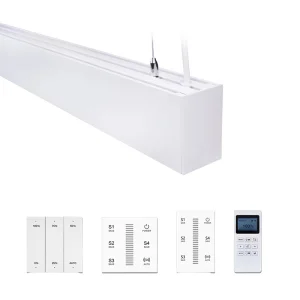
In corporate spaces, integrating wireless lighting with daylight sensors helps maintain constant, comfortable lux levels throughout the day. By harvesting natural light, our systems can reduce lighting energy consumption by up to 45% while supporting productivity through tunable white controls.
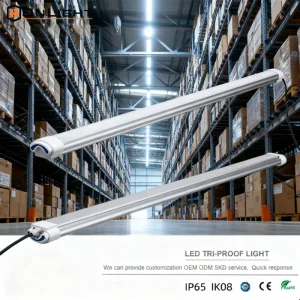
Using IP65-rated, high-efficiency Tri-proof lighting fixtures equipped with wireless motion sensors ensures that unoccupied warehouse aisles remain dimmed. When forklift operators approach, the network communicates via mesh signals to illuminate the path ahead, maximizing both safety and energy savings.
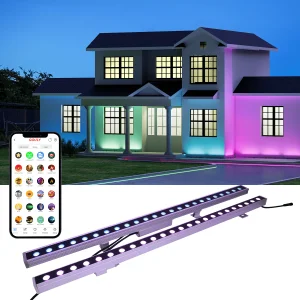
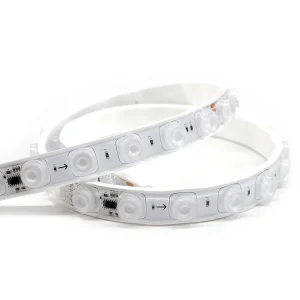
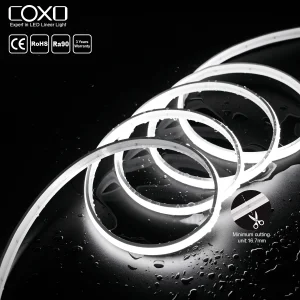
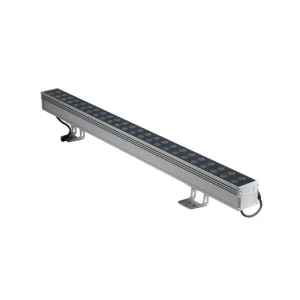
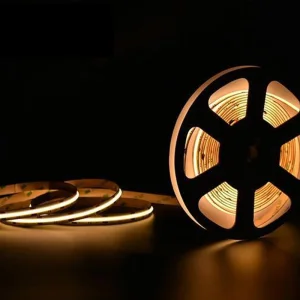
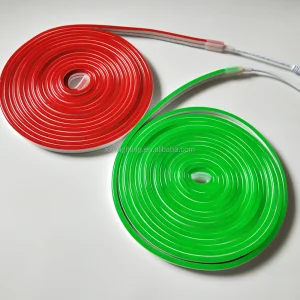
Hotel lobbies and architectural facades benefit from addressable DMX and flexible neon systems that transition smoothly between scenes. Staff can adjust settings or schedules through mobile interfaces, changing the visual environment to match events or seasons without rewriting the control configuration.
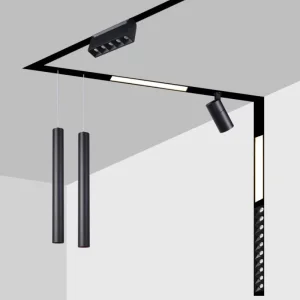
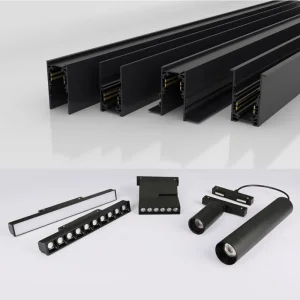
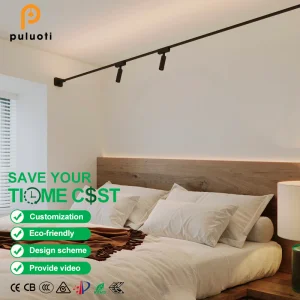
Using magnetic linear systems and spotlight tracks, retail operators can change lighting configurations to fit seasonal layouts without rewiring. Track fixtures connect directly to local Bluetooth Mesh controllers, allowing store managers to quickly adjust dimming profiles and highlight new product displays.
Answers to common engineering and procurement questions regarding wireless lighting technology.
High-reliability lighting solutions designed for demanding industrial, commercial, and outdoor settings.
 Jable Light