Explore high-performance solutions optimized for architectural specifications, featuring advanced dimming compatibility, color tuning, and structural integrity.
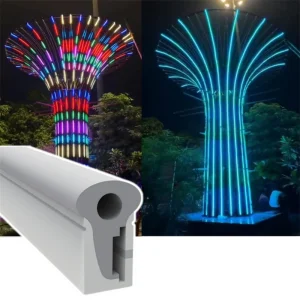
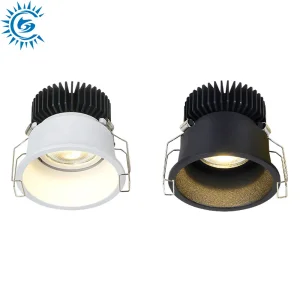
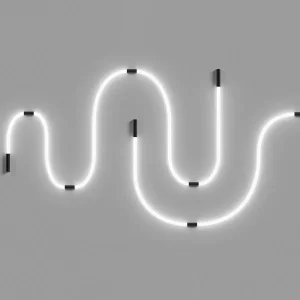
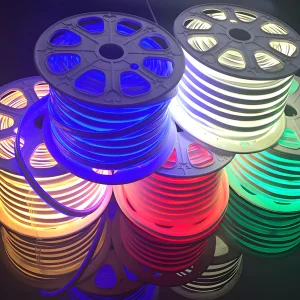
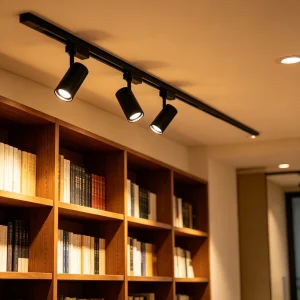
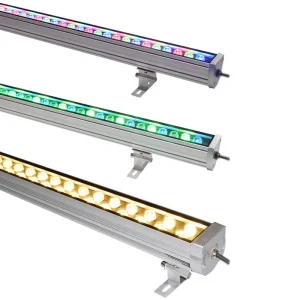
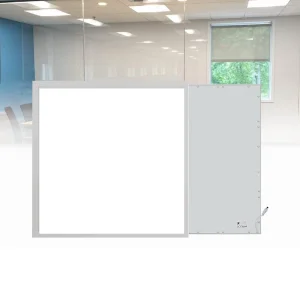
The dimmable lighting landscape is pivoting toward digital integration, human-centric spectrum optimization, and high-frequency, flicker-free driver topologies.
Modern commercial spaces are migrating from analog 0-10V interfaces to digital protocols. The emergence of DALI-2, Matter, and Thread standards allows dynamic bi-directional telemetry, offering real-time driver diagnostics and granular zone grouping.
By coordinating correlated color temperature (CCT) tuning with circadian rhythms, high-end dimming components now adjust spectral output profiles automatically. This boosts workplace productivity, enhances mood, and accelerates healing in clinical settings.
Low-end dimming introduces high-frequency ripple and pulse-width modulation (PWM) artifacts, which can cause headaches and fatigue. Leading manufacturers are shifting to hybrid dimming designs that yield 0.1% minimum light levels without visual flicker.
In the high-stakes world of commercial architecture, hospitality, and public infrastructure, selecting a reliable dimmable lighting factory is not merely a transaction; it is a critical engineering decision. Lighting system failures account for a significant portion of post-commissioning callbacks, often traced back to driver incompatibility, thermal overload, or electrical instability. Understanding how a manufacturer manages component sourcing, tests driver lifetime, and ensures protocol compliance is central to mitigating risks.
SEO Insight: Modern search engines prioritize content that offers "Information Gain"—original data, real factory conditions, and detailed technical insights rather than generic advice. When selecting a dimming partner, verifying compliance with IEEE 1789-2015 flicker standards and driver MTBF values remains paramount.
Dimming technologies have transitioned from basic phase-cut dimmers to highly complex, microprocessor-driven digital interfaces. Standard residential systems still rely heavily on Triac (Leading Edge) and ELV (Trailing Edge) dimmers due to simplicity and legacy integration. However, these systems are inherently prone to harmonic distortion, audible driver buzzing, and limited dimming ranges (typically down to 10%).
For high-performance installations, professional planners demand 0-10V analog or DALI (Digital Addressable Lighting Interface) systems. A 0-10V system uses a dedicated low-voltage circuit to control brightness, while DALI provides digital, bi-directional control over individual addressable ballasts, allowing complex scenes, energy monitoring, and predictive maintenance protocols. More recently, wireless dimming nodes using Zigbee 3.0 or BLE Mesh have gained substantial market share in retrofit commercial applications, minimizing wiring costs while maintaining rich feature sets.
The LED driver is the heart of any dimmable lighting fixture. B2B procurement teams must look past superficial housing designs and inspect the interior components of the driver. Key parameters to examine include:
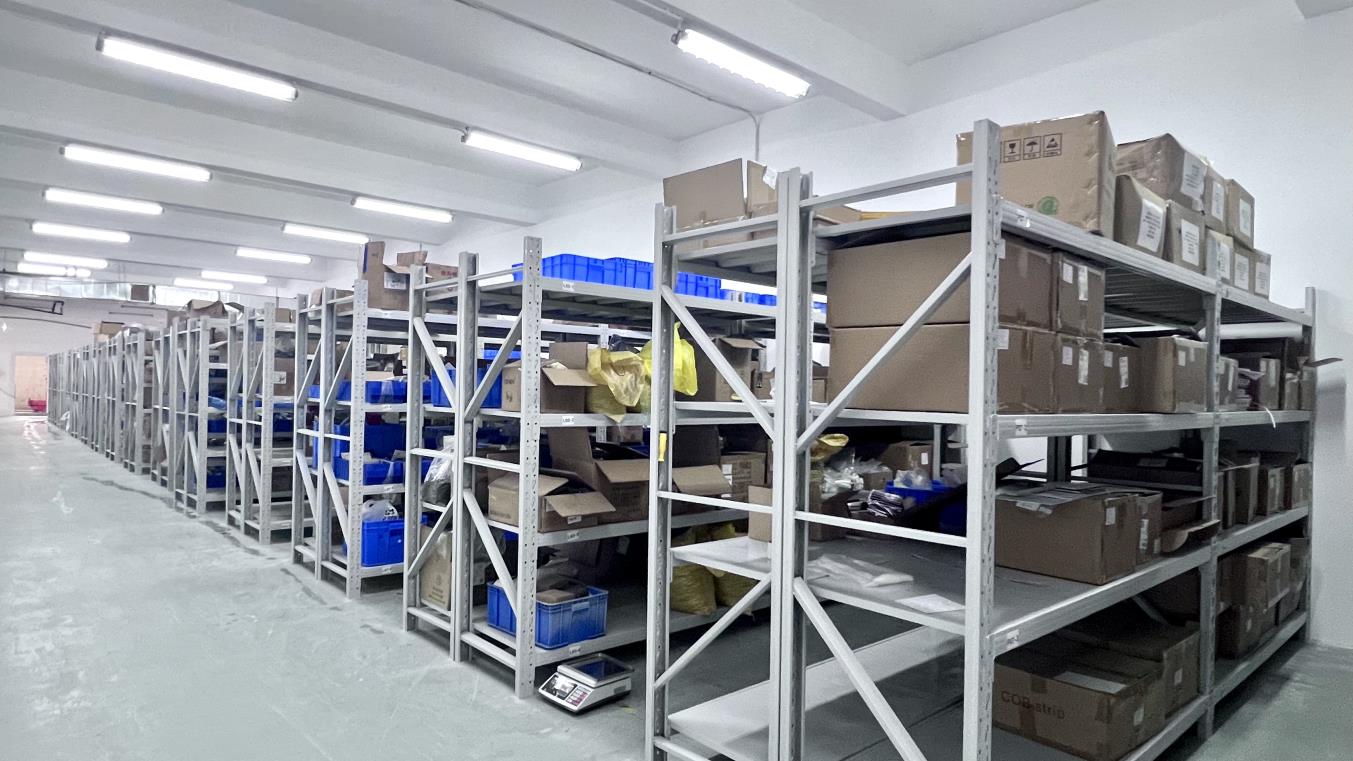
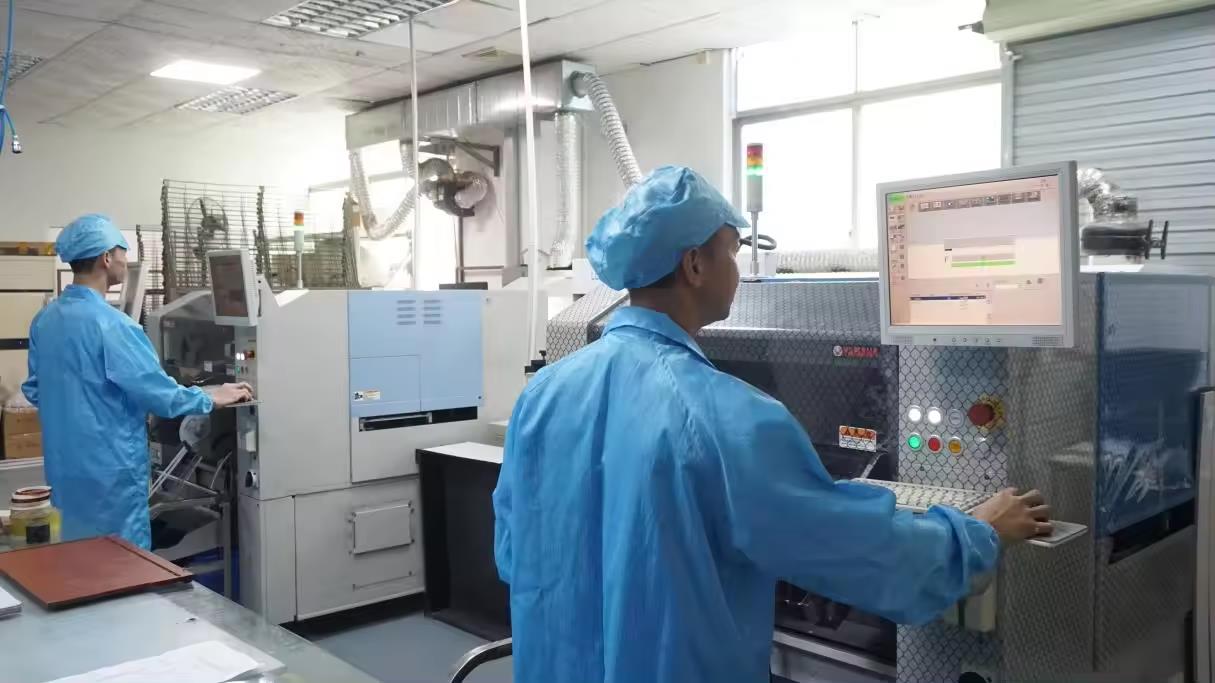
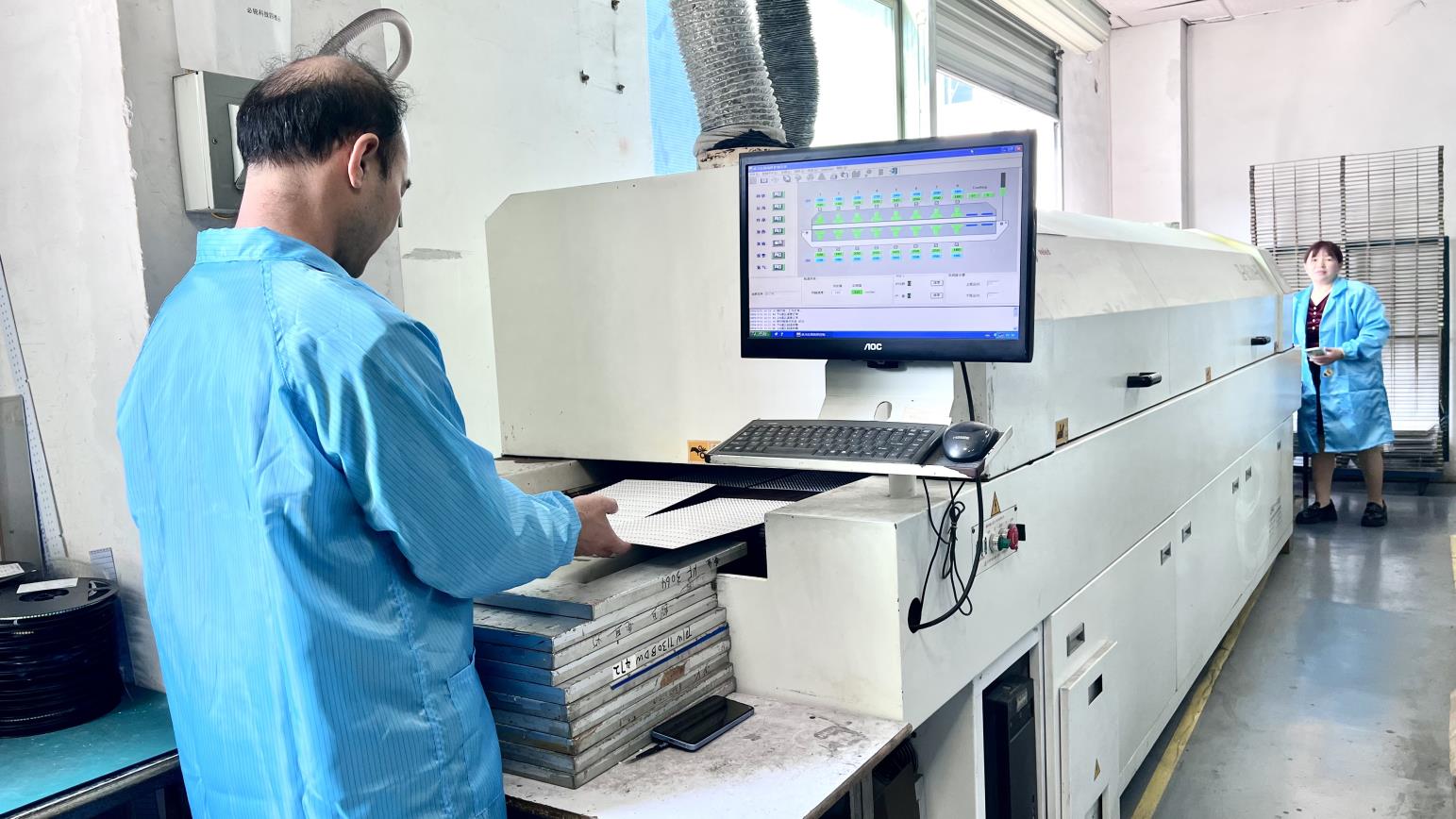
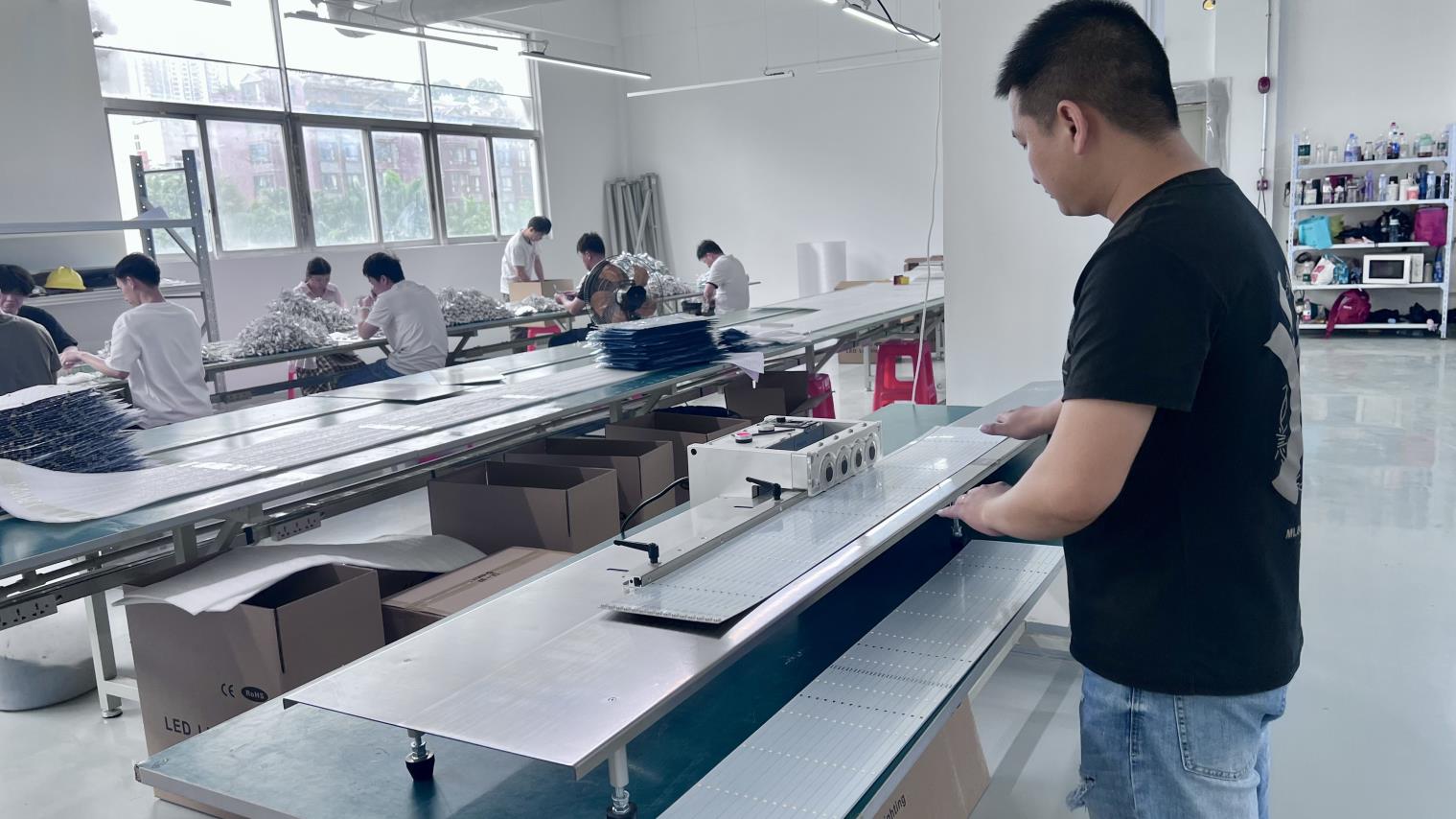
Established in 2006, Foshan Jable Light Co., Ltd. stands as a premier manufacturer specializing in the research, development, and high-volume fabrication of professional lighting systems. Operating from a modern 20,000+ square meter production hub in Foshan, China, the company maintains robust manufacturing infrastructure to support global supply chains.
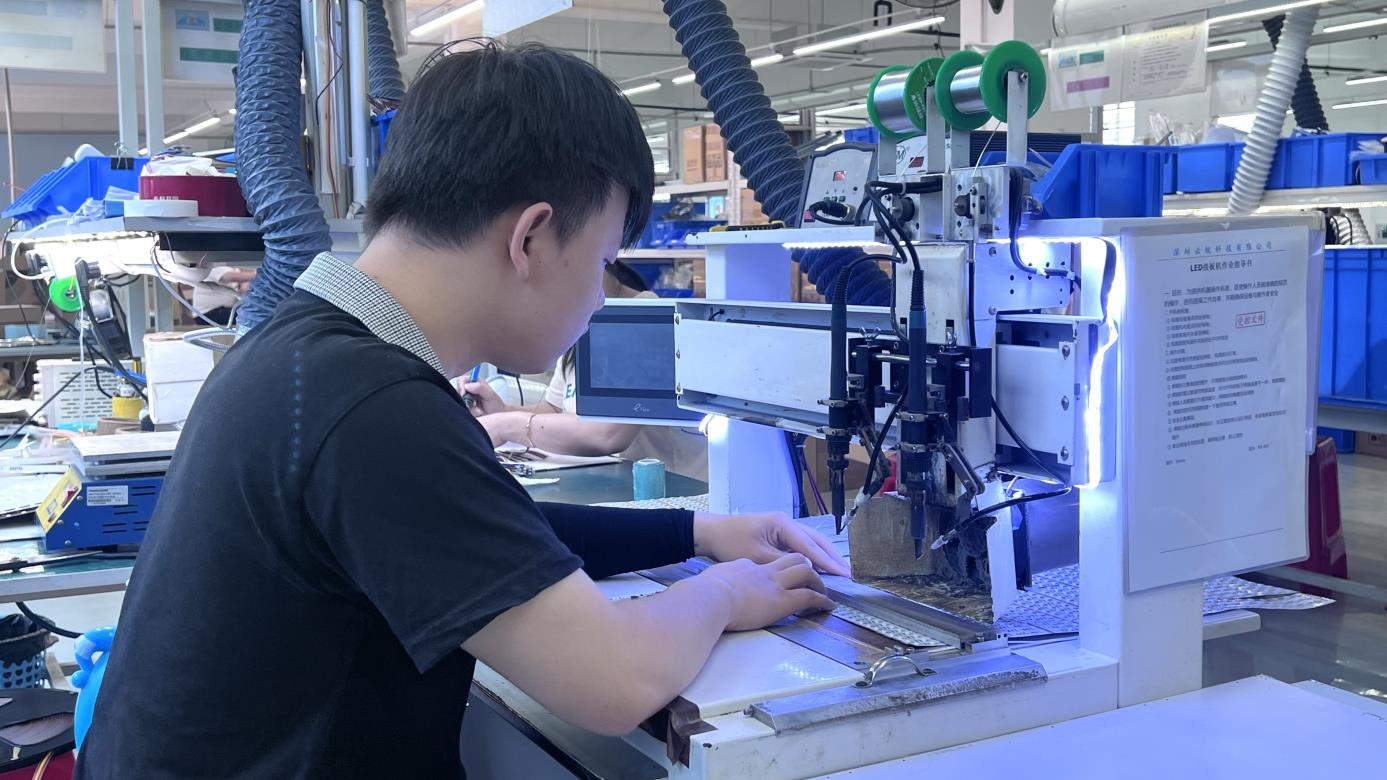
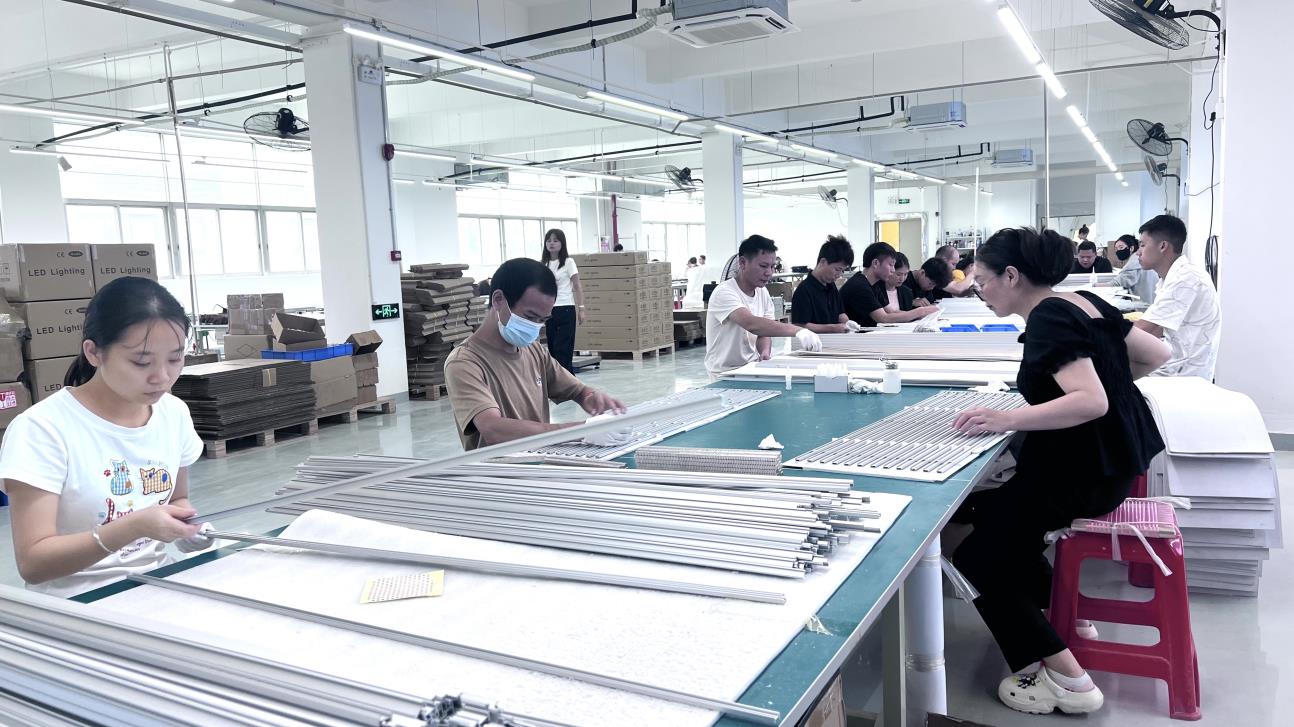
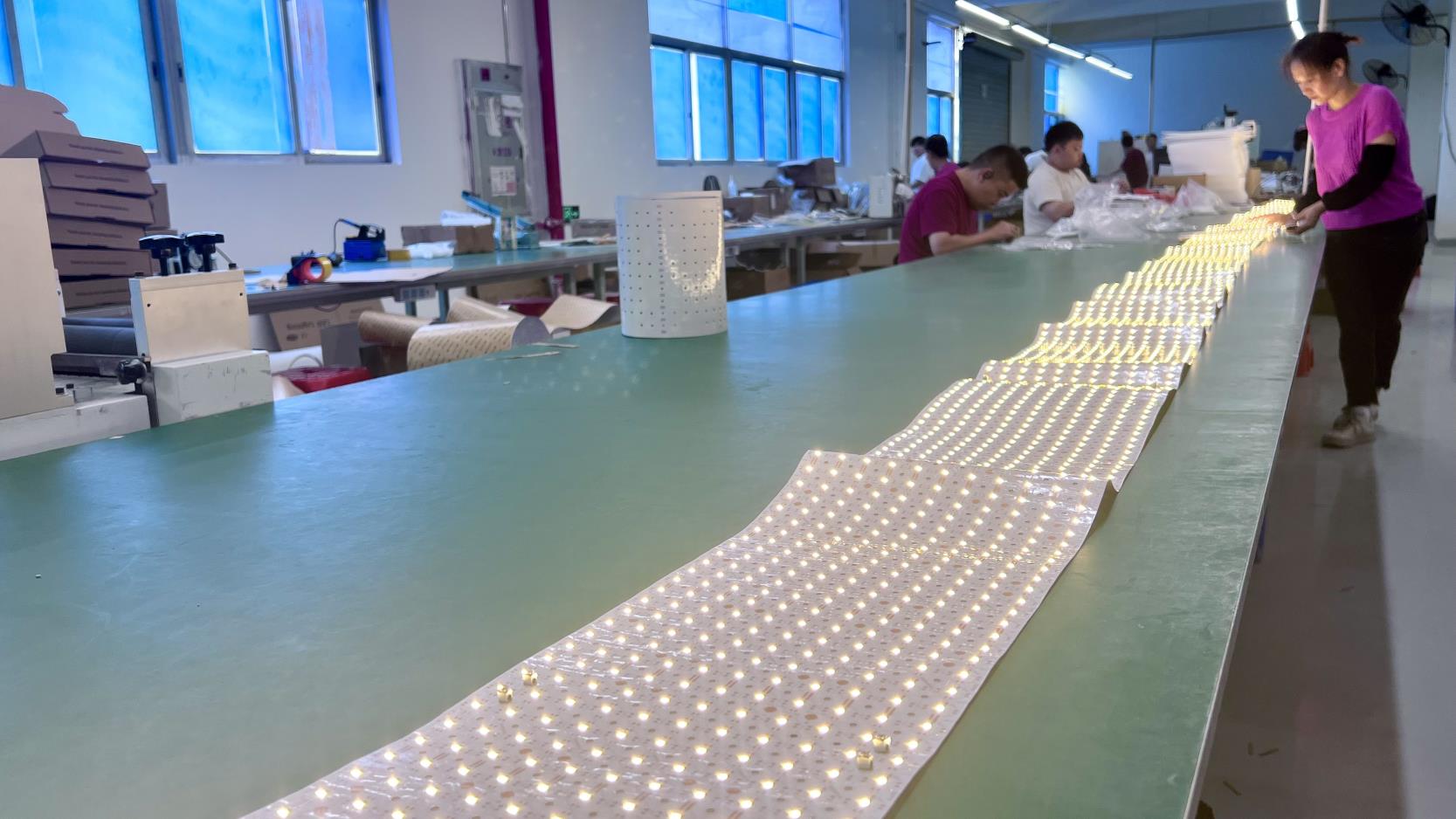
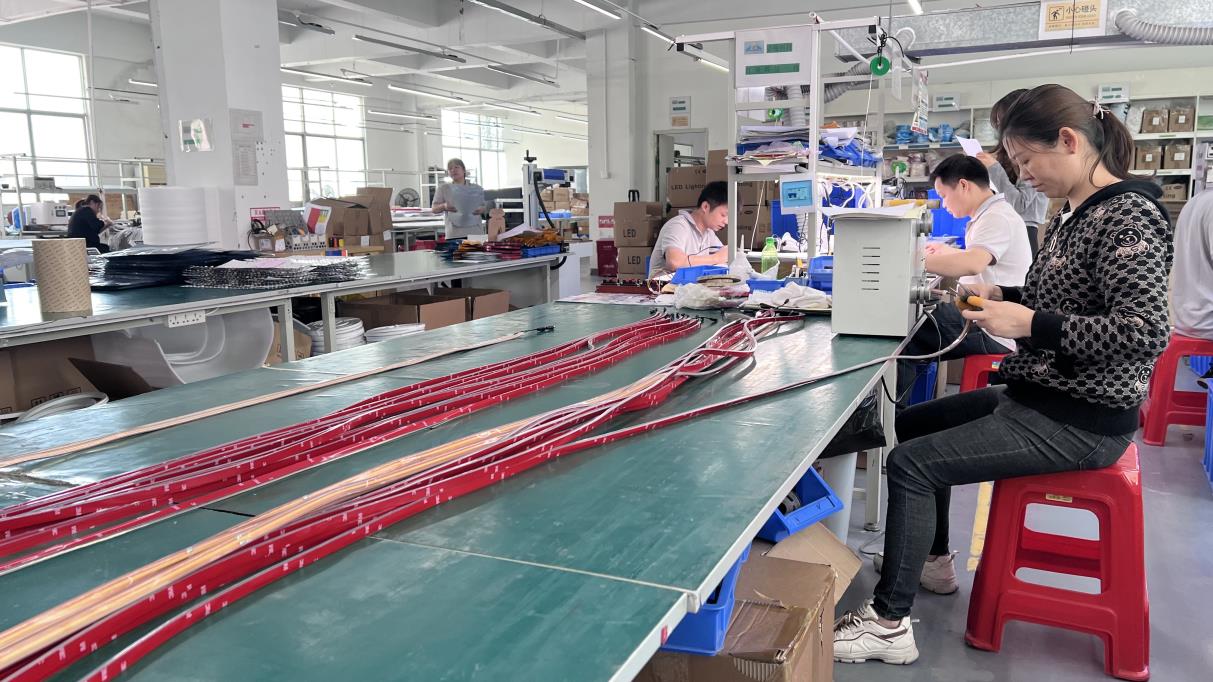
Jable Light runs 8 advanced production lines comprising automated stamping, precision spinning, high-tolerance injection molding, powder coating, and general assembly. By maintaining a strict 7S quality management philosophy and a TÜV ISO9001 certified framework, Jable Light ensures consistent build quality and long-term reliability for international buyers.
Their products have obtained multiple rigorous certifications, including ETL & cETL, UL, CE, and IP44, proving their safety, reliability, and environmental compliance in diverse markets.
A closer look inside the manufacturing facility of Foshan Jable Light Co., Ltd., displaying the systematic process flow from raw materials to final packaging.
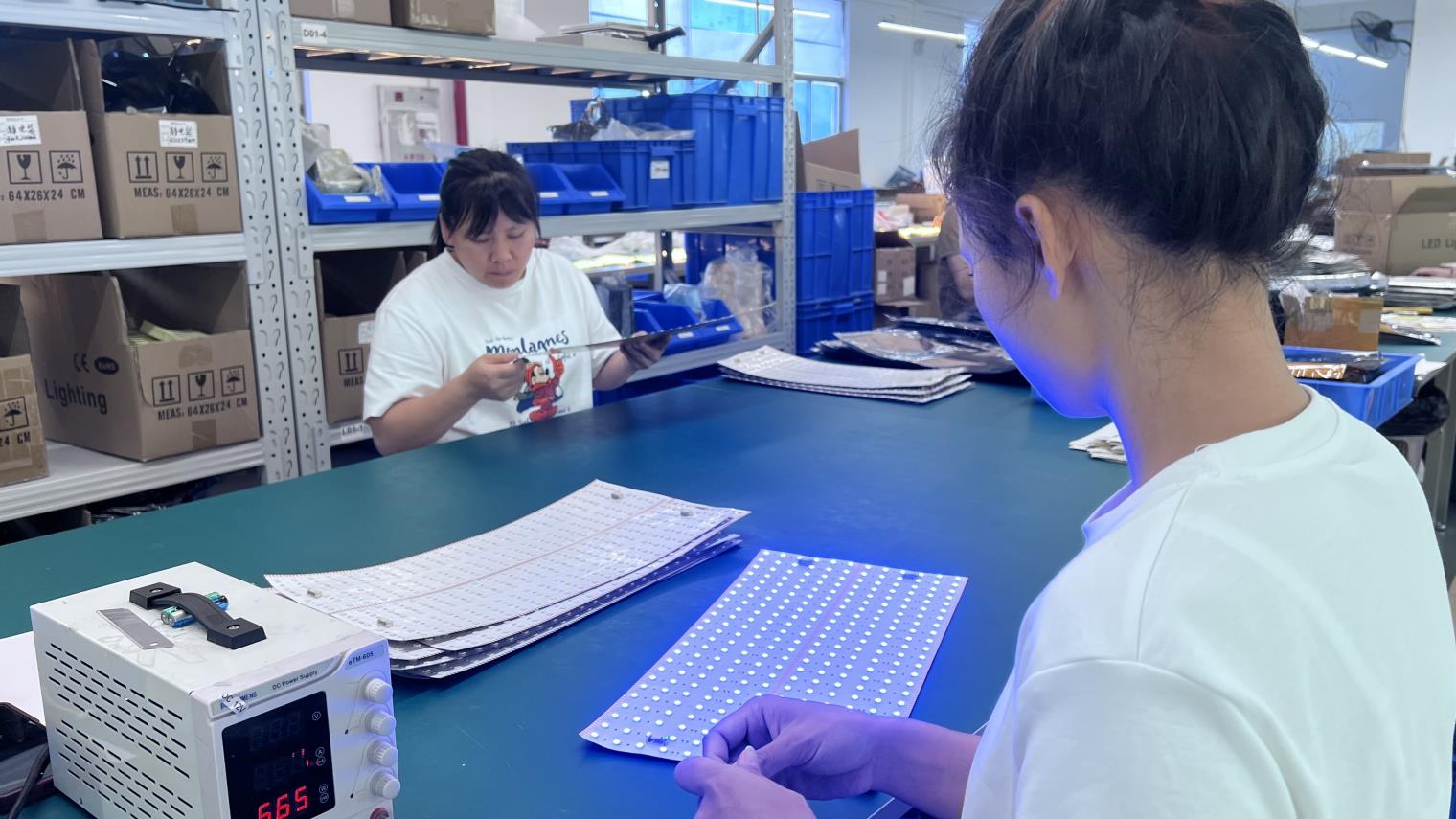
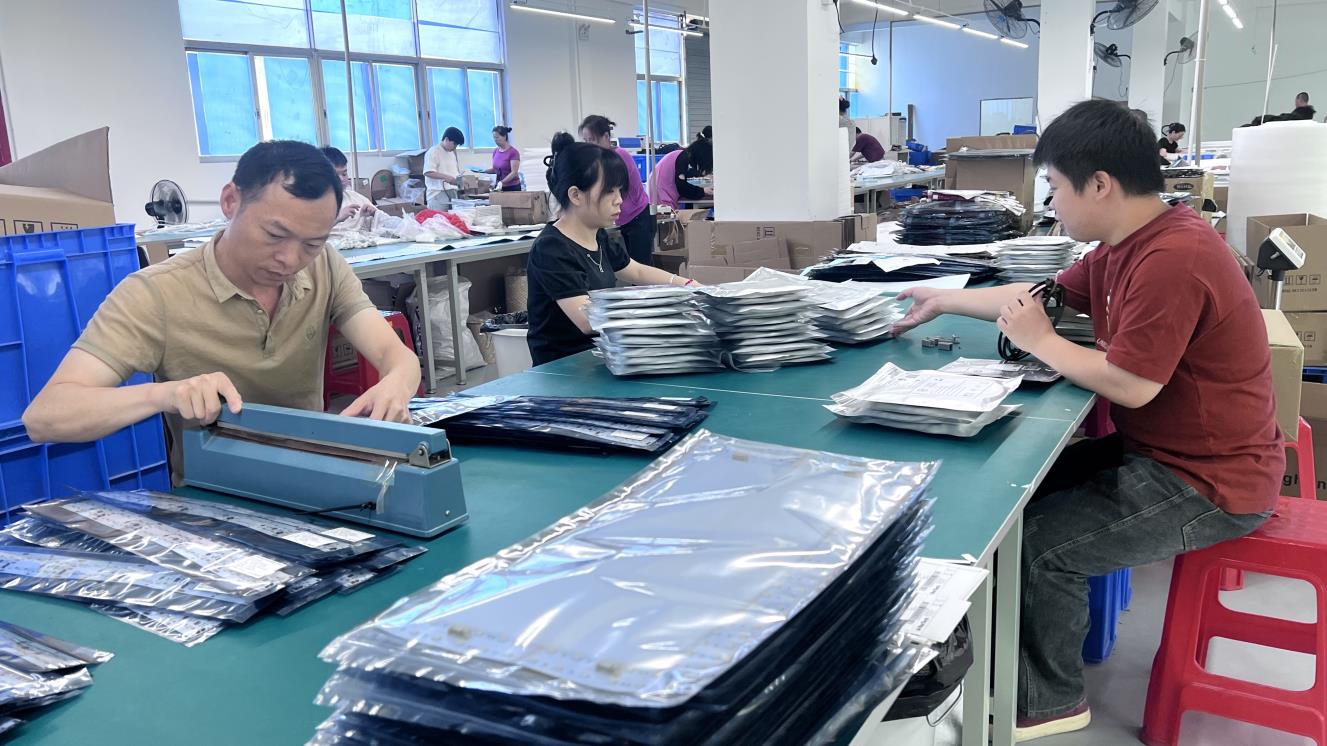
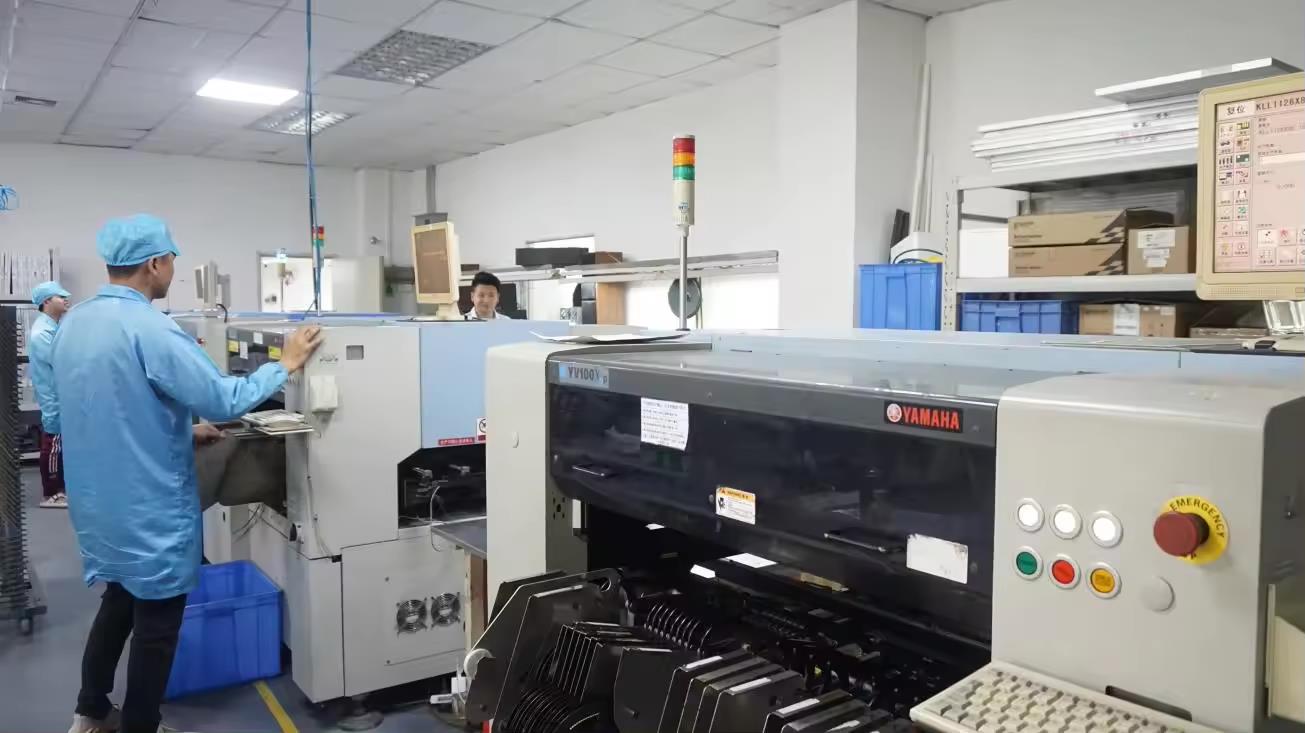
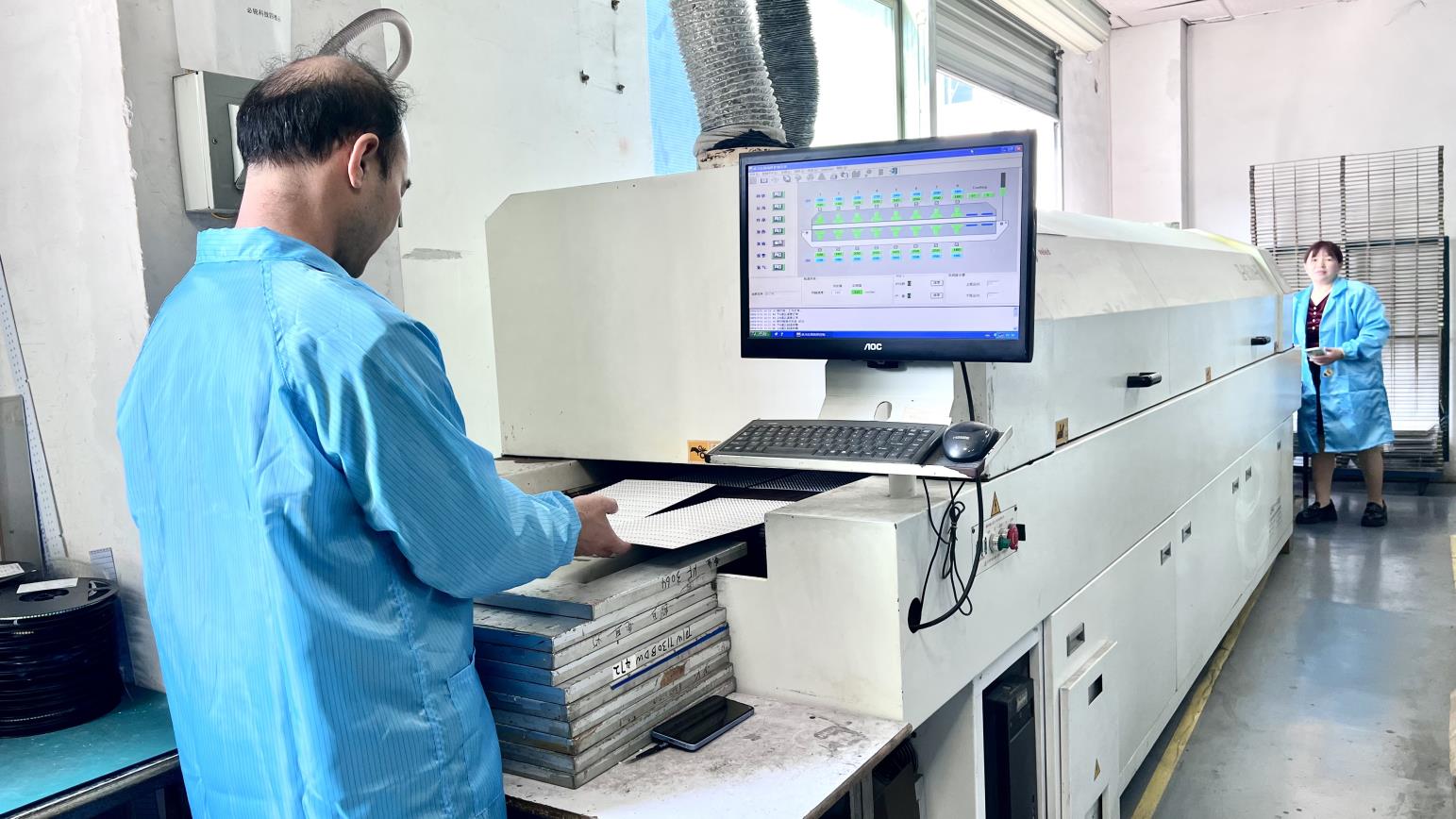
Looking ahead toward 2025 and beyond, the next horizon of dimming and illumination control systems is characterized by efficiency milestones and hardware-level intelligence.
Traditional silicon-based components are reaching their physical limitations in heat dissipation and efficiency. Incorporating GaN transistors in drivers allows switching frequencies to triple while reducing the overall physical footprint of the driver. This is critical for ultra-low profile linear fixtures and micro-downlights where ceiling cavity space is extremely constrained.
Rather than turning off completely when overheating, future dimmable drivers use AI algorithms to monitor external room temperature and thermal load. The driver shifts the output current downward dynamically in imperceptible increments. This protects the internal solid-state components while maintaining illumination, extending fixture life to over 100,000 operational hours.
Commercial and high-end residential clients are moving away from proprietary control apps. Drivers now feature built-in Thread radio modules capable of receiving direct signals from any Matter-compliant hub. This ensures seamless interoperability across brands and simplifies commissioning, reducing dependency on proprietary network bridges.
Addressing the critical technical questions that architects, specifiers, and procurement managers encounter when sourcing dimmable lighting systems.
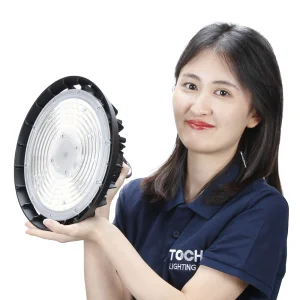
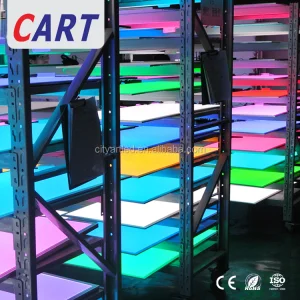
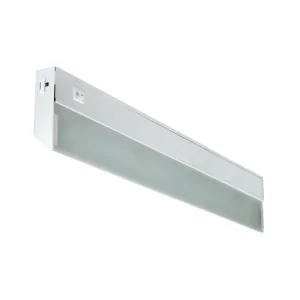
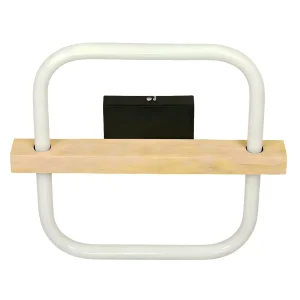
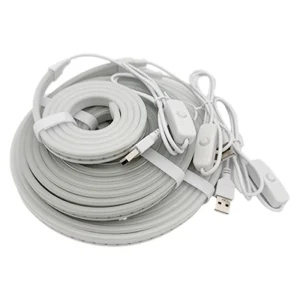
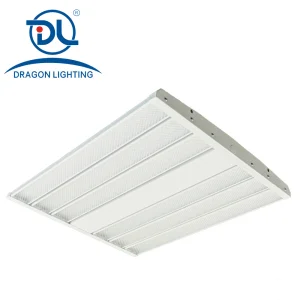
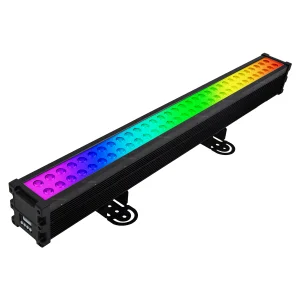
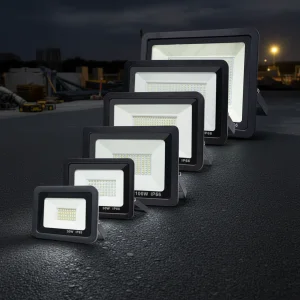
Explore high-power and specialized fixtures engineered to perform reliably under demanding operational environments.
 Jable Light