Analyzing key manufacturing criteria, technological integration maps, and global supply chain indicators for architectural sconce lighting.
In modern architecture and commercial project design, wall sconce lighting has evolved far beyond its original decorative role. Today, it serves as a critical element of functional luminaire configuration, integrating smart control systems, advanced optoelectronic components, and architectural styling. For engineering procurement managers, commercial space developers, and global distributors, choosing the right sconce lighting manufacturer is a fundamental business decision that directly impacts operational efficiency, project compliance, and long-term brand equity.
This industry whitepaper explores the critical indicators that define a top-tier sconce lighting manufacturer, detailing technical roadmaps, manufacturing methodologies, supply chain management, and regulatory compliance standards.
Explore high-performance LED solutions engineered for demanding specifications.
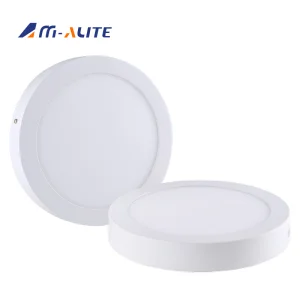
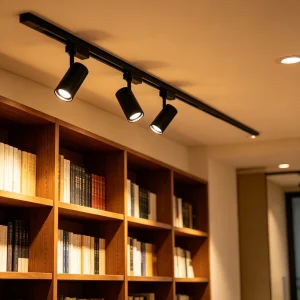
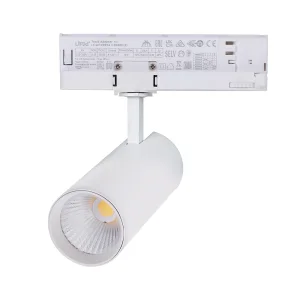
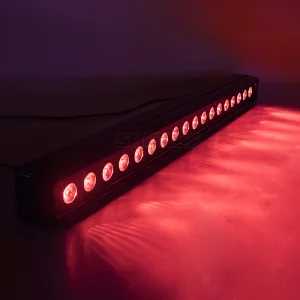
As solid-state lighting (SSL) technologies mature, the technical development of wall sconces focuses on optimizing electrical, optical, and thermal systems. Rather than relying on simple decorative housings, modern engineering emphasizes precise optical control, high luminous efficacy, and smart building integration.
1. Optical Performance and Advanced Color Metrics: B2B enterprise procurement projects increasingly require strict color quality metrics. Traditional Color Rendering Index (CRI) standards are being replaced by TM-30-18 methods, which evaluate Fidelity (Rf) and Gamut (Rg) across 99 spectral color evaluation samples. Top manufacturers design sconces with high-performance COB (Chip-on-Board) LEDs and SMD matrices that achieve CRI > 90 (R9 > 50) and a MacAdam Ellipse of step 3 or fewer (SDCM < 3), ensuring consistent color uniformity across extensive installations.
2. Smart Integration and Tunable White Technology: The integration of human-centric lighting (HCL) requires sconces to support tunable white lighting (ranging from 2200K to 6500K). Leading lighting systems utilize DALI-2, 0-10V, and wireless protocols like Zigbee, Bluetooth Mesh, or Matter. This allows wall sconces to adjust dynamically throughout the day, aligning with circadian rhythm patterns in corporate and hospitality settings.
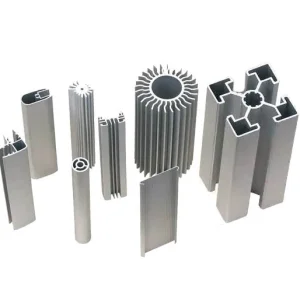
3. Advanced Thermal Management: The lifetime and efficacy of LED components depend heavily on thermal design. Heavy-duty die-cast aluminum (ADC12) or structured extruded aluminum profiles with high thermal conductivity are essential. Efficient heat dissipation prevents junction temperatures from exceeding critical thresholds, securing a maintenance-free lifetime profile exceeding L70/B50 at 50,000 hours.
Technical Milestone: Future-ready sconce lights incorporate integrated driver-on-board (DOB) technology with high-efficiency power factors (PF > 0.95) and minimal Total Harmonic Distortion (THD < 10%), reducing installation depth without compromising heat dissipation performance.
Wall sconces serve different functions depending on the project type. Leading manufacturers offer specialized models designed for specific commercial, hospitality, and public sector applications.
| Industry Sector | Primary Application Areas | Key Architectural Requirements | Technical Features Needed |
|---|---|---|---|
| Hospitality & Luxury Retail | Hotel lobbies, guest rooms, corridors, boutique changing areas | Warm color temperatures, glare control, high-quality finishes | Dim-to-warm drivers, CRI > 95, custom brass/anodized finishes |
| Commercial & Corporate | Office lobbies, elevator bays, breakout spaces, meeting rooms | High energy efficiency, minimal glare, architectural integration | UGR < 19, smart control compatibility (DALI-2, Zigbee) |
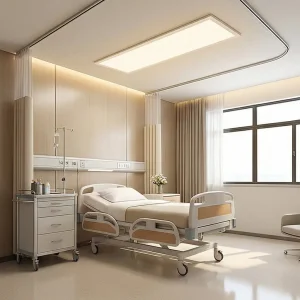
| Healthcare & Wellness | Patient rooms, nursing stations, clinic corridors | Antibacterial coatings, human-centric circadian control | Tunable white 2700K–6000K, dust-proof IP44 enclosures |
| Outdoor & Public Infrastructure | Façades, entryways, municipal building perimeters | Weather resistance, durability, dark-sky compliance | IP65/IP66 rating, IK08-IK10 impact resistance, surge protection |
Manufacturers must adapt to these specific design parameters. For instance, in hospitality applications, aesthetics and soft diffusion are key. Conversely, outdoor infrastructure requires high ingress protection (IP) ratings, robust anti-corrosion coatings (such as C4-grade powder coating), and impact protection (IK level ratings) to withstand environmental wear.
In global B2B procurement, manufacturing capacity and quality control are just as important as design features. High-volume buyers require reliable partners with robust quality management, scalable production, and secure supply chains. This is exemplified by leading Chinese manufacturing centers like Foshan Jable Light Co., Ltd.
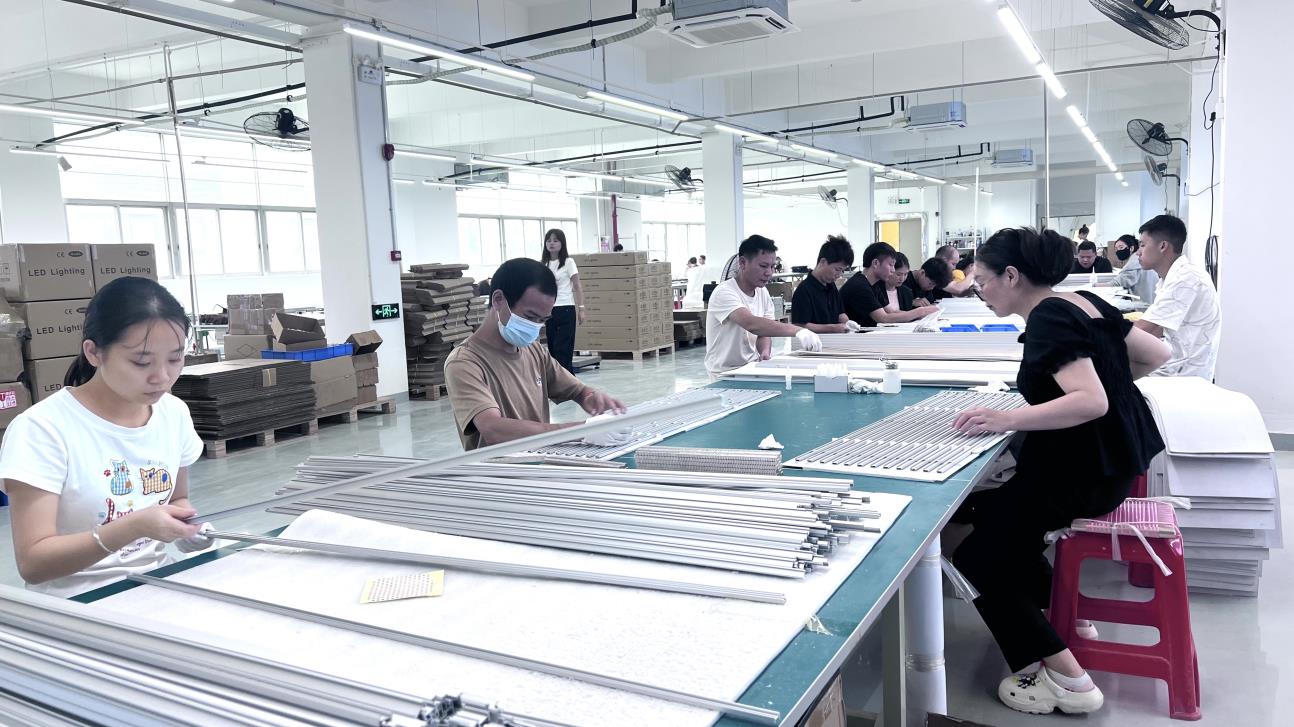
Foshan Jable Light Co., Ltd. is a leading professional lighting manufacturer established in 2006, specializing in the research, development, production, and marketing of a wide range of high-quality lighting fixtures. Headquartered in Foshan, the company operates a modern factory covering over 20,000 square meters and employs more than 300 skilled workers.
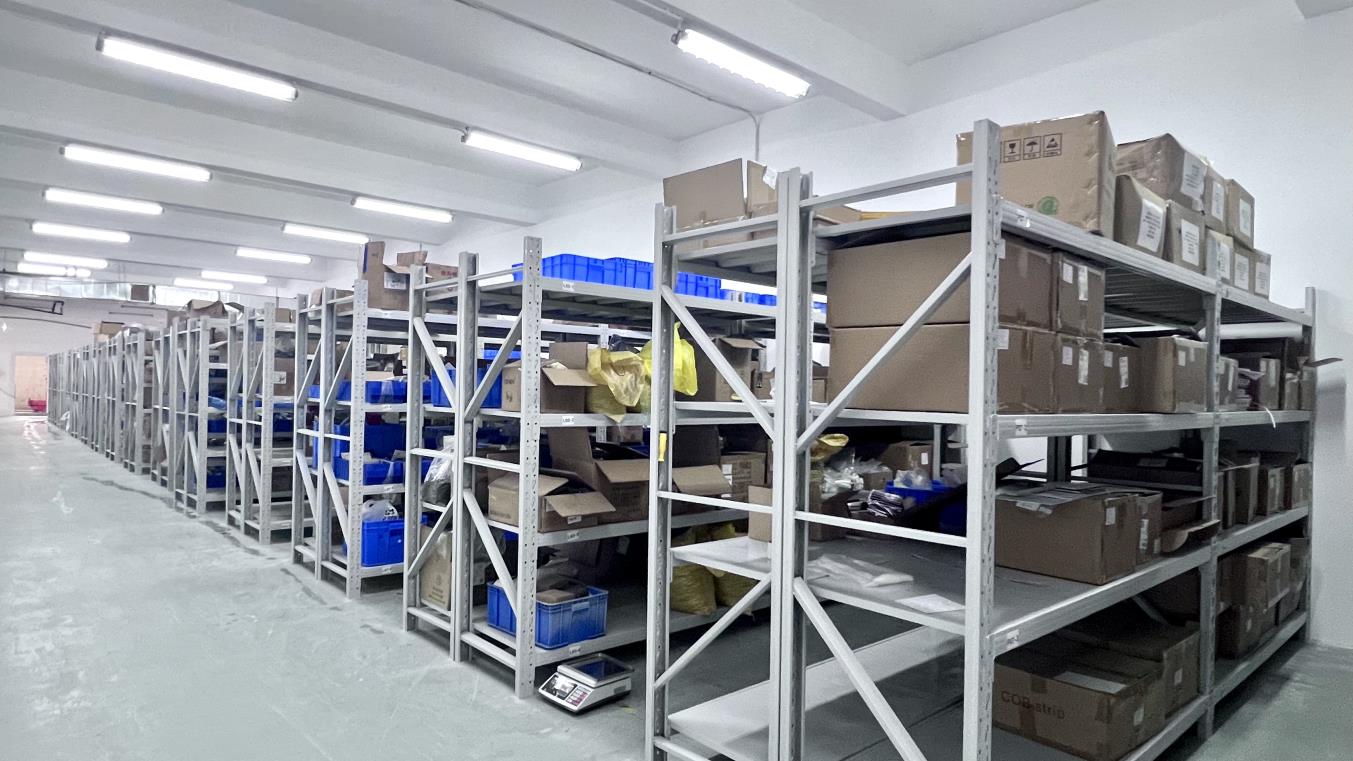
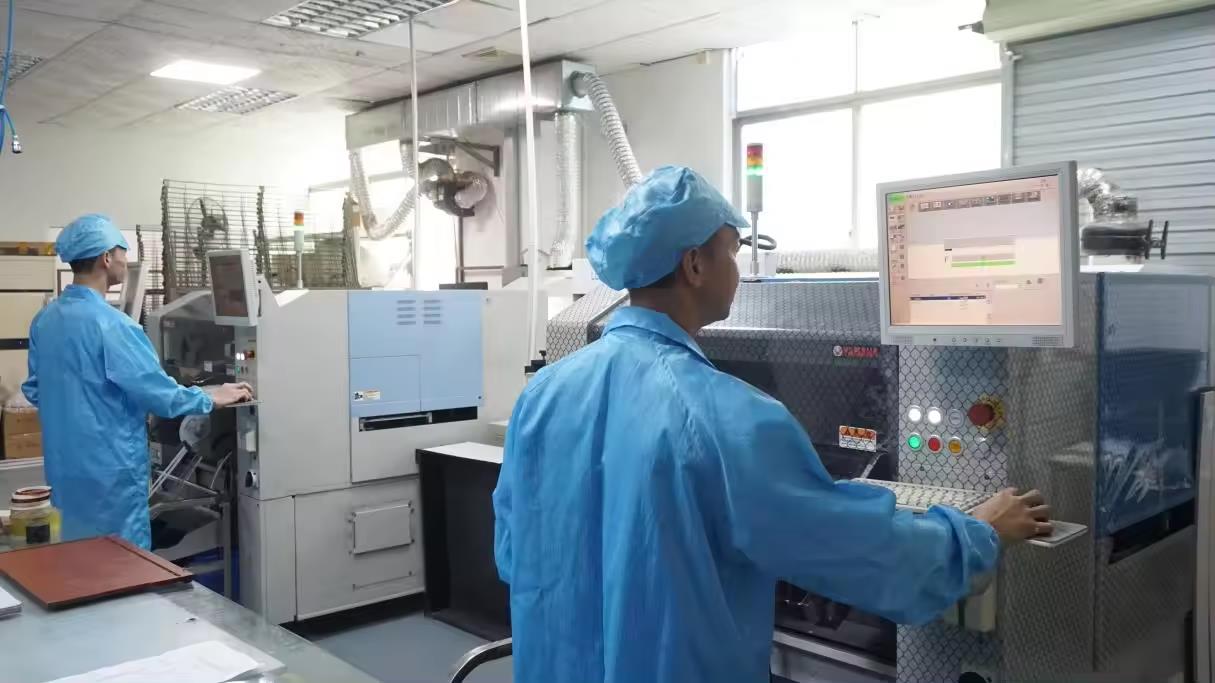
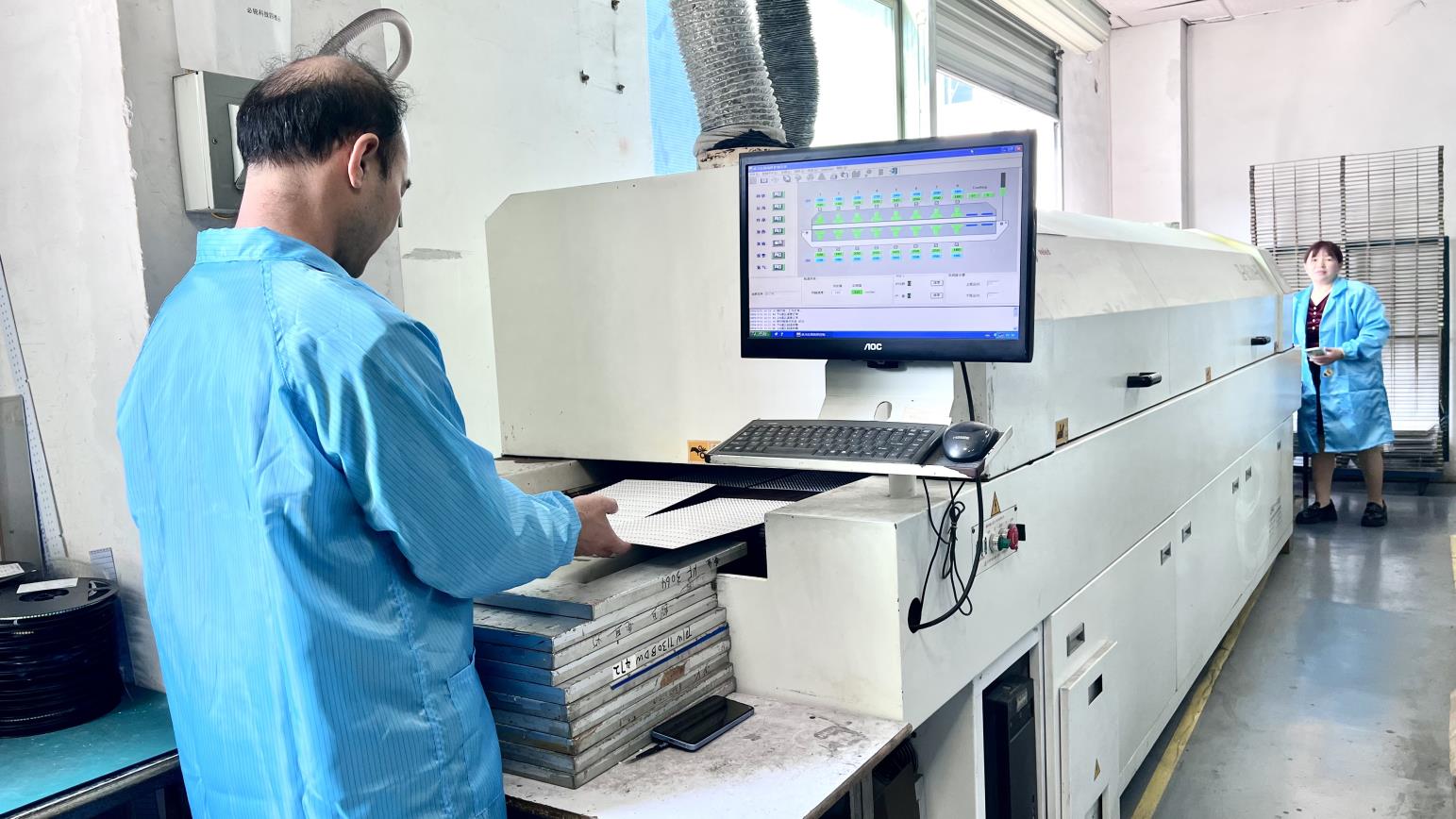
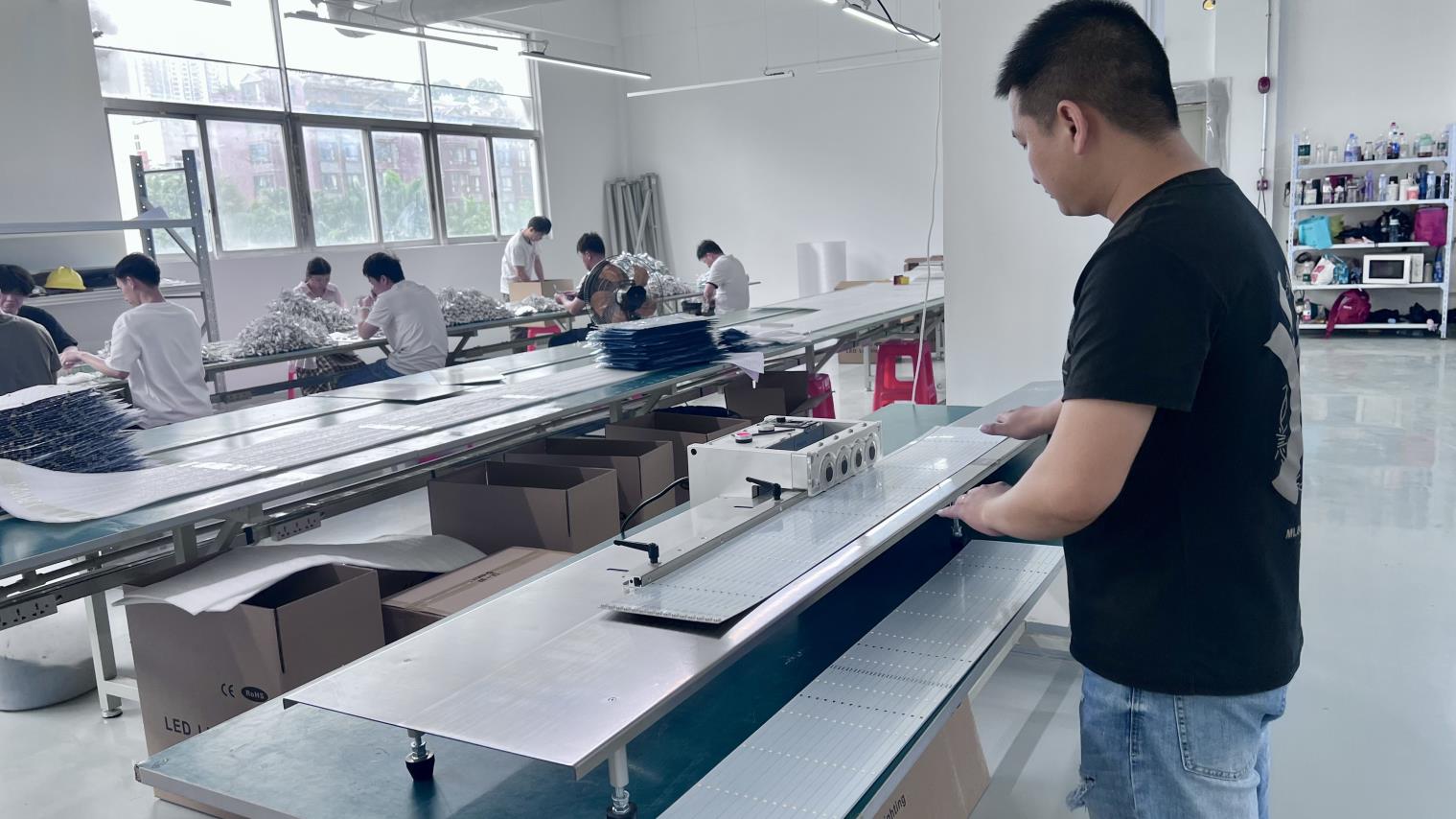
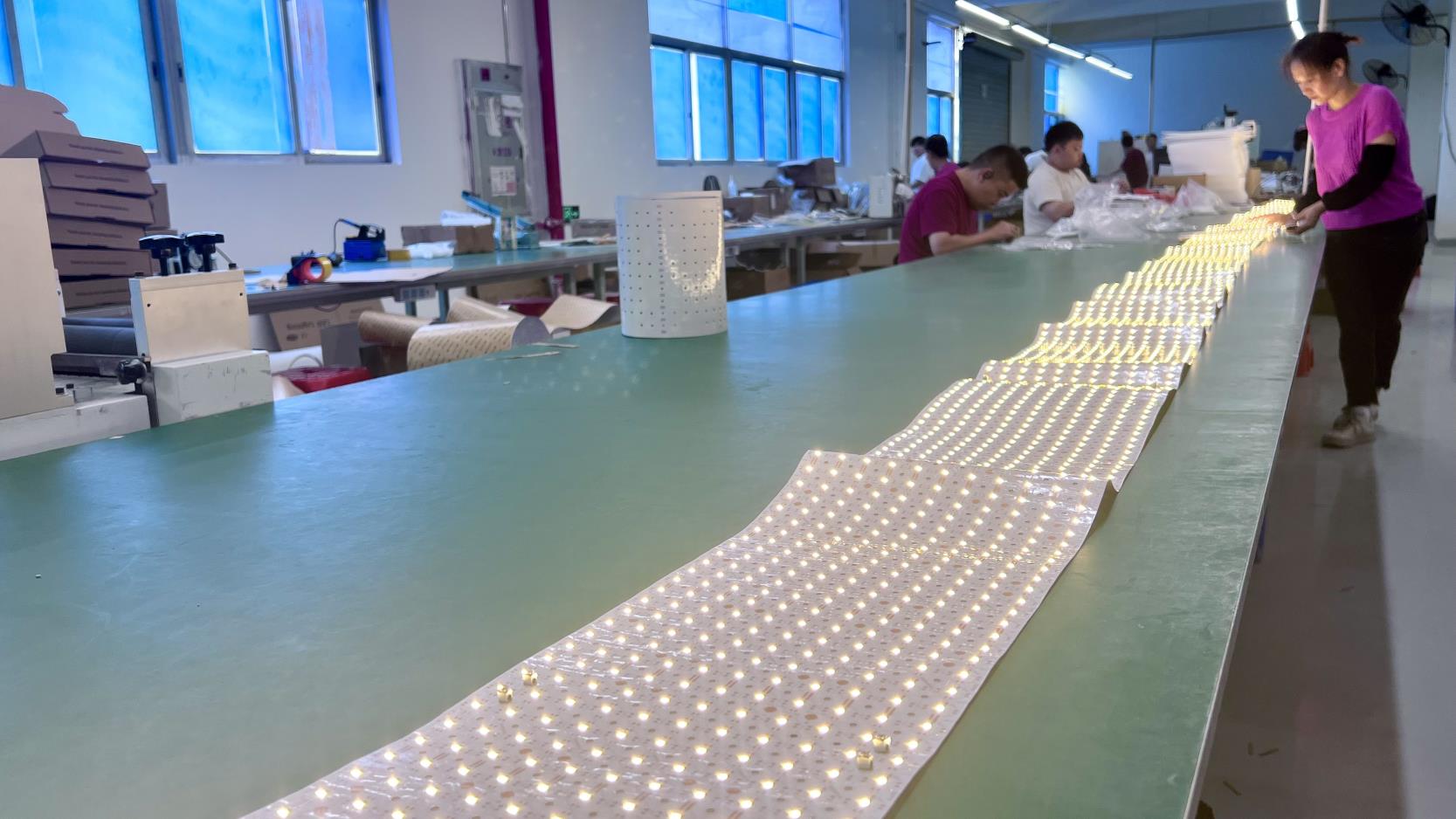
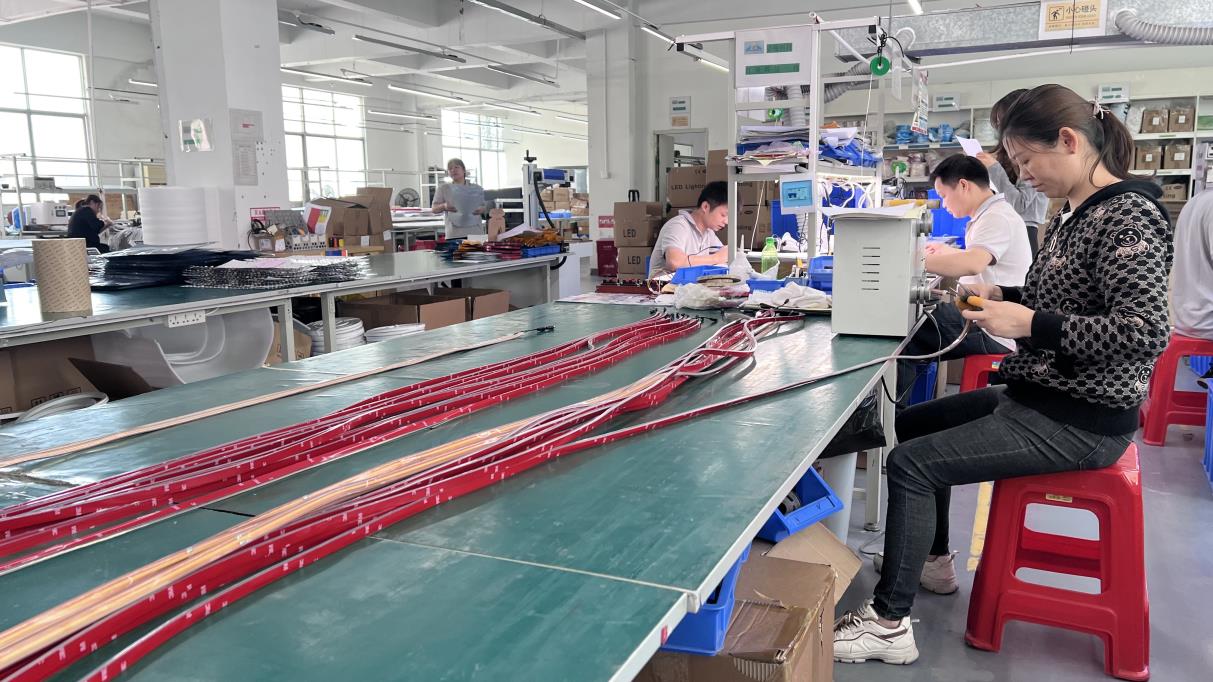
The facility is equipped with 8 advanced production lines—including stamping, spinning, injection molding, powder coating, and general assembly—ensuring high efficiency and consistent product quality. With an annual turnover exceeding USD 30,000,000, production capacity continues to grow by approximately 30% each year to meet the increasing demands of both domestic and international markets.
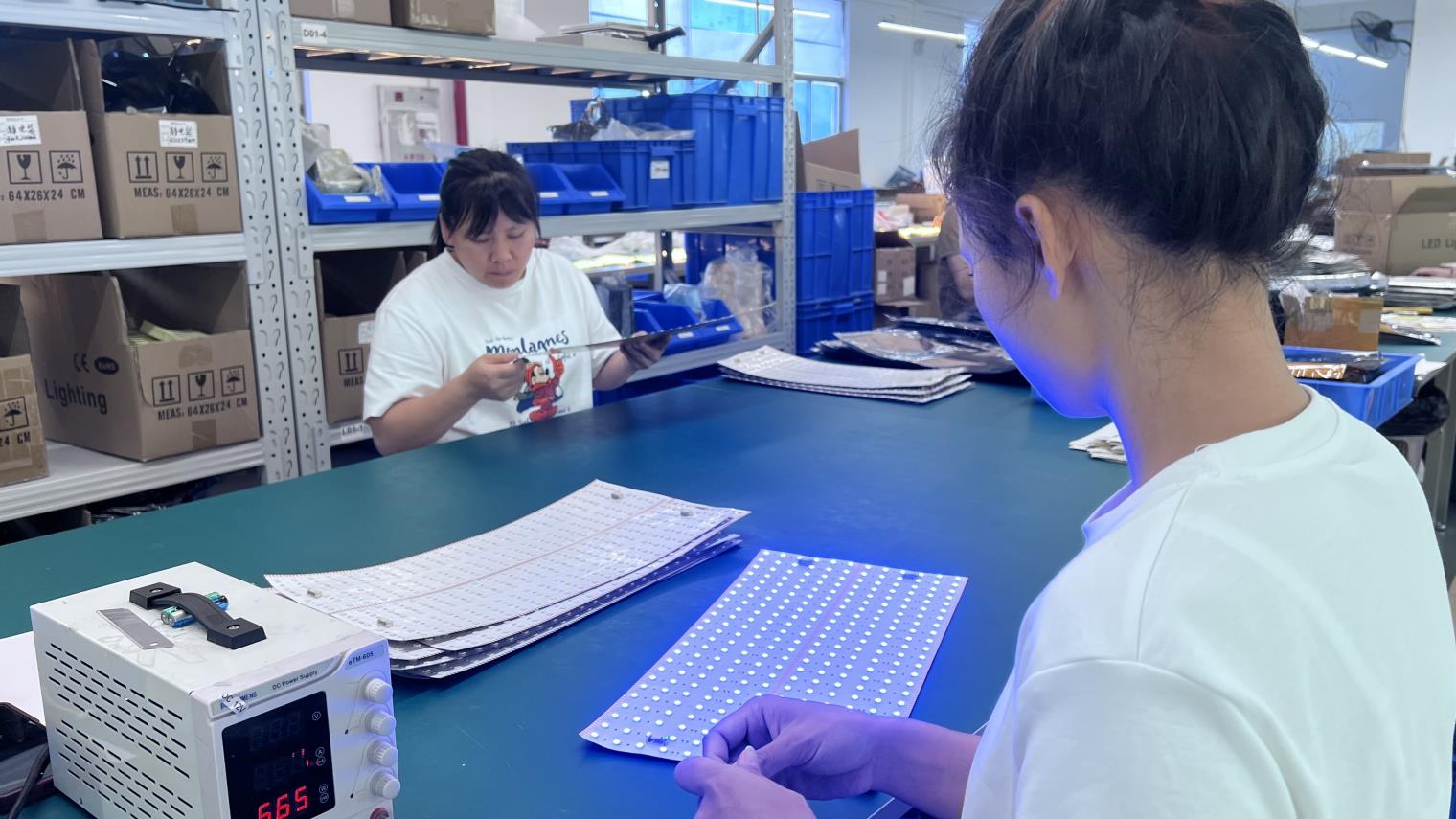
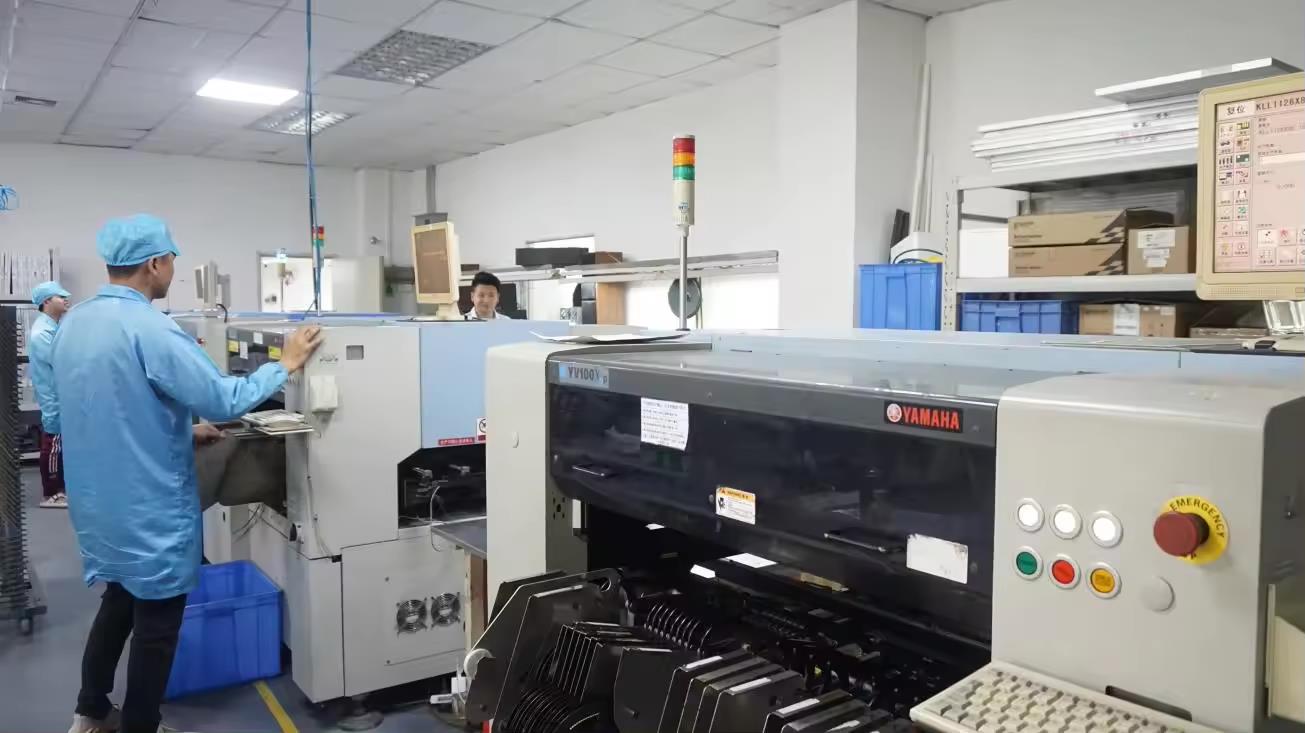
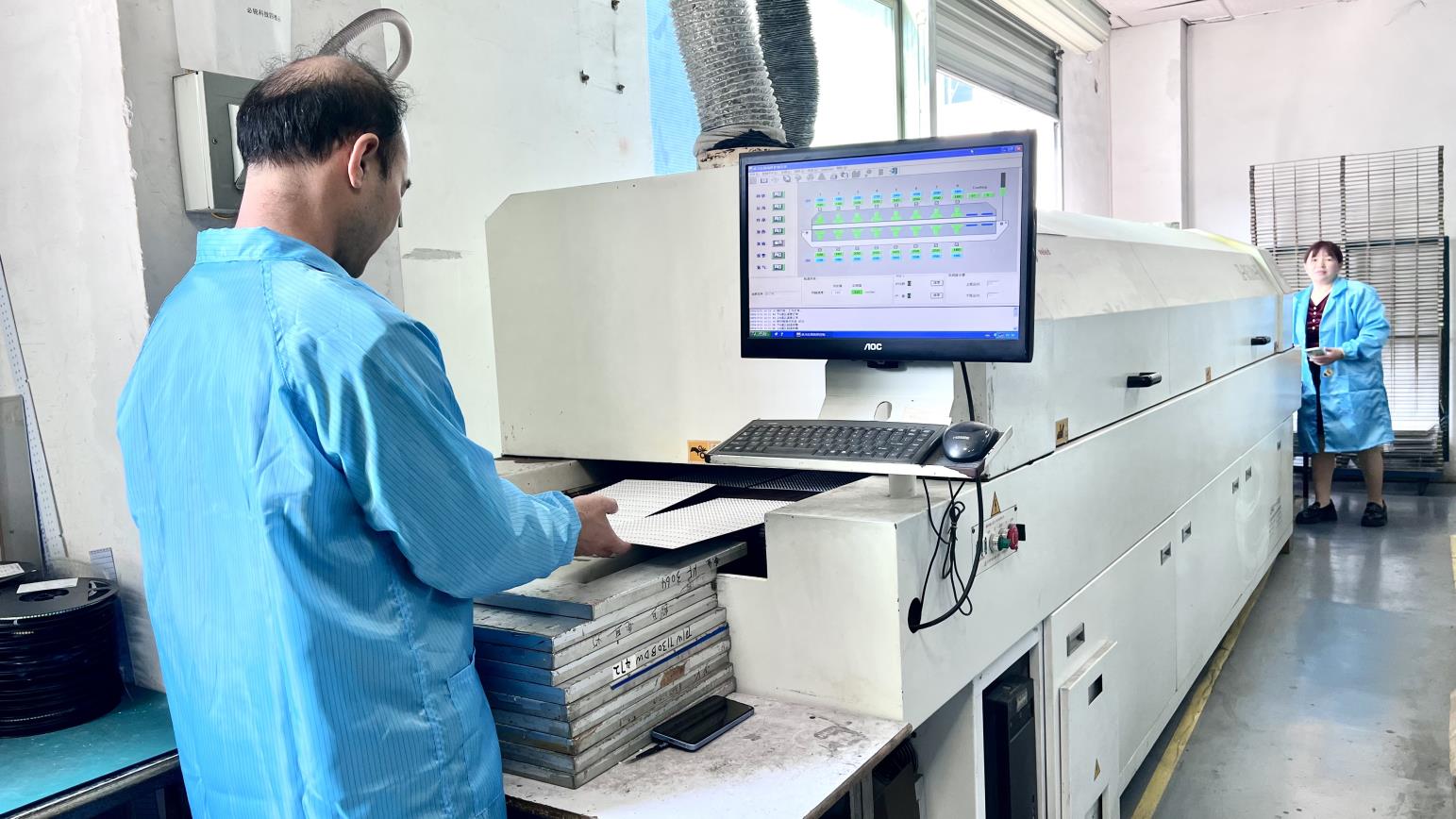
At Jable Light, the company is committed to winning the market through exceptional service, superior product quality, and competitive pricing. The facility implements strict 7S management and maintains compliance with the TÜV ISO9001 quality management system. The products have obtained multiple certifications, including ETL & cETL, UL, CE, and IP44, ensuring safety, reliability, and environmental compliance. Below is a detailed view of the standard manufacturing process flow at the Foshan facility:


Compliance is a critical requirement for electrical fixtures. Importing luminaires without proper regional certifications can lead to legal issues, customs clearance failures, or project liabilities. Sconce lighting products must comply with the regulatory frameworks of their destination countries:
Compliance Standard: High-quality manufacturers run comprehensive testing inside certified laboratories (TÜV SÜD, Intertek, or SGS) to ensure their products comply with local electromagnetic and insulation safety regulations.
Enterprise procurement teams look for suppliers that offer competitive pricing, robust supply chain management, and clear manufacturing processes. When sourcing wall sconces, procurement decisions should evaluate several key operational areas:
1. Customization and OEM/ODM Adaptability: Commercial projects often require custom finishes, specific beam angles, or unique dimensions. Top suppliers maintain dedicated R&D teams and prototyping facilities, turning design concepts into functional samples in short timeframes.
2. Supply Chain Integration and Lead Times: Sourcing raw materials locally helps keep production schedules reliable. Suppliers located in complete industrial ecosystems can secure drivers, LED chips, optics, and metal parts efficiently, keeping turnaround times stable even during high demand.
3. Advanced QC and Batch Consistency: Reliability is maintained through systematic testing. Products undergo integration sphere tests, IP chamber tests, and automated aging tests to ensure long-term performance and minimize warranty claims.
Key technical and logistics questions addressed by lighting industry experts.
Advanced lighting solutions designed for commercial projects and specialized applications.
 Jable Light